Pitting is one of the steps in a date line where the most product value can be lost. The fruit is soft and sticky while the pit is hard, and if the flesh tears during separation the date loses both its appearance and its price in the market. This article explains how a date pitting machine is built to work without breaking the fruit, which factors decide the result, and what to settle before you buy.
01
Why do dates tear during pitting?
There are three common causes: the blade is positioned badly relative to the pit, the product arrives in a condition the machine was not set for, and the working speed is fixed regardless of the batch. Dates are not a uniform product. Size, firmness and moisture can differ within a single lot. In manual pitting the worker compensates by hand; in a machine, that compensation has to come from the design and the adjustments available.
- 01A blade that cuts through the flesh instead of working around the pit tears the fruit.
- 02Damp or clumped dates stick to each other and do not seat properly at the blade.
- 03If speed cannot follow the product, soft and firm batches are processed under the same conditions.
02
How does the internal blade system work?
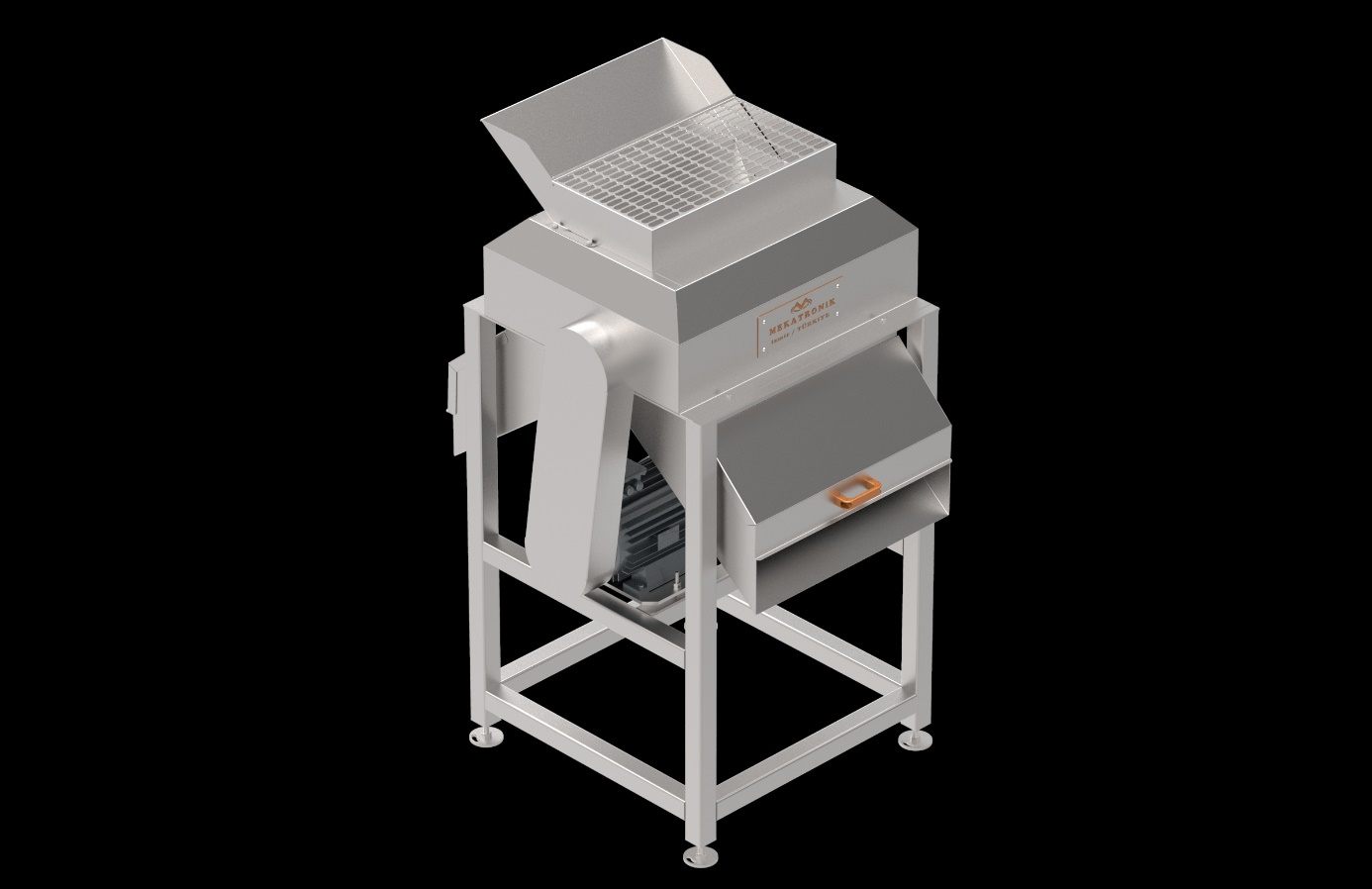
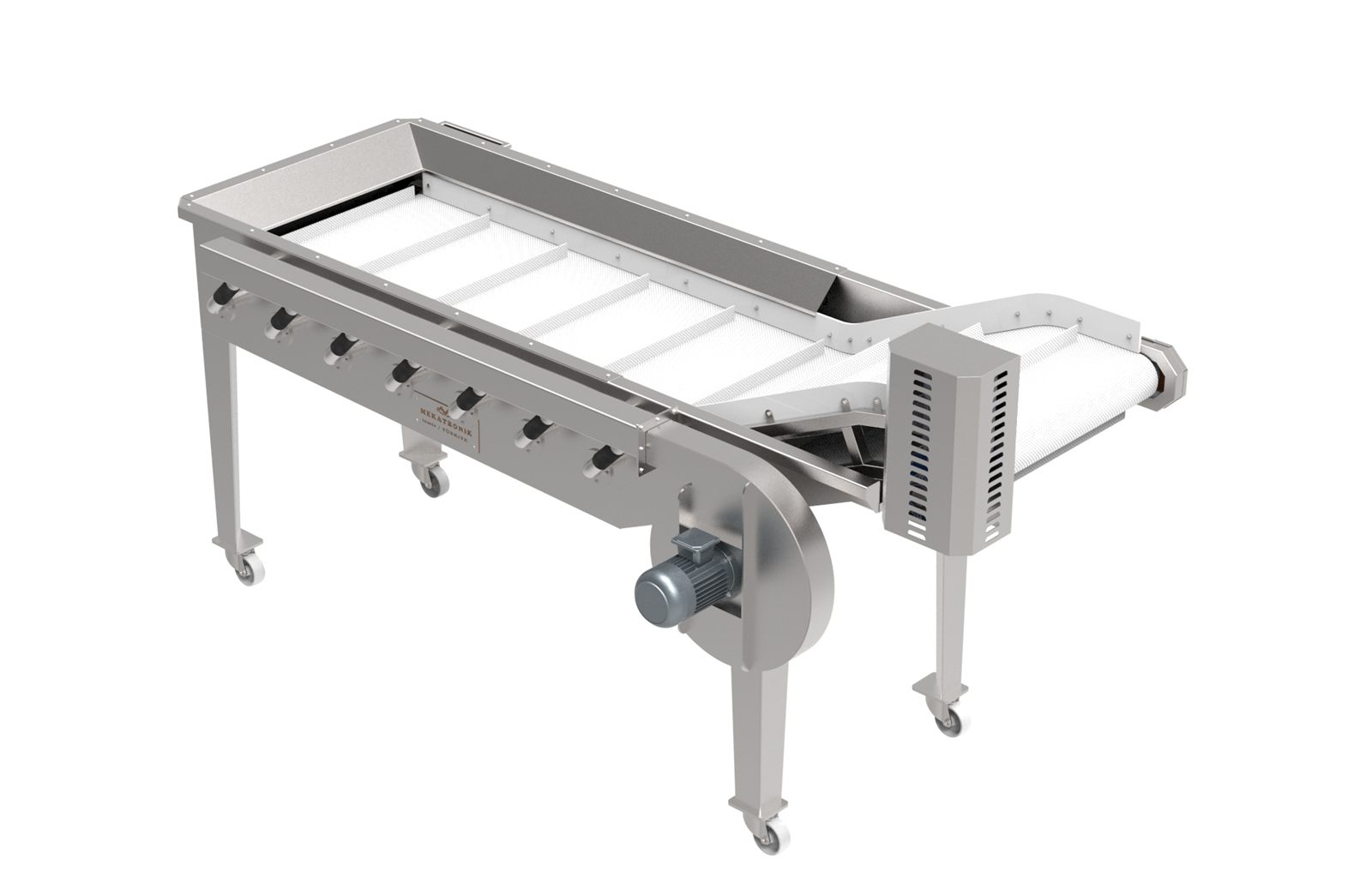
The Date Pitting Machine uses a specially designed internal blade system. The blades are designed to take the pit out of the fruit while keeping the flesh together, which is the core purpose of the machine. The honest way to judge that claim is a trial with your own variety, because whether the blade geometry suits your fruit shows up in the commissioning test, not in a catalogue.
03
Why is speed control a separate feature?
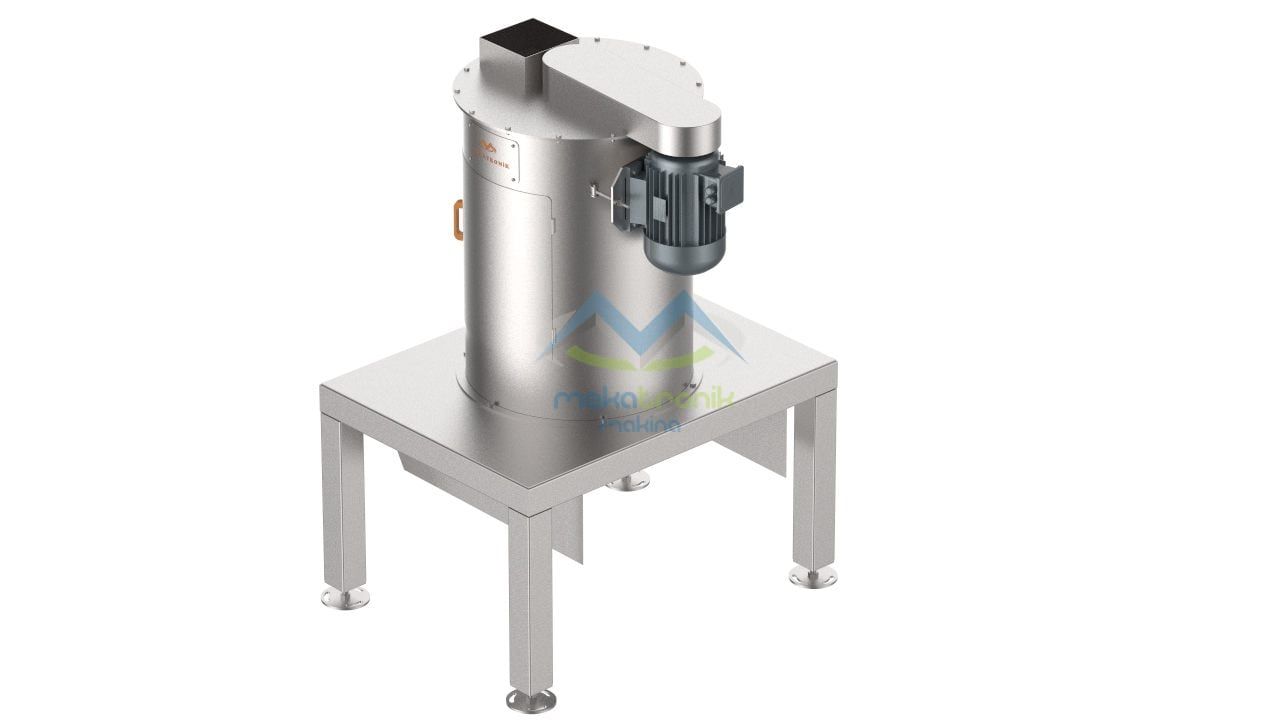
The drive is a motor with a speed control system, so the working speed is tuned to the product and to the flow of the line. A soft, ripe batch and a firmer one do not have to run at the same speed, and the machines before and after pitting also set the pace. The machine alone does not decide yield: product condition, feeding and settings together do. That is why yield is measured jointly during commissioning, and why firm figures such as capacity are confirmed in the quotation for each project.
04
Where does pitting sit in a date line?
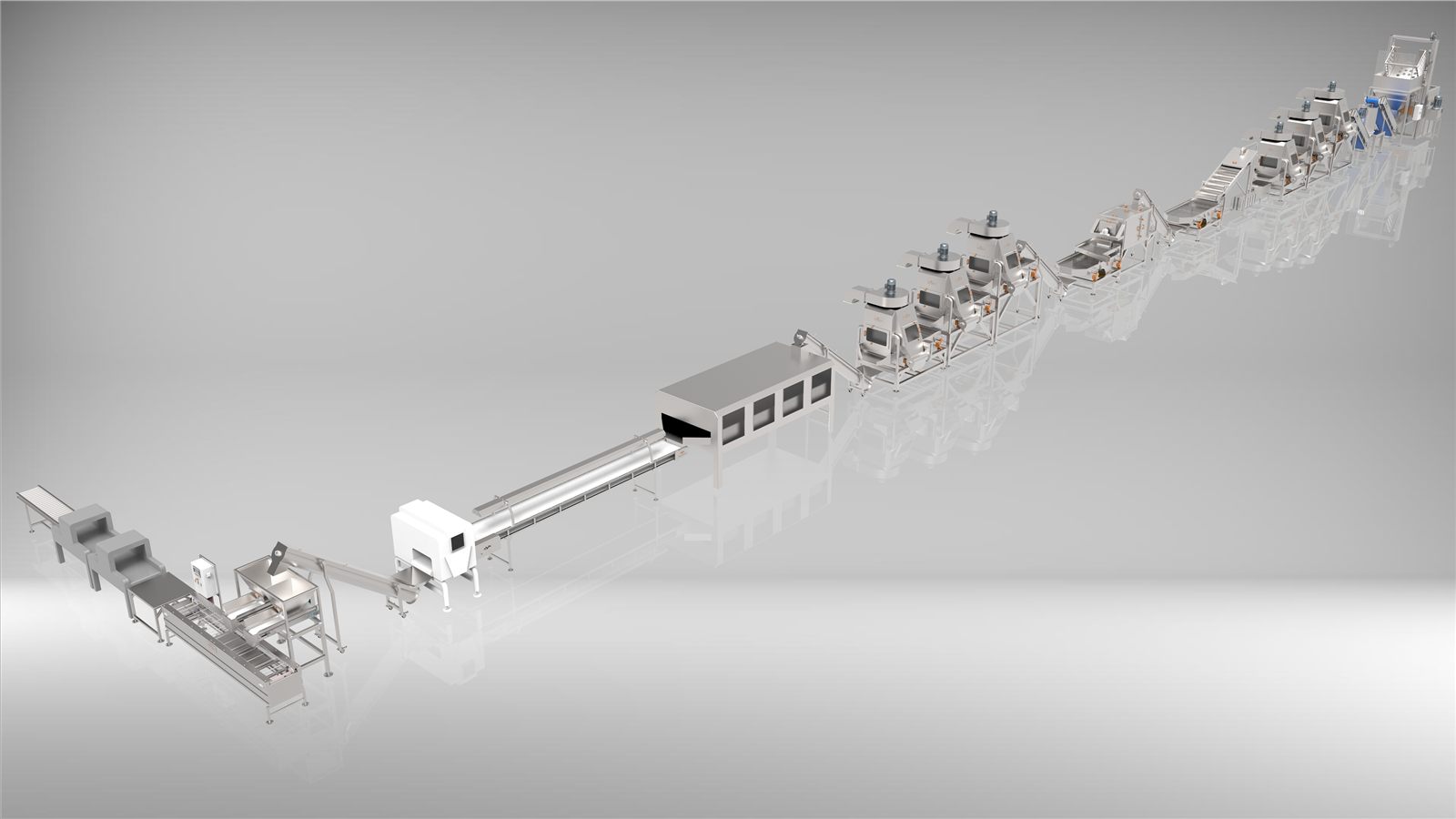
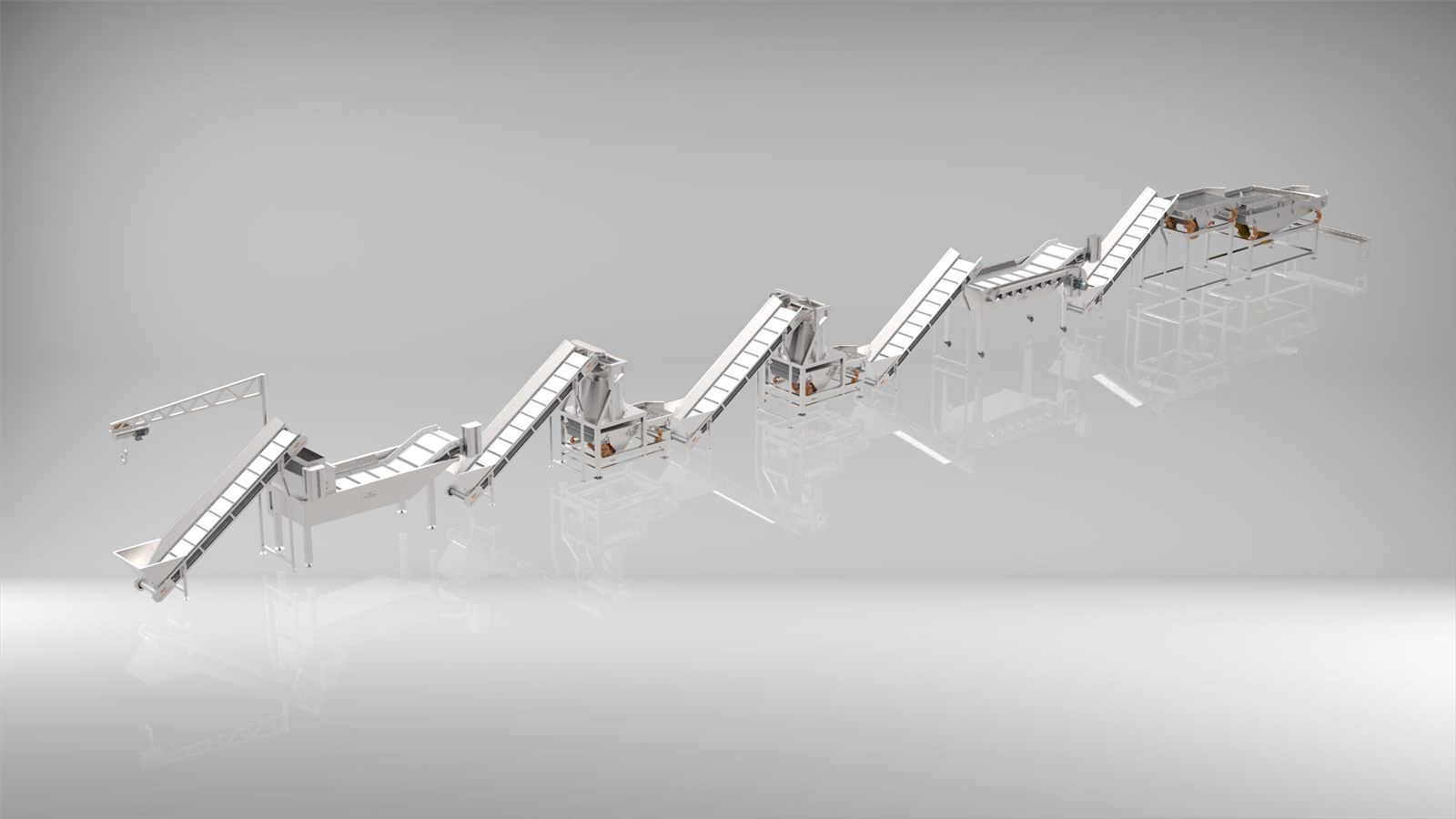
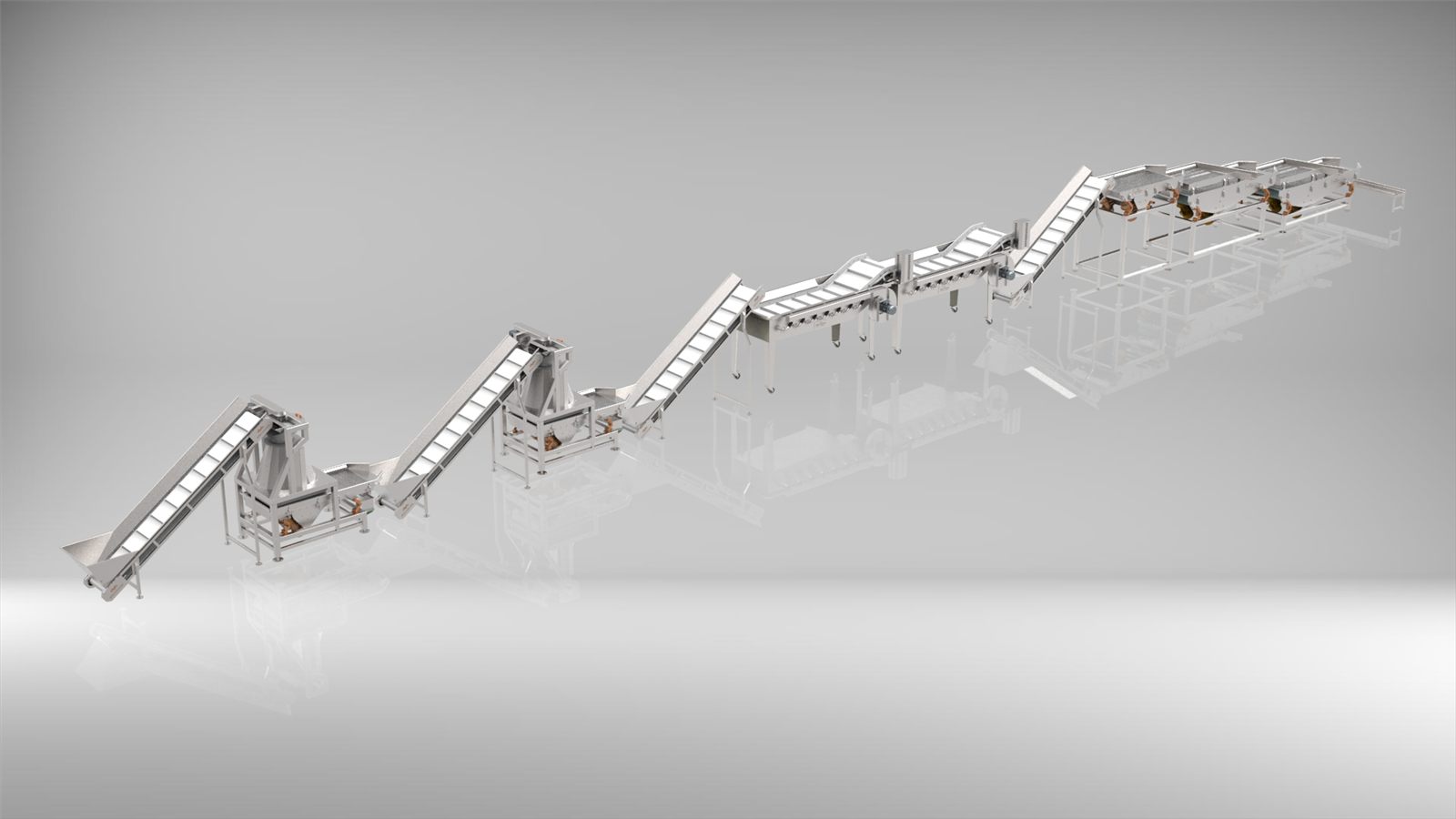
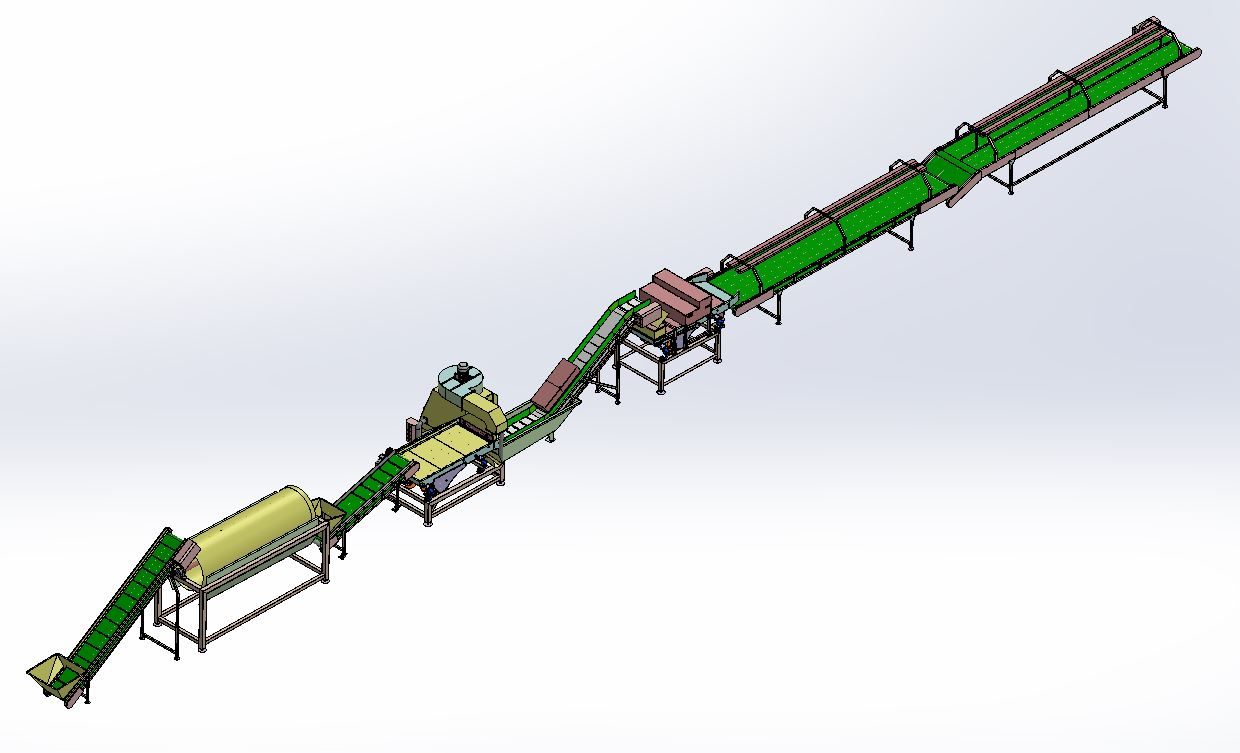
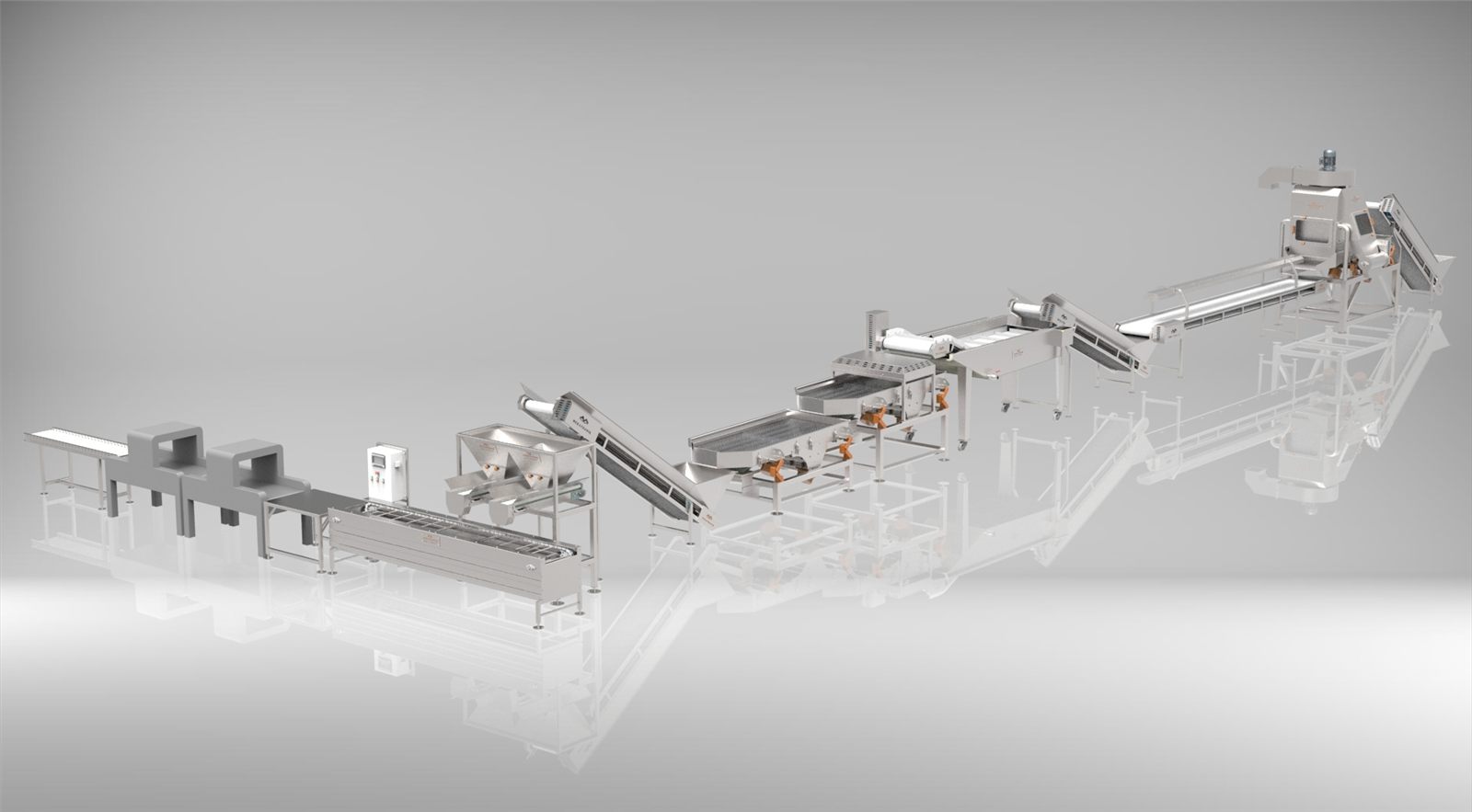
Pitting is its own process step in the date processing line, described on the pitting process page. Pitted dates usually go straight to packing or to a second operation such as paste or filling. Where chopping is needed, pitting comes first so that no pit fragment reaches the cutting blades. For exporters supplying EU buyers, a clean and consistent pitted product also makes later inspection easier. The exact position on the line is set per project.
05
What should be clarified before ordering?
The table below lists the headings worth raising in a quotation discussion and what the machine record says for each.
| Topic | Machine specification |
|---|---|
| Frame | AISI 304 stainless steel |
| Product contact surfaces | AISI 304, AISI 316 optional per process |
| Working system | Specially designed internal blade pitting system |
| Drive | Motor with speed control |
| Supply | 380 V / 50 Hz |
| Control | PLC-controlled or standalone operation |
| Capacity | Defined per project |
It also helps to know your date variety, the moisture condition of the batch, and where the pitted fruit goes next: packing, filling or chopping.
06
What about cleaning and maintenance?
Dates are sugary and sticky, so residue left in a machine becomes a hygiene problem in the next shift. The machine is built with an easy-to-clean structure for that reason. Motors, reducers, bearings and electrical parts are standard industrial components, so spare parts are not a special constraint. Mekatronik Makina has built machines since 1992, with more than 2,000 machines in the field across 22 countries, and AISI 304 is the base for product contact surfaces.
Next step: If you would like to see how the machine would be configured for your date variety and target capacity, send your details through the quotation page; the exact values are confirmed in the quotation according to your product and line flow.