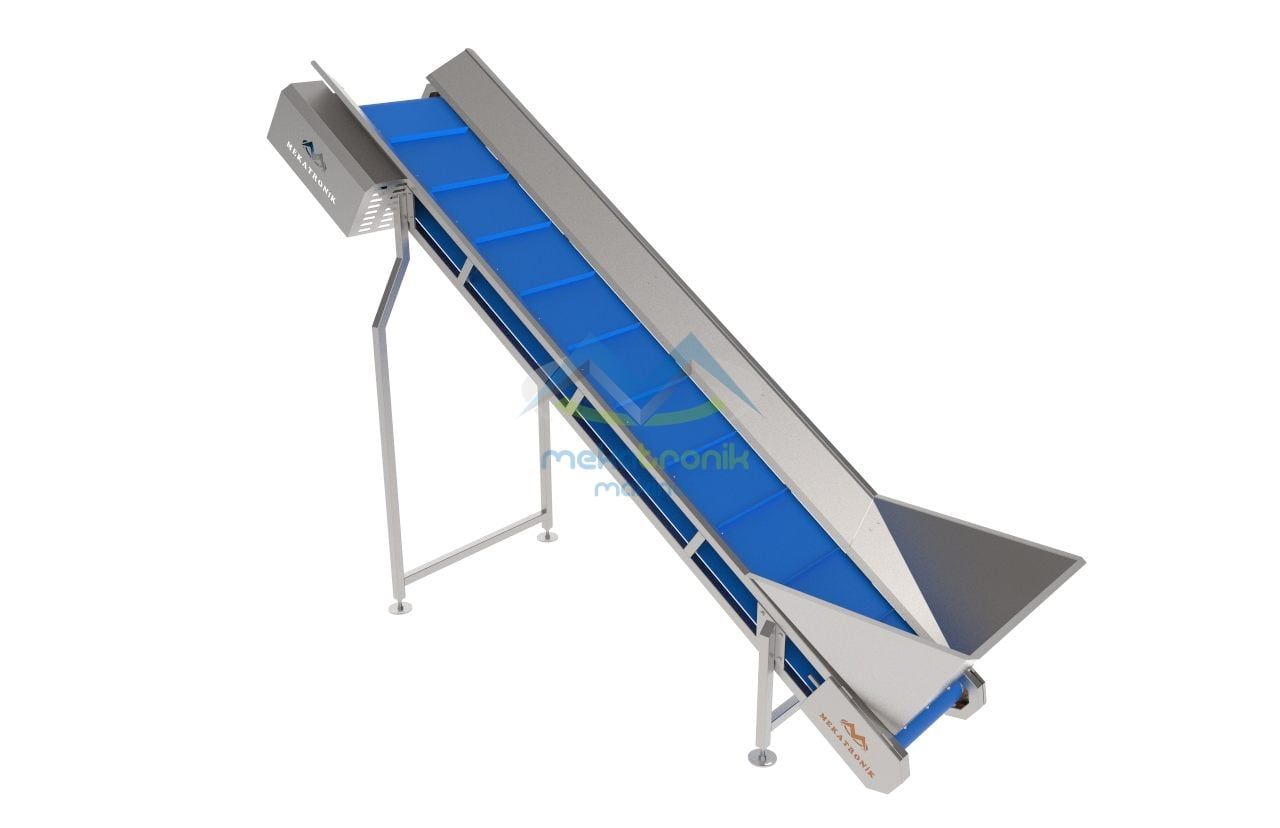
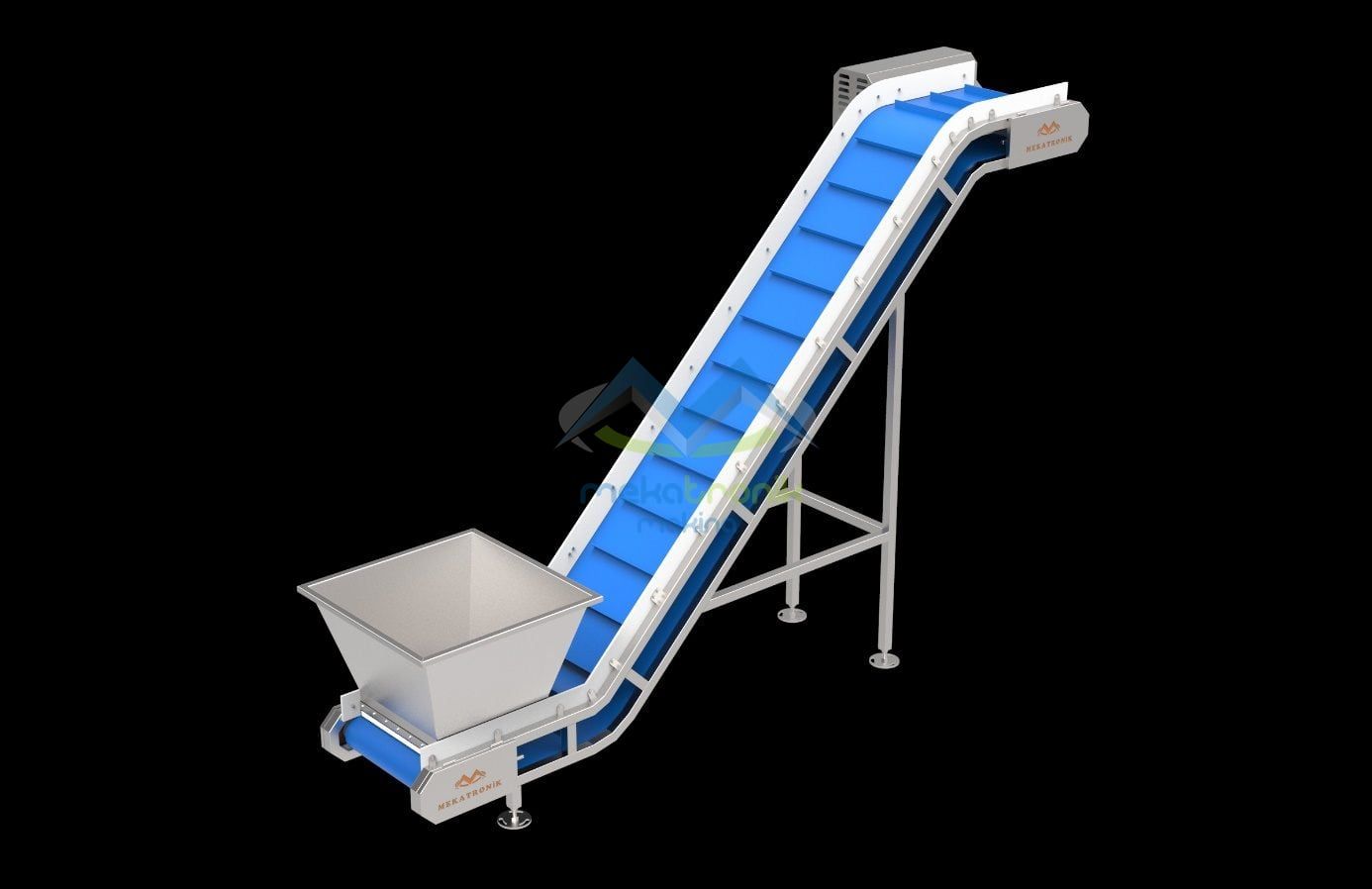
Water left on the product after washing is load carried into the next machine. The Fan-Assisted Dewatering Shaker Machine adds fan airflow to the vibration and removes that surface water in a shorter time than a dewatering shaker without a fan. This article covers where the difference comes from, which line uses which model, and how the gap is measured on site.
01
What does the fan add to a vibrating shaker?
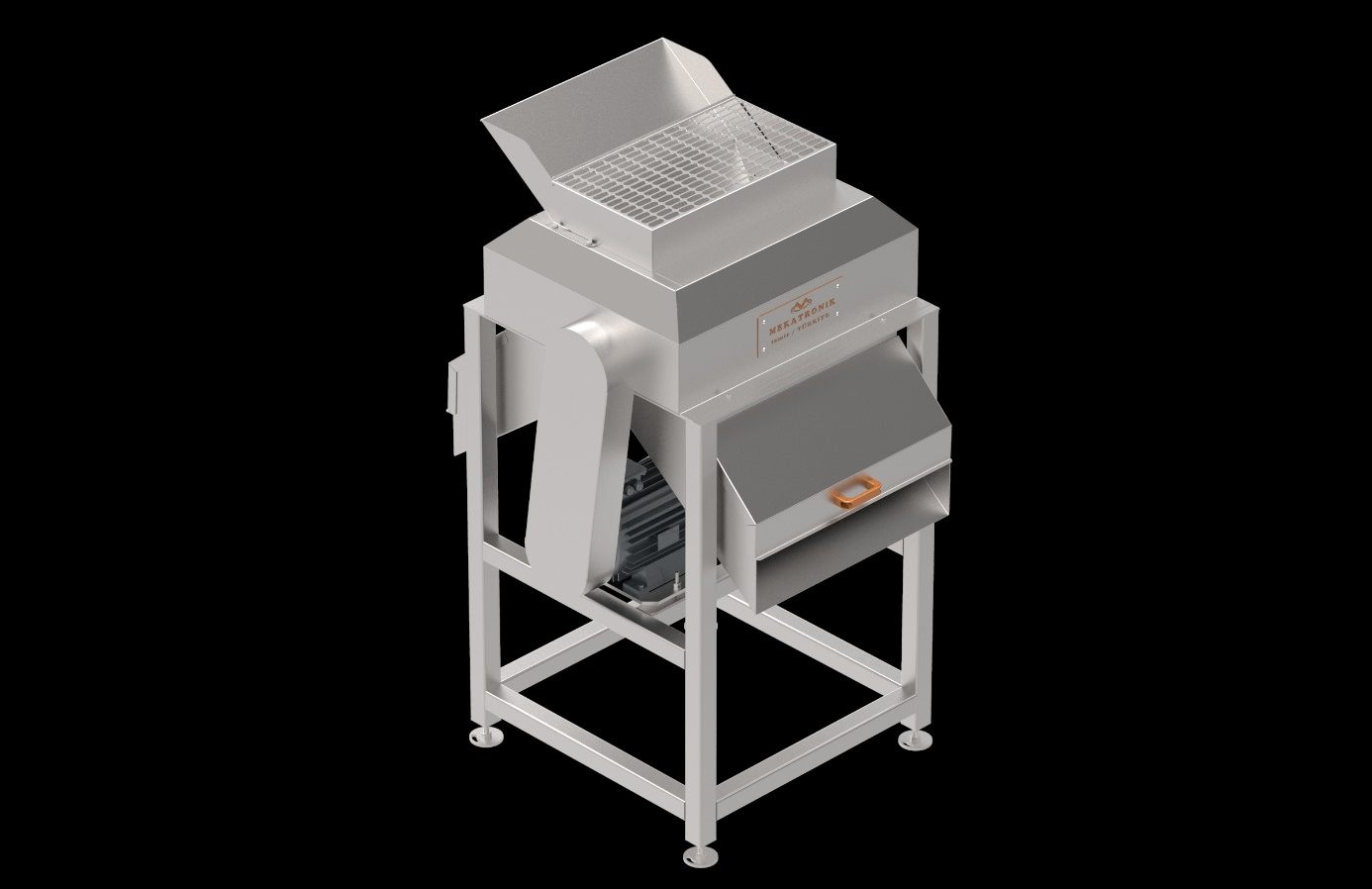
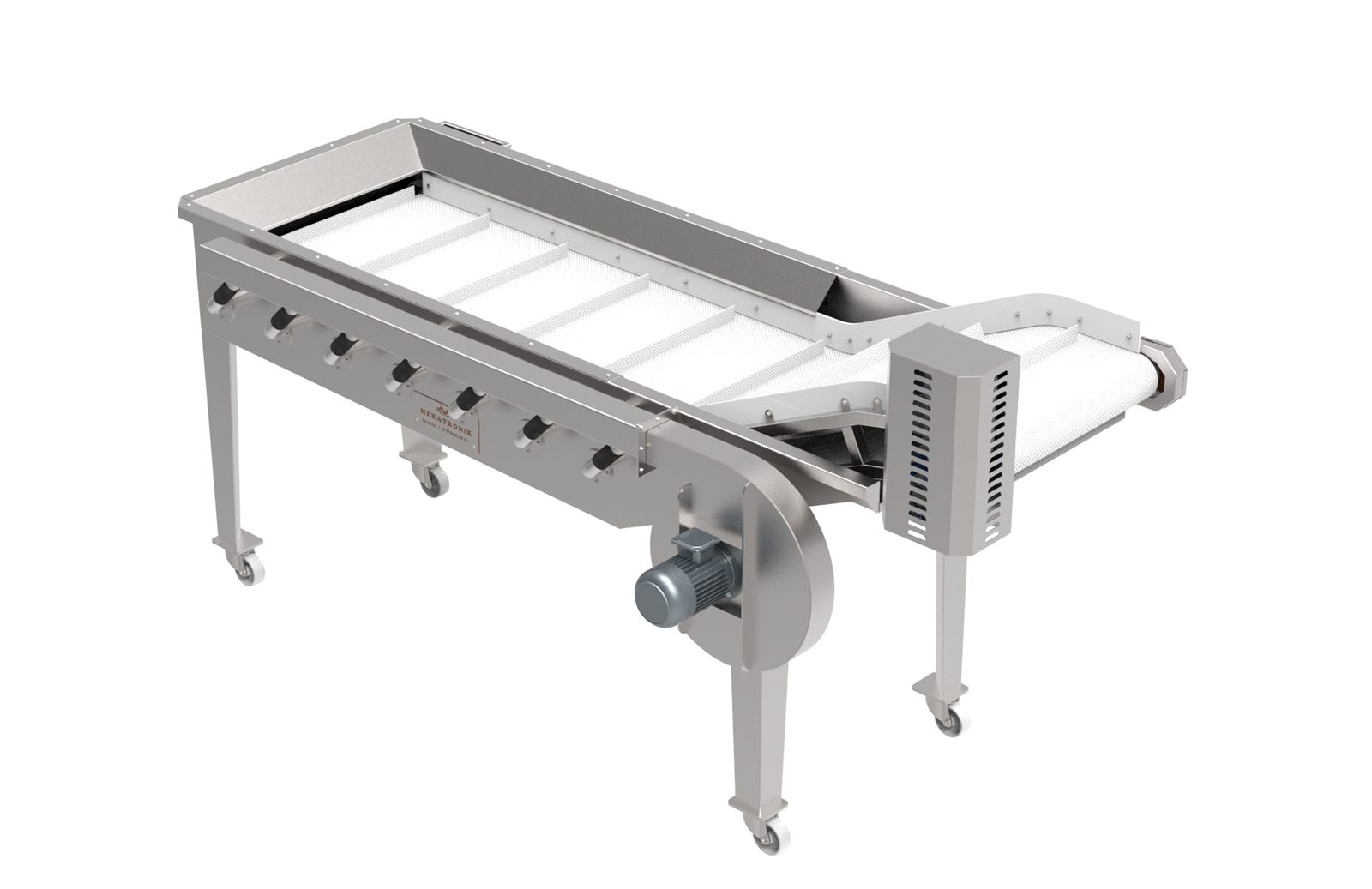
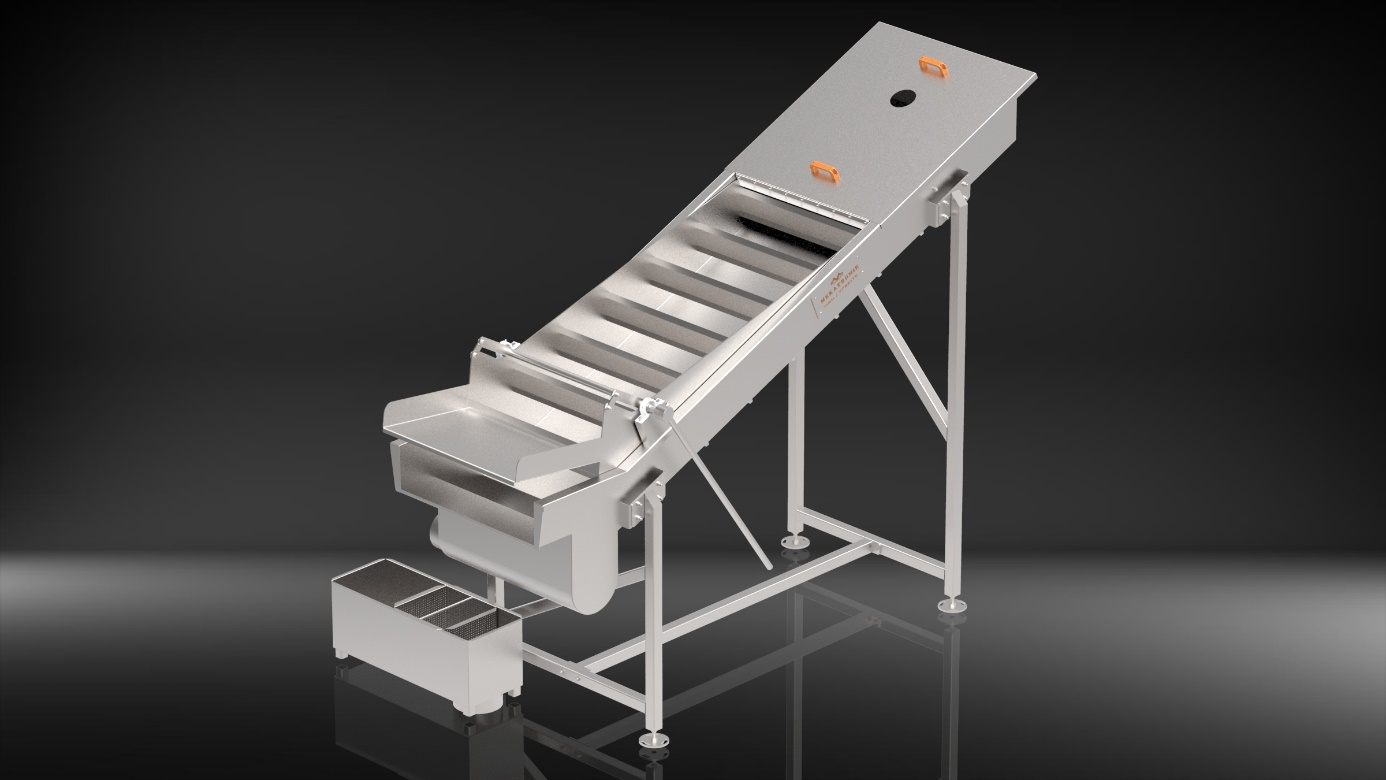
Both models do the same basic job: they separate the dense mix of water and product on a screen. Two vibration motors drive the movement, and as the product travels over stainless screens designed for its product group, the water drains through. In the fan-assisted model a fan drying system is added on top. The airflow moves the thin film of water that stays on the product surface, so drainage no longer depends on gravity alone.
One distinction matters. The fan does not dry the fruit, it removes surface water. Moisture inside the product, in the flesh of a date or an apricot, is not this machine's task. For that reason the machine is planned as a surface-water station, not as a dryer.
02
Which line gets which model?
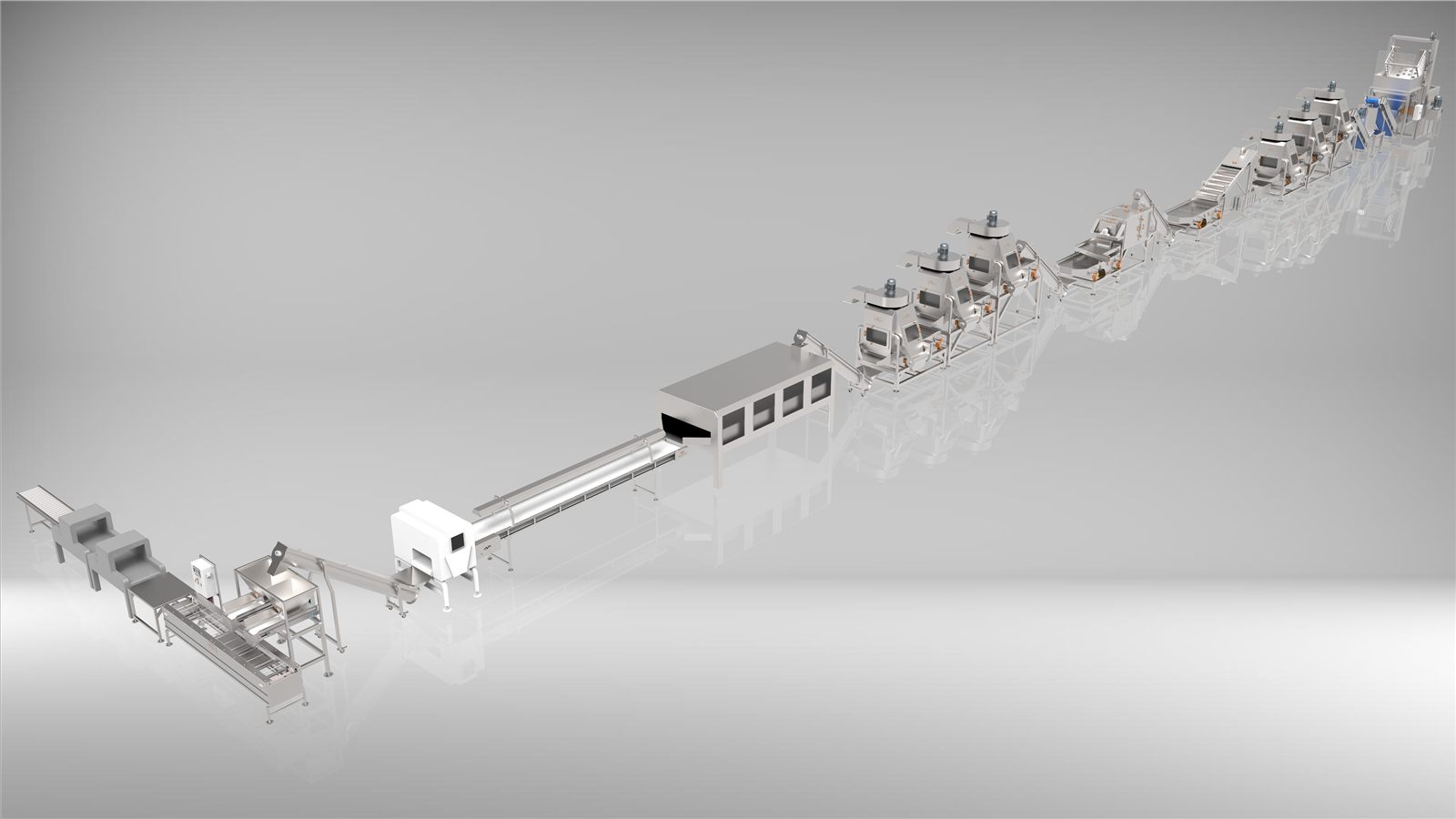
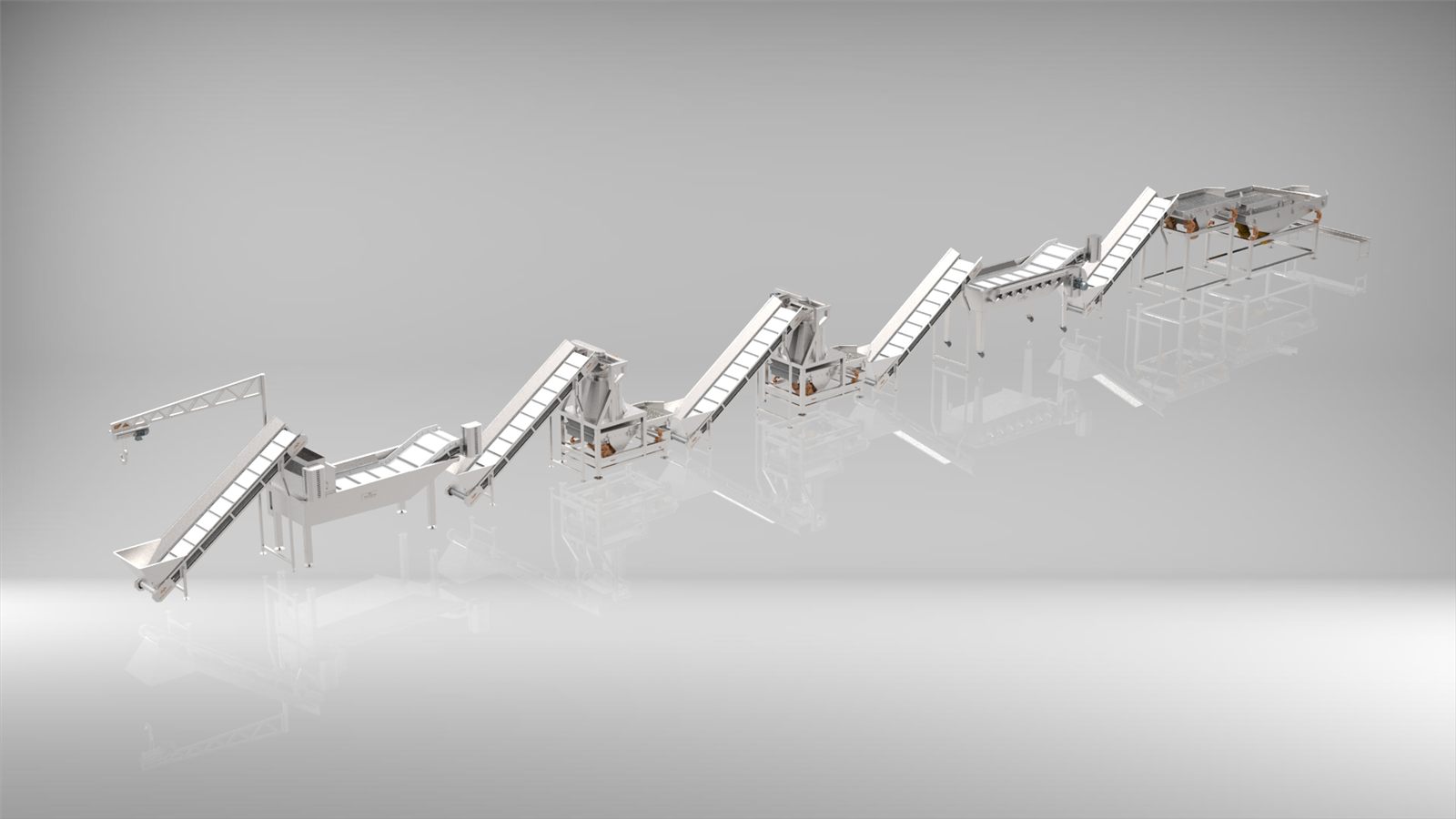
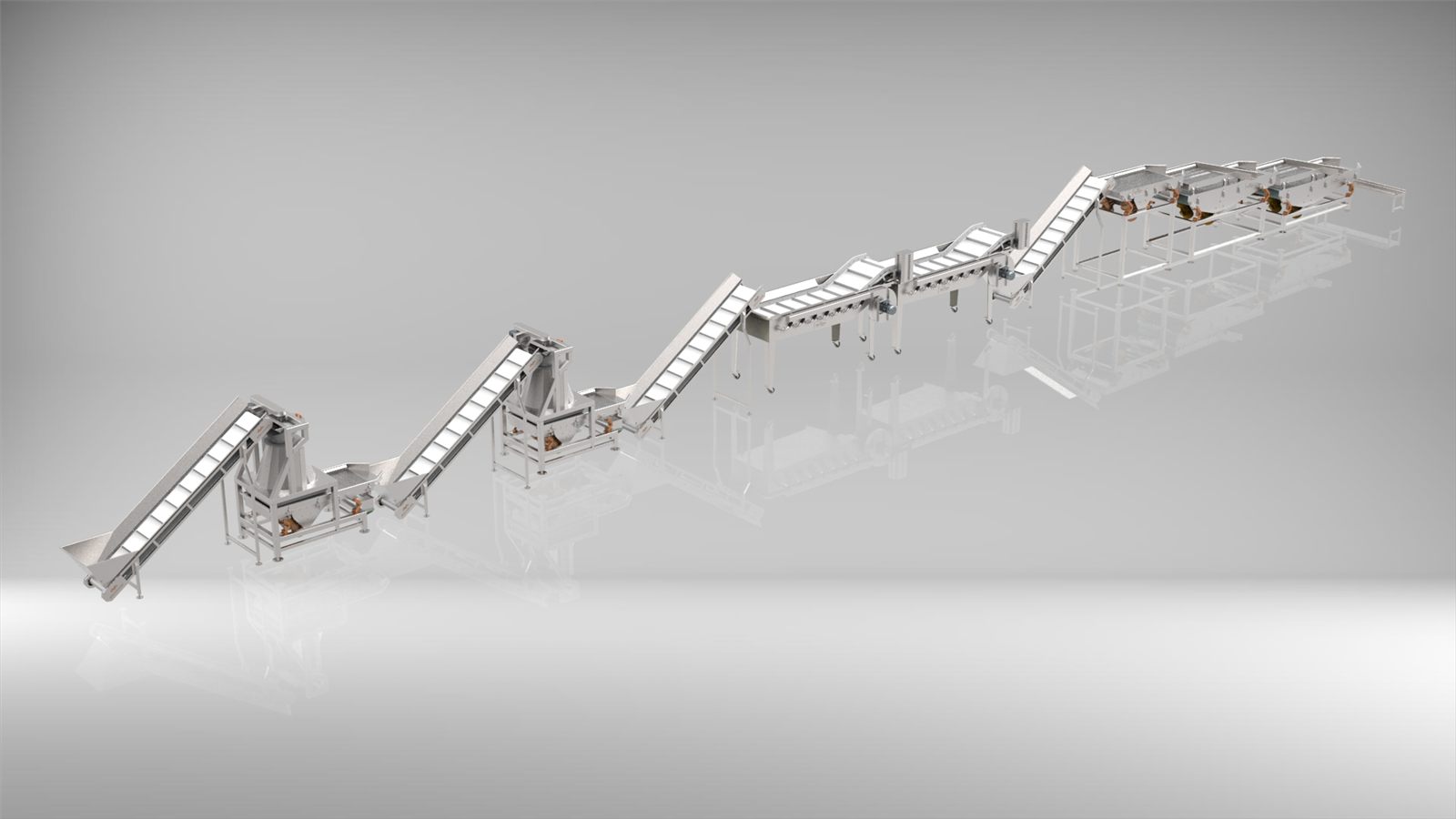
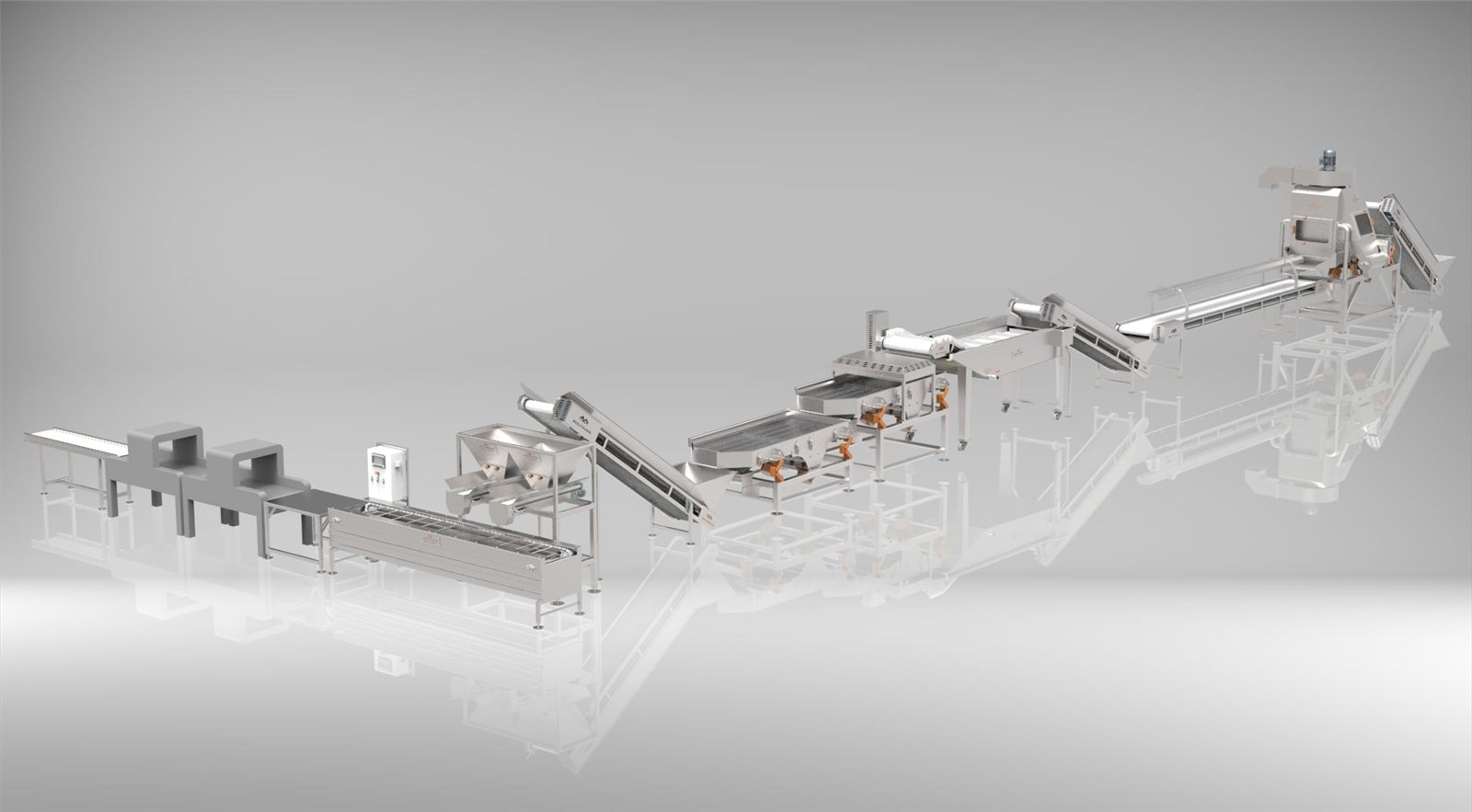
The choice depends less on the machine itself than on the station that follows it. In the washing station of a date processing line, product washed in the jacuzzi must be free of surface water before it is prepared for packing, and the fan-assisted model is used there. In a dried apricot washing line the shaker is the last step before the product moves to sizing, and a standard dewatering shaker takes that place.
- 01If washed product goes to packing or drying within a short time, the fan-assisted model reduces the load on the line.
- 02If the product passes through sizing or screening after dewatering, the standard model may be enough.
- 03If the product surface is sticky or fragile, screen design and vibration settings are set together for that product group.
03
How is the difference measured on site?
A phrase like "in a shorter time" needs a baseline. The time to remove surface water changes with the product, the feed arrangement and the amount of water arriving from the washer, so no fixed time value is printed in the catalogue. The difference is measured with the customer during commissioning, using your own product.
The logic is simple: the same product, the same feed rate and the same washer output are run in two conditions, fan off and fan on, and the surface moisture of the product at the screen outlet is compared. The next station confirms the result. If water pooling in packing, or extra load on drying, drops with the fan running, the difference is real.
04
How do the two models compare?
| Feature | Fan-assisted model | Standard model |
|---|---|---|
| Water separation | Vibration and fan airflow | Vibration |
| Vibration motors | 2 | 2 |
| Screens | Stainless, per product group | Stainless, per product group |
| Typical place | Date washing station | Dried apricot, raisin and fig washing lines |
| Time difference | Measured at commissioning | Baseline |
05
What should be settled before commissioning?
The result of a fan-assisted model depends on the washer output in front of it and the station behind it, not on the machine alone. A few details are therefore requested before the quotation, and all of them follow the product.
- 01Product type and size: screen opening and structure are designed around it.
- 02Flow from the washer: product should enter the shaker evenly and without interruption, because piling slows drainage.
- 03Drainage of the separated water: waste water collects below, so a floor drain point is planned.
- 04Next station: packing, drying or sizing; this station sets how much water must be removed.
- 05Electrical supply: 380 V / 50 Hz must be available.
With these details the size of the machine, and whether a fan is needed at all, become clear. Adding a fan where it is not needed and choosing a standard model where it is needed both disturb the flow of the line; the measurement decides.
06
Materials, cleaning and next step
The body and the product-contact surfaces are AISI 304 stainless steel, with AISI 316 as an option depending on the process. The structure is easy to dismantle and wash, and control is stand-alone. Capacity is set per project, so dimensions and values are confirmed at the quotation stage.
Tell us which station follows washing in your line and which product you run, and we can assess the right model together. You can reach us through the quotation page, and the jacuzzi in front of the shaker can be reviewed in the same conversation.