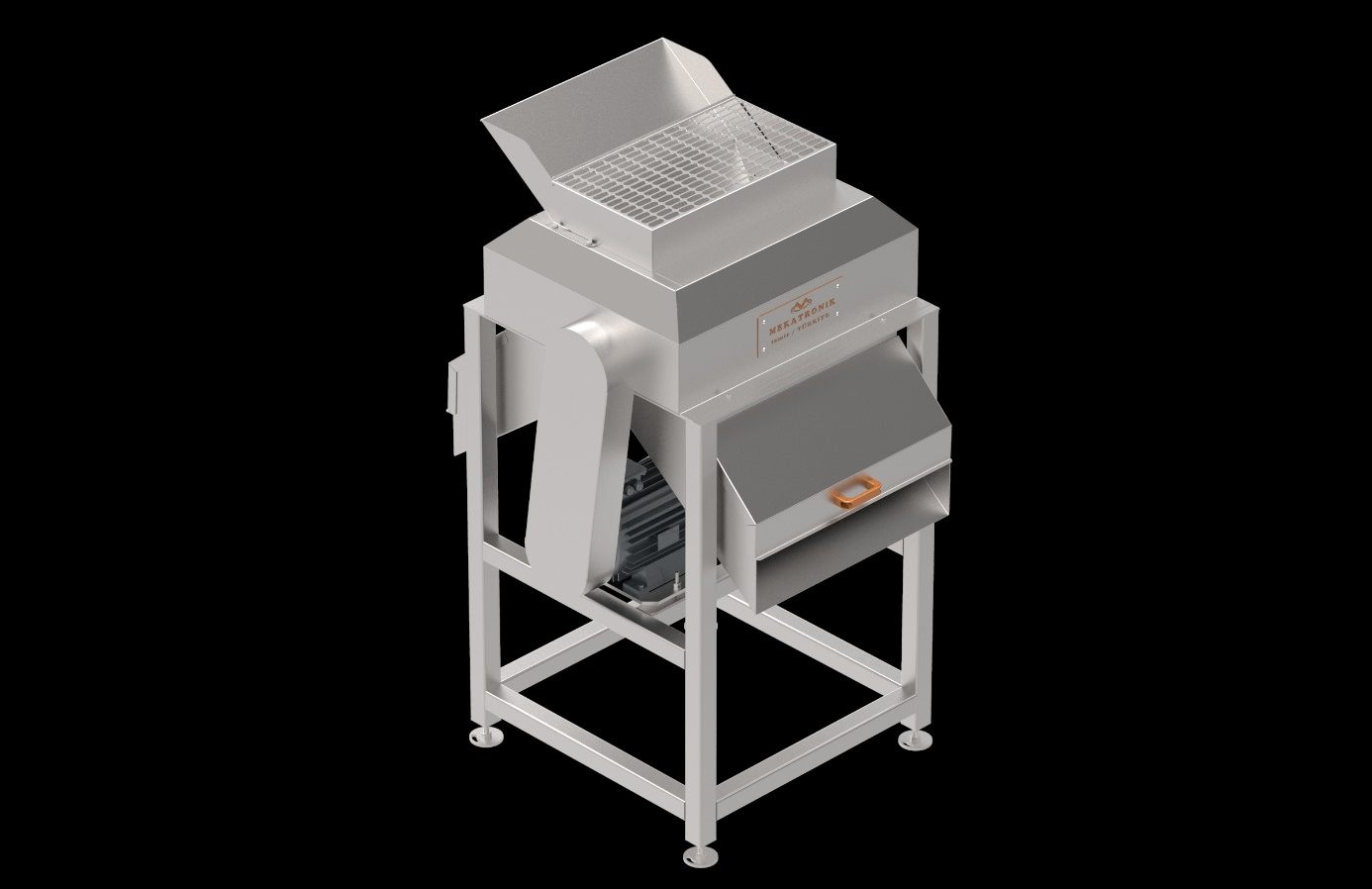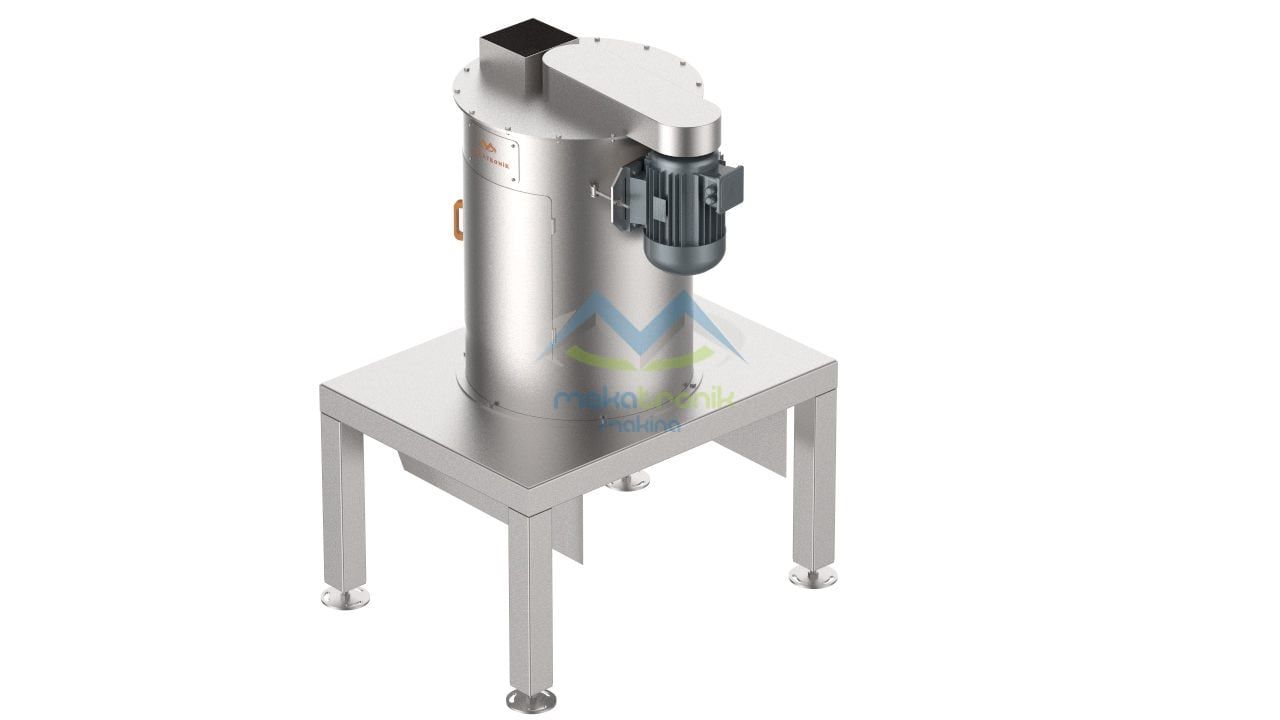
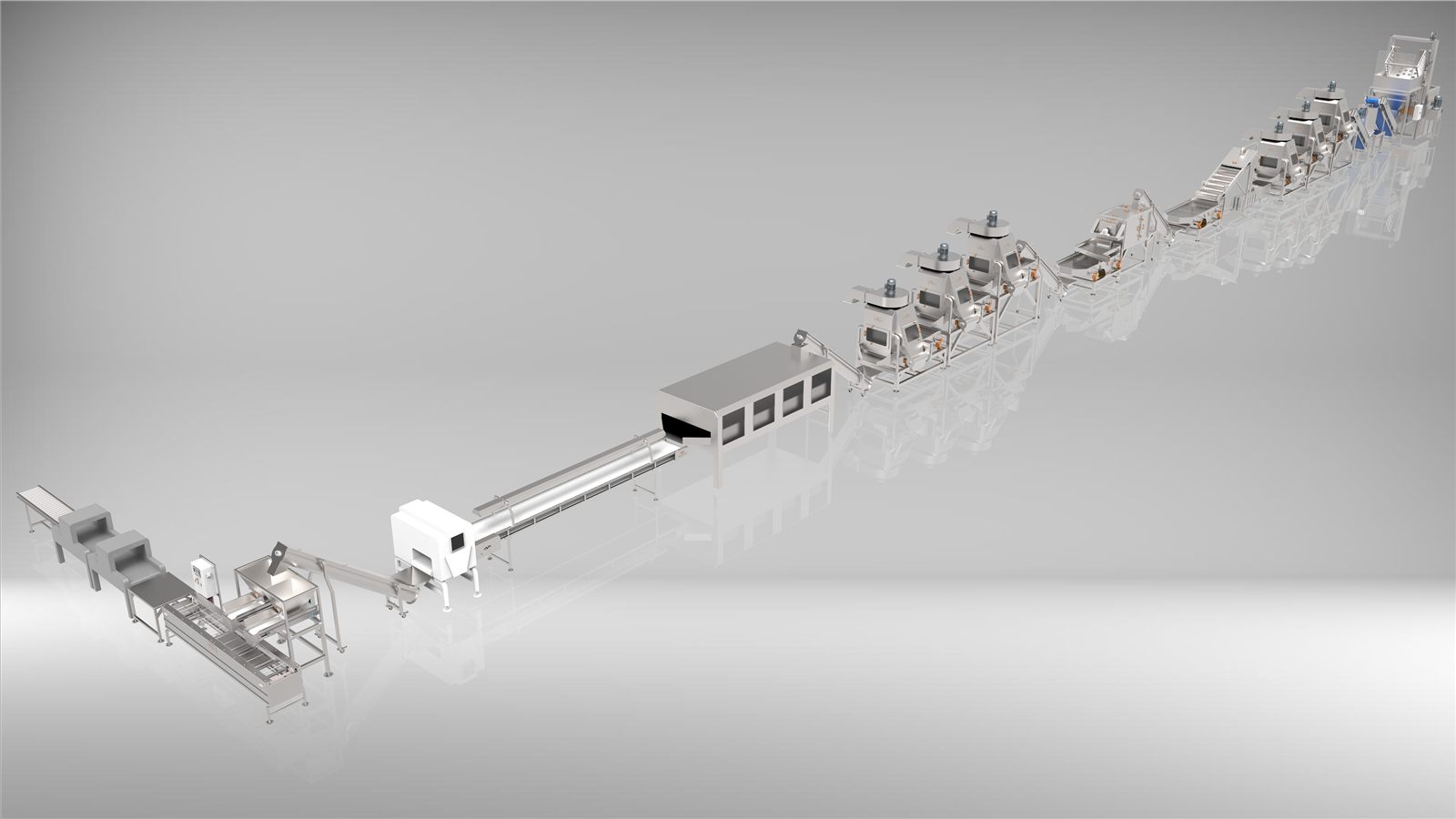
No single setting suits every date on a date pitting machine. A soft, fleshy date and a firmer, drier one respond differently to the blades, so speed and feed order are set on site by looking at the product. The date pitting machine uses specially designed internal blades to remove the pit without breaking up the fruit, and its working speed can be changed through the speed control system.
01
Why do soft and hard dates behave differently in the machine?
In a soft date the flesh is moist and changes shape easily. As the blade works around the pit the fruit can compress, and because the surface is sticky, pieces may cling to each other and to machine surfaces. The main risk is that the flesh is pulled out with the pit and the fruit tears.
In a firmer, drier date the flesh resists more and the pit can sit tighter inside it. The pit needs a more controlled separation; a fruit that is forced may crack, or the pit may stay in. Variety, time since harvest and moisture decide this difference, which is why the product of the day is the reference and not a fixed table.
02
Which factors decide the setting?
- 01Working speed: set through the speed control system. On soft product too much speed can tear the fruit; on hard product running too slowly lowers the flow.
- 02Feed order: dates that arrive facing the same way and in an even stream settle onto the blade line more easily.
- 03Fruit size and pit structure: even within one lot there are large and small fruit; product separated by size keeps the setting stable.
- 04Control mode: the machine can run alone or, on a PLC-controlled line, be managed together with the other machines.
- 05Surface condition: sticky residue on blades and contact surfaces upsets the setting, so cleaning is part of the adjustment.
These factors depend on each other. Changing the speed changes how the fruit feeds, and if the feed is uneven, the speed setting alone will not correct the result.
03
What should be observed on site?
The table below gives no numbers. It shows what each sign at the outlet points to. Exact values depend on the date variety, the lot and the line capacity, and are measured together during commissioning.
| Observation | Likely cause | First check |
|---|---|---|
| Fruit comes out torn or broken up | Speed too high for the product, fruit very soft | Lower the speed in small steps and watch the feed |
| Pit stays in the fruit | Fruit is hard, pit does not shift, or the fruit enters sideways | Check the feed direction and adjust speed step by step |
| Fruit cracks | Too forceful an action on hard product | Reduce speed; check moisture and standing time of the lot |
| Sticky pieces build up at the outlet | Residue on contact surfaces | Clean the contact surfaces and watch the product |
| Uneven flow | Pulsing feed | Correct the previous conveyor and the feed rhythm |
04
How is the adjustment made on site?
- 01Note the variety and the firmness of the day's dates; do not run a soft lot and a hard lot on the same setting.
- 02Change one variable at a time, for example the speed, in small steps.
- 03After each step look at the pitted fruit and at the separated pits at the outlet.
- 04Record the setting you find with the variety, and confirm it again when the lot changes.
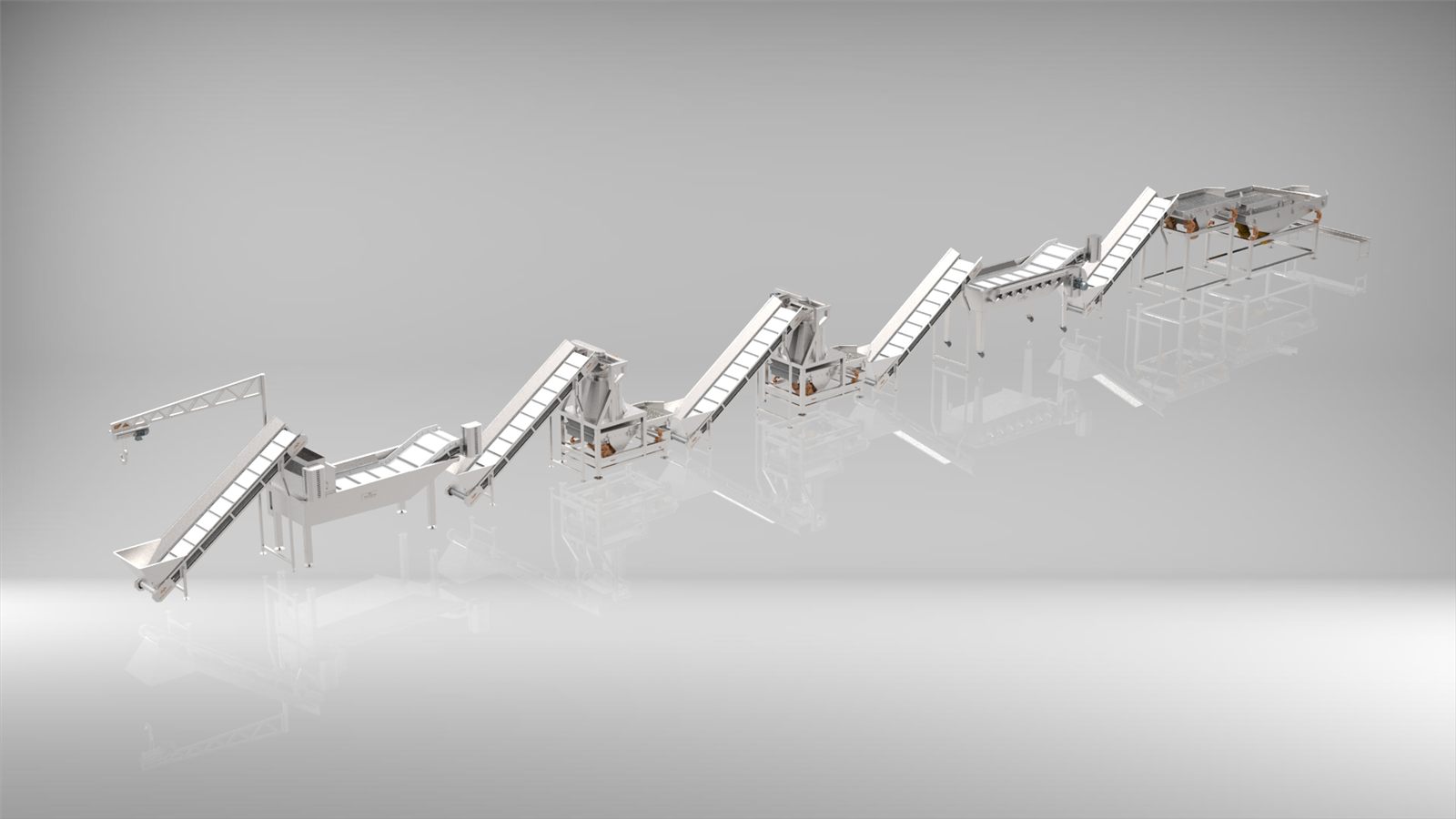
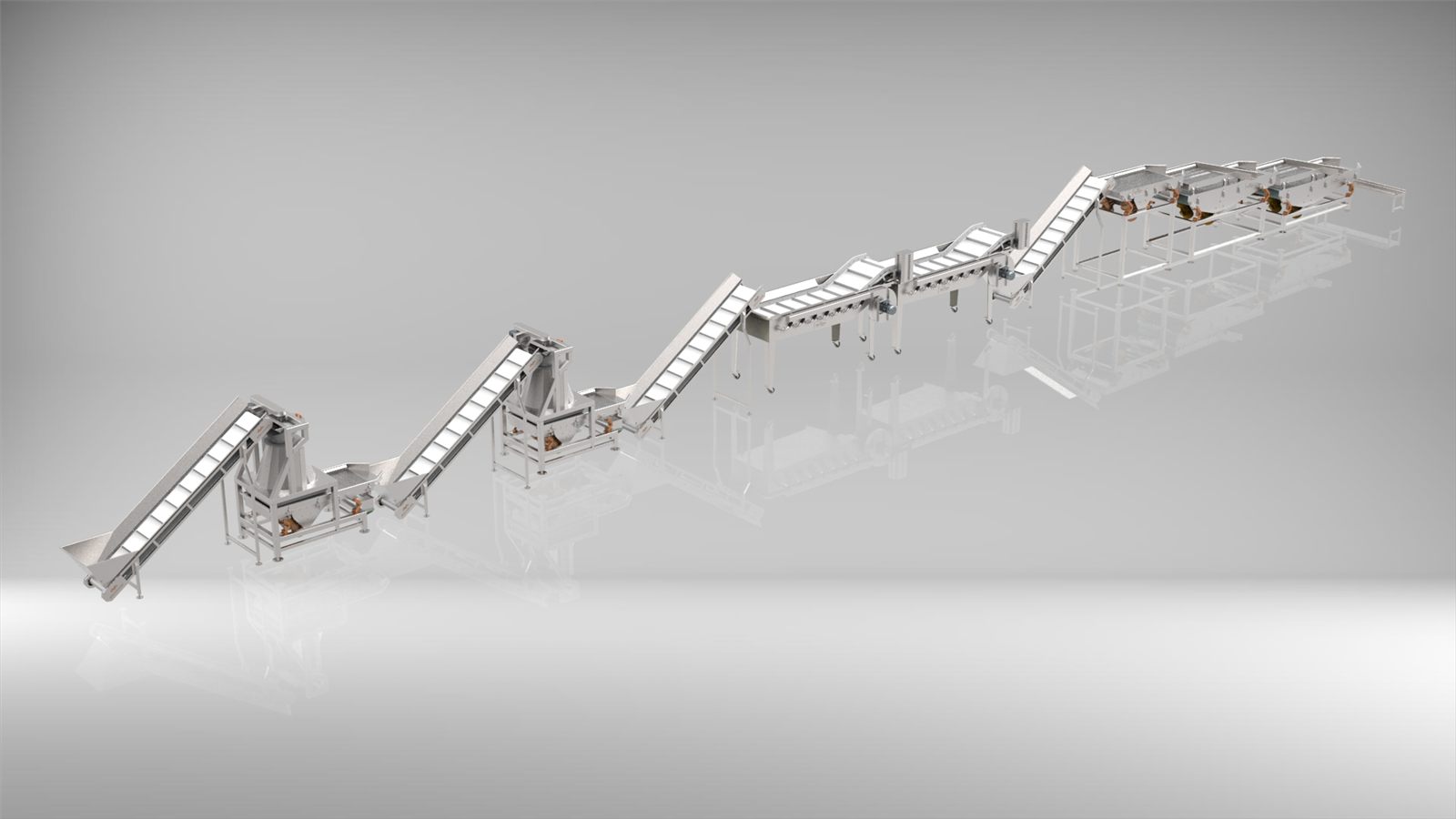
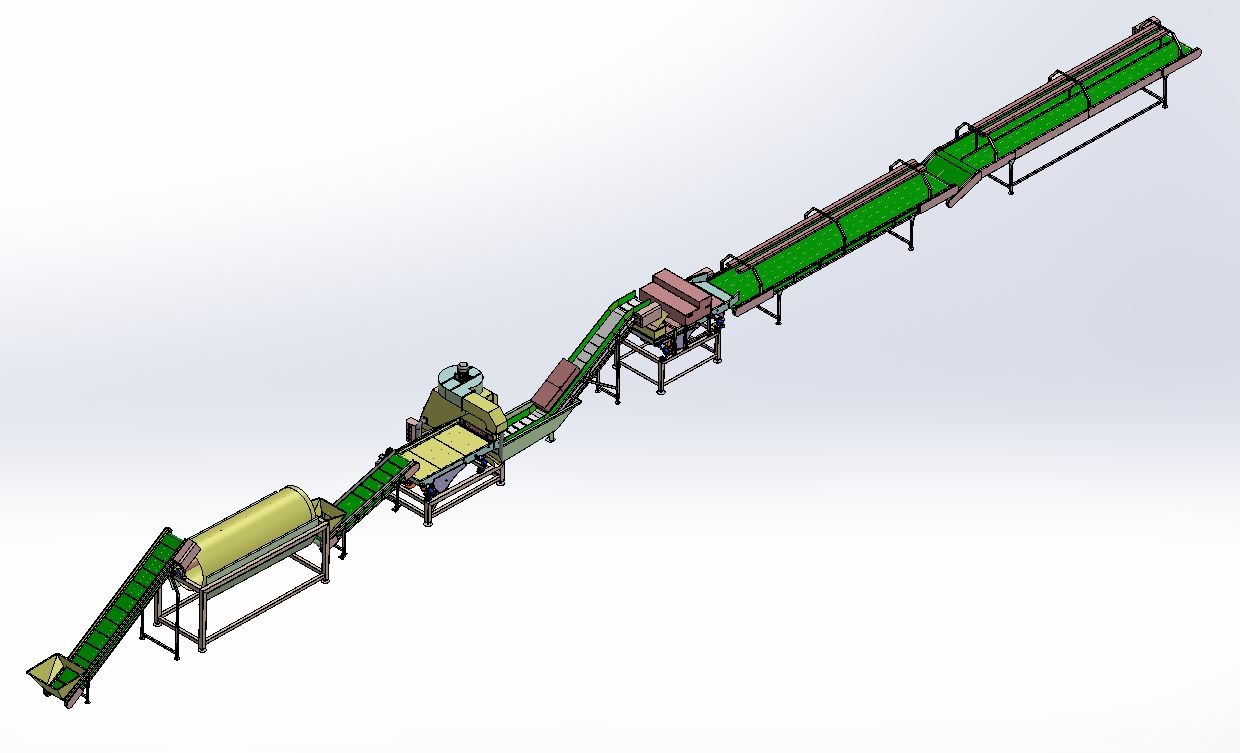
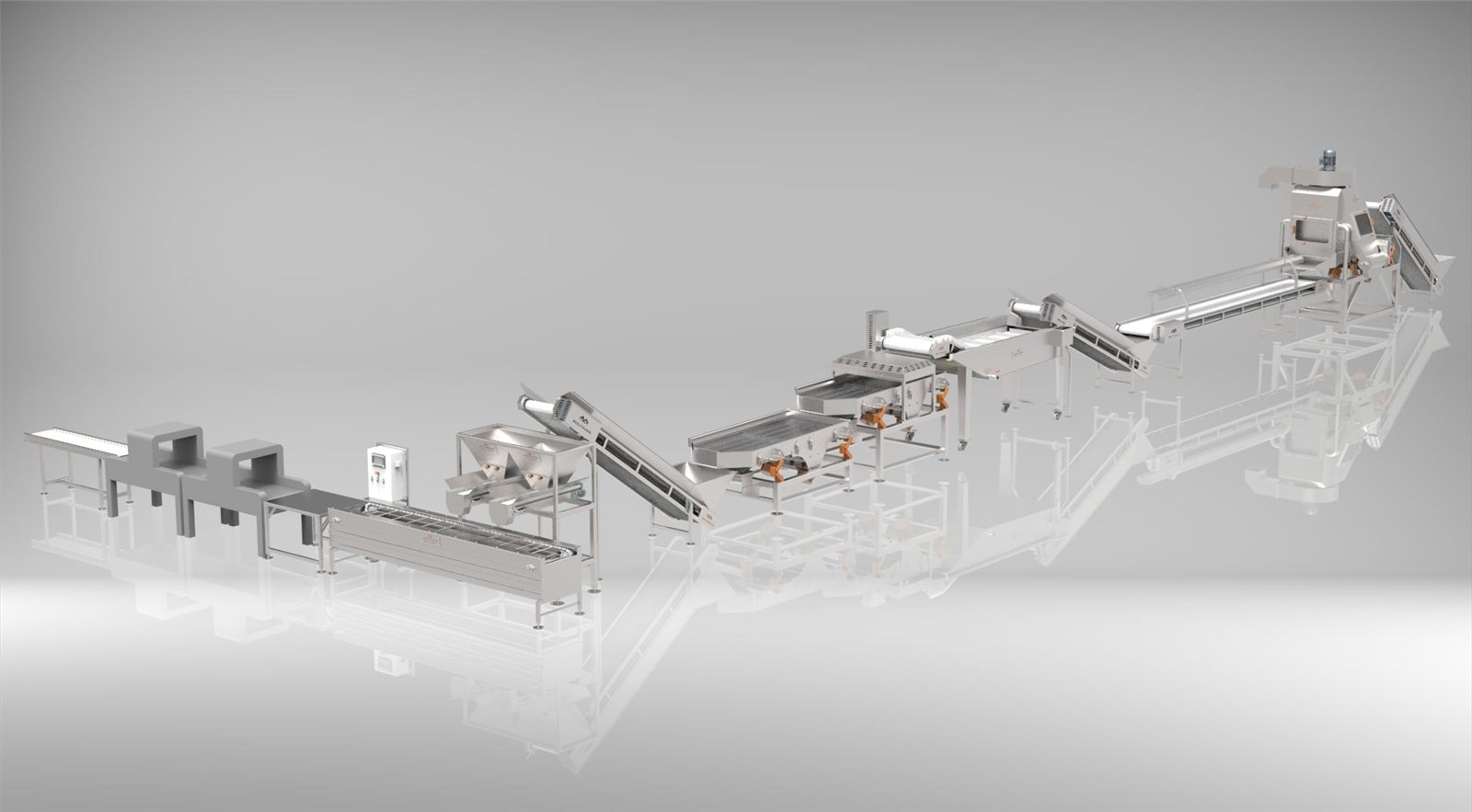
The pitted fruit goes on to the next stations of the date processing line, such as cutting or washing, so a mistake in the pitting setting shows up in the machines after it.
05
How do cleaning and material affect the setting?
Product-contact surfaces are AISI 304 stainless steel, with AISI 316 optional depending on the process. The machine has an easy-to-clean construction. Because dates contain sugar, cleaning the blade area at the end of a shift saves having to find the setting again the next day. Motors, gearboxes, bearings and electrical equipment are standard parts in their own classes.
06
What is done with a mixed lot?
If soft and hard dates arrive in the same crate, one setting will not suit both. In that case sorting the product by firmness is the easiest way to keep the setting steady. If sorting is not possible, the setting is made for the larger part of the product and the share of torn fruit or fruit with the pit left in is watched at the outlet; if it rises, the make-up of the lot has changed and the setting is reviewed again. The shift supervisor and the operator make this call together, because they are the ones who see the fruit at the outlet.
07
Next step
Tell us which date variety you process, your target capacity and the dimensions of your facility; through the quote page we will come back with a quote covering the station list, lead time and price. Capacity and speed values vary by project and are finalised in the quote.