
Blog
From the kitchen of dried fruit processing: machine technology, process approaches and the developments shaping the industry.
- Articles
- 33
- Topics
- 62
- Archive
- 2026
TOPIC
- All33
- Processing Line7
- Dried Apricot5
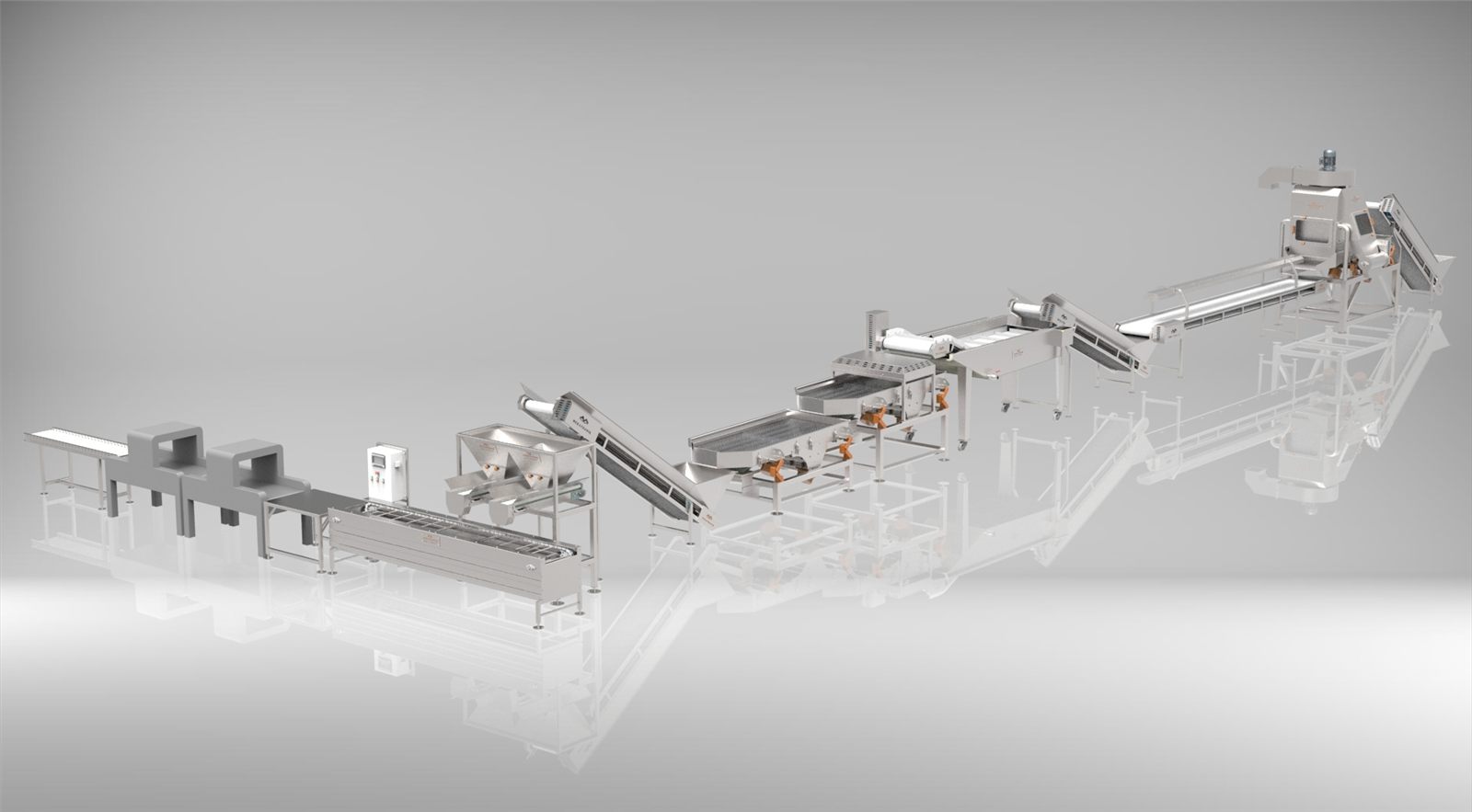
- Raisin Processing5
- Dried Fruit4
- Food Processing4
- Stainless Steel4
- Dicing3
- Hygienic Design3
- Sizing3
- AISI 3042
- AISI 3162
- Brush Washing2
- Chopping2
- Cutting2
- Dried Fruit Processing2
- Drying2
- food processing equipment2
- Raisins2
- Screening2
- Sieving2
- Washing2
- Washing Line2
- Block Opening Conveyor1
- Capacity Planning1
- CE conformity1
- Conveying1
- Conveyors1
- Date Processing1
- date processing line1
- date washing1
- Dates1
- destemming machine1
- Dried Figs1
- Export1
- export machinery1
- Feeding1
- filling1
- food contact materials1
- food contact surfaces1
- Food Processing Line1
- food safety1
- Fumigation1
- hygienic equipment design1
- Impurity Removal1
- Julienne1
- metal detection1
- Moisture Gain1
- Occupational Safety1
- Packaging1
- pit removal1
- Process1
- Project Planning1
- Prunes1
- Rehydration1
- Screw Conveyor1
- Shaker Machine1
- Sizing and Sorting1
- Sorting and Washing1
- Sun-Dried Tomato1
- Turnkey Plant1
- Vibrating Screen1
- Wet Product Transfer Pump1
LATEST ARTICLE29 September 2026
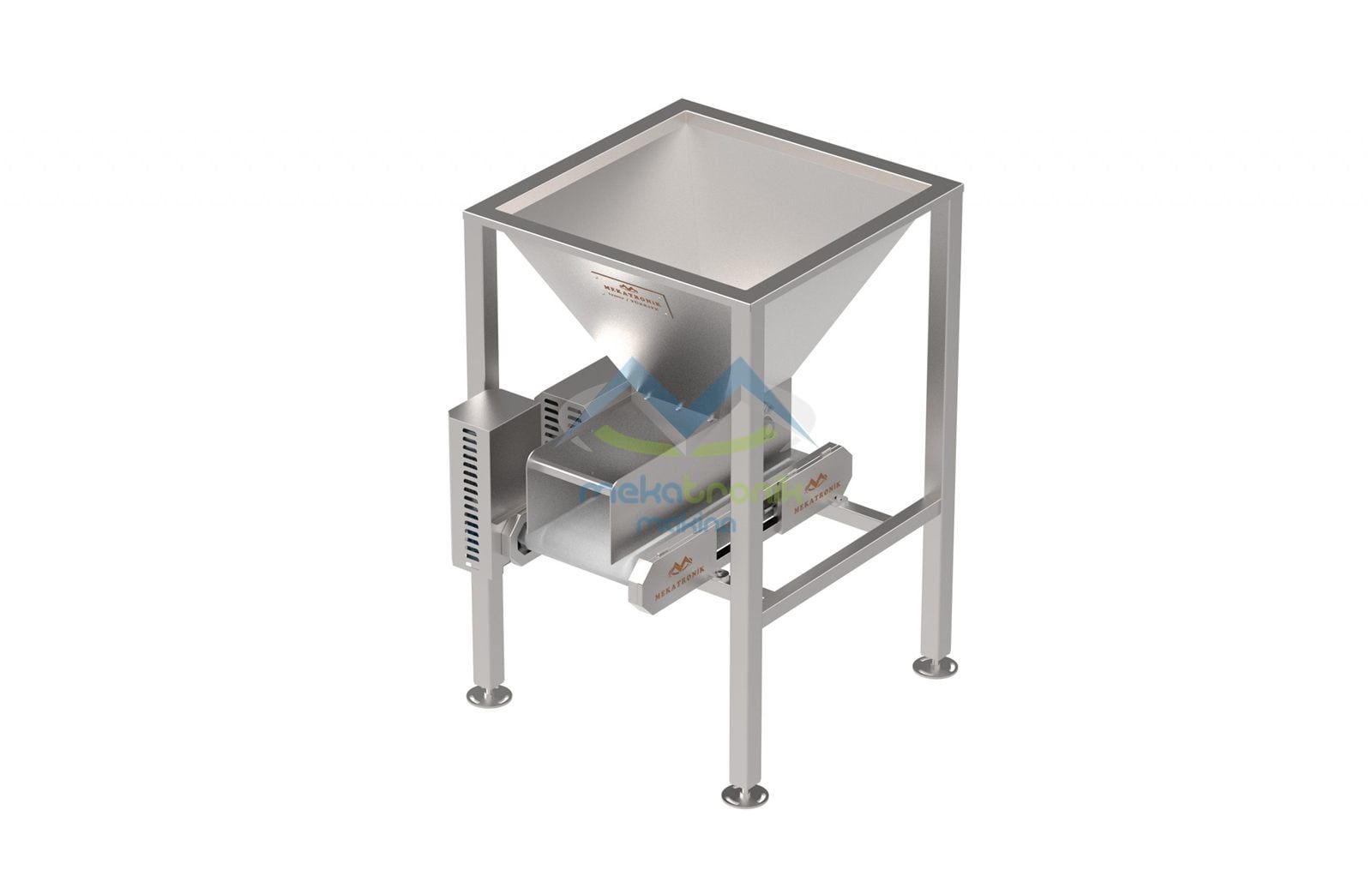
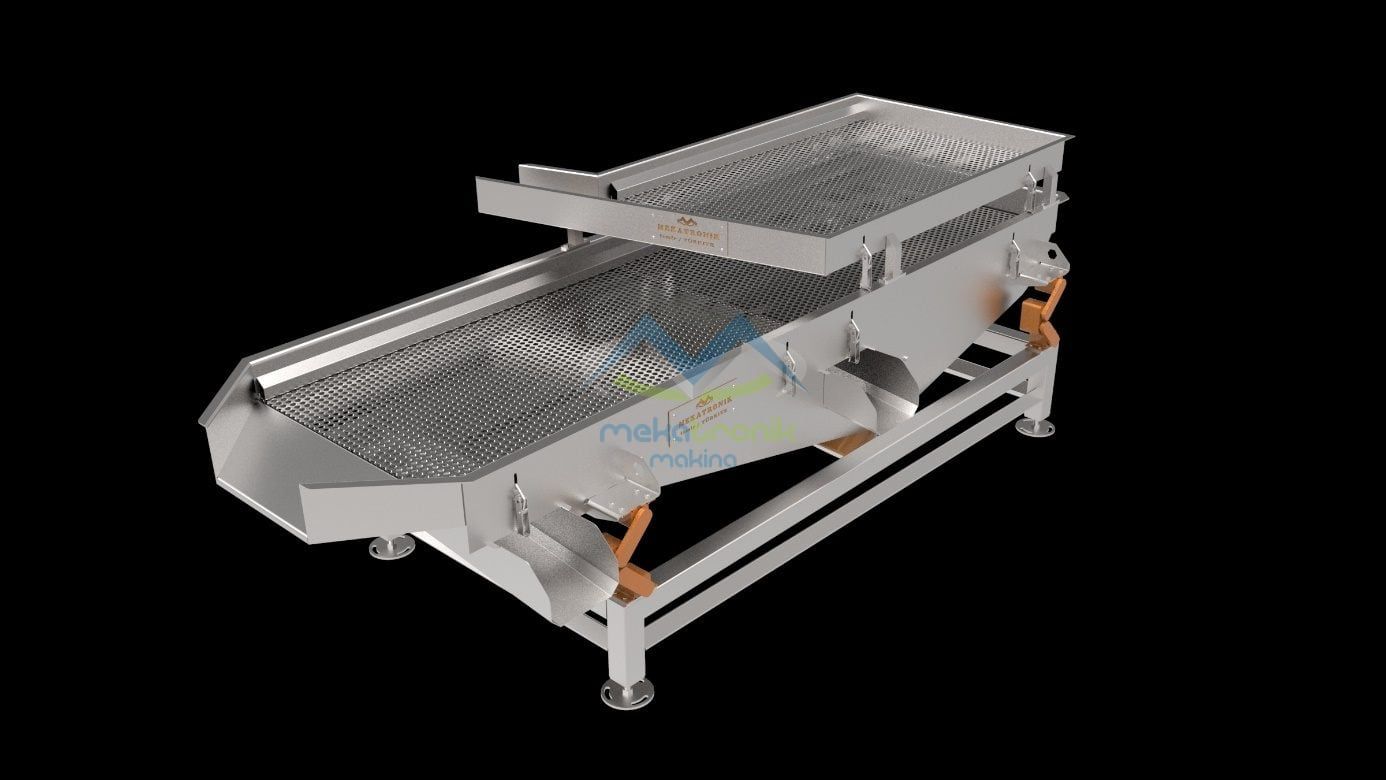
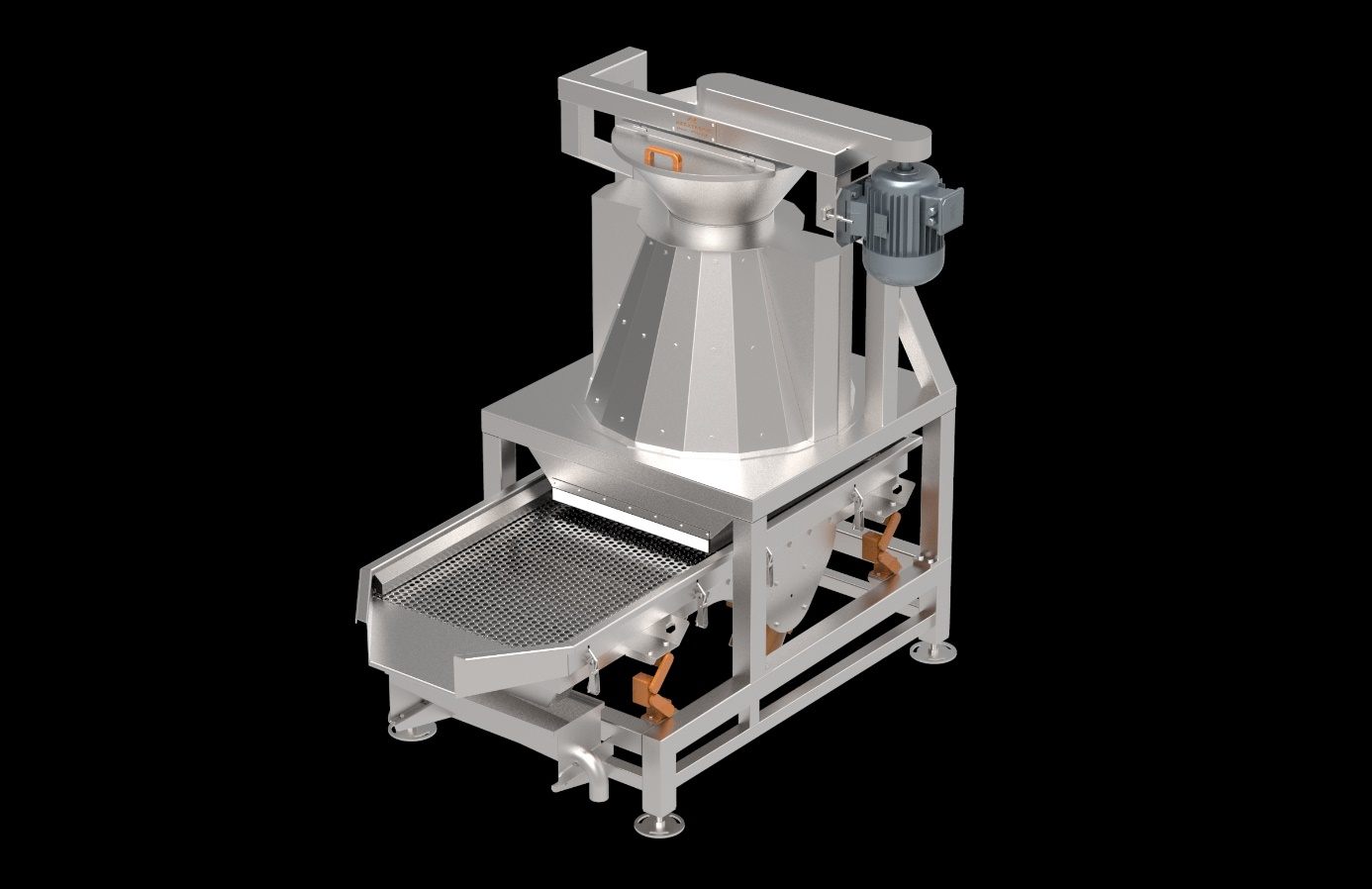
Vibration Shaker Machine: why feeding decides line capacity
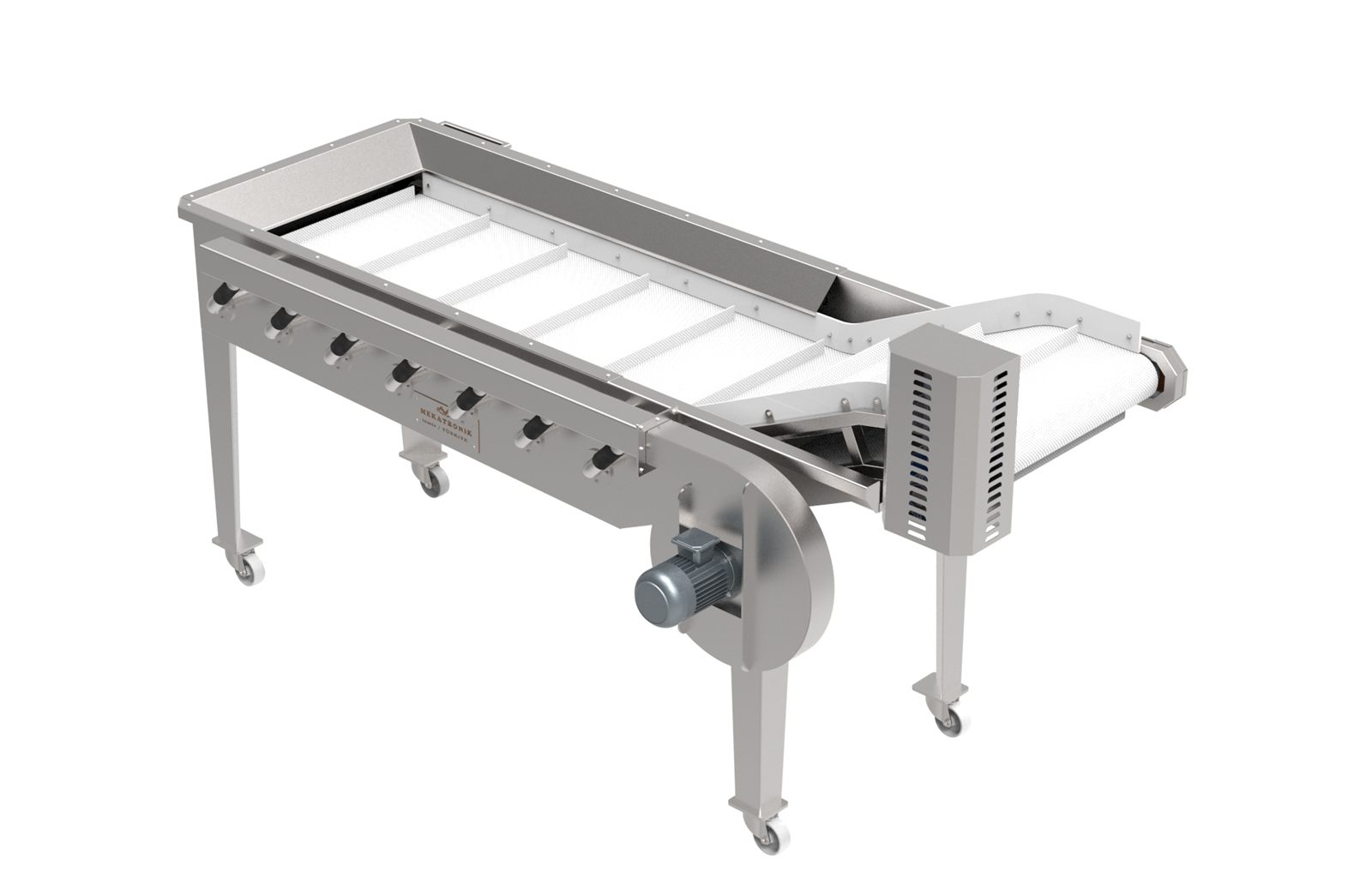
A line does not run at the speed of its slowest station so much as at the regularity of its feed. A vibration shaker machine moves product forward in a single layer, which sets up the work of every station after it.
Read the article
01ARCHIVE
All articles
Technical write-ups on the machinery side, process articles and the developments moving the dried fruit market, all in one place.
- 02
29 September 2026
What Machines Are in a Raisin Processing Line, and in What Order Do They Run?
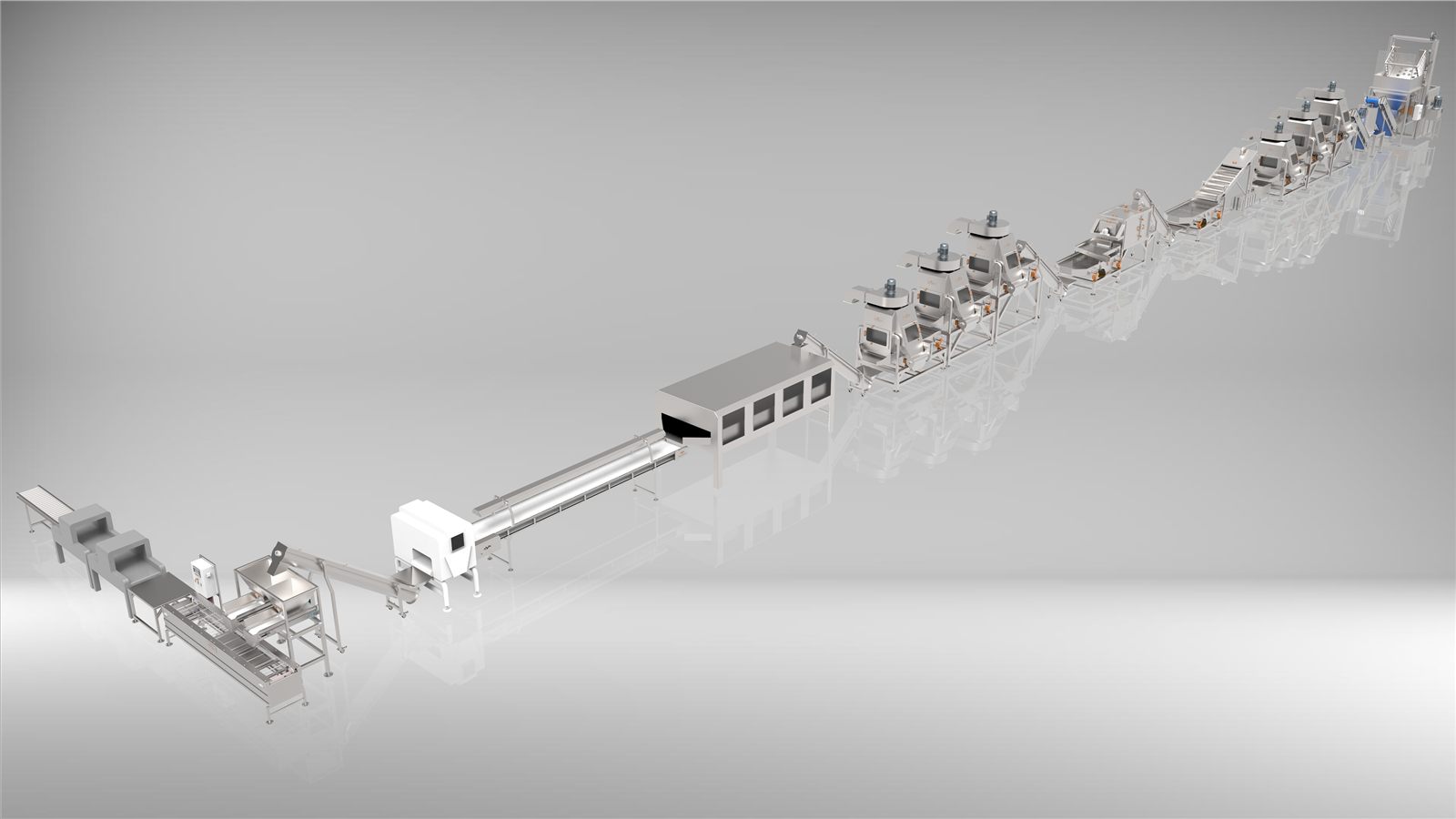
A stage-by-stage look at a raisin processing line: box tipping and dosing, cluster breaking, aspiration and washing, stem removal, illuminated sorting, and box filling, plus why the order can't be shuffled.
Raisin ProcessingProcessing LineSorting and Washing
- 03
28 September 2026
Wet Product Transfer Pump: How Product Moves Without Crushing
A wet product transfer pump carries water and soft fruit pieces together between process stations without crushing them. Here is how the impeller clearance, speed, and pipe layout make that possible.
Wet Product Transfer PumpFood ProcessingDried Fruit
- 04
28 September 2026
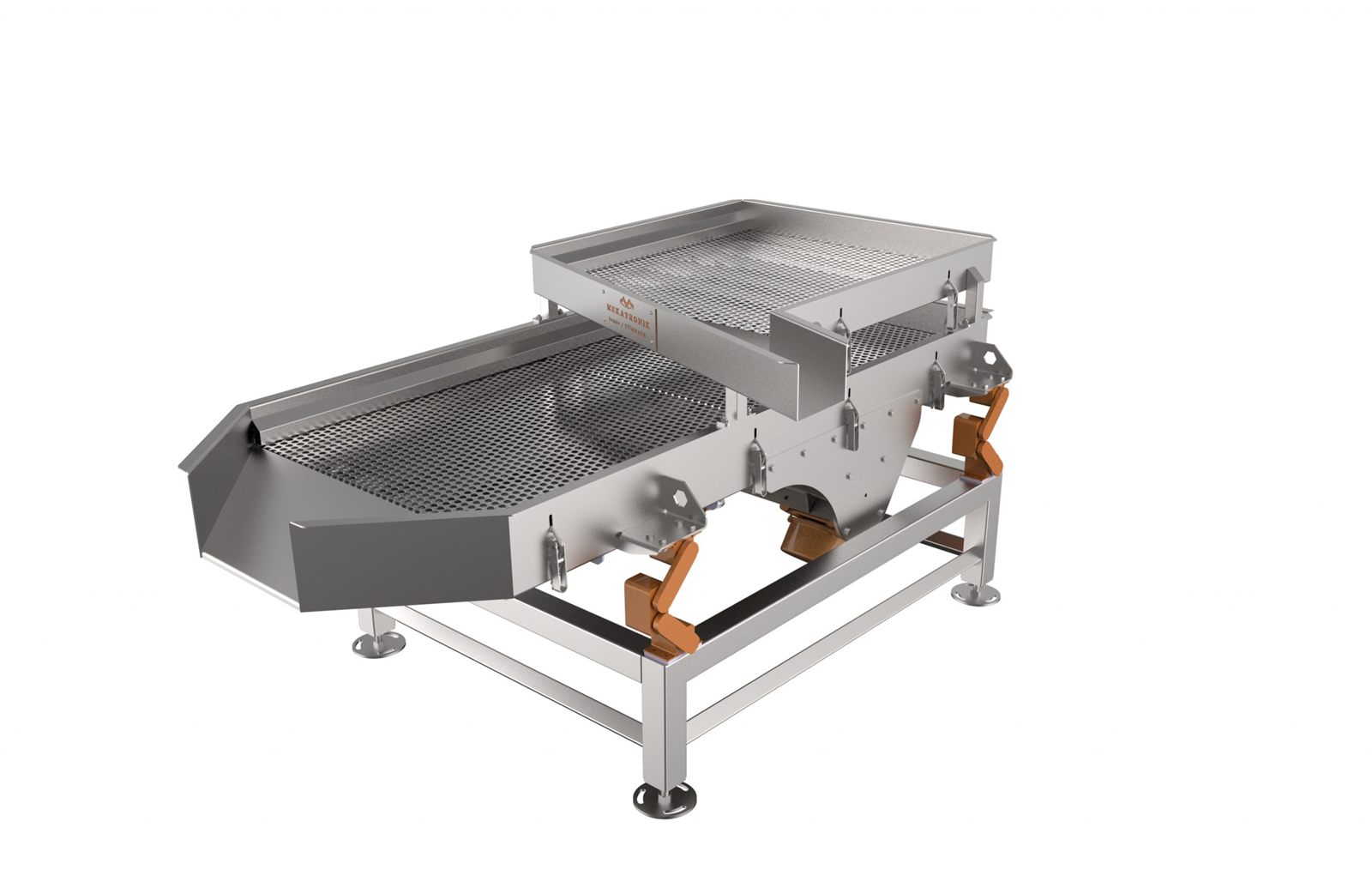
How a Double-Deck Vibrating Screen Grades Dried Fruit by Size
Mixed sizes cause problems downstream in cutting and packing. Here is how a double-deck vibrating screen separates dried fruit into size grades, how mesh selection works, and what maintenance it needs.
Vibrating ScreenSizingSievingDried Fruit Processing
- 05
27 September 2026
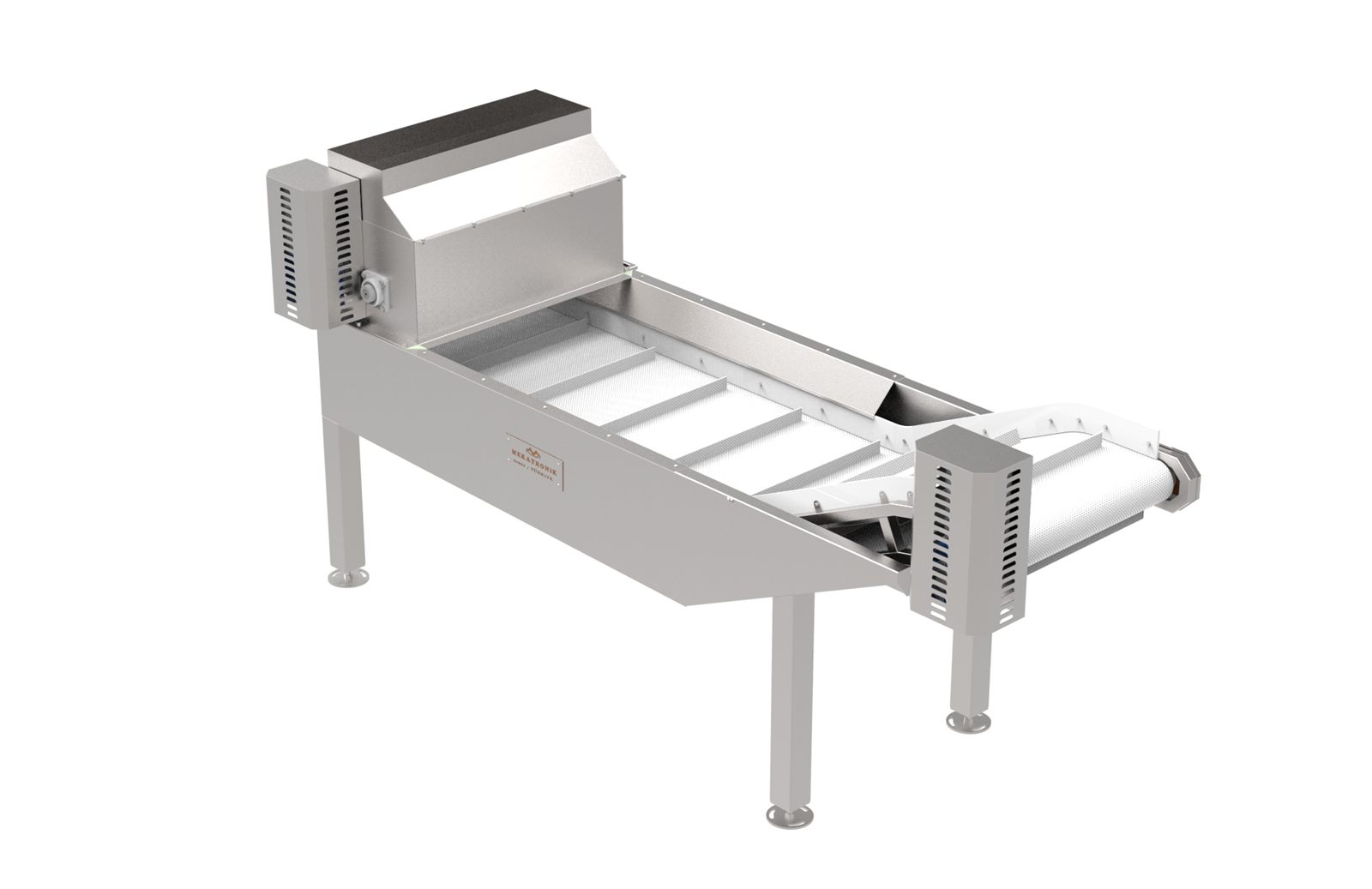
Wet-Process Block Opening Conveyor: How It Works
How a wet-process block opening conveyor separates pressed block raisins and dates before they reach the washing line, without damaging individual pieces.
Block Opening ConveyorRaisin ProcessingDate ProcessingFood Processing Line
- 06
26 September 2026
Washing and Drying Sequence in a Sun-Dried Tomato Processing Line
How pre-sorting, washing and drying stages are sequenced on a sun-dried tomato processing line, and why the handoff between wash draining and tunnel drying determines final product quality.
Sun-Dried TomatoProcessing LineDrying
- 07
25 September 2026
Raisin Destemming: Why Stem Residue Needs a Separate Machine
On a raisin processing line, why does destemming run as its own machine instead of folding into the sizing screen? The answer sits in what leftover stem fragments do to export-grade quality.
raisin processingdestemming machinefood processing equipment
- 08
24 September 2026
Date Processing Line: From Block Opening to Washing
Dates arrive at the plant compressed into dense blocks. Here is the order a processing line follows to separate, pit, cut and wash them without damaging the fruit.
date processing linepit removaldate washing
- 09
24 September 2026
Food-grade stainless brush and wet dried fruit washing machine
Dried apricots, figs, dates, tomatoes and prunes all have different surface characteristics. We explain how a brush and wet washing machine is configured per product, why stainless construction matters and what to check before choosing a machine.
Dried FruitWashingBrush WashingHygienic Design
- 10
24 September 2026
Food-grade stainless brush washing machines: industrial washing solutions for dried fruit
In dried fruit, quality is not decided by the raw material alone; washing, surface water removal, sizing and sorting shape the final product. We explain how a brush washing machine works, what hygienic design means in practice and how the right machine is chosen.
Brush WashingDried FruitHygienic DesignProcessing Line
- 11
23 September 2026
Dried Fruit Impurity Removal Machine: where it belongs on the line
A line that separates foreign material late has already run it through every station. What fixes the position of an impurity removal screen is not the machine itself but the machines that come after it.
Impurity RemovalScreening
- 12
22 September 2026
What stages make up a dried fruit processing line?
A dried fruit processing line is not a row of separate machines. This article walks through pre-cleaning, washing, surface water removal, sizing, quality control and packing, and what decides the design of each stage.
Dried FruitProcessing LineHygienic Design
- 13
22 September 2026
How long should ventilation and waiting take after fumigation?
A completed fumigation does not mean the container can be opened safely. This article covers ventilation after phosphine and methyl bromide treatments, gas measurement, and the opening sequence for machinery containers.
FumigationOccupational SafetyExport
- 14
22 September 2026
Dried Fruit Screening Machine: choosing mesh opening and deck count
A screening machine performs according to its screens, not its motor. Mesh opening, deck count and outlet width are chosen for the product group, and those three decisions set the separation quality of the line.
ScreeningSizing
- 15
22 September 2026
How is a prune dicing and julienne cutting line built?
High moisture, a soft texture and natural sugar make prunes a sticky product, and that shapes both cut quality and capacity. This article follows product conditioning, balanced feeding, flouring, cutting and screening as one process.
PrunesDicingJulienne
- 16
21 September 2026
Date Chopping Machine: why cutting changes once the pit is out
The same machine, the same blade set and the same settings do not always give the same cut. Once the pit is removed the geometry, moisture and stickiness of the date change; this article follows the whole chain that decides cut quality.
DatesChoppingDicing
- 17
20 September 2026
Dried Apricot Chopping Machine: keeping cut size consistent on sticky fruit
The blade set defines the nominal cut geometry, but dried apricot is a natural product. Moisture, flesh thickness, feeding, blade sharpness and screening decide the cut size together.
Dried ApricotChoppingDicing
- 18
18 September 2026
Moisture gain in dried fruit: why rehydration matters and how lines do it
Over-dried apricots crack and lose weight before they reach a buyer. This is how a controlled rehydration step brings moisture back without creating a new safety problem.
Dried ApricotRehydrationMoisture GainFood Processing
- 19
8 September 2026
How dried apricots travel from the orchard to an export ready pack
Dried apricot processing runs as two separate flows: sulphured apricots and naturally sun dried ones. The early stages are shared and the process splits at sulphuring. Here is every step from harvest to palletising, and what the factory actually does.
Dried apricotProcessDryingPackaging
- 20
7 September 2026
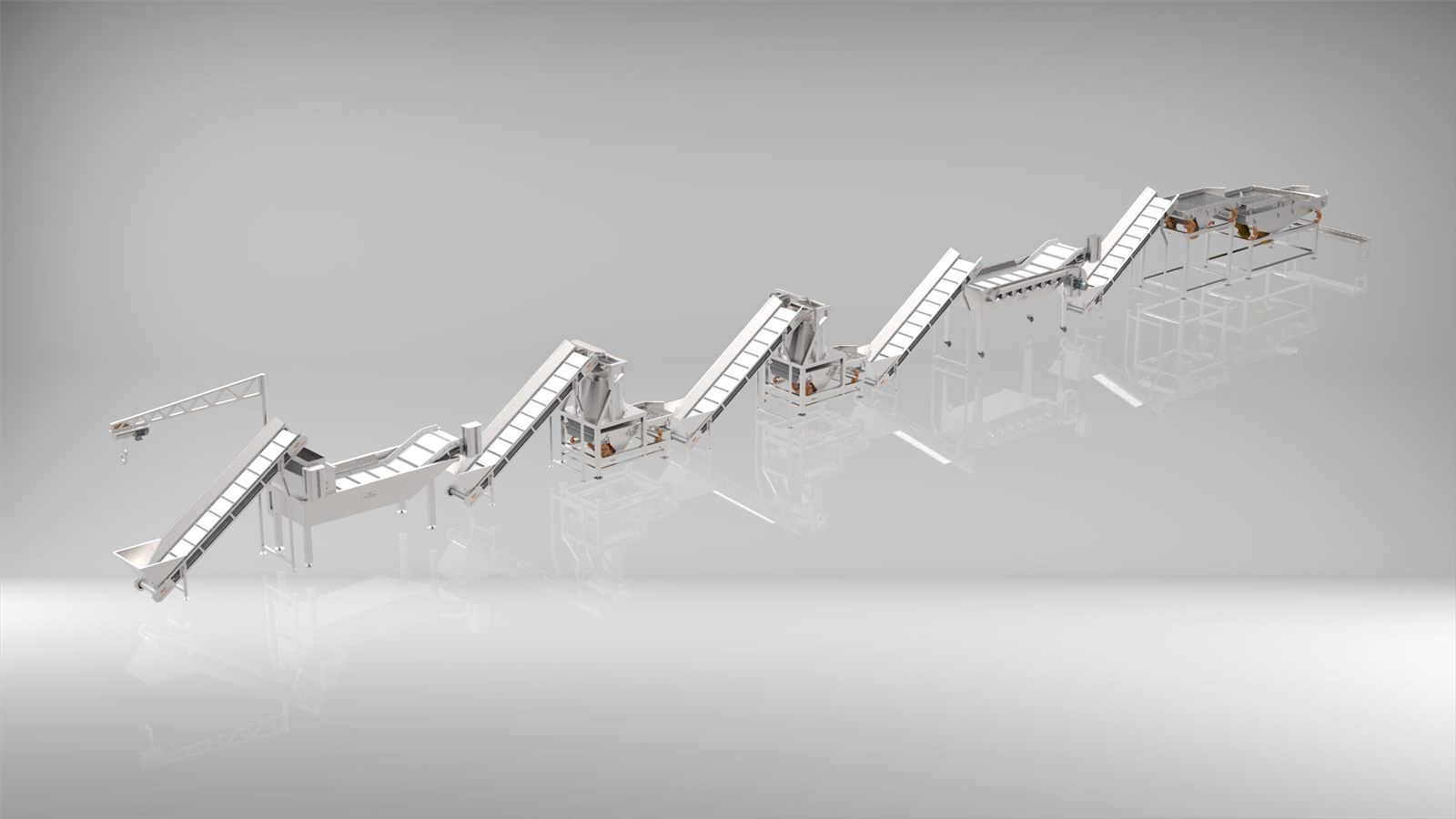
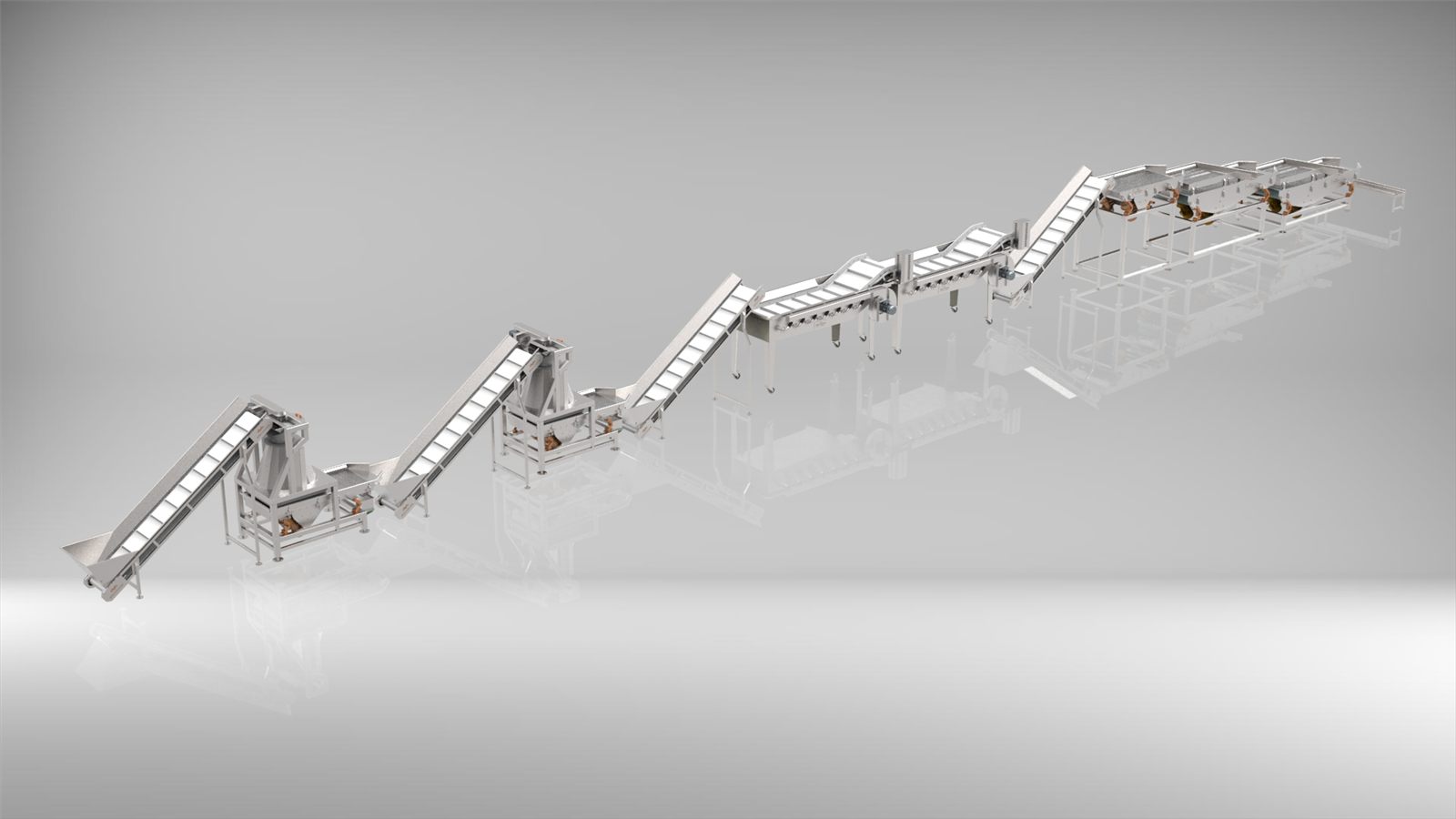
Dried fruit washing systems: from soaking to dewatering
How a dried fruit washing line moves product from initial soaking through brush washing, stone separation and dewatering before it reaches packaging, and why the order of these steps matters.
Washing LineRaisin ProcessingFood Processing Equipment
- 21
6 September 2026
Stainless steel conveyors on dried fruit lines: feeding, sorting, Z-type
Where feeding conveyors, light sorting conveyors and Z-type modular conveyors sit on a raisin processing line, what each one is built to do, and how they are cleaned.
ConveyorsRaisin ProcessingStainless Steel
- 22
4 September 2026
Dried fruit dicing machine: how cube cutting works
How a dicing machine cuts dried apricots and figs to a consistent size before weighing and packing, and where it sits on the line.
Dried ApricotCutting
- 23
29 August 2026
Stainless steel screw conveyors in food processing: where they fit
When a screw conveyor is the right choice over a belt conveyor, where it typically sits on a food line, and stainless surface selection.
Screw ConveyorStainless SteelFood Processing
- 24
28 August 2026
Stainless steel shaker machines: screening, sizing and dewatering duties
How debris removal, sizing and dewatering shaker machines differ, where each sits on a dried fruit line, and stainless surface selection.
Shaker MachineStainless SteelFood Processing
- 25
26 August 2026
How processing capacity is defined and measured
Processing line capacity is set by the slowest station, not the fastest machine. We walk through what drives capacity, how the bottleneck is found, and how line design protects it over time.
Processing LineCapacity Planning
- 26
25 August 2026
Dried Apricot Processing Line: Washing to Filling Stages
A dried apricot processing line moves fruit through four distinct jobs: washing, sizing, cutting and filling. Here is what each stage actually has to solve, and why the order rarely changes.
dried apricotprocessing linewashingsizingcuttingfilling
- 27
24 August 2026
Metal Detection and Sieving in Dried Fruit Processing
Sieving and metal detection catch different things and neither replaces the other. Here is how the two stages are sequenced in a dried fruit line and why stainless steel contaminants are the hardest case for any detector.
metal detectionsievingdried fruit processingfood safety
- 28
23 August 2026
AISI 304 or AISI 316: When the Difference Matters on Food Contact Surfaces
Product-contact surfaces on a dried fruit line are specified in AISI 304; AISI 316 is applied where salt, brine, or chloride exposure demands it. Here is how the two grades are actually assigned, zone by zone.
AISI 304AISI 316stainless steelfood contact surfaceshygienic equipment design
- 29
22 August 2026
CE Conformity and Food Contact Materials: What EU Buyers Ask
A technical look at the CE conformity and food contact material questions EU buyers raise before ordering a processing line or machine, and how documentation is verified.
CE conformityfood contact materialsAISI 304AISI 316export machinery
- 30
21 August 2026
Fig processing: how sizing and sorting stages work
After washing, dried figs still need to be graded by diameter and checked for quality before they reach packing. We explain how the sizing sieve and the light sorting conveyor each do their job, and why the line keeps these two stages apart.
Dried FigsSizing and Sorting
- 31
21 August 2026
Turnkey dried fruit plant: project steps from layout to commissioning
A turnkey dried fruit plant project runs through five phases: needs assessment, layout planning, equipment selection, installation, and commissioning, where line parameters are fixed with the actual product. Here is what each phase covers and what buyers should expect.
Turnkey PlantProject Planning
- 32
20 August 2026
Raisin washing line: stage sequence and water management
A raisin washing machine works as a short sequence, not one unit: pre-soak, brush washing, then water removal. We look at why the order matters and how soaking time, brush pressure and water shedding are set together.
RaisinsWashing Line
- 33
17 August 2026
What machines make up a dried fruit processing line?
From crate tipping to filling: the order of a dried fruit line and why each stage sits where it does, with notes on food contact surfaces and capacity.
Processing LineRaisins
02NEXT STEP
From the article to the project
We build in the field what we write about here. Tell us which fruit you process and at what capacity, and let's work out the line together.