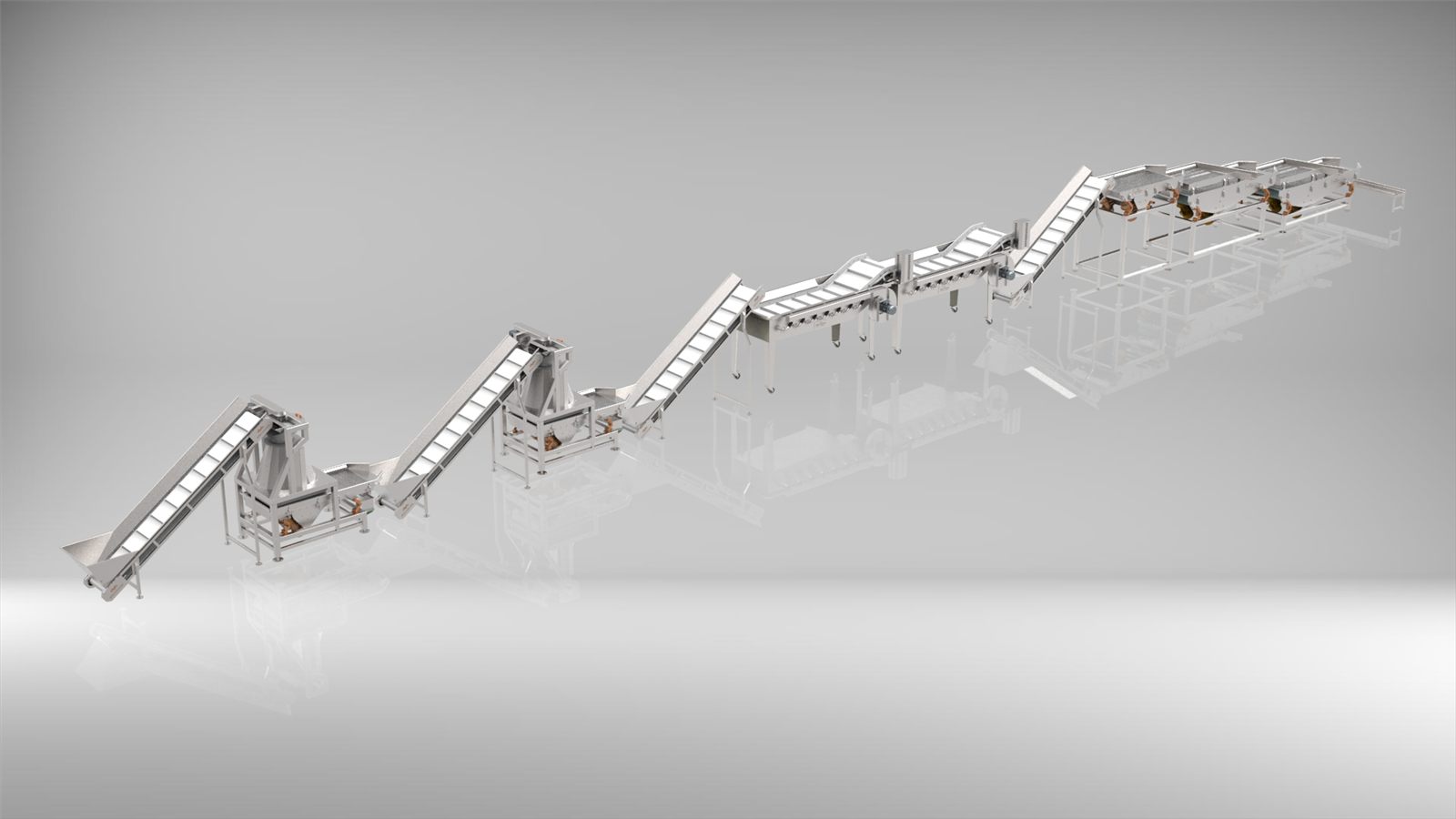
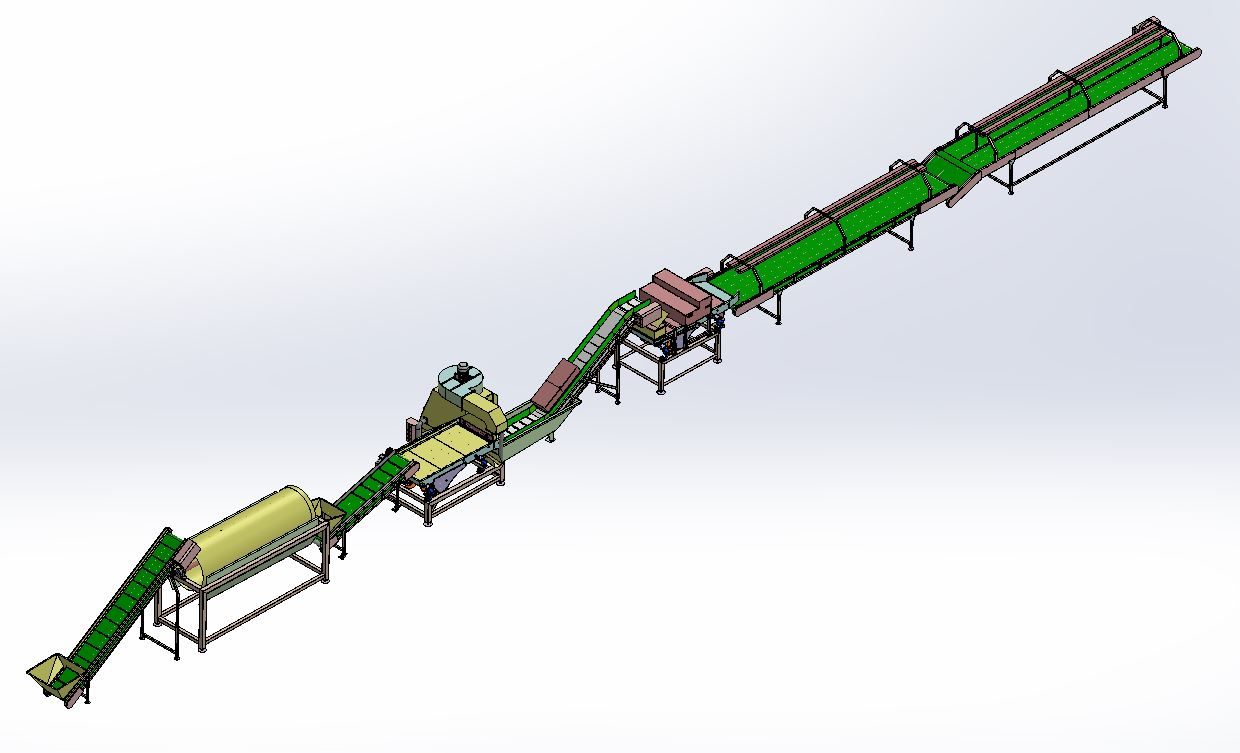
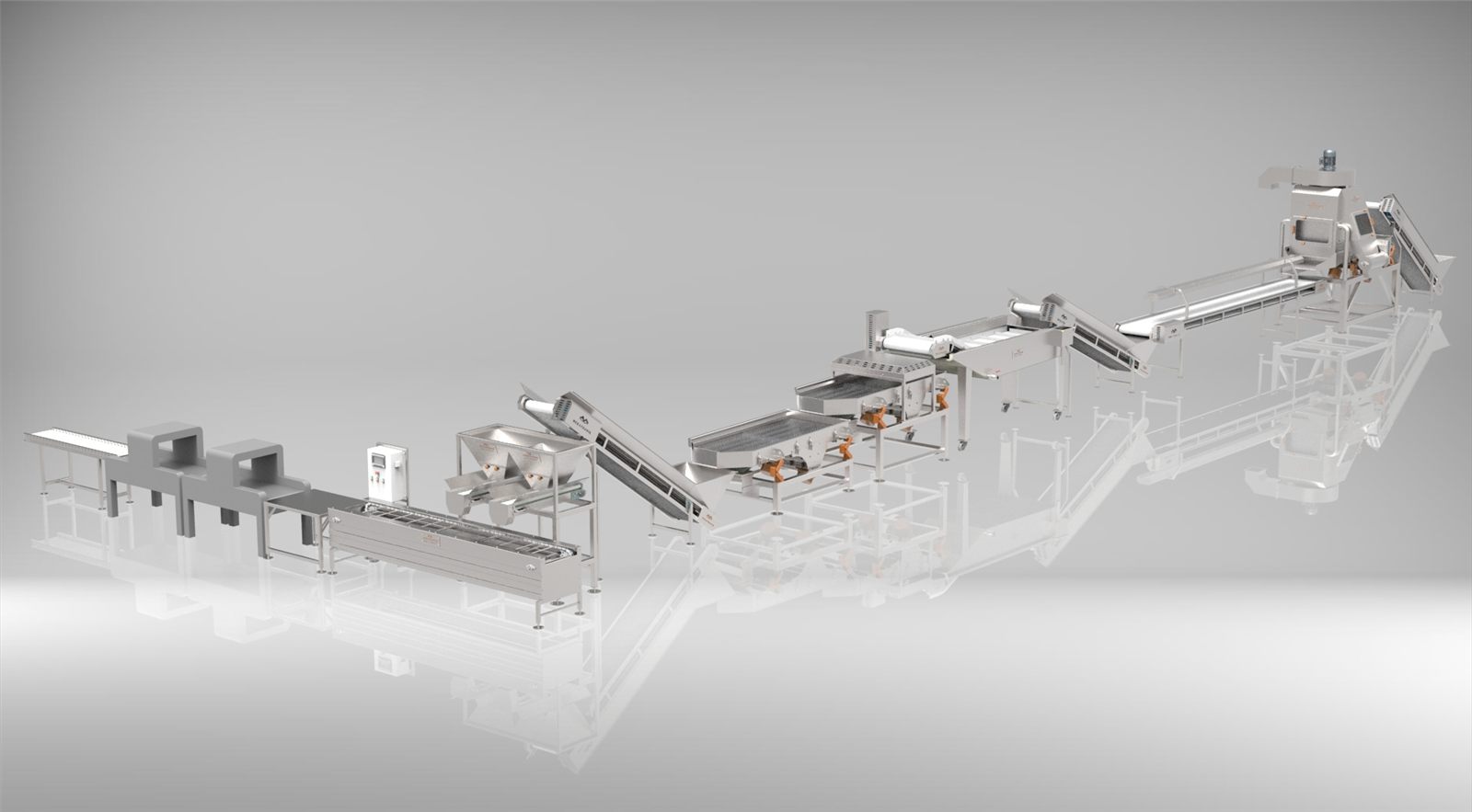
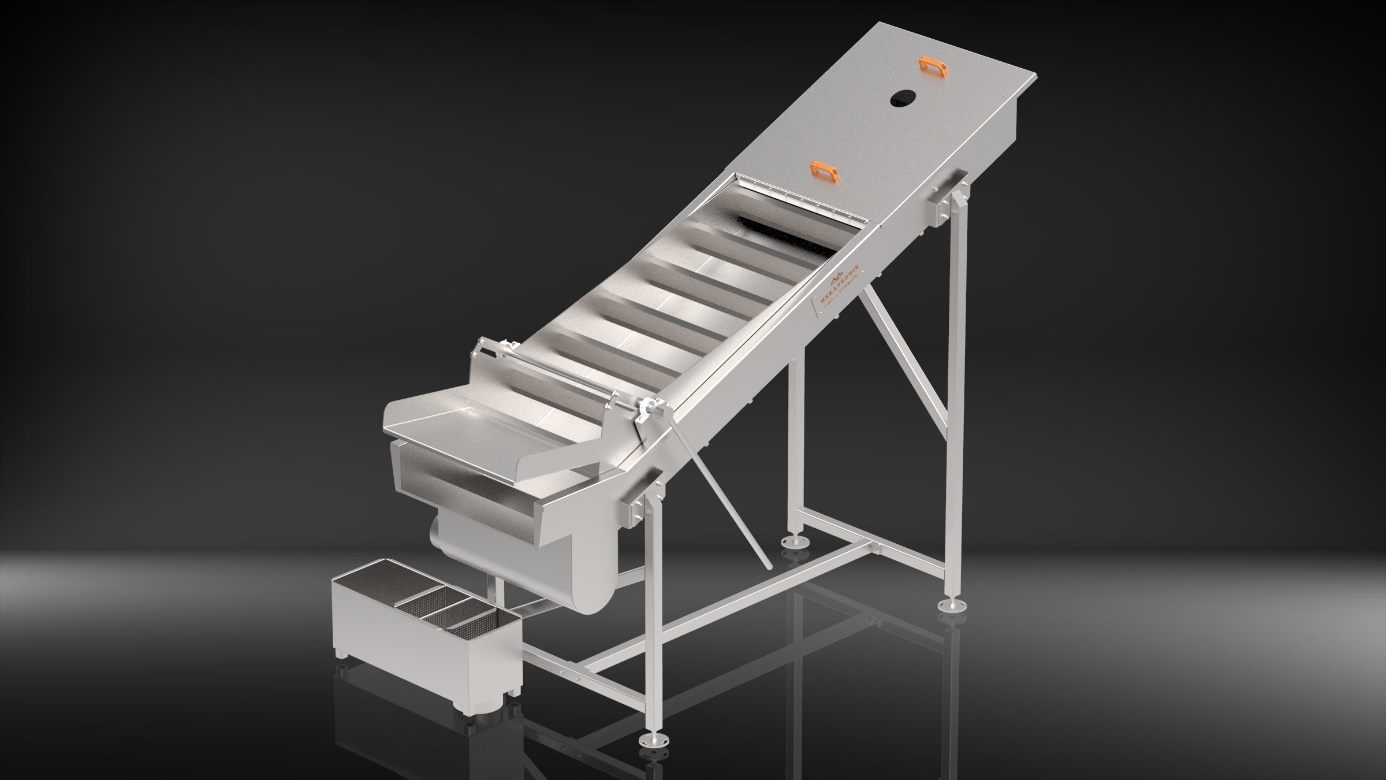
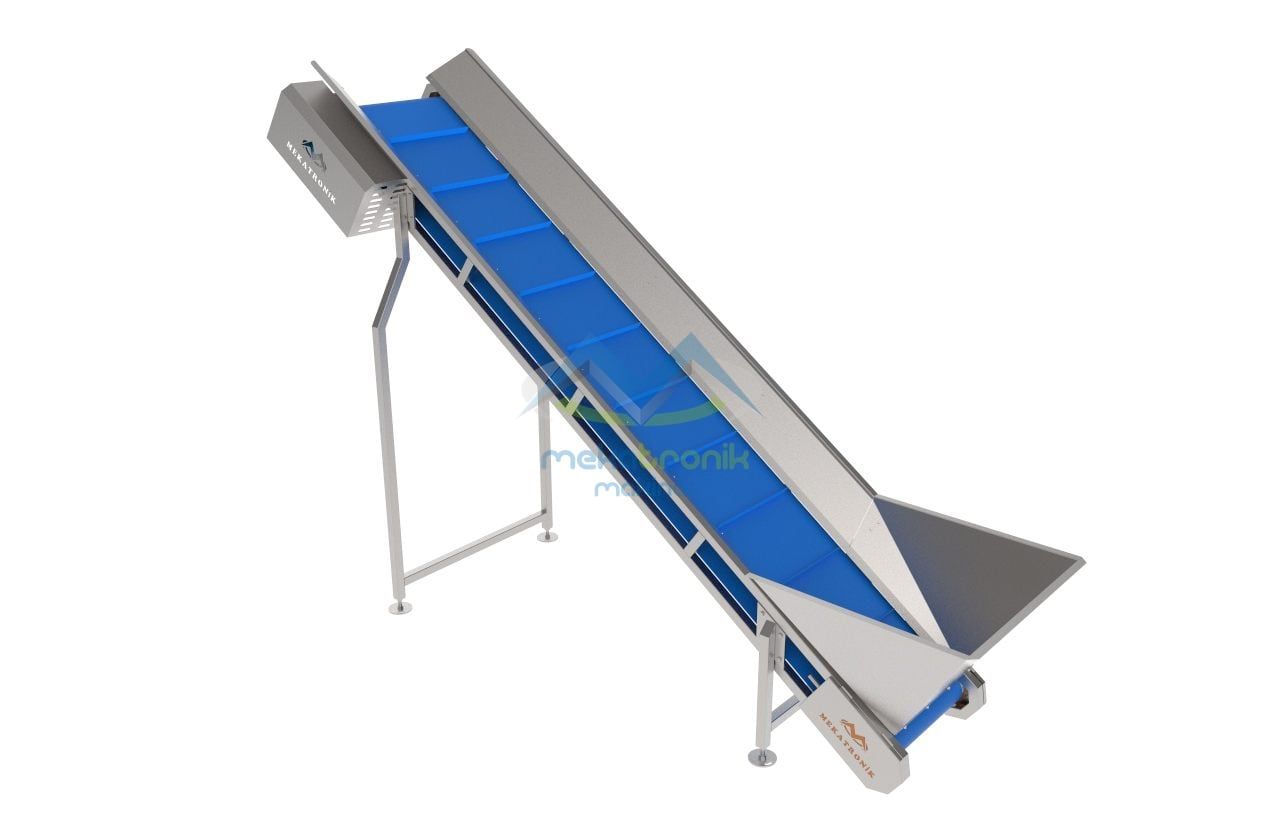
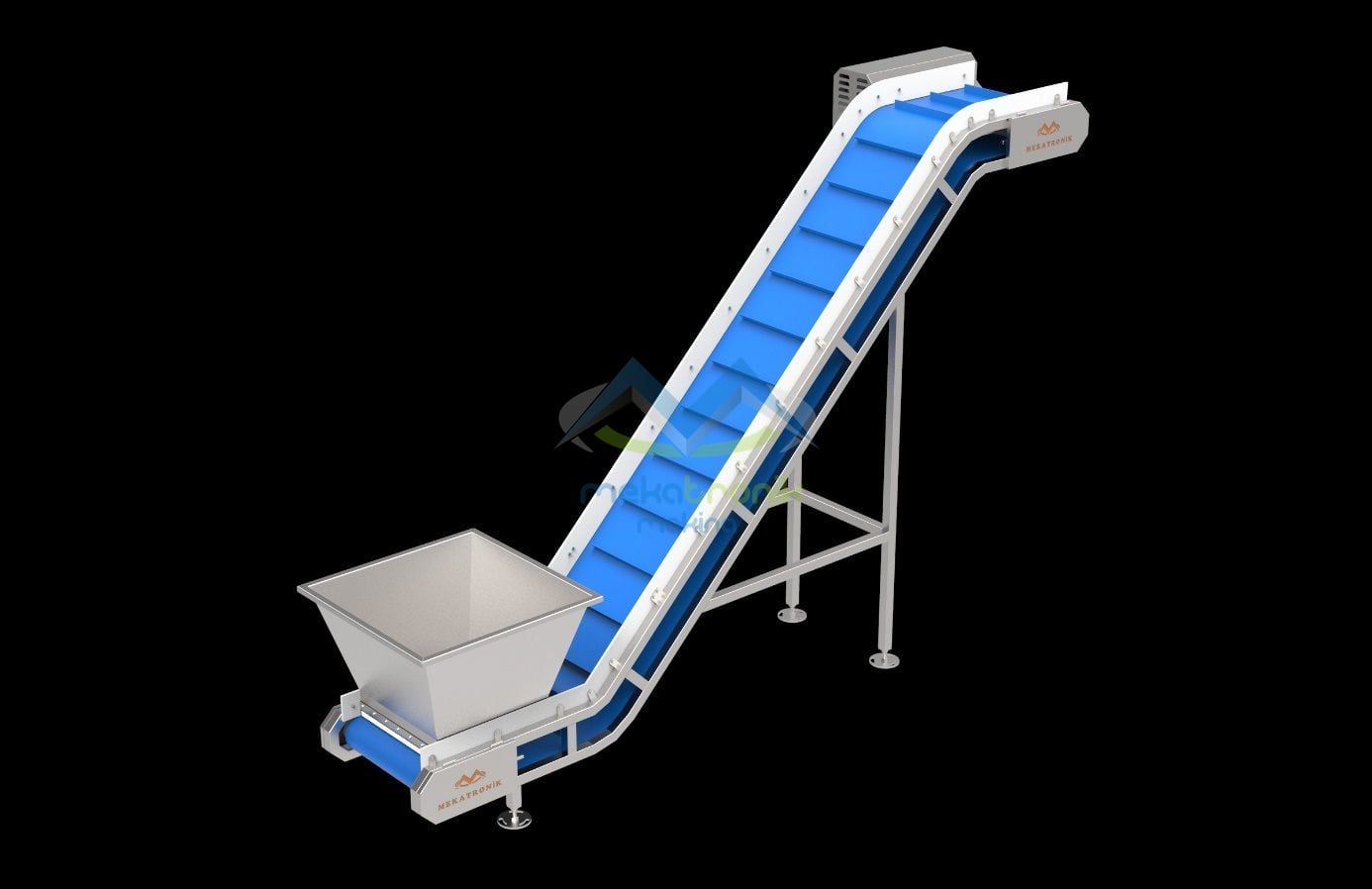
Dates usually reach a processing plant pressed into dense blocks after harvest and storage, and a line only pays for itself if it can pull that block apart without tearing the fruit before pitting, cutting and washing even begin. For international buyers sourcing pitted or packaged dates, the sequence of these four stages decides both the final yield and how much manual sorting is still needed once the machines are done.
01
Why the block has to open first
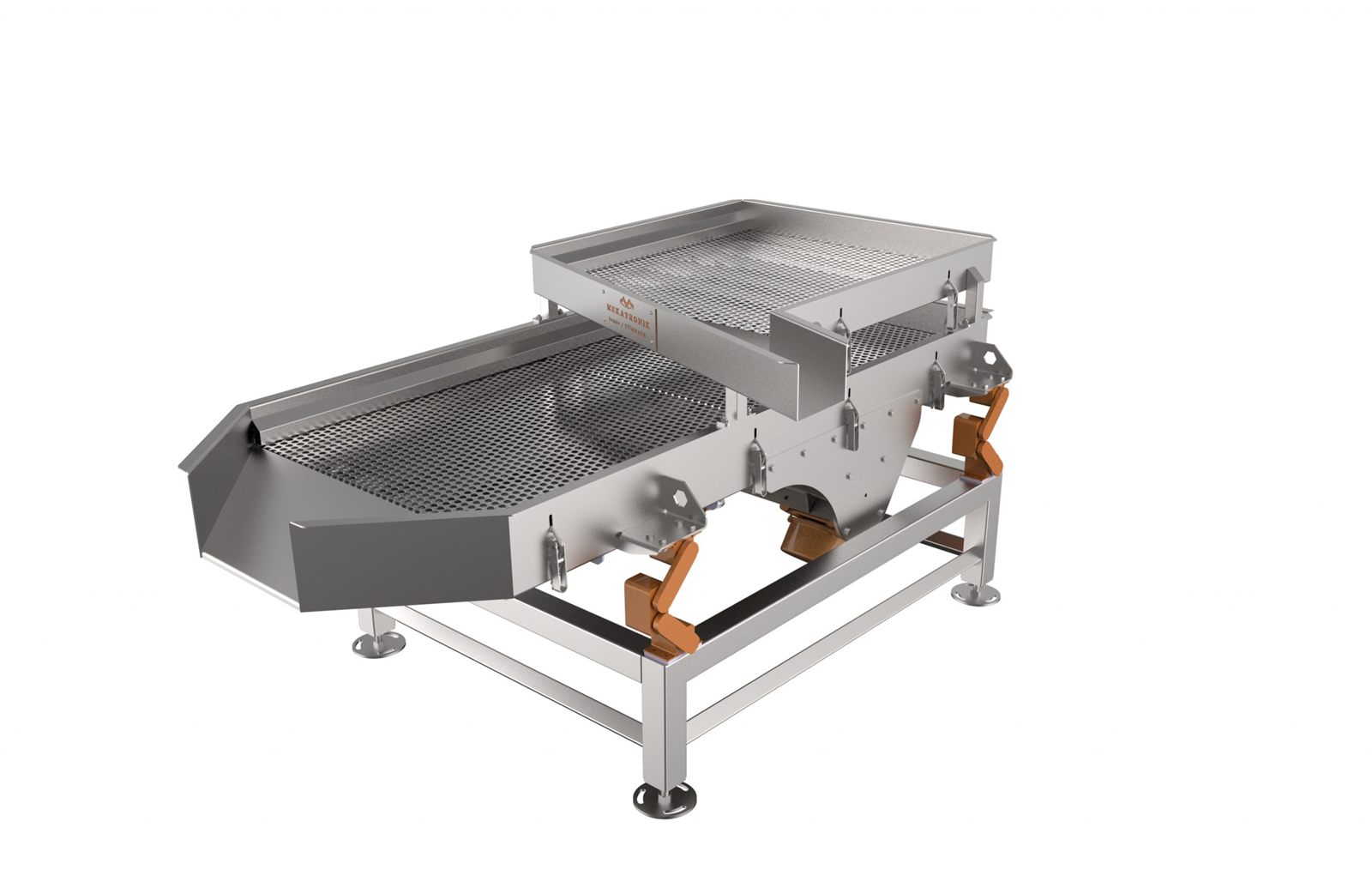
Storage pressure and natural sugar migration make individual dates stick to one another, so the first station on a date line has to loosen that block without crushing the fruit inside it. A block opener separates the mass into whole, individually workable dates so that every later station, from pitting to cutting, can grip and position a single piece rather than a clump. Skipping or rushing this step is the most common reason a line further downstream jams or produces uneven output.
02
Pit removal comes right after separation
- 01Block opening loosens the compressed mass into single dates
- 02Pit removal extracts the stone while keeping the flesh intact
- 03Cutting shapes the fruit into slices or pieces where the market requires it
- 04Washing removes sugar film and processing residue before packing
Once the fruit is separated, pit removal has to extract the stone without collapsing the flesh around it, which matters directly for how the finished date looks in an export carton. The pit removal machine is built with AISI 304 contact surfaces on the parts that touch the fruit, in line with the food-contact requirements buyers in EU markets typically ask about during supplier audits.
03
Cutting is where the product form is decided
Not every order needs a cutting stage. Whole pitted dates for direct retail packaging can bypass it, while paste, diced or sliced formats for bakery and confectionery buyers need the cutting station adjusted to the target cut size before the line runs. Because export orders often mix product forms across a single production week, the cutting settings are usually the point where a plant operator changes the line configuration between batches.
04
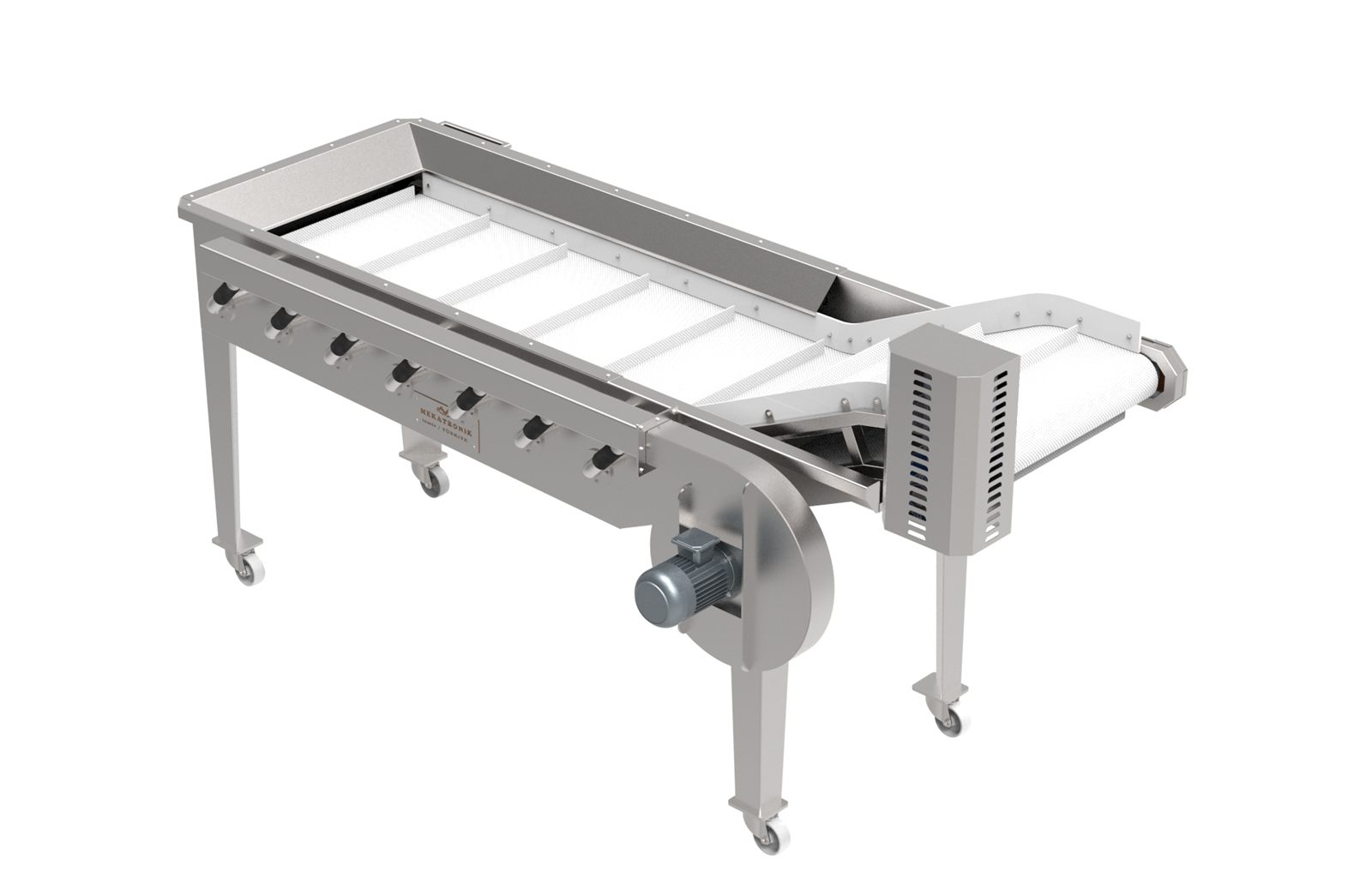
Washing closes the line before packing
The last stage removes the sticky sugar film left on the fruit surface along with any fine debris carried over from pitting and cutting. A washing station placed at the end of the line, rather than earlier, avoids re-contaminating already cleaned fruit with debris generated by the cutting stage that follows it. Fruit leaving this station goes straight to draining and packing, which shortens the window where sticky product can attract dust or pests on an open floor.
05
Keeping contact surfaces clean between runs
Sugar residue from dates is more aggressive on equipment than most fruit processing lines, since it hardens on contact surfaces if a station sits idle without a rinse. Frames and product-contact parts in AISI 304, and AISI 316 where the process calls for it, hold up to the wash-down routine a plant needs between shifts without pitting or corroding over repeated cleaning cycles. This is usually one of the first technical points an EU buyer's quality team asks about before confirming a supply agreement, well before volume or price are discussed.
06
Sequencing the line for export volumes
| Stage | What it resolves |
|---|---|
| Block opening | Separates compressed dates without crushing |
| Pit removal | Extracts the stone, keeps flesh shape for packing |
| Cutting | Sets the final product form for the order |
| Washing | Clears sugar film and debris before packing |
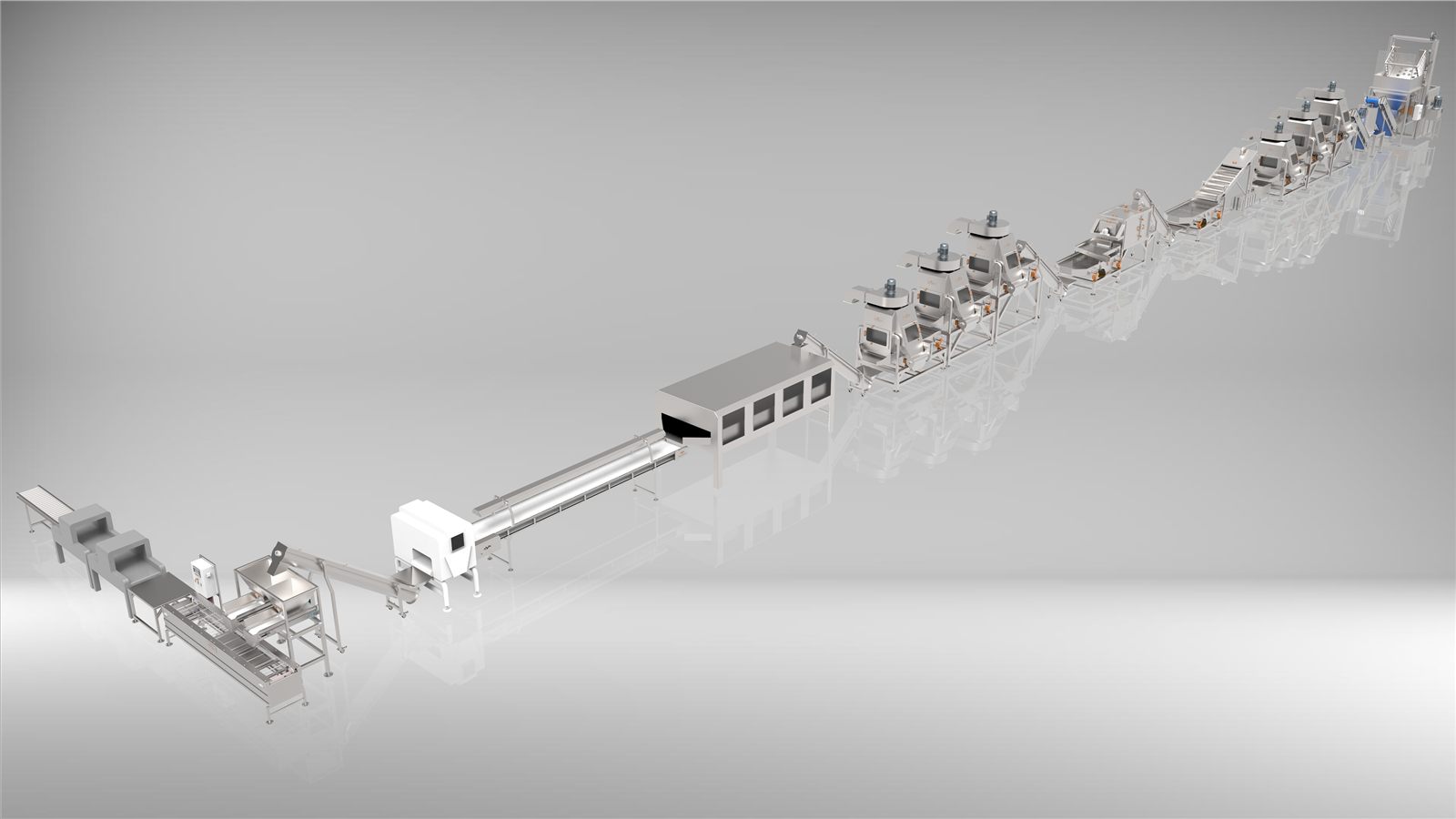
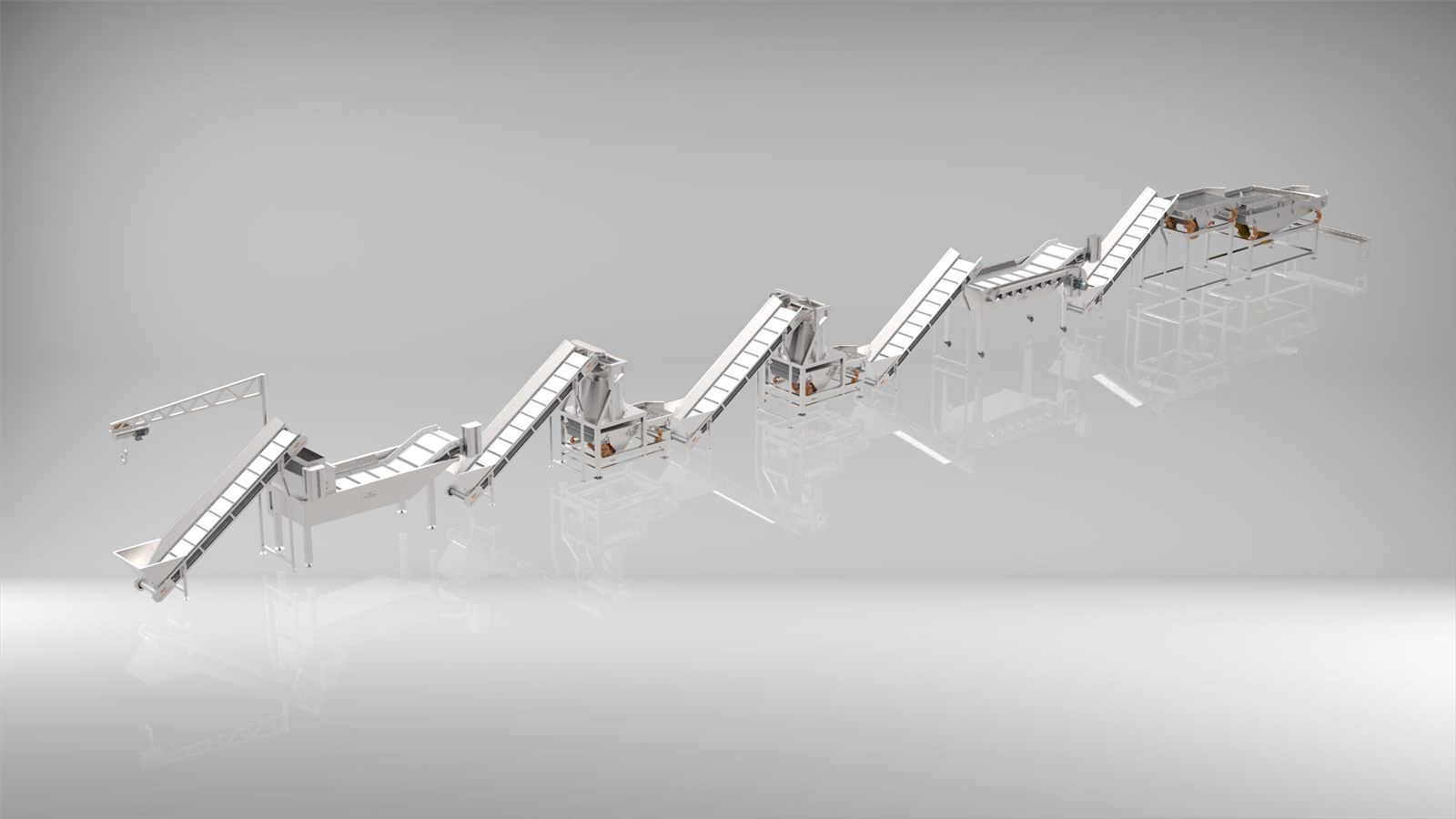
For plants shipping to EU and other international markets, this order is not just a workflow preference. It is what keeps rework off the packing table and keeps the finished product consistent from the first crate of the day to the last. If your current setup is stopping at manual sorting between these stages, the export desk is the right place to start, and a full line proposal can be scoped from there once your volume and target markets are clear.