The dust filter of a debris separation machine has no fixed cleaning date that suits every plant. The right interval depends on how dusty the incoming product is, how many hours the line runs and how many filters the machine carries. What you can do is build the interval from signals on your own line, and that is what this article walks through.
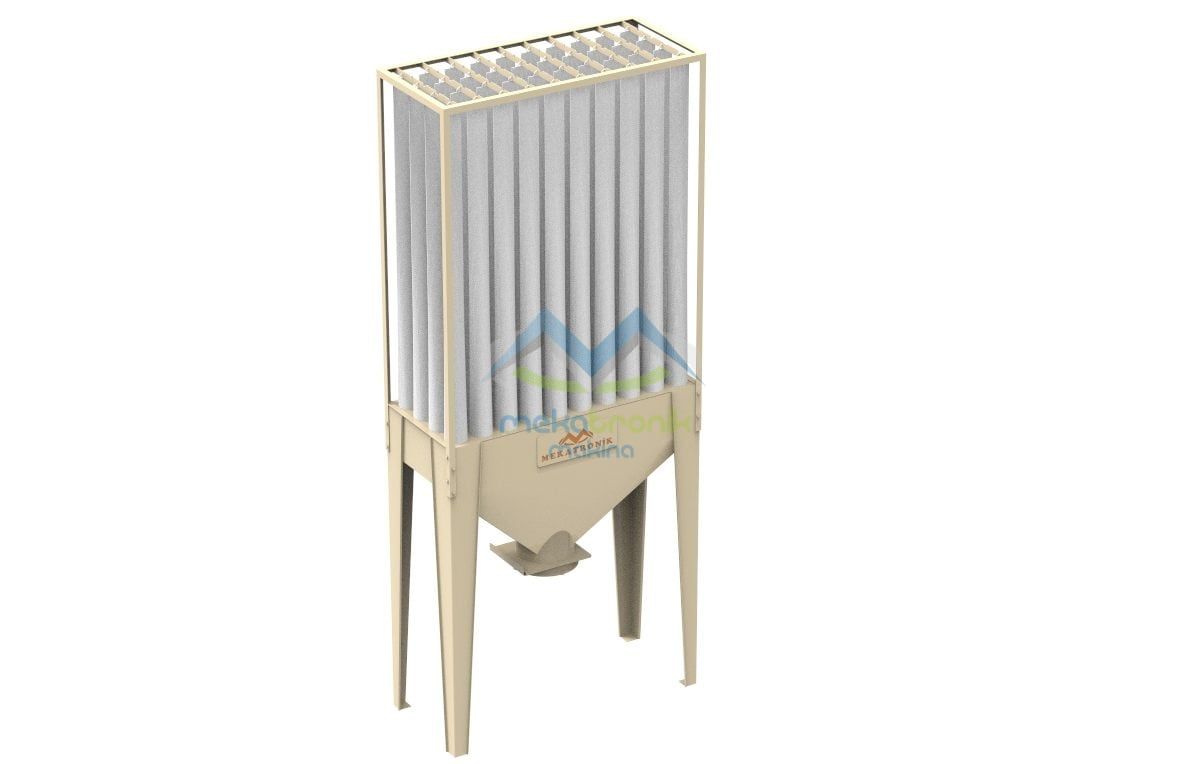
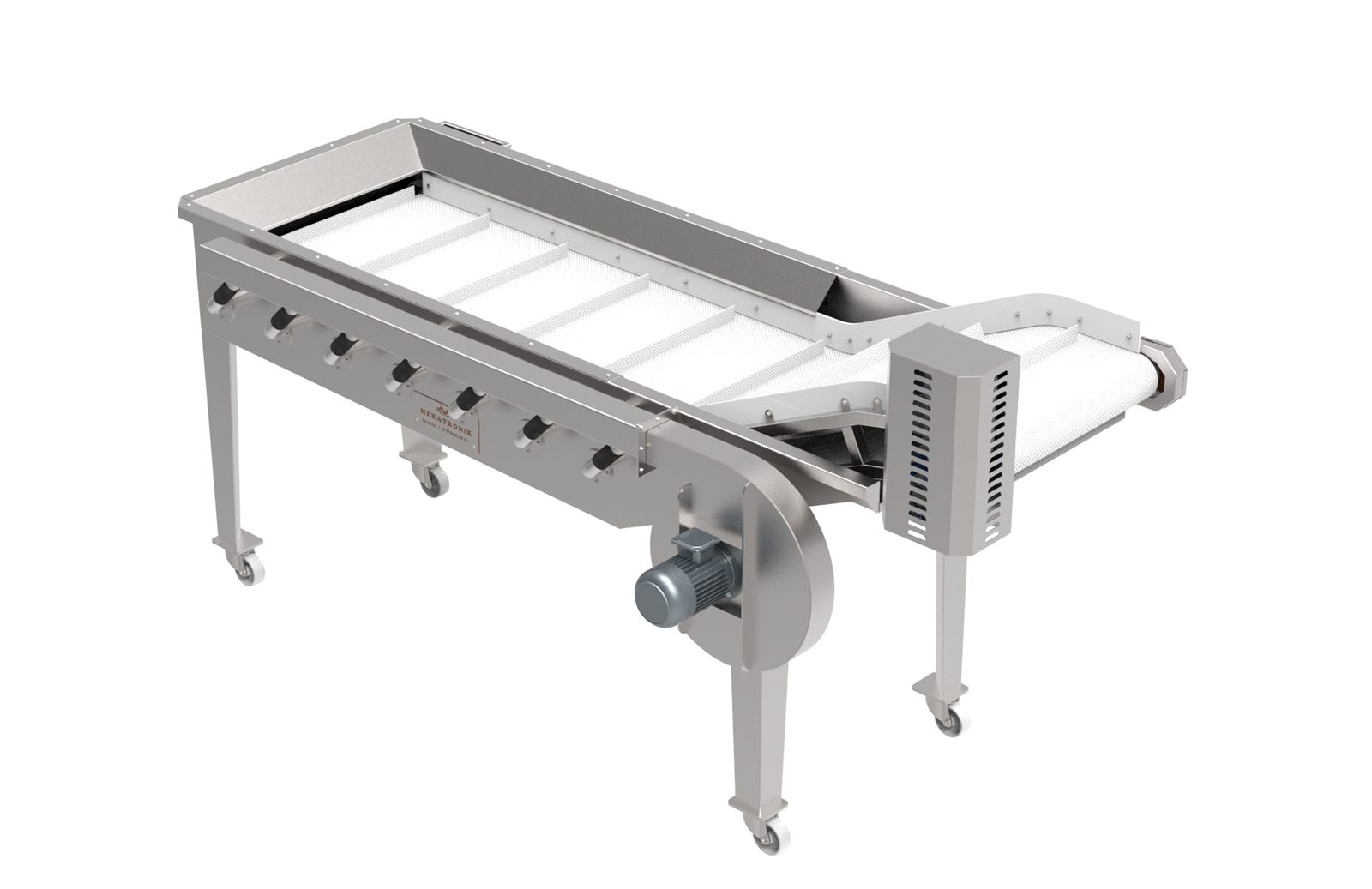
The Debris Separation Machine works with a suction fan. The fan delivers the spice into the filter, the dust is separated from the product inside the filter, and the finished product is recovered. The filters can be removed and refitted with ease, which is the design feature that makes a planned cleaning routine realistic.
01
What happens when the filter is cleaned too late?
Dust that builds up on the filter surface slowly closes the passage the air has to travel through. The suction fan then has to work against a more restricted path, and the first thing an operator notices is not a fault message but a change in behaviour: product moves more slowly, dust escapes at joints, or the recovered product carries more fine particles than before. By the time any of this is obvious the filter has already been overdue for a while.
02
What happens when it is cleaned too often?
Cleaning has a cost as well. Every stop for filter removal takes the machine out of the flow, takes an operator away from another task and handles a component that is clean enough to keep working. A rhythm that is stricter than the product needs wastes time without improving the result. The aim is the longest interval that still keeps the airflow and the product quality steady.
03
Which signals should set the interval?
Instead of copying a number from another plant, record a few observations during the first weeks of production and let them define the routine:
- 01How the suction looks and sounds at the start of a shift compared with the end of the same shift
- 02The amount of dust collected when a filter is taken out, noted per filter
- 03Whether fine particles in the recovered product increase before the filter is opened
- 04How the product type changes the picture, since a dustier raw material loads the filters faster
- 05How many hours the machine has run since the previous cleaning
After a few weeks these notes give you a plant-specific interval, written as running hours or as a point in the shift, which operators can follow without guessing.
04
How does the number of filters affect planning?
The machine is built with a filter count that varies with the place and purpose of use, so the same article cannot give one answer for every installation. More filters spread the dust load, and they also mean more pieces to remove, clean and refit. A useful habit is to number the filters and rotate the cleaning, so that the whole set is never taken out at once and the line is not left without suction. Exact filter counts and the resulting layout are settled in the quote for your project.
05
A simple maintenance table
| Item | What to check | How the interval is set |
|---|---|---|
| Filters | Dust build-up, damage, correct refitting | From the signals recorded on your own line |
| Suction fan motor | Noise, vibration, smooth running | Following the motor supplier's guidance |
| Joints and connections | Dust leaking where it should not | At each filter cleaning |
| Product-contact surfaces | Residue and cleanliness | At each product change |
Motors, gearboxes, bearings and electrical equipment are standard parts in their own classes, so their service intervals follow the supplier's guidance rather than a figure invented for this article. The body is made of AISI 304 stainless steel, and AISI 316 is optional depending on the process.
06
Where does the machine sit in the line?
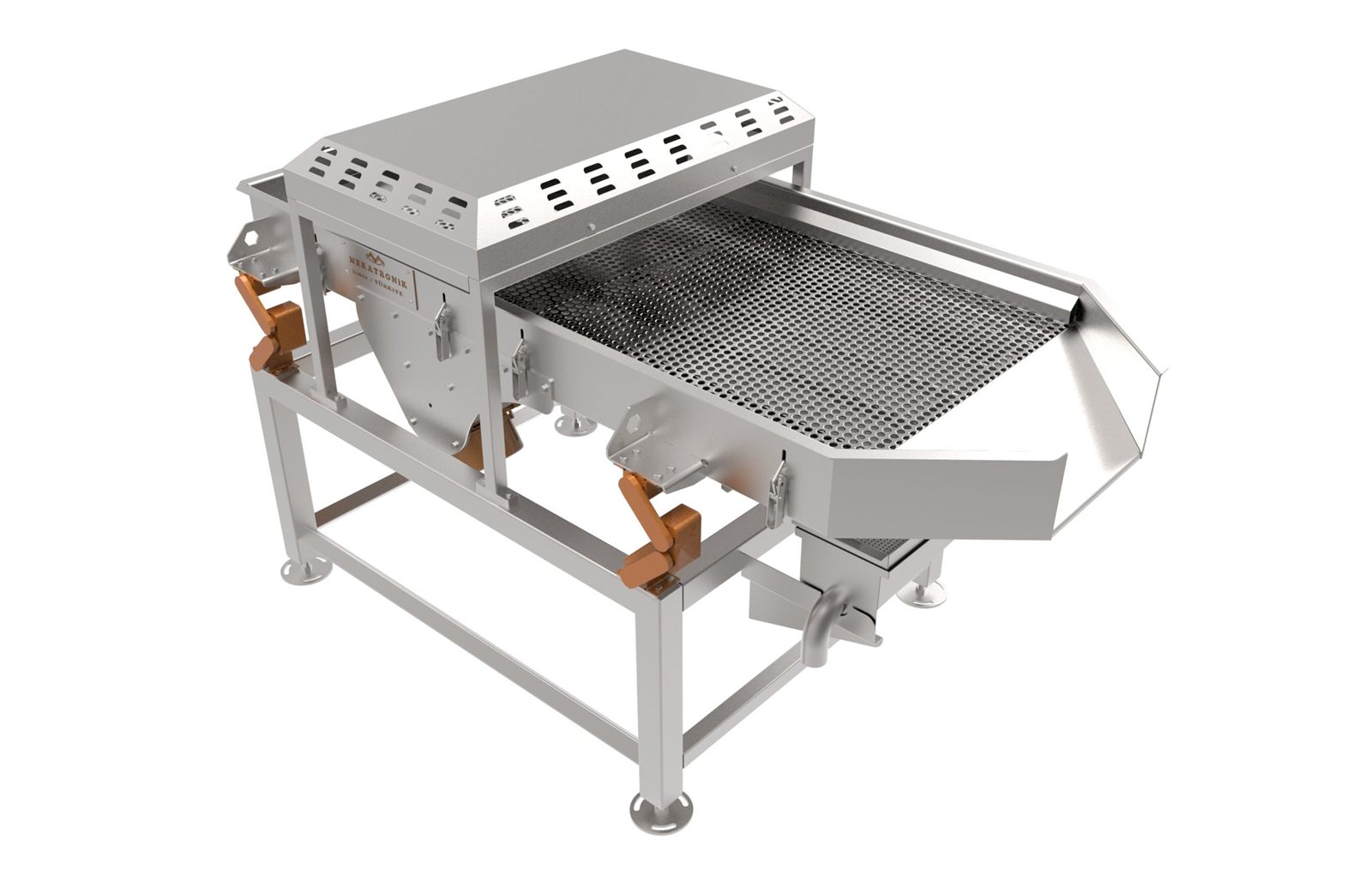
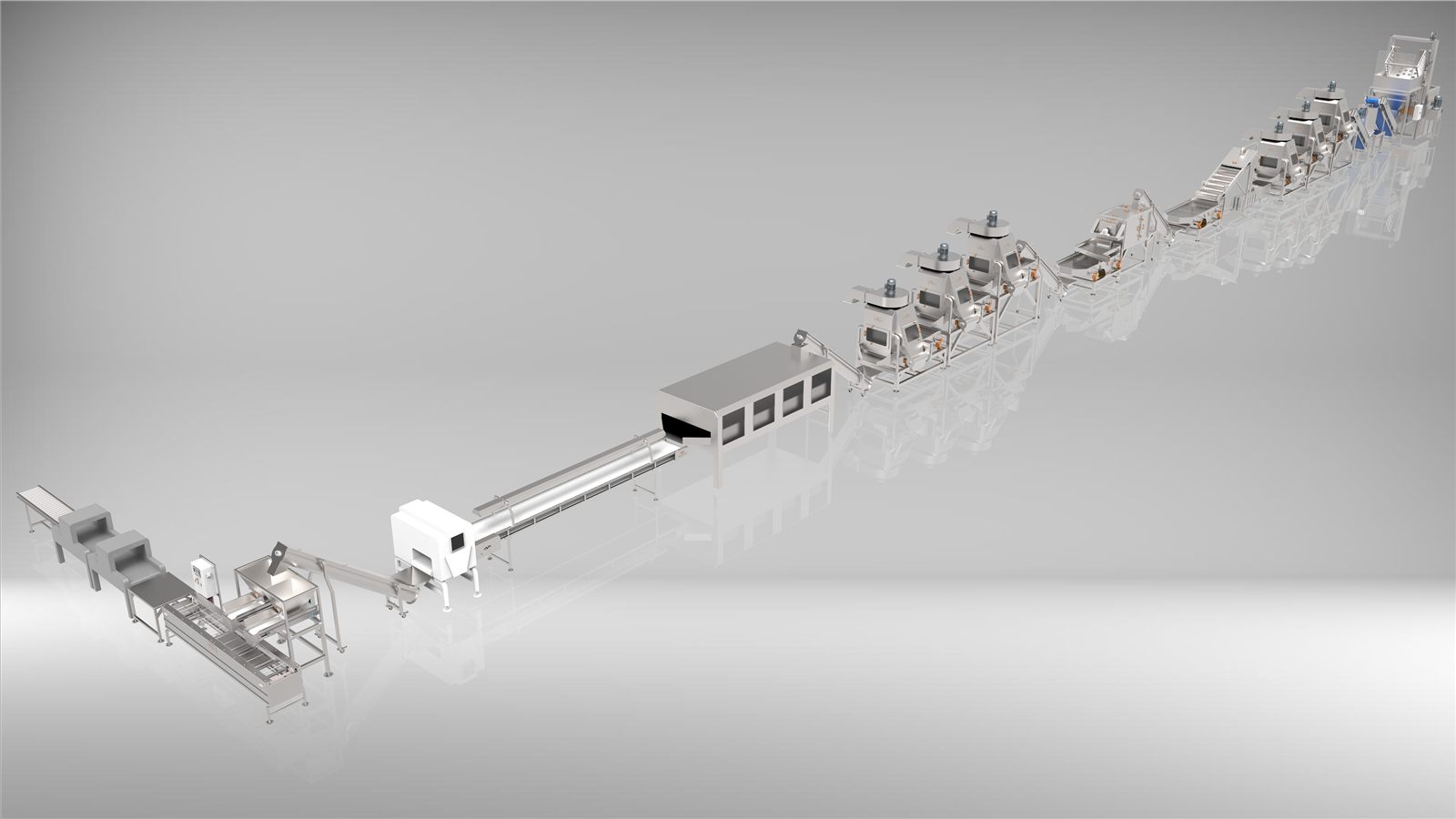
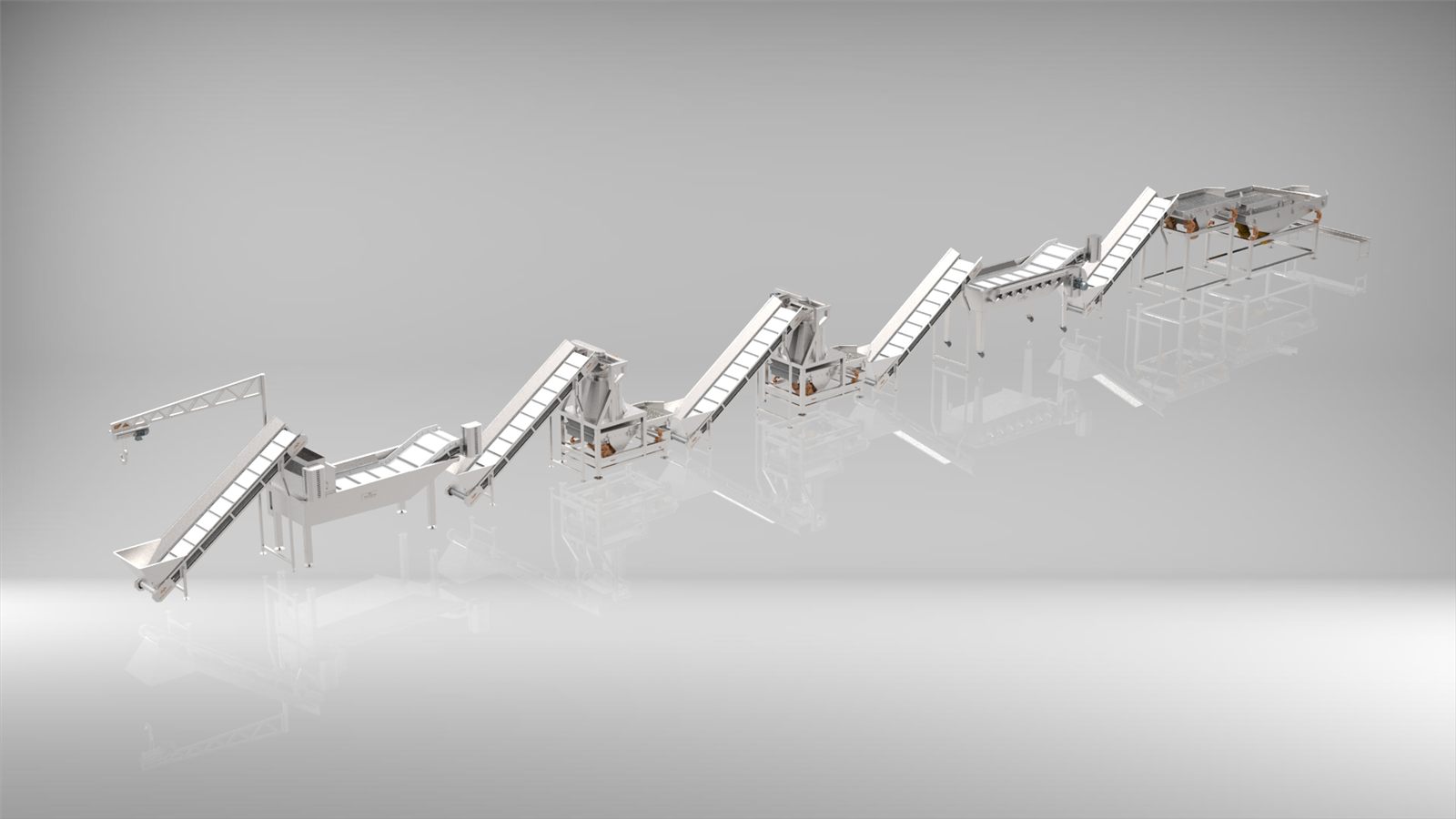
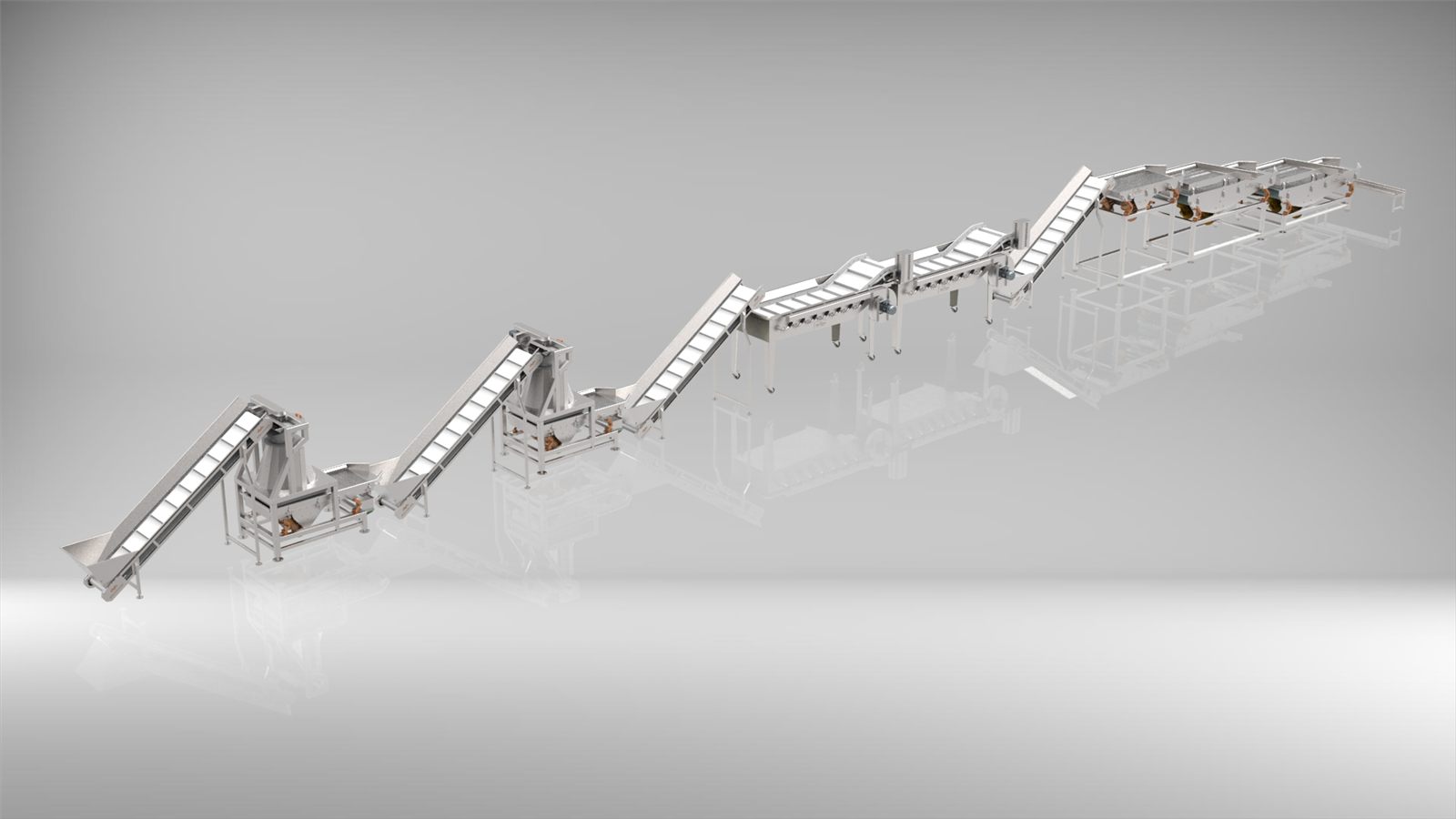
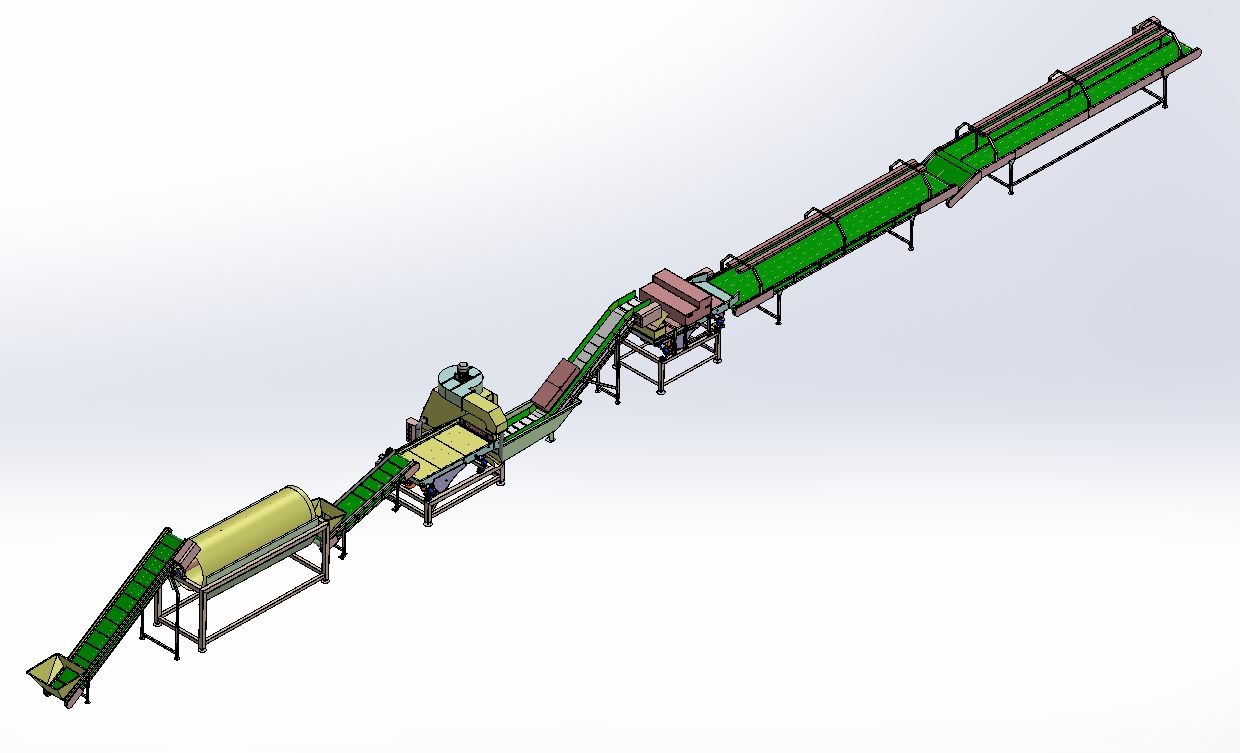
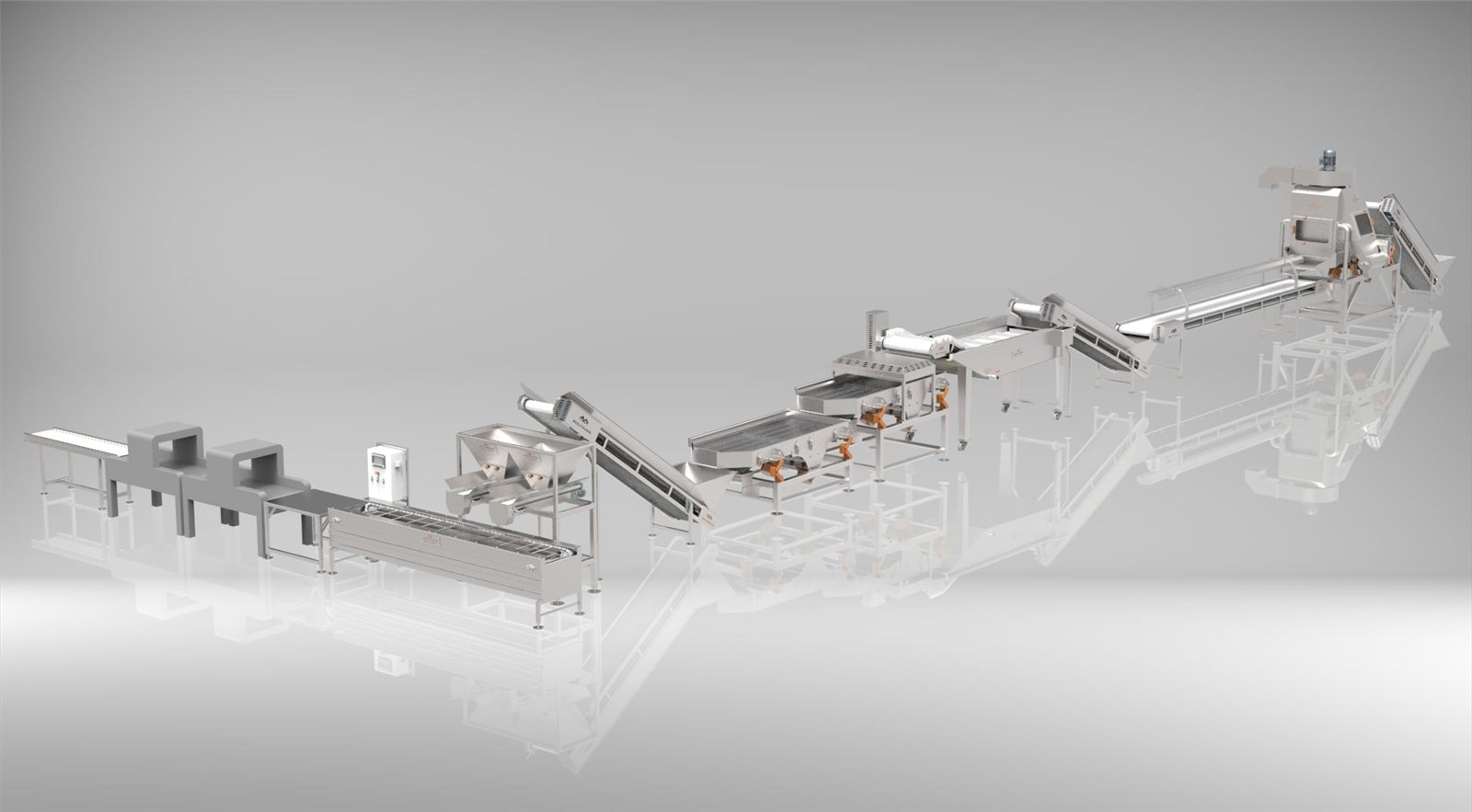
Dust removal works best when it fits the screening and debris removal stage rather than being treated as a stand-alone fix. For dried fruit lines, the Dried Fruit Impurity Removal Screen belongs to the same machine group, and the way the two are arranged decides how much dust ever reaches the filter. You can see how the stations fit together on the Raisin Processing Line page.
07
Next step
If you are planning a new line or adding dust removal to an existing one, send us your product, the target capacity and the dimensions of the facility through the quote page. Values vary by project, and the filter count, layout and exact figures are finalised in the quote. A maintenance rhythm built on your own measurements will always serve you better than a borrowed number.