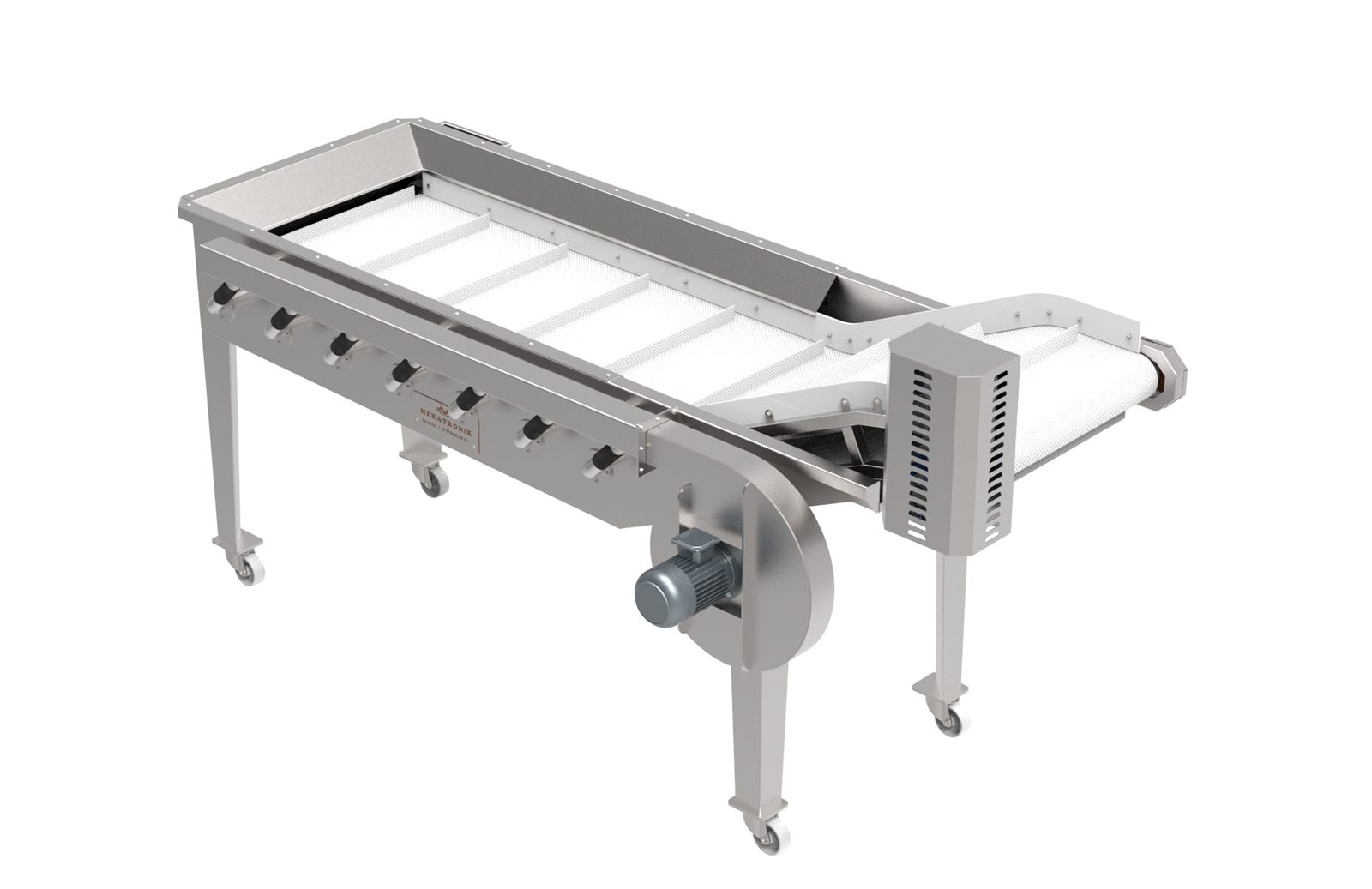
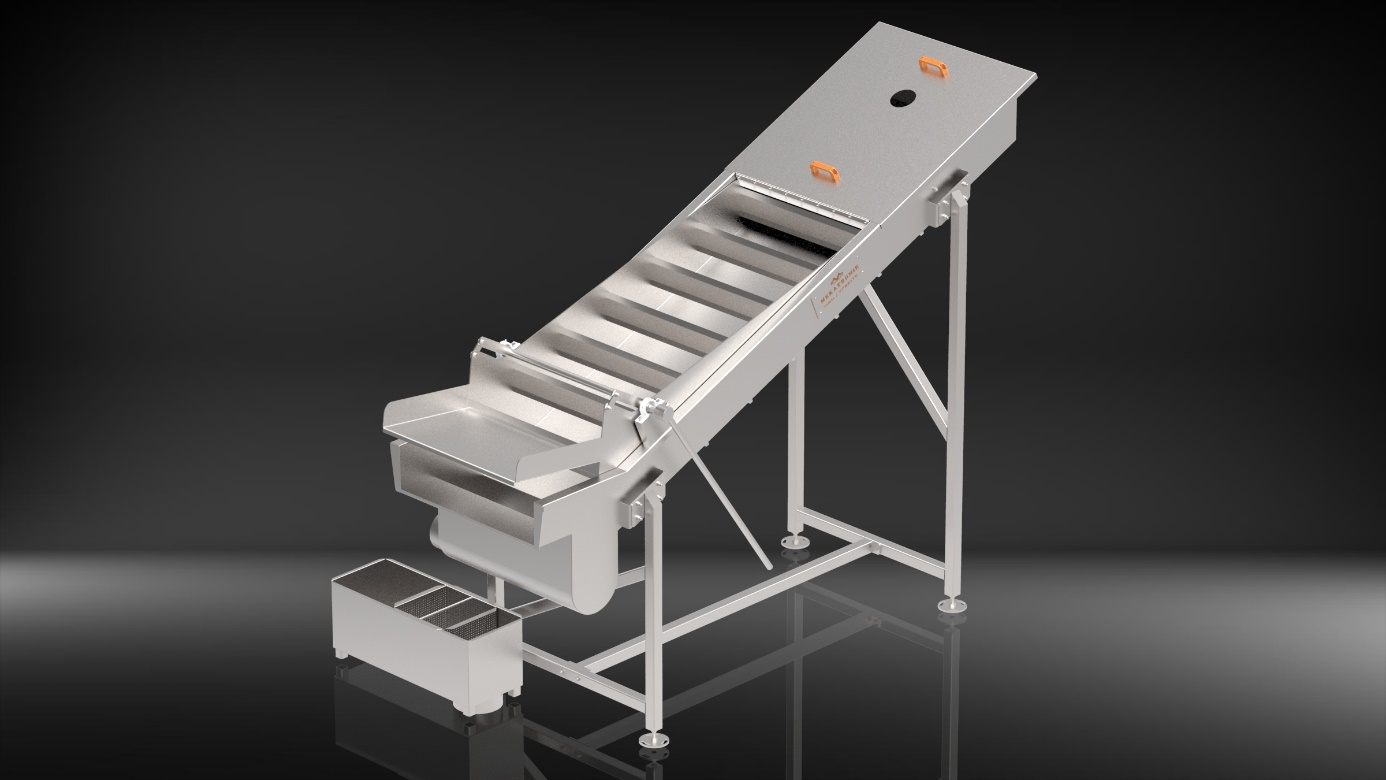
A debris separation machine works only as long as air can pass through its filter. When the filter clogs, dust stays in the product and the fan works harder for less result. So the useful question is not how often to clean, but how to read the filter and fix a rhythm from your own product and shifts.
01
What does the filter do in this machine?
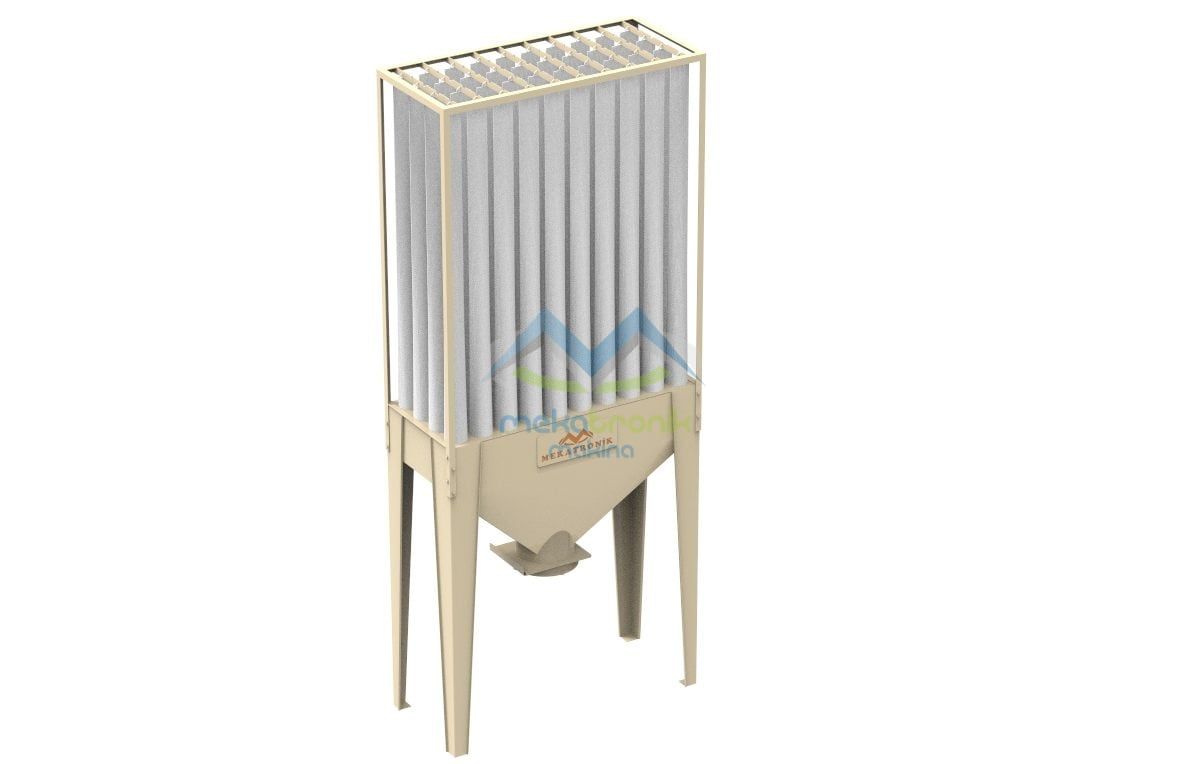
The debris separation machine uses a suction fan to send the product, typically a spice, into a filter unit. Dust is drawn out of the product there, and the finished product is taken from the machine. The filter is therefore the working surface of the machine, not an accessory around it.
Its filters can be removed and refitted with ease. This is a design choice for maintenance: the quicker a filter comes out, the less a cleaning stop costs and the less likely it is to be postponed.
02
What makes a filter load up faster?
- 01A dusty incoming product: the more fine matter the raw material carries, the sooner the filter surface fills.
- 02Poor upstream cleaning: stones, soil and light matter that were not removed earlier reach the filter and add to its load.
- 03Higher feed rate: more product per hour means more dust per hour on the same filter surface.
- 04Humid product or damp air: fine dust that picks up moisture sticks to the filter instead of releasing from it.
None of these has a fixed number. How fast a filter loads depends on the product and the plant, which is why the service interval has to be found by observation.
03
How do you set a cleaning rhythm without a fixed number?
Start conservative and tighten or relax from what you see. Check the filter at the end of each shift during the first weeks and note its condition. When a pattern appears, turn it into a written schedule.
| What you observe | What it usually means | What to do |
|---|---|---|
| Suction at the intake feels weaker | Filter surface is loading | Clean or swap the filter set |
| Dust remains in the finished product | Air is not passing as it should | Inspect the filter, then the fan path |
| Fan motor sounds or runs differently | Flow has changed | Stop and check before the next batch |
| Filter is clean at every check | Interval is longer than needed | Extend the interval step by step |
Keep the record simple: date, shift, product, filter condition. After a few weeks the record tells you more than any generic interval could.
04
Why keep a spare filter set?
Because the filters are easy to remove, a second set lets you swap in a clean one and clean the used one off the line. The line stops only for the swap. Where the product changes between batches, a separate set per product also avoids carrying residue from one product to the next.
05
How does this step fit with the rest of the line?
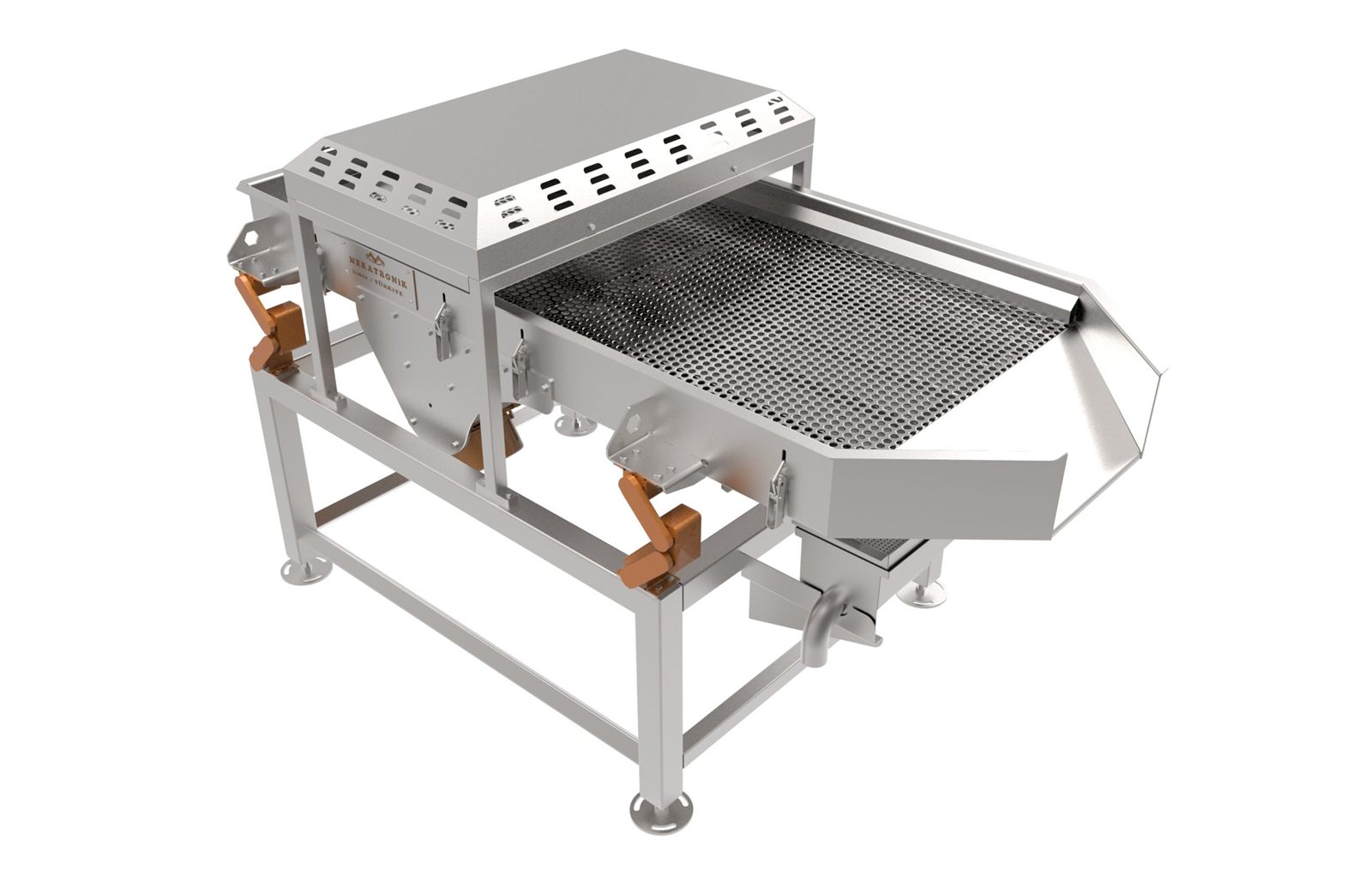
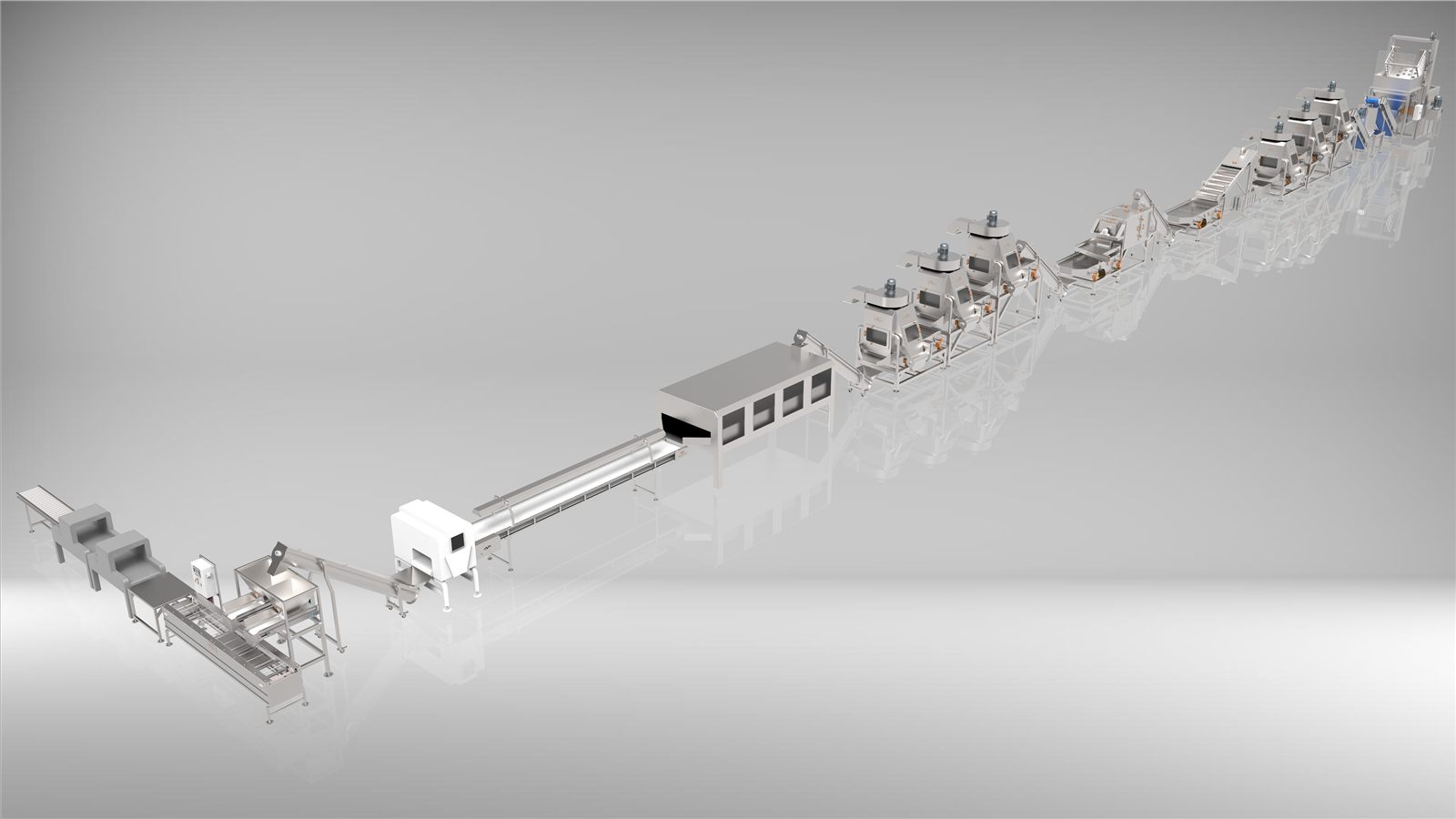
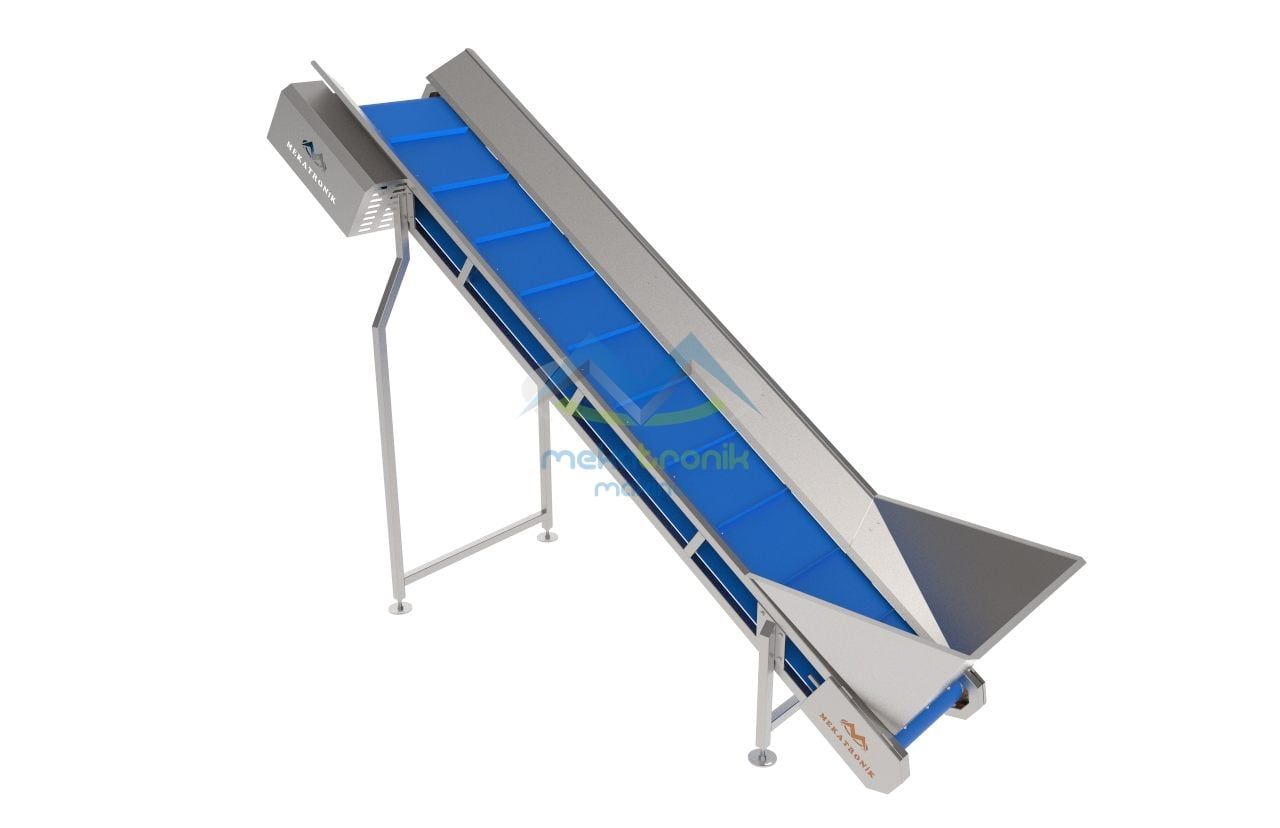
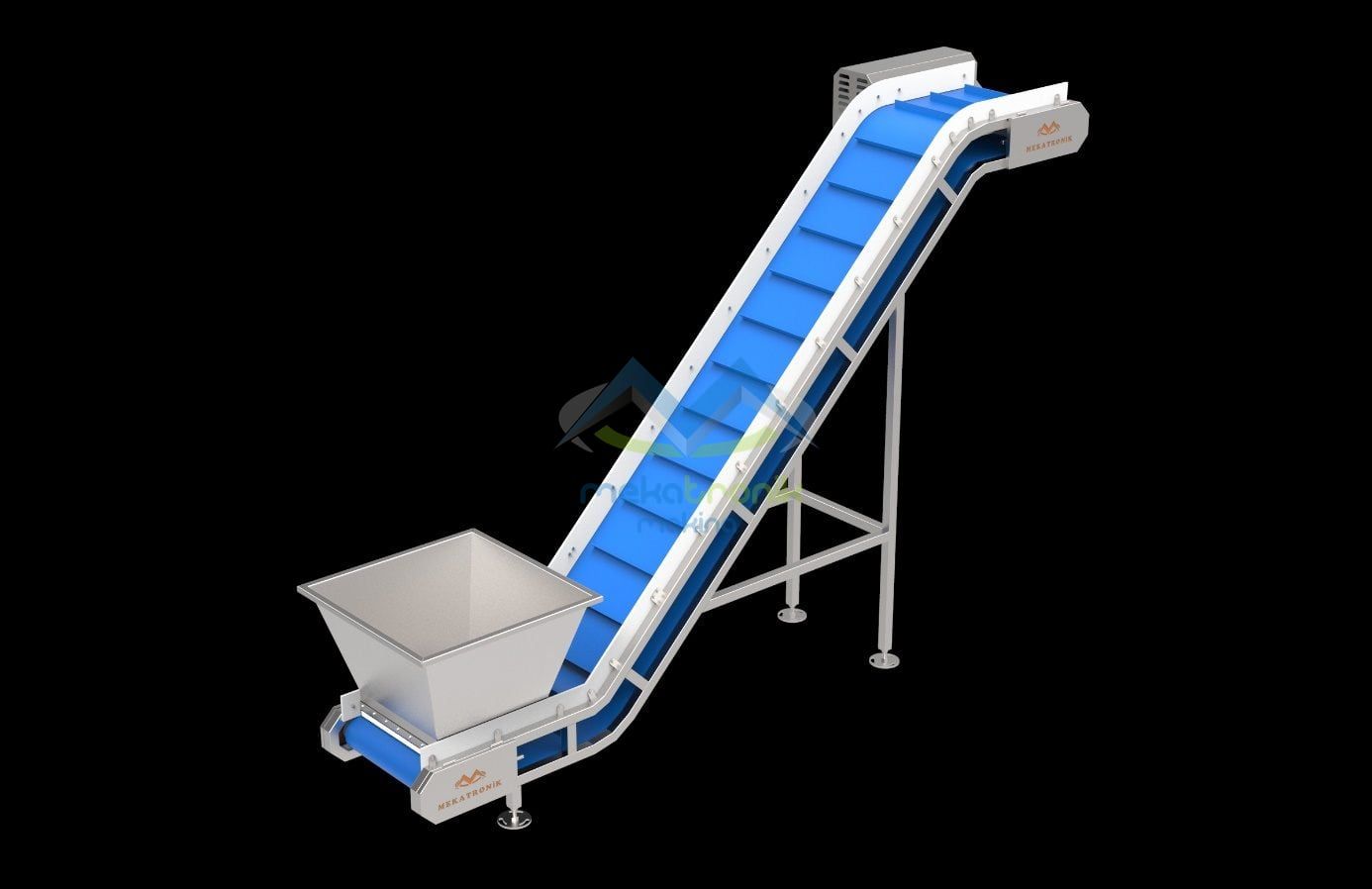
Dedusting works better when the product arrives already free of heavy foreign matter. A screening shaker with aspiration unit takes out stones, soil and light matter such as leaves and stems before the product reaches the filter, so the filter spends its capacity on dust rather than on debris. Where product moves by air, a cyclone with its air lock keeps the feed balanced, which also keeps the load on the filter more even.
06
What about hygiene and material?
Product-contact surfaces are AISI 304 stainless steel, with AISI 316 optional depending on the process. Easy disassembly also helps hygiene: a filter that can be taken out is a filter that can be cleaned properly. Capacity and fan power are set per project and confirmed in the quotation.
Next step: if you are planning a dedusting step for a spice or dried product line, send us your product and shift pattern on the quotation page and we will define the machine and the service routine together.