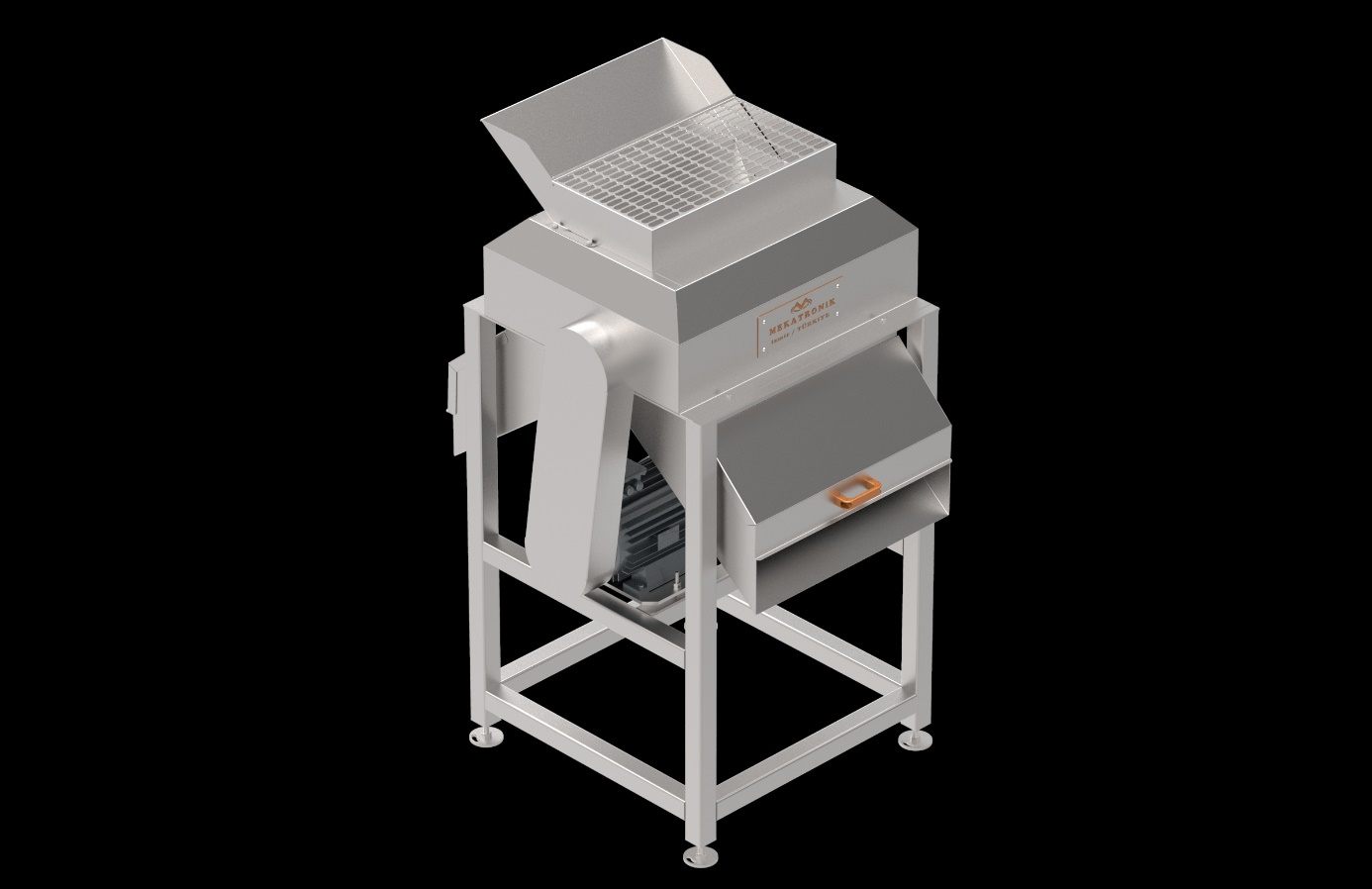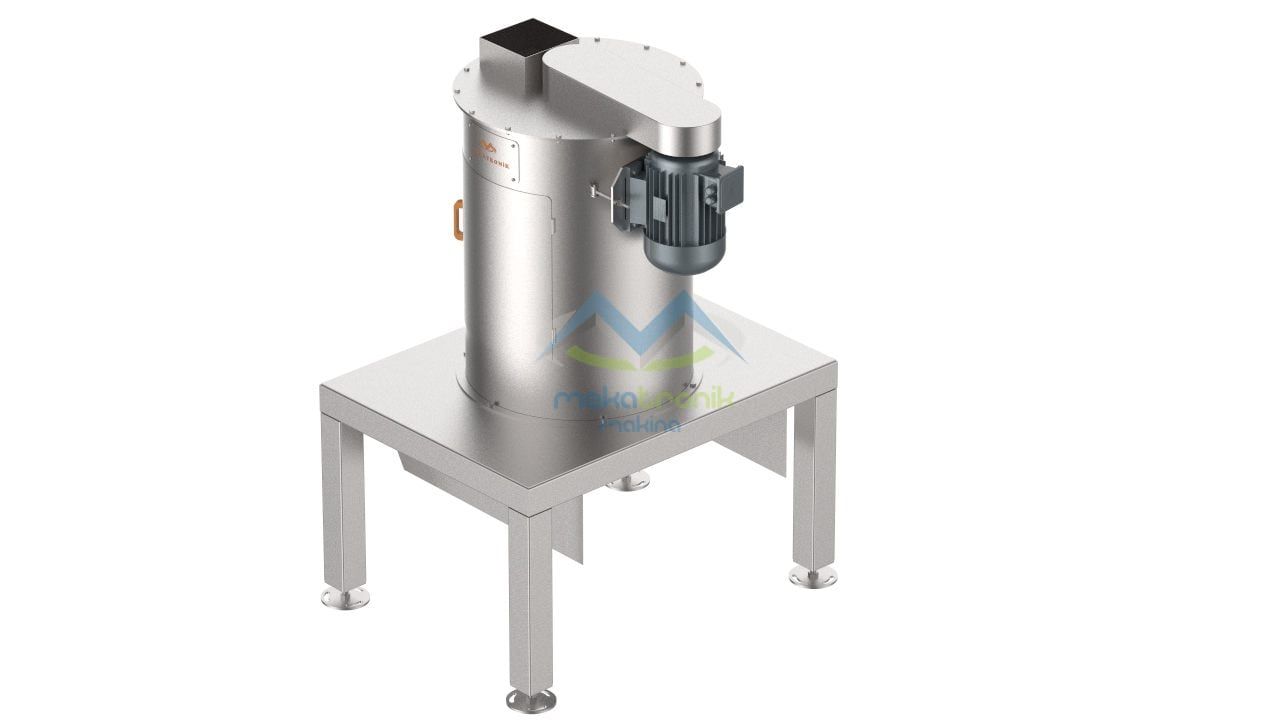
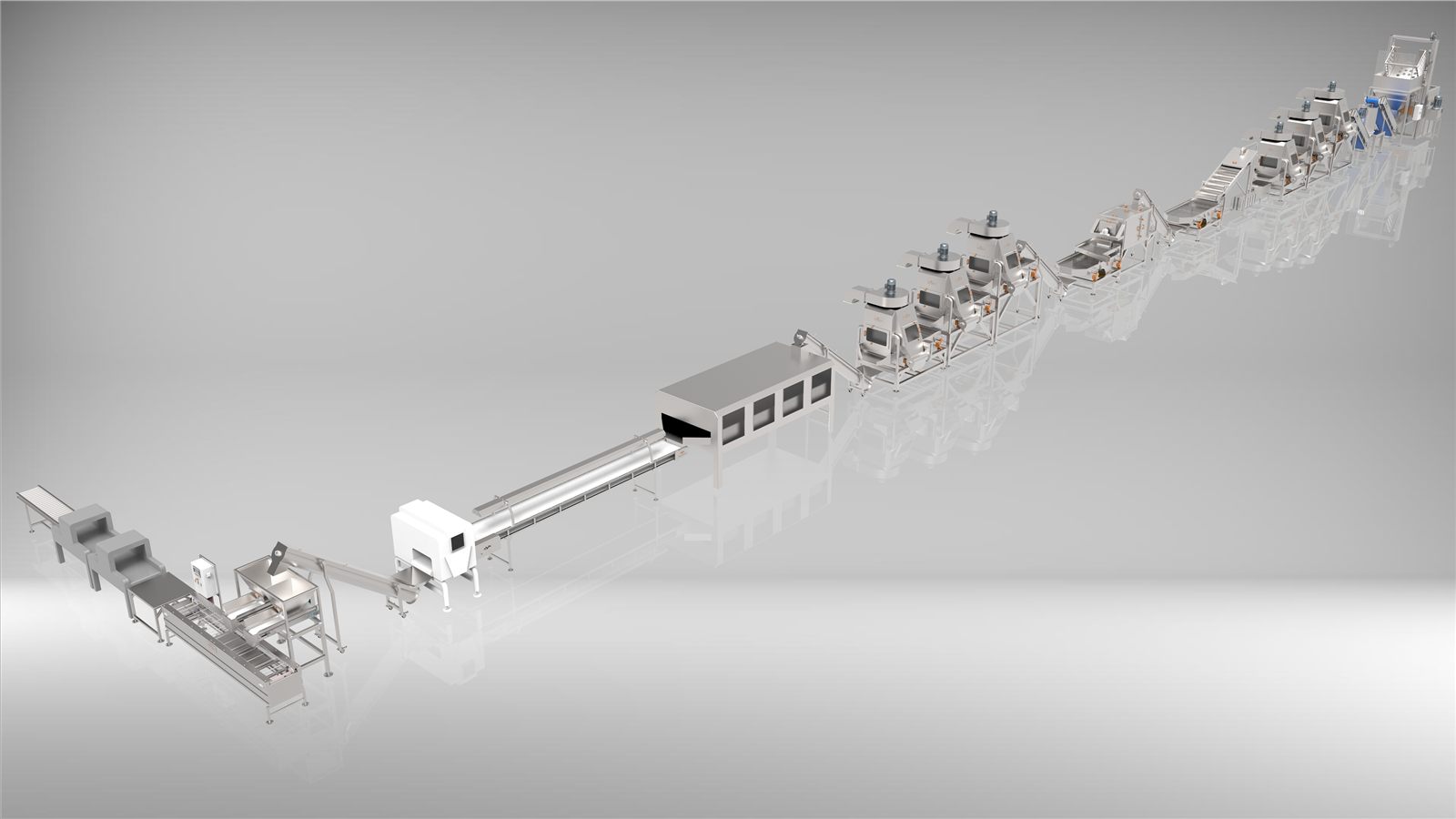
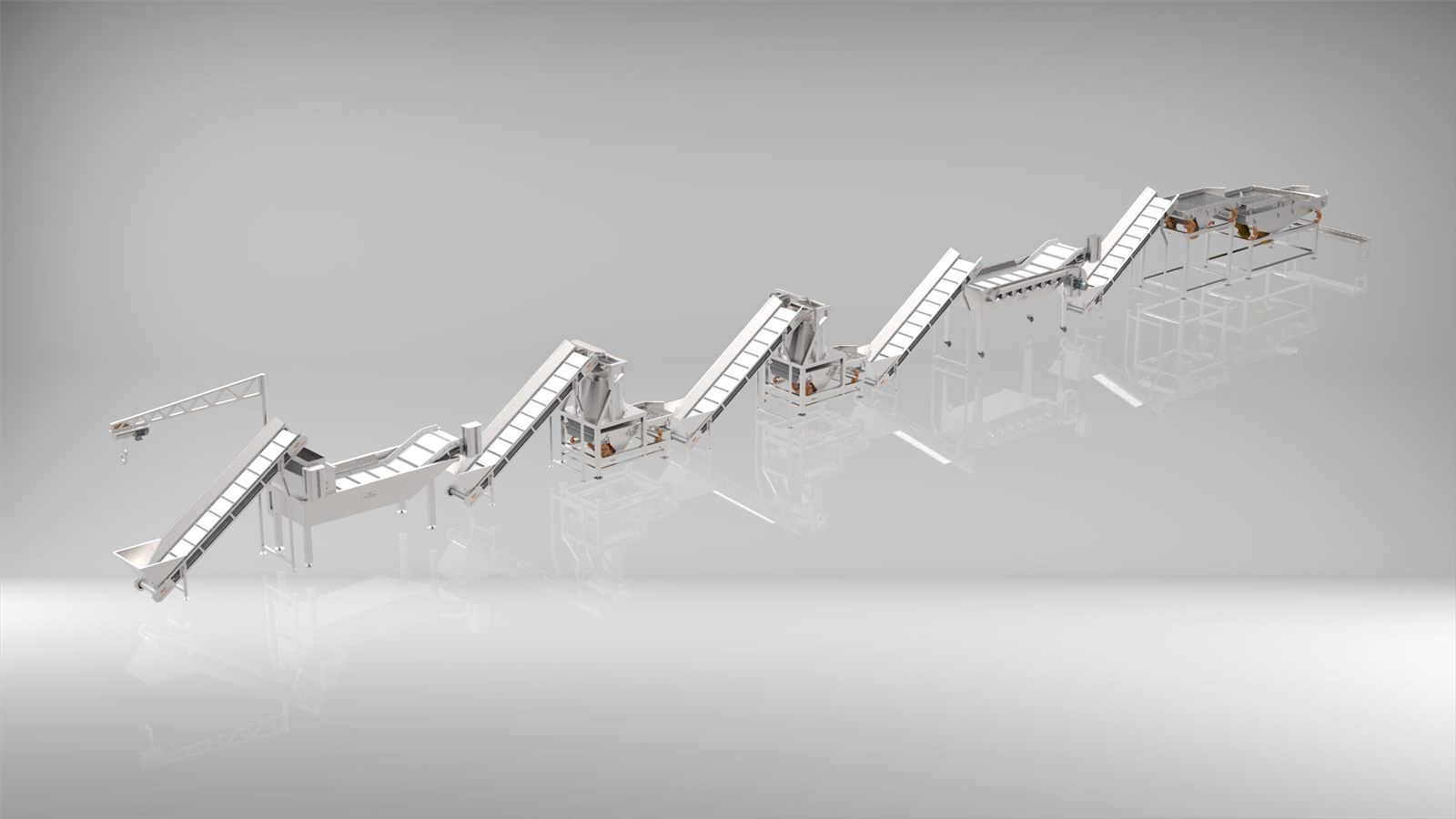
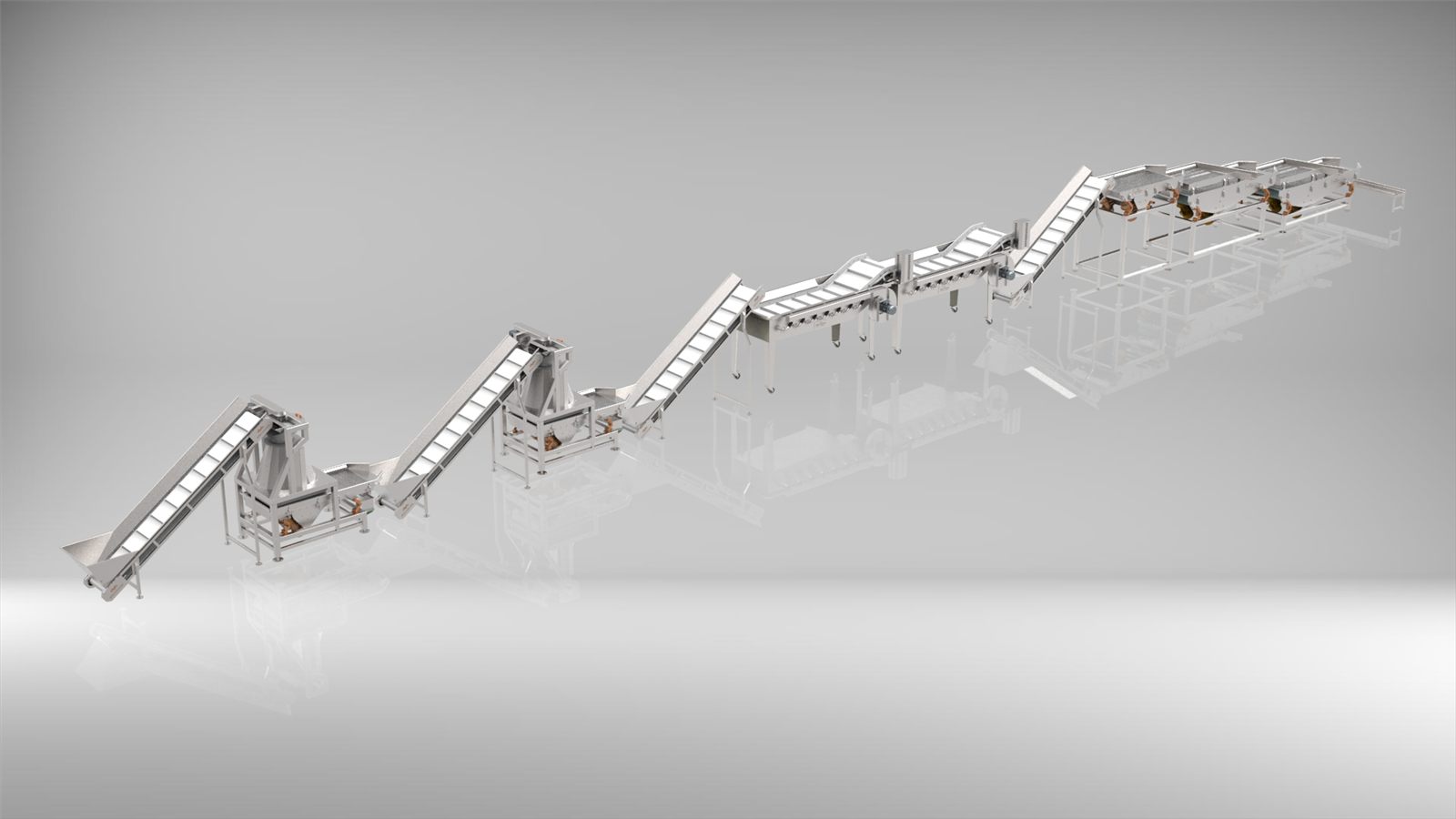
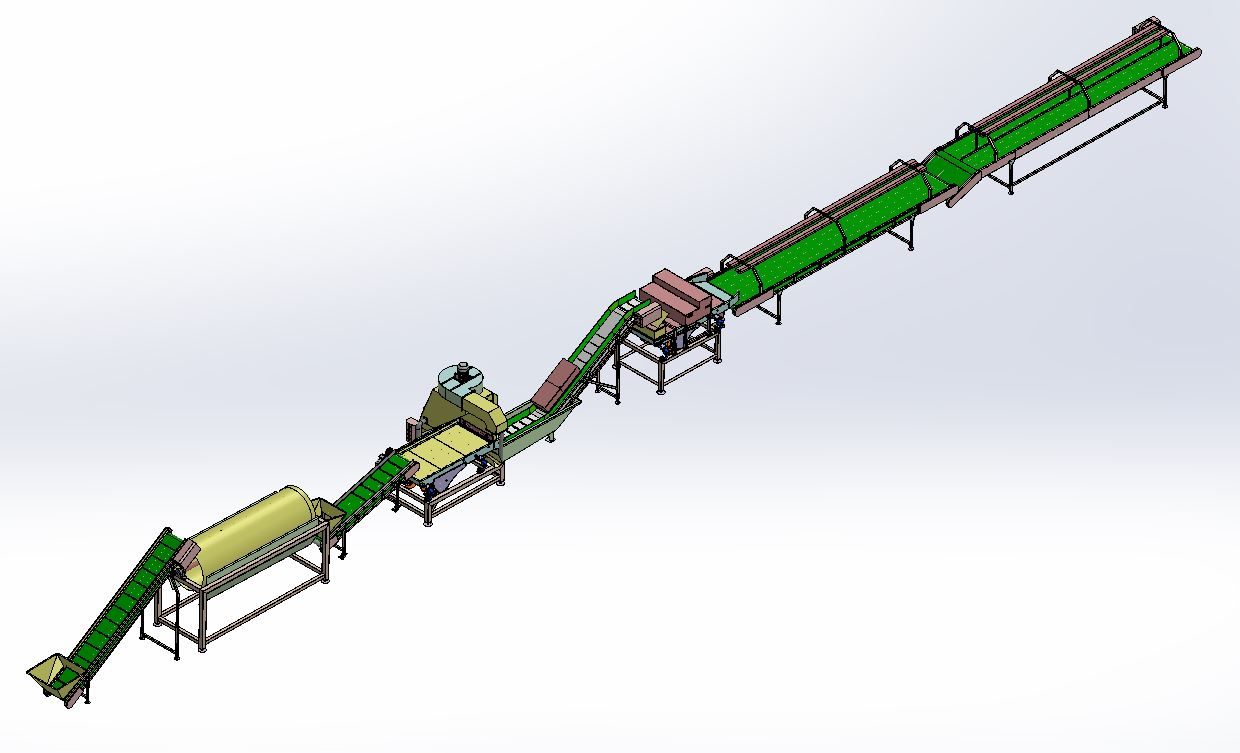
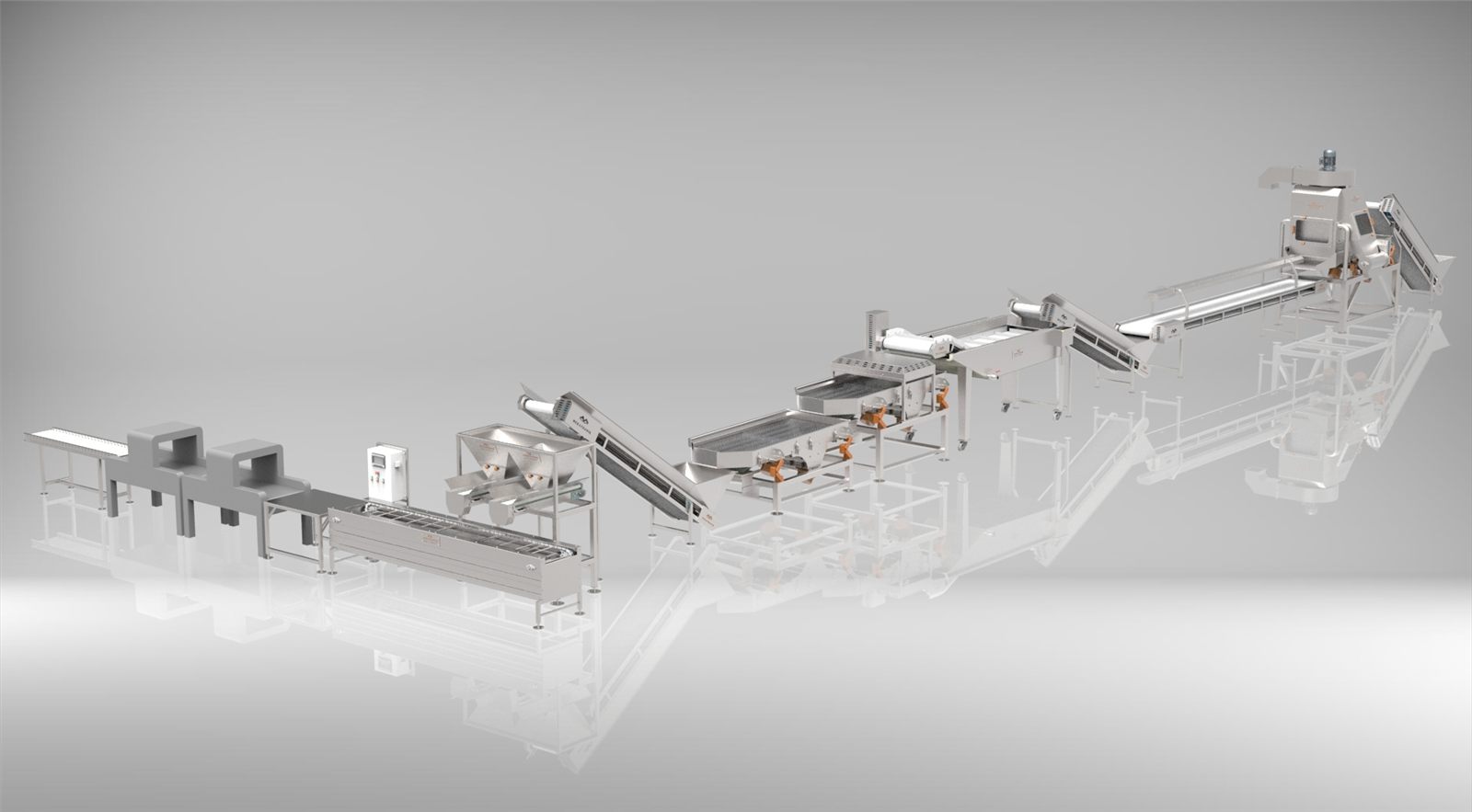
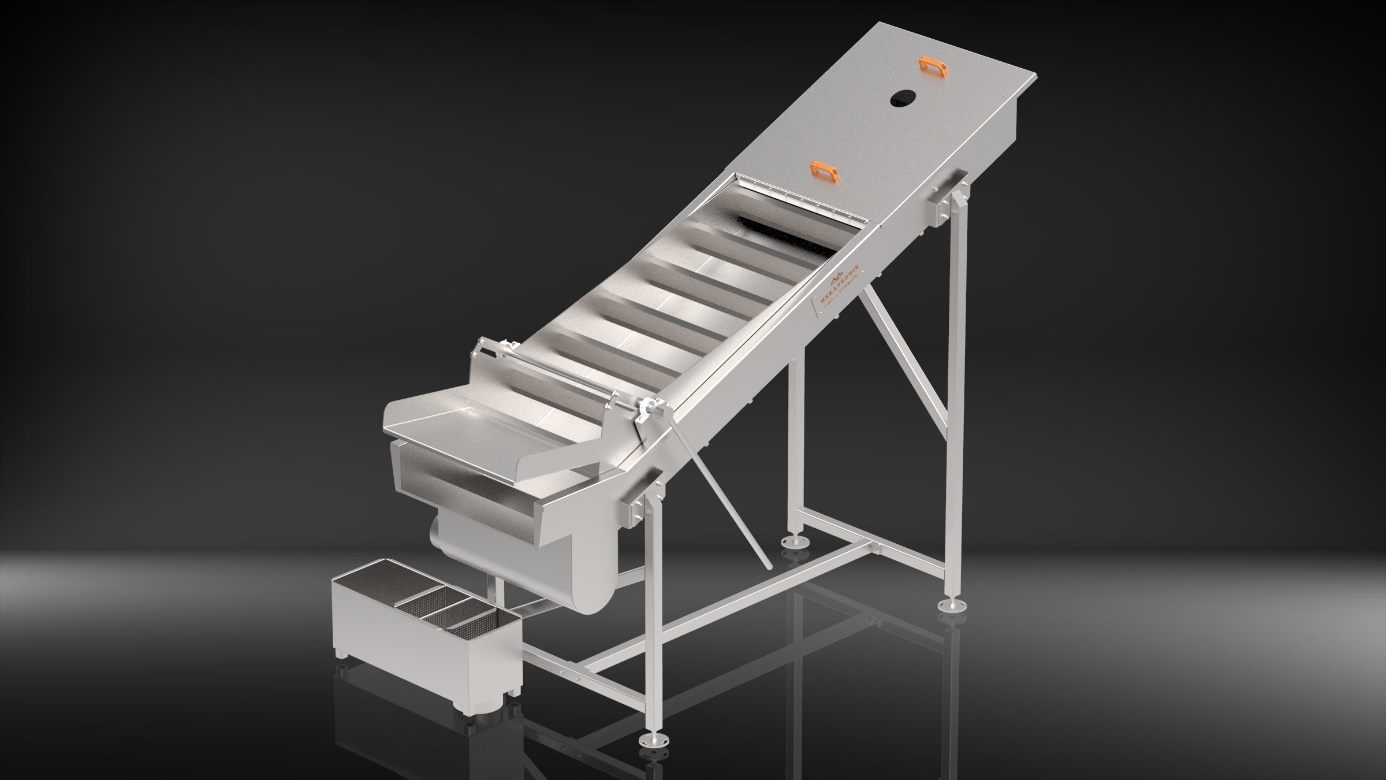
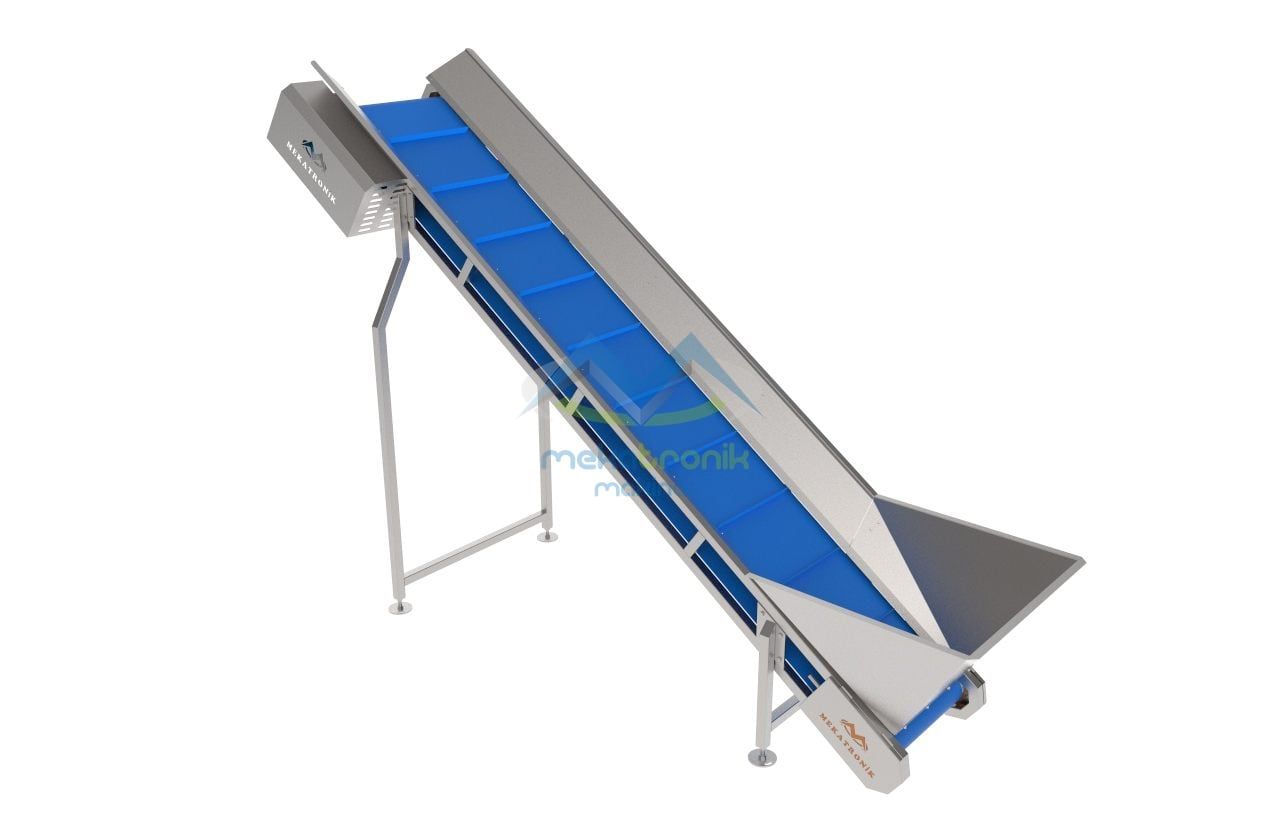
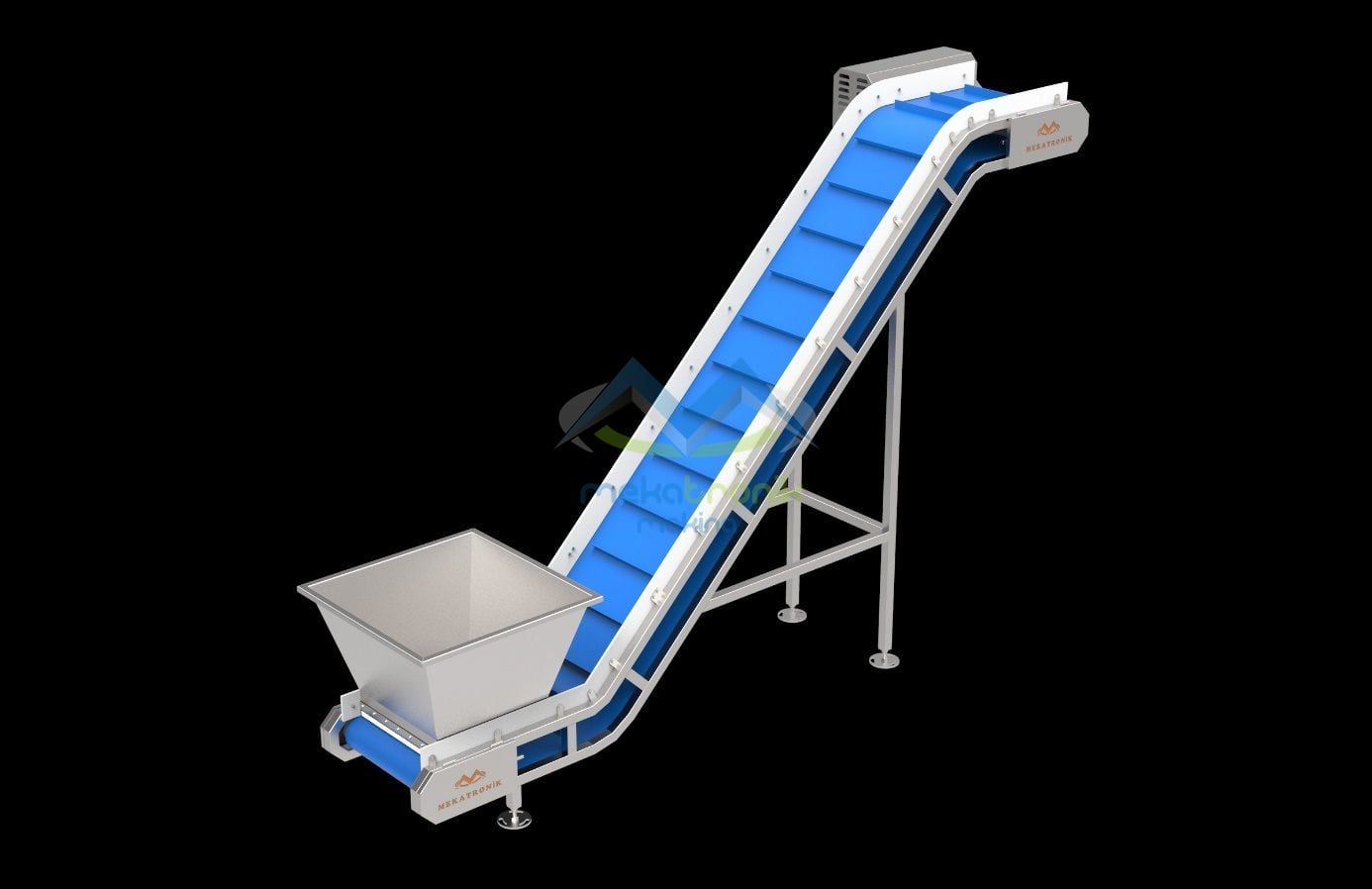
Screening takes out stones and large debris, but fine dust still clings to the product and floats in the air around the line. For that job the line uses a dust filter, listed in the catalogue as the Debris Separation Machine. This article covers how it works, what it does not do and what to settle before buying one.
01
What does a dust filter do that a screen does not?
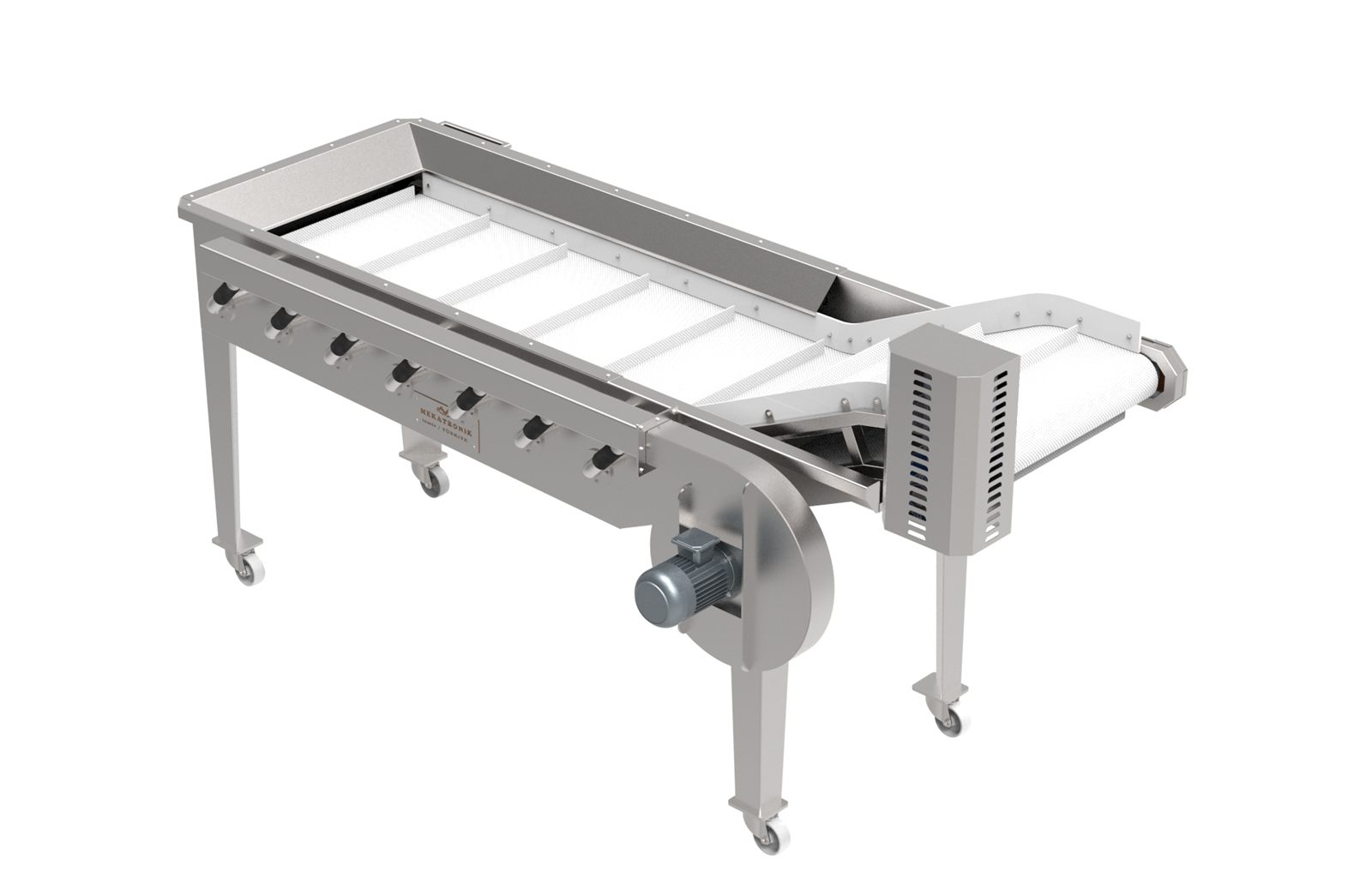
A screen separates by size. Dust is too fine to be held back by an aperture, so it passes through with the product or settles on equipment downstream. A dust filter works on the airflow instead: the product is delivered into the filter by a suction fan, the dust is separated from the product inside the filter, and the finished product is recovered. The result is cleaner product at the point where it goes to inspection, weighing or packing.
In the machine record this unit is defined for removing dust from spices. The same suction and filter principle is applied to the fine dust that raisins, dates, apricots and figs carry from the field and storage; suitability for a given product is confirmed on a sample during the project.
02
How is the machine built?
- 01Drive: a suction fan motor, supplied at 380 V / 50 Hz.
- 02Body: AISI 304 stainless steel.
- 03Product contact surfaces: AISI 304, with AISI 316 optional where the process calls for it.
- 04Filters: removable and refittable with ease.
- 05Options: colour choice, and a filter count that varies with the place and purpose of use.
- 06Capacity: set per project, not quoted as a fixed figure.
The stainless claim covers the surfaces that touch the product, not every component of the line. A buyer should ask for the contact surface specification of each machine, not only the body.
03
How does it differ from the other debris removal machines?
Three machines in the screening and debris group are often mixed up. The screening shaker with aspiration unit screens out stones and soil and draws off light material such as leaves and stems. The debris separation screen uses a double-deck screen to remove coarse debris arriving with the product. The dust filter targets fine dust through airflow and filtration.
| Machine | What it removes | Method |
|---|---|---|
| Dust filter | Fine dust | Suction fan and filter |
| Screening shaker with aspiration unit | Stones, soil, leaves, stems | Screen and aspiration |
| Debris separation screen | Coarse debris | Double-deck screen |
They complement each other rather than compete. Coarse material leaves first on the screens; the fine dust that remains is the filter's task. The order depends on the product and how dusty it arrives.
04
What should an export plant specify before ordering?
Plants selling into the EU and other regulated markets tend to be audited on cleanliness of the processing area, so a documented cleaning routine matters as much as the machine. Removable filters shorten the stop needed for cleaning or replacement. Before an offer can be drawn up, three inputs help: the product and its dust level, the points on the line where dust is generated, and the layout available for the filter unit.
A filter unit also needs a regular maintenance entry: filters clog as they collect dust, and suction weakens until they are cleaned. Planning that interval into the shift schedule is part of the specification, not an afterthought.
05
What is the next step?
Mekatronik Makina has built processing lines since 1992, with more than 2,000 machines in the field across 22 countries. To define the filter count, position in your line and material grade for your product, send the product sample and layout through the quotation page; capacity and configuration are fixed in the offer.