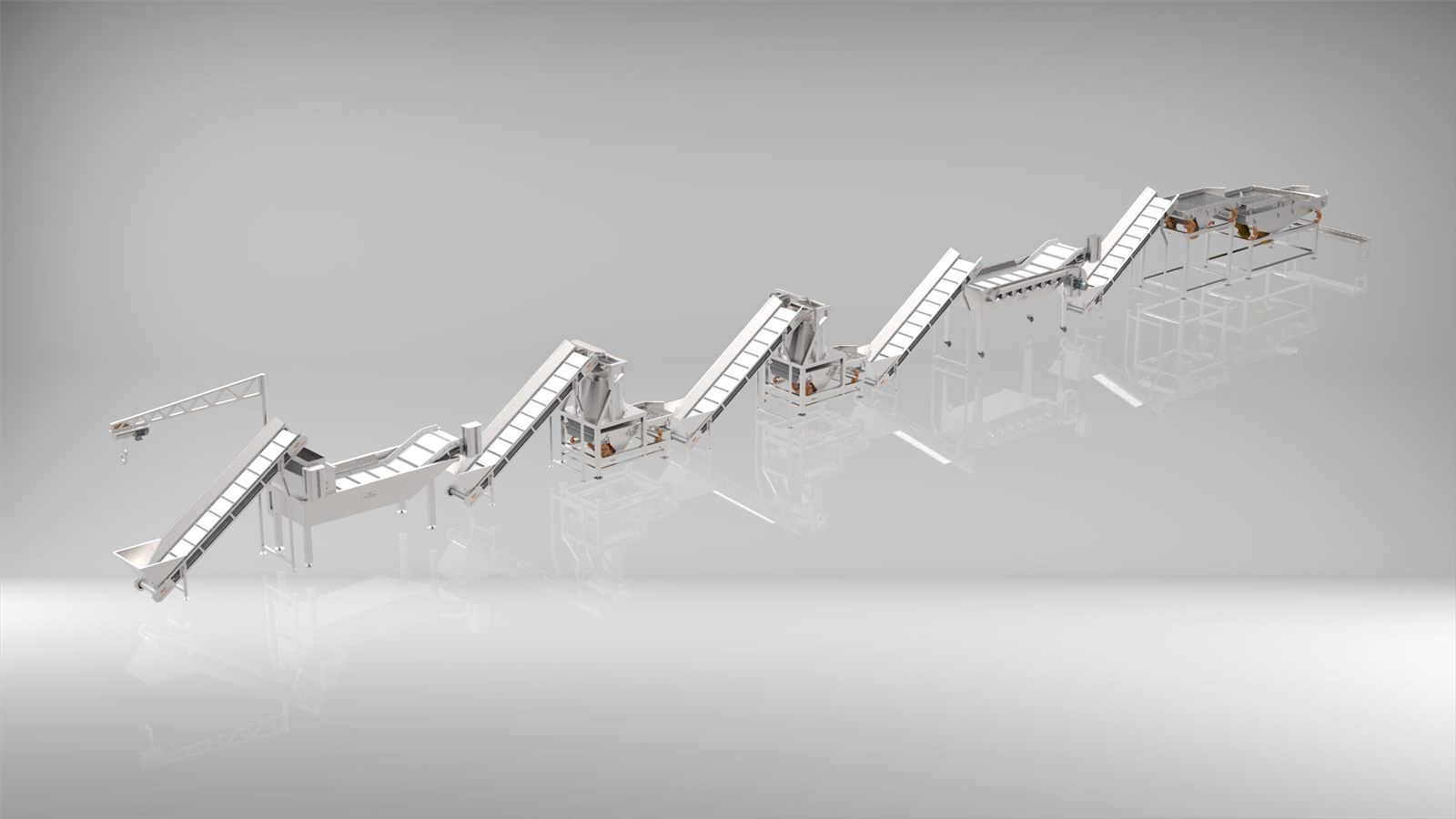
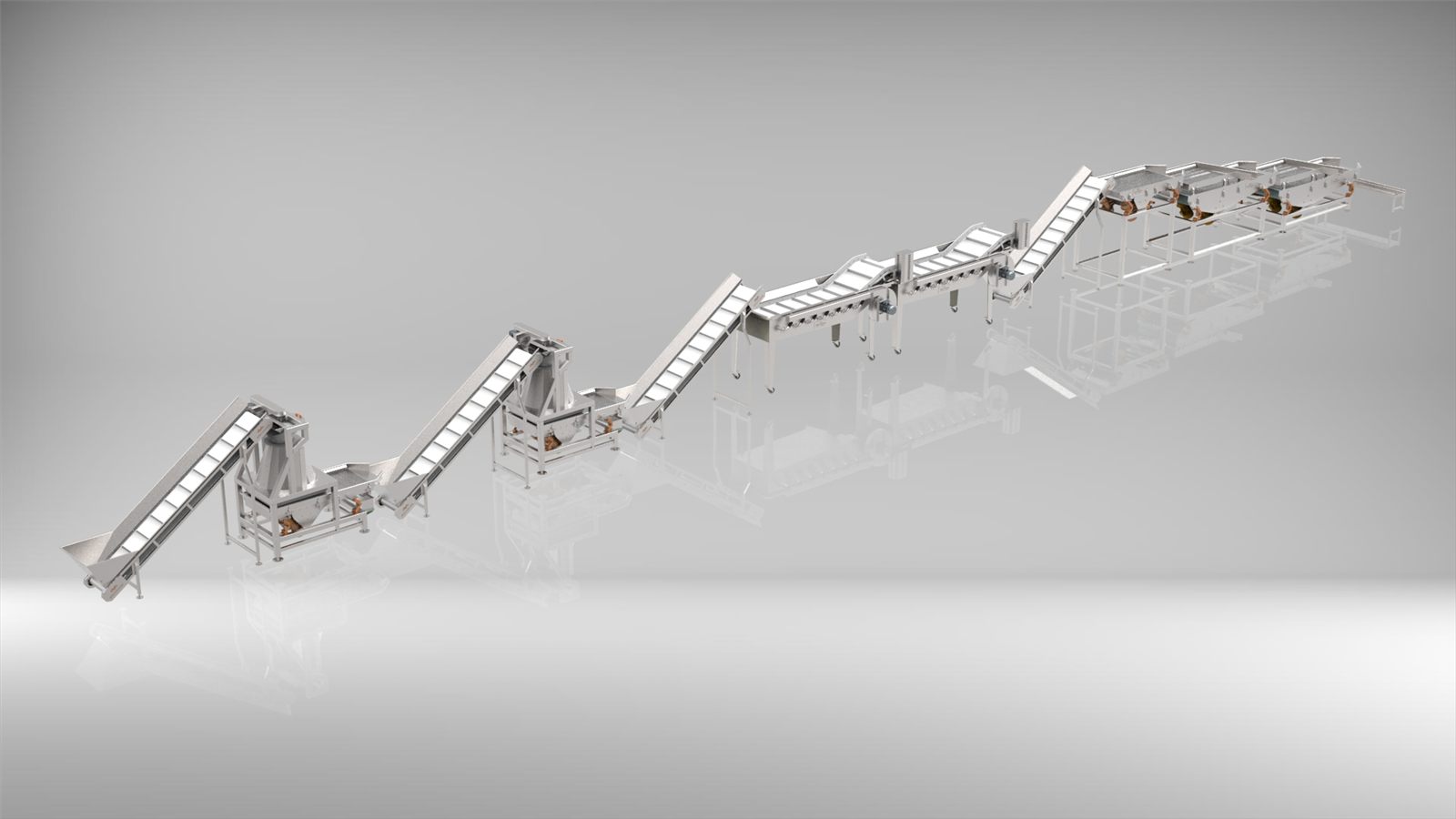
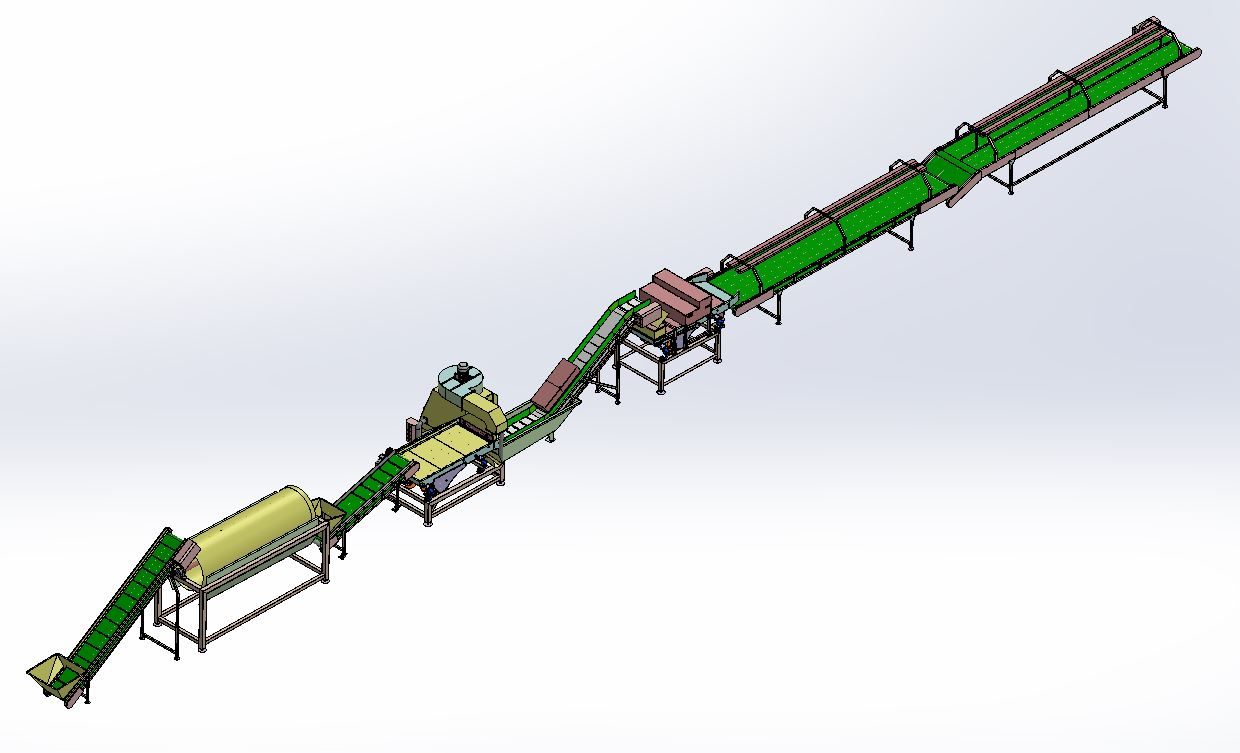
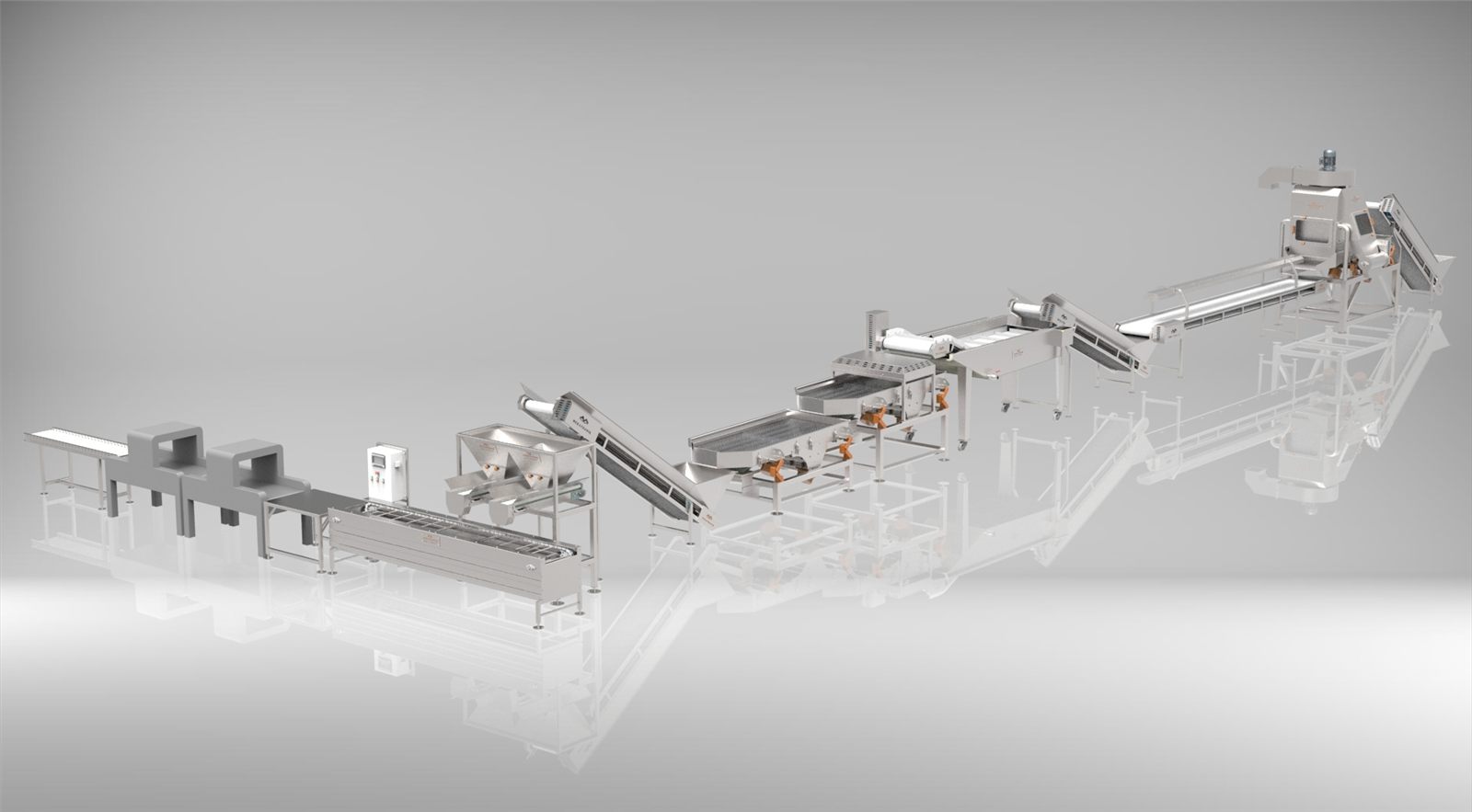
In an audit, an export buyer starts with one question: which lot is the product in this pack from, and which stages of the line did it pass through? The answer is looked for in the food traceability documentation kept on the line. The records belong to the plant, but how the line is built decides how cleanly they can be kept; the general framework for exporting is on our export page.
01
What does traceability mean for an export buyer?
Traceability is the ability to tie a product lot back to its raw material and forward to its shipment. When a buyer reports a problem, you are expected to separate the affected lots quickly. That means records cannot be left to chance; they have to be anchored to fixed points on the line.
Buyers run different audit programs, so the record format requested varies from one buyer to the next. The exact requirements should be confirmed for each contract from the buyer's own documents.
02
Which records are kept on the line?
On a dried fruit line, records are usually grouped under these headings:
- 01Raw material intake: supplier or orchard details, intake date, crate count and the assigned lot number
- 02Process record: which shift the product went through washing, screening and cutting
- 03Wash water and auxiliary material record: change times and who carried them out
- 04Cleaning and hygiene record: a signed confirmation that the line was cleaned at lot changeover and at the end of each shift
- 05Measuring device record: calibration date and result of the scale
- 06Foreign matter control: check notes from the stone, stem and debris separation stage
- 07Packaging and label record: which internal lot each printed pack lot number corresponds to
- 08Shipment record: which pallet or carton went to which buyer
Each row in this list gains meaning through the number that links it to the next. The lot number is assigned at intake and carried unchanged until the shipping document; a record that changes the number halfway breaks the chain.
03
Where can a lot get mixed on the line?
The weakest links in traceability are the points where product comes together. The table below summarizes what to watch at each stage:
| Stage | Record kept | Mixing risk |
|---|---|---|
| Crate emptying | Lot number and crate count | Two lots running back to back on the same belt |
| Washing | Water change and cleaning record | Product or water left over from the previous lot |
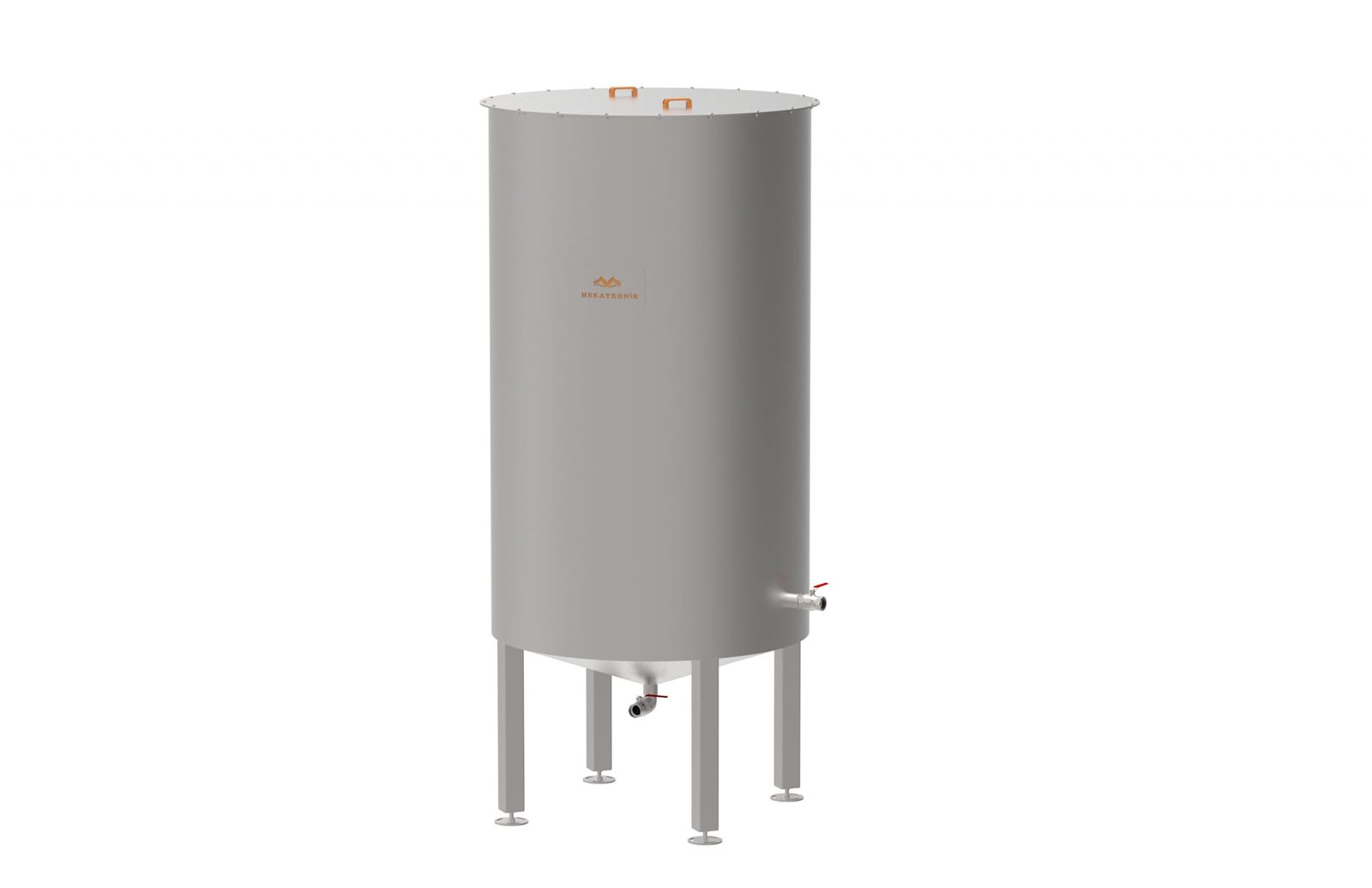
| Tank and buffer storage | Fill and empty times | A tank refilled before being fully emptied |
| Weighing and filling | Scale calibration, pack lot number | Losing the match between the label and the internal lot |
Emptying and cleaning the line between lots closes most of these mixing risks at the source. How long that takes depends on the line design and the product; the exact time varies by project and is settled in the quotation.
04
How does line design help record keeping?
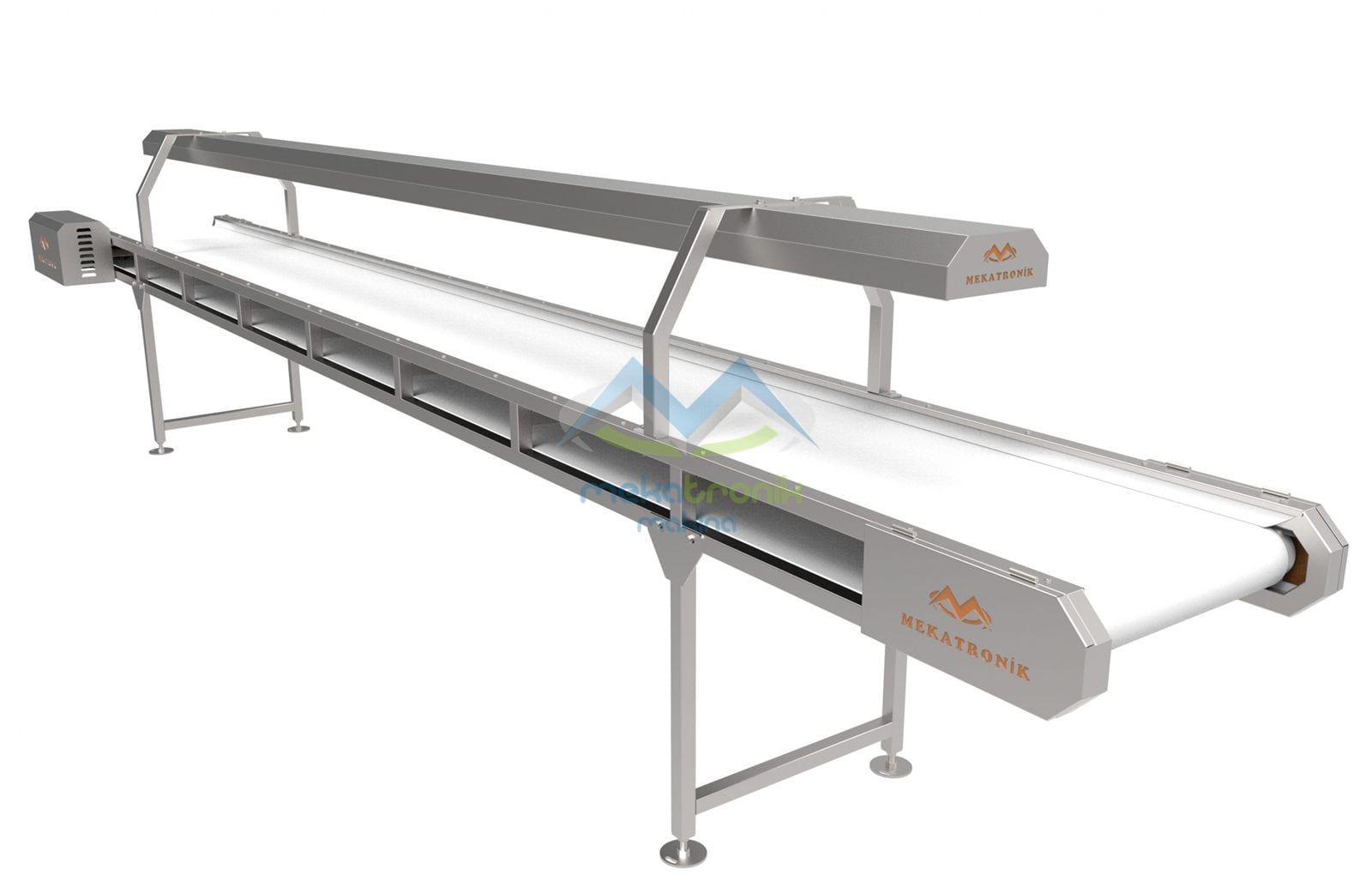
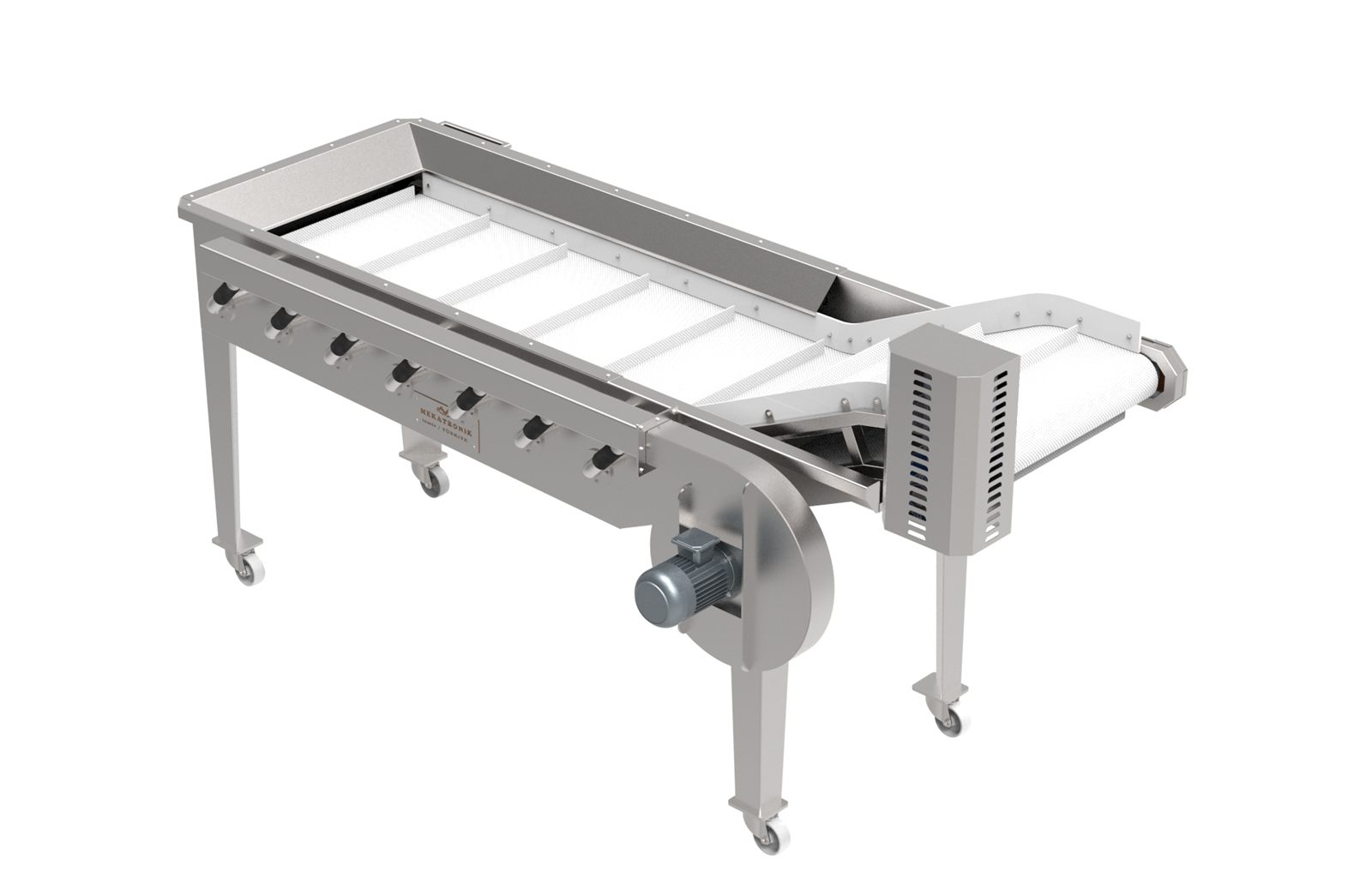
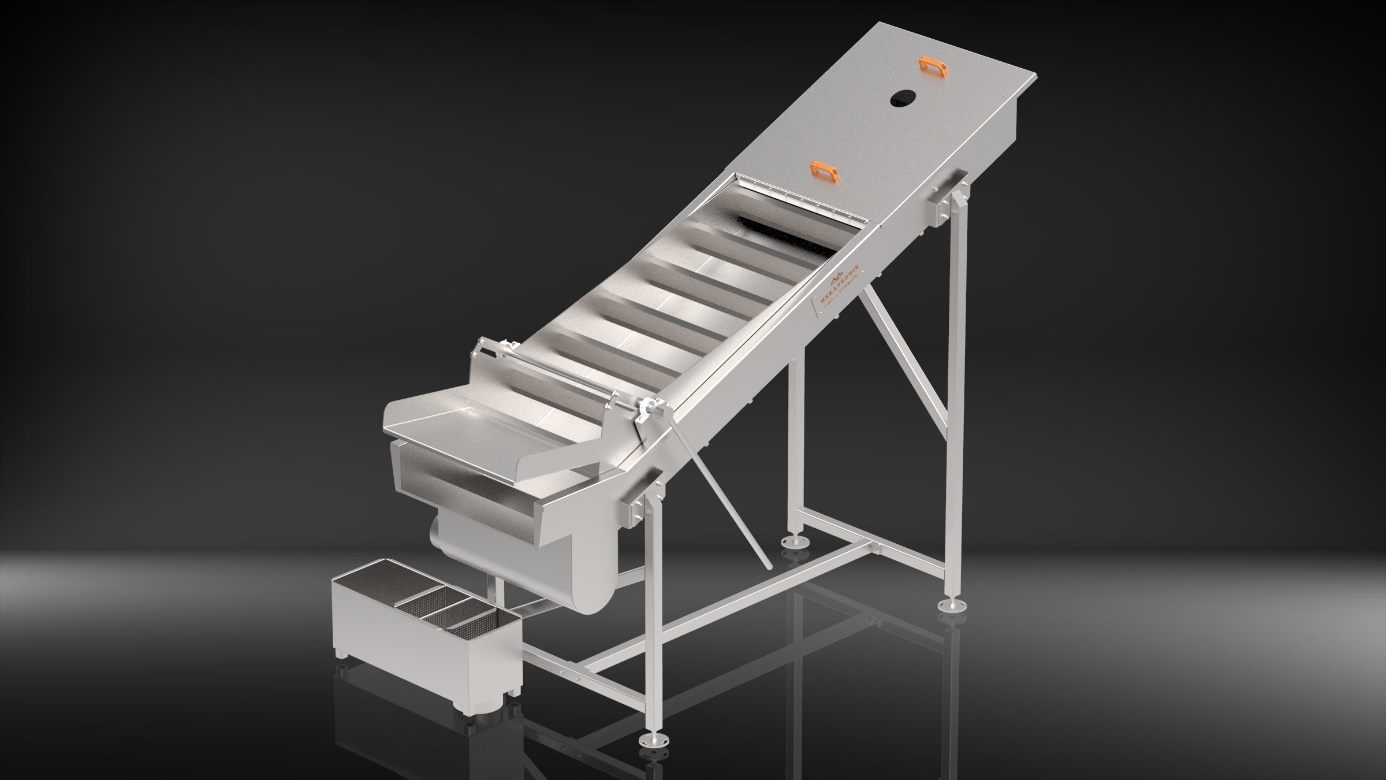
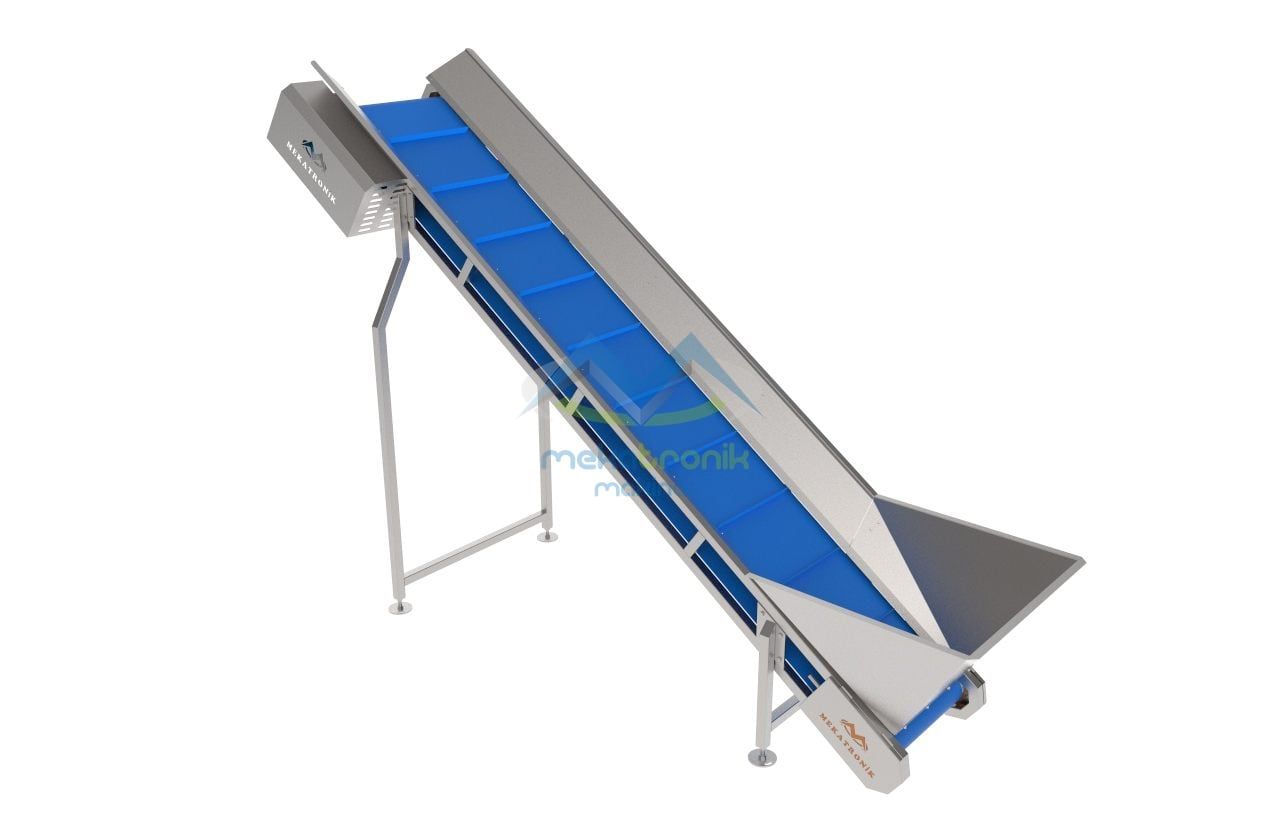
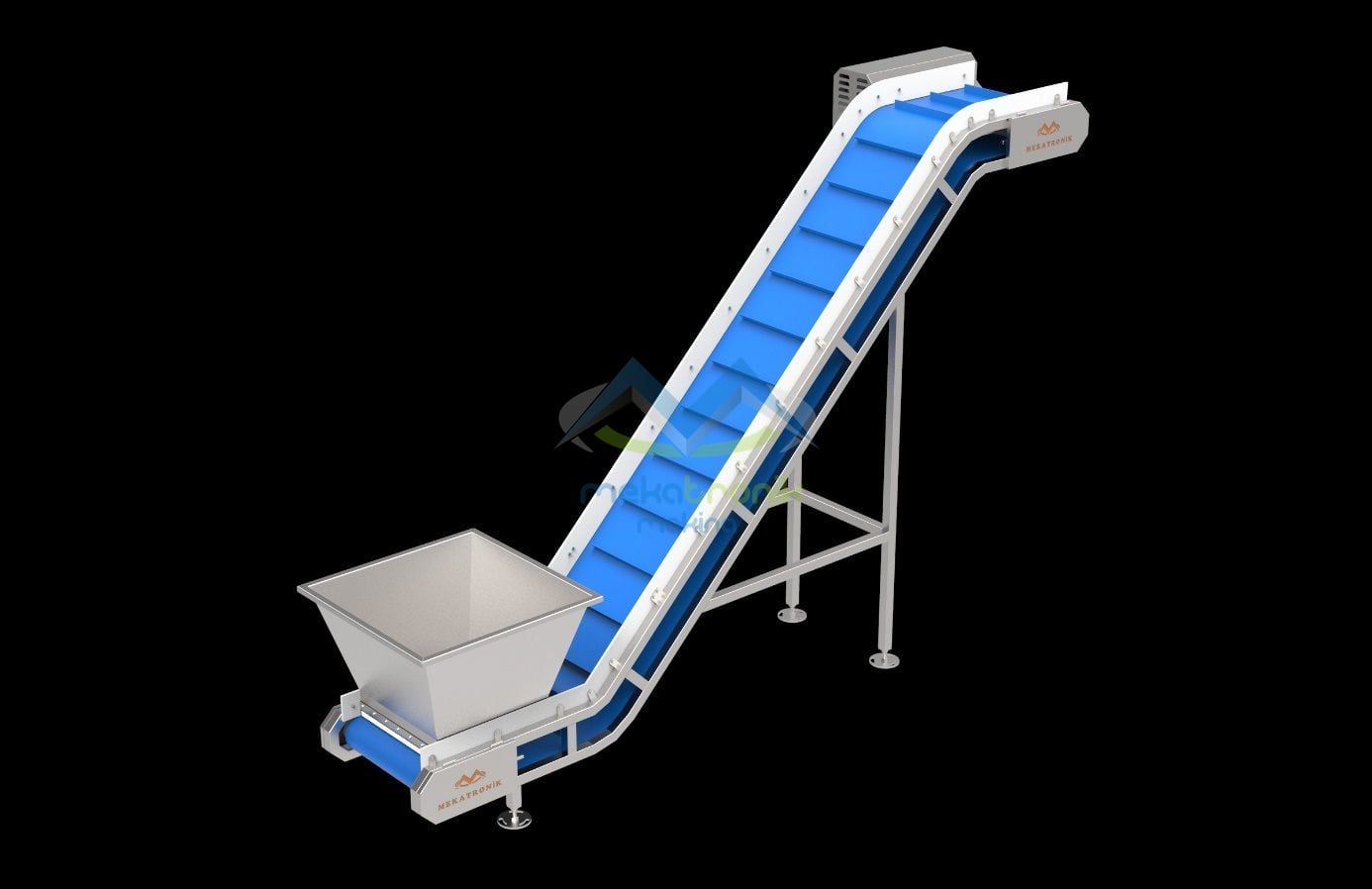
A machine does not keep records, but being easy to clean makes the records accurate. Product-contact surfaces are AISI 304 stainless steel, with AISI 316 chosen depending on the process; a smooth, easily washed surface leaves no residue at lot changeover. This does not mean the whole machine is stainless: parts such as belts may be food-grade PVC or PU and need their own place in the cleaning plan.
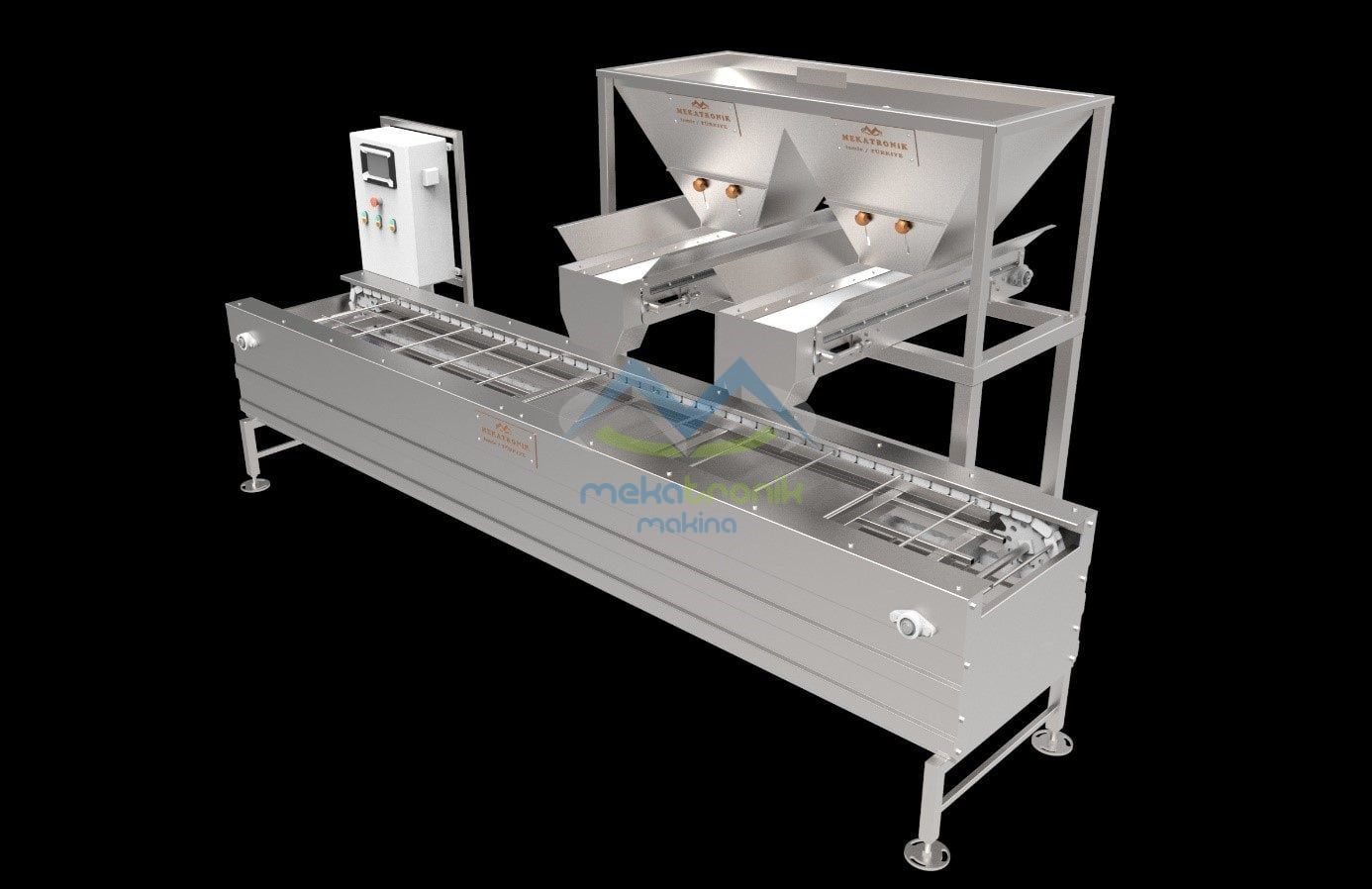
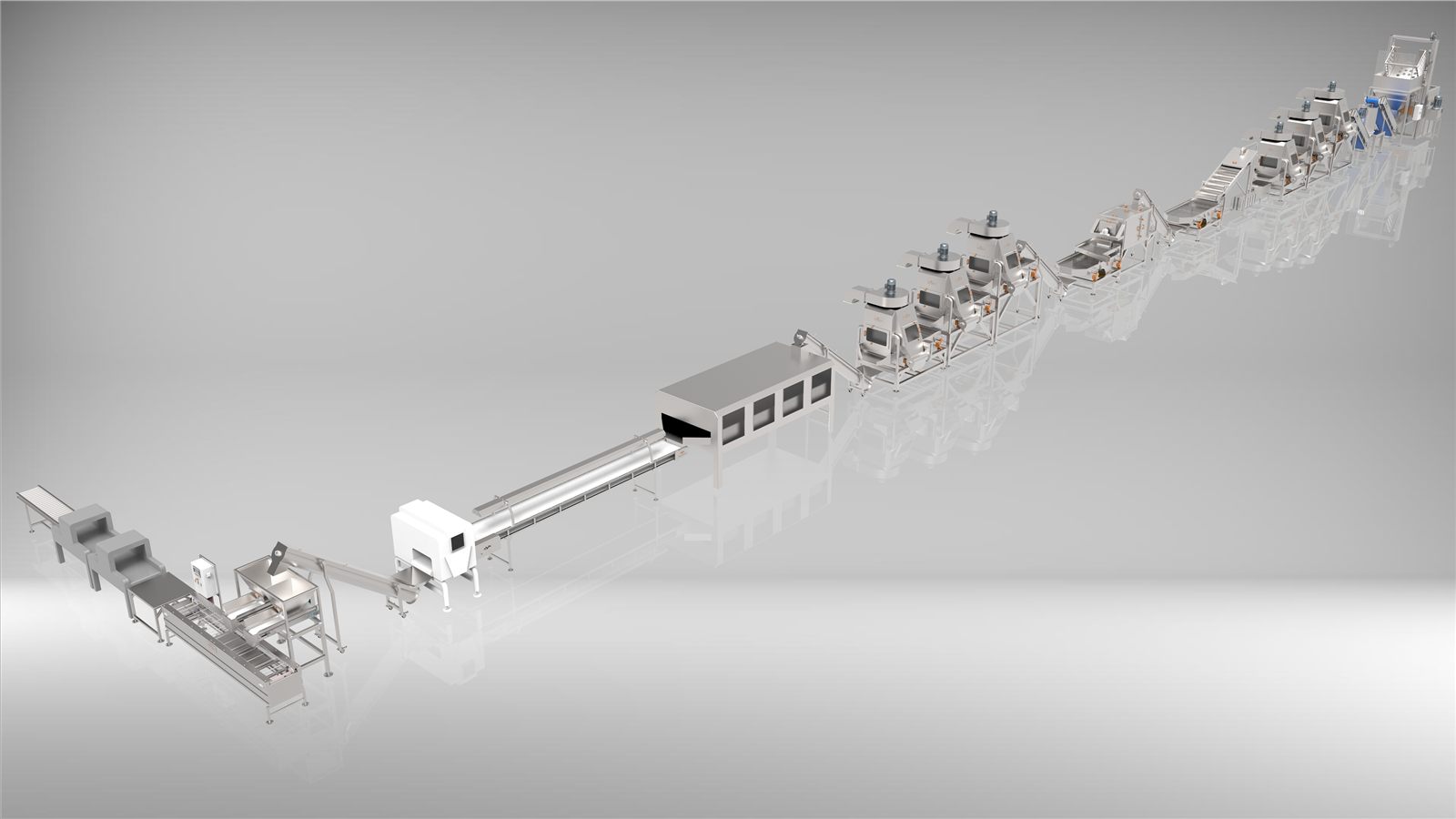
At the weighing and filling stage, the Semi-Automatic Box Filling Scale manages coarse and fine filling from an electronic panel. The scale's calibration record is the first document you show a buyer on pack weight. For the flow from washing to packing, the Raisin Processing Line page describes the stages in order.
05
What should be settled at the quotation stage?
Traceability is not a paperwork job added later; it is a decision taken while the line is being set up. Arriving at the quotation meeting with answers to these questions speeds things up:
- 01Which record format and audit program the target buyer requires
- 02Where a lot starts and ends in the workflow, and how the line will be emptied between lots
- 03Which parts need to be removable for cleaning
- 04Where labelling will be tied in at the scale and filling point
Next step: share your product, lot size and target market, and we will work the record points into the line plan together. You can reach us through the quotation form.