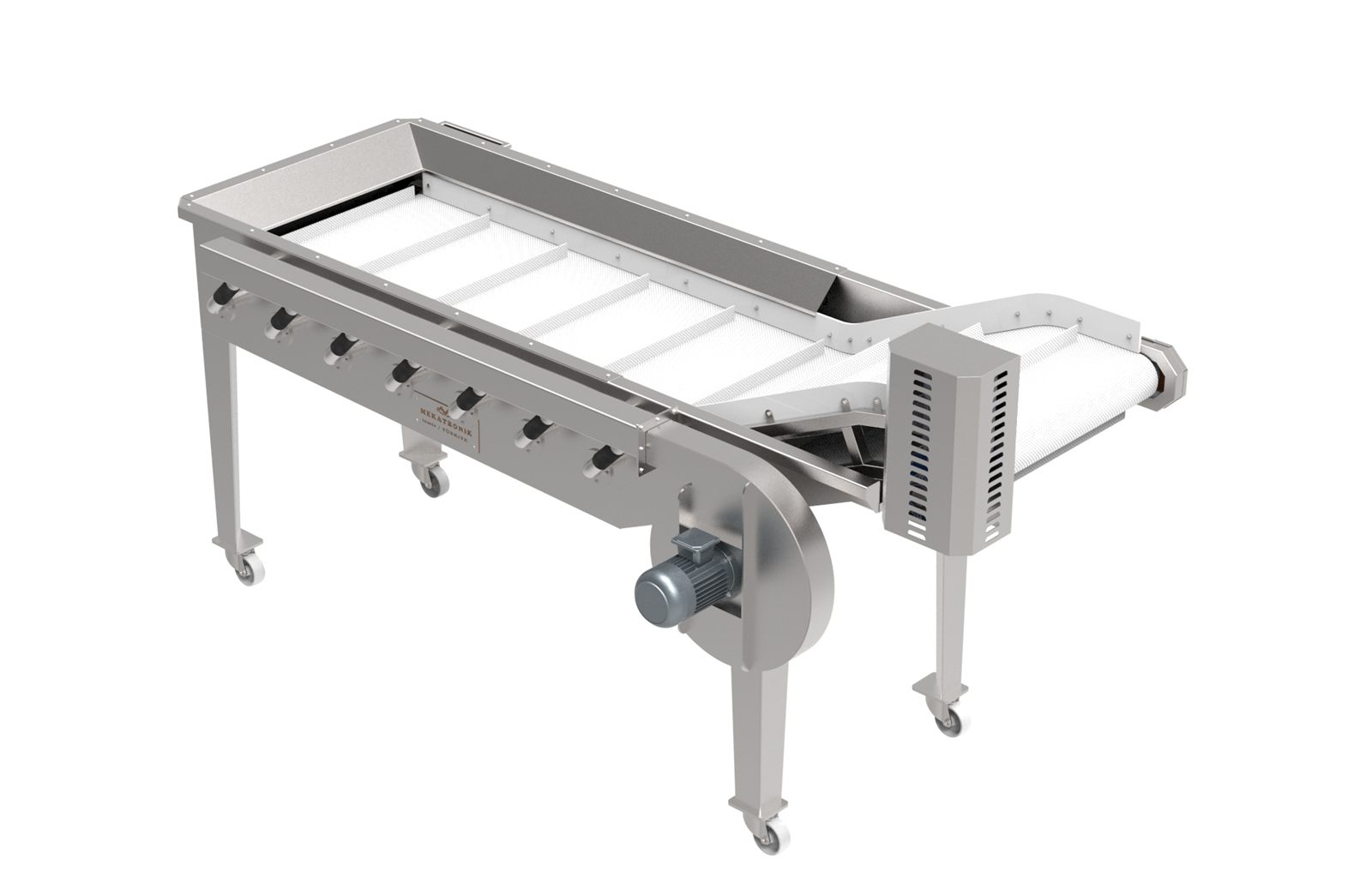
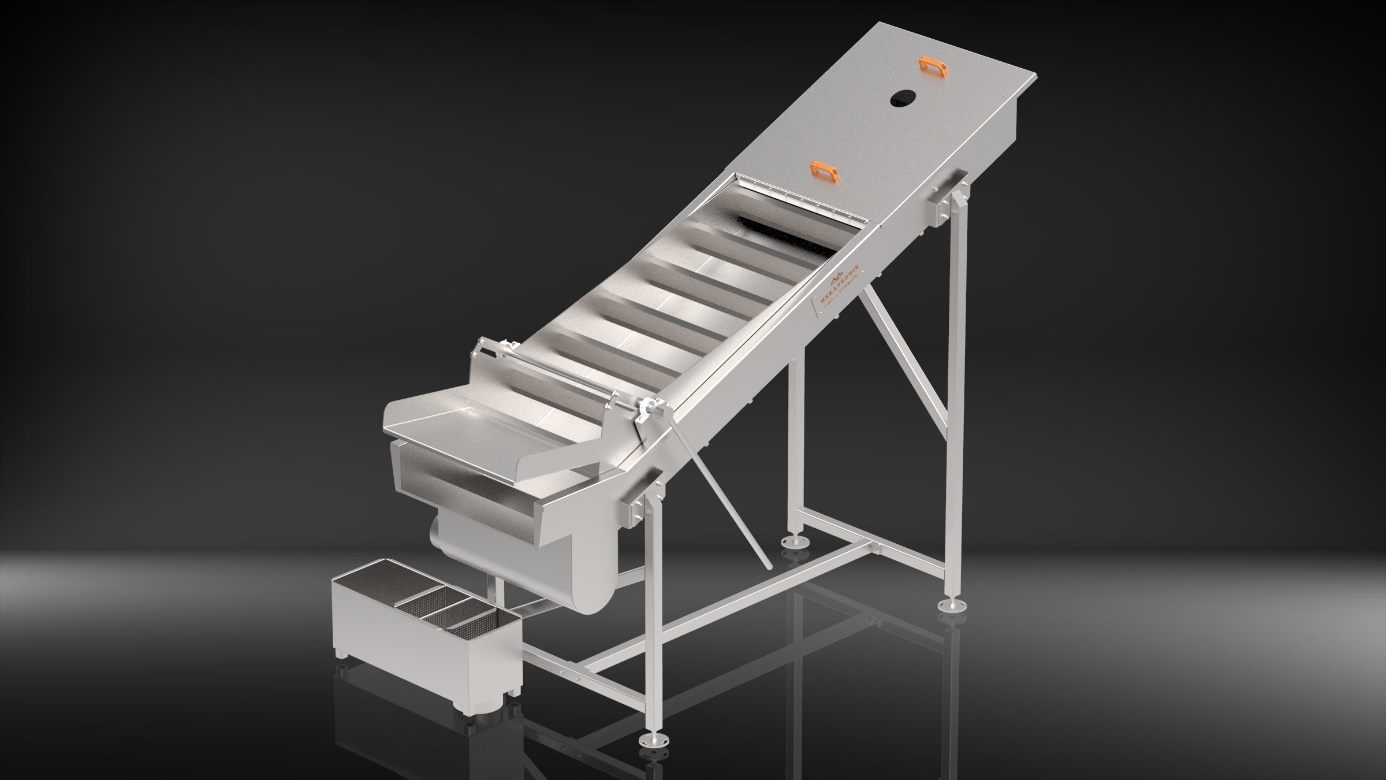
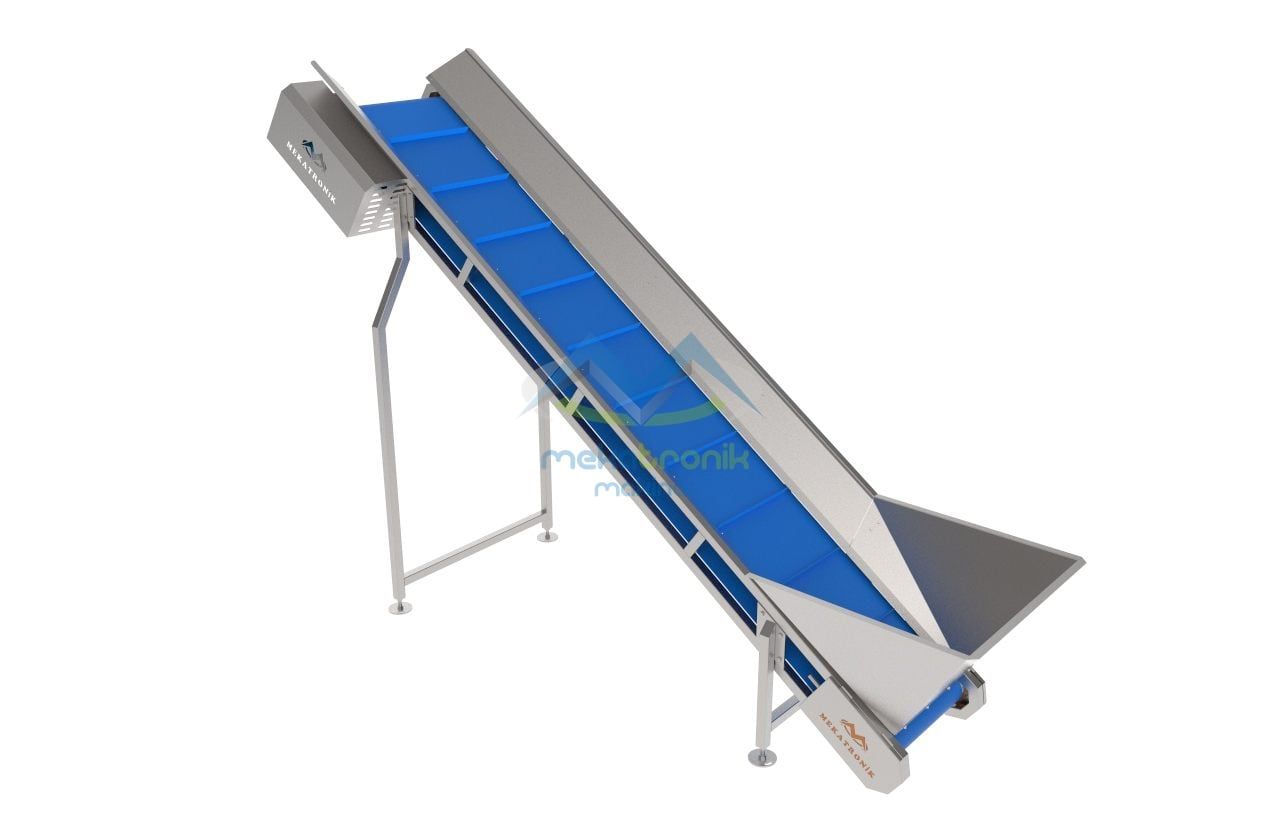
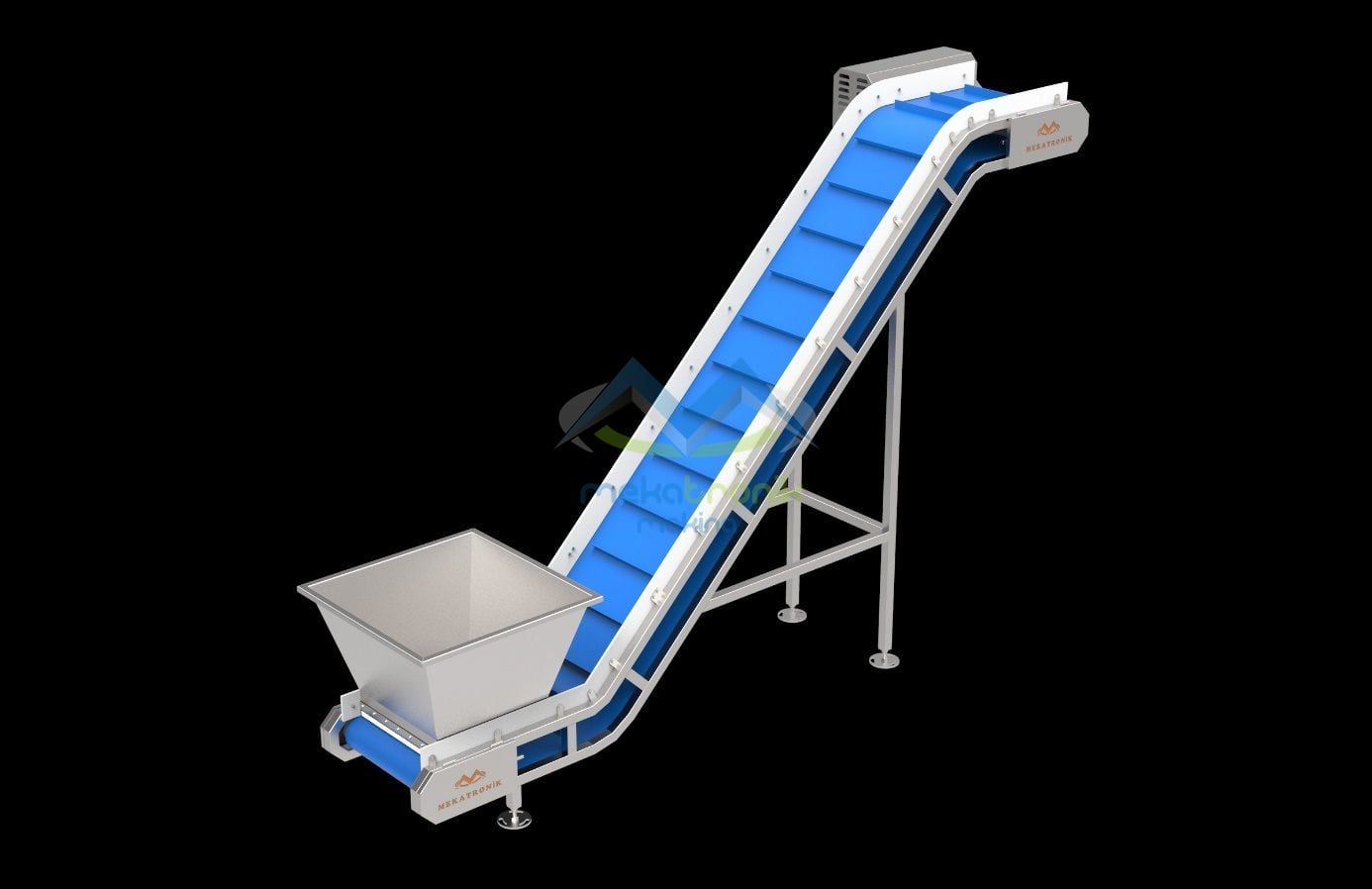
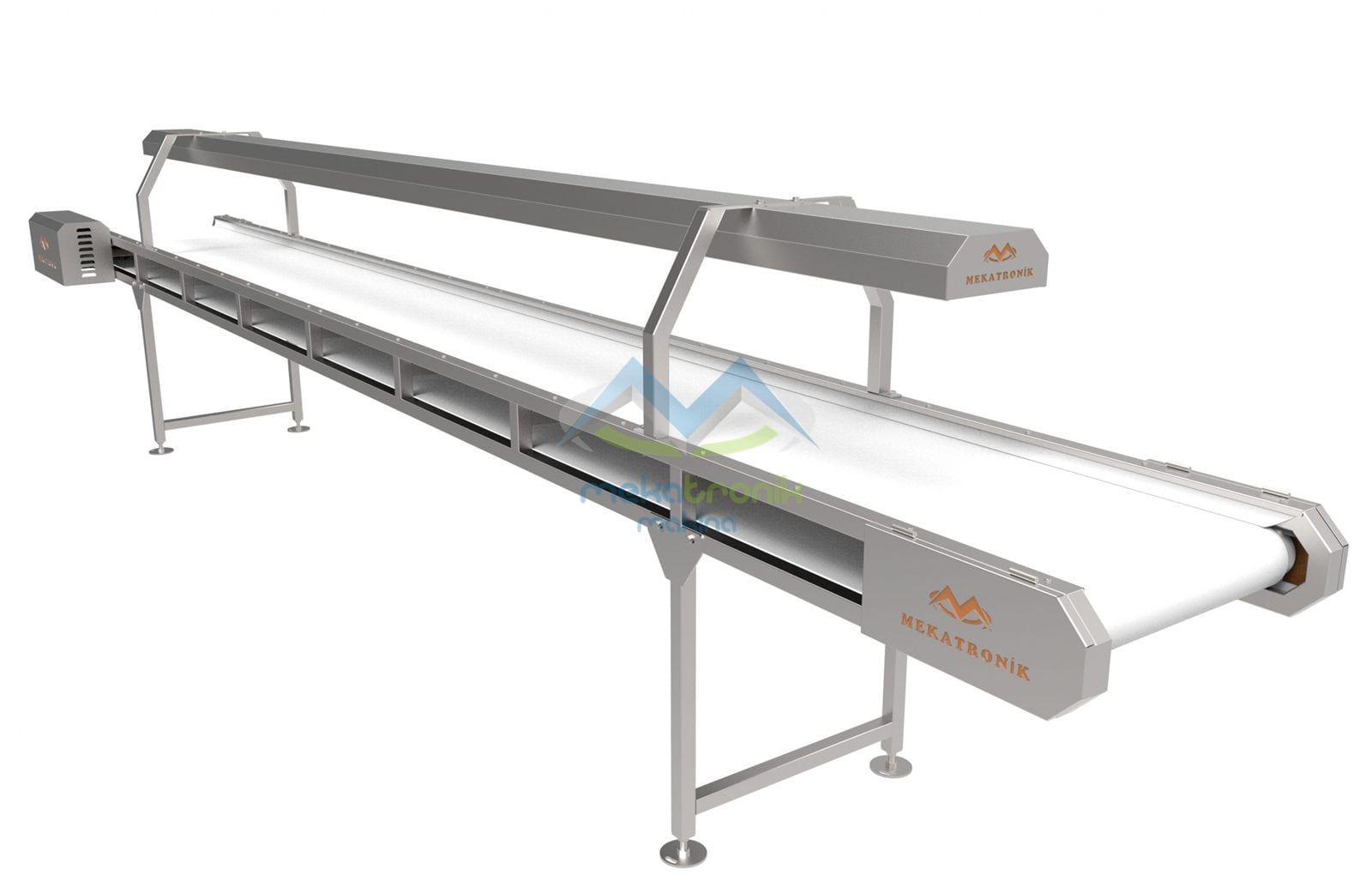
A manual inspection station is where people remove the foreign objects that washing, drying and sizing machines cannot catch. The illuminated sorting conveyor carries product on a lit belt, and under its high-efficiency LED lighting the foreign objects become visible so operators can pick them out. This article covers the questions to settle before the station is built.
01
Where does the picking station belong in the line?
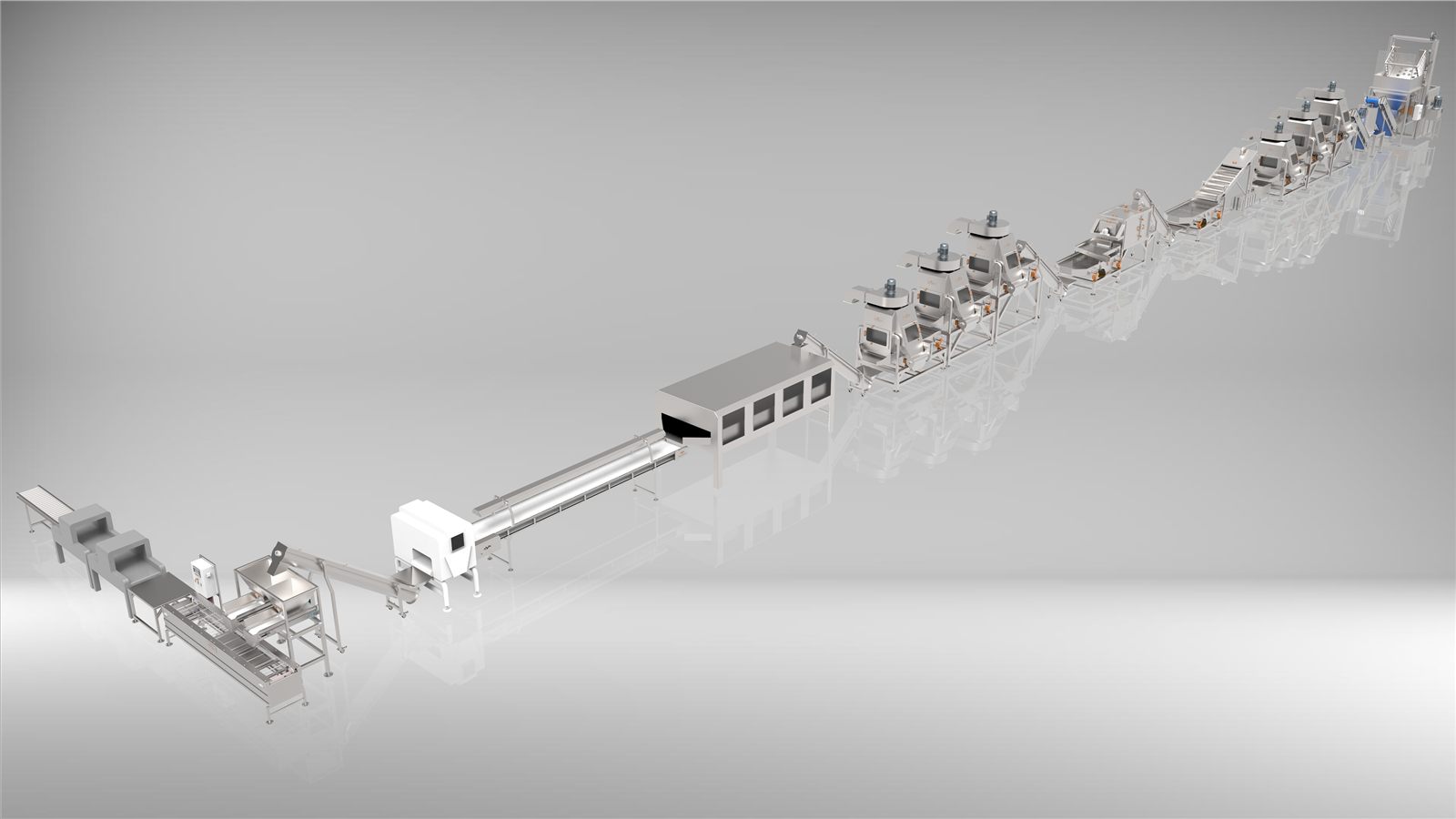
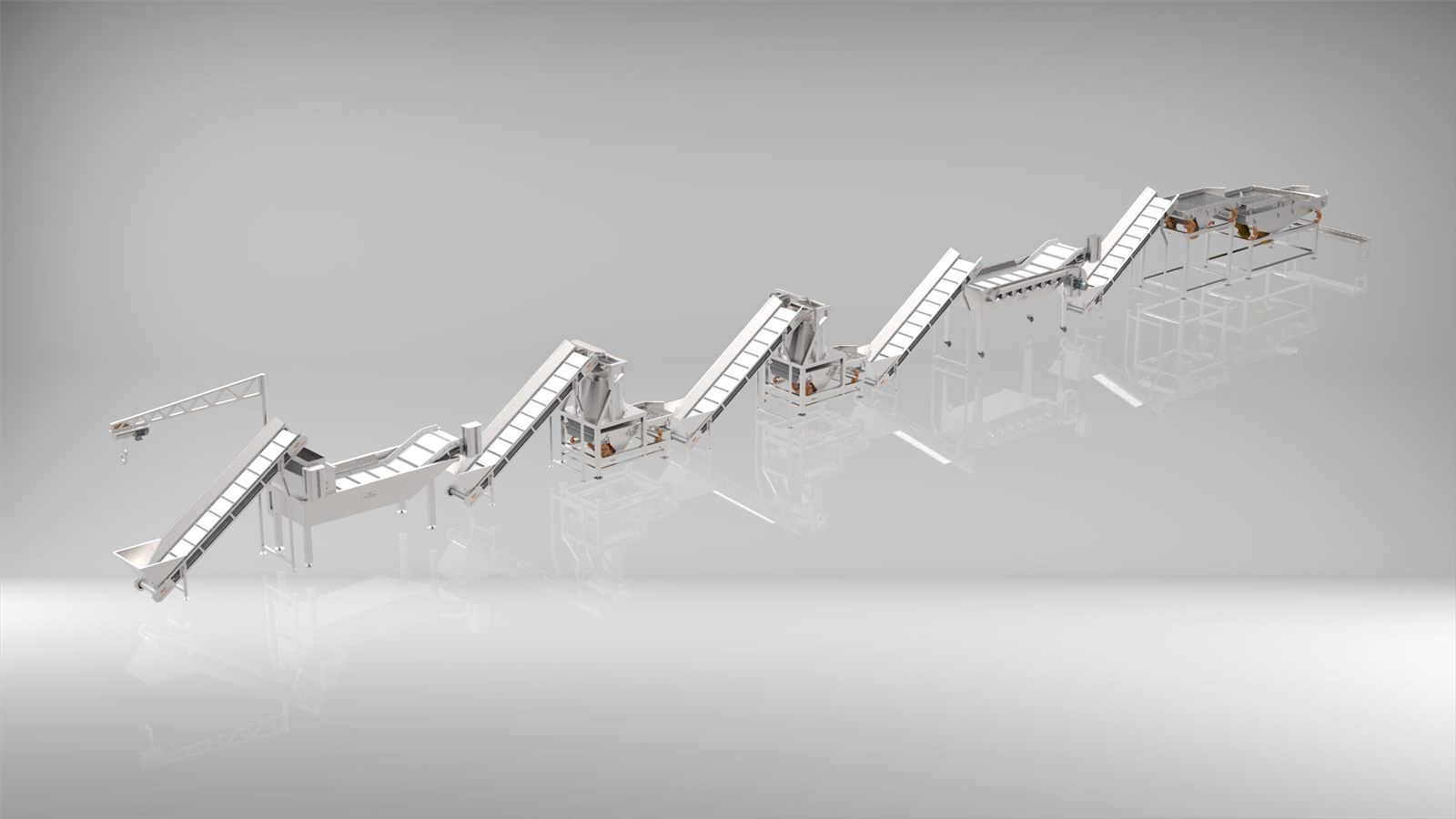
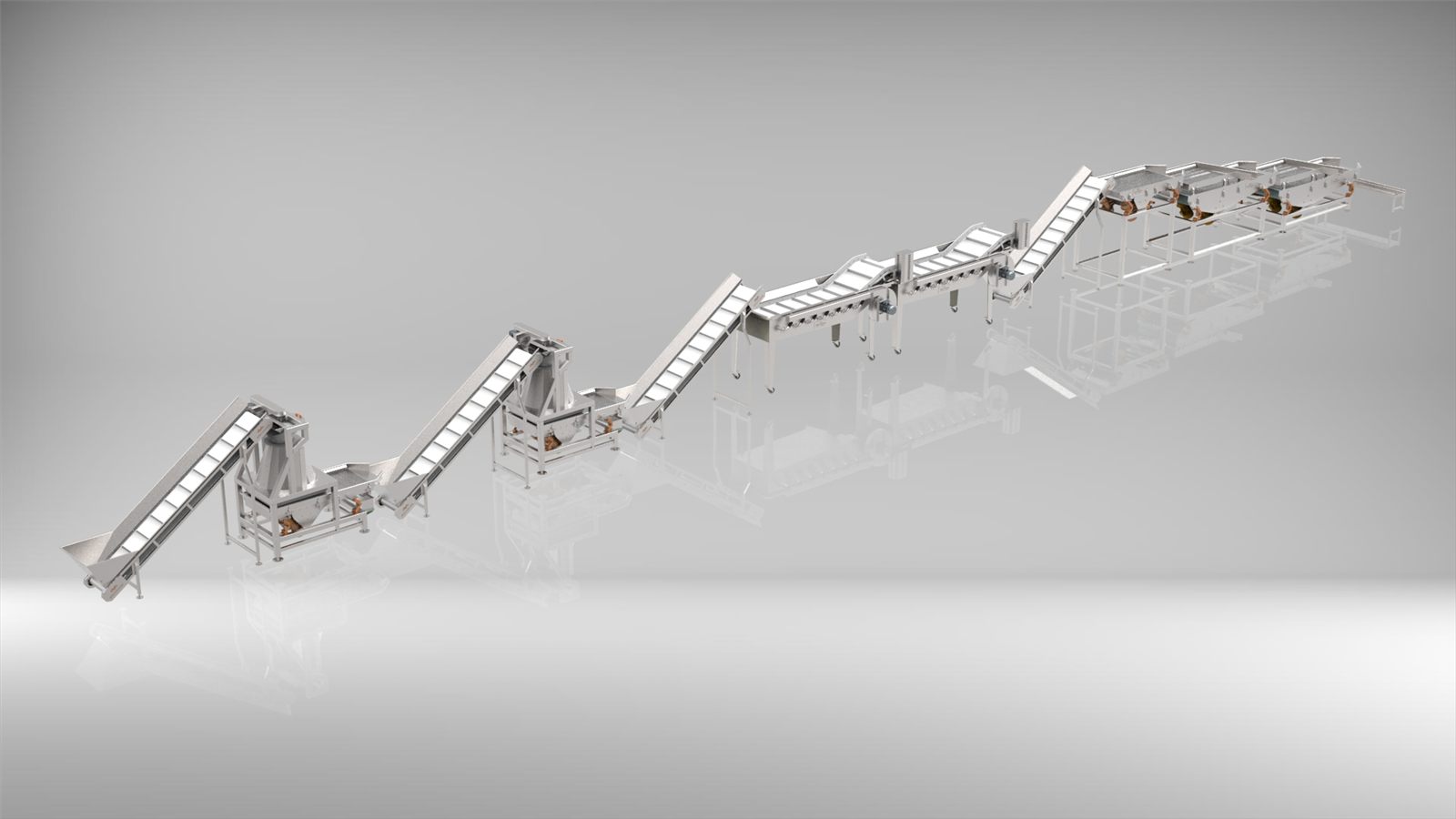
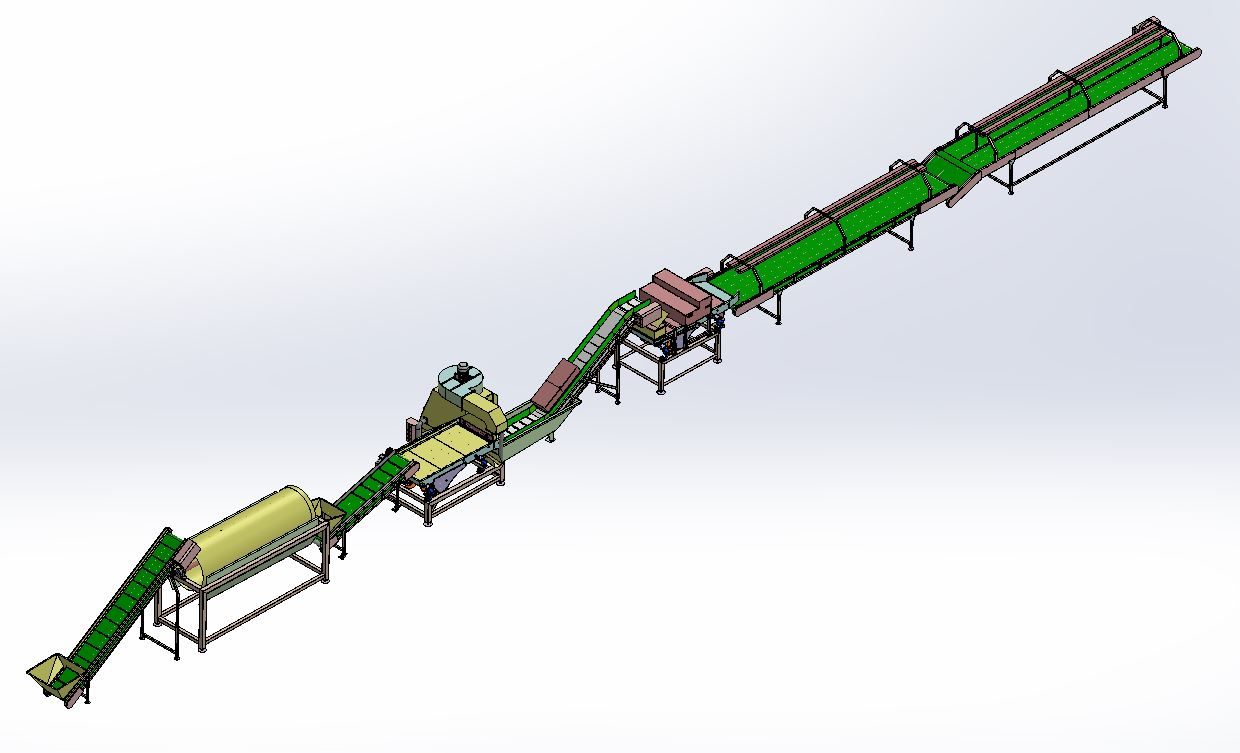
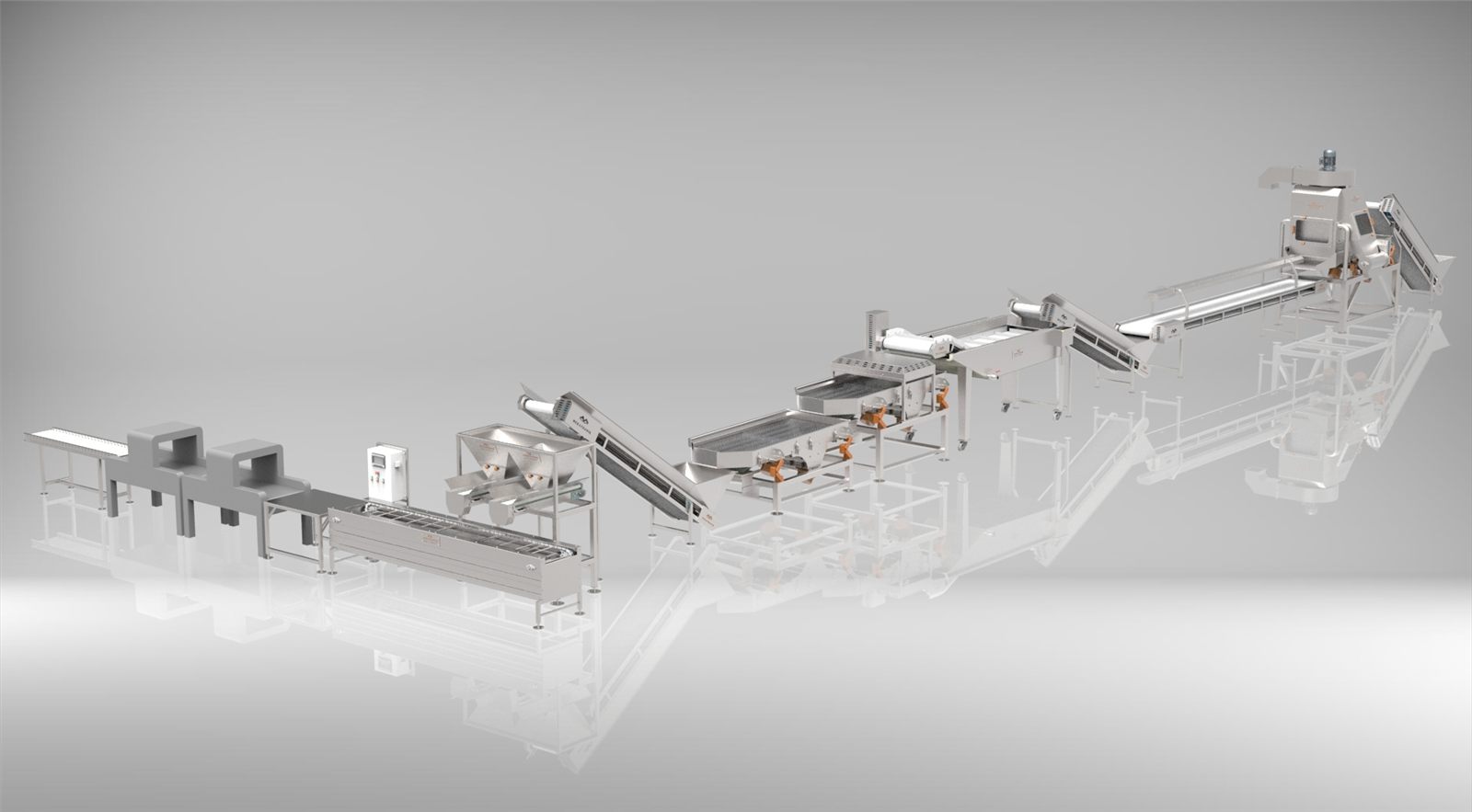
The right position is after the product has been cleaned and before it is filled or packed, at a point where the surface of the fruit is visible. The illuminated sorting conveyor is listed for raisin, dried fig and date lines; see the raisin processing line and the date processing line pages for how the machines are arranged.
The machines before and after the station decide how well it works. If the feed is uneven, product piles up on the belt; if filling downstream is slow, picked product backs up. For that reason the station is judged as part of the line flow, not on its own.
02
How do light and belt colour affect what the operator sees?
According to the catalogue entry, a high-efficiency LED lighting system is standard on this machine. The purpose of the light is to make foreign objects stand out next to the product. Brightness alone is not enough: glare tires the eyes, and a reflective surface quickly lowers attention over a long shift.
The belt is food-grade PVC or PU. The contrast between belt colour and product colour changes how clearly a foreign object shows up, and a dark date and a light dried fig may call for different choices. This is settled in the project according to the product and what has to be picked out.
03
How are belt speed and product layer balanced?
An operator can only remove what he or she sees. If the belt runs too fast or the product layer is too thick, a foreign object either passes unseen or sits underneath other fruit. Belt speed can be adjusted with a frequency inverter, so it can be re-balanced when the product changes; speed control is offered as an option on this machine.
- 01Keep the product layer thin so fruit does not overlap.
- 02Set belt speed to what the operator can follow and pick from.
- 03Retest speed and feed whenever the product changes.
- 04Place a separate container for rejected objects beside the station so they never mix back into the product.
No fixed hourly capacity or operator count is given here. Both depend on the product, how contaminated it is and the flow of the line, and they are defined in the project.
04
Which points are fixed and which are left to the project?
Some fields in the machine's technical table are deliberately left to the project. The table below shows which ones are standard and which depend on the plant.
| Item | Status |
|---|---|
| Body material | AISI 304 stainless steel |
| Conveying | Food-grade PVC / PU belt |
| Lighting | High-efficiency LED system |
| Drive | Geared motor |
| Belt speed | Adjustable with a frequency inverter |
| Working height | Defined per project |
| Capacity | Defined per project |
| Control | PLC controlled or stand-alone |
Working height matters because the operator stands in the same position for the whole shift. Custom dimensions can be requested to match the people who will work at the station.
05
How are hygiene and shift routines planned?
Because hands touch the product, the station is planned within the plant's own food hygiene rules: gloves, hair covering and work clothing follow the facility procedure. Product-contact surfaces are AISI 304 stainless steel, which is easy to clean, but cleaning frequency and method are planned separately for each product.
Visual picking is tiring work. Rotating operators and scheduling breaks belongs in the station plan to keep attention up. The machine makes the task easier, but the operator does the picking, so no detection rate is promised.
06
How does manual picking relate to optical sorting?
A manual station does not replace optical or X-ray based sorting systems; it complements them. The manual station deals with what can be seen, and the devices come in where the eye cannot tell. Which combination suits your line depends on the product and the expectations of the export market.
Next step: If you plan to add an illuminated sorting conveyor or renew an existing picking table, send us your product, line flow and number of operators. You can leave details on the quote page or review the machine on its illuminated sorting conveyor page. Capacity and dimensions are finalised in the quote.