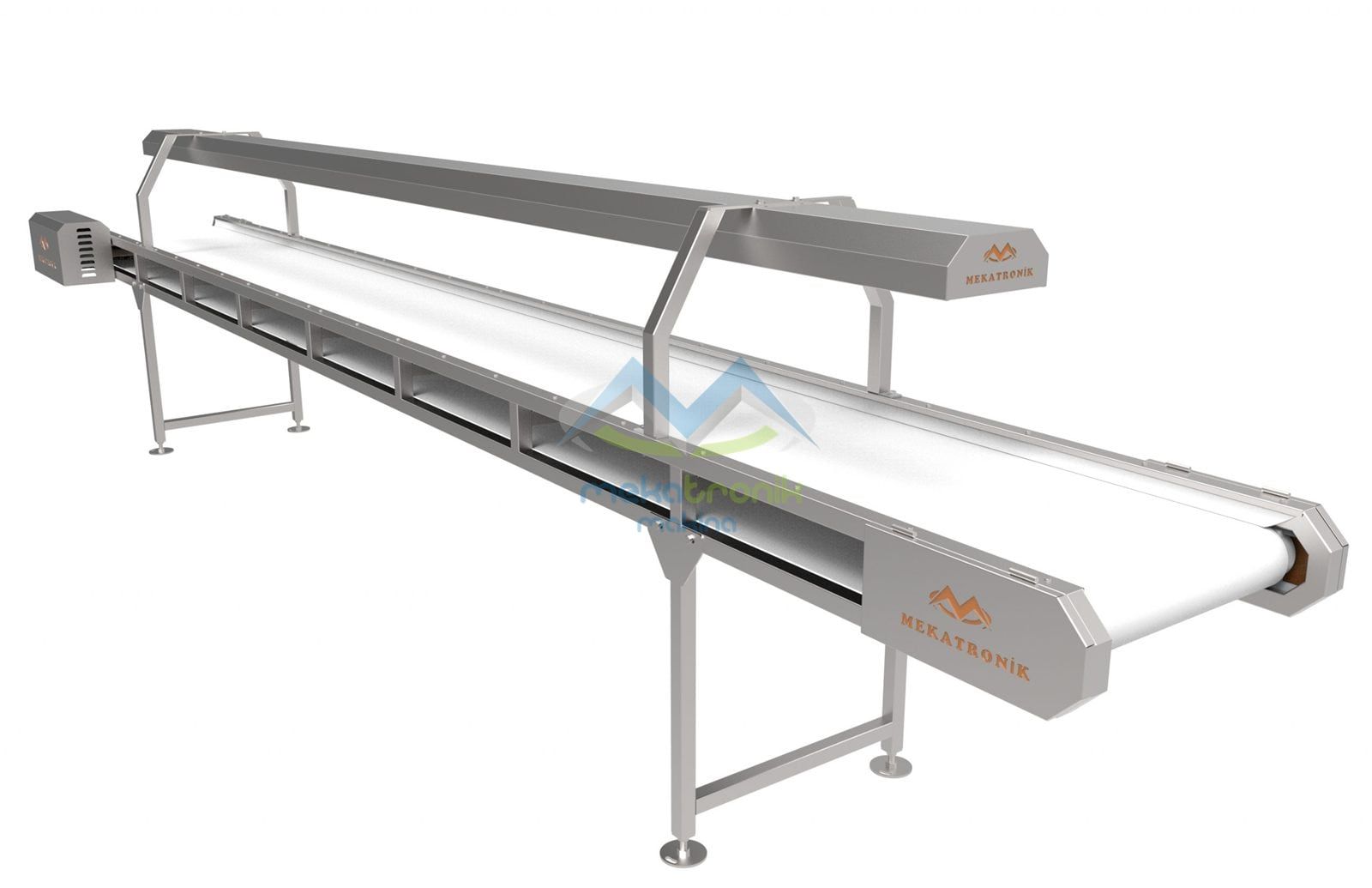
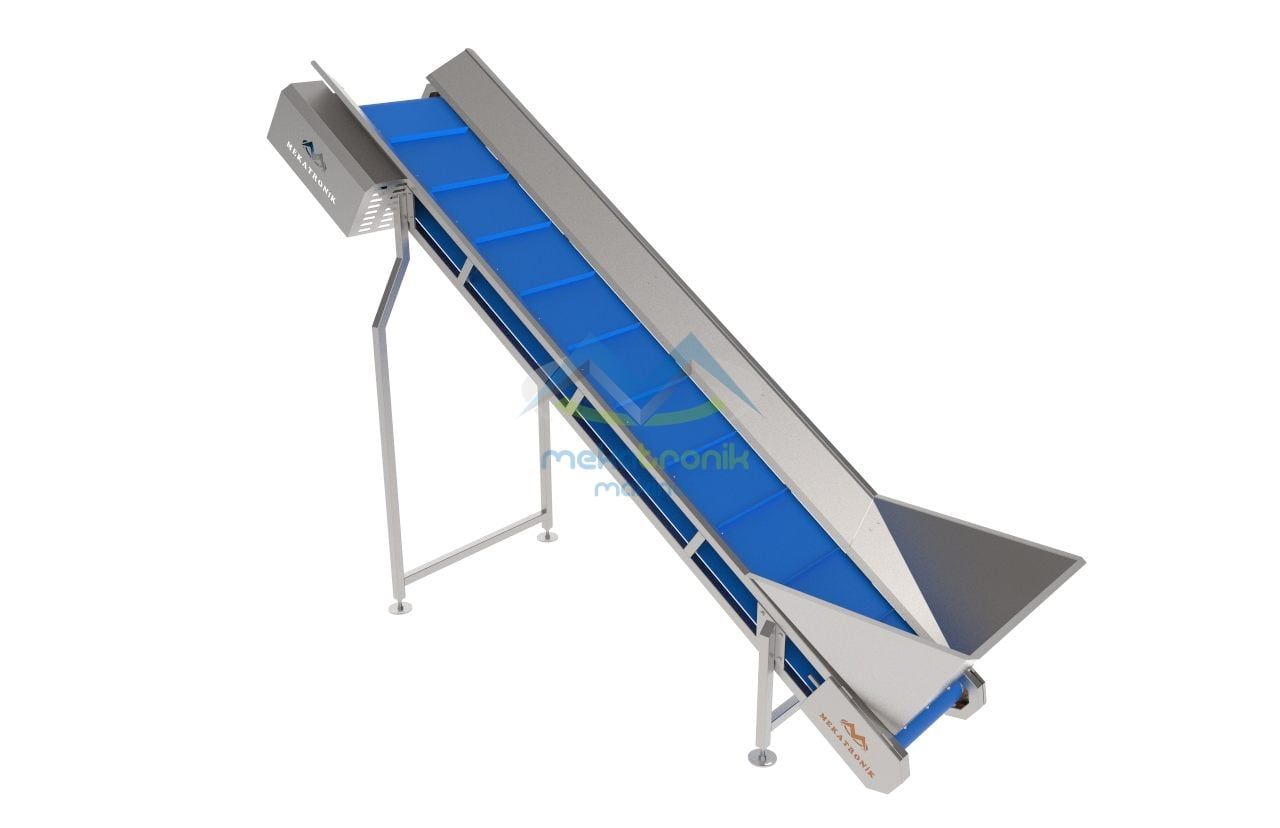
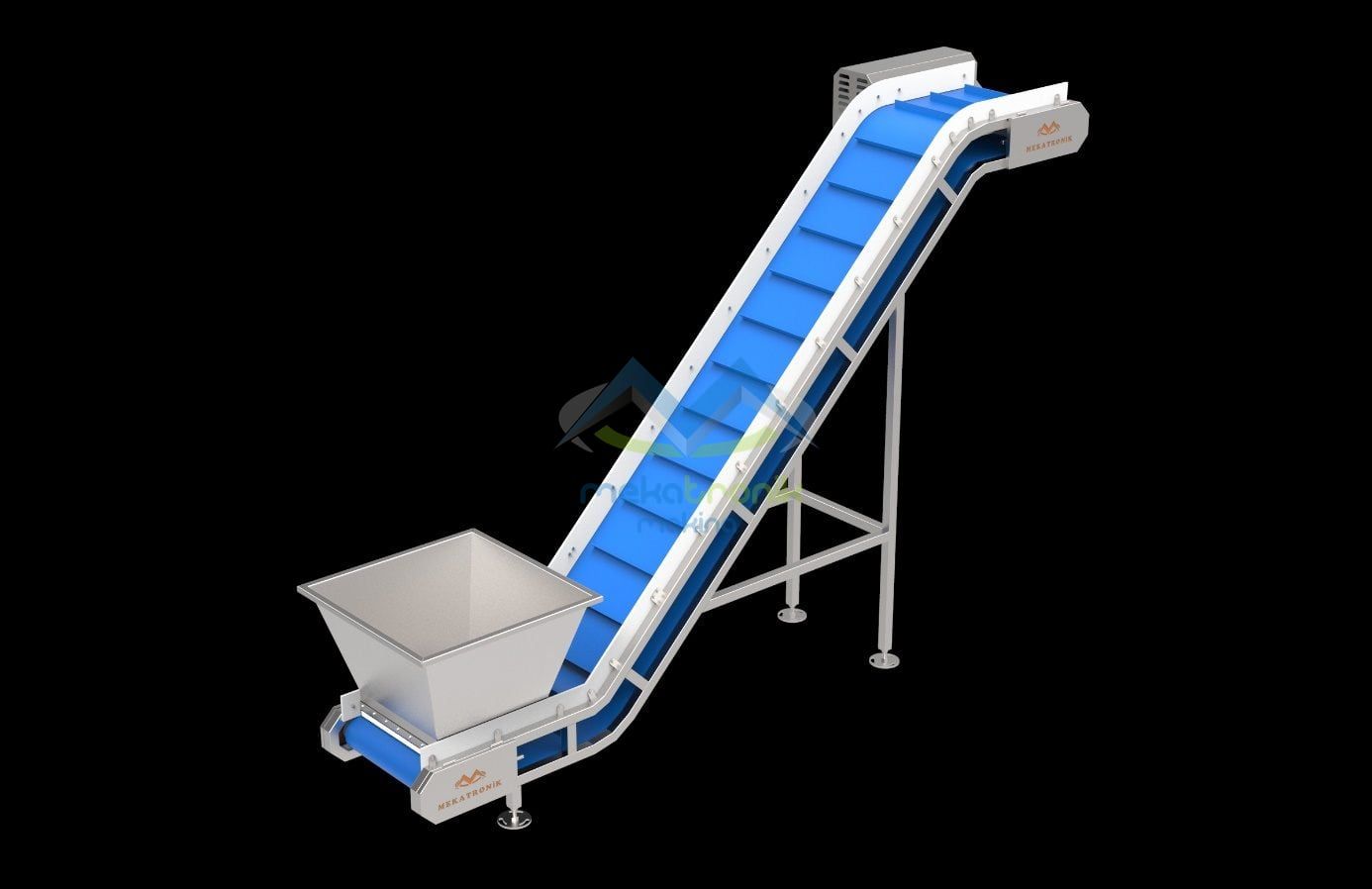
On an illuminated sorting conveyor the operator does the picking and the conveyor makes the job visible. That makes belt speed the setting that most affects picking efficiency: if the belt moves faster than the eye can work, foreign objects pass unseen. The illuminated sorting conveyor uses a belt whose speed can be adjusted with a frequency inverter, and the right speed depends on the product and the line.
01
Why is belt speed the main picking setting?
The machine carries the product over an illuminated belt, and foreign objects that become visible under the LED lighting are picked out by hand. The machine does not detect anything itself, so the result depends on how long the operator can look at each part of the product. Belt speed sets exactly that time.
When speed goes up, the same amount of product passes the operator in less time. If attention drifts or the belt is crowded, a foreign object reaches the next machine. When speed goes down the operator works comfortably, but the machines behind the belt start to wait.
02
What happens when speed is too low or too high?
- 01Speed too high: even a visible foreign object leaves no time for picking, so the piece passes on to the downstream line.
- 02Speed too low: the operator inspects calmly, but if the feed stays constant the product piles up at the head of the belt and the layer gets thicker.
- 03Speed unstable: the feed from the previous machine may be uneven; stabilise the feed before adjusting belt speed.
A thick layer makes picking hard even at low speed, because product underneath is not seen in the light. This is why speed is judged together with the product layer, not alone.
03
Which settings are judged together with speed?
Three quantities depend on each other: belt speed, the thickness of the product layer on the belt, and the lighting of the belt. Changing one changes the result of the others. Exact speed values are set per project according to product, foreign matter load and line capacity, and are confirmed in the quotation.
| Observation | Likely cause | First check |
|---|---|---|
| Foreign objects found at the next machine | Belt speed high or layer too thick | Lower speed in steps, thin the layer |
| Operator waits, the line behind runs empty | Speed lower than needed | Raise speed in steps, watch for missed objects |
| Product piles up at the belt head | Feed too high for the belt speed | Reduce the feed, check the previous machine's outlet |
| Speed keeps having to be changed | Product type or foreign matter load varies | Record the speed setting per product |
04
How is speed set on site?
Set it by changing one variable at a time. With the feed fixed, change only the belt speed in steps, wait a while at each step, and compare the foreign objects picked with those that pass downstream. Taking a sample from the end of the belt now and then is enough for this.
- 01Write down the product type and feed rate, then change a single setting.
- 02Change speed in small steps and look at a sample from the belt end after each one.
- 03Picking drops when the operator tires; plan rotation within the shift.
- 04Record the value you find together with the product type and re-confirm when the product changes.
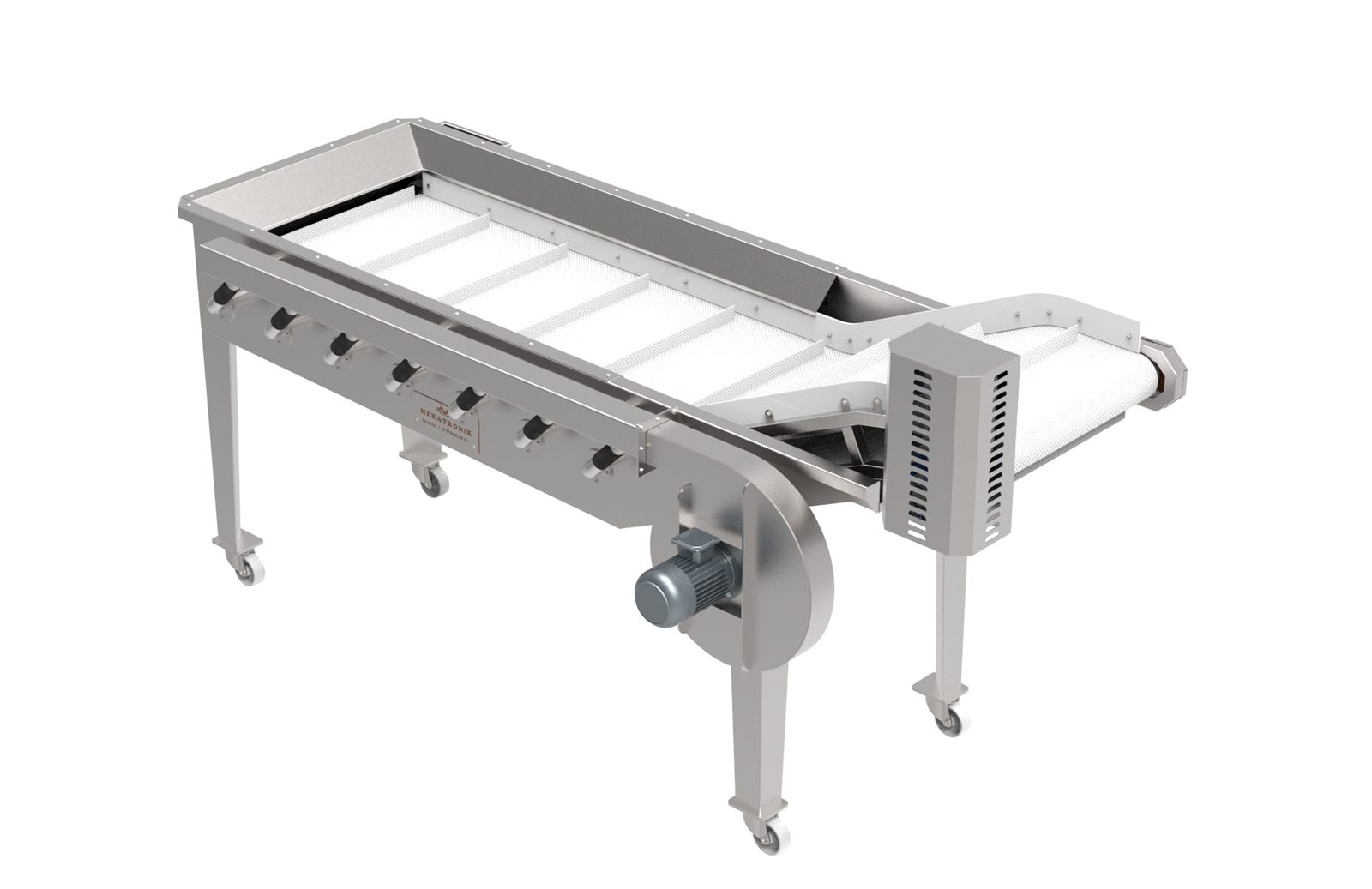
Speed adjustment concerns the drive side: the belt is driven by a geared motor and speed is set with a frequency inverter. The belt surface is food-grade PVC or PU belt, and the frame is AISI 304 stainless steel; for product-contact surfaces an AISI 316 option is discussed depending on the process.
05
Where in the line and for which products is it used?
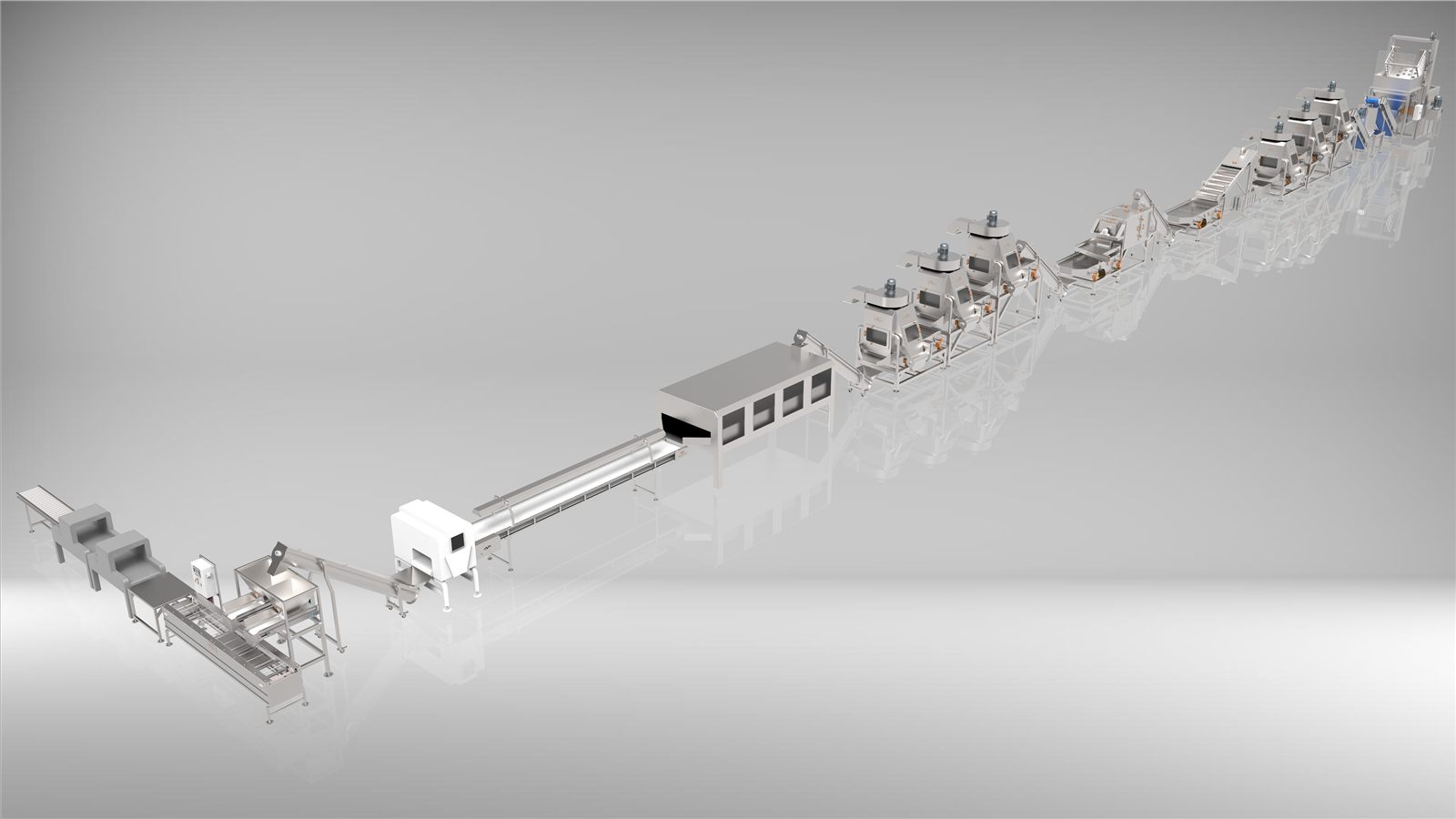
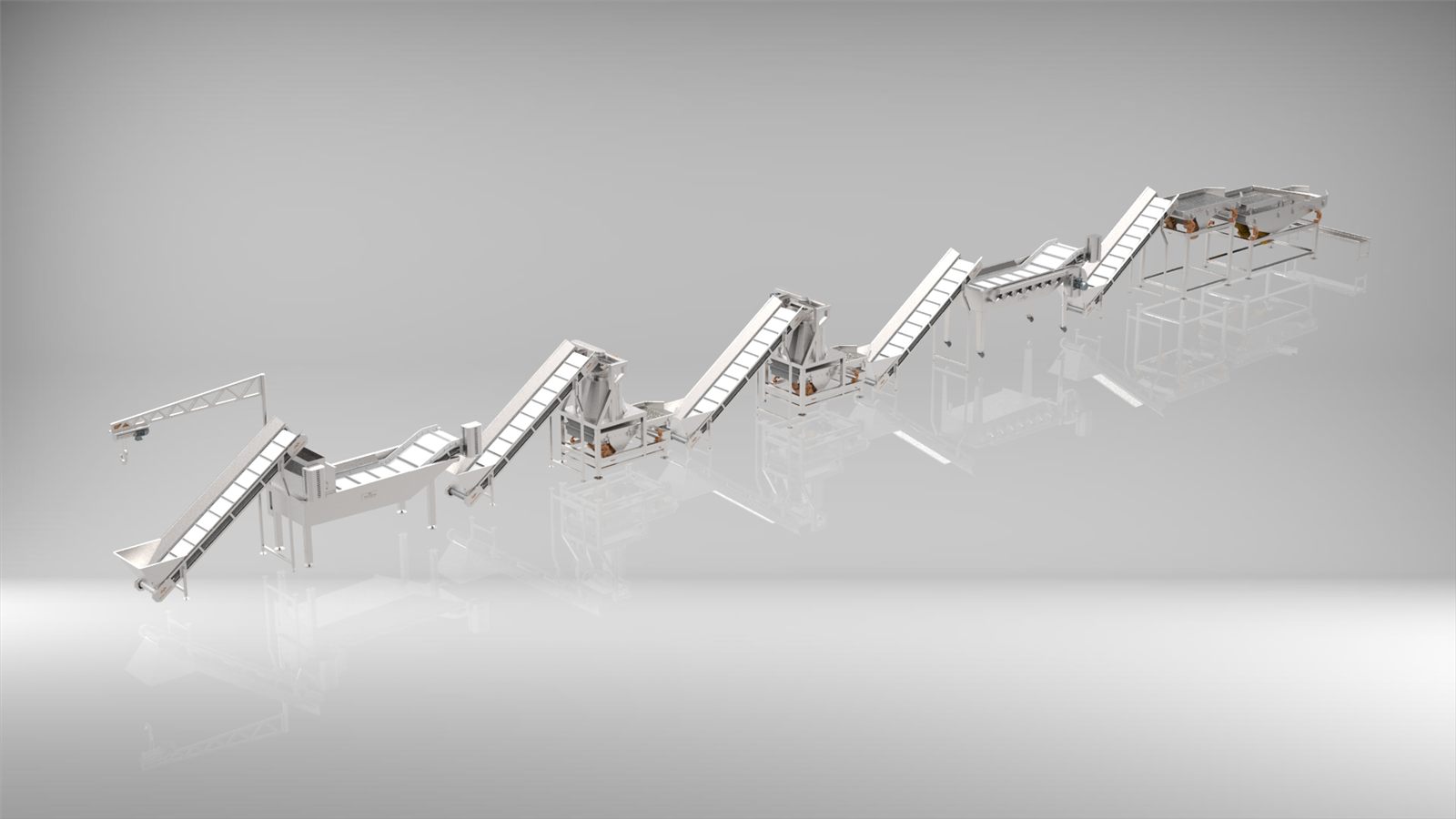
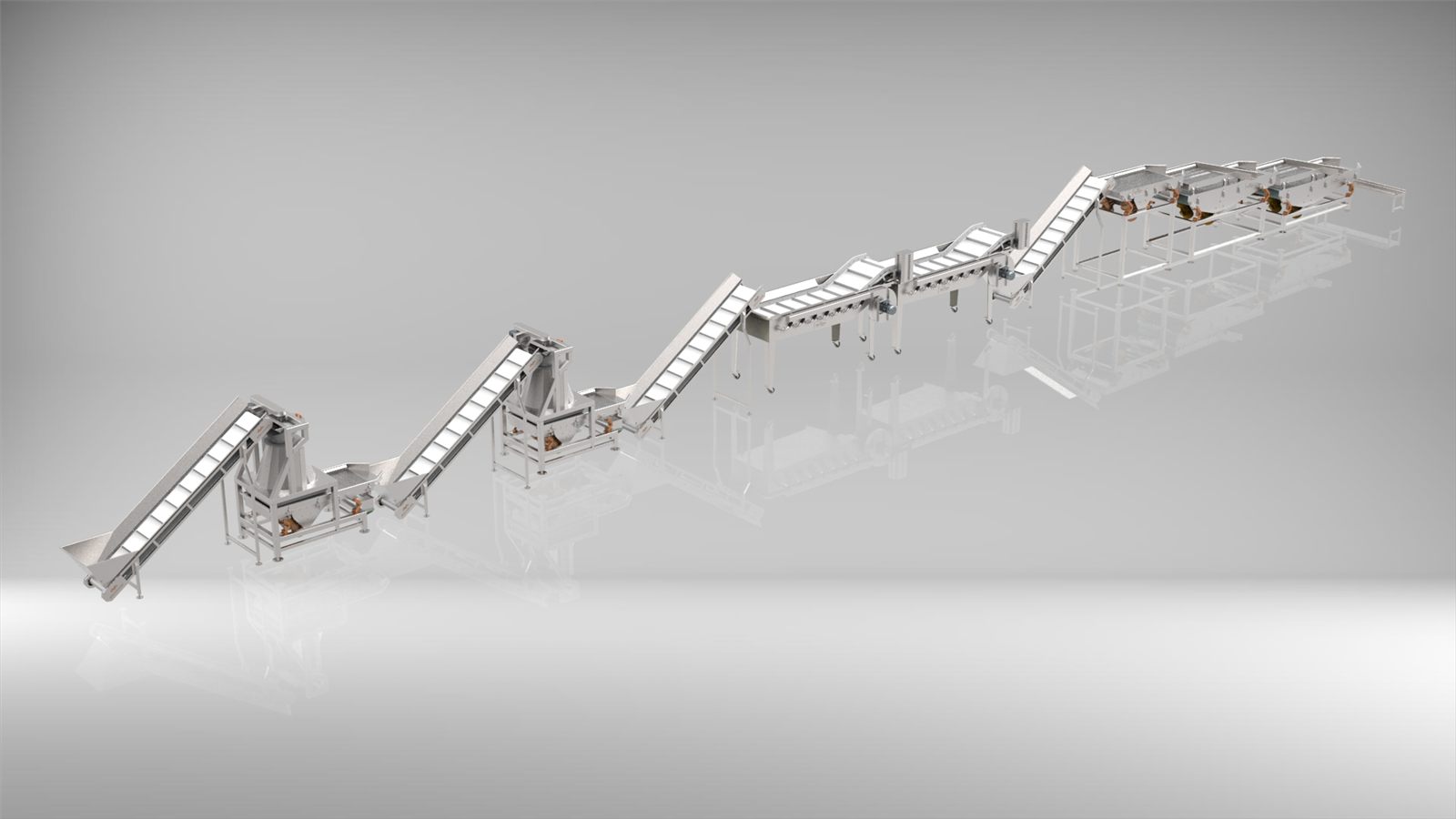
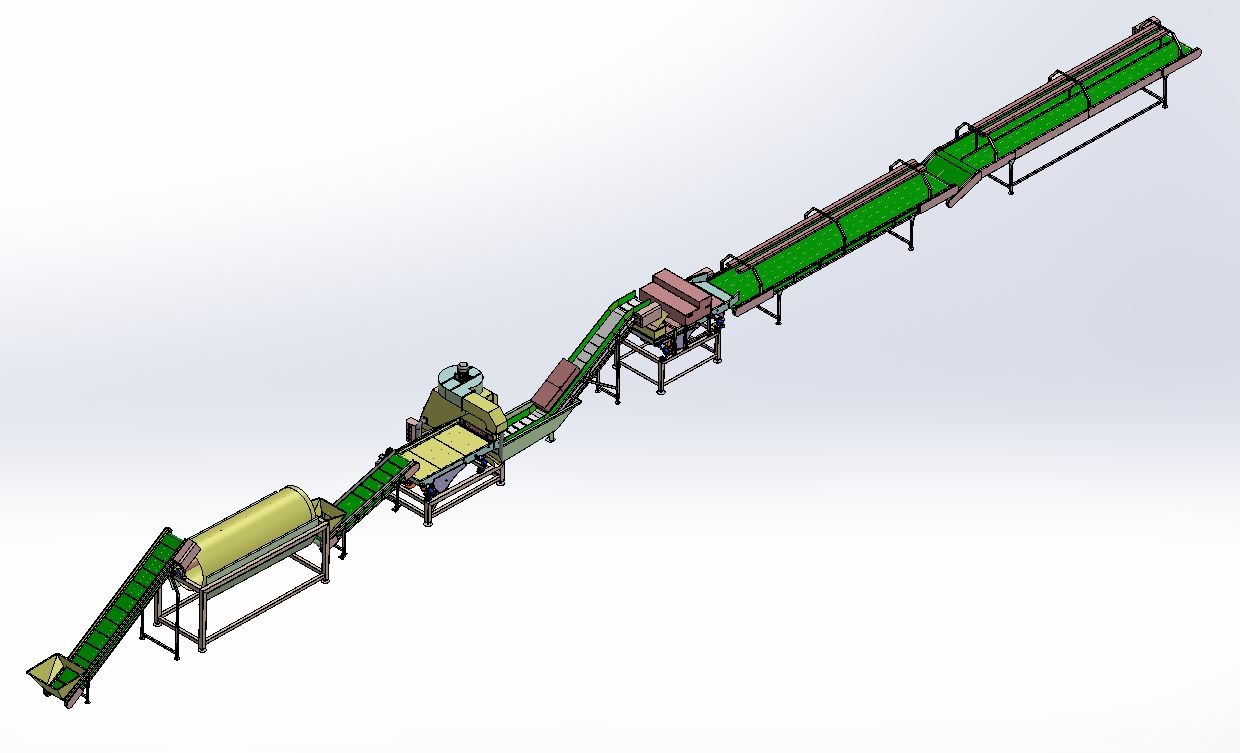
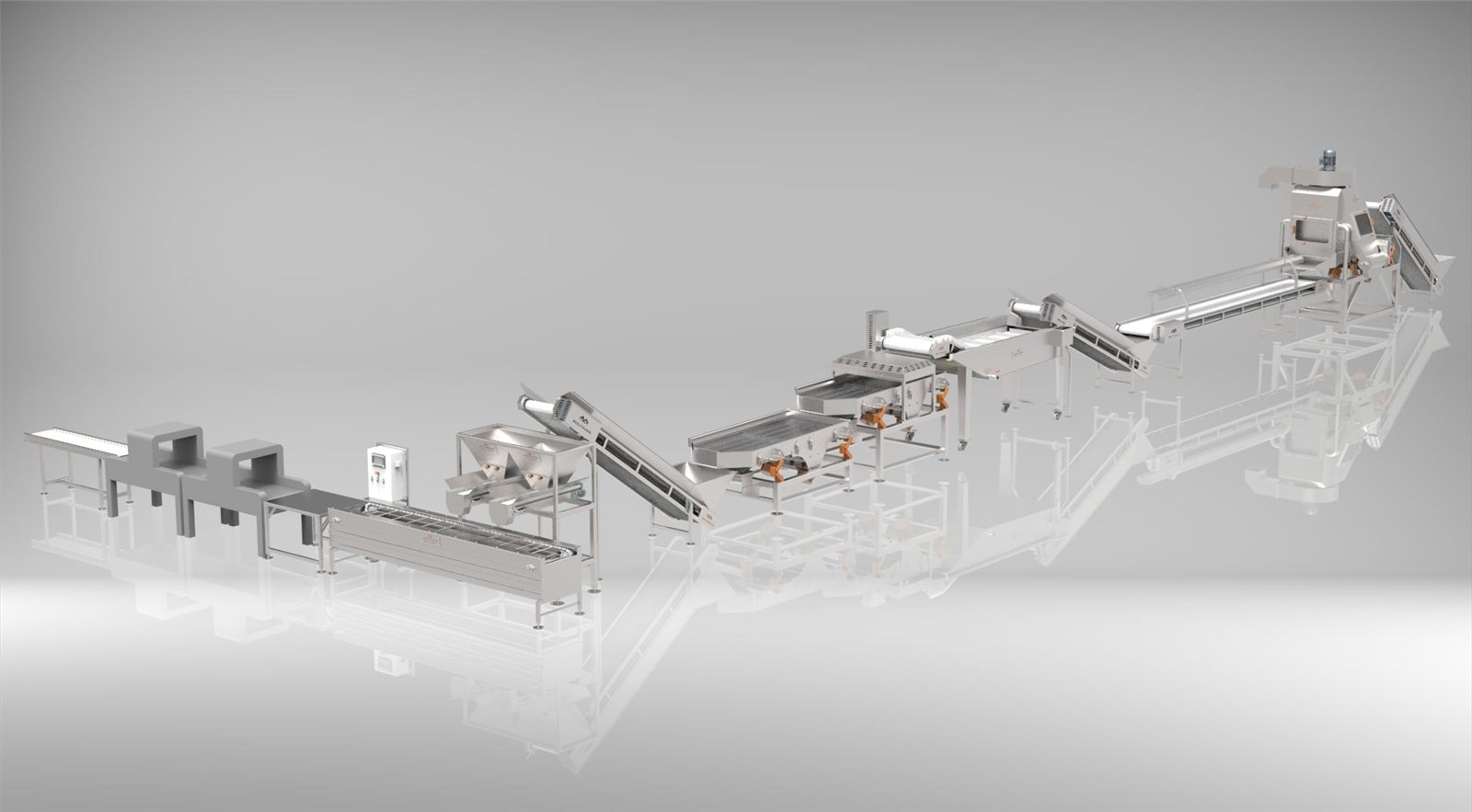
The illuminated sorting conveyor sits at the picking point after the washing and sizing stages. It is used in raisin, dried fig and date lines. On the raisin washing and processing line page you can see where the machine sits in the line.
06
Next step
If you share your product, target hourly quantity and the number of operators at the picking station, we can plan belt length, speed range and lighting around your line flow. For prices and dimensions, reach us through the quotation page.