Washing dried fruit often needs more than plain water. Some plants add a treatment to the wash water, others prepare a solution before the product reaches the washing station. Whichever route you take, the liquid has to be stored and prepared somewhere, and a poorly organised tank becomes a source of mistakes.
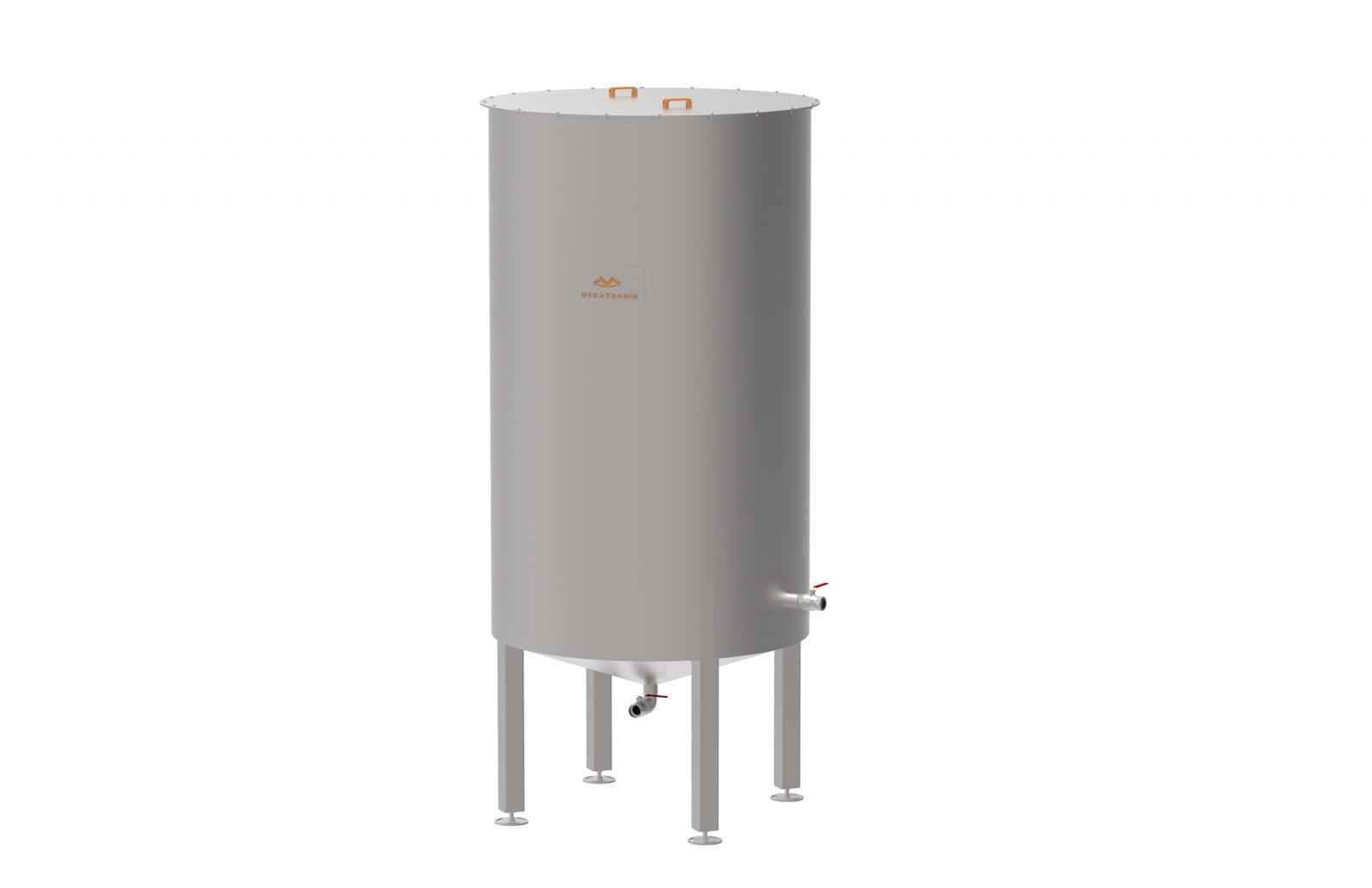
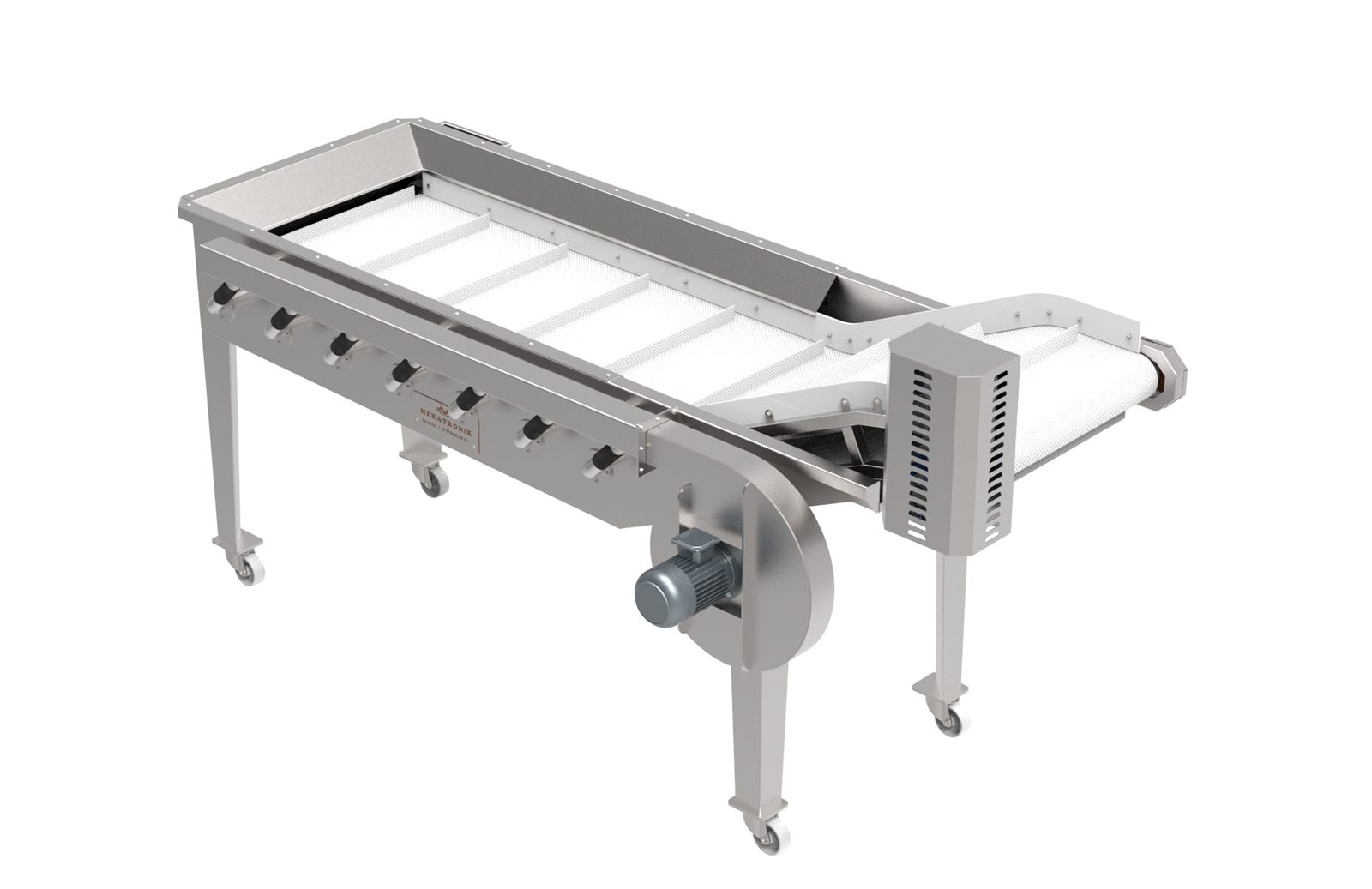
The Multi-Purpose Liquid Tank is a storage tank in which liquid products such as oil, water and acid are kept. It is designed for comfortable use and easy cleaning with every product in liquid form. The question this article answers is how to arrange the preparation routine around it.
01
Who decides which additive goes into the wash water?
That decision belongs to the plant, not to the tank. Which treatment is allowed, at what concentration and for which product is a matter of food safety rules, the buyer's requirements and your own quality team. We do not specify additives or dosing in this article. What the tank gives you is a clean, well-organised place to keep and prepare whatever your process has approved.
02
How do you keep different liquids from mixing?
The same tank can store different liquids such as oil, water and acid, but not at the same time and not without a routine. The simplest rules are the ones that work:
- 01Assign one liquid to one tank wherever the plant has room for more than one
- 02If one tank must be shared, empty and clean it fully between liquids, and record the change
- 03Label the tank and every connected line with the current content, in the language the operators read
- 04Keep a written preparation sheet next to the tank: what is prepared, by whom, on which date
- 05Never reuse a hose or container that has handled acid for oil or plain water without cleaning
03
How should the solution be prepared?
A repeatable preparation order is what protects the product. A common sequence is to fill the water first, add the approved material second, mix, and only then release the solution to the washing station. Adding materials in a different order each shift is how concentration errors appear. Because exact volumes and mixing times depend on the project, they are agreed during the design stage and written into the operating instruction.
For brine, a dedicated tank is often the cleaner choice. The Salt Dissolving Tank in the same machine group is built for that task, which leaves the multi-purpose tank free for other liquids.
04
Which steel grade fits the liquid?
The body is AISI 304 stainless steel, and AISI 316 is optional depending on the process. This matters for the liquids you plan to store: a salt-bearing or acidic liquid asks for a more careful material decision than plain water. State the liquids you intend to hold in your enquiry so that the material is chosen for the real duty and not for the general case.
05
What makes cleaning easy?
The tank is built as an easy-to-clean structure, and custom dimensions can be made for the place and purpose of use. In practice three habits keep the tank clean: draining completely before a change of liquid, rinsing straight after emptying so residue does not dry on the wall, and checking the outlet area where liquid tends to remain.
| Routine | Purpose |
|---|---|
| Drain fully before a change of liquid | Prevents carry-over between liquids |
| Rinse right after emptying | Stops residue from drying on the wall |
| Check the outlet area | Finds liquid that remains after draining |
| Update the label | Lets any operator see the current content |
06
Where does it fit in the line?
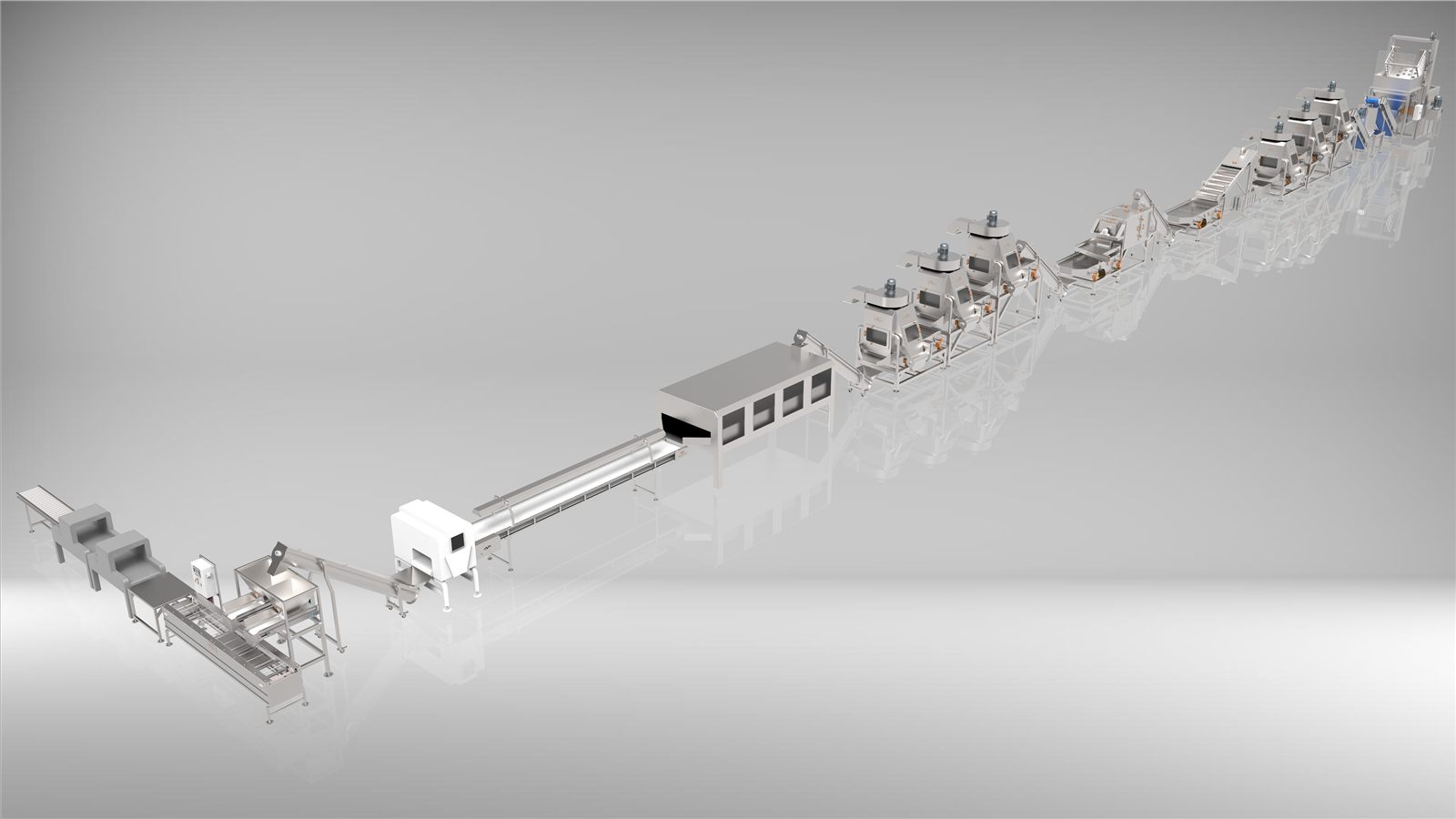
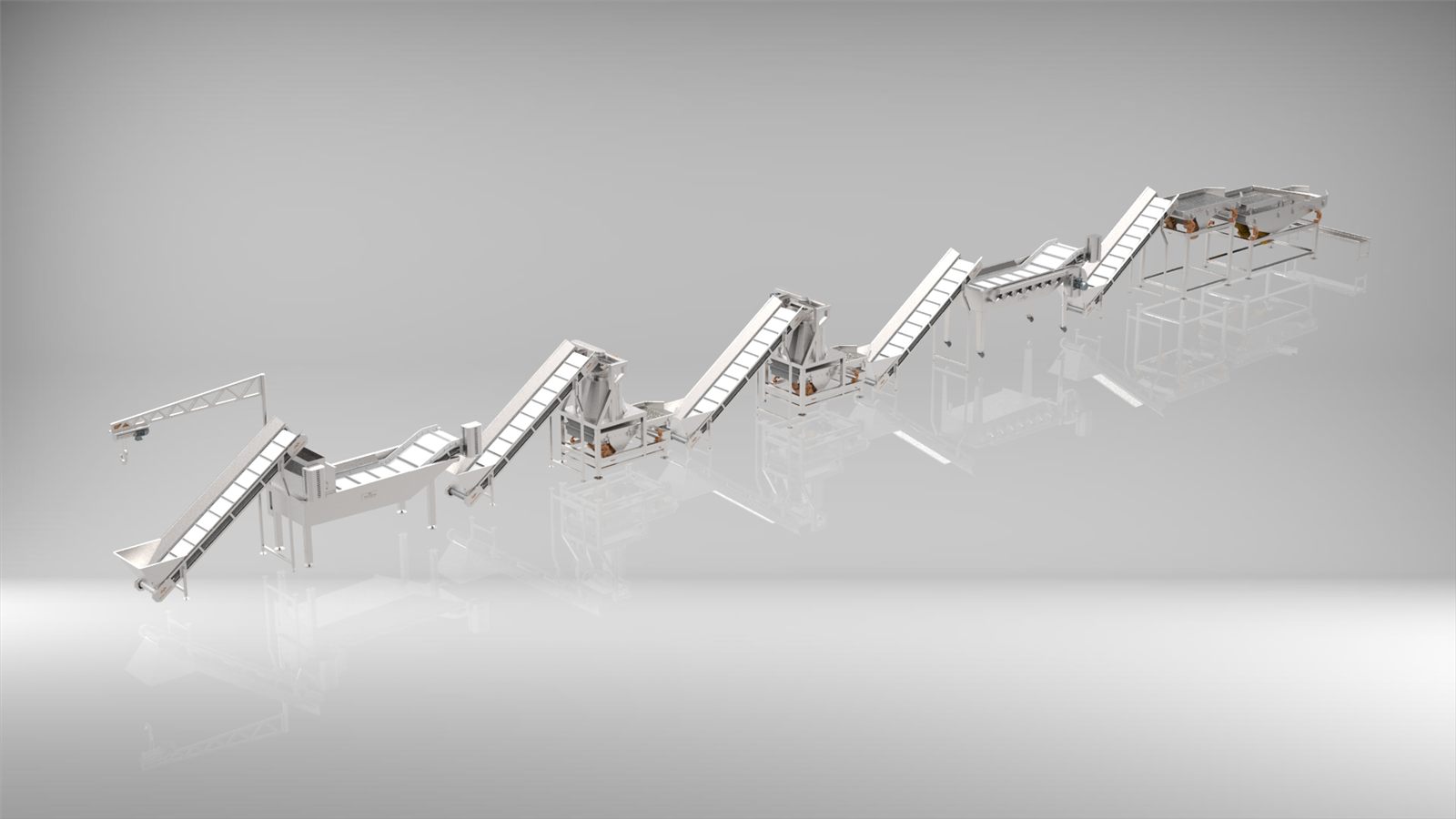
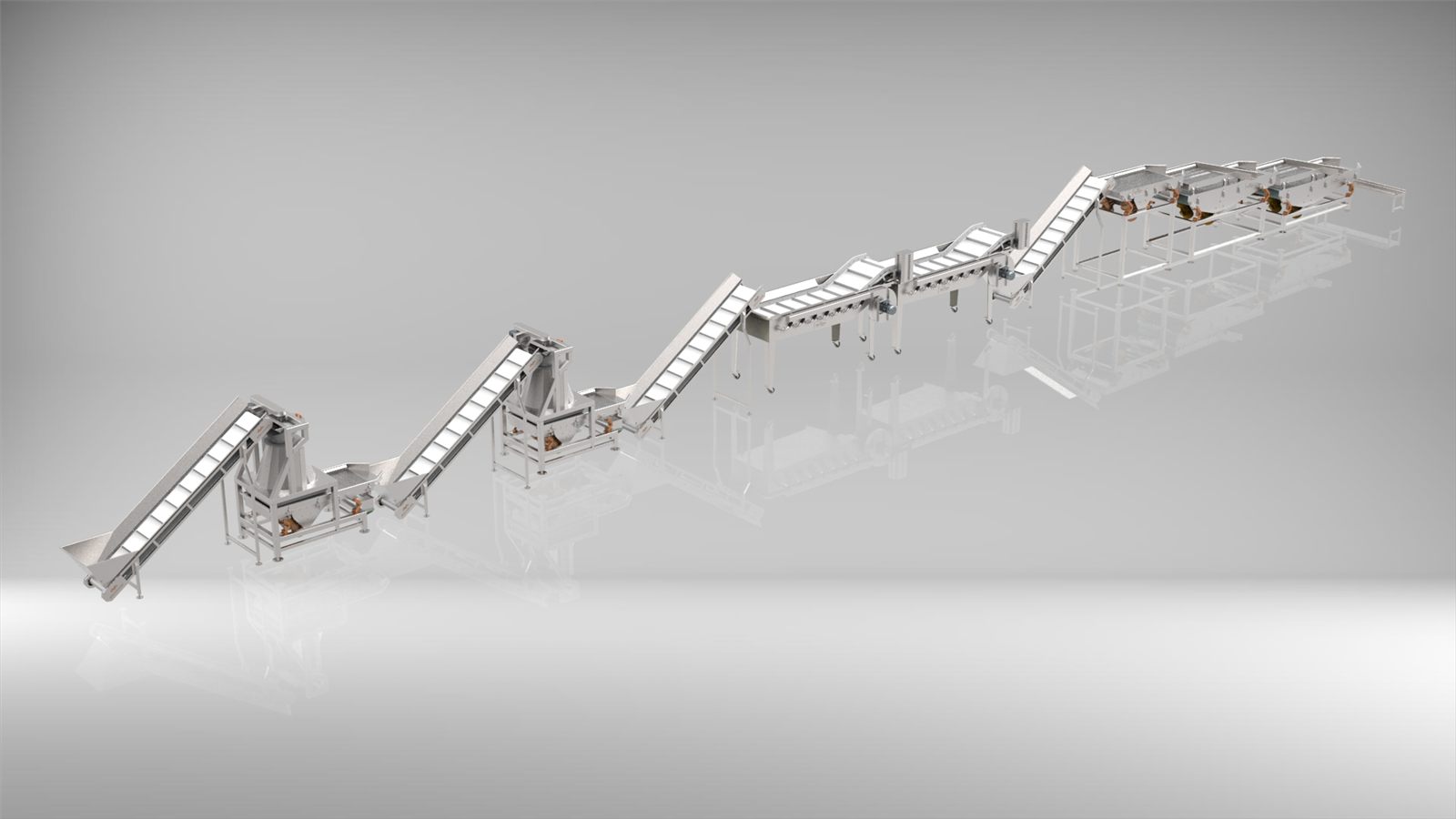
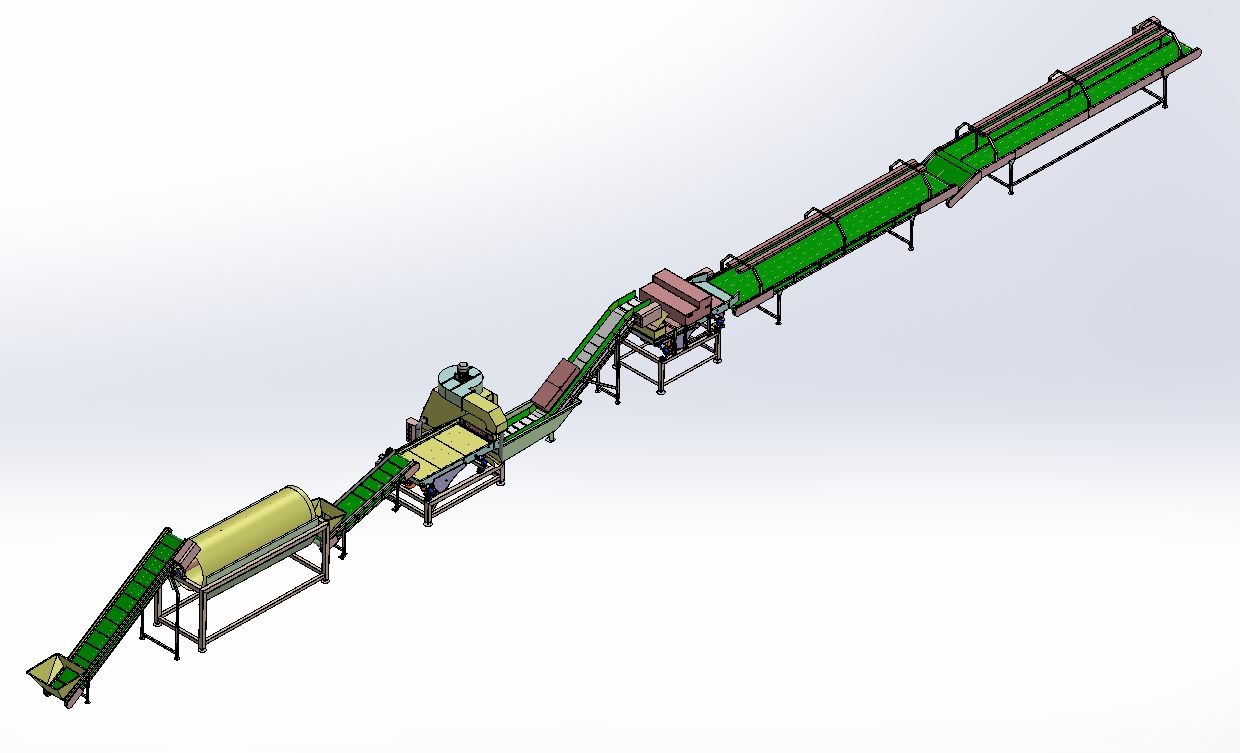
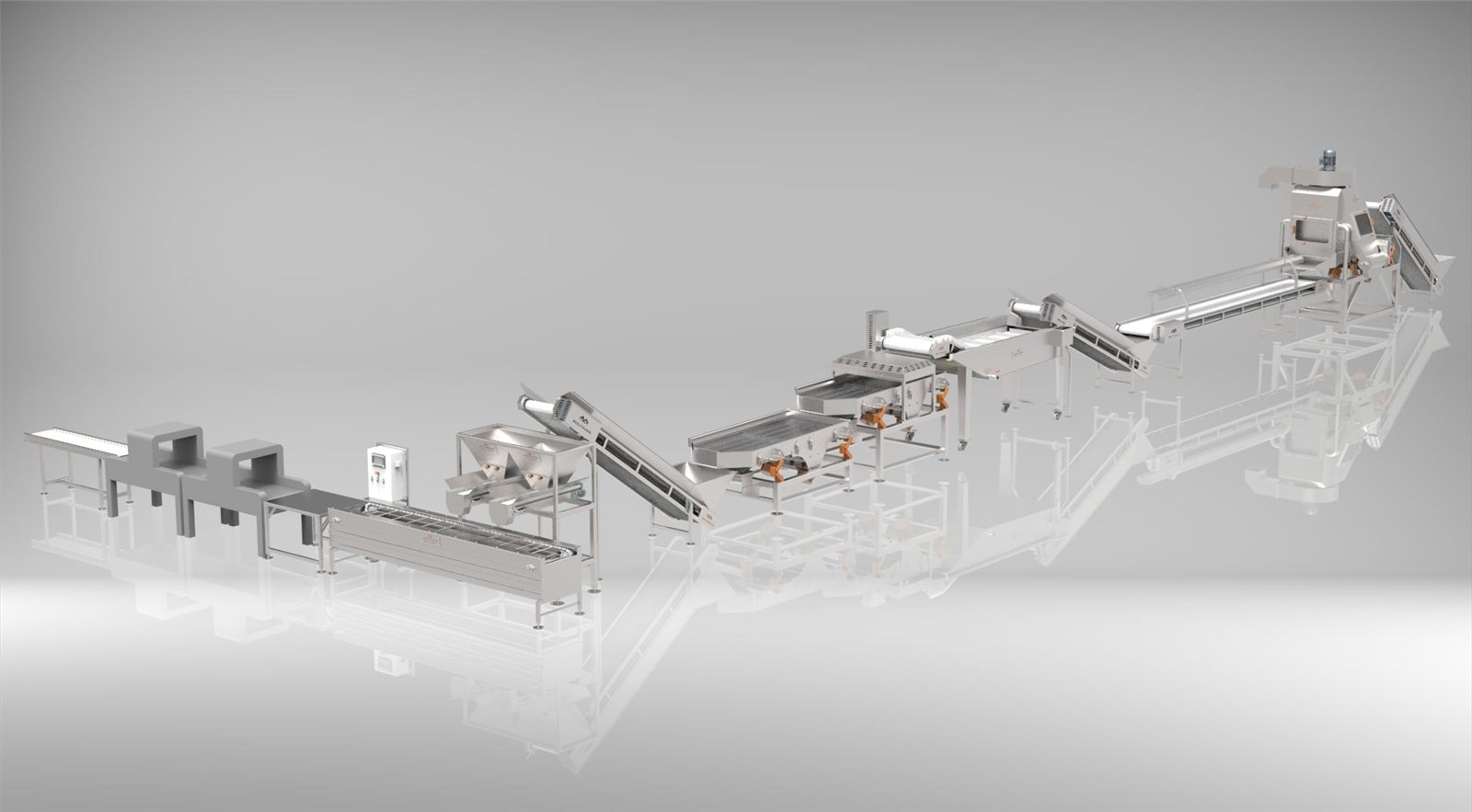
A tank like this is usually placed near the washing station so that it can supply the prepared liquid. You can see how washing fits into the whole line on the Raisin Processing Line page.
07
Next step
To size and equip the tank for your plant, tell us the liquids, the product and the space available through the quote page. Values vary by project, and exact dimensions and figures are finalised in the quote.