When an EU buyer evaluates a processing line, two questions come up before price does: does the machine meet CE conformity requirements, and are the product-contact surfaces made from a material approved for food use. Both questions are documentation questions as much as engineering ones. This article walks through what buyers usually ask and how those points are addressed during quotation and production.
01
Why do EU buyers ask about CE conformity first?
A machine placed on the EU market needs to meet CE conformity requirements before it can be installed and operated. Buyers ask about this early because customs clearance, insurance, and internal plant safety audits all depend on it. For a manufacturer exporting machinery, this is not a one-time label but a set of technical files, risk assessments, and a declaration of conformity that has to match the actual machine delivered. Details on how this is documented for each project are covered on the quality and CE conformity page.
02
What counts as a food contact material, and why does the grade matter?
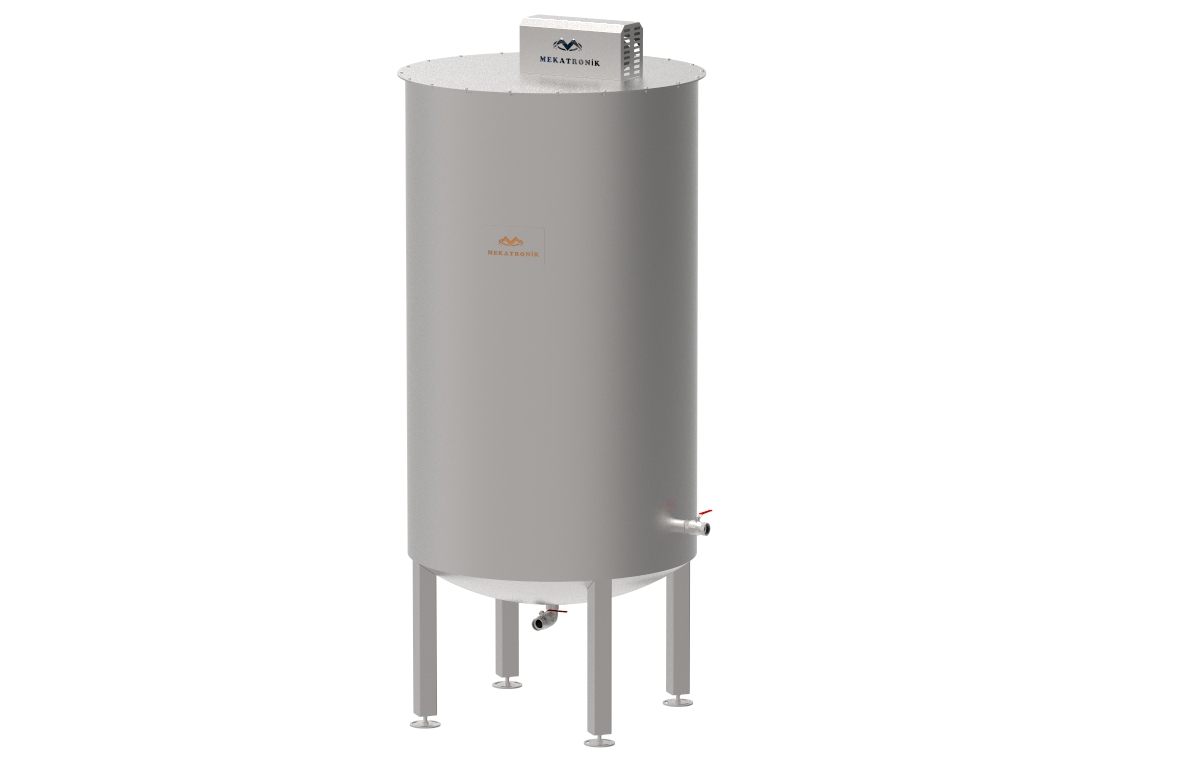
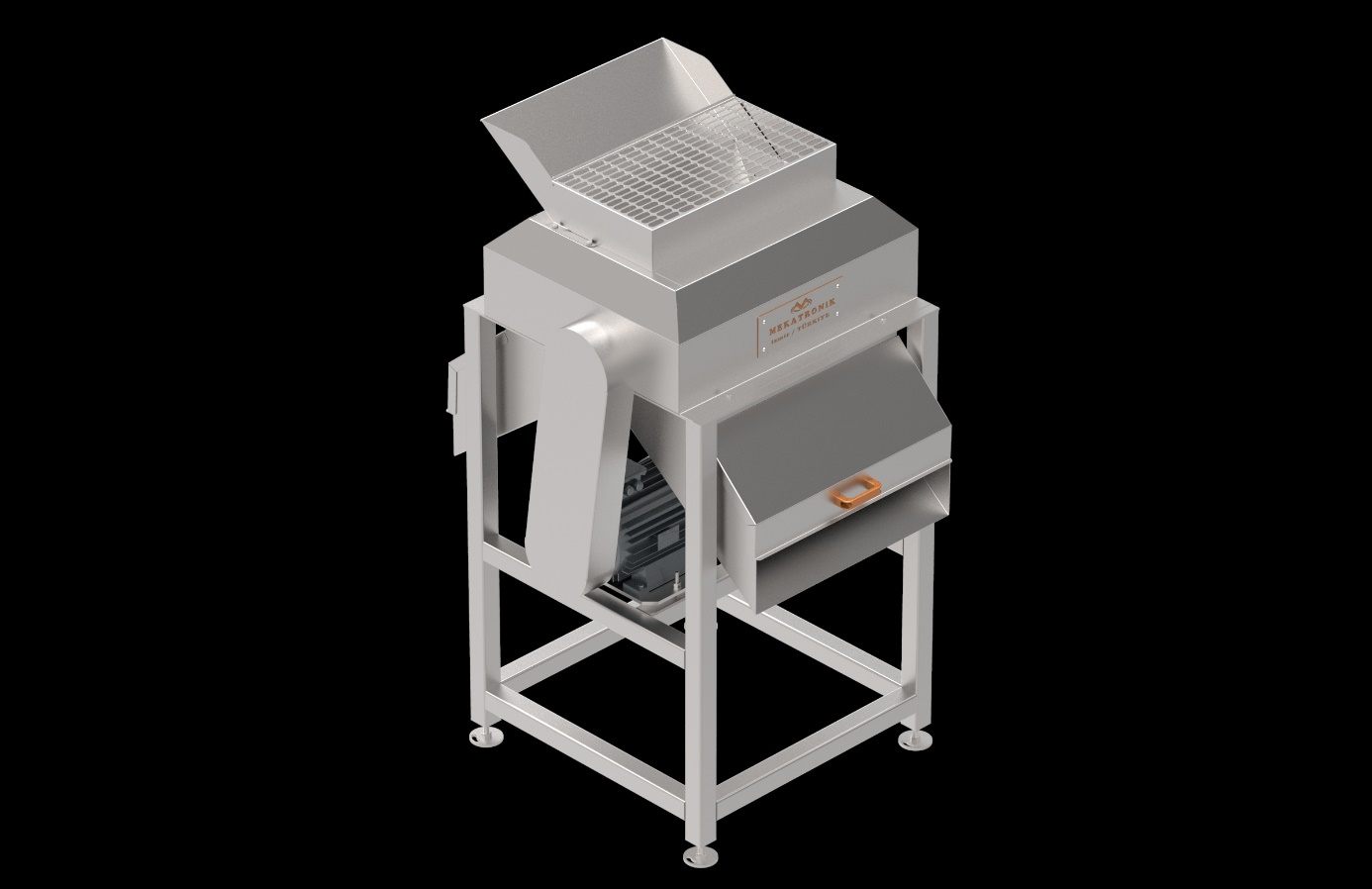
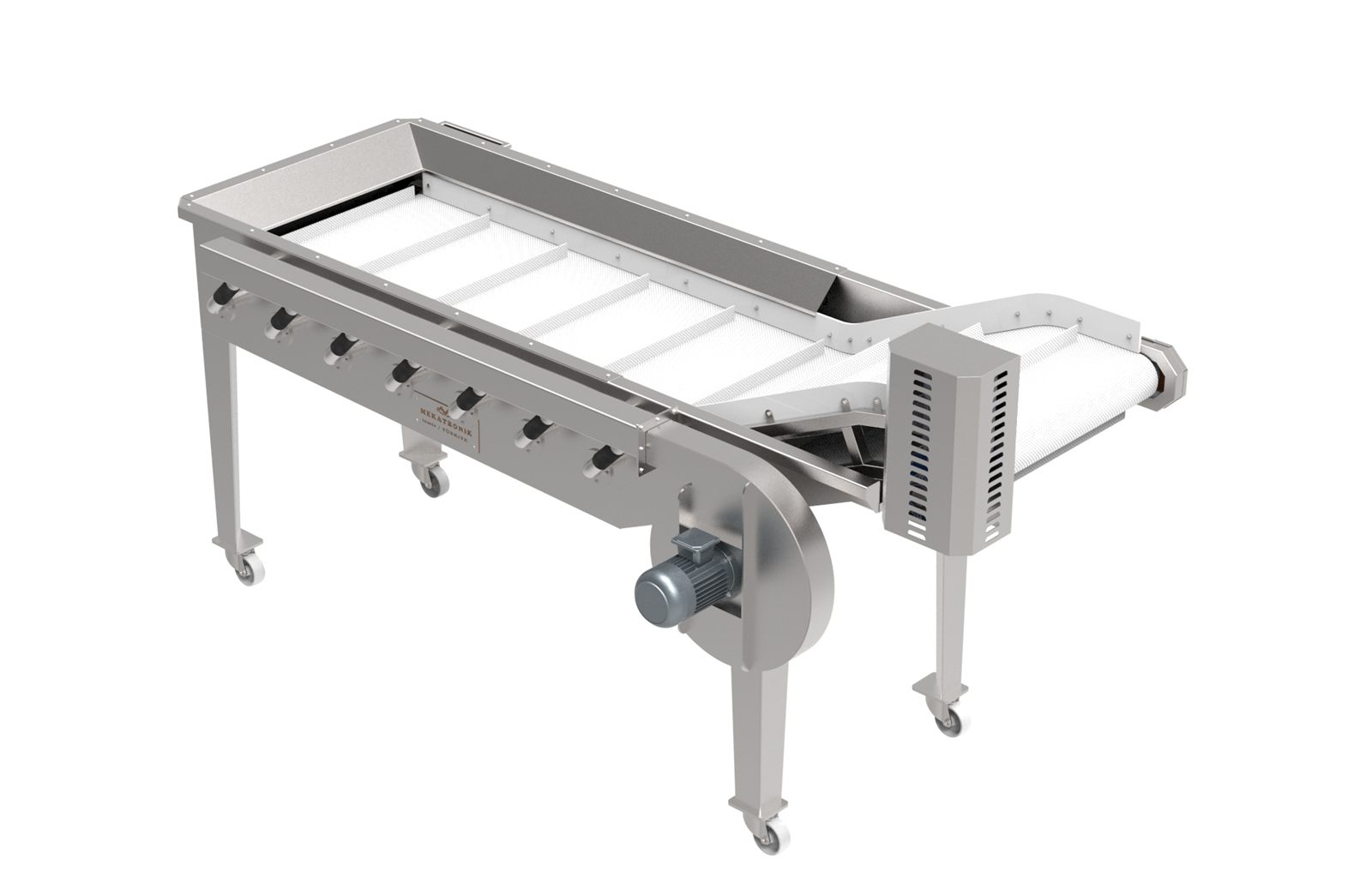
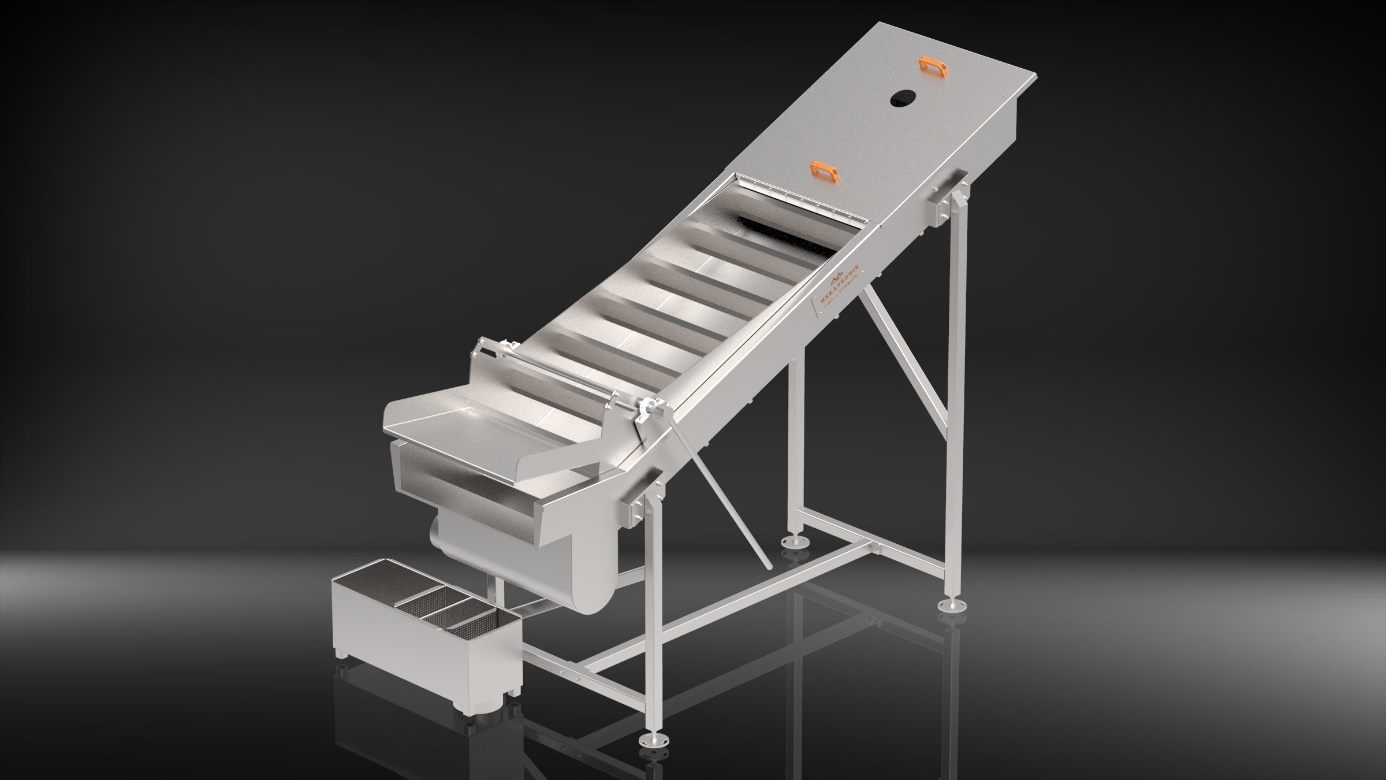
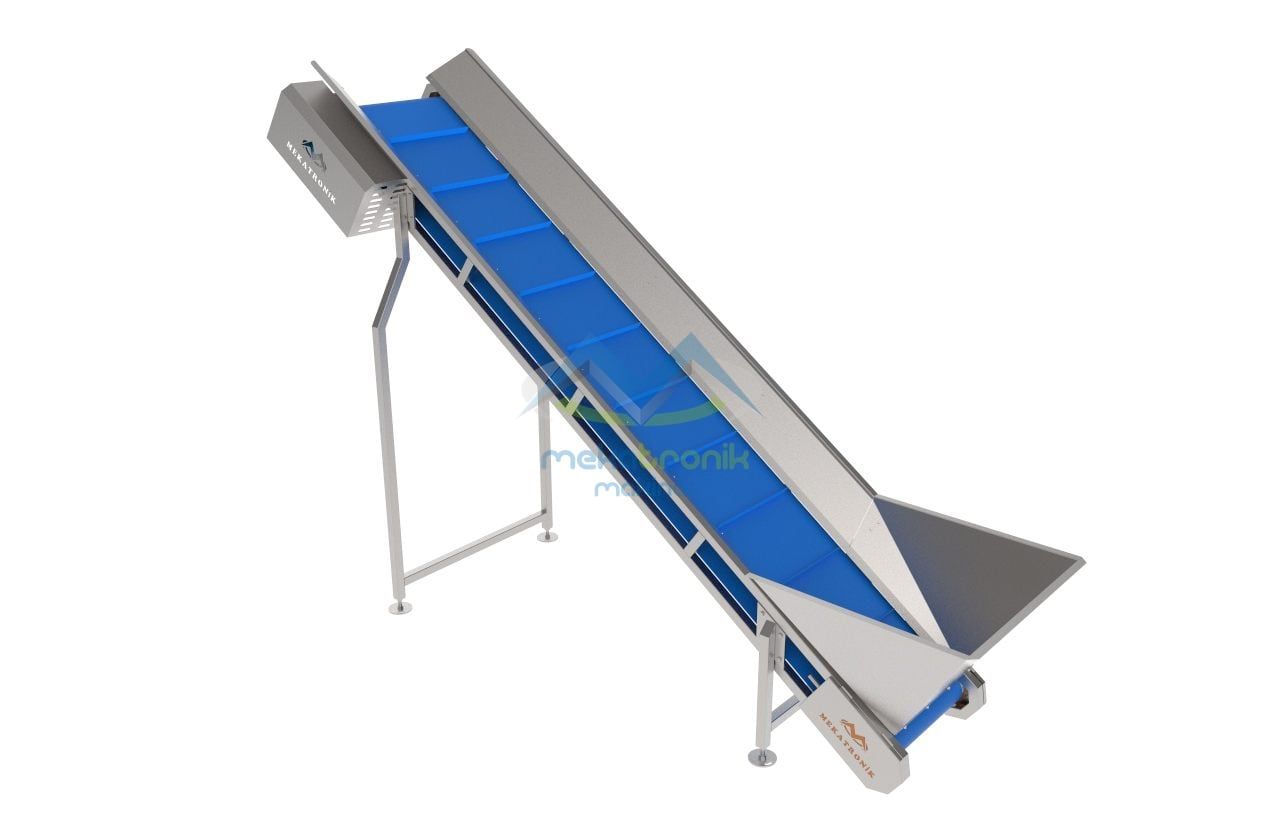
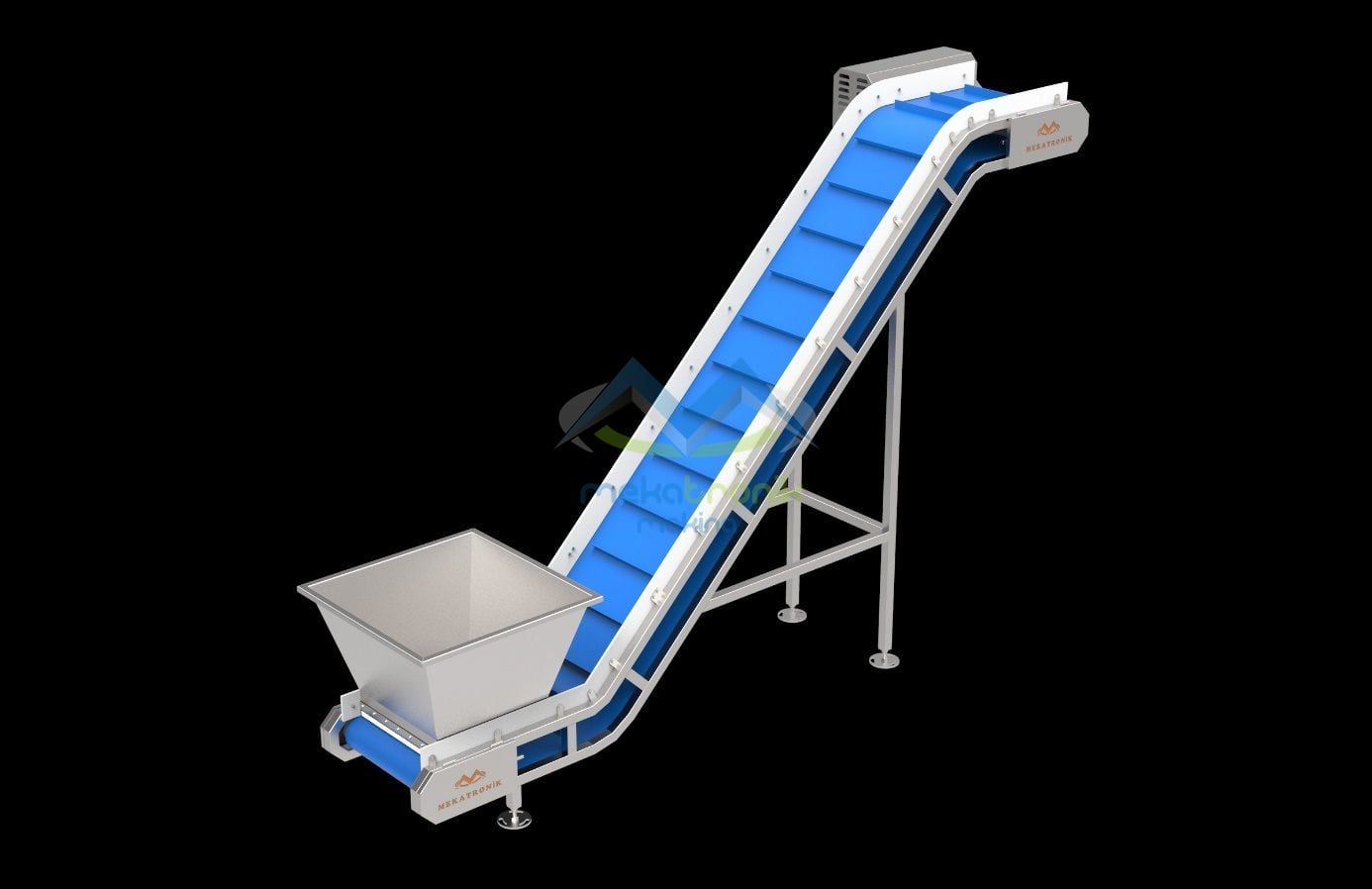
Food contact material rules concern any surface that touches the product during processing: hoppers, conveyor contact points, mixing vessels, blades, and piping. The relevant question is not whether the machine looks like stainless steel, but which grade is used where. Product-contact surfaces are built from AISI 304 stainless steel as a baseline, and parts exposed to more demanding process conditions, such as higher chemical exposure or specific cleaning cycles, move up to AISI 316. This distinction is decided per component, not applied uniformly across the whole machine frame.
- 01Product-contact parts: AISI 304 as the standard grade for hoppers, chutes, and general contact surfaces
- 02Process-dependent parts: AISI 316 where corrosion resistance or cleaning chemistry requires it
- 03Non-contact structural elements: selected separately based on load and application, not automatically food-grade
- 04Surface finish and weld quality: specified per line so contact areas remain cleanable
03
How is CE conformity actually verified before shipment?
Verification happens in stages rather than at the end. Design review checks that guarding, emergency stops, and electrical enclosures match the applicable requirements. Component sourcing checks that motors, sensors, and control panel parts carry their own conformity documentation. Final inspection checks the assembled machine against its technical file before the declaration of conformity is issued.
04
What documentation should a buyer expect to receive?
A complete delivery package normally includes the declaration of conformity, an operation and maintenance manual, electrical schematics, and material certificates for the stainless steel grades used on contact surfaces. Buyers sourcing for regulated markets, such as dairy, bakery, or date processing, often request the material certificates separately from their own quality department before installation. The exact documentation set is confirmed at quotation stage since it depends on the machine or line configuration.
| Document | What it confirms |
|---|---|
| Declaration of conformity | The machine meets applicable CE conformity requirements |
| Material certificate | Grade of stainless steel used on contact and process surfaces |
| Electrical schematic | Wiring and control panel layout for maintenance and audits |
| Operation and maintenance manual | Safe operating procedure and cleaning instructions |
05
Does exporting outside the EU change these requirements?
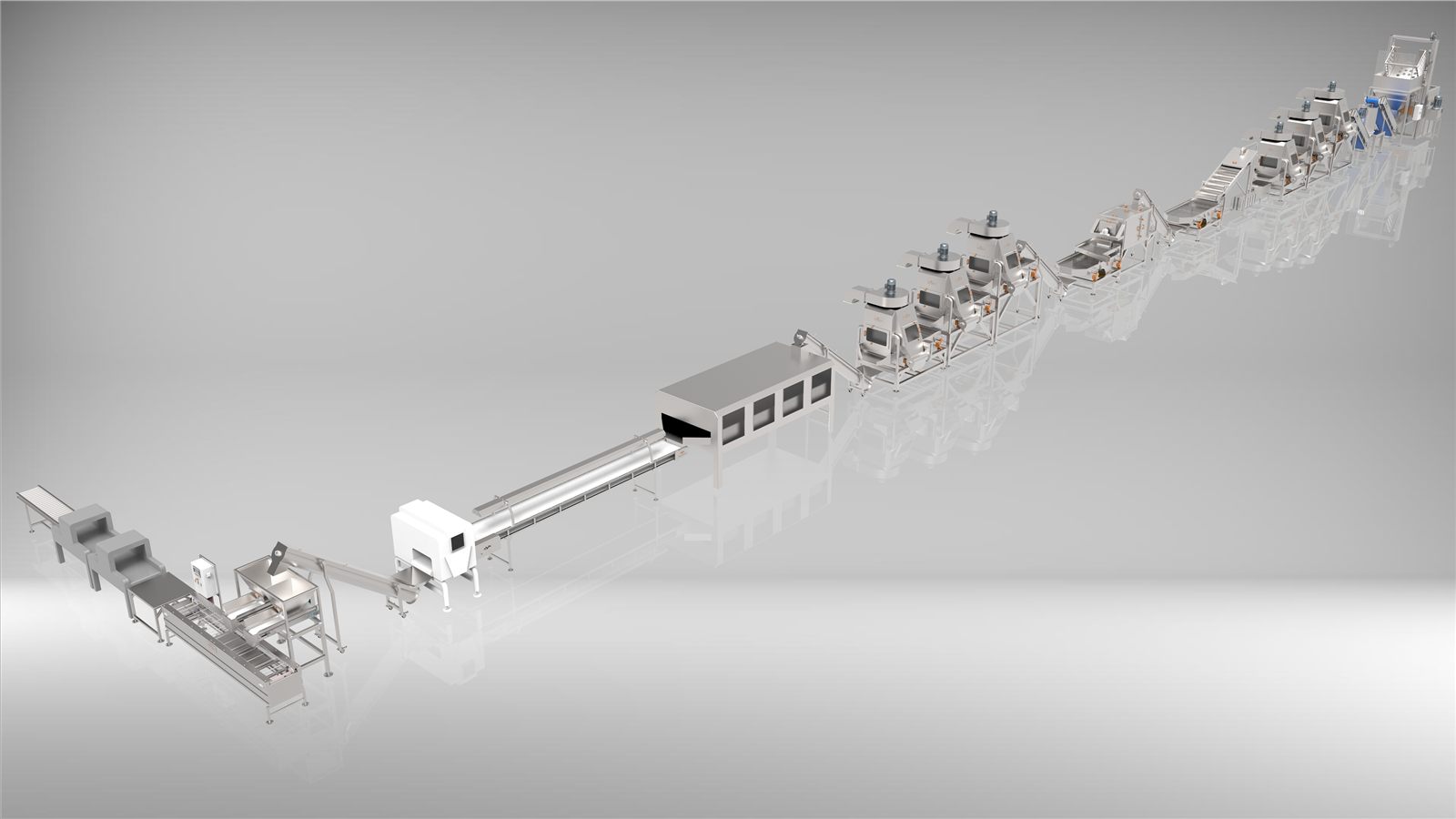
Markets outside the EU sometimes apply their own machinery safety or hygiene regulations in addition to, or instead of, CE conformity. Since the company has exported machinery to 22 countries, project teams are used to adapting documentation to a destination market's customs and inspection requirements without changing the underlying build quality. The export page has more on how shipments and documentation are handled for international buyers, and the date processing line is a useful reference for how a full line is documented for an export project.
06
What should a buyer check before signing off on a quotation?
- 01Confirm which parts are specified as AISI 304 versus AISI 316 in the technical offer
- 02Ask for the declaration of conformity template or a sample from a comparable project
- 03Check that the quoted line matches the intended product and cleaning regime, not a generic configuration
- 04Clarify which documents will be provided in the destination market's required language
Since 1992, this documentation process has been applied across more than 2,000 machines in the field, which is why the questions above are treated as standard parts of a quotation rather than exceptions. Buyers evaluating a line or single machine can submit project details through the quote request page to receive a specification that already accounts for CE conformity and material grade requirements.