AISI 304 and AISI 316 are both food-grade stainless steels, but they are not interchangeable on a processing line. The short answer: surfaces that touch the product are specified in AISI 304, and parts exposed to salt, chloride, or aggressive cleaning chemistry move up to AISI 316. Getting this distinction wrong either overspends on components that never see corrosive exposure or underspends on the ones that do.
01
What AISI 304 Does Well
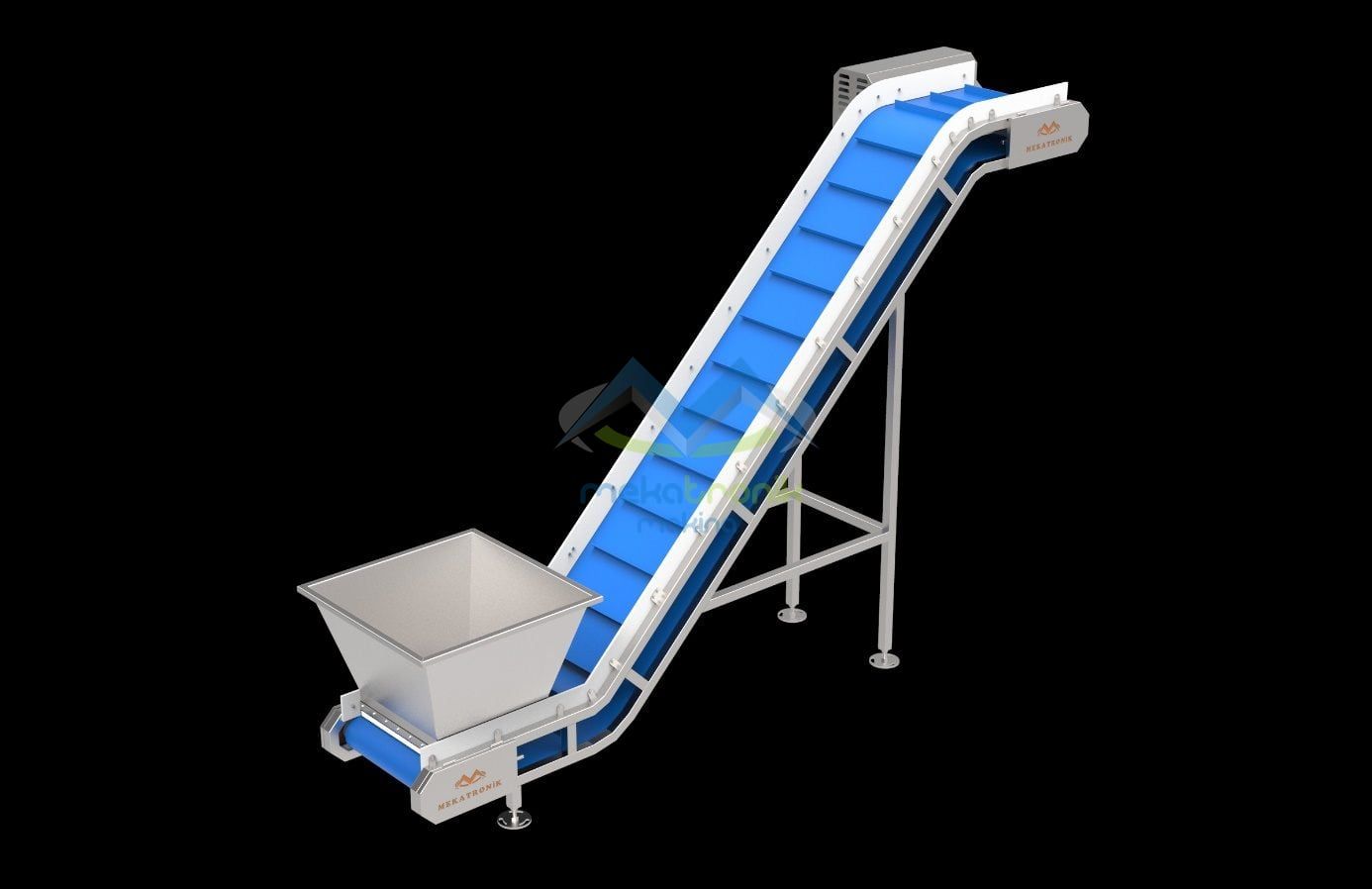
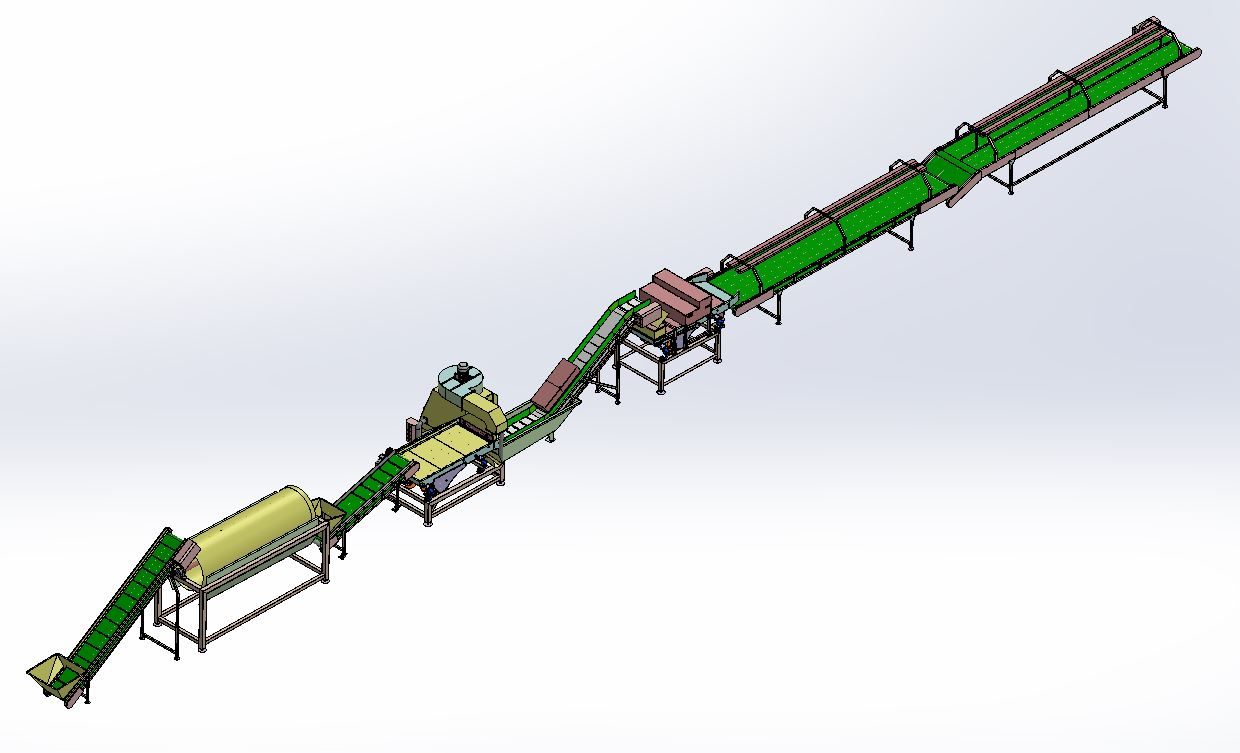
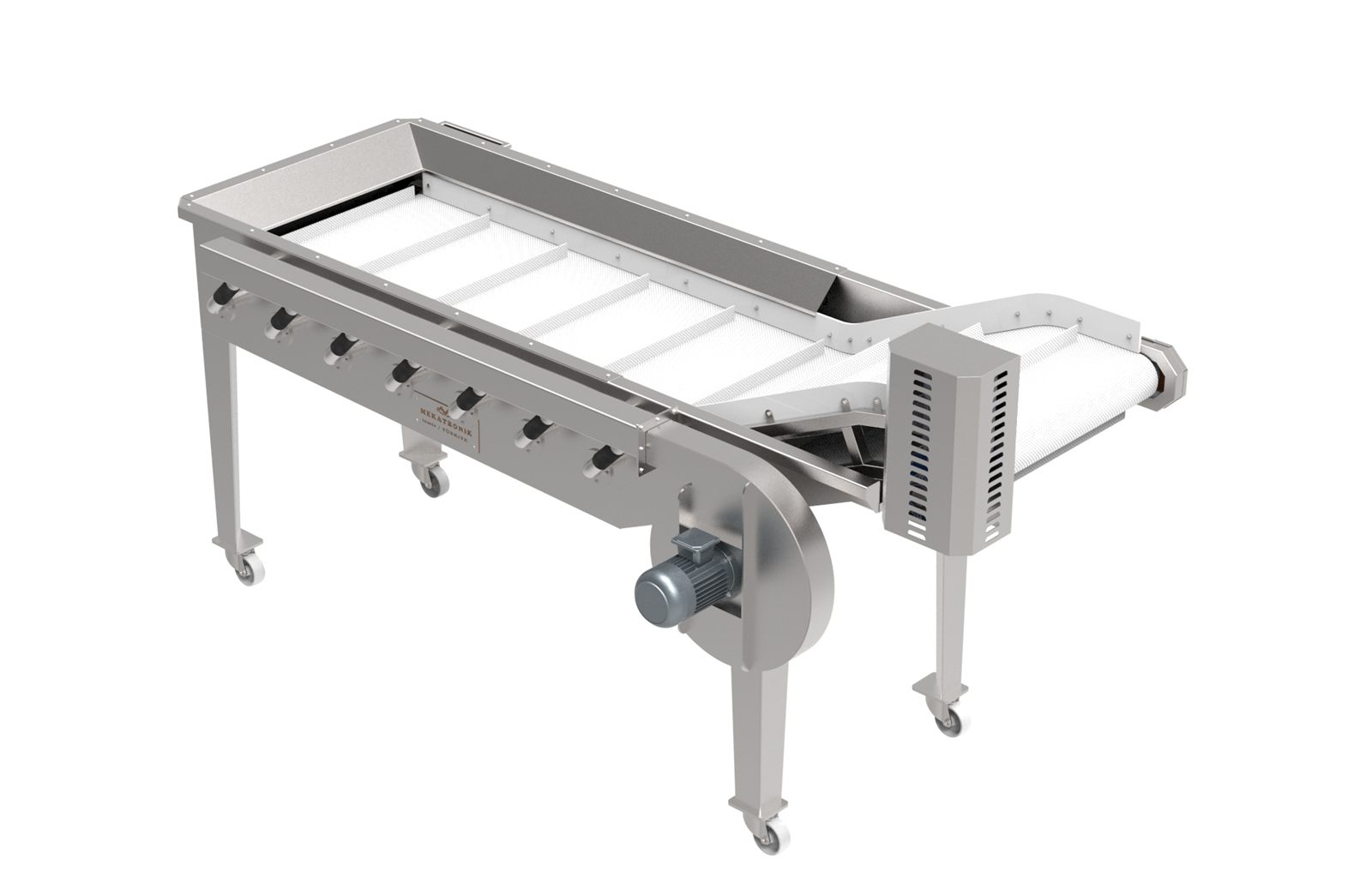
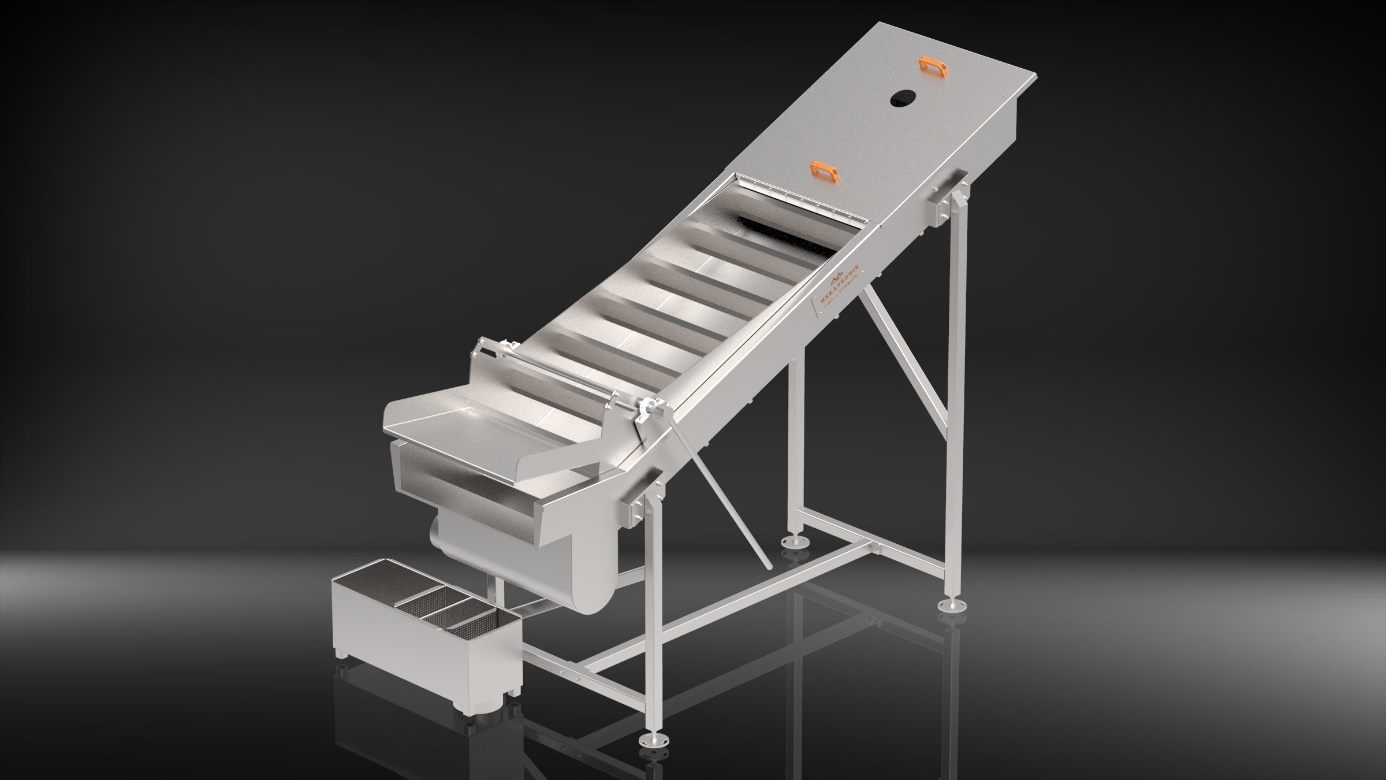
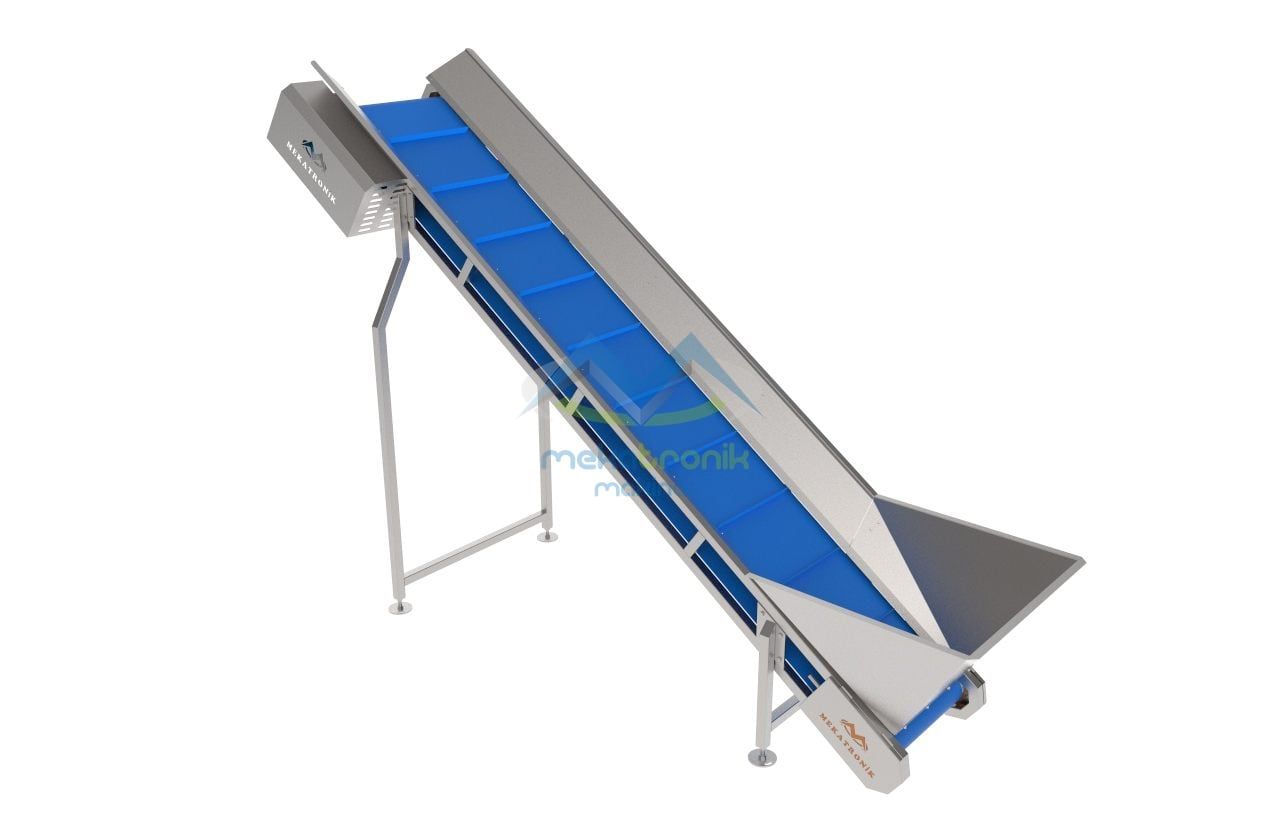
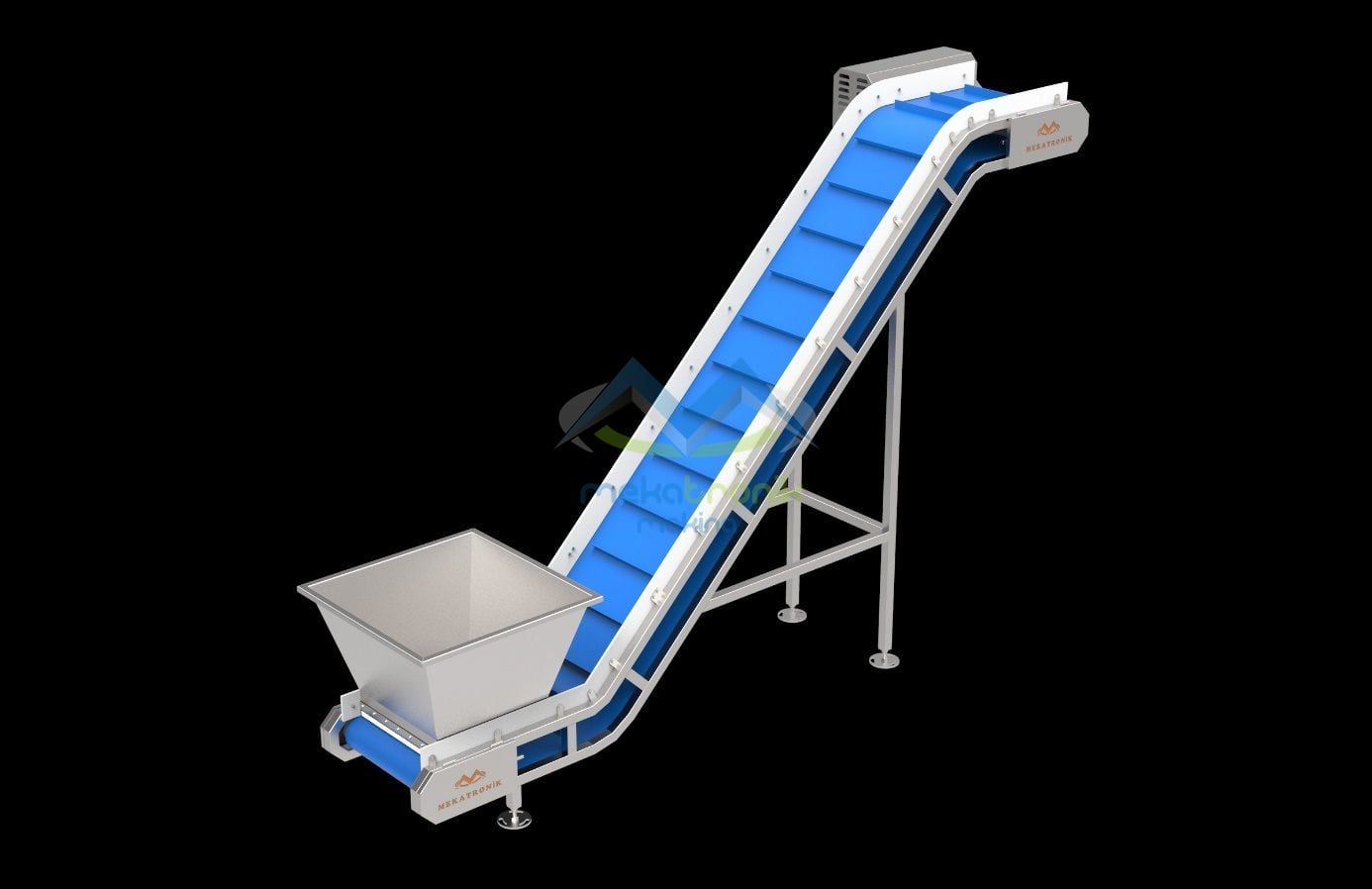
AISI 304 is the default stainless grade for equipment that contacts dried fruit directly: conveyor belts and frames, brush washing drums, sorting tables, filling hoppers. It resists the organic acids naturally present in fruit, cleans easily under normal washdown, and holds up to the abrasion of handling raisins, apricots, figs, tomatoes, or dates. For most of a line, this is the correct and sufficient choice, and it is the baseline material across Mekatronik Makina's washing and drying equipment.
02
Where AISI 316 Earns Its Place
AISI 316 adds molybdenum, which raises resistance to chloride-based corrosion. On a dried fruit line, that matters wherever salt or brine is part of the process rather than just the product passing through. A salt dissolving tank that prepares brine for fig washing, for instance, sits in continuous contact with a chloride solution, and prolonged brine exposure is exactly the kind of duty that gets evaluated for the upgrade from 304.
Typical situations where the upgrade to 316 is considered:
- 01Tanks and piping that handle brine or salt solutions
- 02Equipment exposed to chlorine-based sanitizers at higher concentration or longer dwell time
- 03Plants in coastal or high-humidity locations where atmospheric chloride is elevated
- 04Fittings and seals in extended contact with process liquids beyond ordinary fruit contact
03
Product-Contact vs Process-Dependent: The Real Distinction
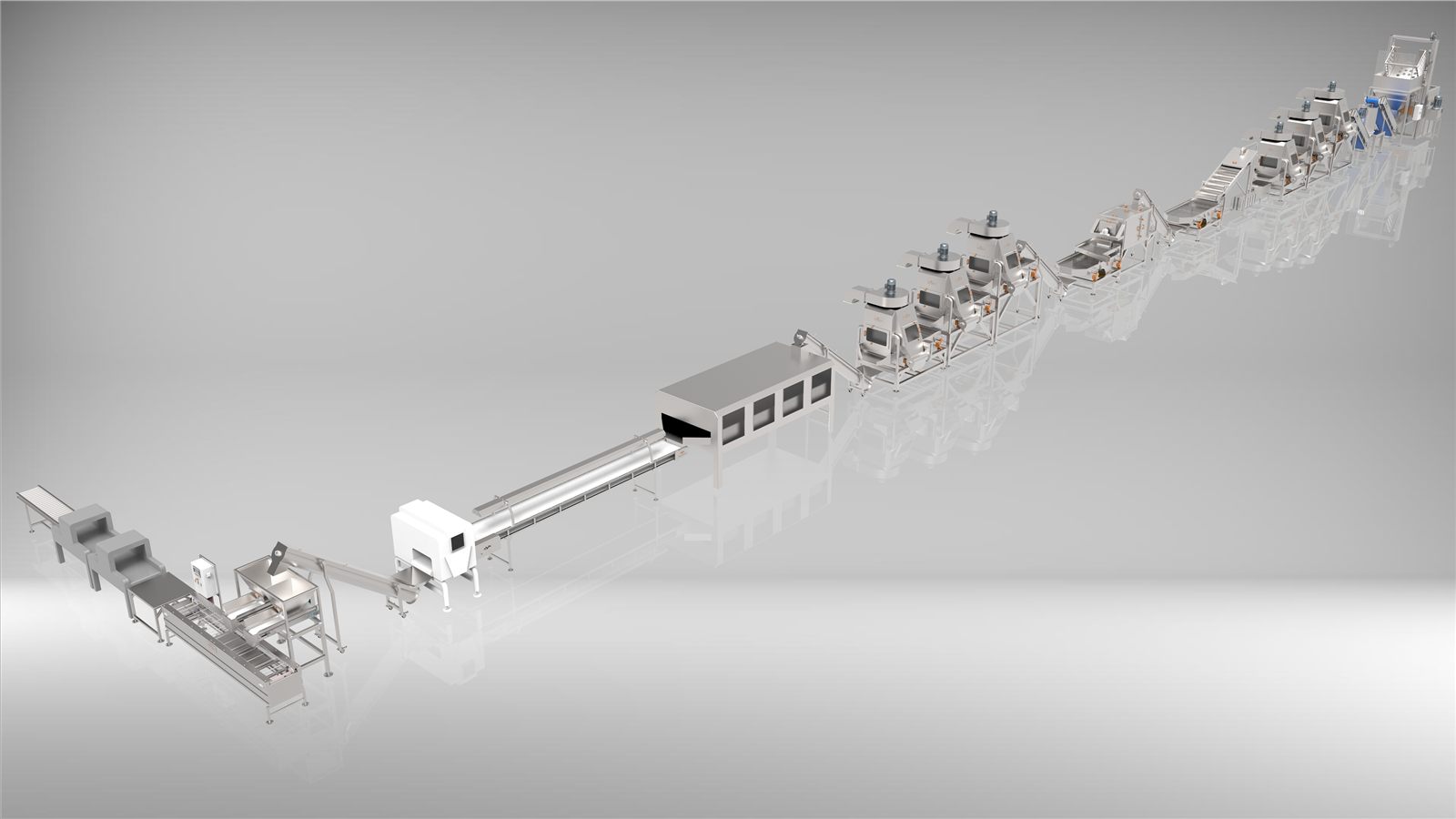
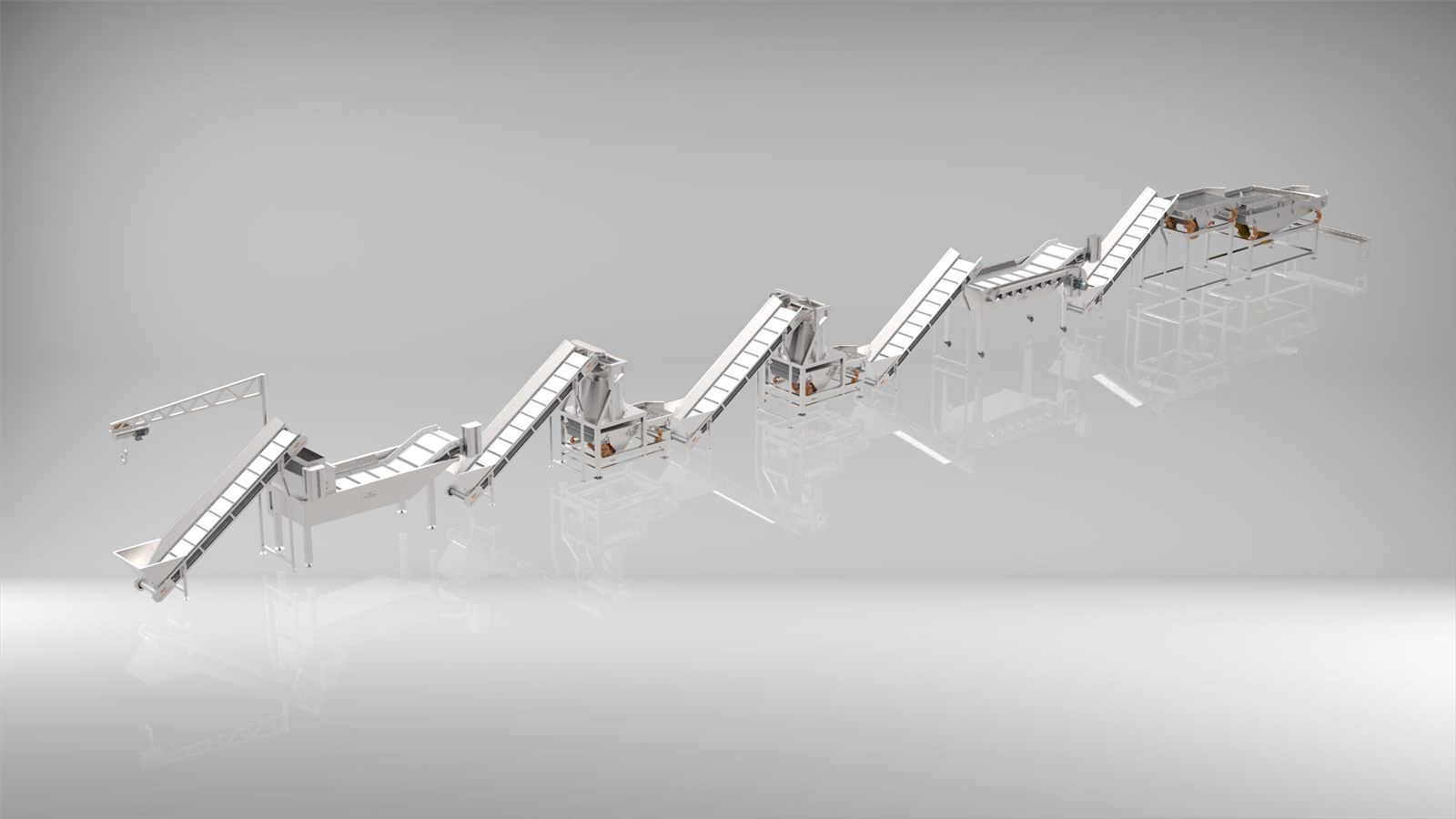
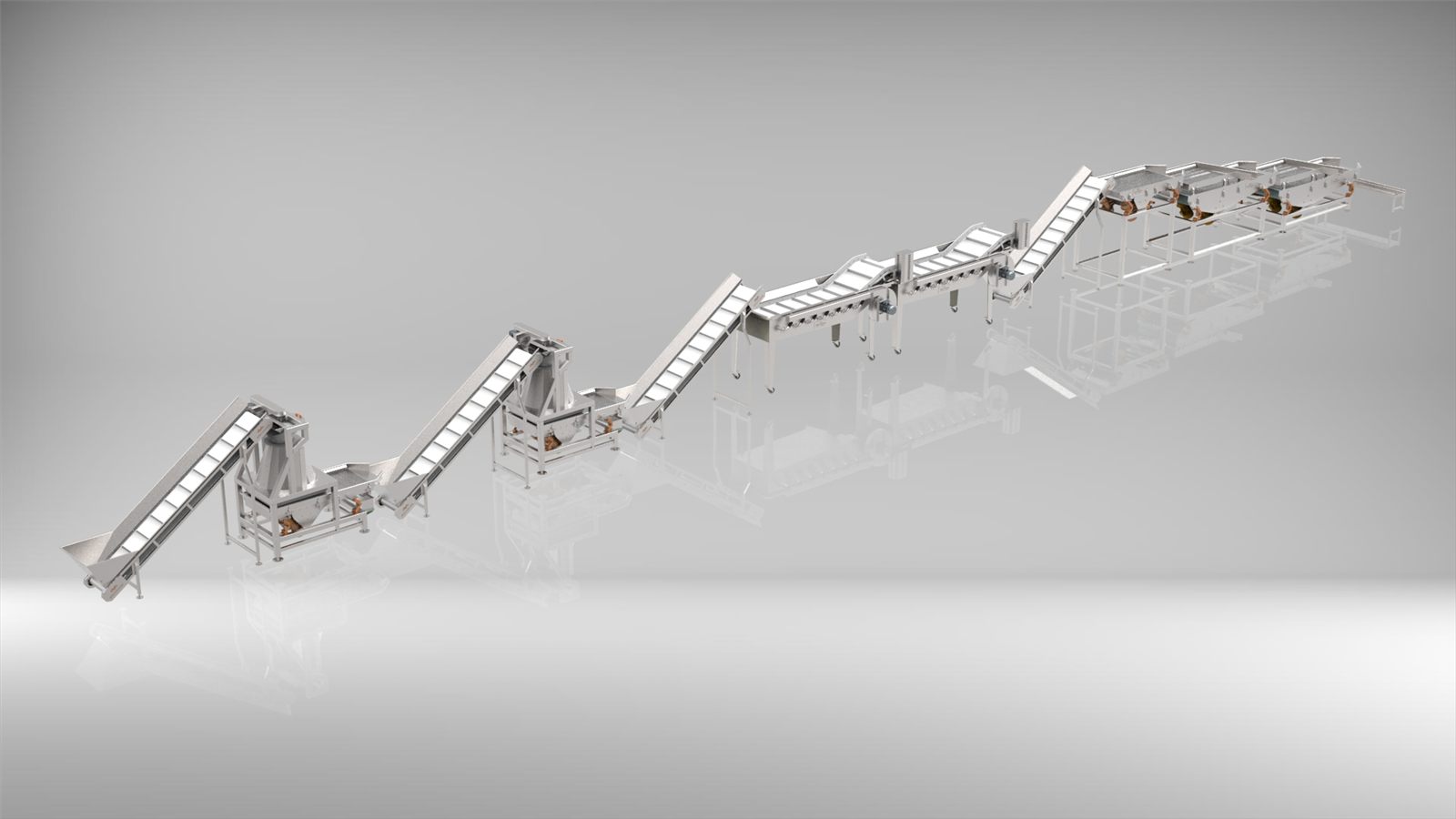
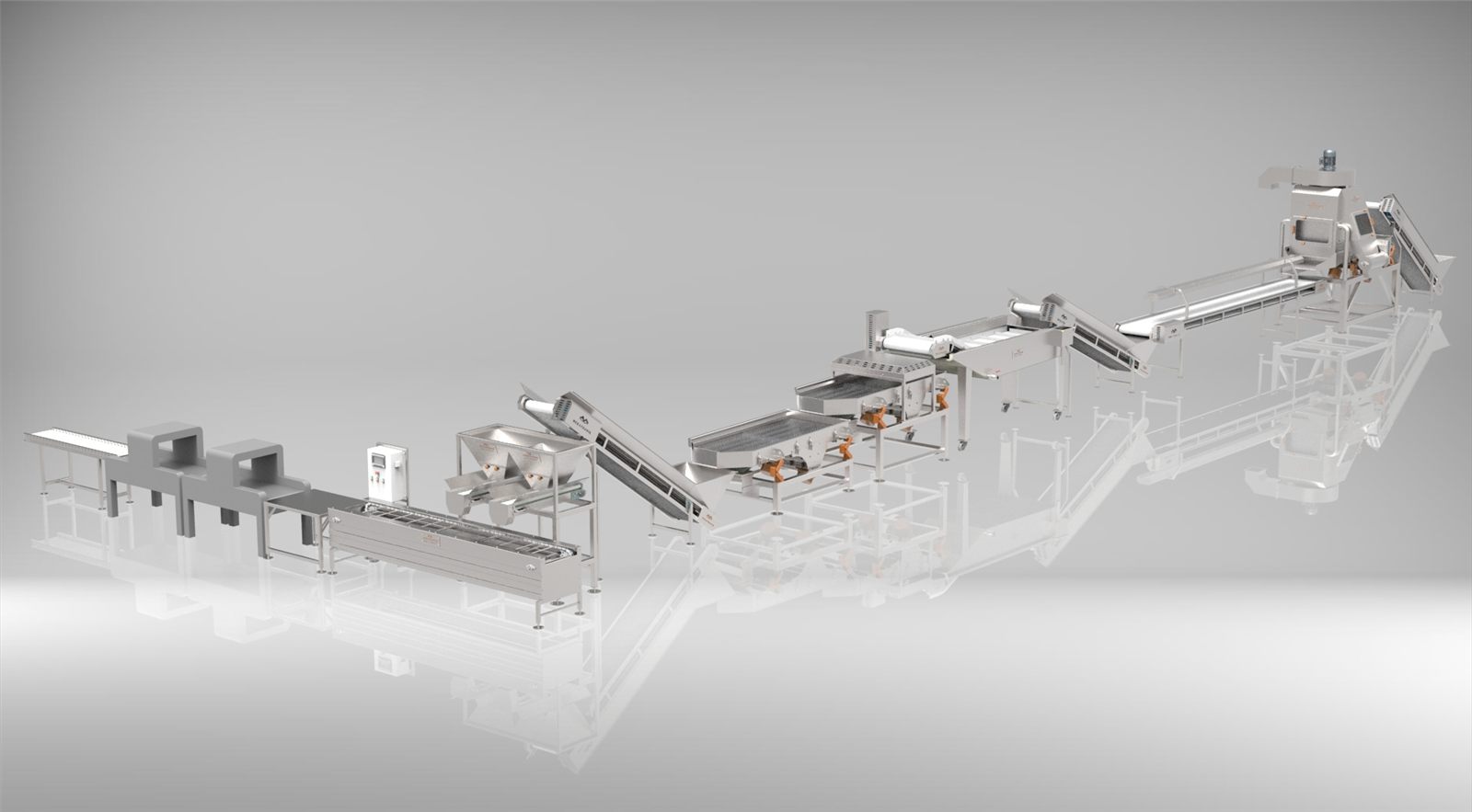
The mistake is treating stainless as a single material choice for an entire machine. A processing line is a set of zones, not one material. Surfaces the product physically touches make up the product-contact zone; tanks, piping, and fittings carrying process fluids are process-dependent zones, and their grade is chosen by what runs through them, not by proximity to the product-contact zone alone.
| Zone | Typical grade | Example |
|---|---|---|
| Product-contact surfaces | AISI 304 | Conveyor belts, sorting tables, washing drums |
| Structural frame and guarding | AISI 304 | Line frames, covers, support structure |
| Brine or salt process equipment | Evaluated per project | Salt dissolving tank, brine circuits |
| High-chloride cleaning cycles | AISI 316 where applicable | Fittings and seals in aggressive washdown zones |
04
Common Misreadings of a Stainless Spec Sheet
Two assumptions cause most of the confusion during a quote review. The first is assuming an entire line is one grade because a single component sheet says 316. The second is assuming any grade of stainless is corrosion-proof regardless of maintenance; even 316 will pit if chloride residue is left standing on a surface after cleaning, so washdown procedure matters as much as material choice. Neither AISI 304 nor AISI 316 removes the need for a documented cleaning routine.
05
How Material Is Specified on a Mekatronik Line
Mekatronik Makina has built dried fruit processing equipment since 1992, and the material logic above is documented rather than improvised: product-contact surfaces are food-grade AISI 304, and AISI 316 is applied depending on process, in line with the quality and certification framework covering CE conformity requirements. The same zone-by-zone logic applies across the machines in service across 22 countries, so a buyer reviewing a quote can ask, zone by zone, which grade is specified and why.
06
Next Step
If a project involves brine, salt, or an unusually aggressive cleaning cycle, the right grade for each zone is confirmed during quoting rather than assumed from a generic spec sheet. Start a line or machine quote and the material breakdown comes back zone by zone, not as a single blanket claim.