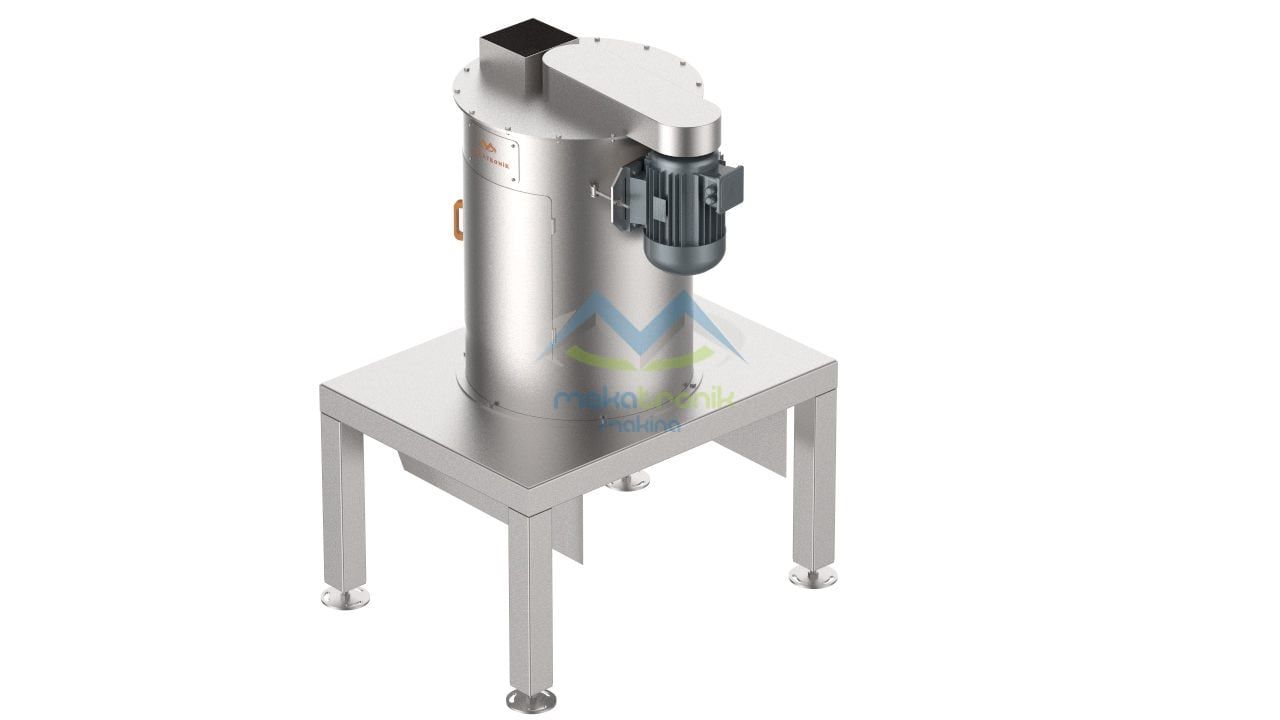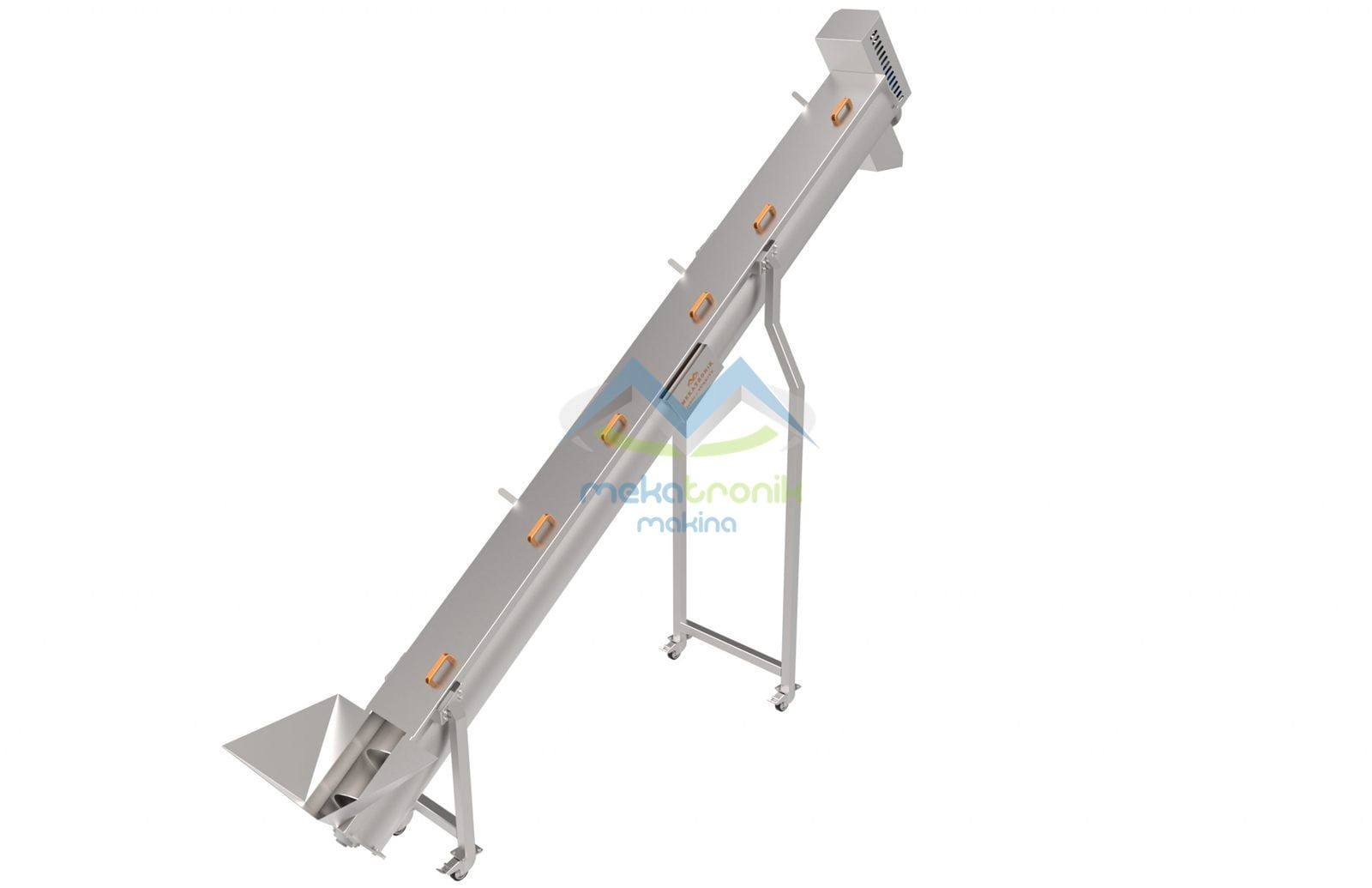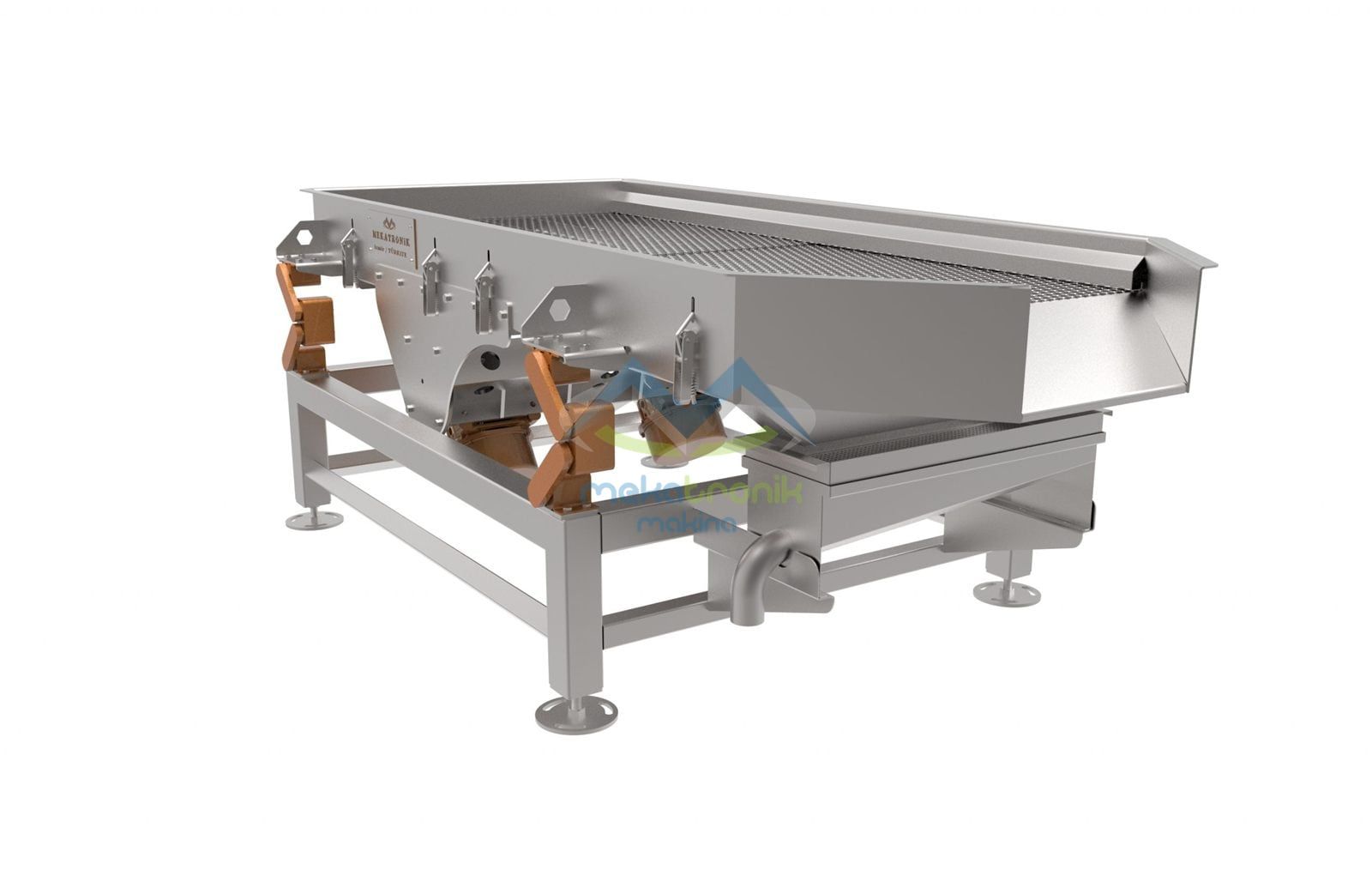
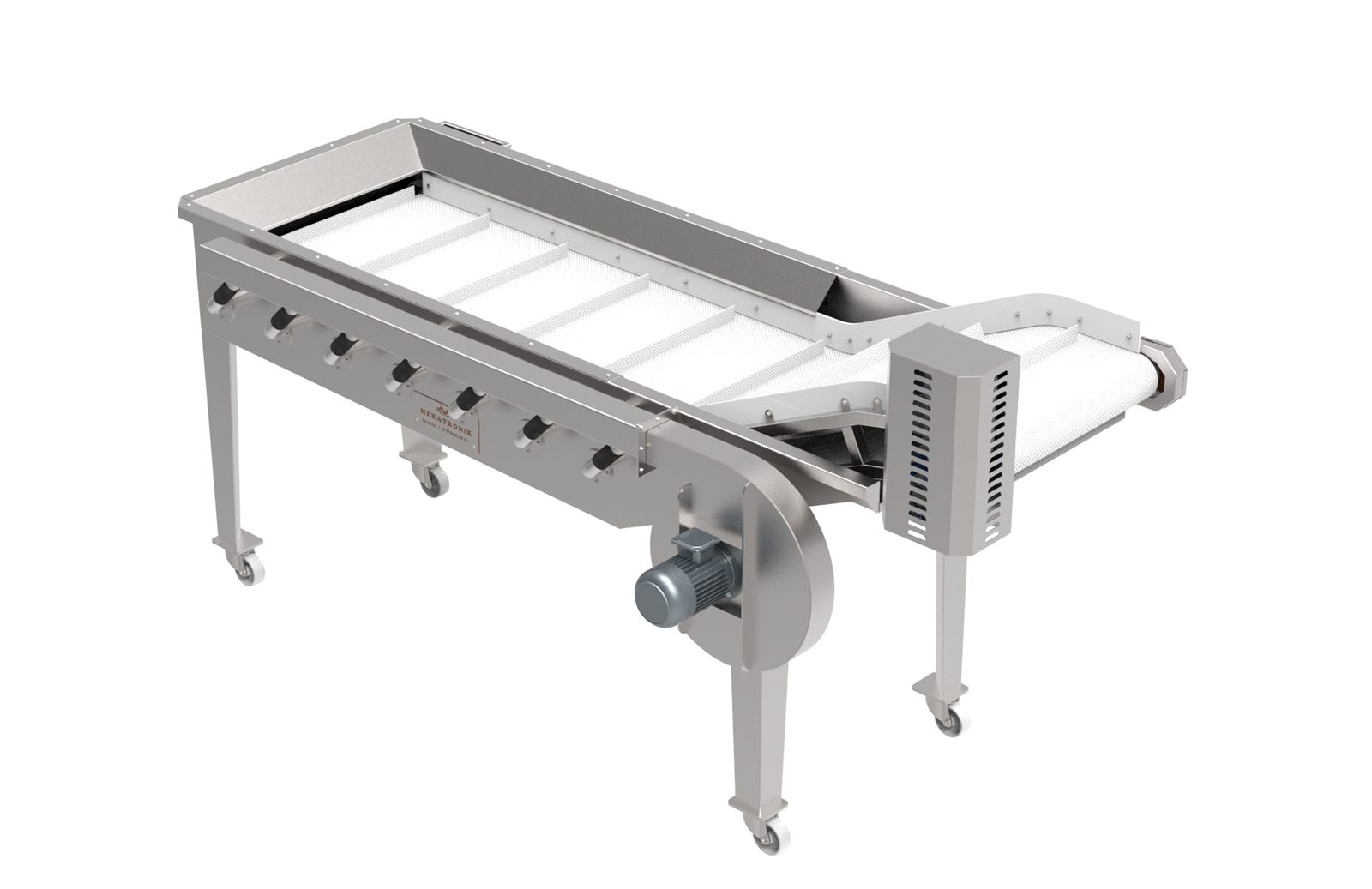
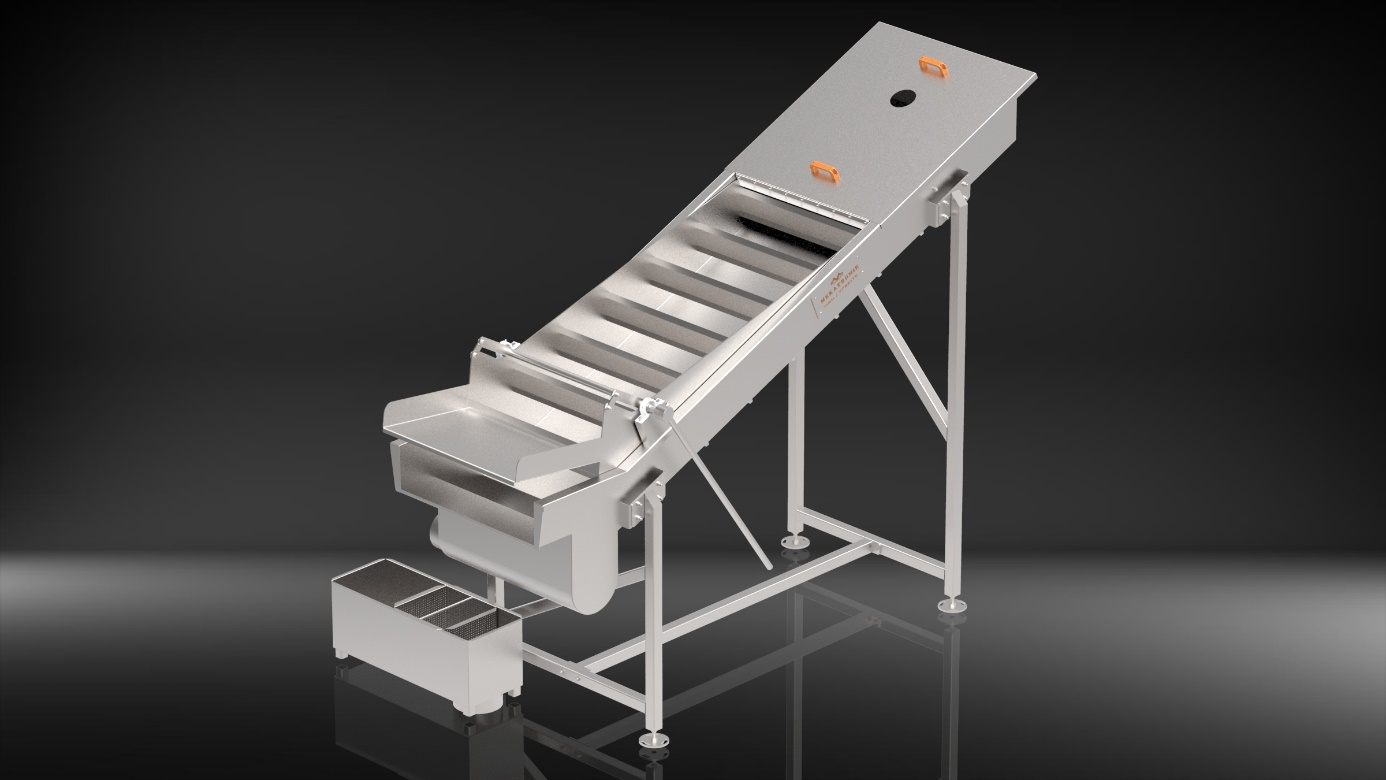
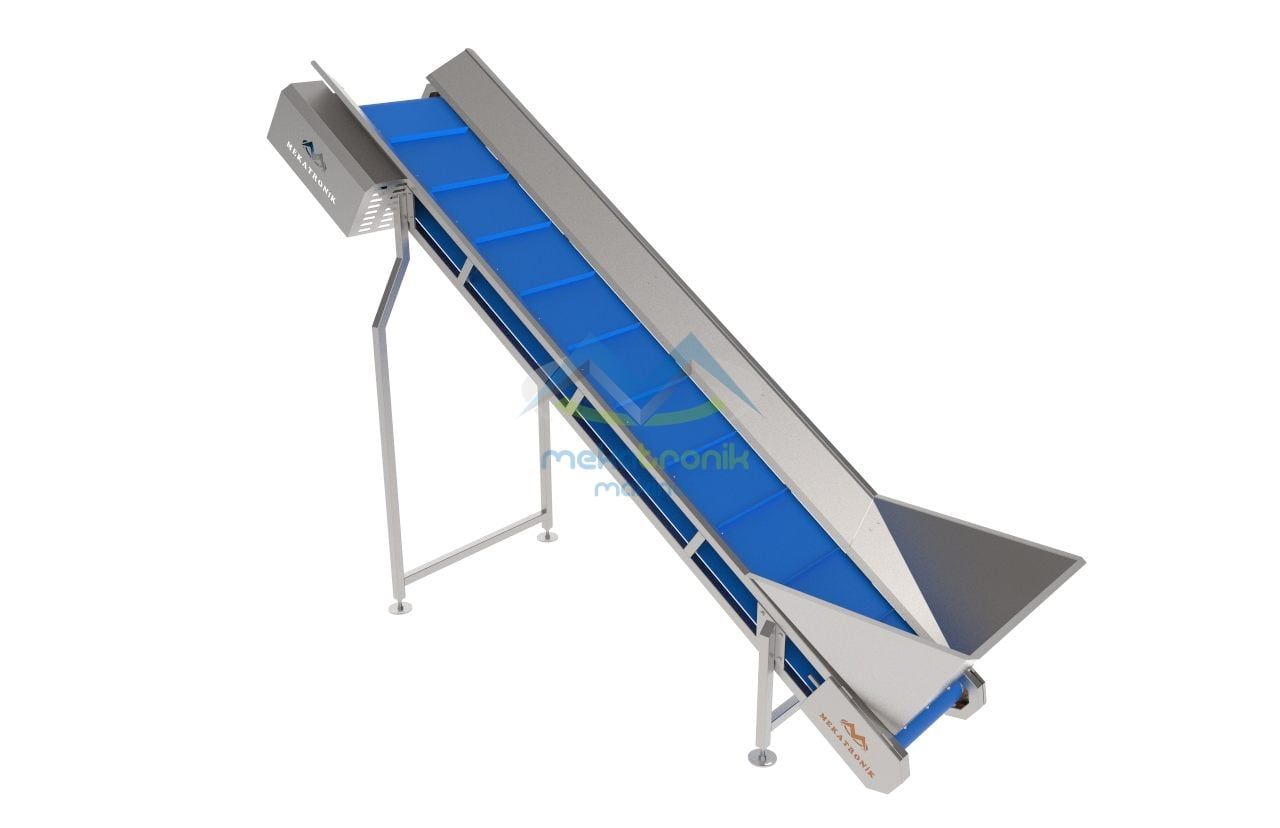
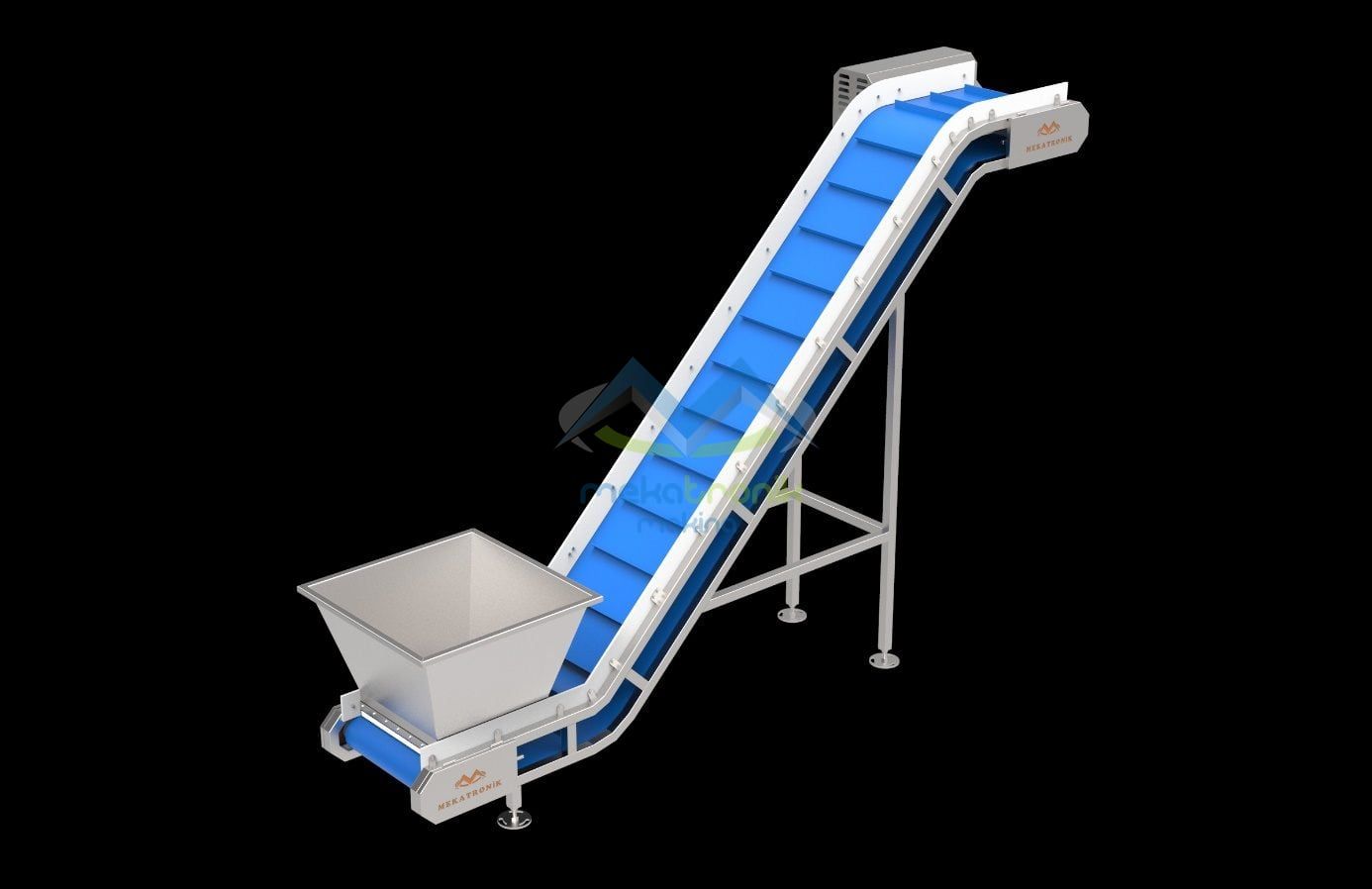
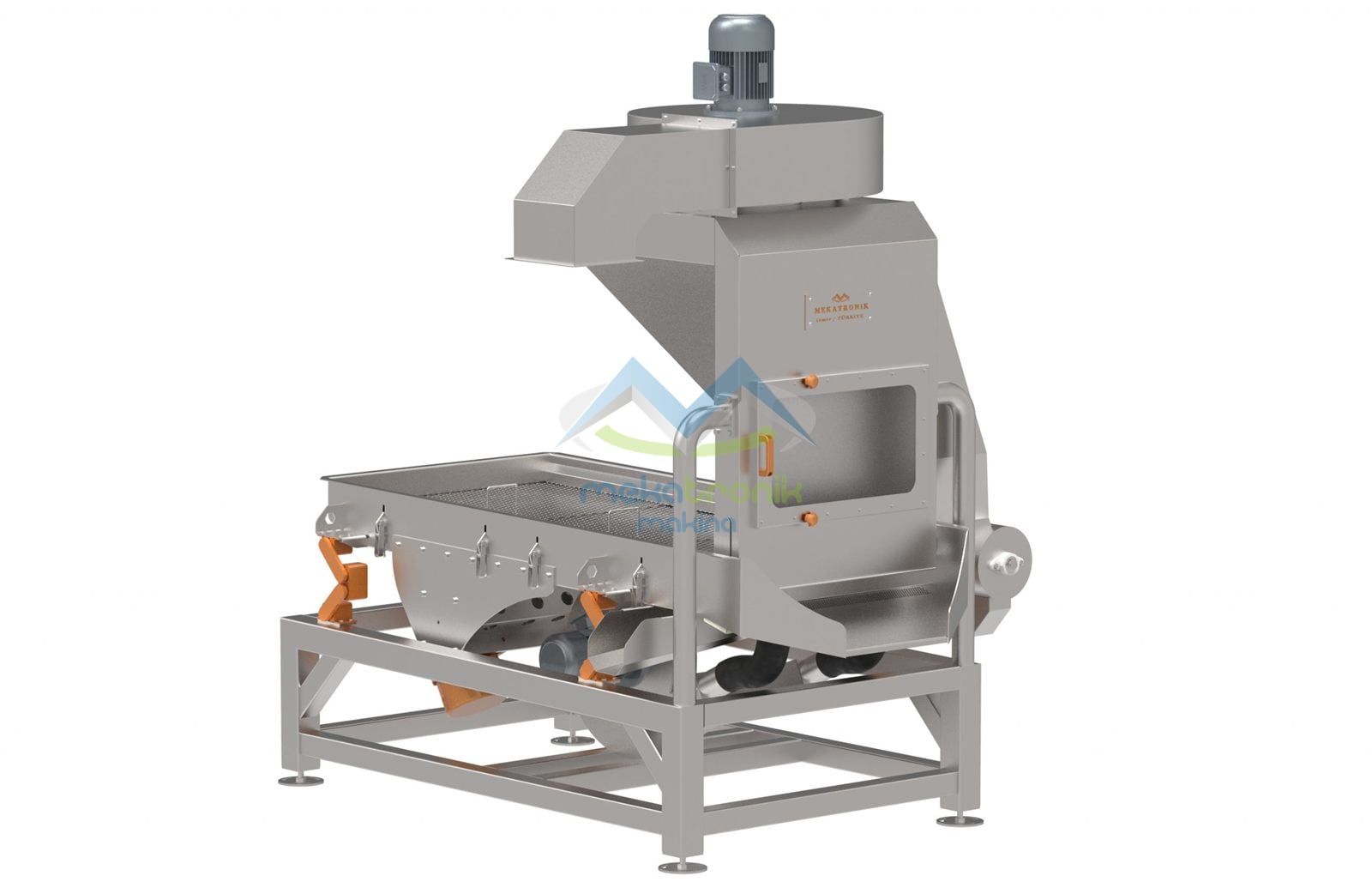
An aspirated shaker does two jobs at once: it screens stones and soil through the deck and draws light matter off with air. The second job is the one that is easy to get wrong, because the draw has to be strong enough to lift leaves and stems yet gentle enough to leave good product on the deck. This article covers how that balance is approached on the Screening Shaker Machine with Aspiration Unit.
01
How does the machine separate what it separates?
Product falls onto the screen deck and is sieved, which separates objects such as stones and soil. Light matter such as leaves, stems and debris is not removed by the deck. It is drawn off by aspiration and discharged. The result is screening and aspiration combined in a single machine, which can also perform sizing and foreign matter removal together on products such as raisins, beans, chickpeas, sunflower seeds and pumpkin seeds.
The machine is driven by vibration motors for the screening movement and by a separate fan for the aspiration, so the two actions are not one setting. They work on the same product but answer to different things.
02
What decides how strong the draw should be?
Air carries away what is light for its size. That is exactly why the same draw behaves differently on different products. Look at the following before the line is commissioned.
- 01Weight of the product itself: light seeds and fruit sit closer to the weight of the debris than heavy beans or chickpeas do.
- 02Type of the debris: dry leaf and stem lift easily, while a damp or heavy piece may not.
- 03Dust load: a dusty product asks more of the aspiration than a clean one.
- 04Feeding rate: a thick layer on the deck hides debris from the air, a thin even layer exposes it.
- 05What follows the machine: the next station decides how clean the product must leave.
These factors do not combine into a single figure we can quote. The draw is matched to the product and the load, agreed at the quote stage and checked with the real product during commissioning.
03
What if good product is being drawn off?
This is the sign that the draw is too strong for the product, or that the layer on the deck is too thin and uneven. Look first at the feeding pattern, then at the aspiration. The opposite sign, leaf and stem still present after the machine, points to too little draw or to a layer too thick for the air to reach the debris.
| What is observed | Likely cause | Where to look |
|---|---|---|
| Good product found in the discharge | Draw too strong for this product | Aspiration and layer thickness |
| Leaf and stem still in the product | Draw too weak, or layer too thick | Aspiration and feeding rate |
| Stones or soil pass through | Screen does not suit the product | Screen and its condition |
| Product sticks to the deck | Moist or sticky product | Product moisture and screen cleaning |
04
Is there a version that helps the debris reach the aspirator?
Yes. A bottom-blown model is offered as an option, where blowing from below carries the debris to the aspirator faster. It suits products whose debris tends to stay in the product layer, and it should be chosen at the quote stage, not added as an afterthought.
05
How do the screens and cleaning fit in?
The screens are made of stainless steel specifically for the product group, and they can be replaced, with a quick-release system for taking them out. Easily reached maintenance covers allow quick cleaning. The body and product-contact surfaces are AISI 304 stainless steel, with AISI 316 optional depending on the process, which does not cover the motors or the fan.
Clean the deck and the screen at every product changeover, and look at the aspiration path as well: dust that settles there reduces the draw without any visible fault on the deck.
06
Where does it sit in the line?
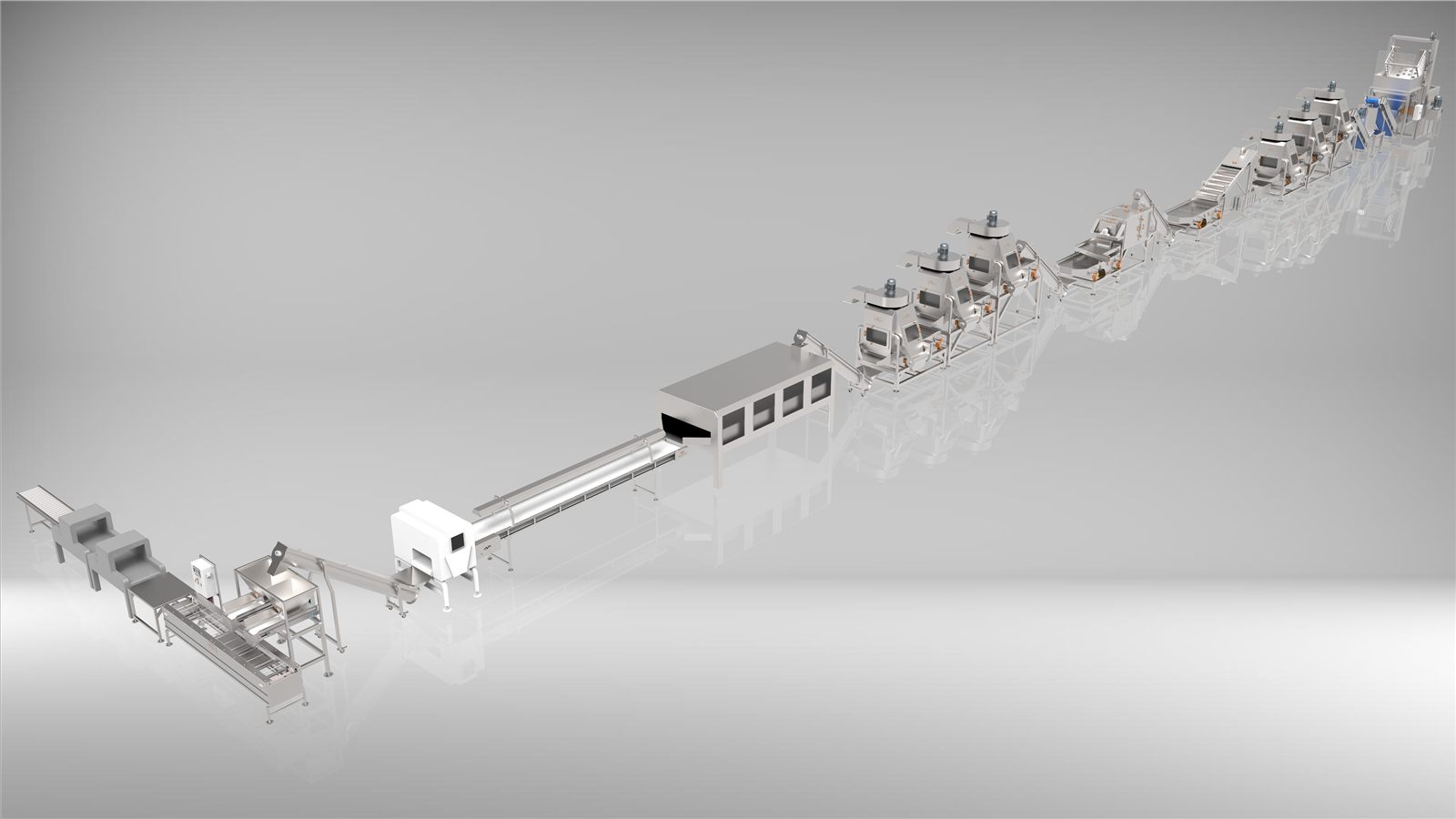
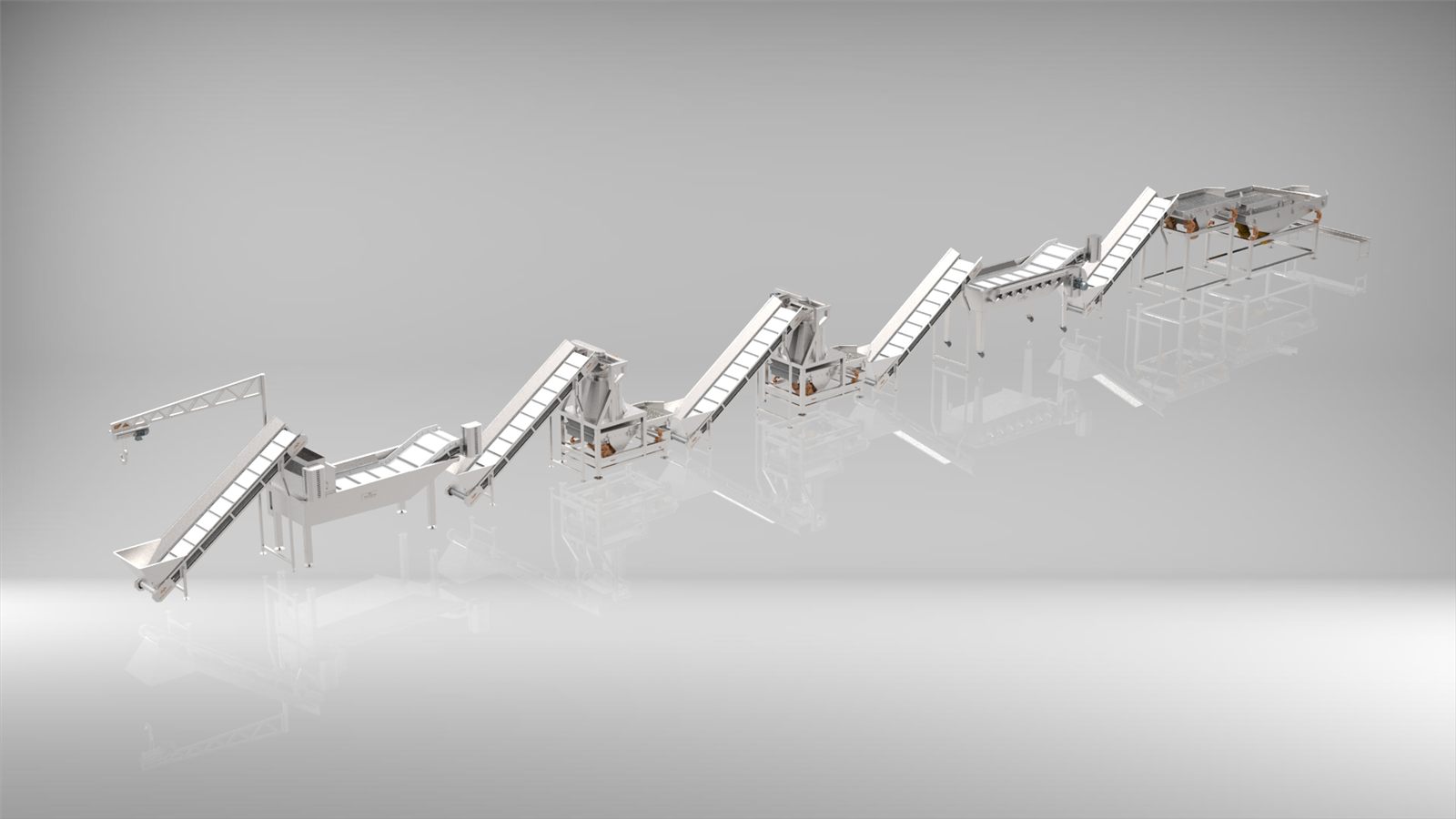
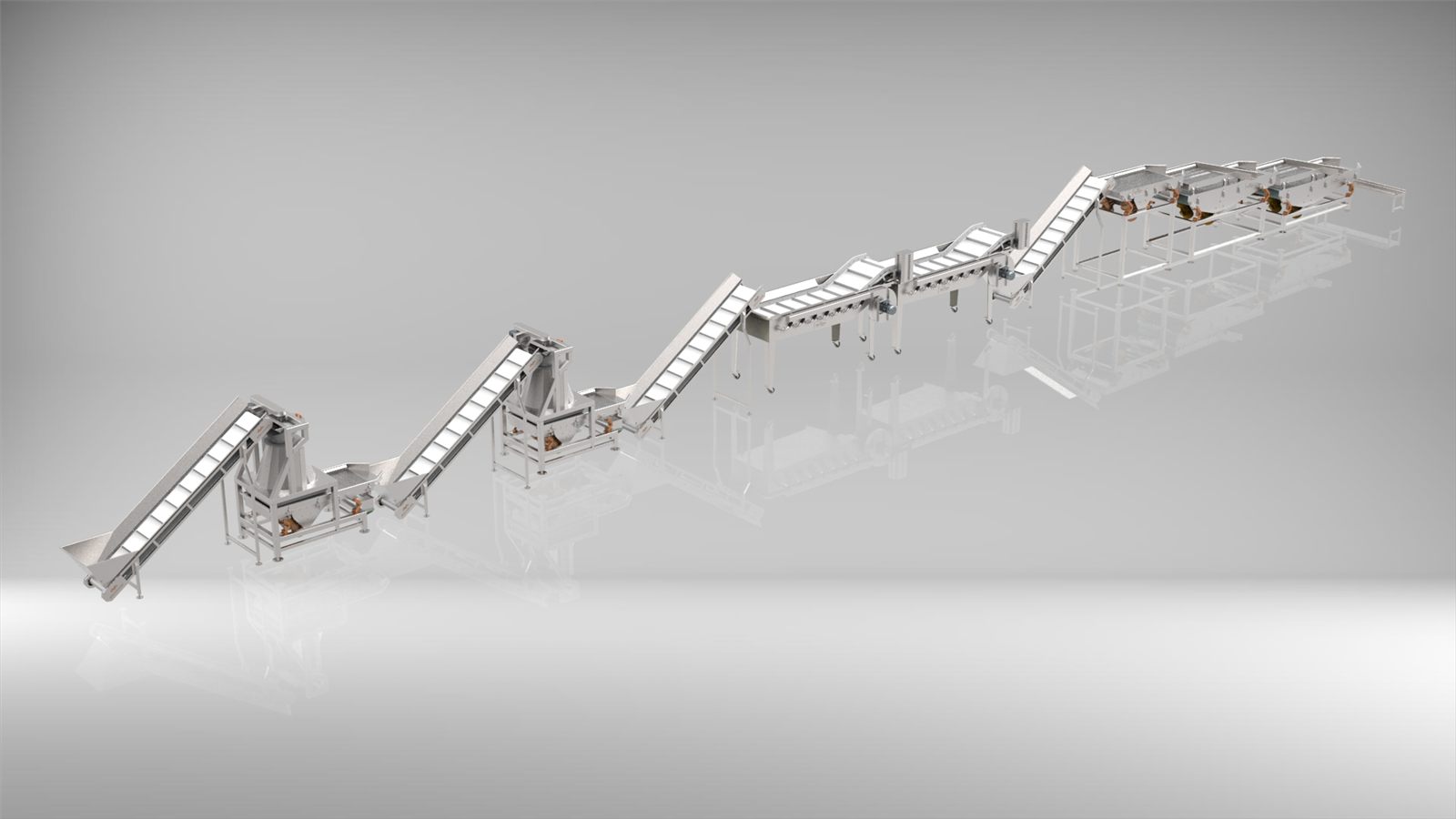
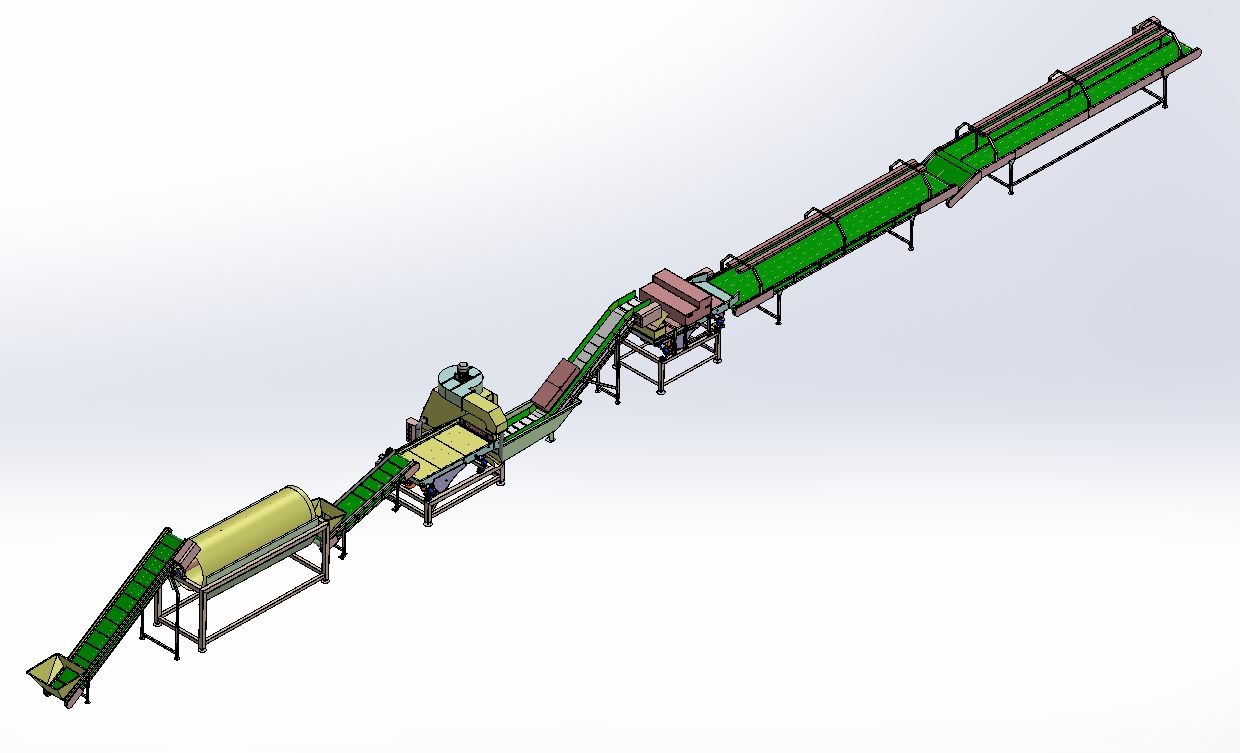
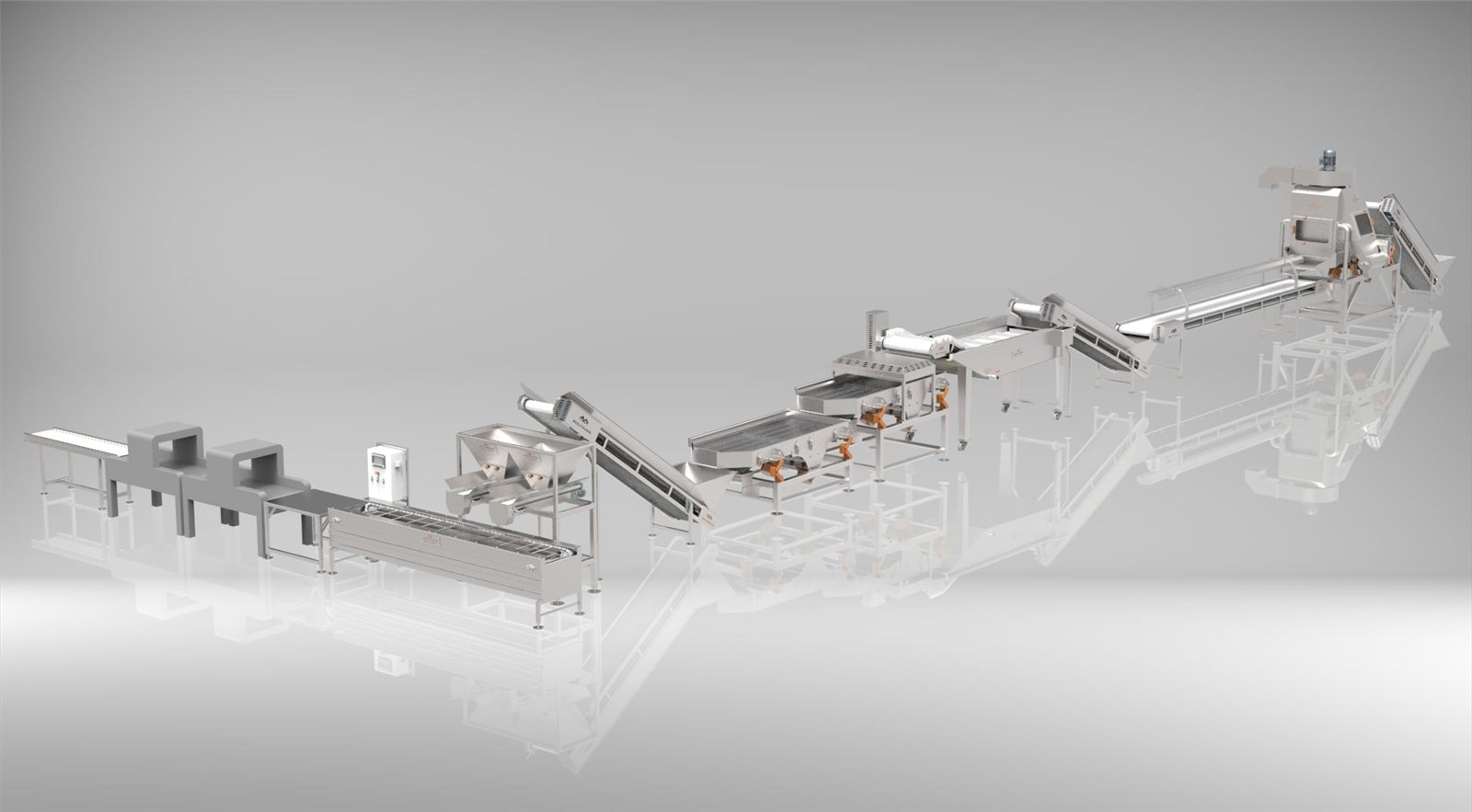
It follows the breaker stage and comes before washing or pitting. On the Raisin Processing Line it removes stems, dust and light foreign matter with air suction as the product moves by vibration, and the Date Processing Line uses it in the same way. Capacity is defined per project, and control can be a PLC or independent operation.
07
Next step
To set the draw for your own product, tell us what you process, what debris comes with it and how clean it must leave. Send it through the quote page and the screen, the aspiration and the control will be settled together with the project drawing.