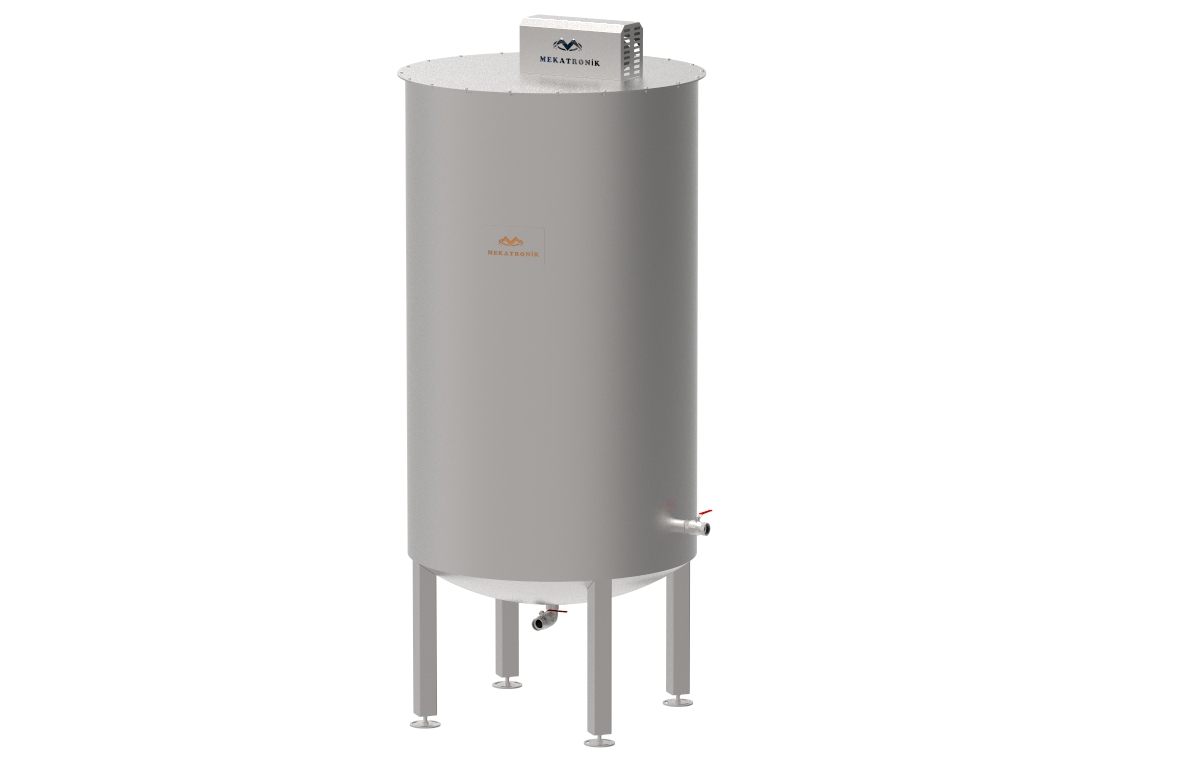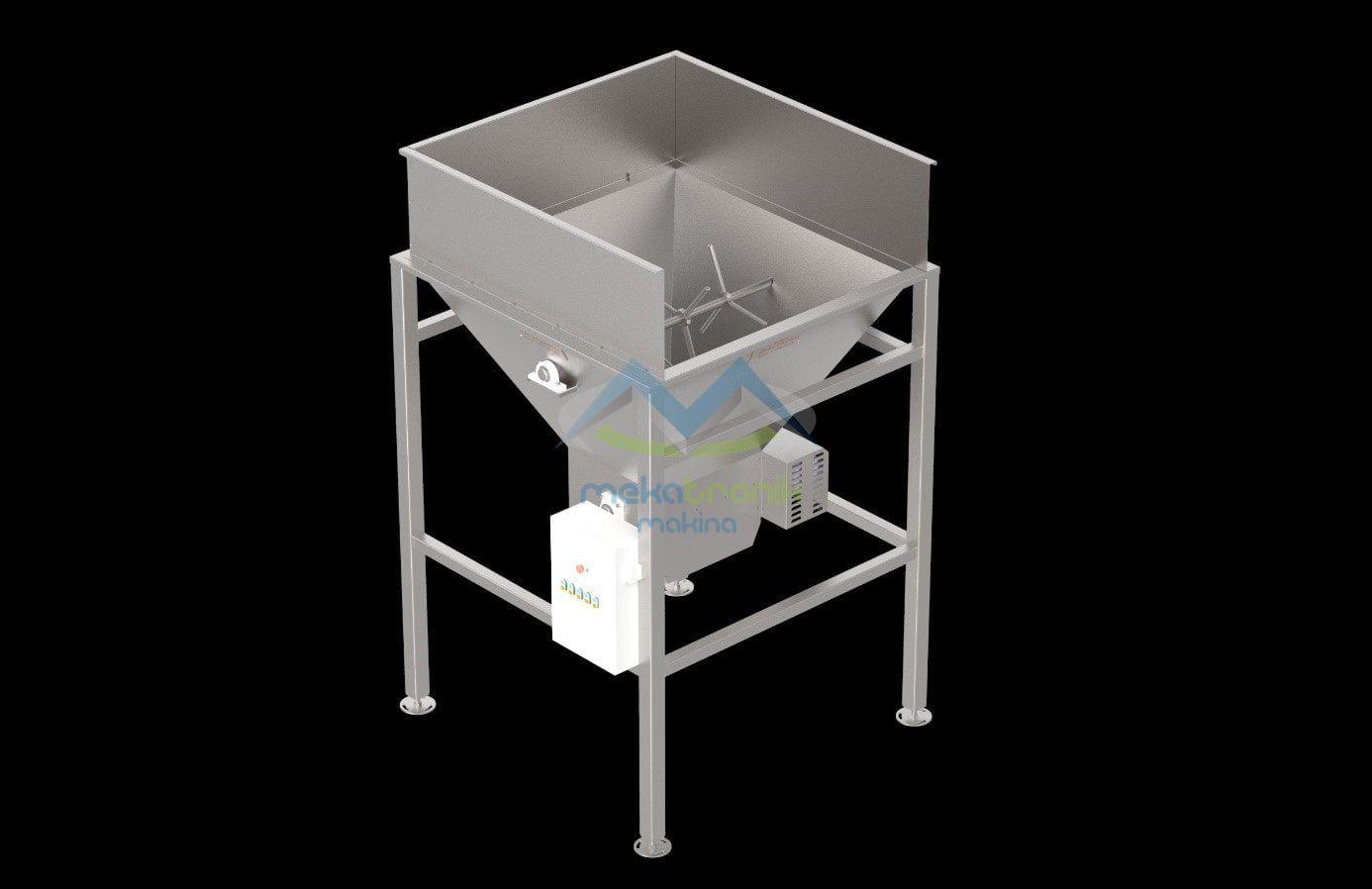
A brine line puts stainless steel in contact with chloride all day, and that changes how the grade should be chosen. A salt dissolving tank prepares the salt water used in dried fig washing, so the question is not whether the tank is stainless, but which stainless grade touches the brine. This article explains where AISI 304 and AISI 316 differ and what to settle before an offer is prepared.
01
Why does brine behave differently from clean water?
Stainless steel resists rust because of a thin chromium oxide film on its surface. Chloride ions can break this film locally. The damage rarely spreads evenly over the whole sheet; it usually shows up as small pits, or as crevice attack in gaps where liquid stays still. Salt water is by definition rich in chloride, so a tank that holds it is a harder environment than a tank that holds ordinary rinse water.
This is why the word "stainless" alone is not a sufficient guarantee for a brine tank. How the tank ages depends on the salt concentration, the water temperature, how long the brine sits in the tank, and how the tank is cleaned afterwards.
02
What separates AISI 304 from AISI 316?
Both are austenitic stainless steels. The difference is that AISI 316 contains added molybdenum, which general materials references link to better resistance against pitting and crevice corrosion in chloride environments. The same references note that as chloride level and temperature rise, 304 becomes more exposed to this kind of damage, which is why 316 is commonly discussed for brine and marine-type duties.
This is general material knowledge, not a promise about the service life of a particular tank. Actual life changes with operating conditions, cleaning routine and the quality of the weld work.
03
What does the product catalogue say about materials?
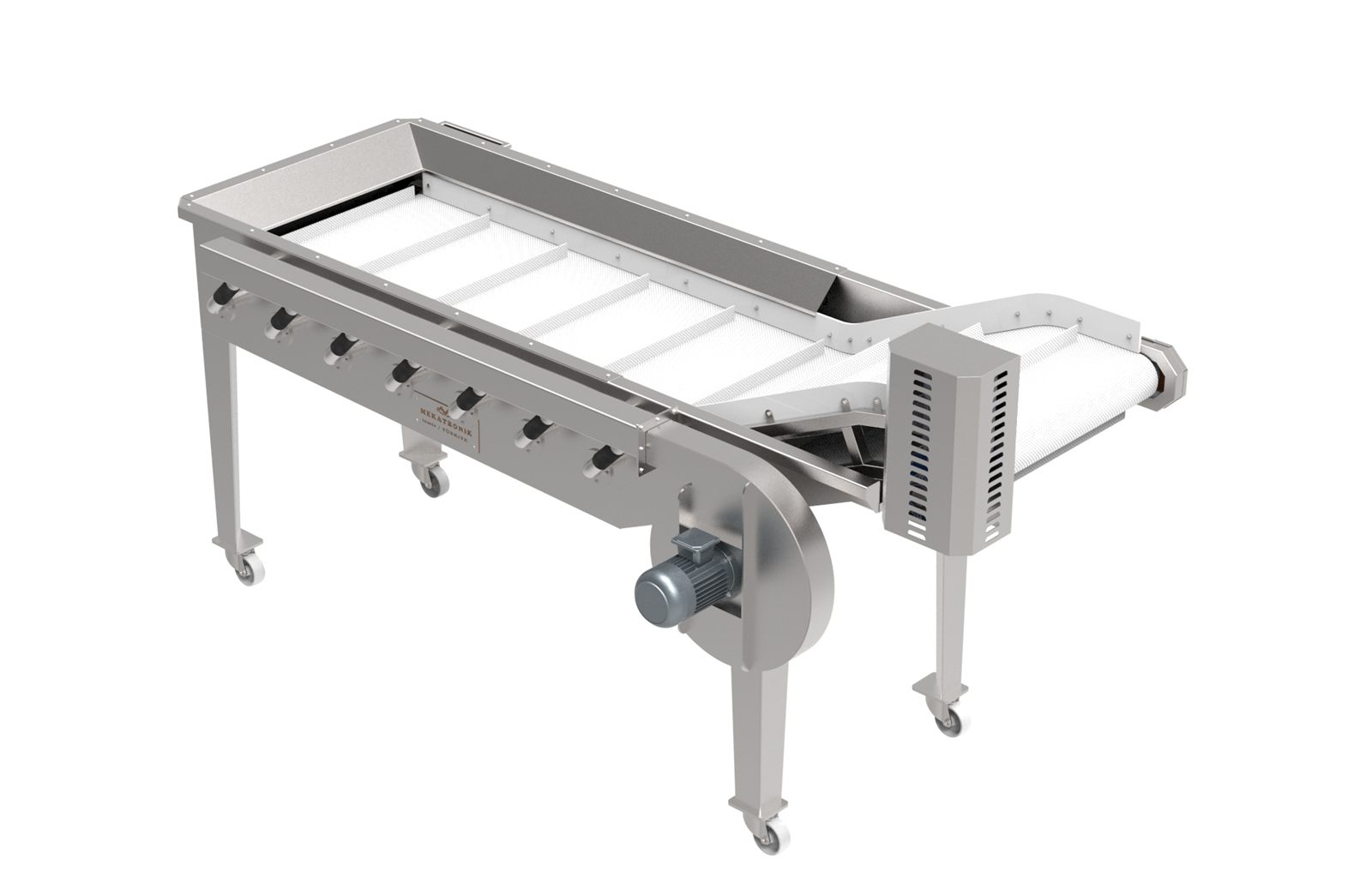
In our catalogue record, the body is AISI 304 stainless steel. The product-contact surface is also AISI 304, with AISI 316 available as an option depending on the process. So it would be wrong to say the whole machine is built in one grade, or that every configuration ships in 316. The higher grade is a choice made when the process calls for it.
| Item | Catalogue information |
|---|---|
| Body material | AISI 304 stainless steel |
| Product-contact surface | AISI 304 (AISI 316 optional, depending on process) |
| Working principle | Salt is dissolved inside the tank to prepare brine |
| Capacity | Defined per project |
| Dimensions | Custom manufacturing possible for the site and purpose |
04
When is it sensible to discuss 316?
There is no single rule. These points are looked at together when the project is quoted:
- 01How long the brine stays in the tank: a tank emptied after every washing round is not in the same condition as one that stays full for days.
- 02Water temperature: the effect of chloride grows with temperature, so it matters whether the line uses warm or hot water.
- 03Salt concentration and salt quality: the salt you use and the solution you prepare should be written down at the start.
- 04Cleaning and rinsing routine: brine left to dry on a surface leaves chloride behind, and regular rinsing helps.
- 05Other equipment on the same line: for machines such as the universal washing machine (jacuzzi), which also works with salt water, the same question is asked for the product-contact surface.
In brine tanks the sheet grade is only part of the story. Surface finish, weld quality and complete drainage matter as much, because chloride acts most in corners, around welds and in places that are hard to clean. The catalogue gives no figures for these details, so they are settled project by project in the offer.
In practice the useful question is not "is 316 mandatory" but "which grade is safer for the product-contact surface under this plant's conditions". The answer can be given once the plant conditions are shared.
05
Where does the tank sit in a dried fig line?
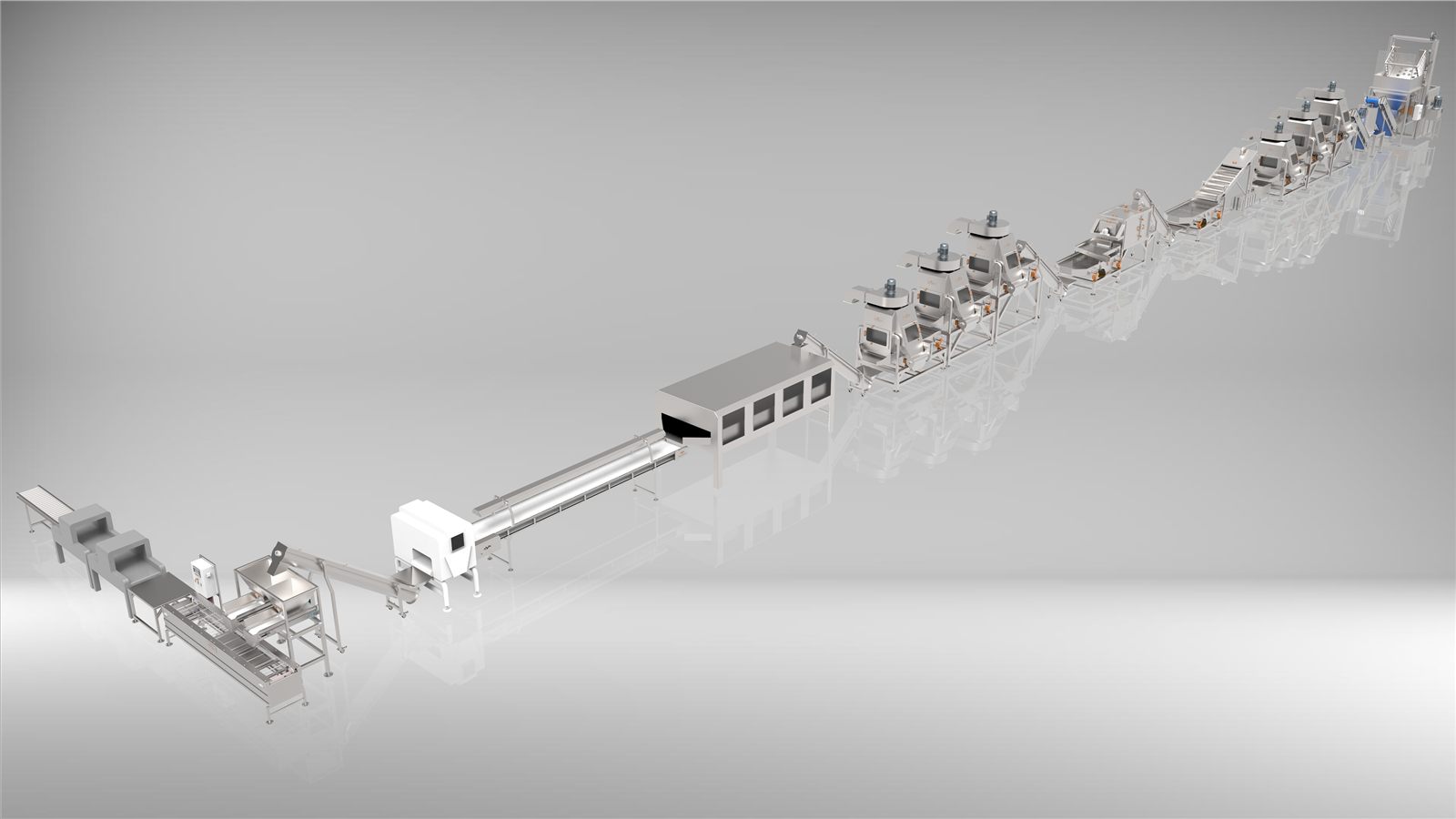
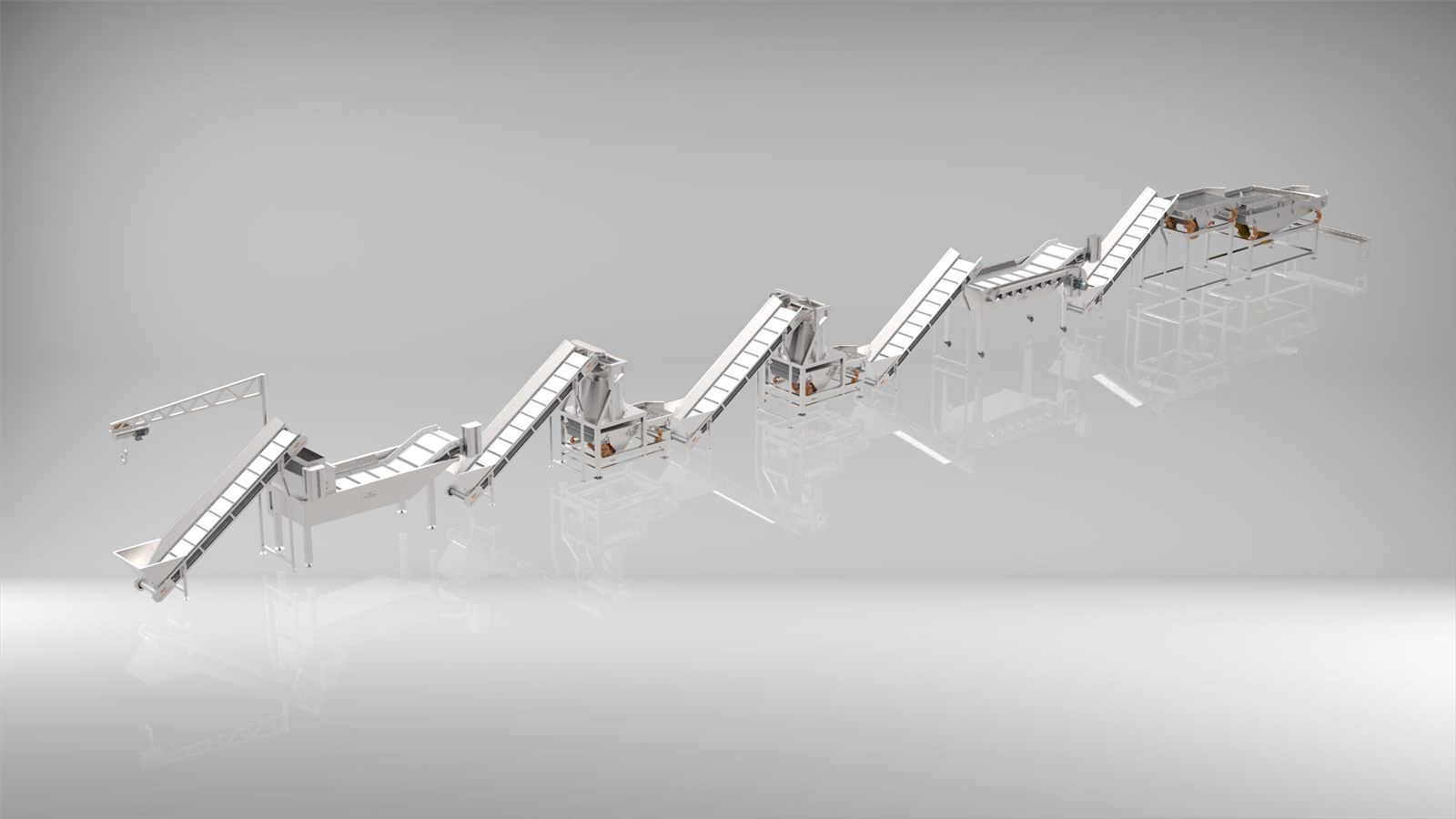
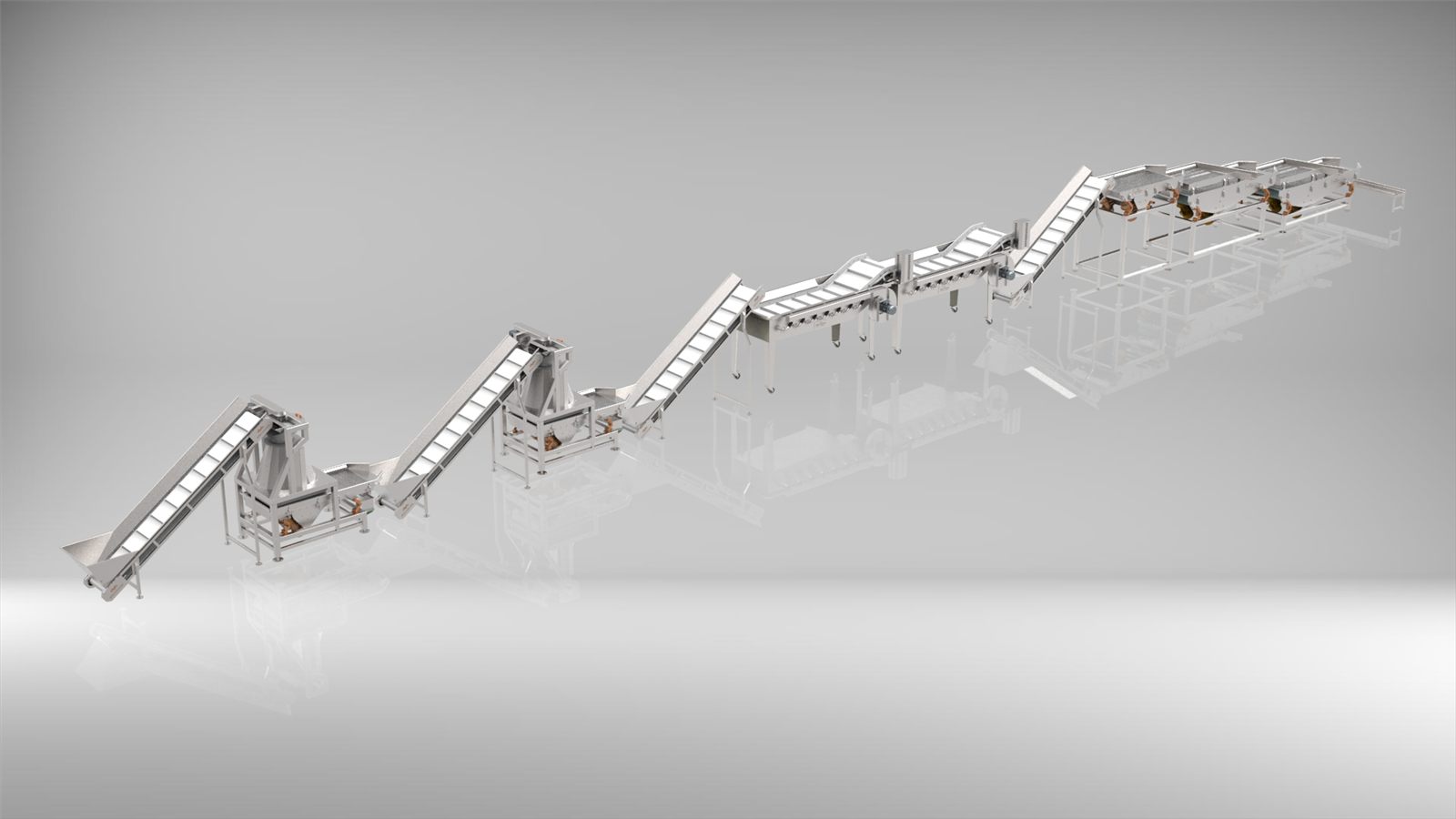
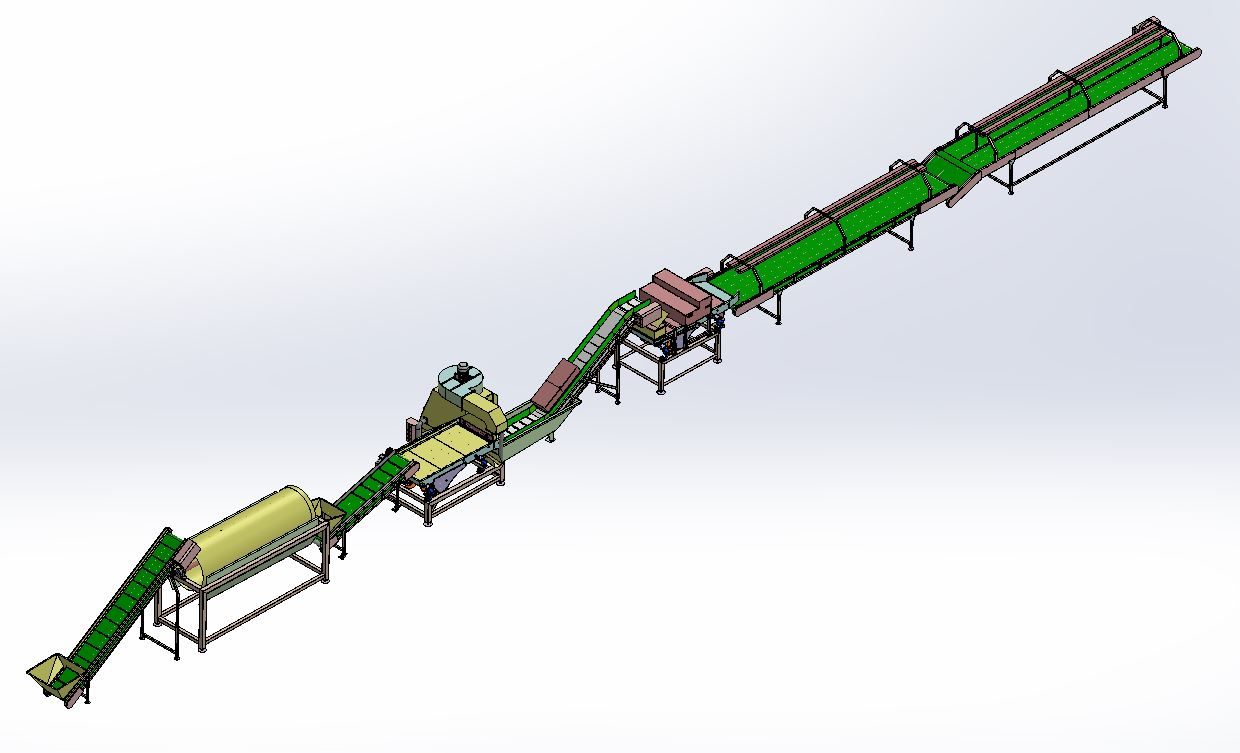
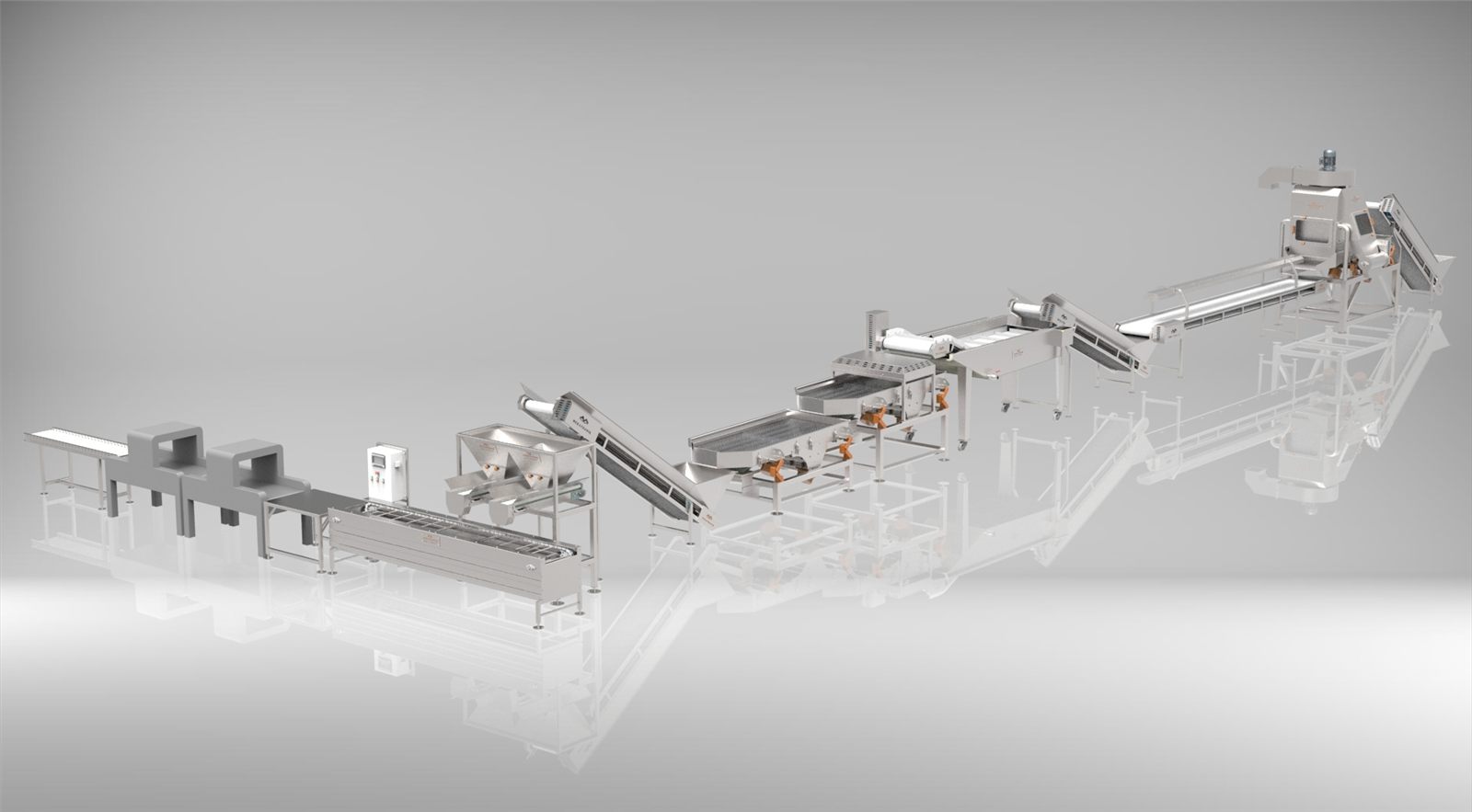
The catalogue links this machine to the dried fig line. Salt is dissolved in the tank to prepare brine, and the brine is then used in the washing step. The record also states that using it together with the jacuzzi contributes to a longer jacuzzi life. You can see the full line on the dried fig washing line page.
Preparing brine inside the line reduces dependence on solution brought from outside. Because the tank can be built to custom dimensions, capacity is not fixed in advance but set according to the plant's washing routine.
06
Next step
If you tell us your salt concentration, water temperature and how often the tank will be emptied, we can settle together in the offer whether the product-contact surface should be AISI 304 or AISI 316. Capacity and dimensions are also defined per project. Request a quote with your details, or first read the technical record on the salt dissolving tank page.