There is no single post-fumigation aeration time that fits every facility. The waiting period depends on the fumigant, the load and how air moves through it, and the deciding factor is a gas reading, not the clock. This article explains what shapes the wait and how to build it into the process, using our vacuum fumigation chamber as the reference for in-plant treatment.
01
Why is a fixed waiting time not enough?
When the treatment cycle ends, gas is still present in the chamber air, between the cartons or sacks, and inside porous packaging. Opening the door and counting hours treats all of that as if it were identical in every batch. It is not. Two chambers loaded with the same product can clear at very different speeds if one is packed tightly and the other is not.
That is why safety guidance for fumigation is written around measured concentration. The release threshold comes from the fumigant's label, the applicator's instructions and the regulation in force where you operate. We do not quote a figure here because it differs by fumigant and by country, and because a number copied from an article is not a substitute for the instruction of the licensed person who applied the treatment.
02
What does the aeration time depend on?
- 01The type of fumigant used and the dose that was applied
- 02The volume of the chamber or container and how tightly the load is stacked
- 03How much wood, cardboard or other material is present that can absorb gas and release it again later
- 04Whether ventilation is natural or mechanical, and how much air movement there is
- 05Ambient temperature and the way the packaging holds gas
Each item on the list changes the result independently, which is why waiting times from another plant rarely transfer to yours. The practical way to set a reliable figure is to measure it during commissioning and then record it.
03
Natural or mechanical ventilation?
Opening the doors gives natural air exchange, but it does not guarantee that gas trapped at the back of a load or between packages leaves quickly. Where it is possible, forced air exchange with a fan or an extraction system shortens and evens out the process. If mechanical ventilation is not available, natural aeration can take much longer, so the plan should state which method is used and who confirms it.
One point is easy to miss: gas absorbed by wood and packaging can be released again after the fan stops. A second measurement after a short pause, before anyone enters, catches that.
04
What is the safe order of steps?
- 01Confirm which fumigant was used and read the treatment record
- 02Open the doors in a controlled way, in a ventilated area, and keep unauthorised people away
- 03Start aeration, using mechanical air exchange where the load allows
- 04Measure the concentration with a suitable gas detector, not by smell
- 05Pause, measure again, and only then allow entry or release the load
The order matters more than any single number. A missing smell is not evidence that the air is clear, because some fumigants have no noticeable odour at levels that still matter for safety.
05
How is this handled in an in-plant fumigation chamber?
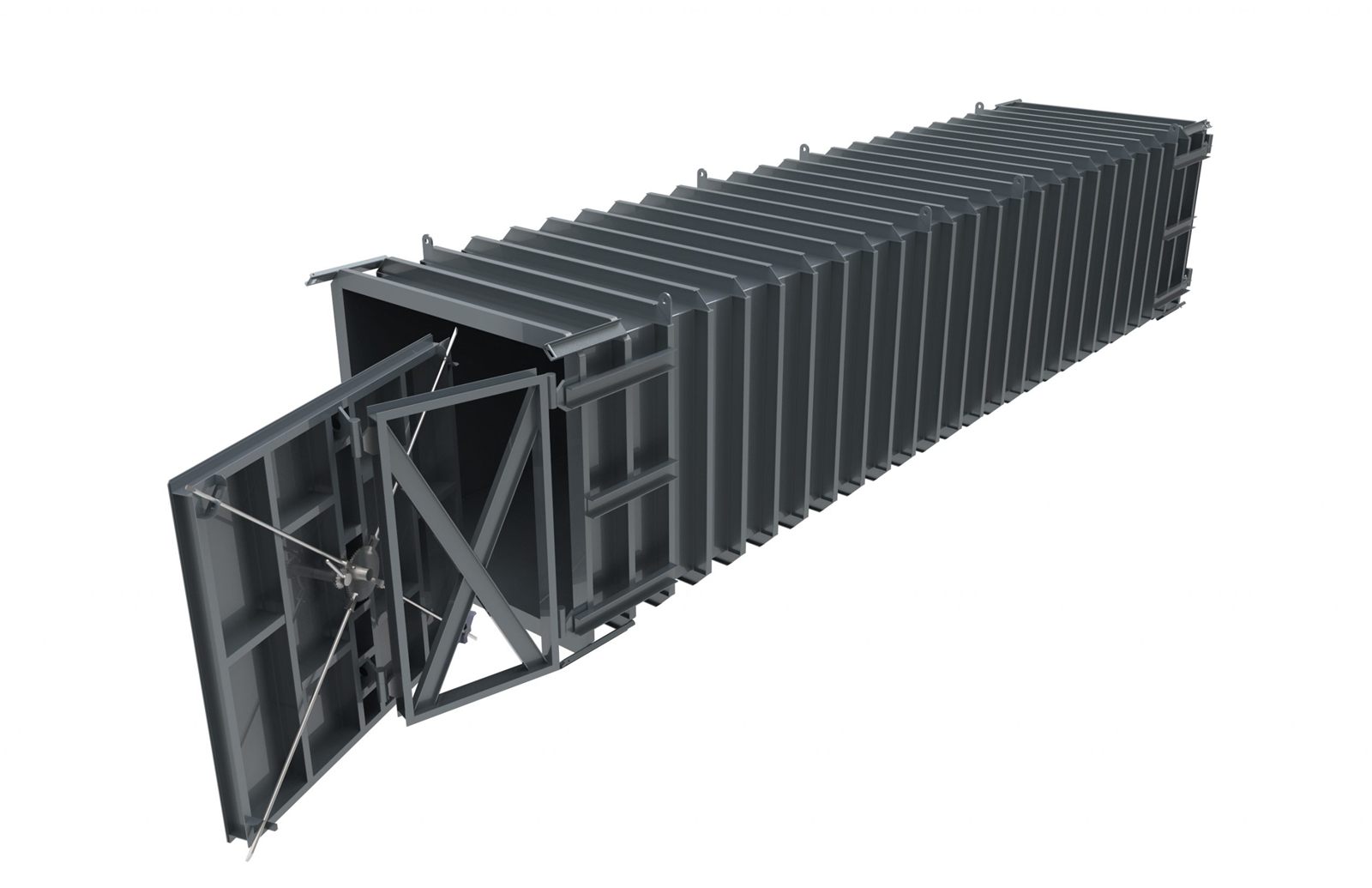
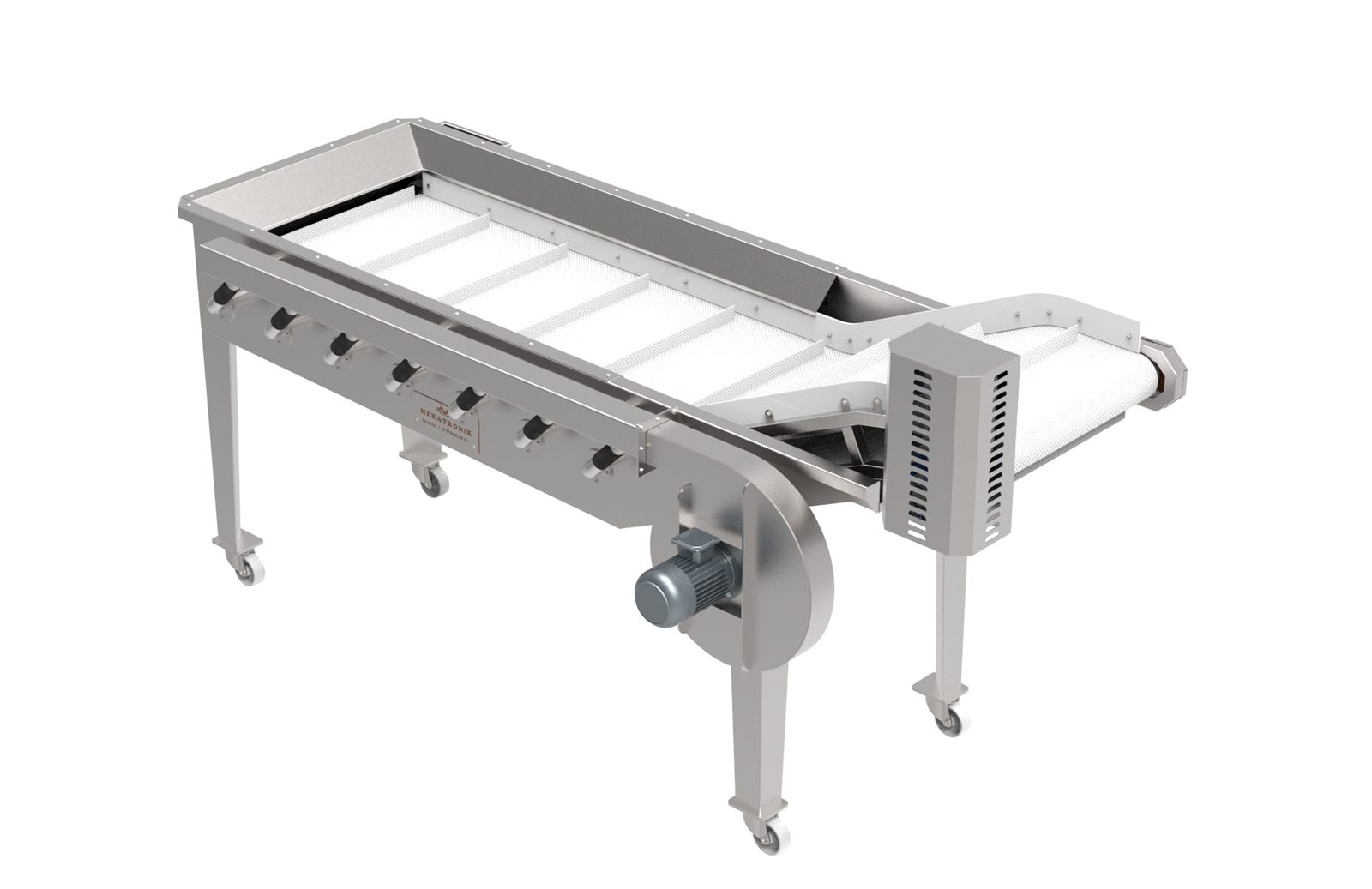
A chamber installed in the plant makes the sequence repeatable. In our vacuum fumigation chamber the product is loaded into the chamber and held there while the fumigation clears insects and similar pests from inside the product. The optional pneumatic fumigant release system removes the need to open and close the door repeatedly, and the single or double-sided door options let you set the loading direction to match the layout. Capacity and technical values are set per project and are fixed in the quote.
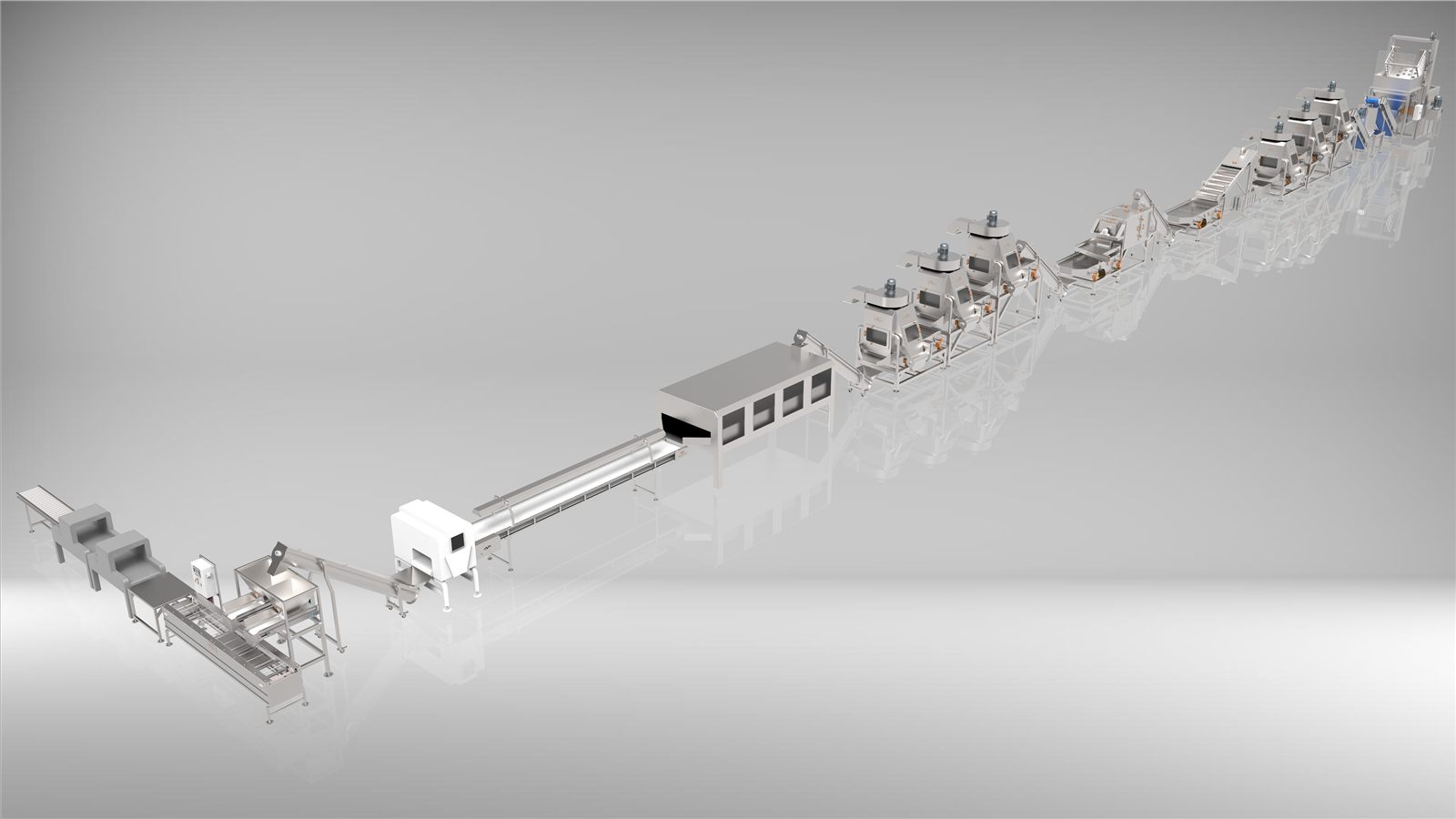
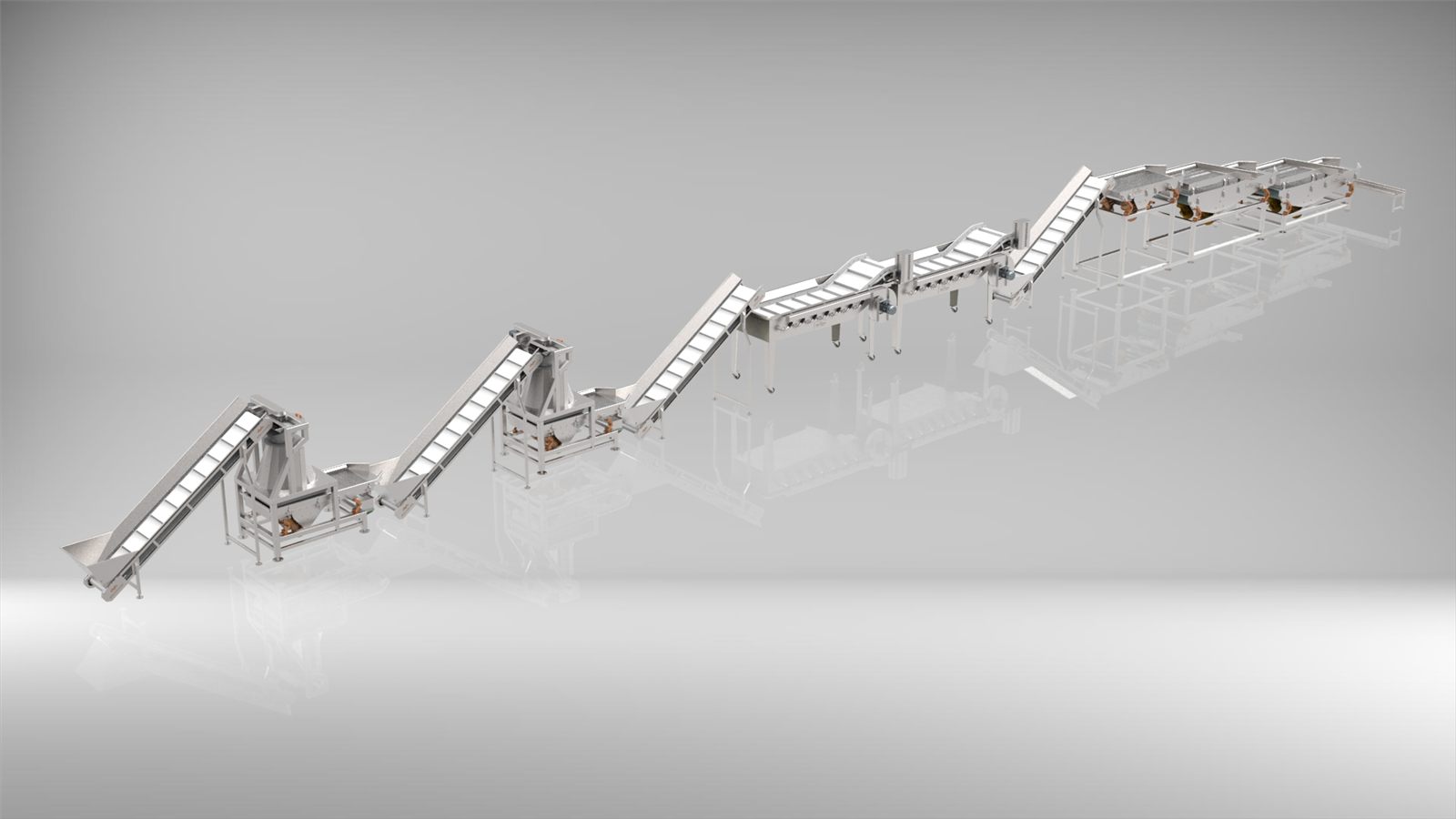
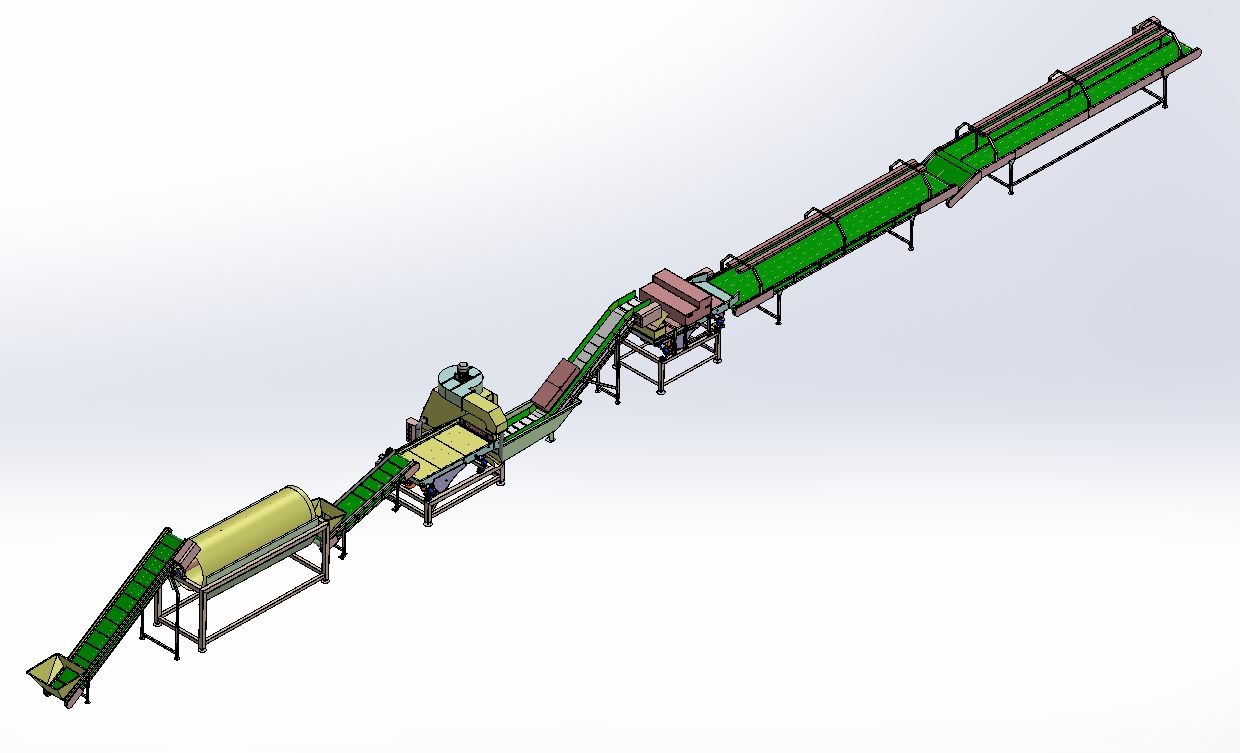
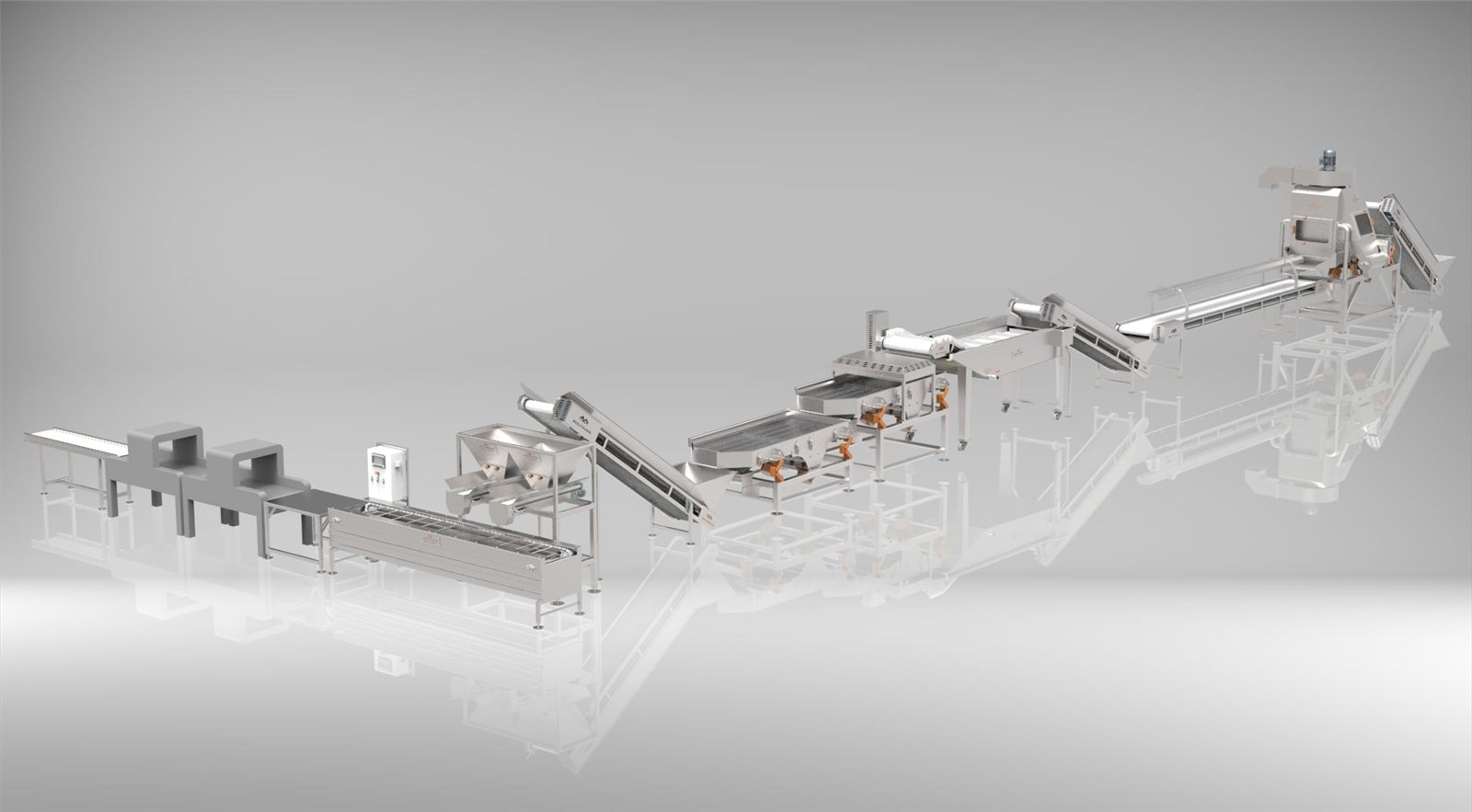
What the machine cannot do is decide your release threshold. The aeration step, the measuring point and the person who signs off the reading belong in the plant's own written procedure, next to the risk assessment. On a line the chamber has a clear place, for example on the dried fig processing line, where product is treated before it moves on to packing.
06
What should be recorded?
| Record | Why it is kept |
|---|---|
| Fumigant and treatment date | Defines which instructions and limits apply |
| Aeration start and end | Lets you compare batches over time |
| Gas reading and instrument used | Proves the release decision was measured |
| Person who released the load | Keeps responsibility traceable |
Kept batch by batch, these records show after a few months how load density and season change the clearing time, and they are useful for audits and buyer quality files.
Next step: tell us your product, the volume you treat per batch and your plant layout, and we will work through the chamber, door arrangement and aeration area with you. You can reach us through the quote page.