
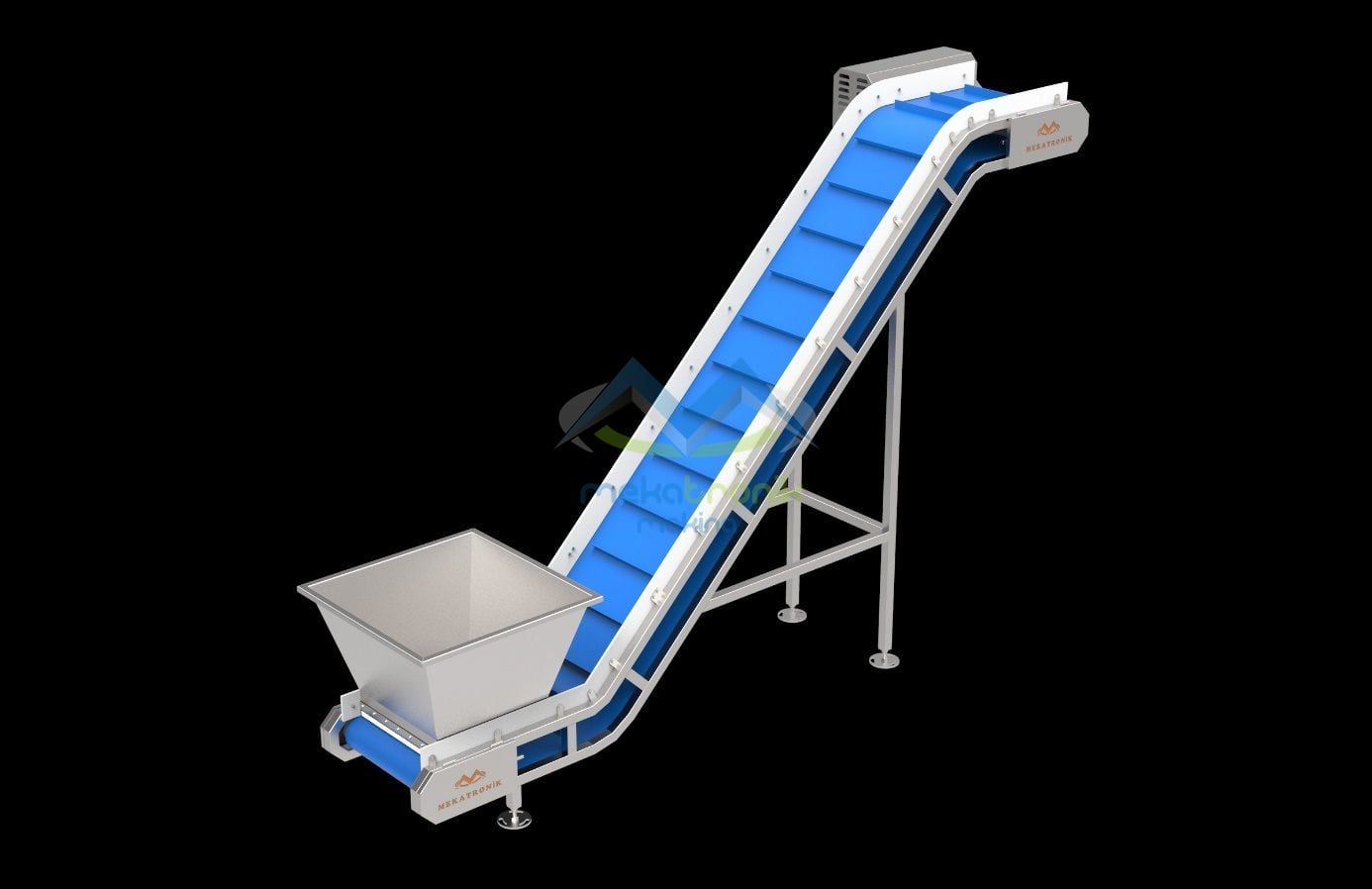
On a date line, cutting comes after pitting. That order is not optional, but it has a side effect: a pitted date is softer, and because its inner surface is now open, it is stickier. If the cutting station does not account for both, the dice size will not hold.
01
Why the sequence runs this way
The pit is the one part a blade set cannot cut. The date pitting machine therefore sits ahead of the cutter; it removes the pit without breaking up the fruit and hands a prepared product to the next station. A single date that still has its pit will damage both the blade and the product in the cutting section.
After pitting, the fruit no longer holds its shape the way it did. It spreads under its own weight and pieces sitting next to each other stick together. In other words, the material entering the cutter behaves differently from the material at the head of the line.
02
Cut size and the blade set
Size is set by the blade set. The dried fruit cutting and chopping machine separates the product into slices first, then into dice of the required size, and product cut with the same set is repeatable. When a different size is needed, the set is changed rather than the machine re-tuned.
Choosing the set for dates is driven by how soft the fruit is at the moment of cutting. Because the same body also runs dried apricot and dried fig, plants handling more than one product usually plan the extra blade sets from the start.
03
Where stickiness stops a line
Build-up of a high sugar product on the cutting surfaces is unavoidable. As it builds, the cutting gap narrows and the same set gradually produces smaller, less even pieces. In practice the cause of size loss is usually not blade wear but a cleaning interval that has been stretched too far.
The machine has covers that open for maintenance and cleaning, product contact surfaces are AISI 304 stainless steel, and AISI 316 is used where the process requires it. Being able to run a short clean between shifts is a direct part of size consistency on a sticky product like dates.
04
What comes after cutting
Cut dates are a more delicate product than whole fruit. The rest of the line usually covers:
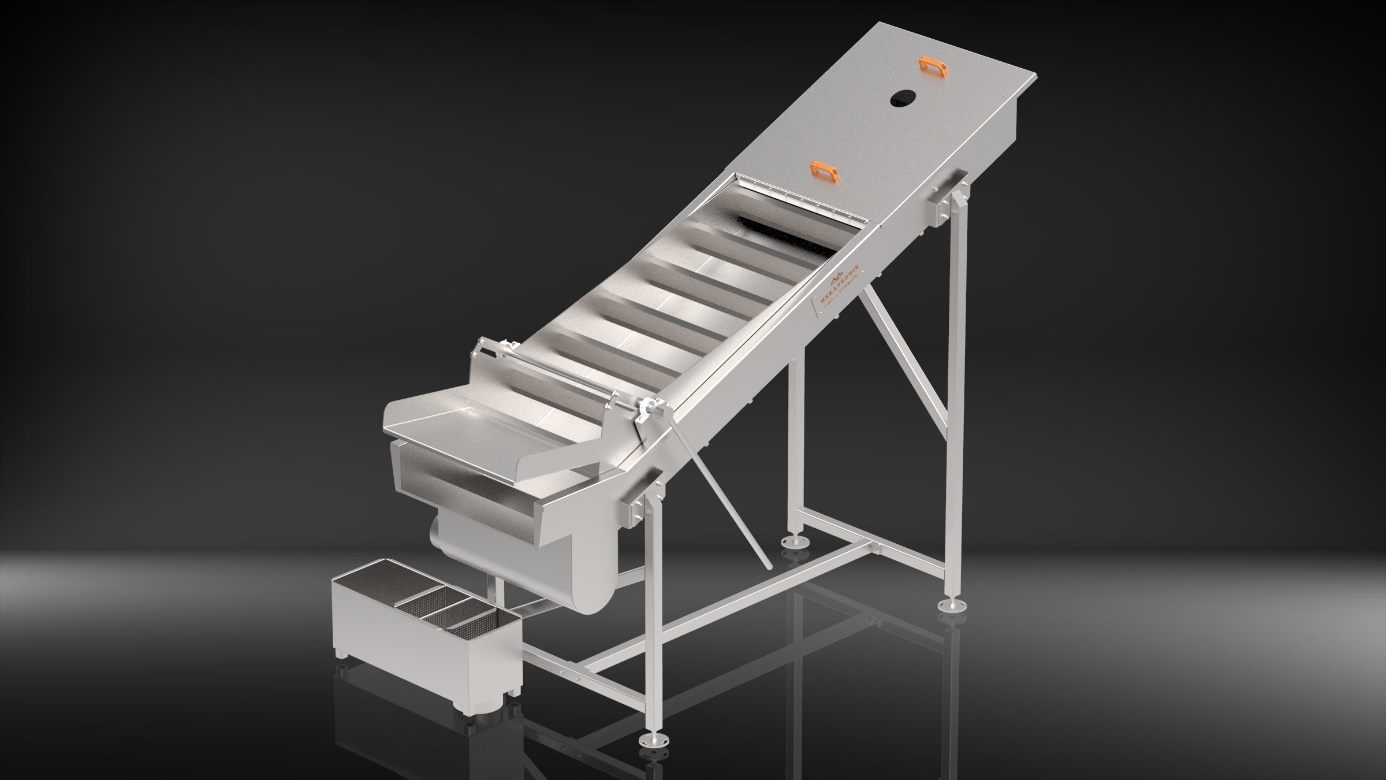
- 01Transfer of the cut product from the collection chute to the next station
- 02Cooling where needed, since warm soft product sticks together in packaging
- 03Weighing and box filling
- 04Box closing and preparation for shipment
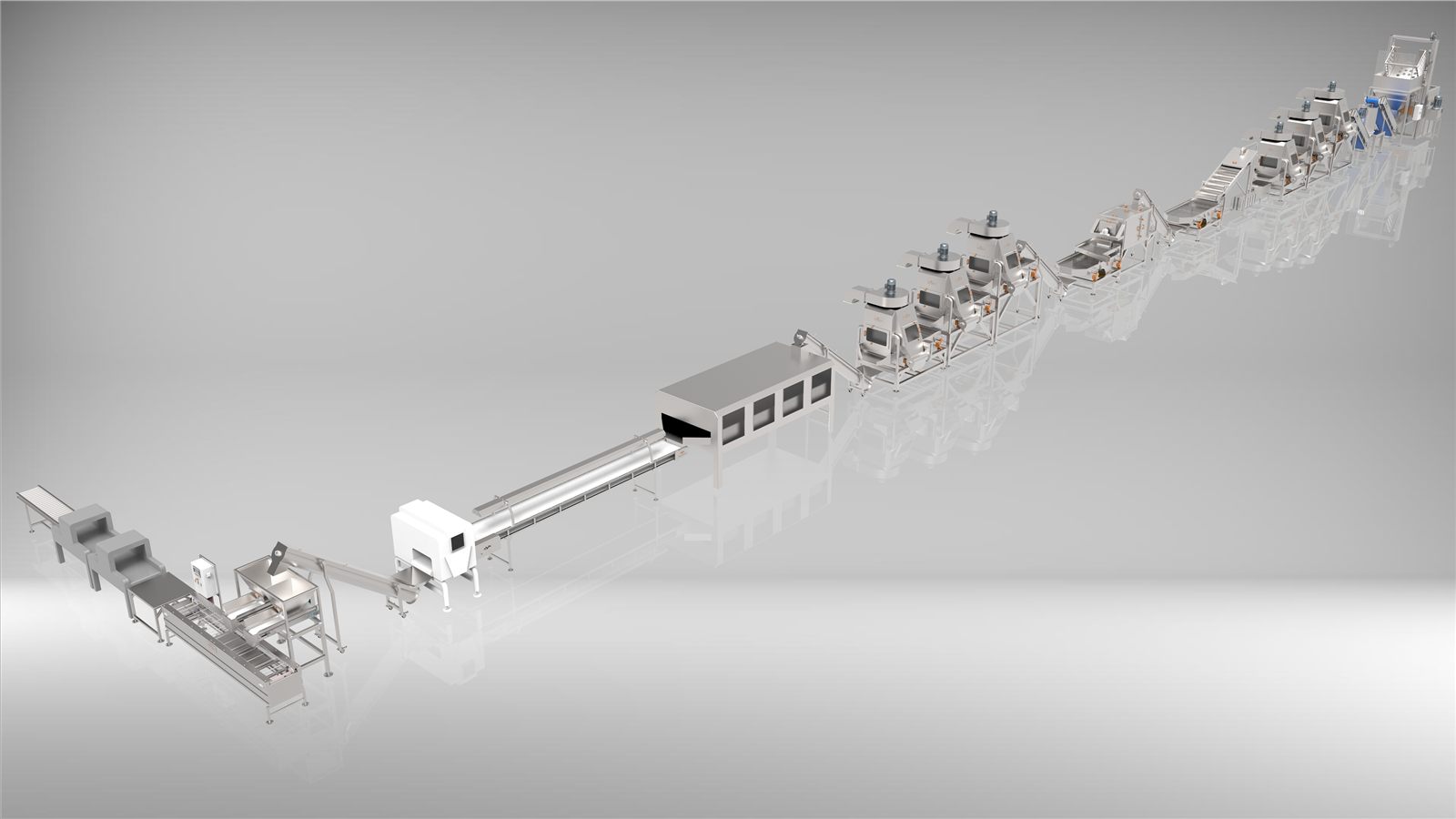
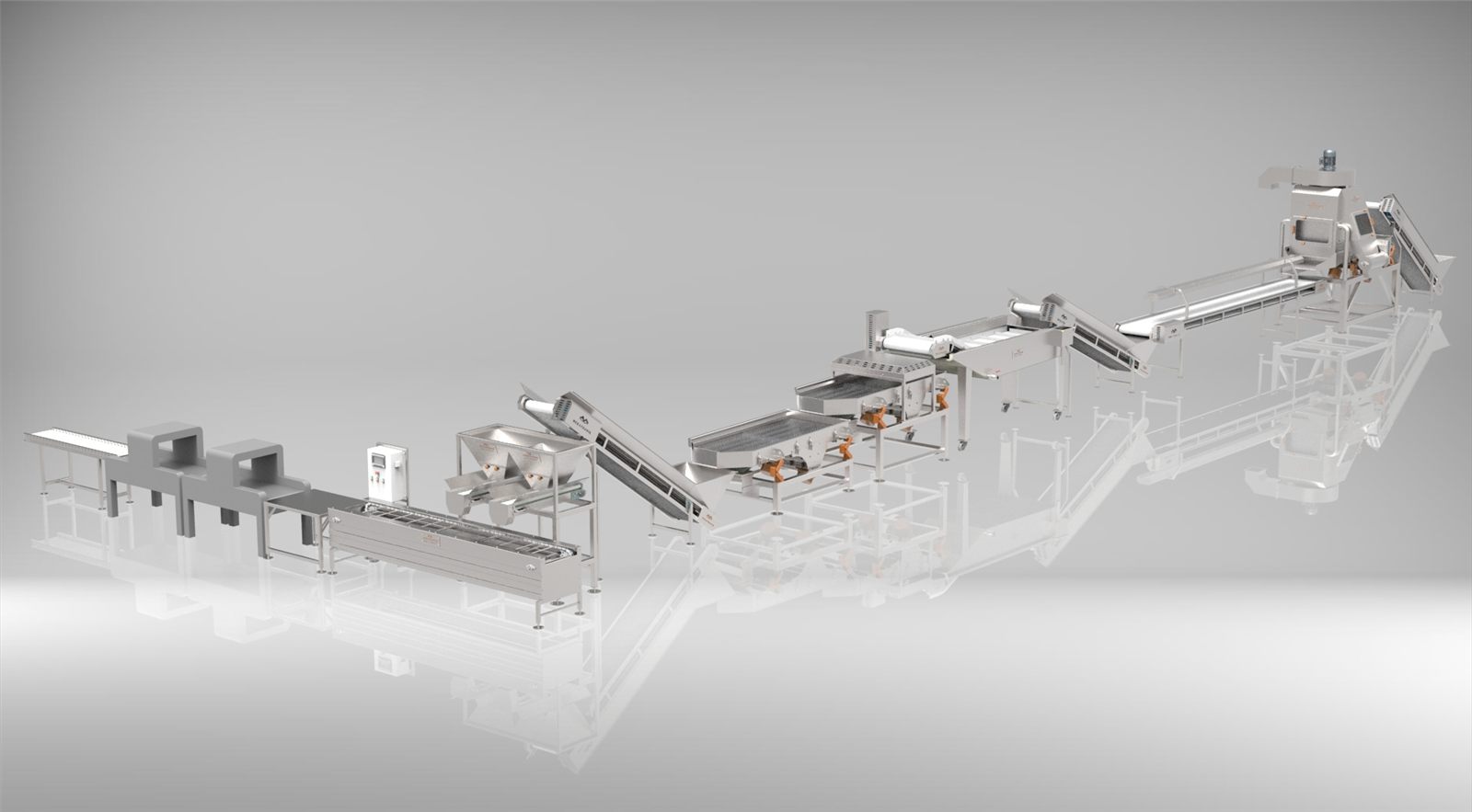
The full sequence is on the date processing line page, where block opening, pitting, cutting and washing are brought into a single plant flow.
05
What to check when specifying one
| Item | What to look at |
|---|---|
| Sequence | Whether pitting is positioned ahead of cutting |
| Cut size | Follows the blade set, defined per project |
| Product range | Adaptability to apricot and fig with extra blade sets |
| Material | Body and contact surfaces AISI 304, AISI 316 per process |
| Cleaning | Covers that open, washable construction |
| Safety | Interlock system, emergency stop button |
Capacity figures are defined per project: the date variety, its moisture condition and the requested cut size are assessed together. Line automation is discussed at the start as well, since cutting speed has to match the stations before it.
06
The distance between pitting and cutting
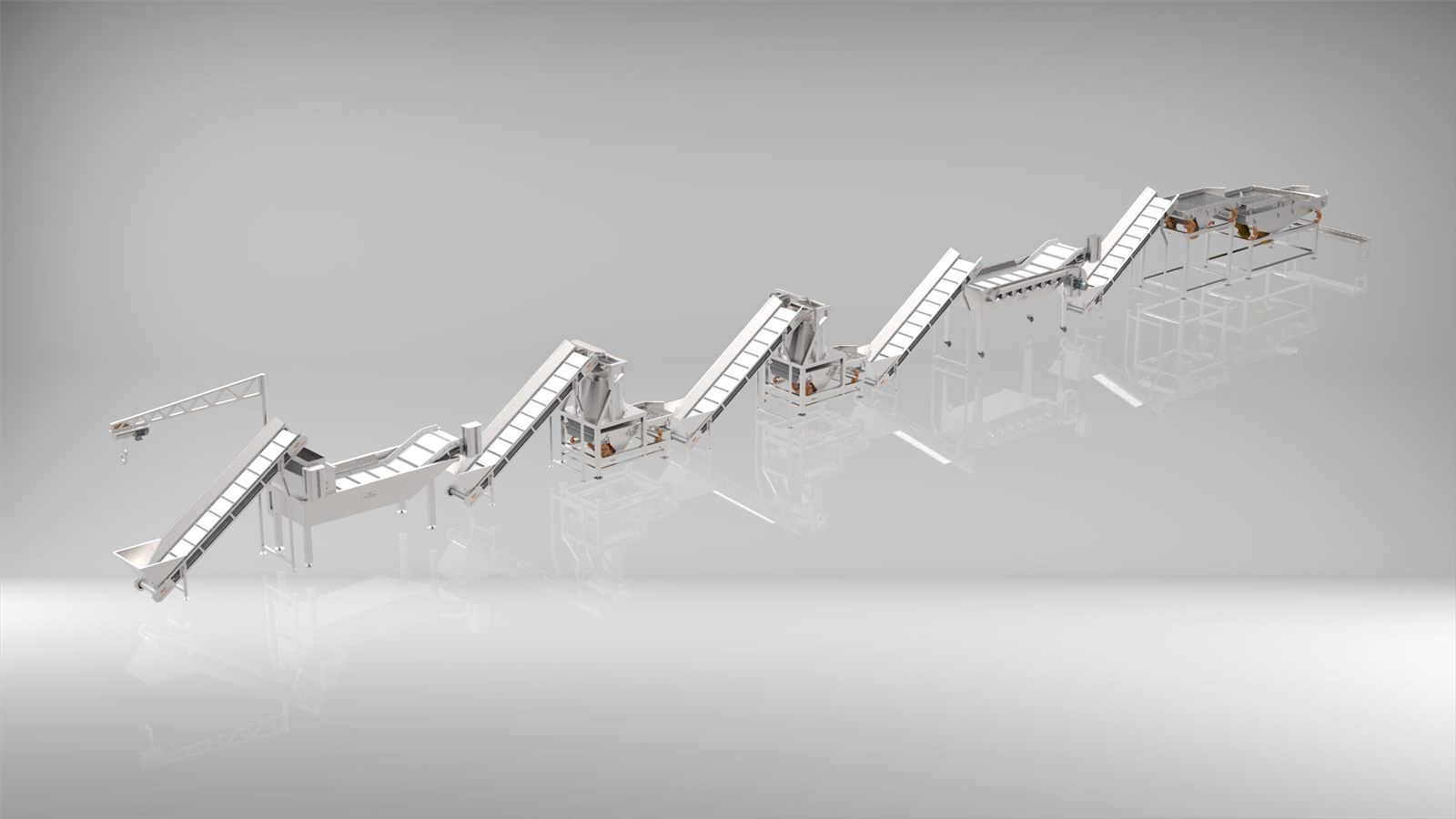
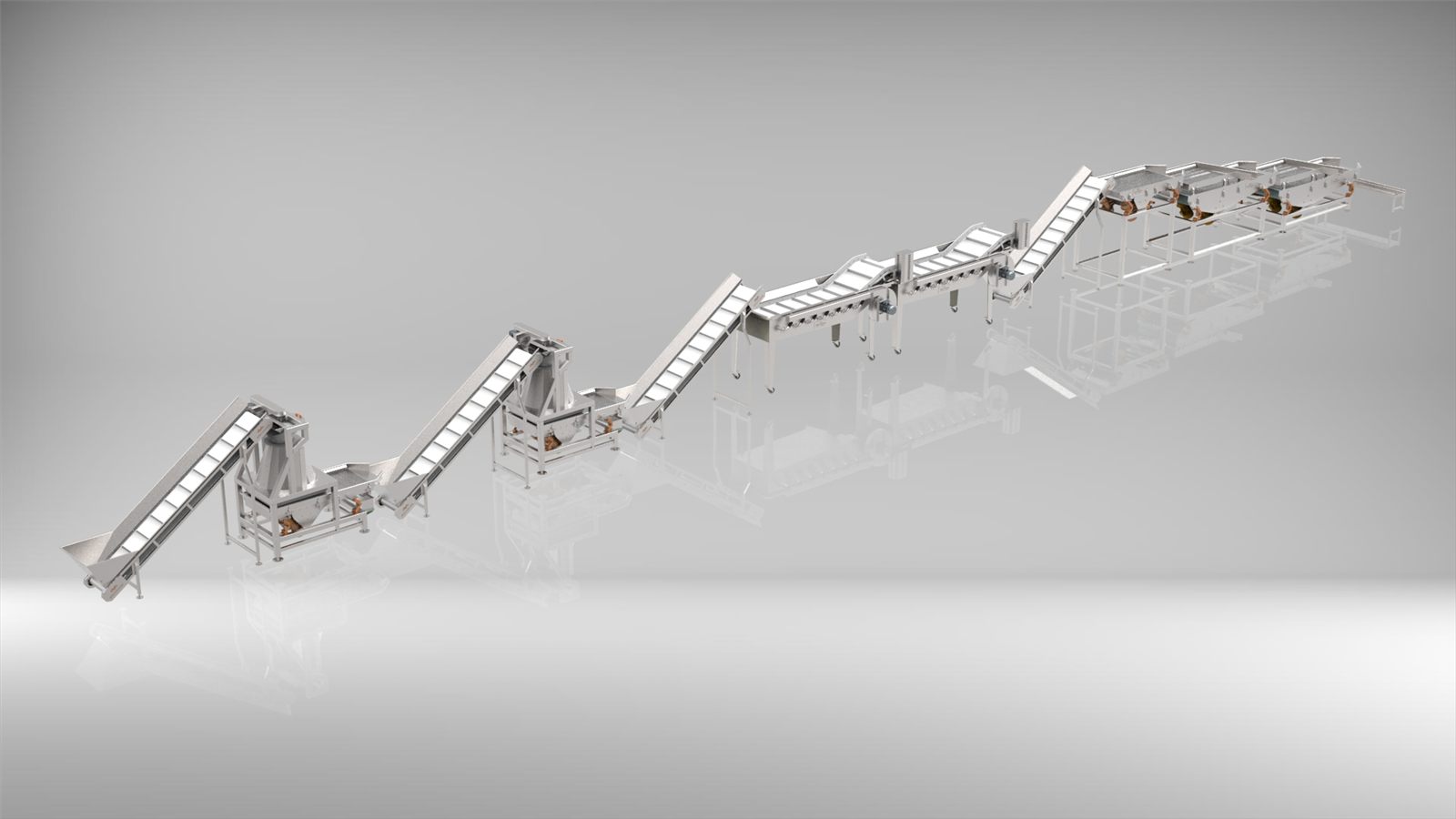
The distance between the two stations matters more on a date line than people expect. Pitted fruit spreads and sticks together the longer it waits, and product arriving at the cutter in a mass cannot enter the blade set squarely. The transfer between them is therefore kept short, with the product advancing in a single layer.
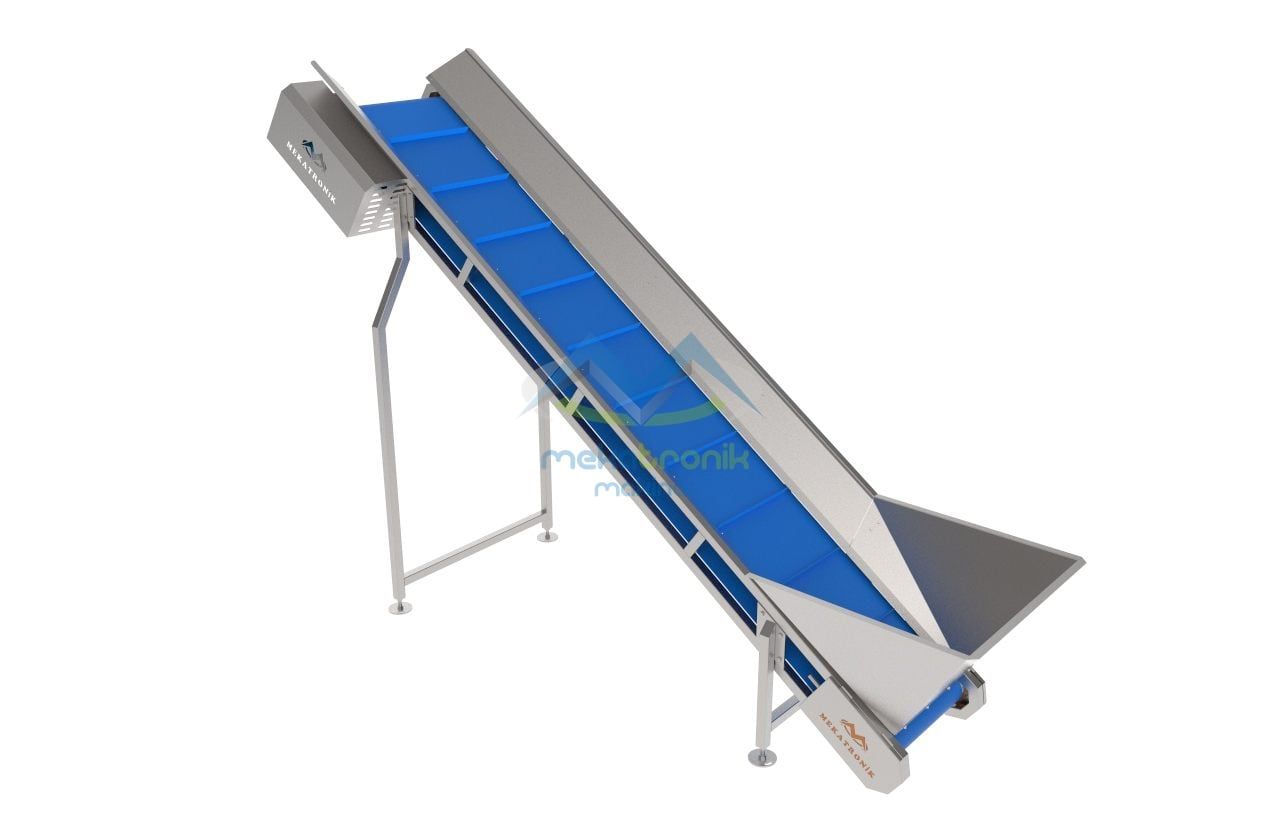
On longer lines this also shapes the choice of the conveying element in between. For sticky product a flat, easily cleaned surface works better than a closed, narrow passage; as the cleaning interval shortens, accessibility becomes the deciding factor.
07
Why cooling comes up after cutting
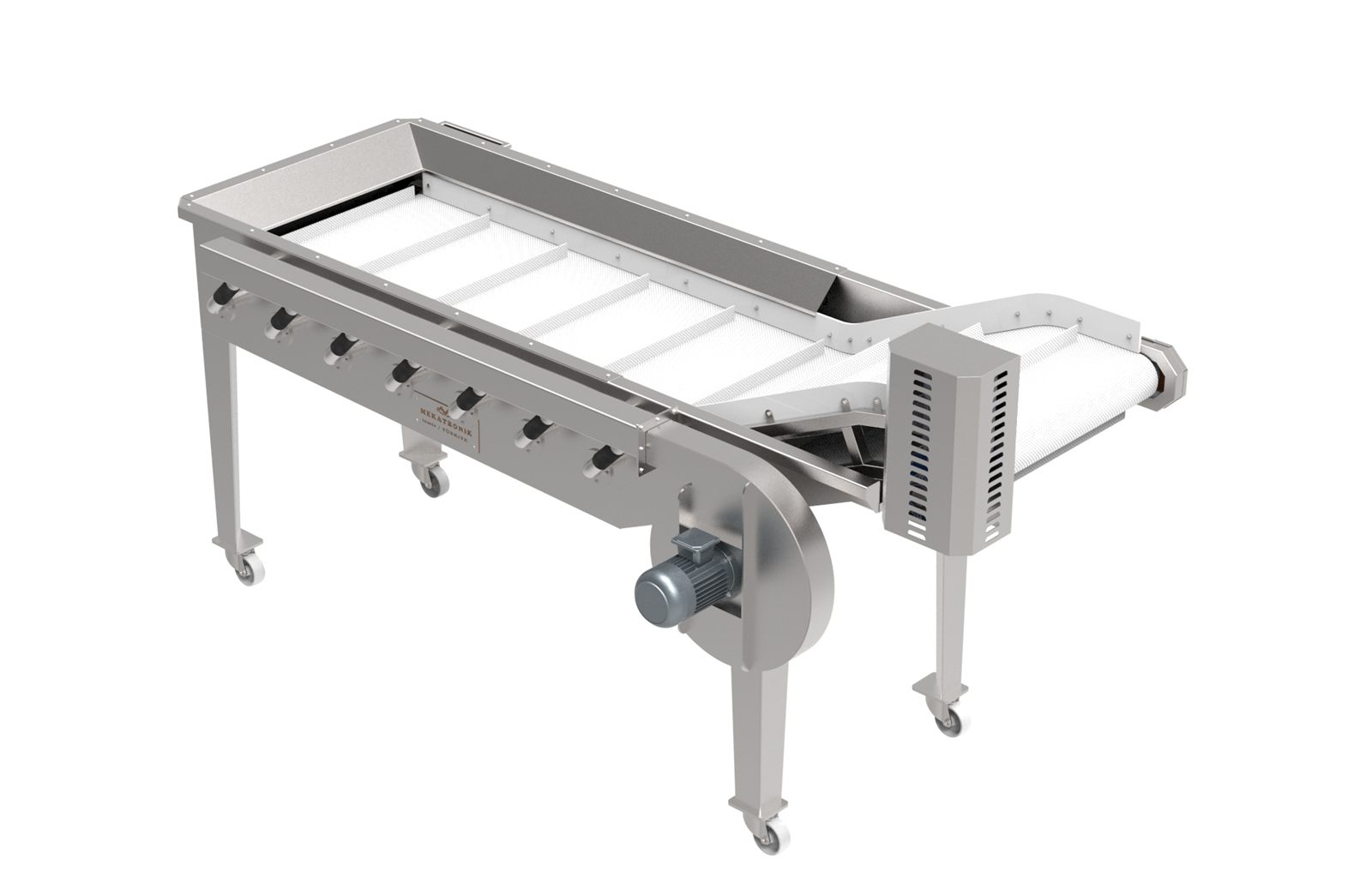
Cut dates stick more readily than whole fruit because the surface area has increased. Product that reaches packing warm and soft binds together inside the box, and the buyer reads that as a quality problem. This is the point at which a cooling tunnel enters the line.
It is not needed on every line; the variety, the cut size and the packing rate are weighed together. The smaller the cut size, the stronger the case for cooling, since small pieces both stick faster and settle more tightly in the box.
Tell us the date variety you process and the cut size you need, and we can work through the blade set and station order that suit it. The quotation page is the quickest way to reach us.