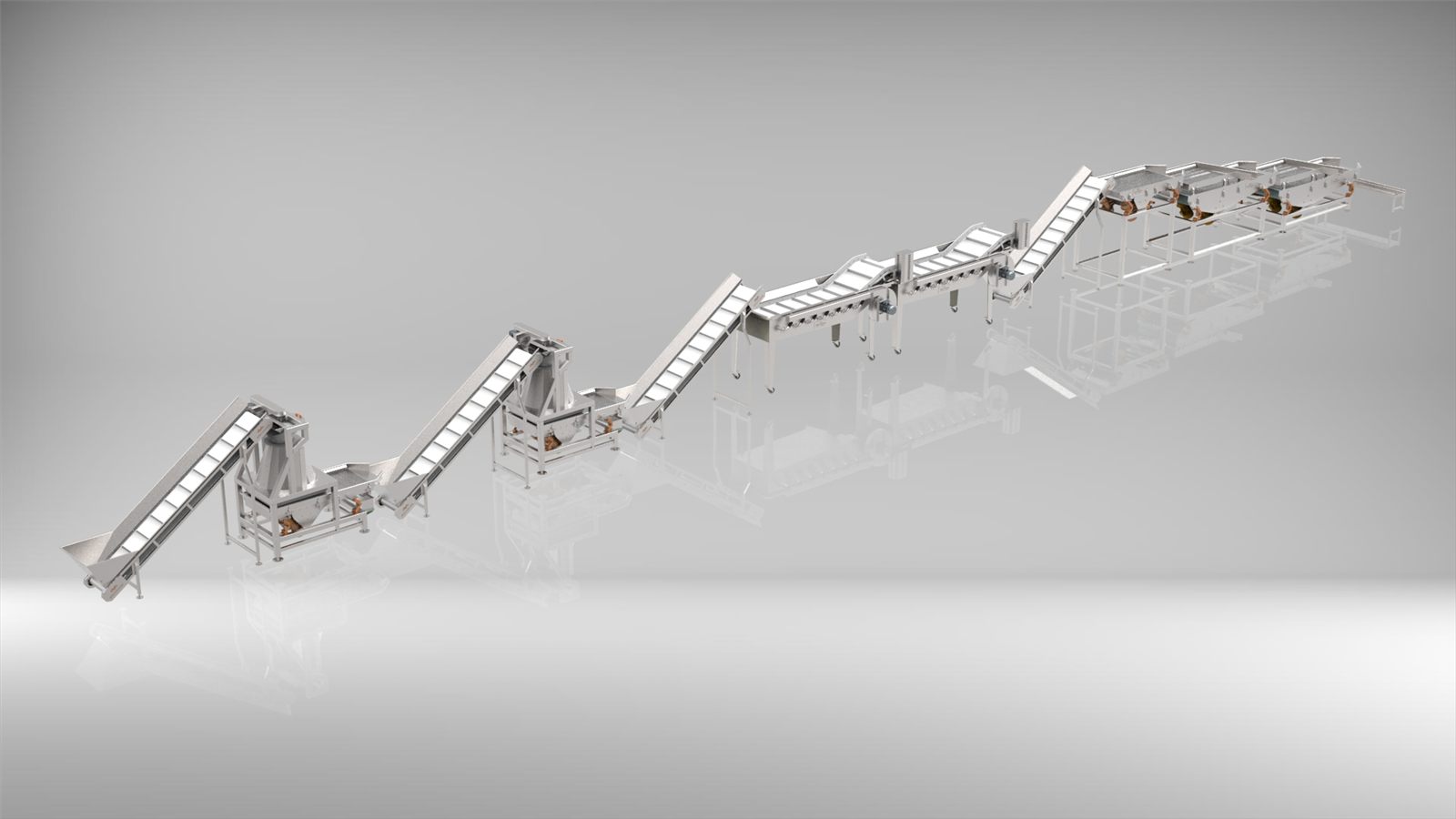
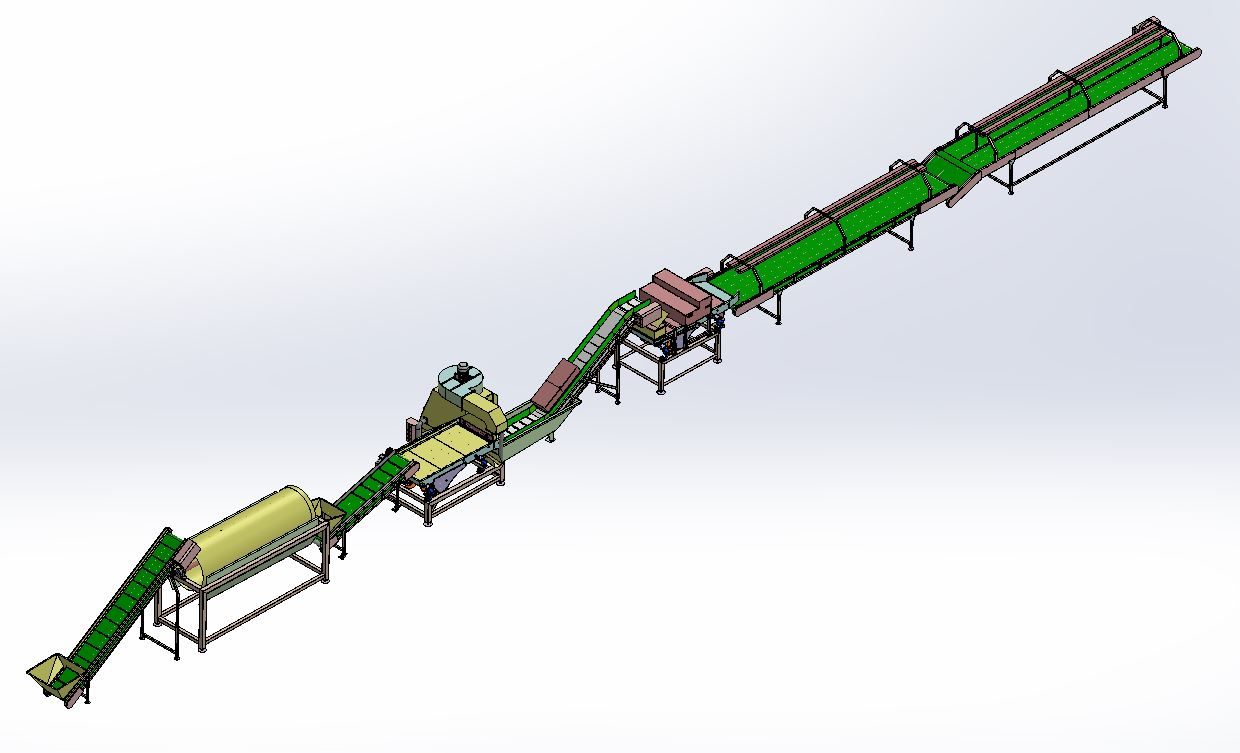
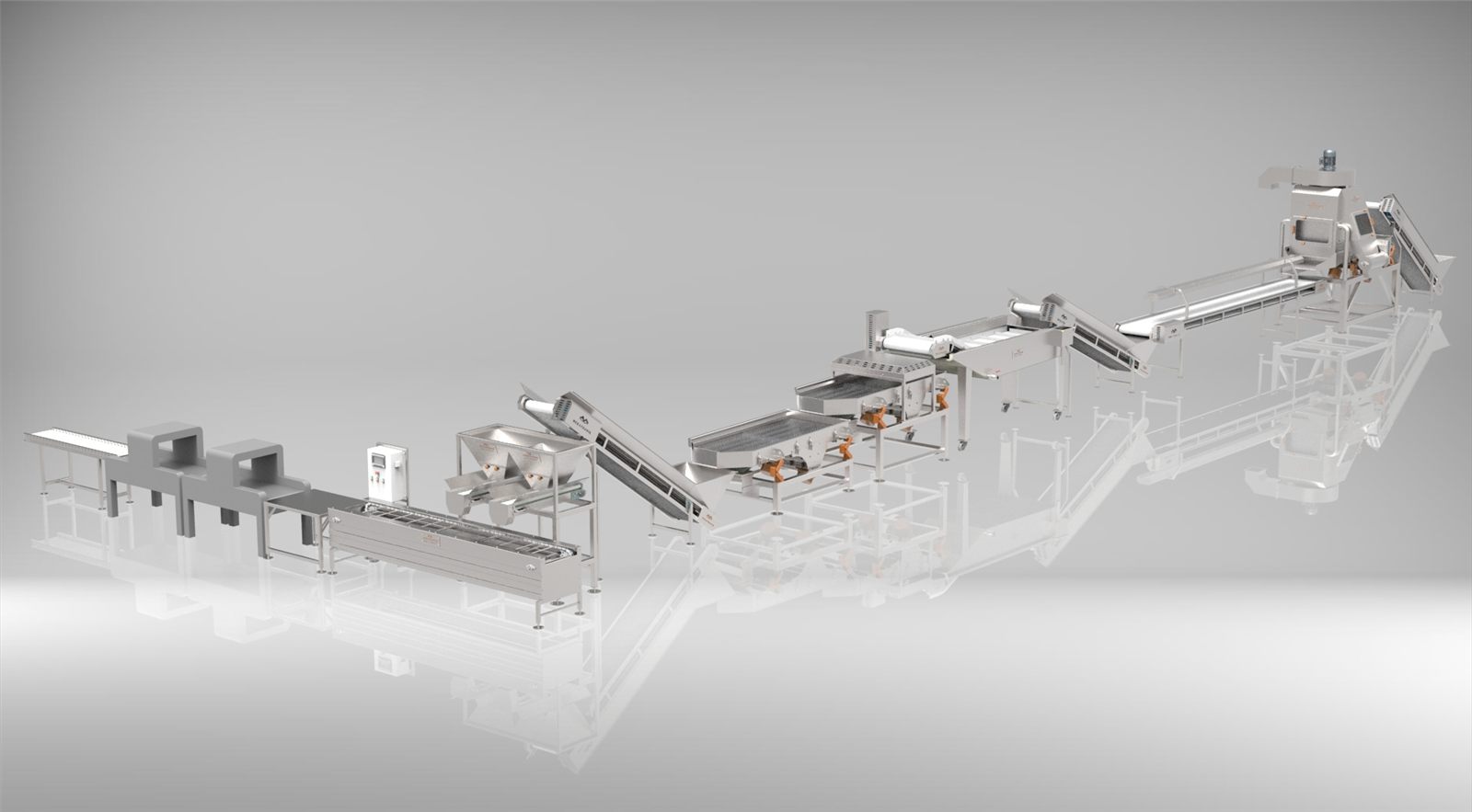
Figs reach the sizing stage already washed and surface-dried, but two separate tasks are still ahead: grading them by diameter, and inspecting them for quality. These are handled as two distinct steps with two different machines, not one combined pass. This article explains what each stage does and why the sequence matters.
01
Why does sizing come right after washing?
Once figs leave washing, they are still an unsorted mix of small, medium and large fruit. Packing lines run best on a uniform size band, so sizing is placed immediately after washing rather than left until later in the process. This lets the smaller and larger fractions be separated early, before any inspection step has to deal with a mixed batch.
02
How are figs sized by diameter?
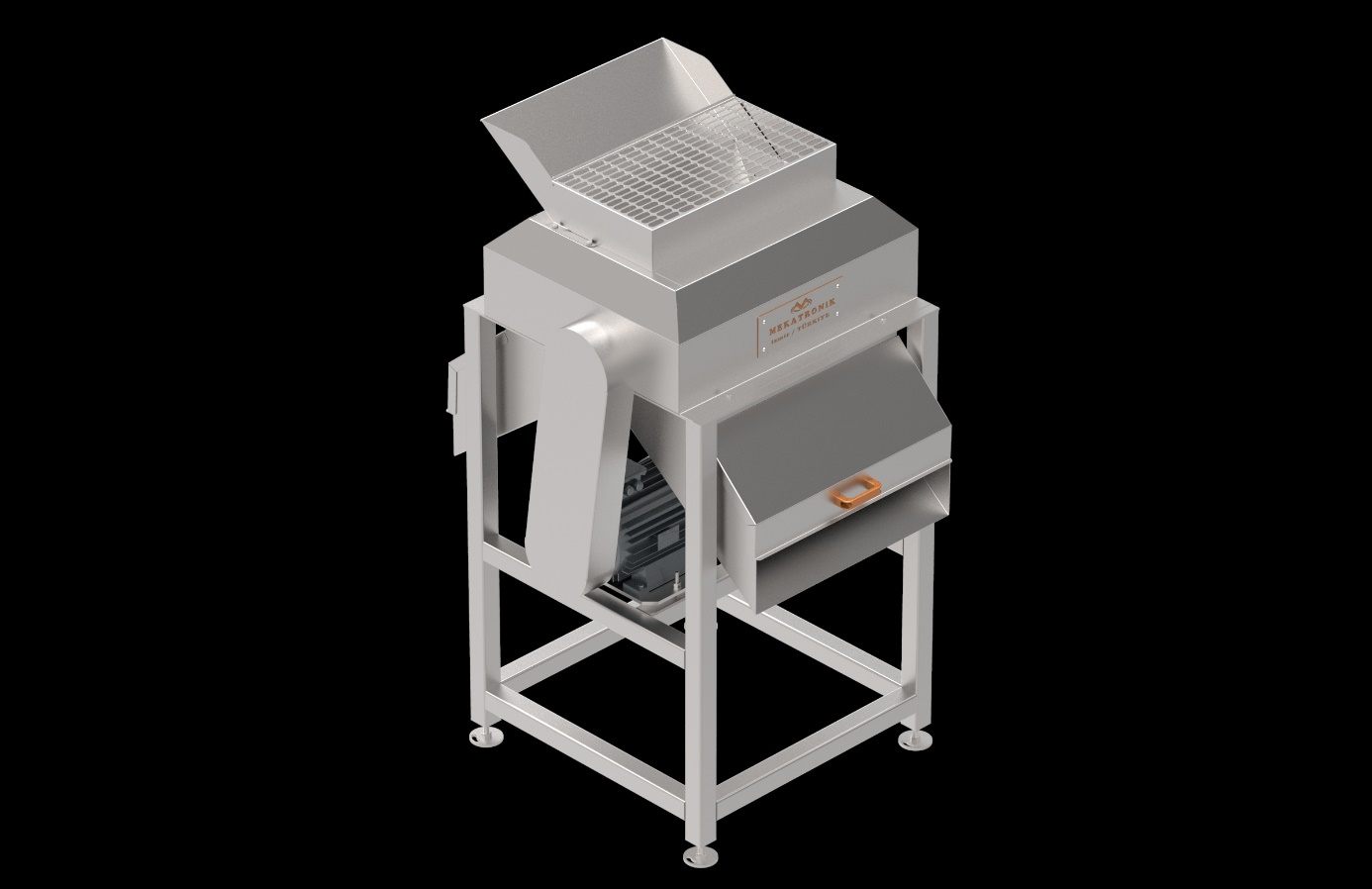
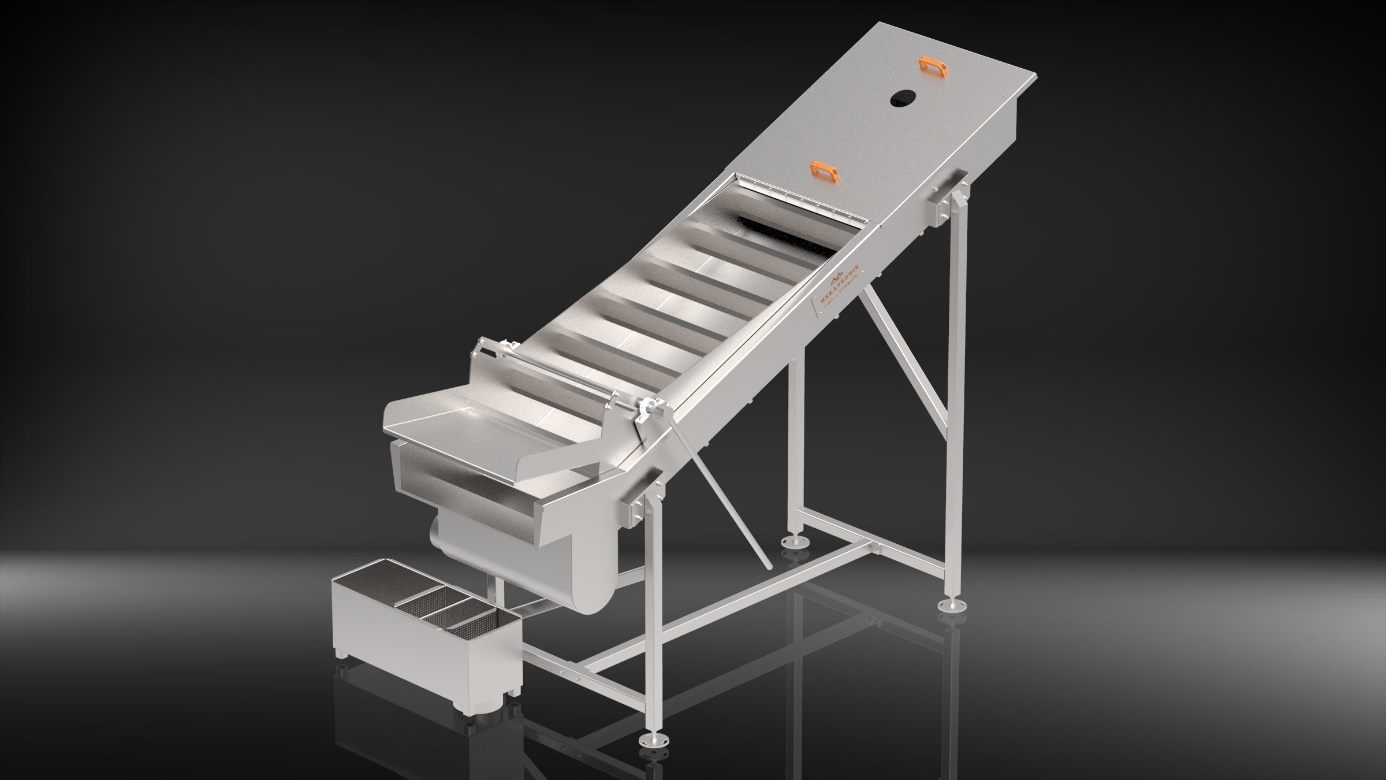
Sizing equipment separates fruit by physical dimension, not by weight or color. A sizing sieve moves the product across a deck with graduated screen openings; each fig drops through the first opening it fits, so the smallest fruit falls out early and the largest travels to the end of the deck. The exact opening sizes and the number of size bands are set during commissioning, based on the packing sizes the customer needs. Product-contact surfaces on the sieve deck are AISI 304 stainless steel, in line with the same food-contact standard used across the rest of the line.
- 01Screen opening sequence and number of size bands: set per project, not fixed on the machine
- 02Vibration amplitude: matched to fig firmness so fruit is not bruised on the deck
- 03Deck angle and feed rate: matched to product moisture right after washing
- 04Number of outlets: matched to how many size grades the packing line runs
03
What happens during quality sorting?
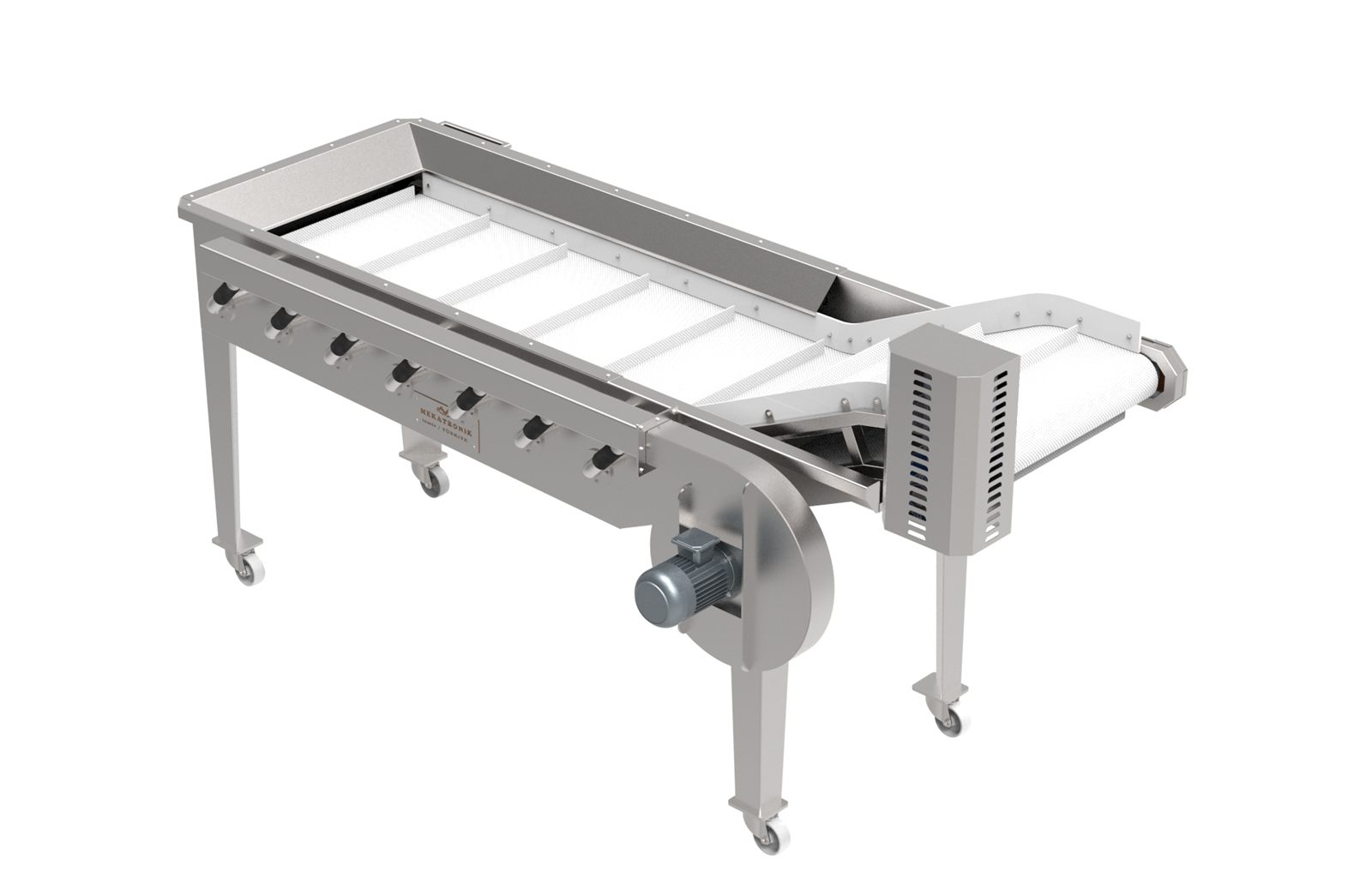
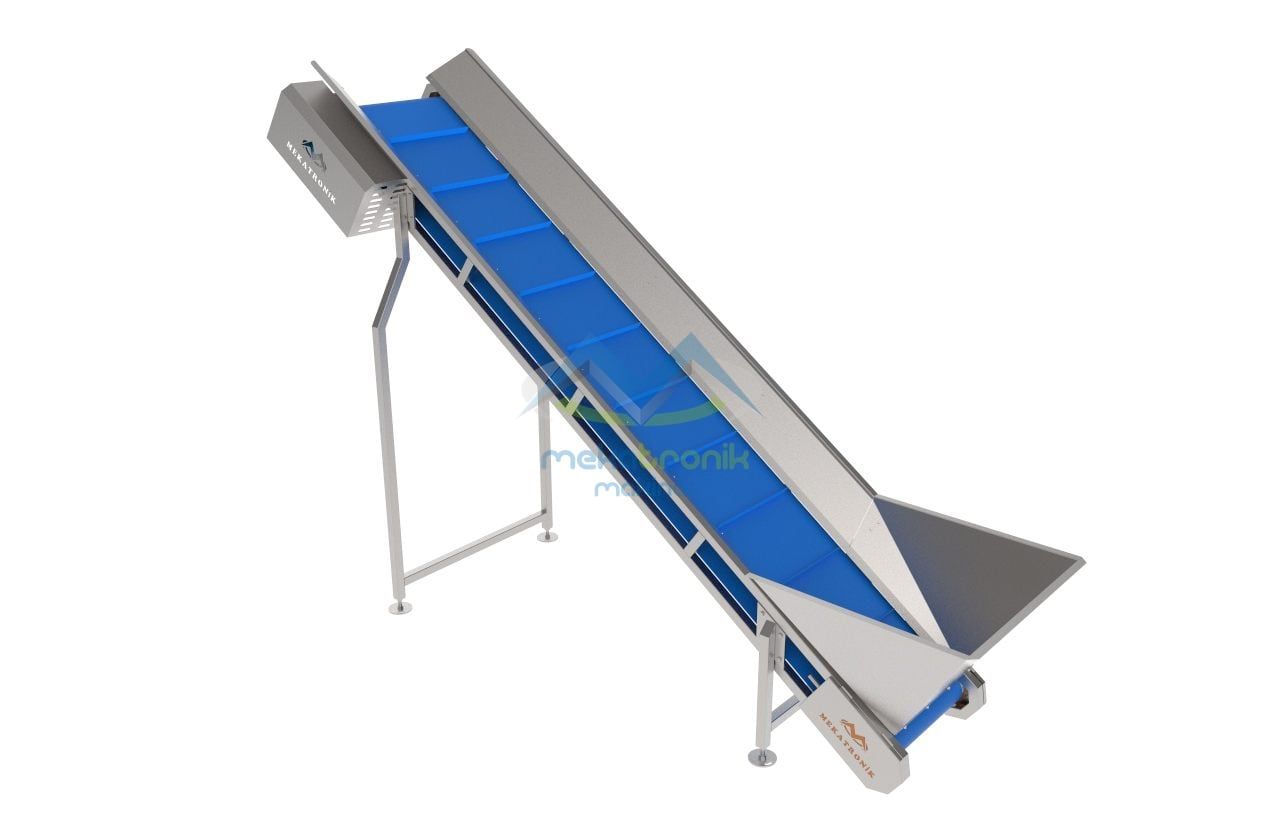
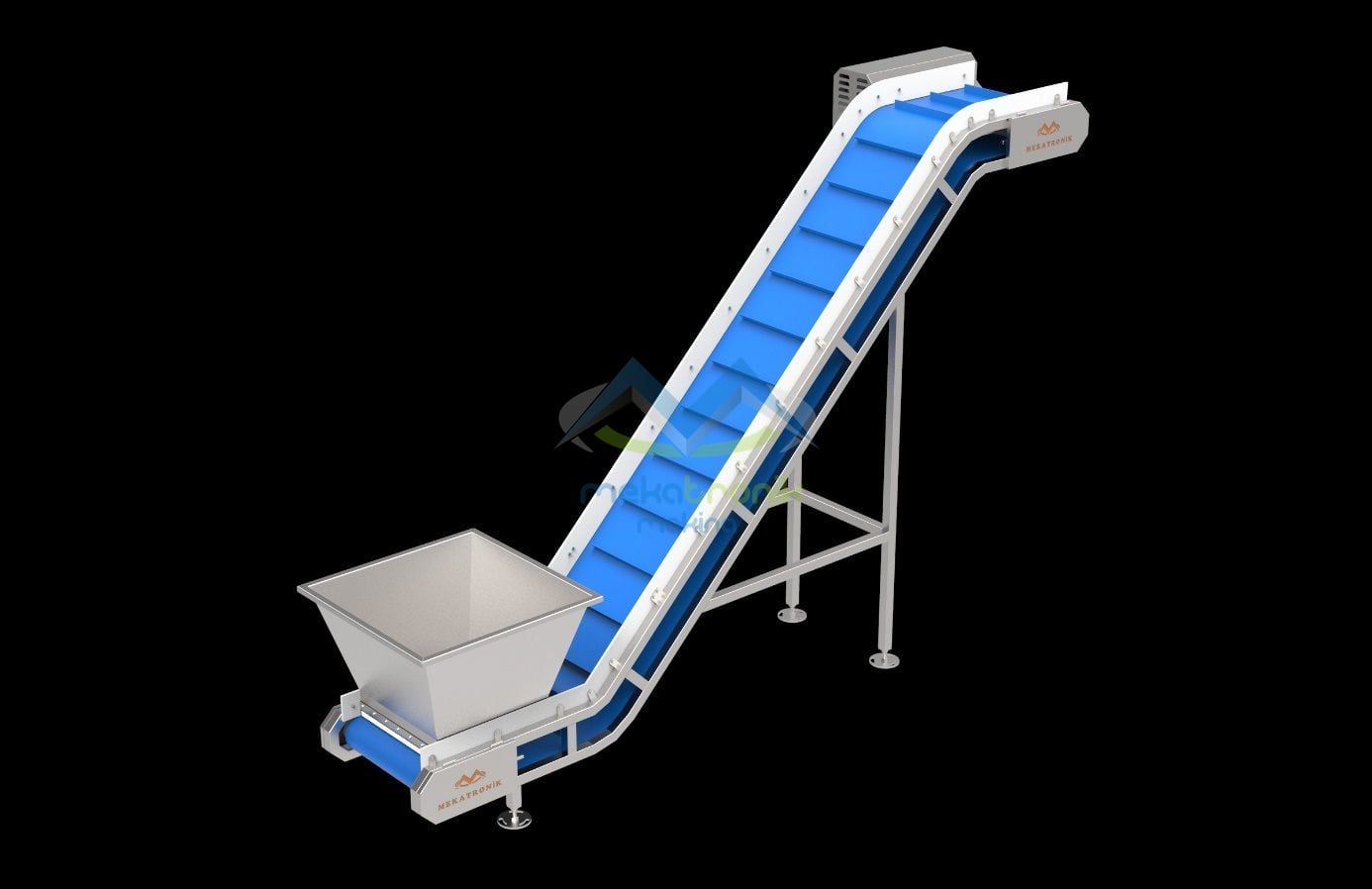
Sorting is a separate inspection step that runs after sizing, not mixed into it. On a light sorting conveyor, figs pass under consistent lighting so operators can see surface defects that are easy to miss under normal room light. Conveyor speed and belt width are set to match how many operators are stationed at the line, since a belt moving faster than the operators can inspect simply lets defects through.
- 01Discoloration or mold spots on the skin
- 02Insect damage or fruit that has split or broken open
- 03Underripe or overripe fruit that diameter sizing alone does not catch
- 04Foreign material such as stem fragments carried over from earlier stages
04
Why are sizing and sorting kept as separate stages?
Combining size grading with quality inspection at a single station forces a tradeoff: run the deck fast for efficient grading, or slow it down enough for operators to inspect properly. Splitting the two lets each stage run at the speed it actually needs. There is a second reason to keep the order fixed: sizing is a mechanical, repeatable separation, while sorting depends on operator judgment. Feeding operators fruit that has already been narrowed into a single size band makes outliers and defects easier to spot, because everything around them is close in size.
05
Sizing vs sorting at a glance
| Sizing | Sorting | |
|---|---|---|
| Separates by | Diameter | Visual quality |
| Typical equipment | Sizing sieve | Light sorting conveyor |
| Decision basis | Screen opening the fruit fits through | Operator inspection under consistent light |
| Position in line | Right after washing | Right after sizing |
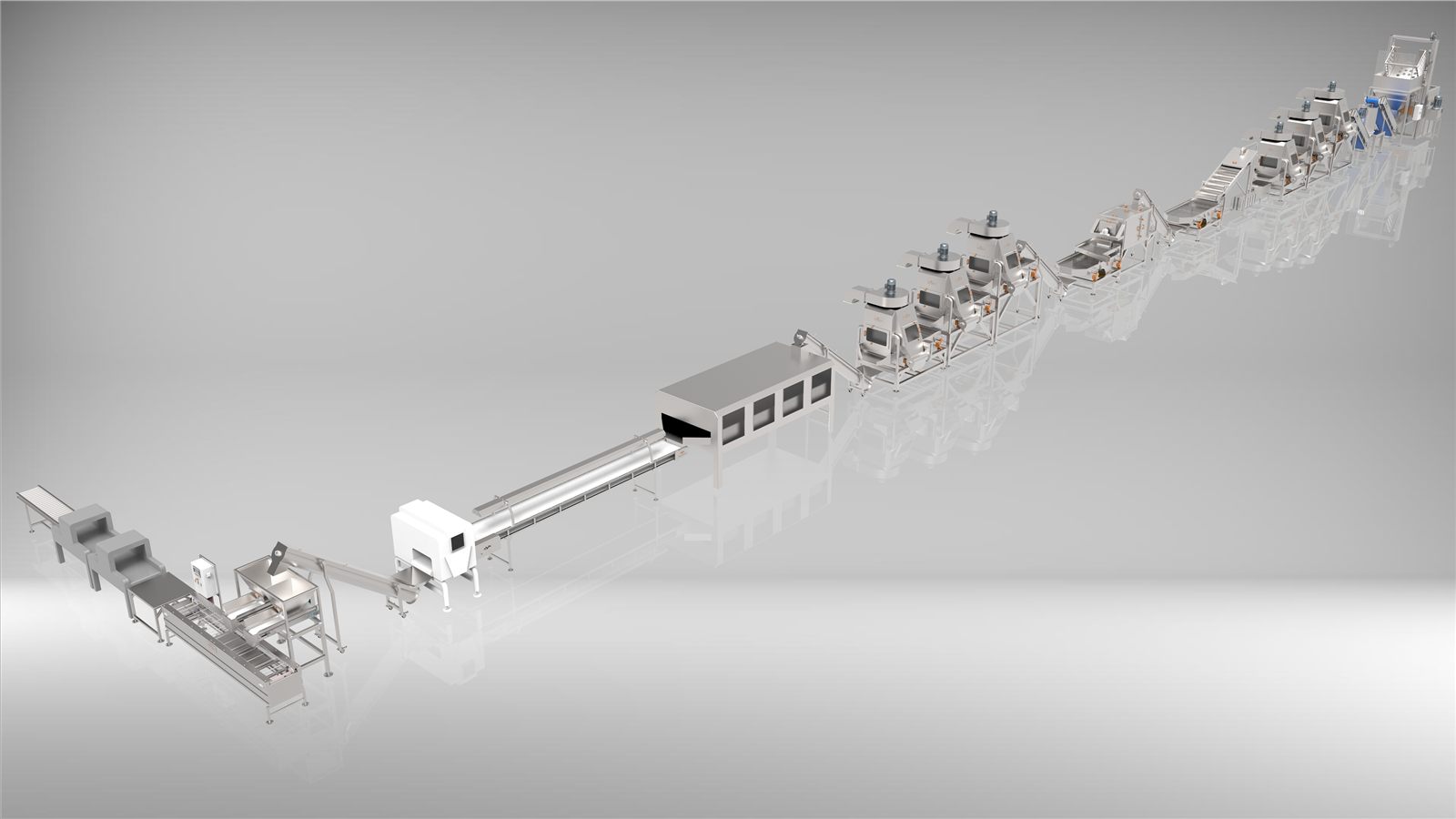
This sequence, sizing first, sorting second, is the same layout used across the fig sizing and sorting equipment built since 1992 and now running in facilities across 22 countries. Scale changes the number of size bands and sorting stations; it does not change the order.
06
Next step
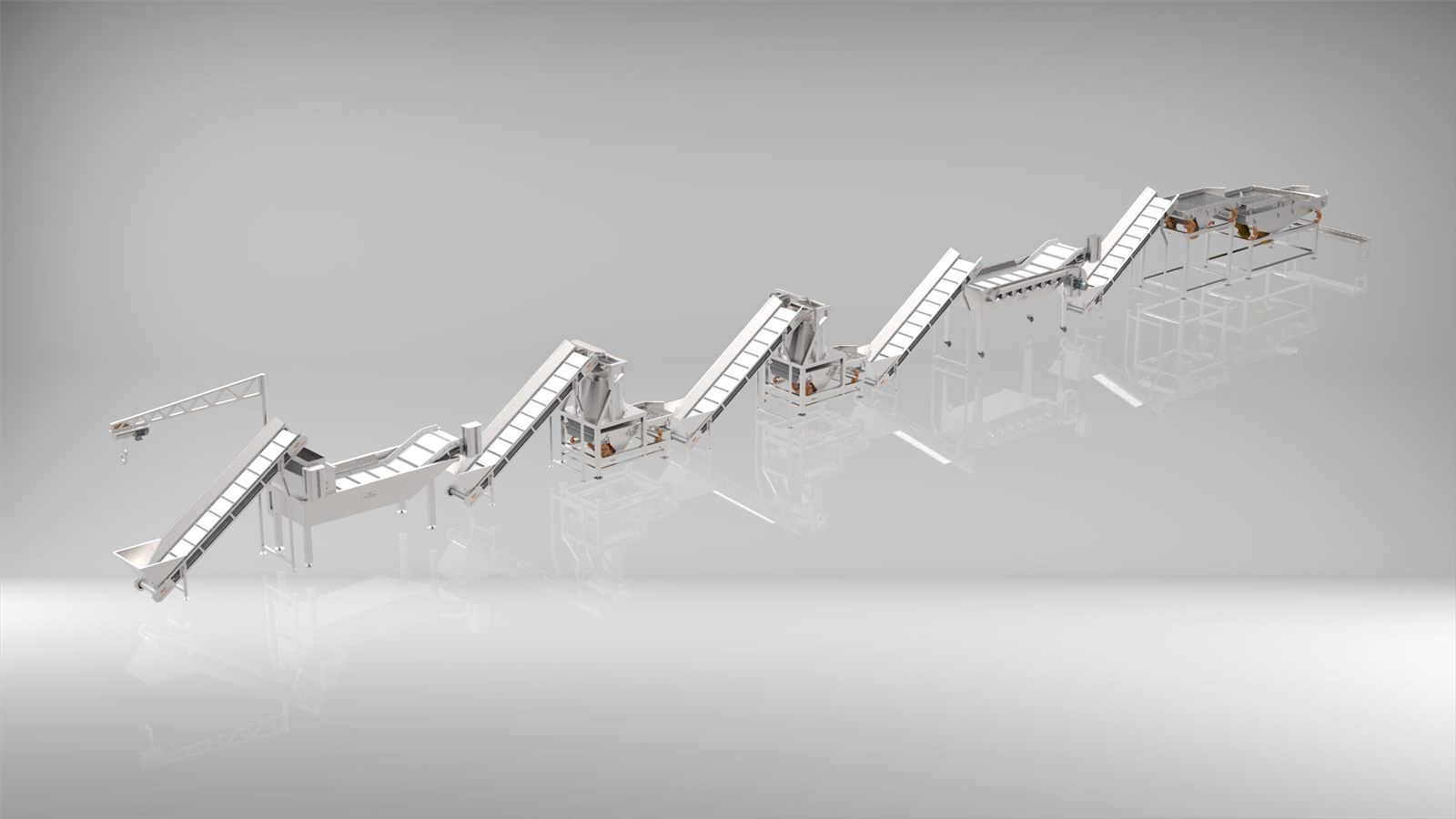
The fig sizing process is one stage of the wider fig processing line, which also covers washing, cutting and filling further down the same line. If you want to work out how many size bands and how many sorting stations your volume needs, request a quote and the equipment list can be confirmed against your product and capacity.