Dried fruit processors use sorting systems to raise product quality, remove foreign material and secure food safety before packing. For raisins, dried apricots, dried figs, dates, prunes, sun-dried tomatoes and similar products, washing and grading alone are not enough; plants producing for export in particular need a detailed check before the product is packed.
This is where X-ray machines, laser sorters, optical sorters and metal detectors come in. They usually sit at the end of the line: after cleaning, washing, grading and manual inspection, and before final packing.
01
What a sorting system is and where it sits on the line
A sorting system is any equipment that separates product automatically against defined quality criteria. On dried fruit lines it is used for:
- 01removing foreign material,
- 02detecting discoloration,
- 03checking shape and size,
- 04rejecting defective fruit,
- 05detecting stones, plastic, glass and metal,
- 06standardising product quality.
The right technology depends on the product and on the defect to be removed. A laser sorter detects surface and colour defects, while an X-ray machine can find some dense foreign bodies inside the product or of the same colour as the product. Modern plants therefore combine technologies that complement each other.
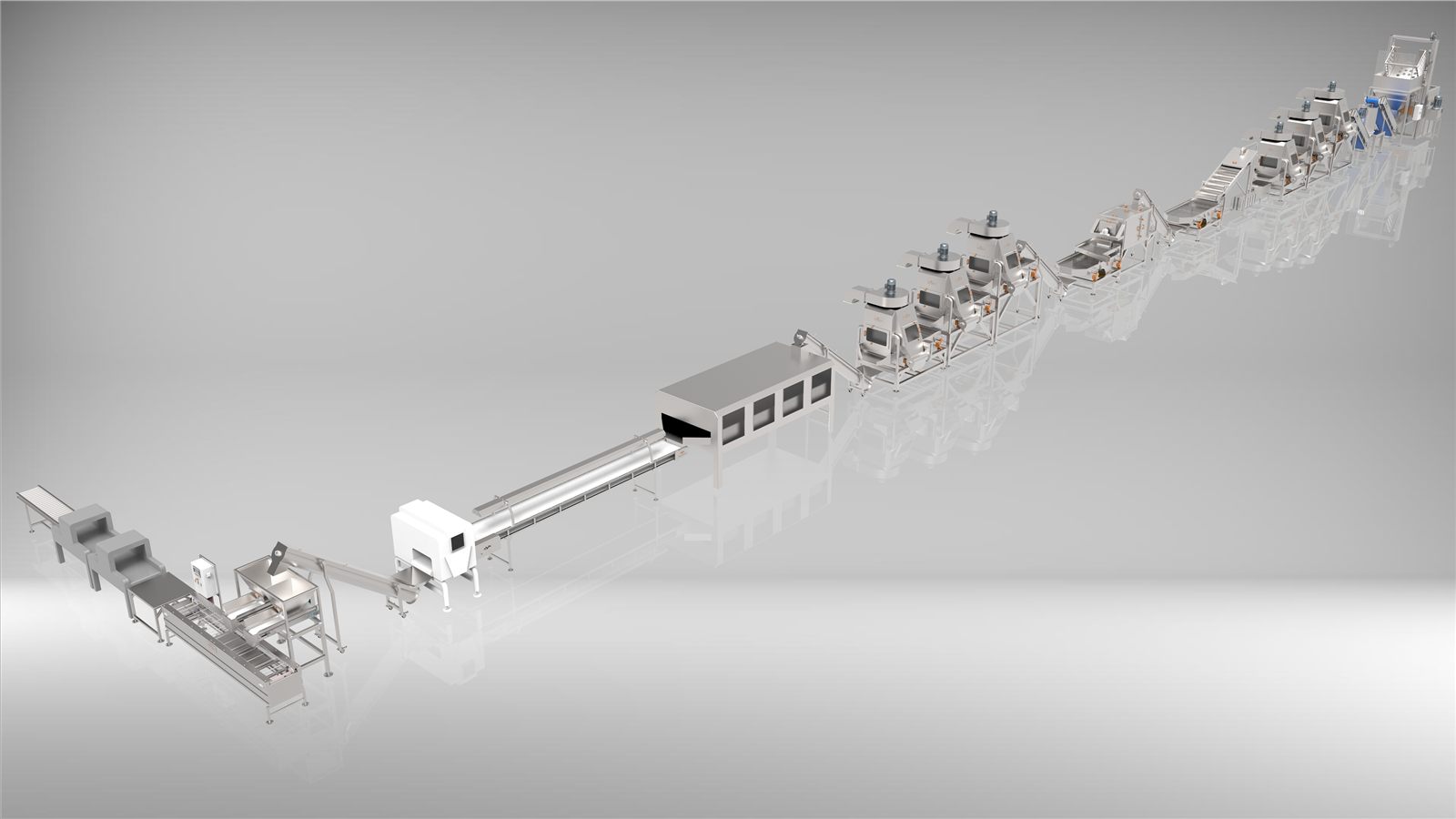
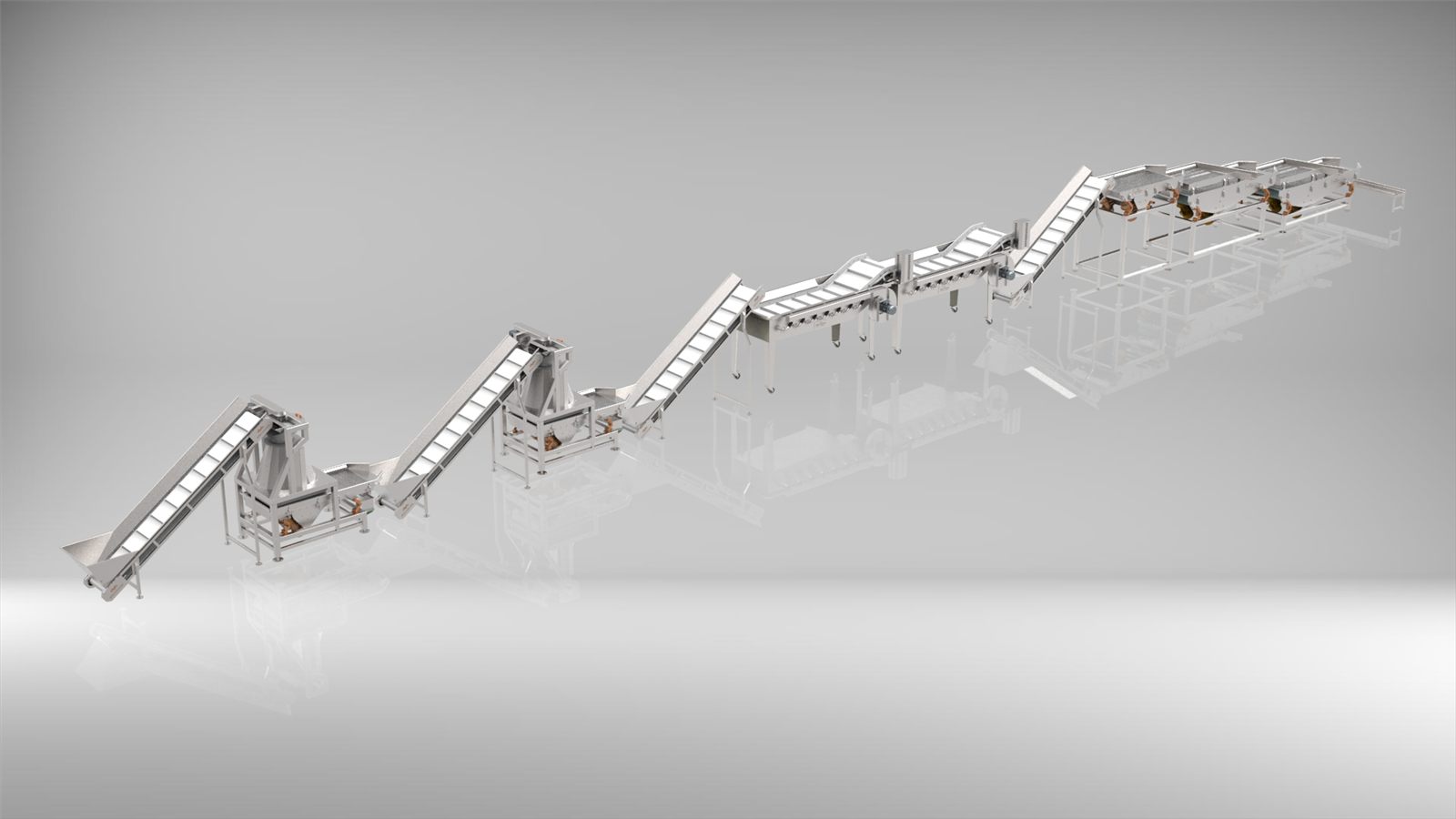
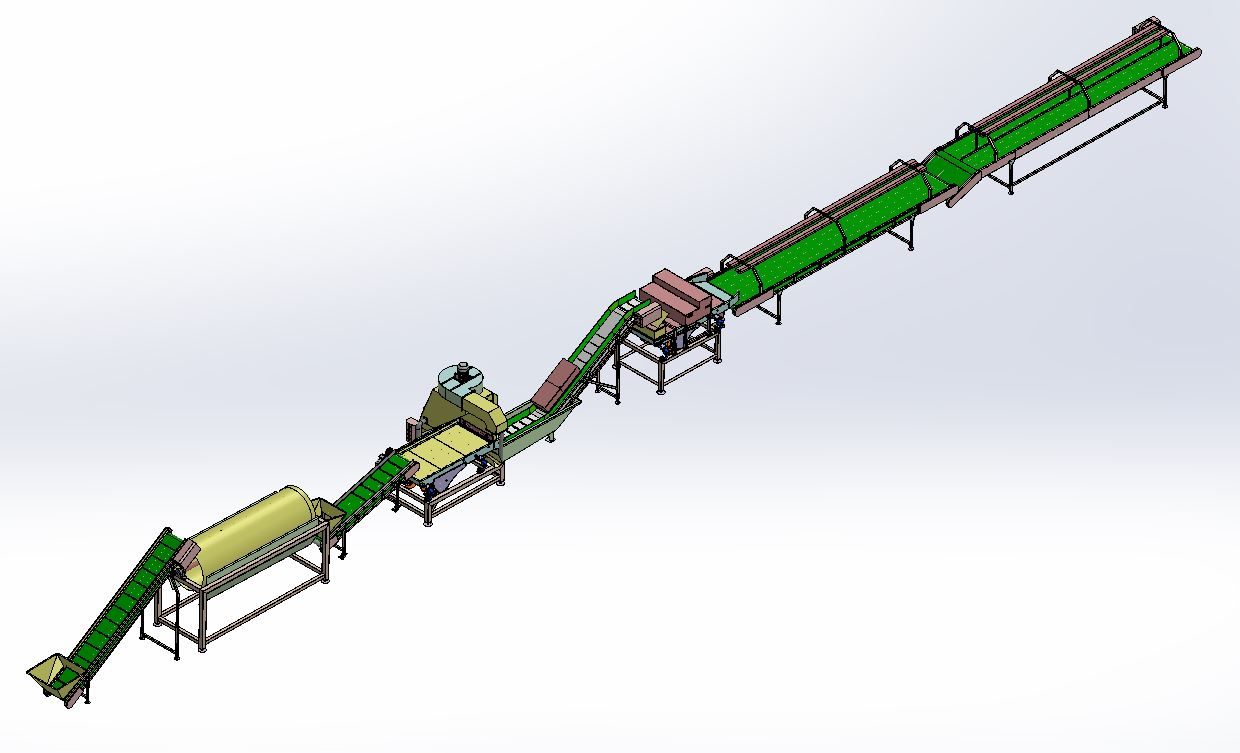
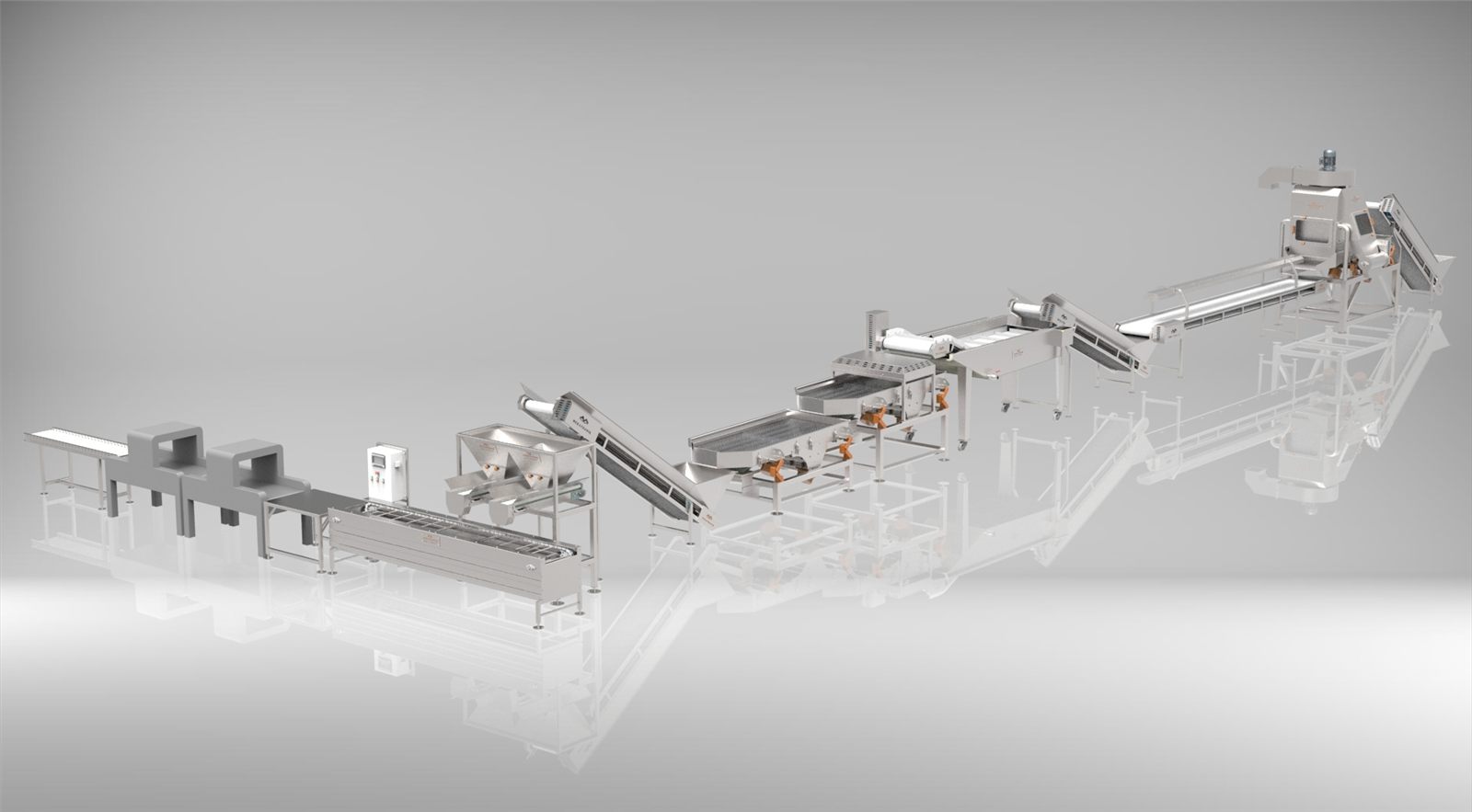
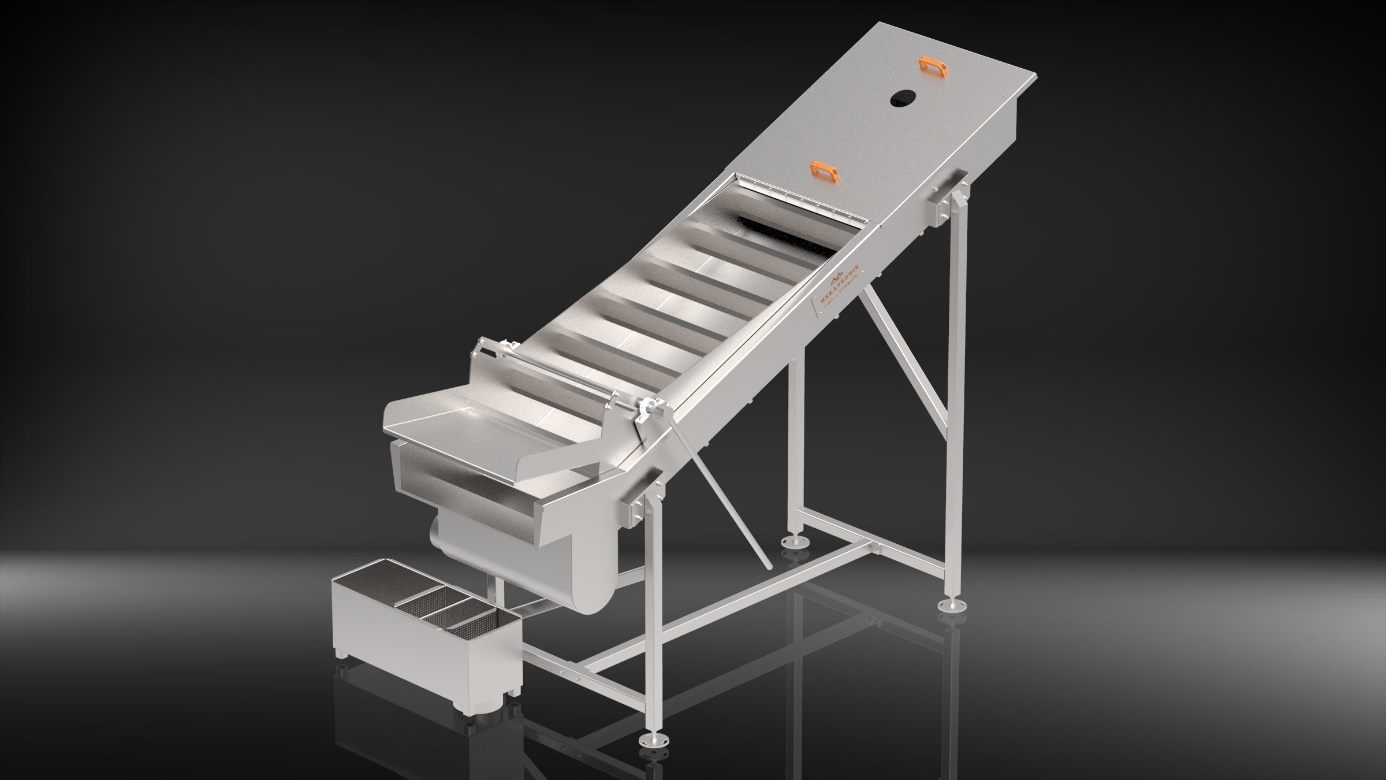
A typical process sequence on a dried fruit line looks like this; the layout changes with the product and the customer's requirements:
- 01feeding,
- 02washing,
- 03stone and sand separation,
- 04stem removal,
- 05grading,
- 06surface water removal,
- 07manual inspection,
- 08laser or optical sorter,
- 09X-ray inspection,
- 10metal detector,
- 11weighing,
- 12packing.
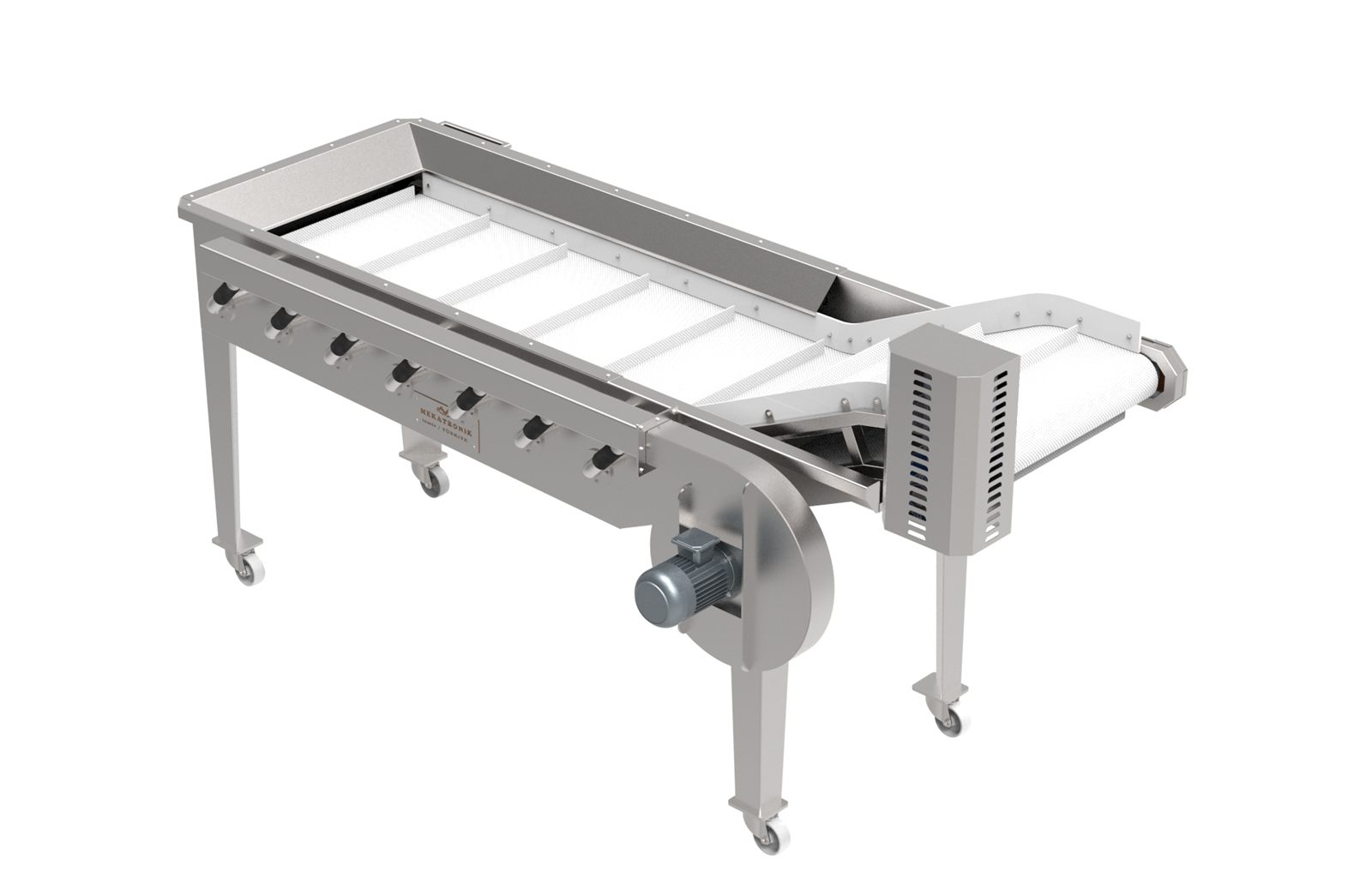
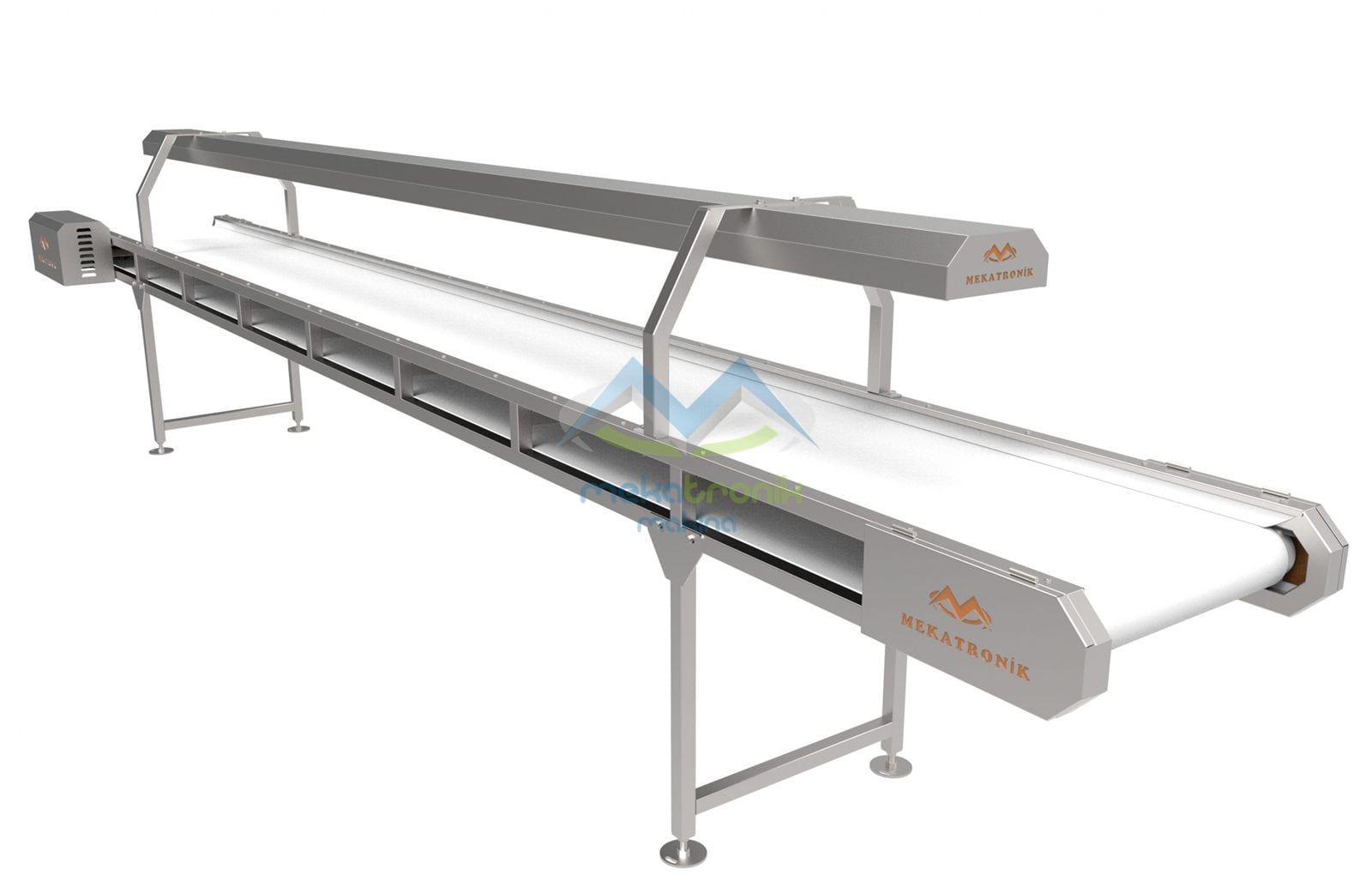
During manual inspection the product passes over an illuminated sorting conveyor where operators pick out defective fruit. Automatic sorting supports this step rather than replacing it.
02
What does an X-ray machine do?
An X-ray machine detects foreign bodies by analysing differences in density as X-rays pass through the product. On dried fruit lines it is used mainly before packing for food safety, and it can detect metal, glass, stone, ceramic, dense plastic fragments and bone-like dense material.
Its key advantage is that it finds a foreign body even when it has the same colour as the product. Small stones in raisins, for example, can look just like the fruit and an optical system will not always reject them; X-ray works on density instead.
X-ray on packing lines
X-ray is mostly placed at the final quality control point, before the product reaches the weigher and packing machine. Packed product can also be passed through X-ray. Either way the risk of foreign material reaching the final pack is reduced, which matters to large retailers, export customers and buyers with strict food safety requirements.
03
Laser sorters, optical sorters and sorting machines
Laser sorter
A laser sorter analyses the surface of the product and automatically rejects defective fruit and foreign material. Unlike a conventional camera system it looks not only at colour but also at surface structure and how the surface reflects light. On dried fruit it removes discoloured, mouldy or damaged fruit, stems and plant matter, plastic fragments and other material with a different surface structure.
Laser sorter vs optical sorter
An optical sorter generally uses high-resolution cameras to assess colour, shape and size. A laser sorter uses the way light is reflected from the surface and can separate some foreign materials and surface defects more precisely. That is why some advanced machines combine camera and laser, assessing colour, size, shape, surface structure and foreign material properties at the same time.
Sorting machine
A sorting machine grades product into quality classes or removes defective product from the line. On high-capacity lines it supports manual inspection: it detects defects, rejects foreign material, standardises quality, reduces operator workload and provides a check before packing. Sorters can work with RGB cameras, high-resolution cameras, lasers, infrared, NIR and multispectral imaging.
04
Sorting by product: raisins, apricots, figs and dates
Raisins
Raisins can contain stems, stones, sand, dried leaves, plastic, glass, off-colour berries and crushed or damaged fruit. Using a laser or optical sorter after mechanical cleaning on a raisin processing line can raise quality noticeably, and X-ray plus a metal detector at the end add a further food safety check.
Dried apricots
In apricot plants sorters remove colour variations, darkened and crushed fruit, foreign material and low-grade product. Combining camera and laser is especially useful for premium dried apricots.
Dried figs
Quality control on figs is more delicate. The sorter inspects the outer surface to reject defective fruit, and X-ray adds security against some foreign bodies inside the fruit. Fig packing lines can therefore use an optical sorter, X-ray and a metal detector together.
Dates
In date plants sorters grade product by colour, size, shape and surface defects. Where high capacity and consistent grading are required, automatic sorting is a clear advantage on date packing lines.
05
Metal detector vs X-ray
A metal detector finds pieces of ferrous metal, stainless steel, aluminium and other metals in the product. On dried fruit packing lines it is usually one of the last checkpoints: product or packs pass through it, and if metal is found the system rejects the item automatically or stops the line.
| Metal detector | X-ray machine | |
|---|---|---|
| Focus | Metal foreign bodies only | Foreign bodies with a density difference |
| Detects | Ferrous metal, stainless steel, aluminium | Metal, stone, glass, ceramic and some other dense materials |
| Position on the line | Before packing or on packed product | Before packing or on packed product |
In plants aiming for high food safety, X-ray and metal detection are therefore used as complementary systems rather than alternatives.
06
A complete sorting and packing line
Packing is one of the last steps before the product reaches the consumer, so quality control belongs on the packing line. Sorting standardises quality, reduces foreign material risk and manual inspection workload, raises capacity, makes export standards easier to meet and lowers the risk of customer complaints. A modern dried fruit packing line can combine:
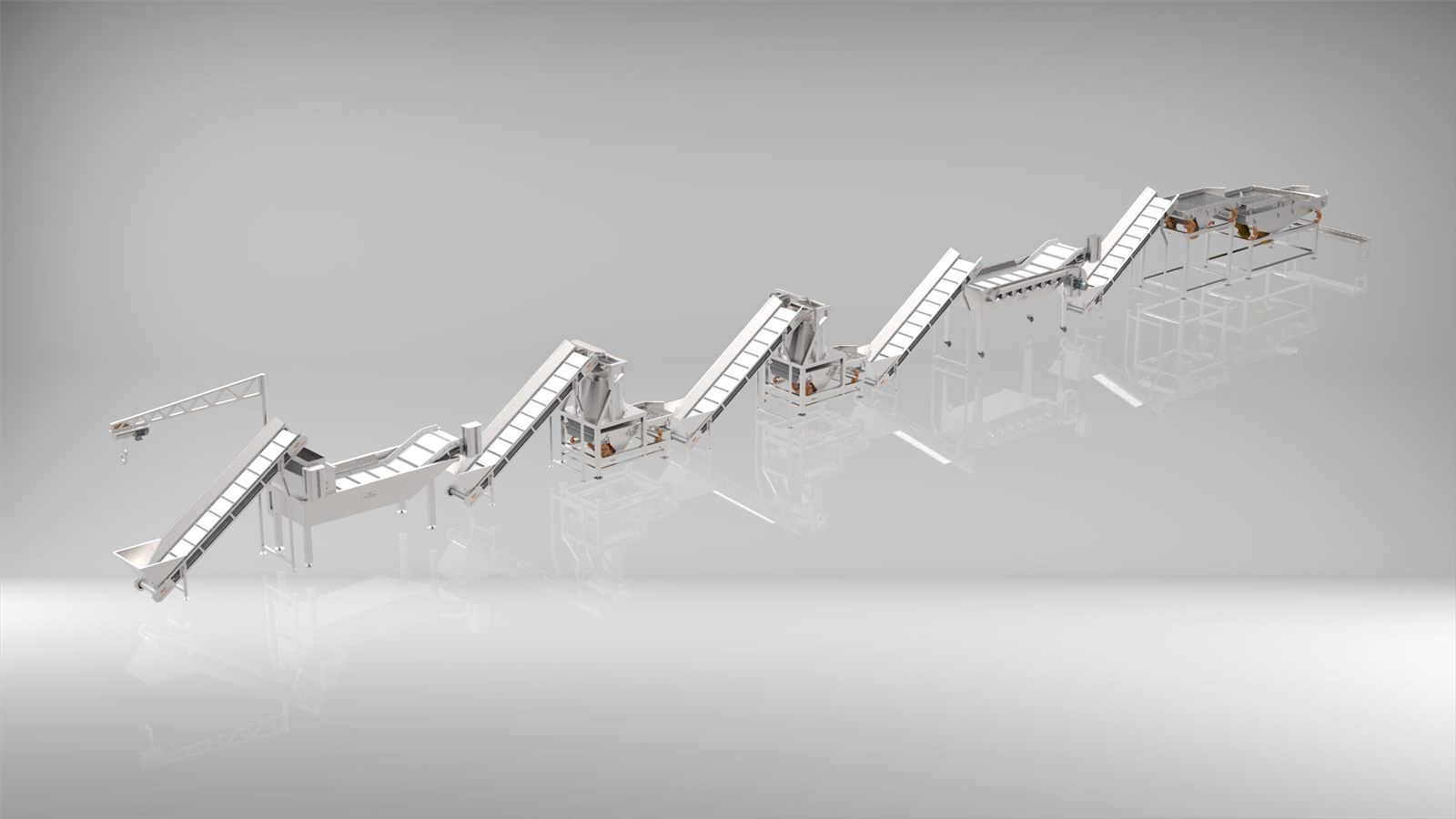
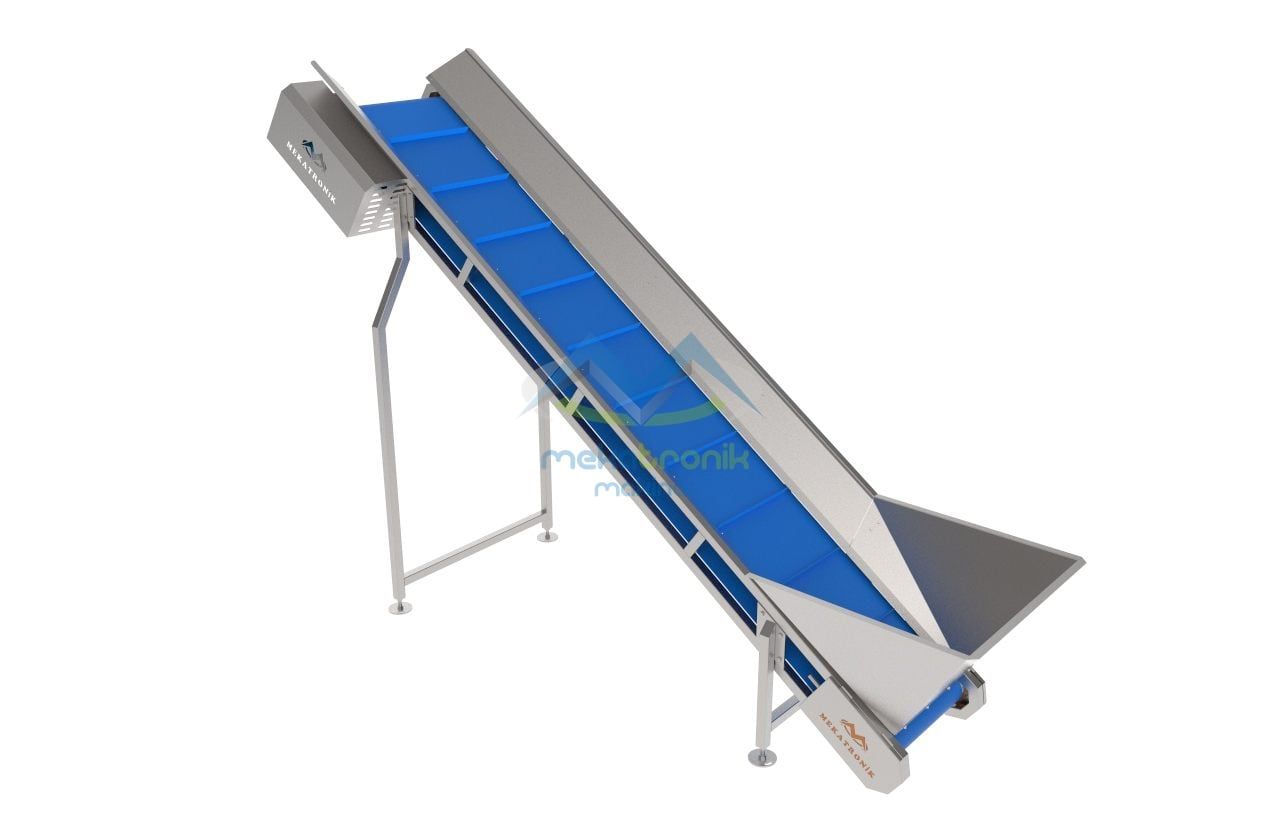
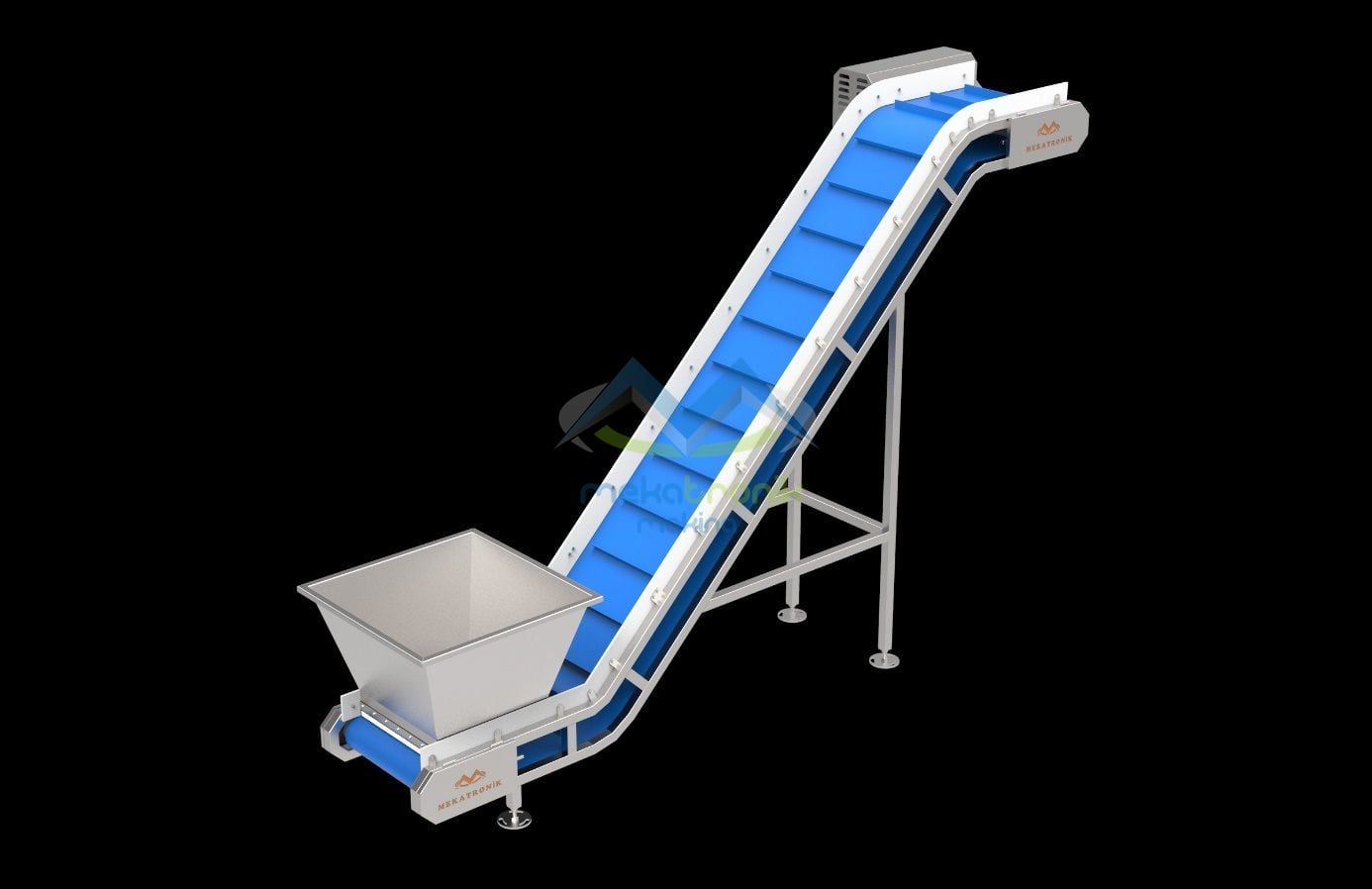
- 01feeding conveyor,
- 02laser sorter,
- 03optical sorter,
- 04X-ray machine,
- 05metal detector,
- 06weighing system,
- 07packing machine,
- 08case sealing,
- 09finished product conveyor.
How well these systems are connected directly affects line performance: conveyor speeds, feed rate and sorter capacity have to match.
Mekatronik Makina dried fruit sorting and packing lines
At Mekatronik Makina we integrate process equipment on dried fruit lines from product feeding through to quality control before packing. Conveyors, feeding systems, manual inspection belts, laser sorter, X-ray and metal detector integration, weighing systems and packing lines are planned as one system, with the aim of a safe, orderly and controlled process from line infeed to the final pack. To discuss your product and line, contact us through our quotation page.