There is no single fixed value for how long product stays in the tank or how often the water is renewed. Both are set at commissioning according to the product, its soiling level and the flow of the line. This article explains what those two settings depend on in the universal washing machine (jacuzzi).
01
How does a jacuzzi washing machine clean the product?
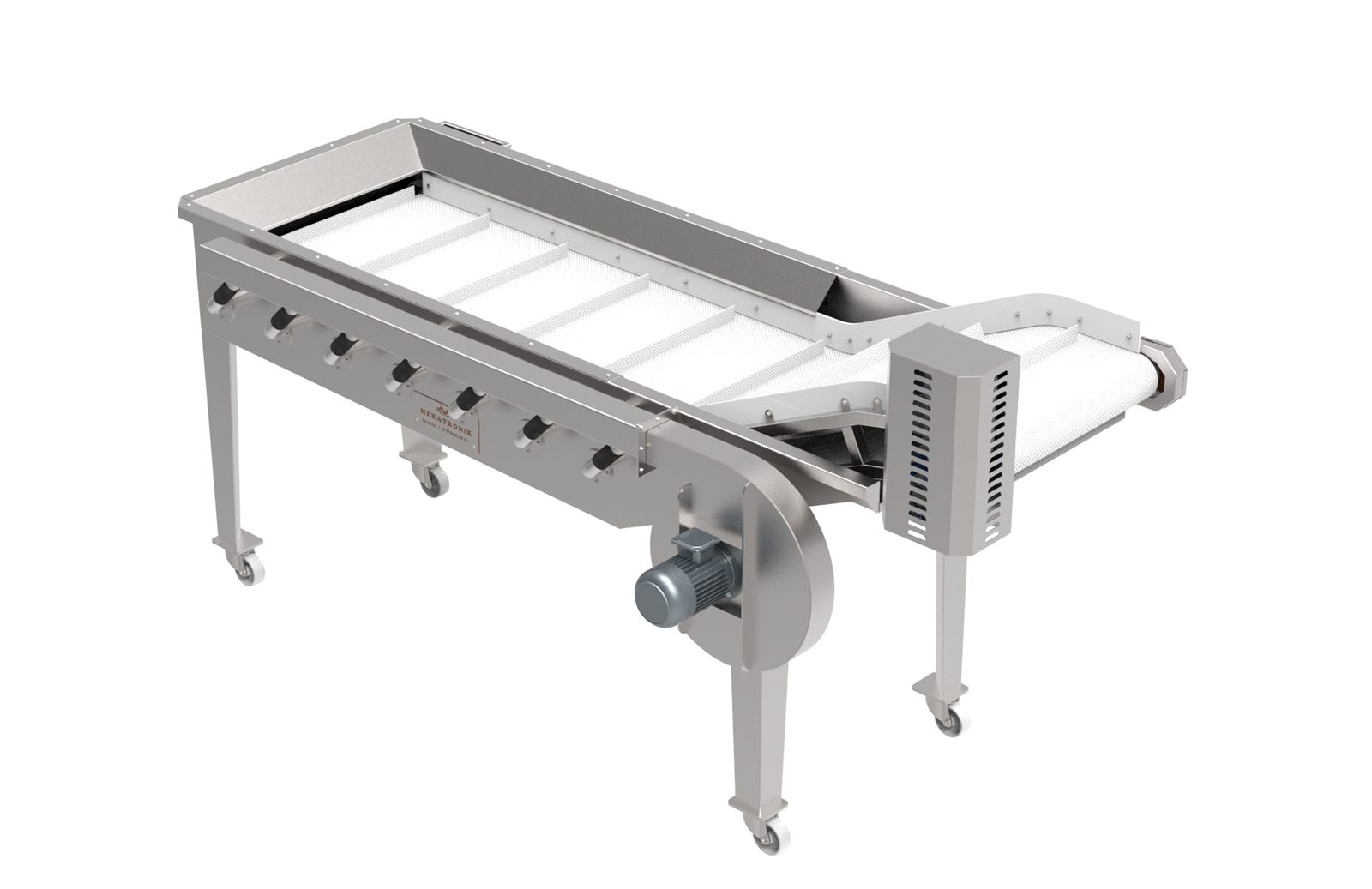
The machine works as an air-bubble washing basin. Product enters the basin, the movement of water and air bubbles loosens the dirt on its surface, moisture is added to the product during washing, and the cleaned product is passed on to the next station. One machine therefore does both washing and moistening, and the dwell time affects both jobs.
Product-contact surfaces are AISI 304 stainless steel, with AISI 316 available as an option depending on the process. The water regime allows both hot and cold water.
02
What decides the dwell time?
The machine documentation gives no fixed dwell figure, and inventing one would be wrong: values vary by project and exact figures are confirmed in the quotation. The main factors are listed below.
- 01Product type: dried apricots, dried figs and dates do not have the same surface and do not release dirt at the same rate.
- 02Soiling level: dust, sand and sticky residue on the surface change with harvest and drying conditions.
- 03Target moisture: the moisture added during washing affects the next station, and very wet product loads the dewatering and screening steps.
- 04Water temperature: hot water changes how fast residue loosens, but the product's sensitivity to heat has to be considered.
- 05Line speed: the jacuzzi does not work alone, so its discharge rate must match the intake rate of the next machine.
None of these is fixed by guesswork. The cleaning level is measured with the product at commissioning, and the dwell time is settled during that test.
03
When does the water need to be changed?
The water in the basin gradually loads up with the dirt the product releases. How often it is renewed depends on how dirty the incoming product is and how much passes through during a shift. That frequency is also set per project; no fixed change interval is given for the machine.
Two signs are watched in practice: visible soiling of the basin water, and whether the washed product leaves at the expected cleanliness. If either slips, the dwell time or the renewal frequency is reviewed. The easy-to-clean construction also simplifies basin cleaning at the end of a shift.
04
How do hot water and heating options affect the setting?
The machine can run on hot and cold water. For plants that need heating, a self-heating or burner-fired system can be added as an option. Which product is washed with which water regime is assessed together with the plant's energy supply.
| Decision | Depends on | Where it is settled |
|---|---|---|
| Dwell time | Product type, soiling, target moisture | Commissioning test |
| Water change frequency | Soiling level, product passing per shift | Commissioning and first production period |
| Water temperature | Product's reaction to heat, heating option | Quotation and project stage |
| Basin size | Place and purpose of use | Custom size at quotation |
05
Which lines use it?
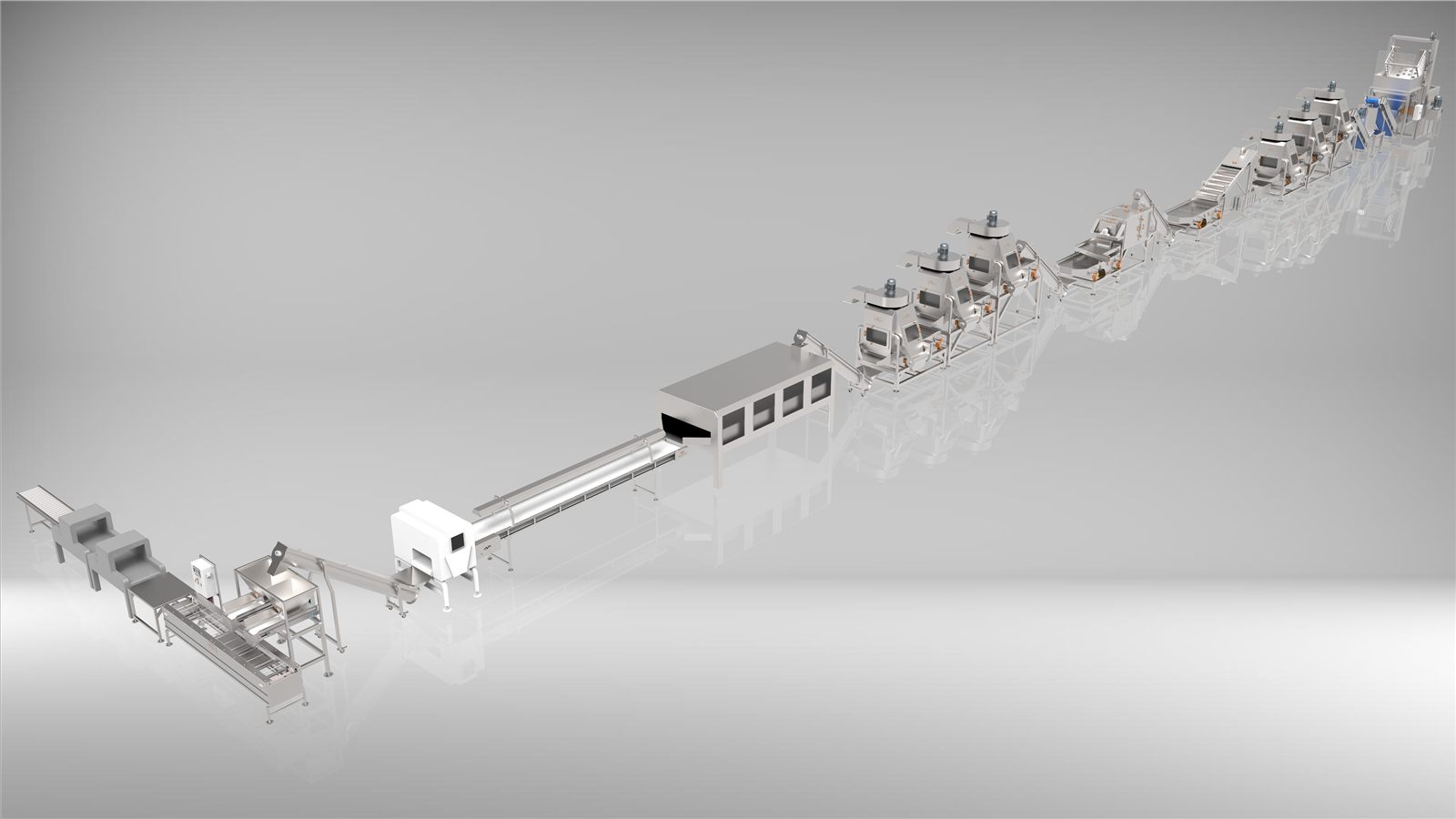
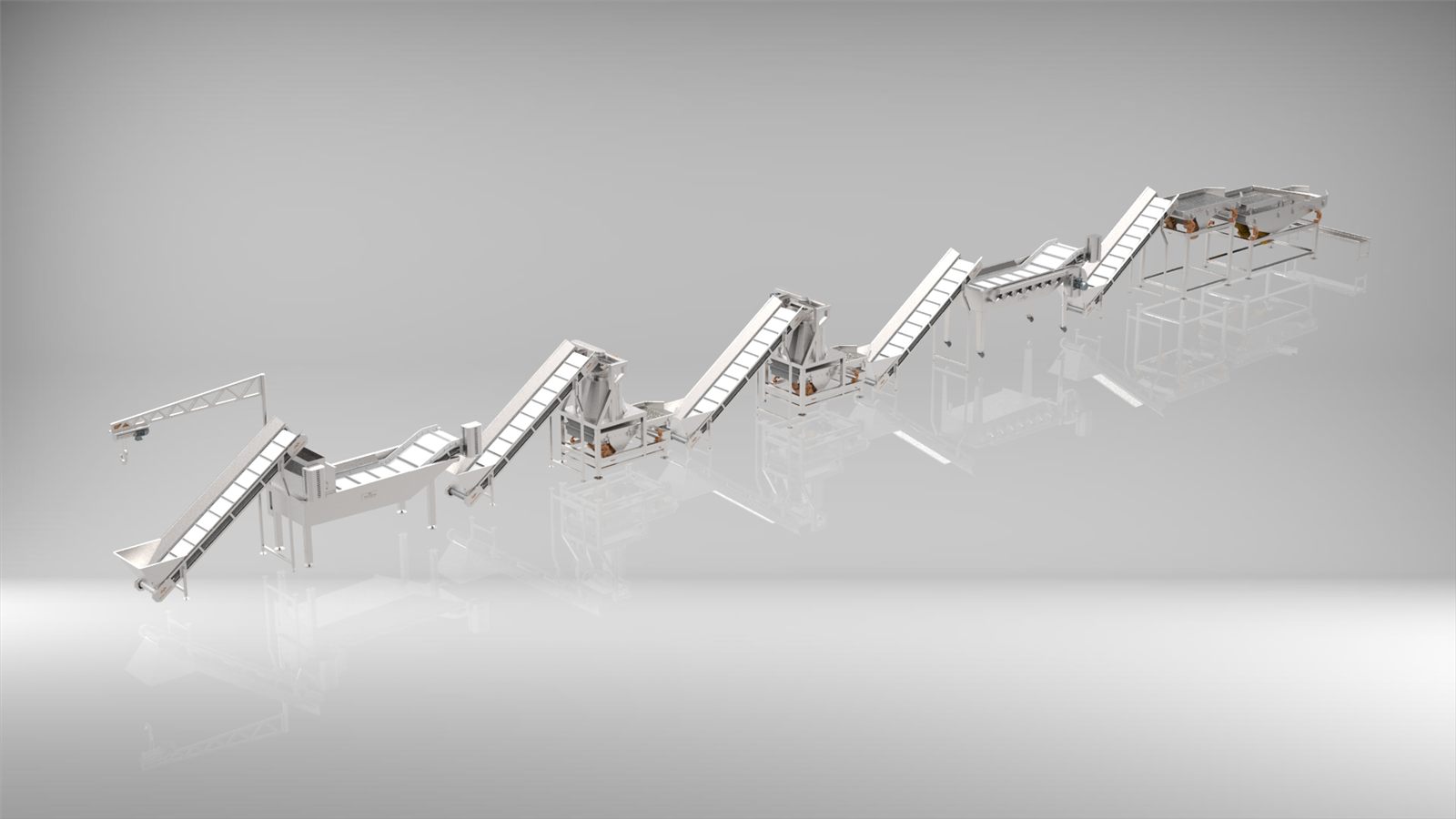
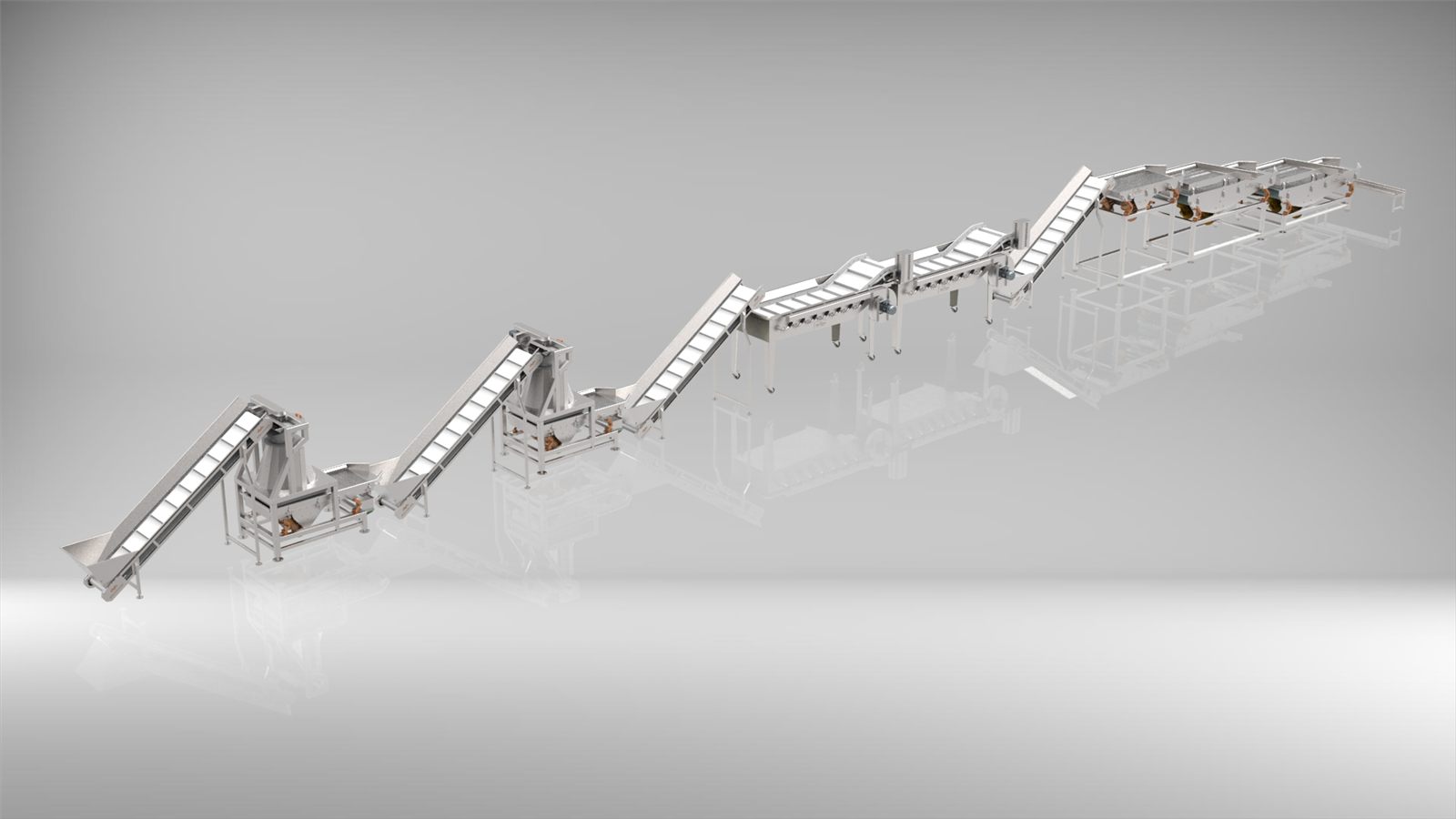
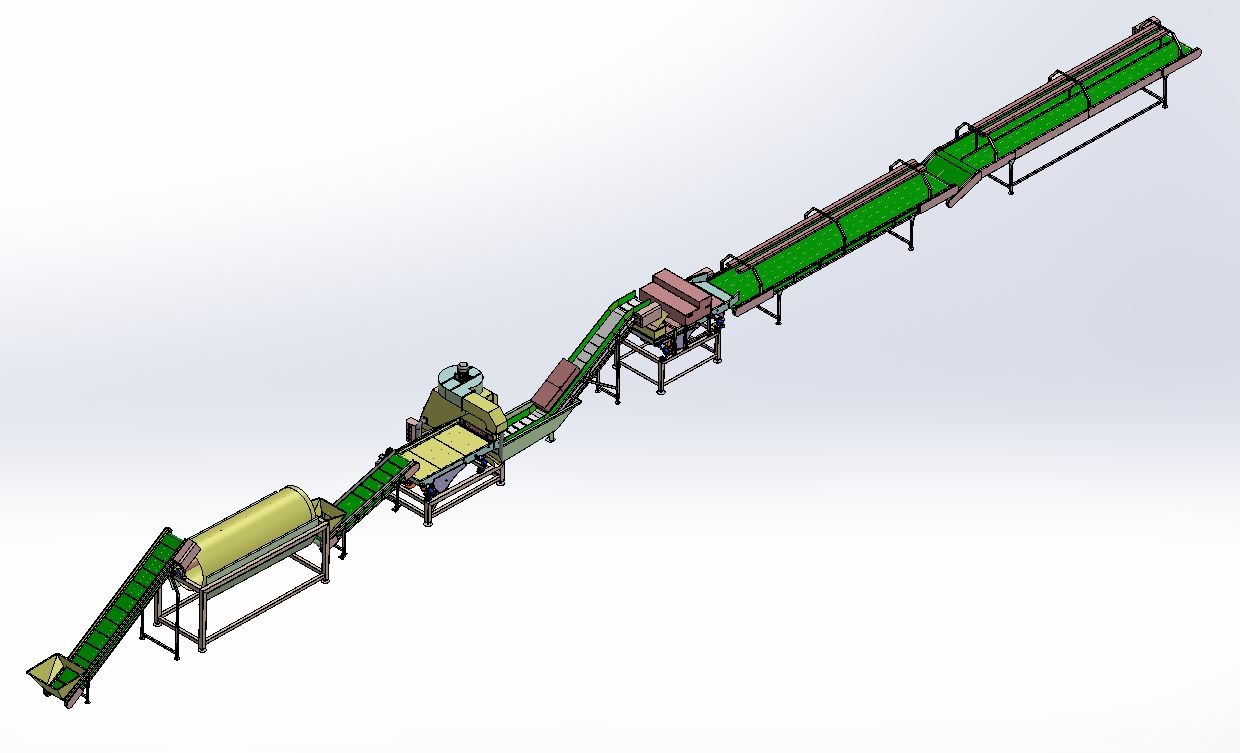
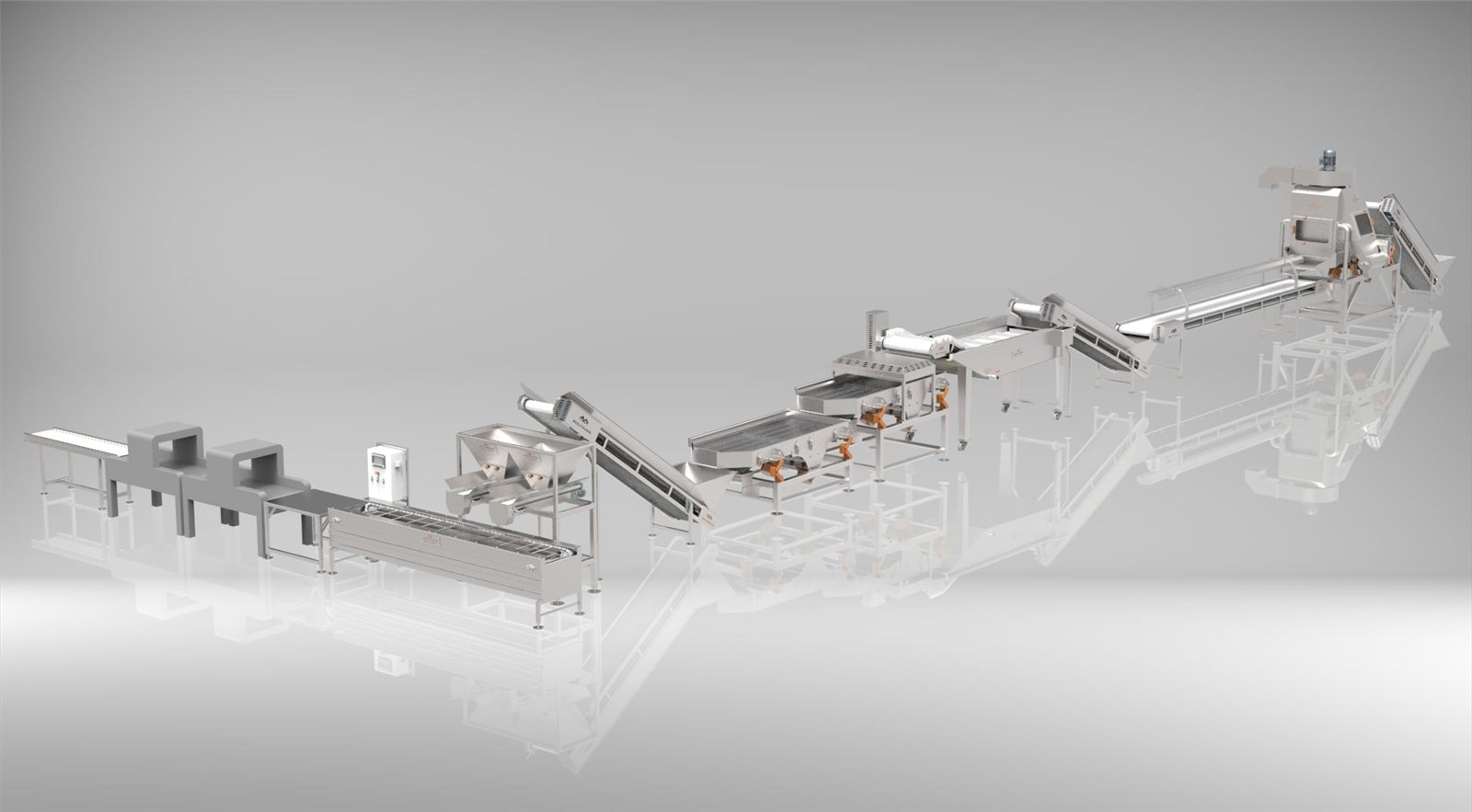
The jacuzzi is part of the dried apricot, dried fig and date lines. In the dried apricot washing line or the date washing line, for instance, product moves from the jacuzzi to dewatering and screening, so dwell time and moisture gain directly set the load on the machines that follow.
Next step: tell us your product, target capacity and plant dimensions through the quotation page, and we will settle values such as dwell time and water regime together for your project.