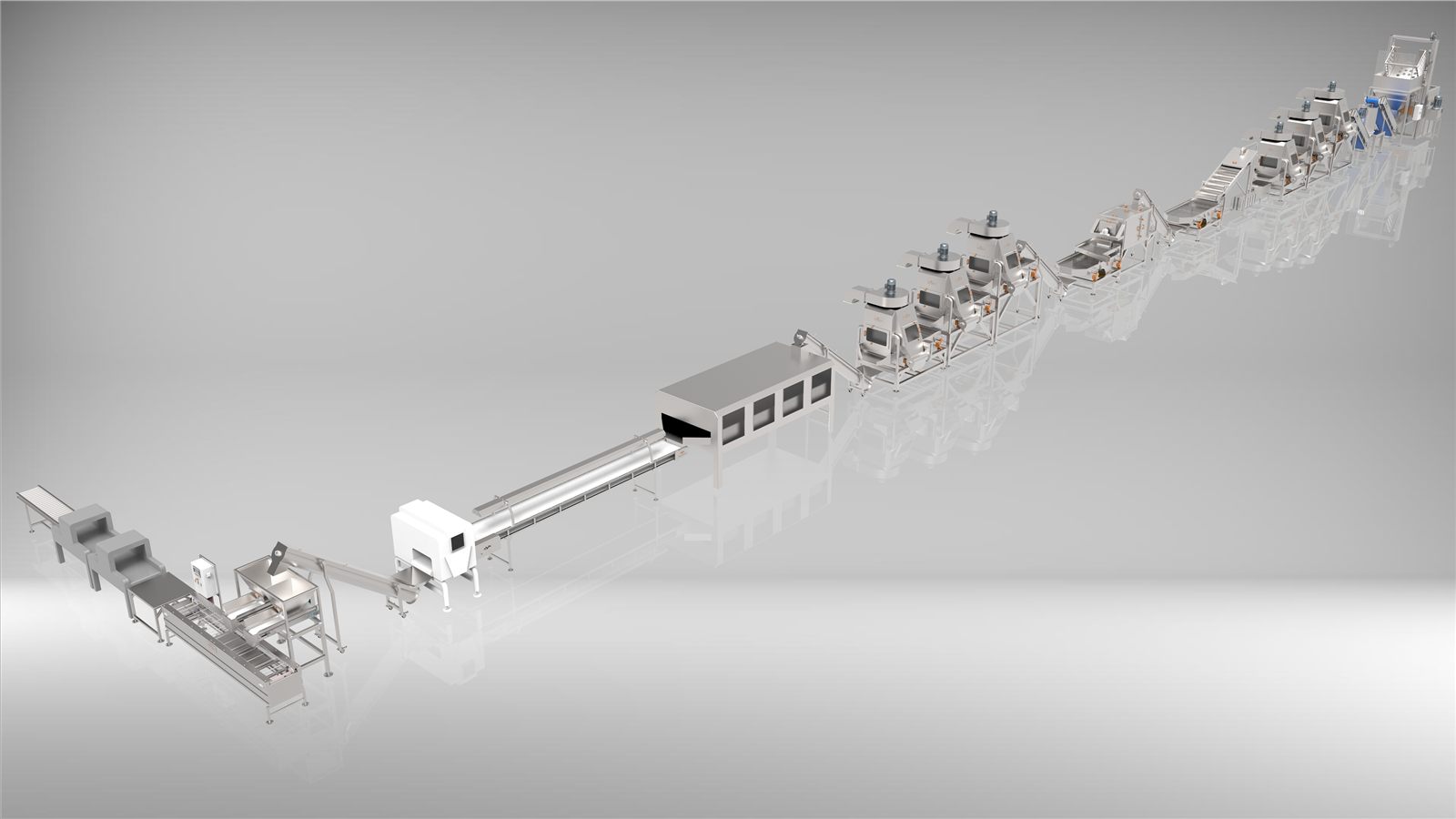
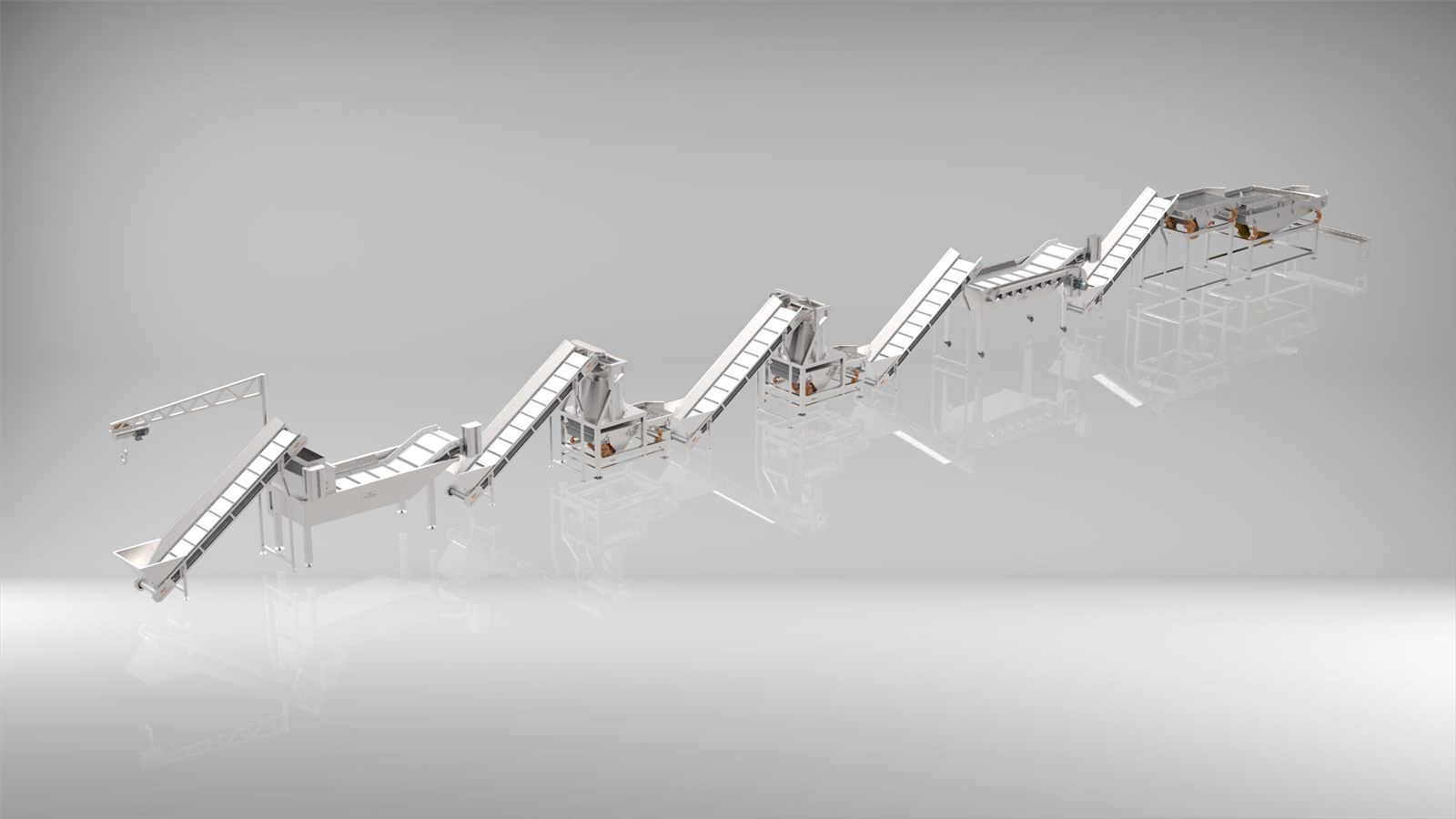
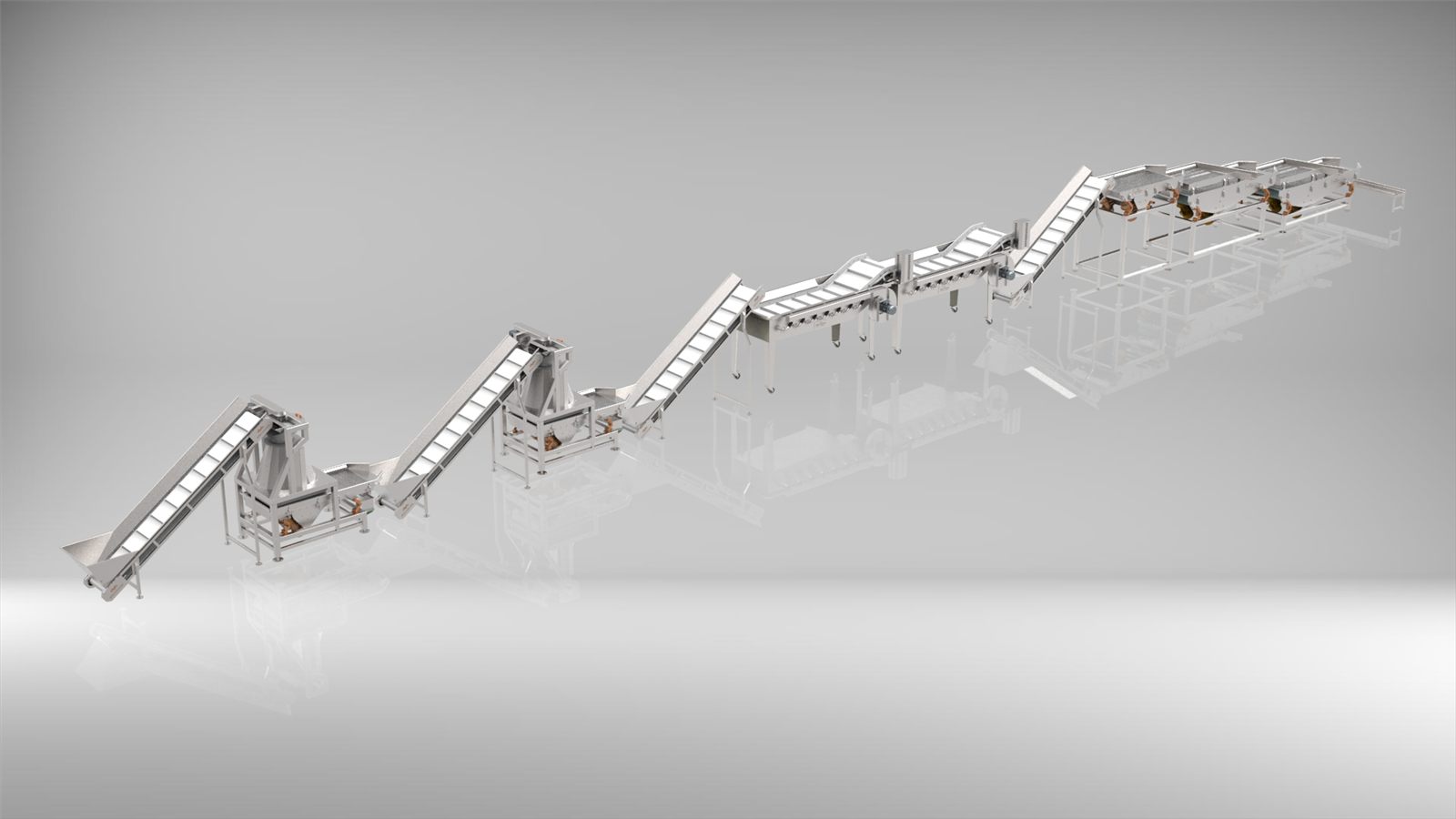
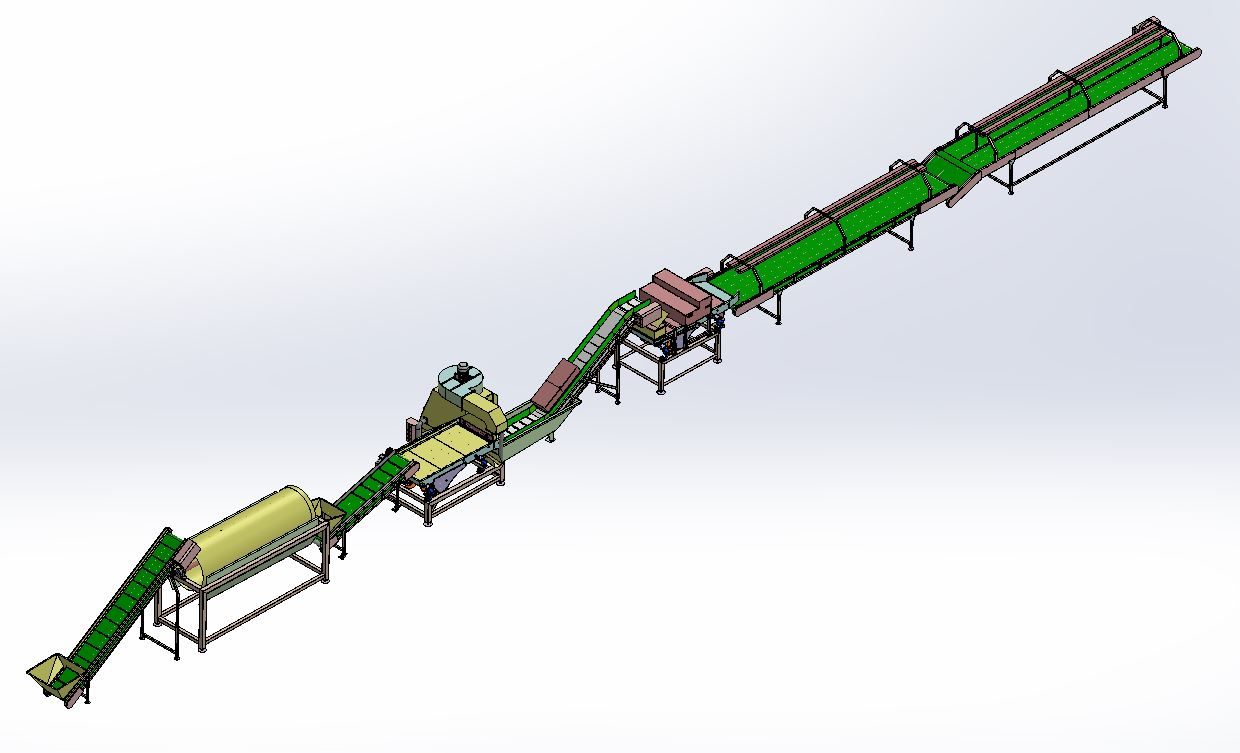
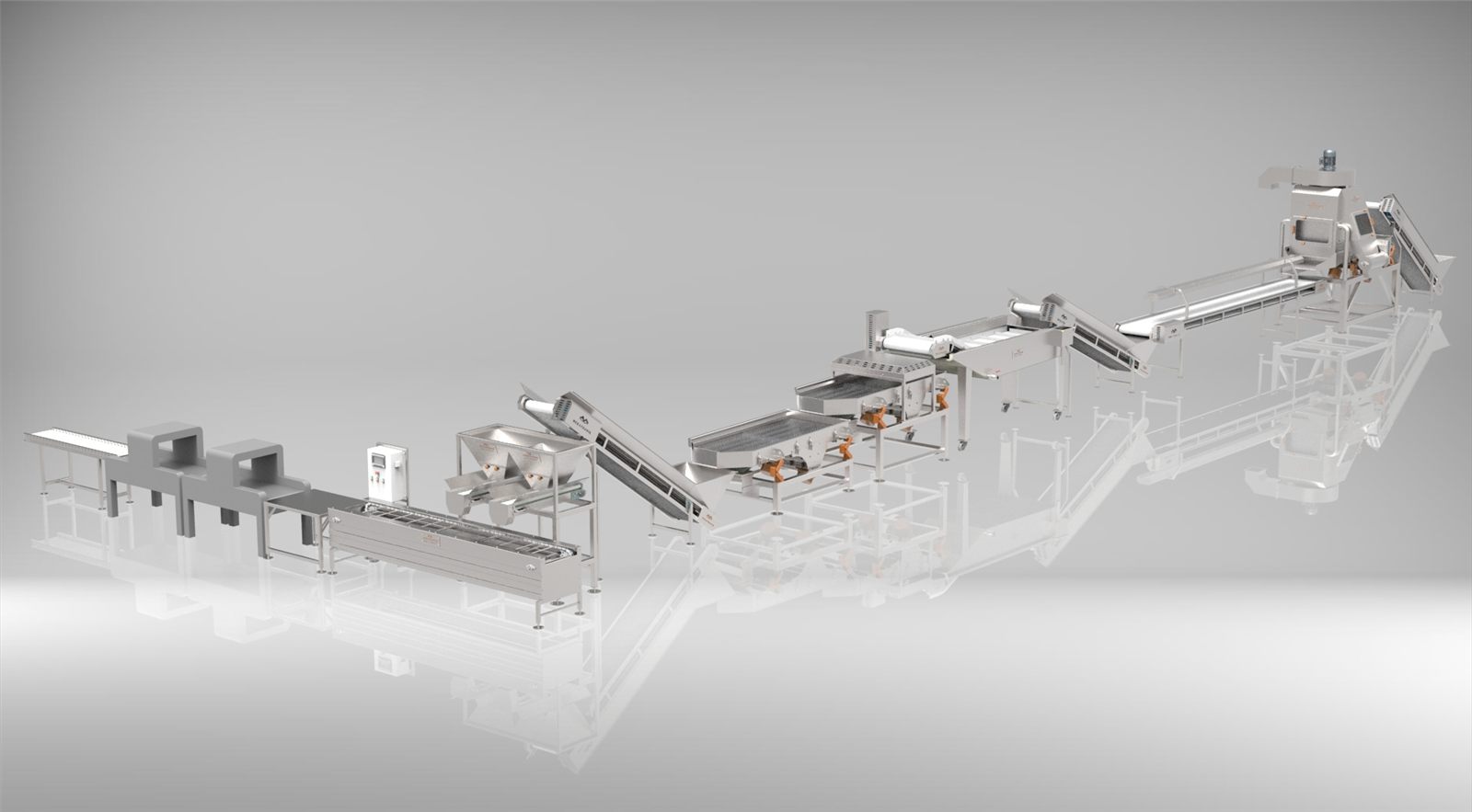
Dried fruit arrives from the orchard or drying yard with more than the fruit itself: stones, twigs, insect fragments and occasionally metal from harvesting or handling equipment travel with it. A processing line has to remove or detect all of it before packing, and no single machine does both jobs well. This is why sieving and metal detection are planned as two separate, complementary stations rather than one universal filter.
01
Why one machine cannot do both jobs
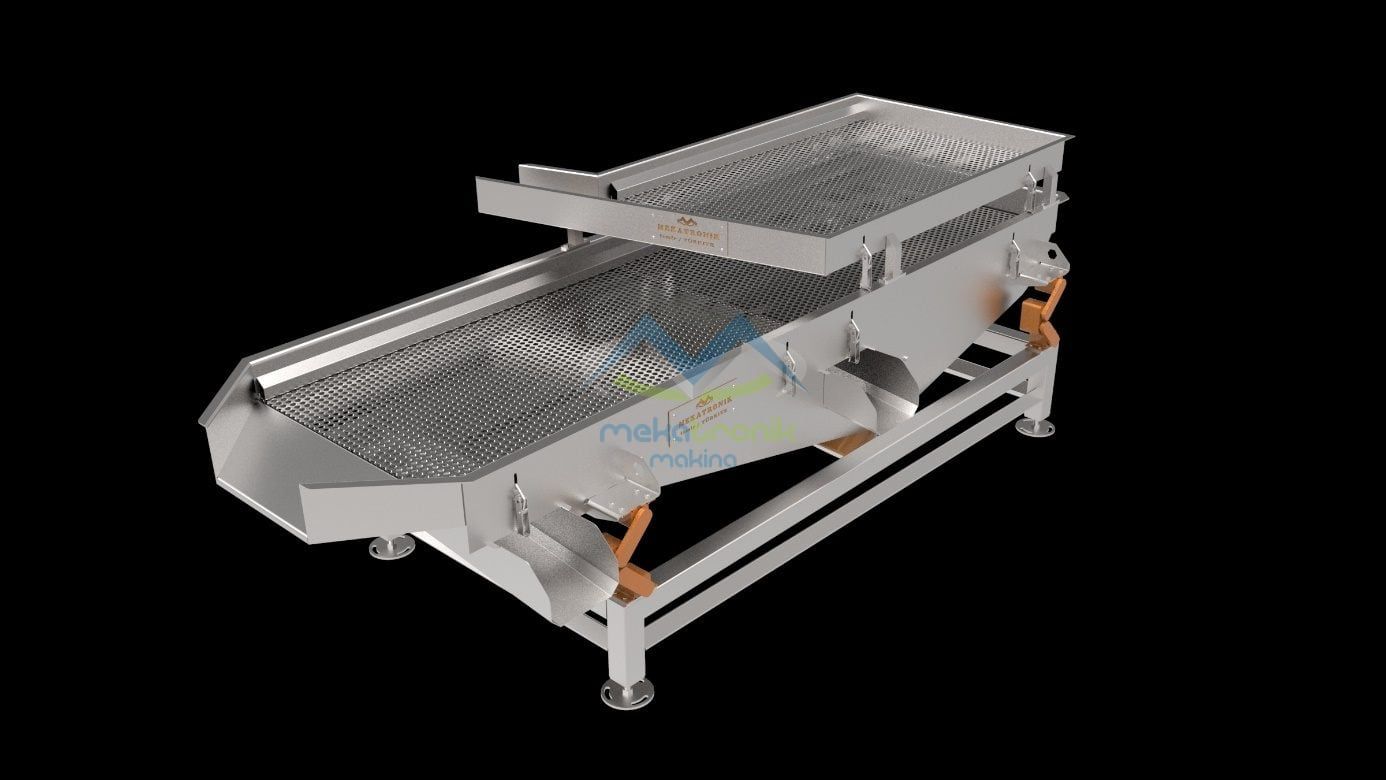
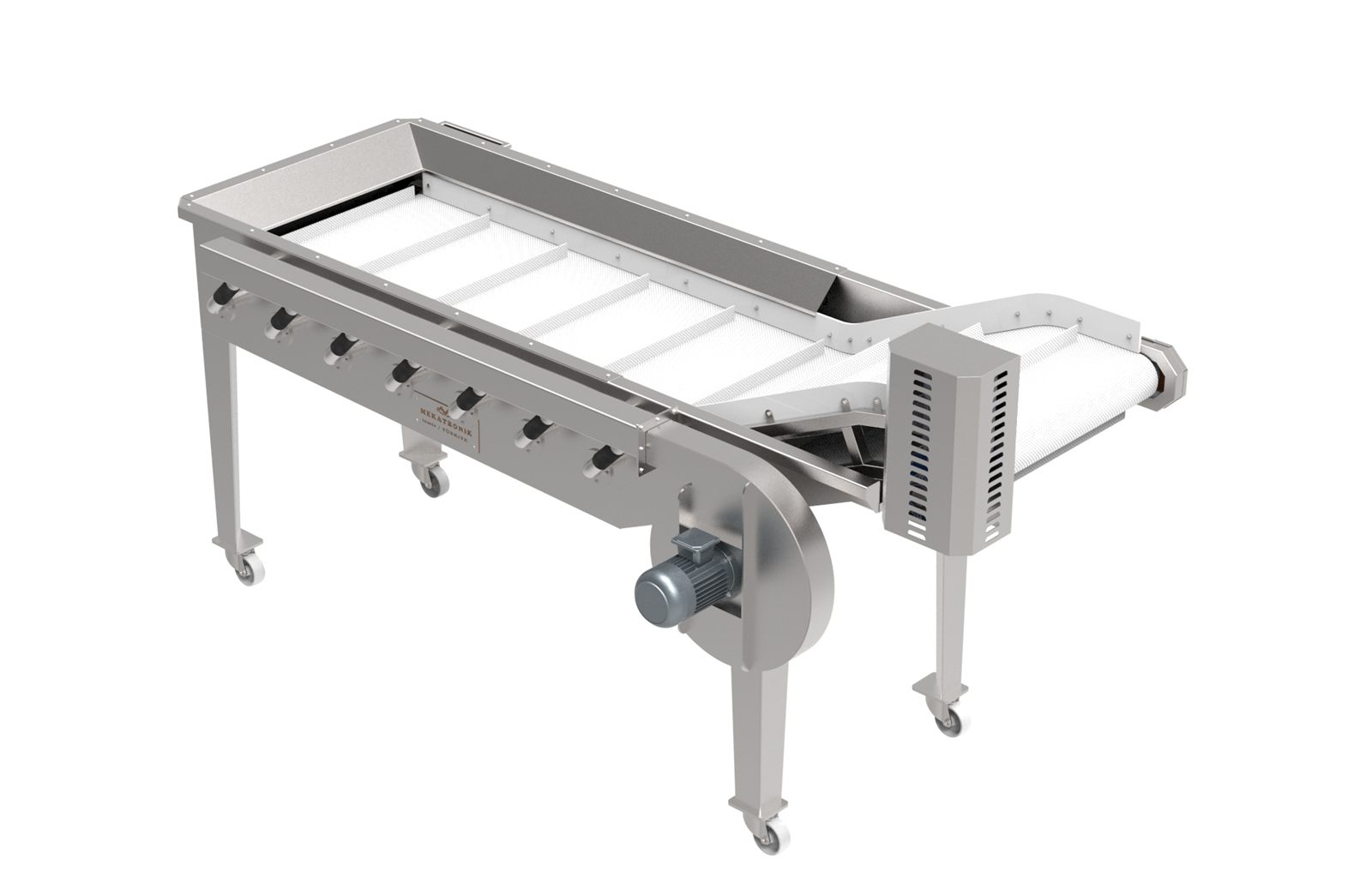
Vibratory sieves and shakers separate material by size and, with the right screen and airflow, by weight. They are effective against stones, wood fragments, insect debris and oversized or undersized fruit, but they cannot distinguish a piece of metal that happens to match the product's size and density. Metal detectors work on the opposite principle: they read a product's effect on an electromagnetic field regardless of its size relative to the fruit, but they do nothing for non-metallic contamination. Running both in sequence closes the gap that either one leaves open on its own.
02
Why stainless steel is the hardest contaminant to catch
Detection difficulty is not the same for every metal. Ferrous fragments are magnetic and strongly affect the field, so they are the easiest to pick up. Non-ferrous metal is not magnetic but still conducts well enough to be flagged reliably. Stainless steel, the same family of material a processing line itself is built from, is usually non-magnetic and a comparatively poor conductor, which makes small stainless fragments the hardest case for any detector to resolve. This is one reason detector sensitivity, aperture size and product effect are set per line rather than copied from a generic spec sheet: a fixed sensitivity that works for one product and package format will not necessarily work for another.
03
Where sieving and sorting fit before the product reaches the detector
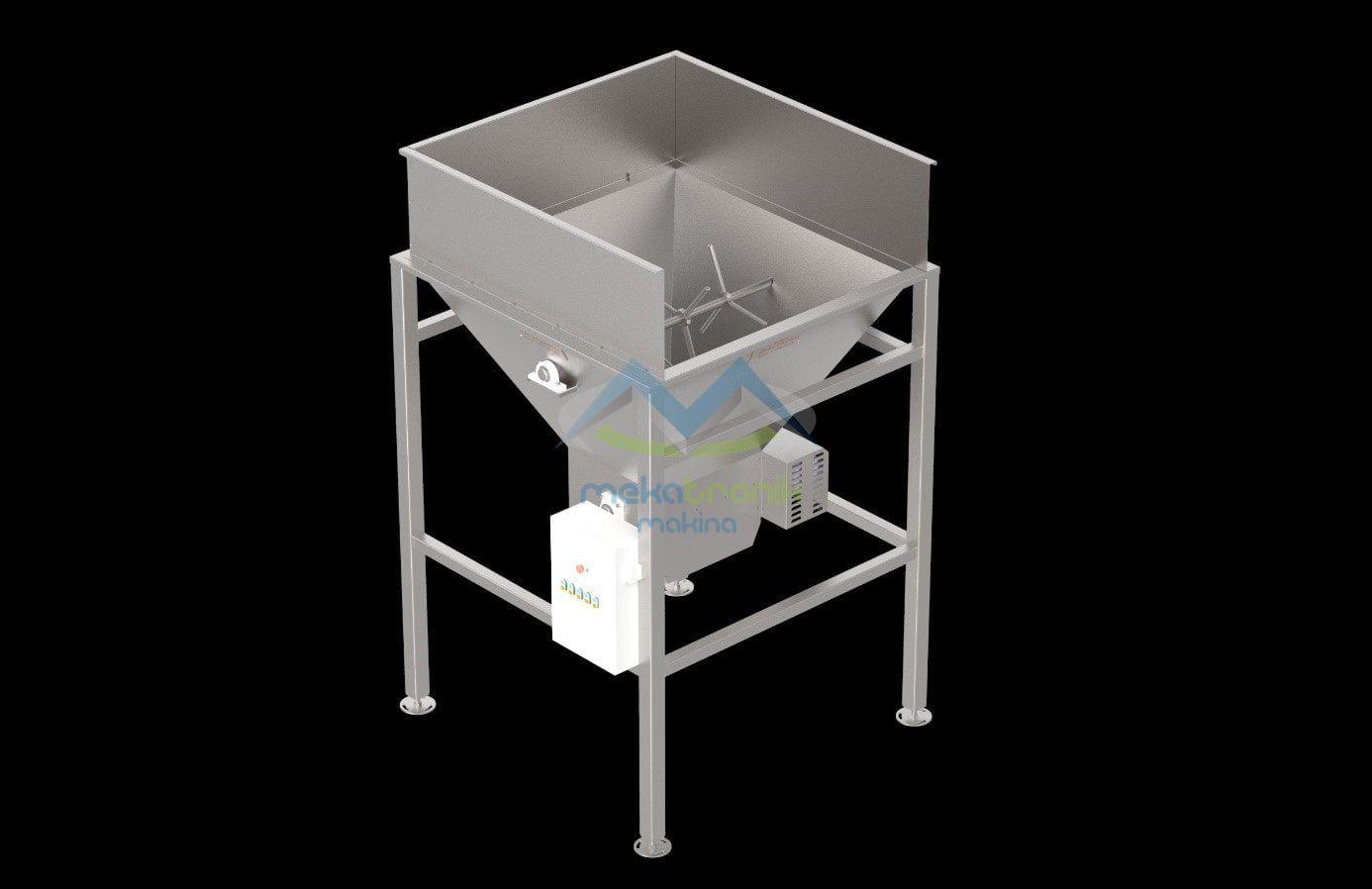
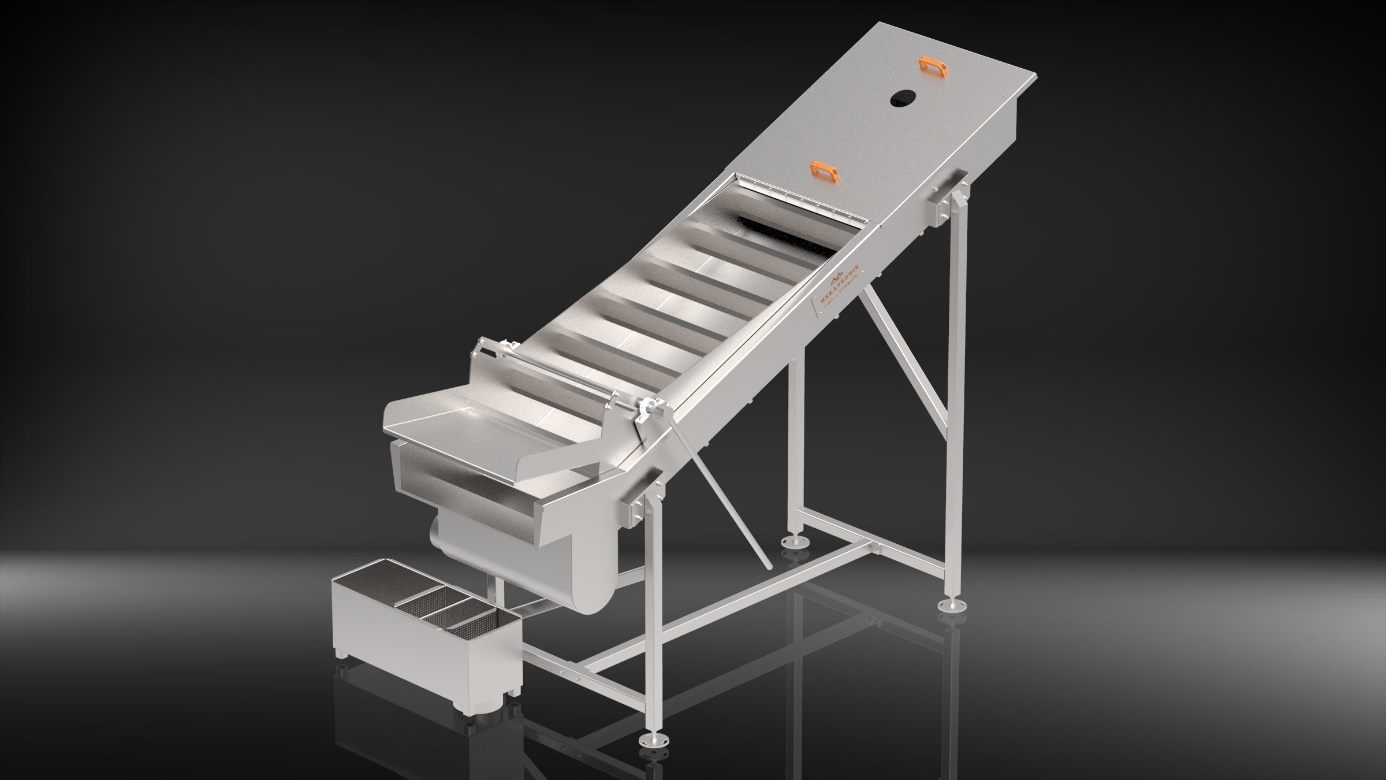
Removing stones, wood and coarse debris before the product reaches the detector is not optional housekeeping. It reduces the load on every downstream station and keeps the detector working on a cleaner, more consistent product stream. In a typical dried apricot line, this stage combines a vibrating shaker with size-graded screens and, where the product allows it, an air aspiration pass that lifts light debris out of the product stream. Stone and sand fragments close to the fruit's own size and weight need a dedicated separation step; Mekatronik's stone and sand separator is built for exactly this case, where a screen alone cannot make the distinction.
- 01Stones and sand picked up during drying on open ground
- 02Wood fragments and stem or stalk residue from harvesting
- 03Insect fragments and organic debris
- 04Packaging fragments carried over from bulk intake bins or sacks
- 05Metal fragments from harvesting tools, transport equipment or wear on upstream machinery
04
Where the detector sits in the line, and why placement matters
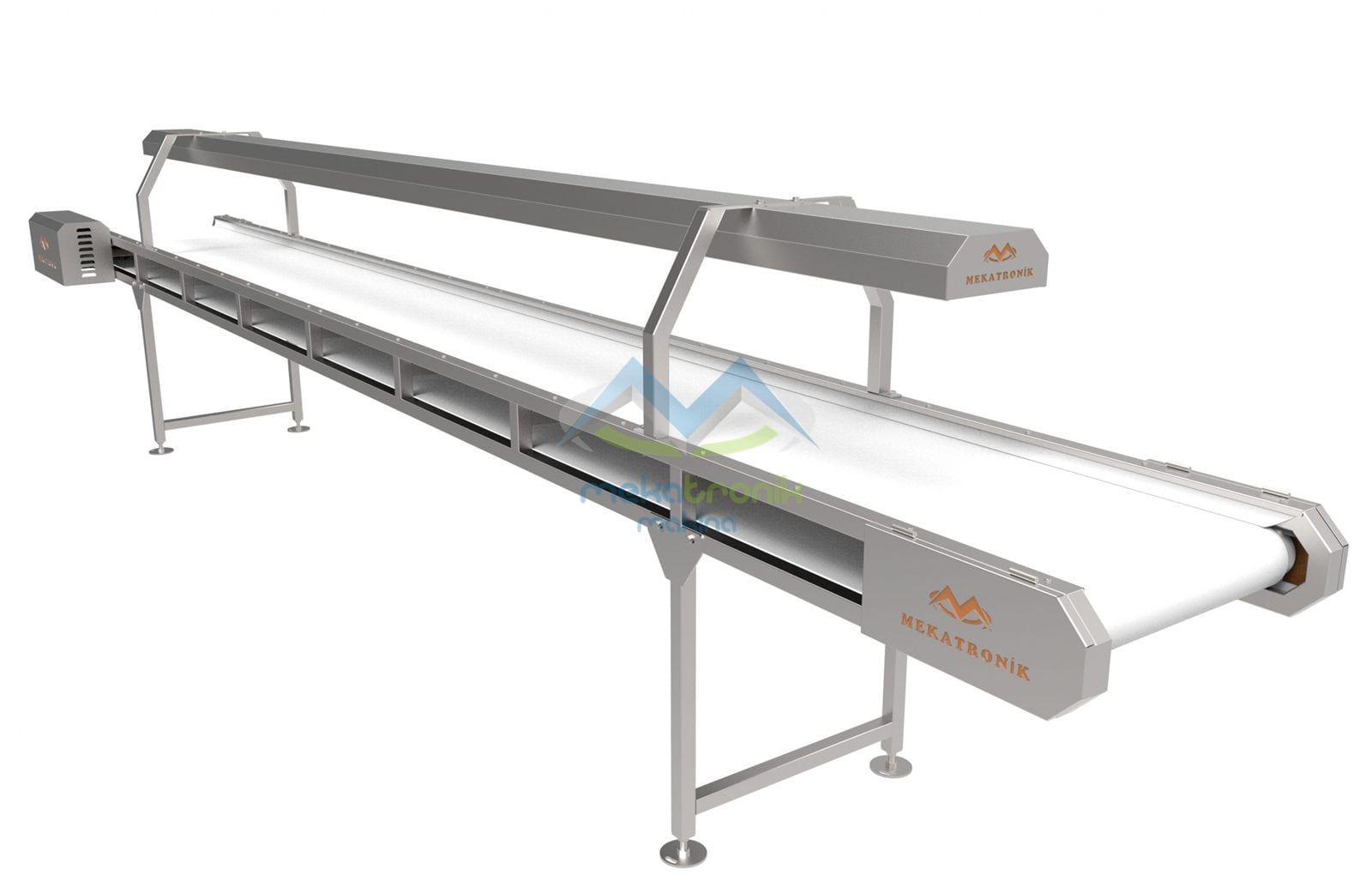
A metal detector is most useful right before the point where the product becomes harder to inspect again, typically just ahead of final sizing, weighing or packing. Placed too early, it inspects a product stream that still contains stones and debris that can trigger false rejects or mask genuine detections. Placed only at the very end, a contaminated batch has already passed through the full line, including grading and packing equipment. Sequencing the sieving and sorting stage ahead of the detector, and keeping the detector close to the point of pack, is a layout decision made project by project based on the product, the packaging format and the plant's own quality procedure.
05
Contaminant types at a glance
| Contaminant type | Typical source | Primary control |
|---|---|---|
| Stones and sand | Open-ground drying, harvesting | Stone and sand separator, sieving |
| Wood, stems, organic debris | Harvesting, field storage | Vibratory sieving, air aspiration |
| Ferrous metal | Harvesting or handling equipment | Magnetic separation, metal detection |
| Non-ferrous and stainless metal | Wear on tools or upstream machinery | Metal detection, most demanding case |
Where sieving ends and detection begins, and how sensitive the detector needs to be for a given product and package, are questions resolved during line design rather than answered generically. Mekatronik Makina designs and builds sieving, sorting and inspection stations as part of full dried fruit processing lines; equipment surfaces in contact with product are AISI 304 stainless steel as standard, with AISI 316 applied where the process calls for it, and lines are engineered to meet CE conformity requirements. If you are specifying a new or upgraded line, the quote process is where the product, format and layout get worked out together.