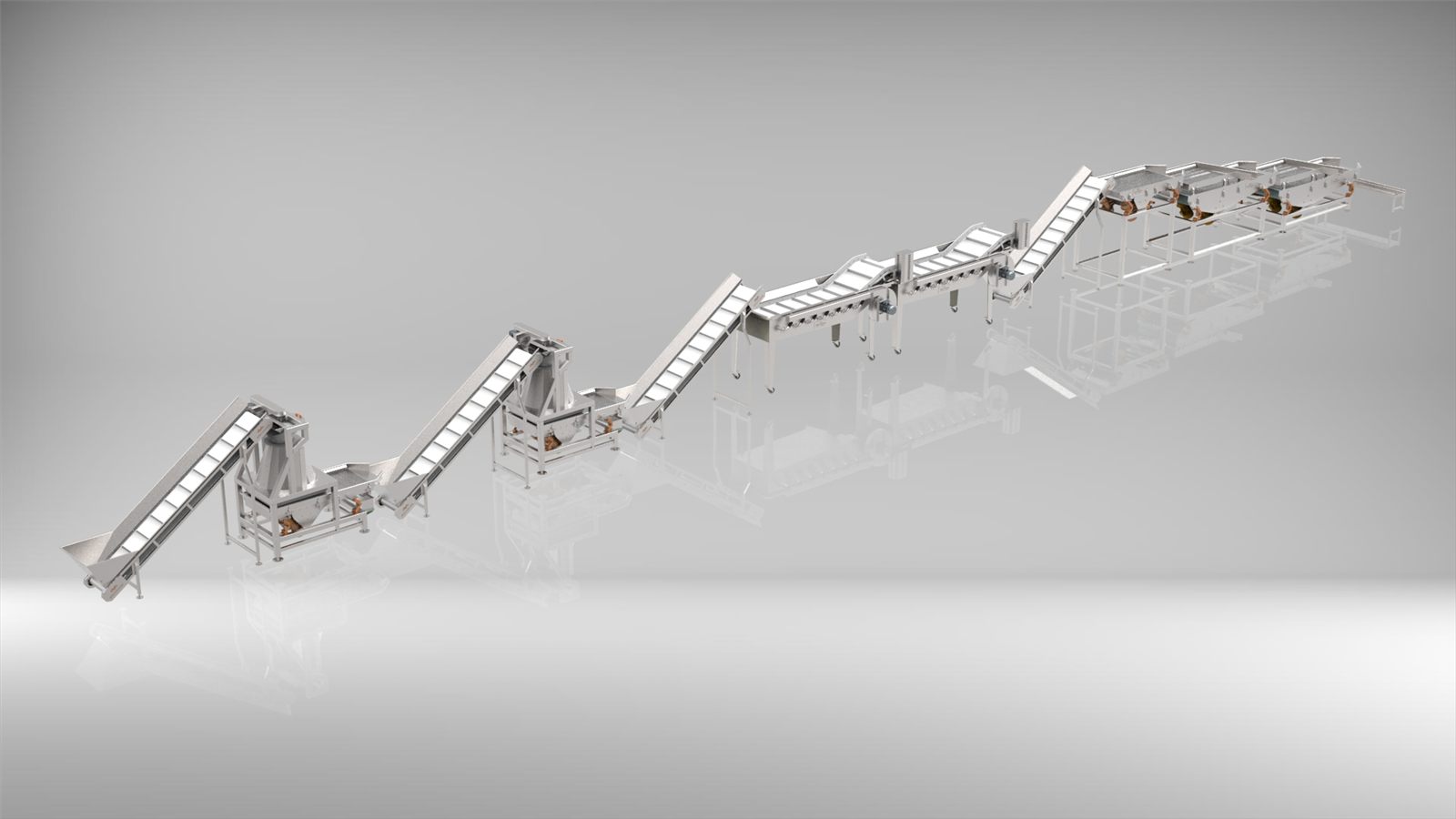
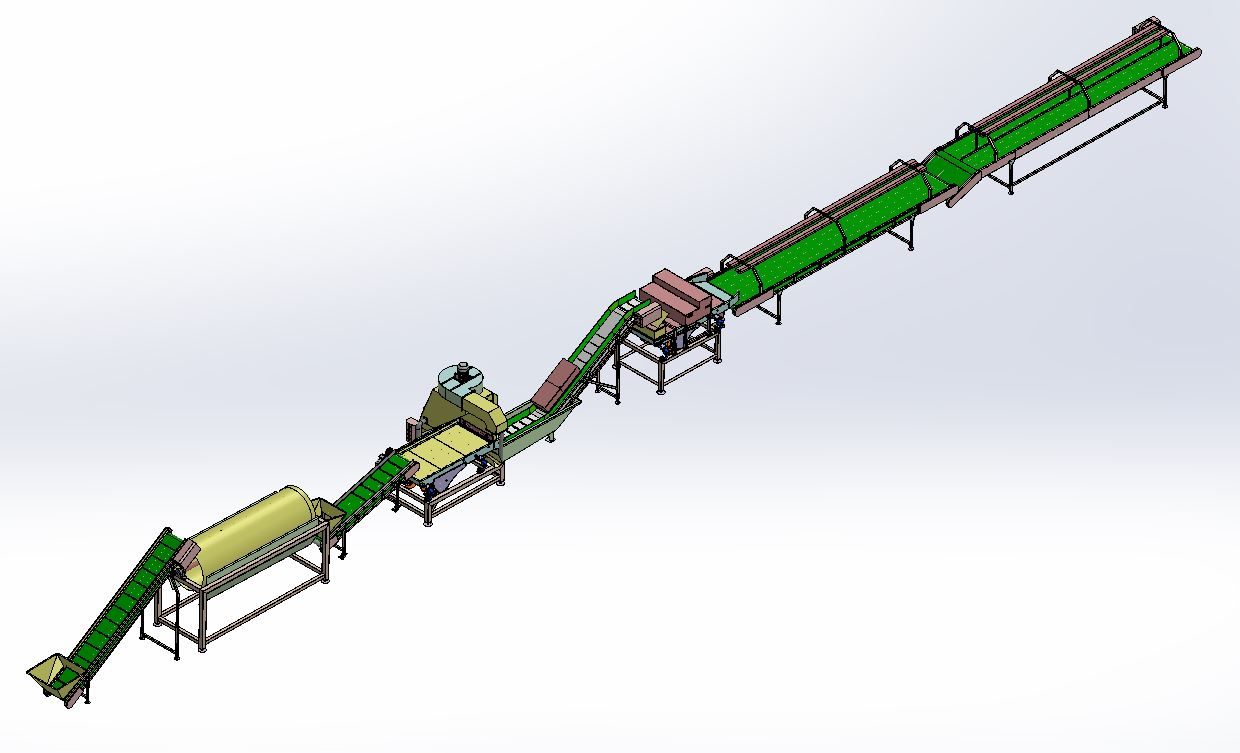
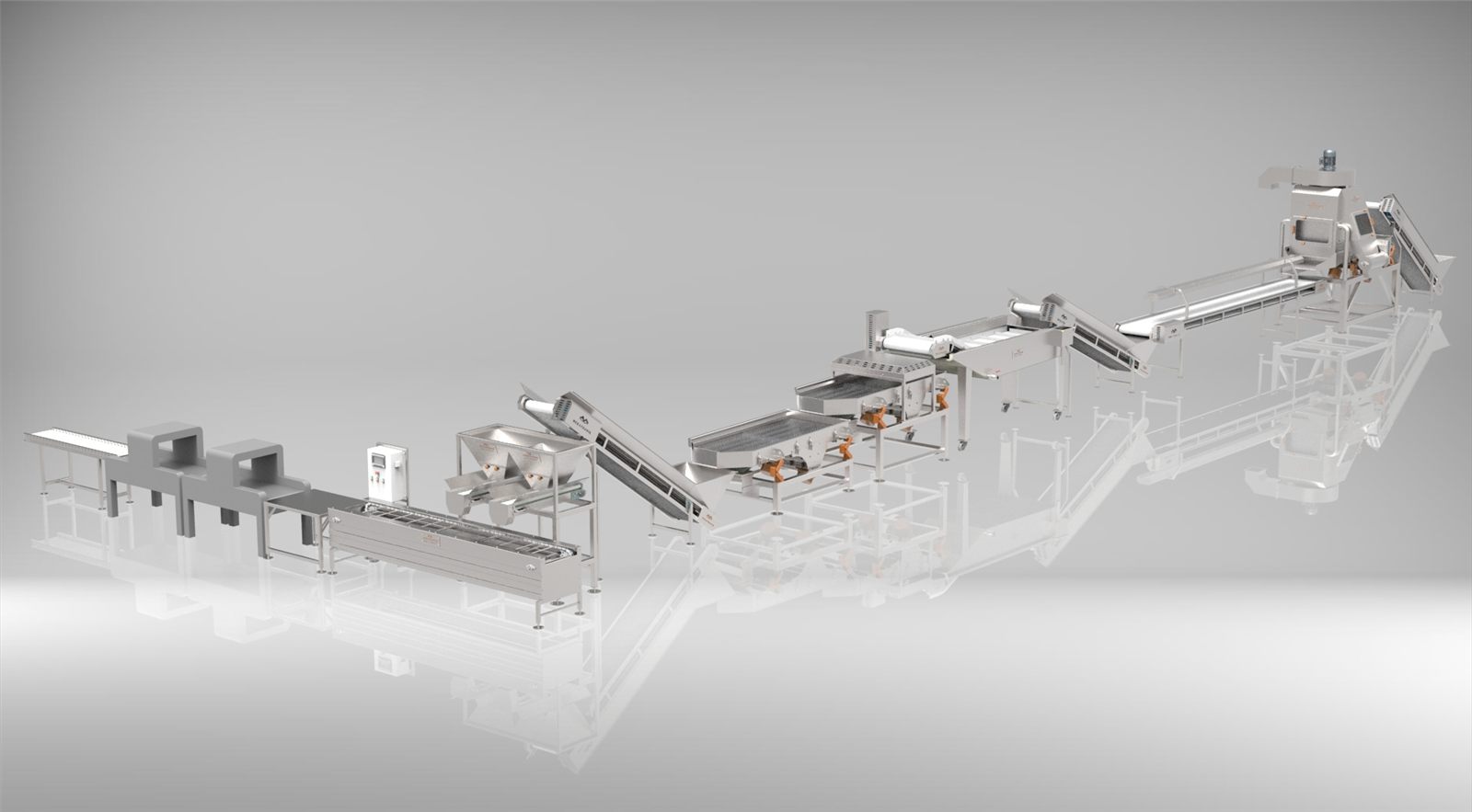
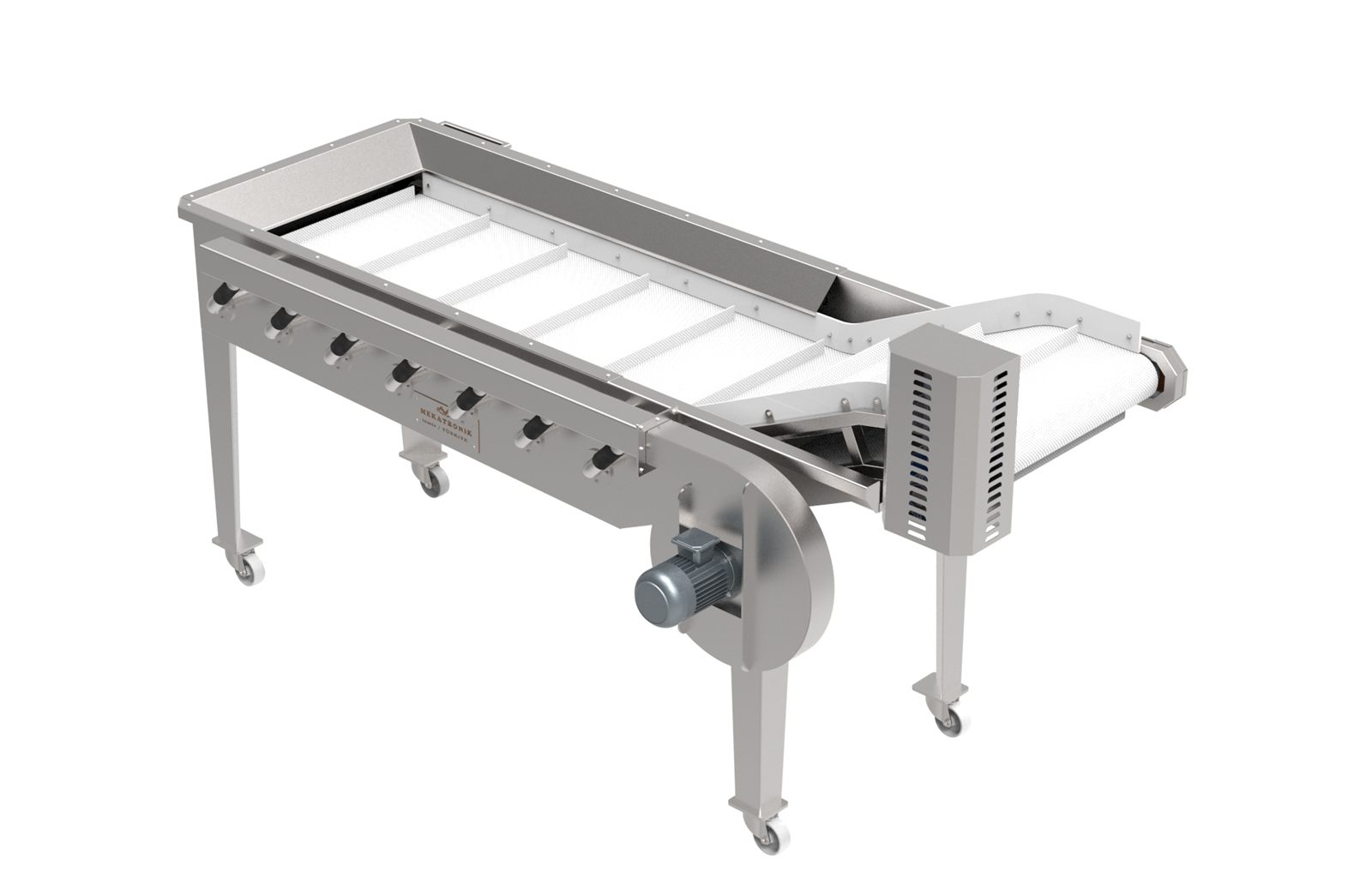
Before dried fruit goes into a warehouse or onto a ship, someone has to answer a plain question: is there anything alive inside the product? A vacuum fumigation chamber is the station built to answer it in a closed, controlled volume. Below we explain how the vacuum fumigation chamber works and where it belongs in a processing plant.
01
What happens inside the chamber?
The cycle is simple on paper. Product is loaded into the chamber and held, and the fumigation applied there clears pests such as insects from inside the product. The vacuum in the name refers to drawing the air down so that the gas can reach the core of a dense load of crates or sacks. We do not tie vacuum level, hold time or fumigant type to a fixed figure: these depend on the product, the rules of the destination market and the instructions of the licensed operator who applies the treatment.
Capacity is set per project. How many crates or pallets the chamber takes in one cycle depends on the line output and the storage plan, and exact values are confirmed in the quotation.
02
Which products does it concern?
The need comes from the product and the buyer, not from the machine. Dried figs, raisins, dried apricots and dates can all be stored for months and are open to insect infestation, so they are the usual candidates. For exporters shipping into the European Union or other regulated markets, the importer's specification and the destination country's entry rules decide whether a treatment is required and how it must be documented. Confirm those requirements with your buyer first; the chamber is only the tool that carries the decision out.
03
Door and fumigant release options
Two options shape daily use. The first is the door system: single or double-sided moving doors can be specified, which helps where space for forklifts and crates is tight. The second is the pneumatic fumigant release system, which removes the need to open and close the door repeatedly to apply the treatment.
- 01Operating principle: vacuum fumigation, product loaded and held in the chamber
- 02Supply: 380 V / 50 Hz
- 03Control: PLC-controlled or stand-alone operation
- 04Doors: single or double-sided moving door (optional)
- 05Fumigant application: pneumatic release system (optional)
- 06Colour: optional colour choices
04
Where does it sit in the plant?
In most layouts the chamber stands outside the washing and packing flow as a pre-storage step. Crates leave the line, enter the chamber, and once the treatment is finished and the air is verified safe they go to the store or on to packing. Whether treatment comes before or after washing depends on the moisture state of the product and the buyer's specification, and is settled in the project drawing.
| Question | Depends on |
|---|---|
| How many crates per cycle? | Line output, storage plan, product type |
| One door or two? | Plant layout, forklift manoeuvring space |
| Is pneumatic release needed? | Cycles per day, how often the door would open |
| Hold time and fumigant? | Product, regulations, licensed operator instructions |
05
Materials and safety after treatment
A chamber is not opened the moment the cycle ends. The gas level is measured with a suitable instrument and staff enter only after it is confirmed safe. Product contact surfaces are specified in AISI 304 stainless steel, with AISI 316 where the process calls for it, and the line is engineered to meet CE conformity requirements.
06
What to prepare before asking for a quote
- 01Product and packaging format (crate, sack, pallet)
- 02Destination country and the buyer's fumigation requirement
- 03Daily product volume and store layout
- 04Door side and forklift access dimensions on site
- 05PLC-controlled or stand-alone operation
Mekatronik Makina has built dried fruit lines since 1992, and discussing product and market requirements early is what lets the chamber be sized correctly.
Next step: send us your product, destination market and available floor space, and we will define the door and fumigant release options together. You can reach us through the quotation page.