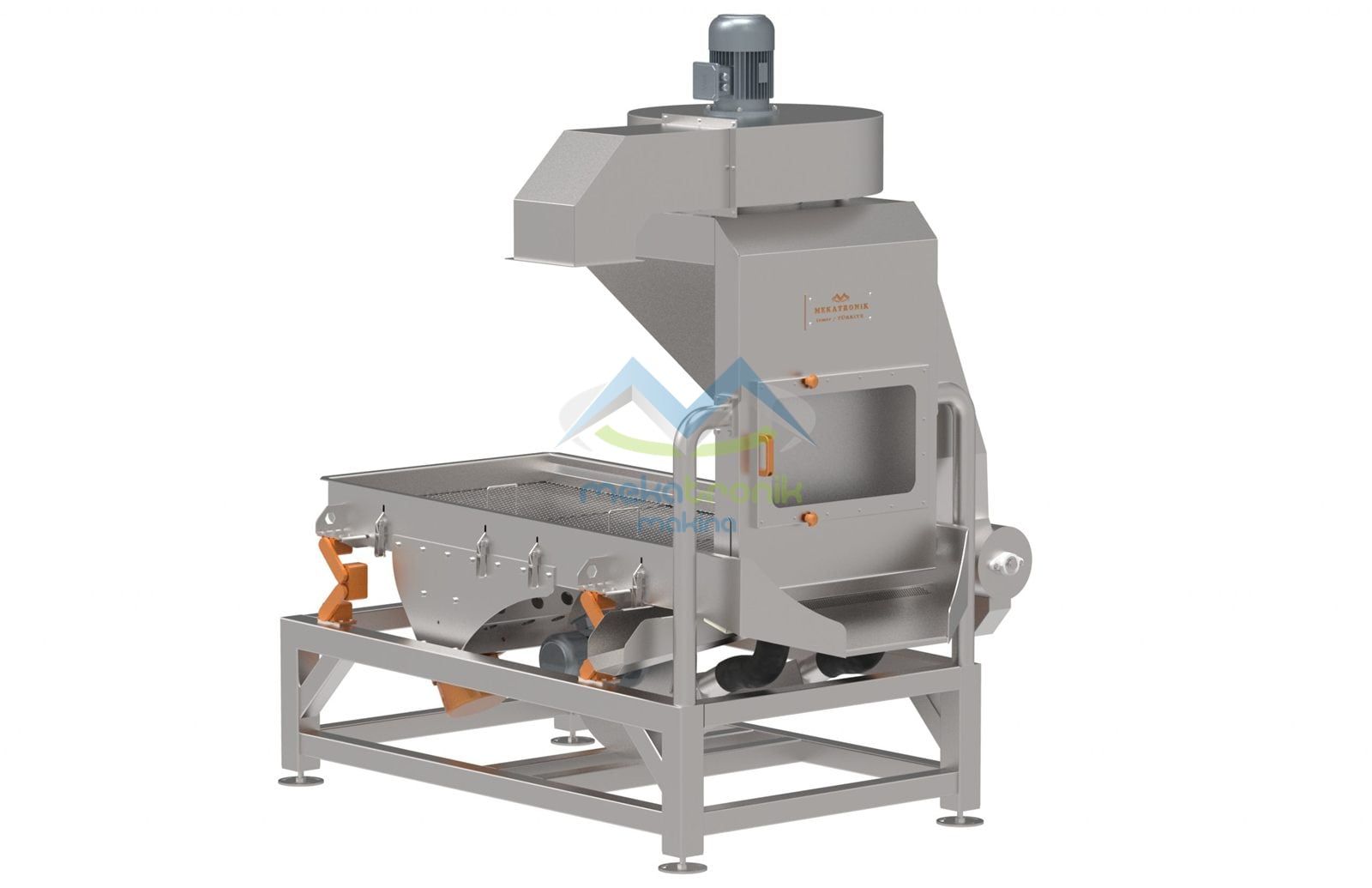
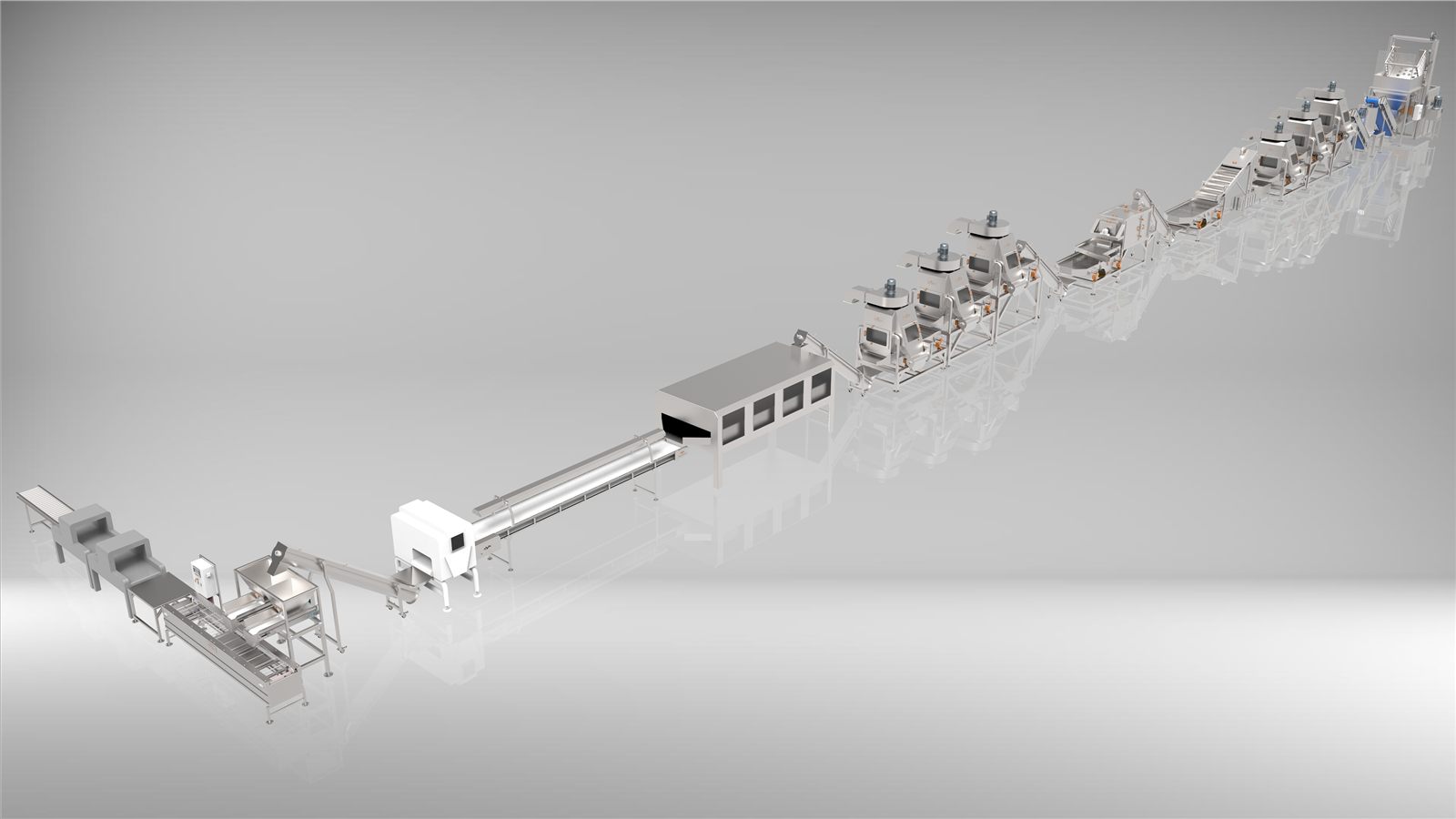
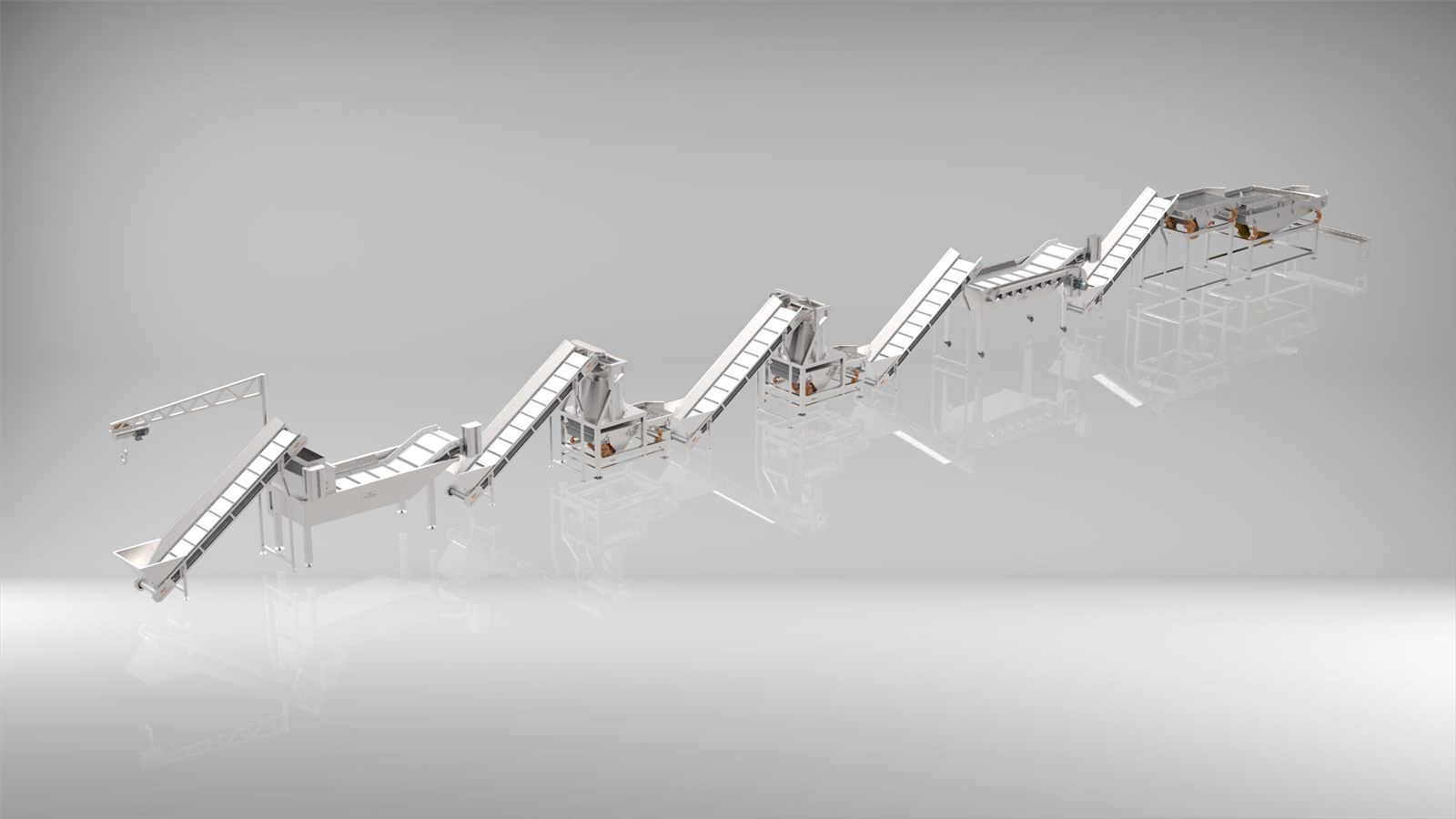
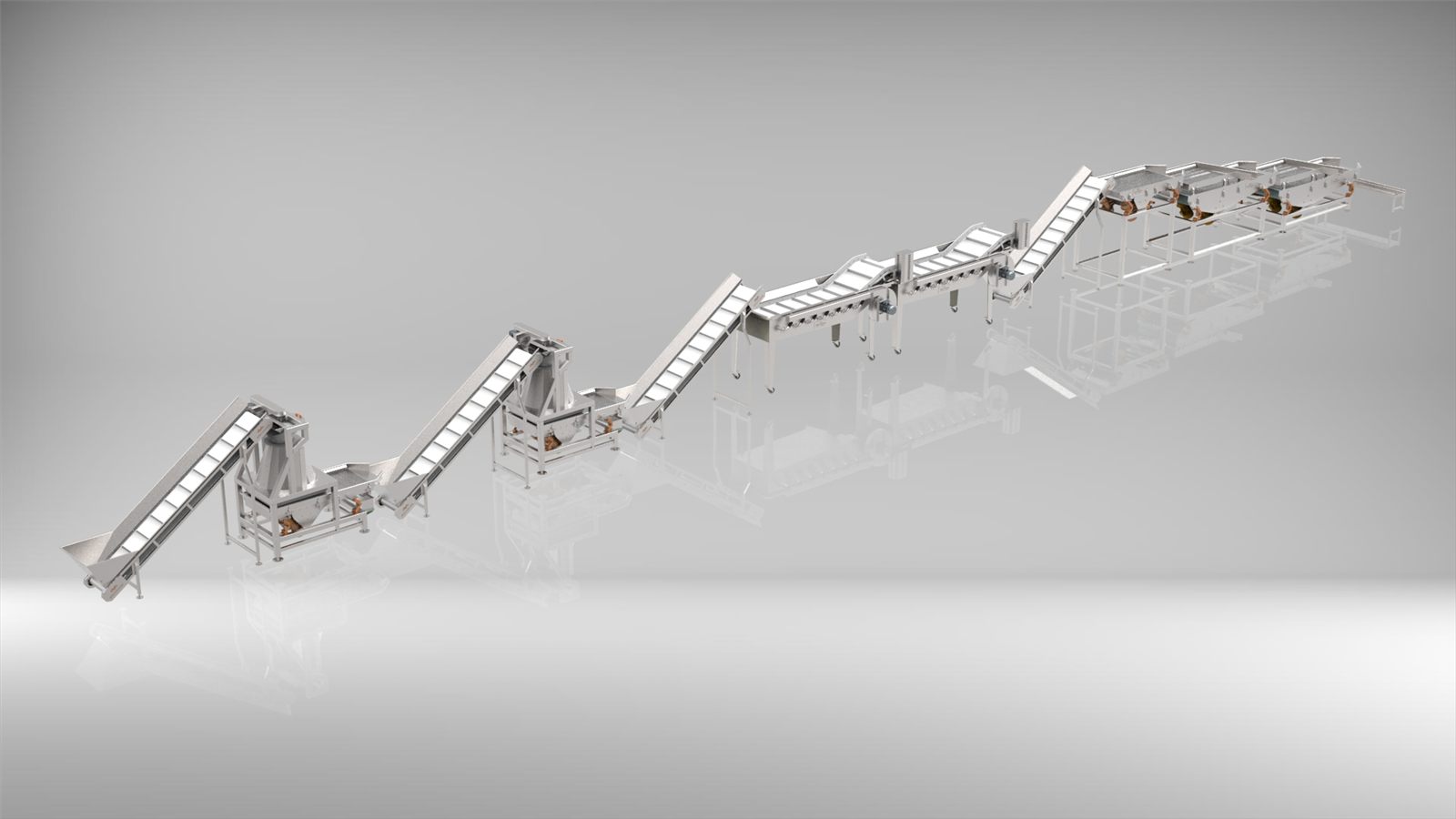
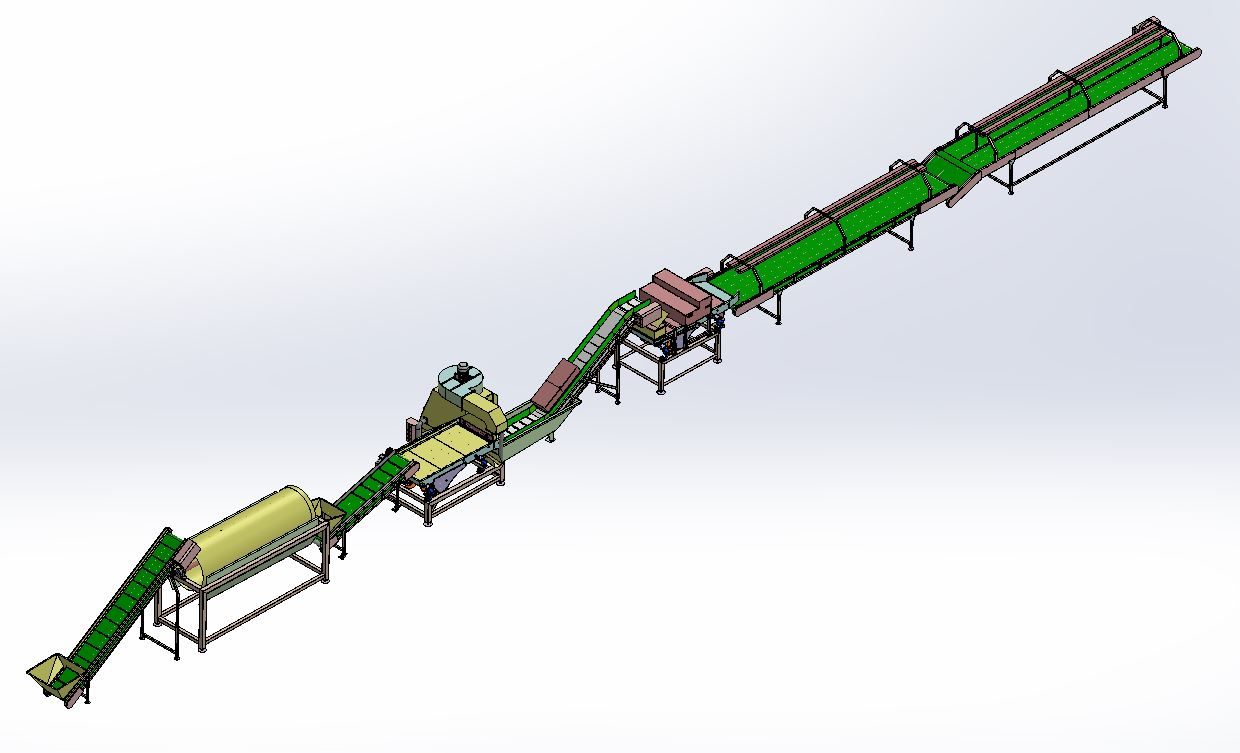
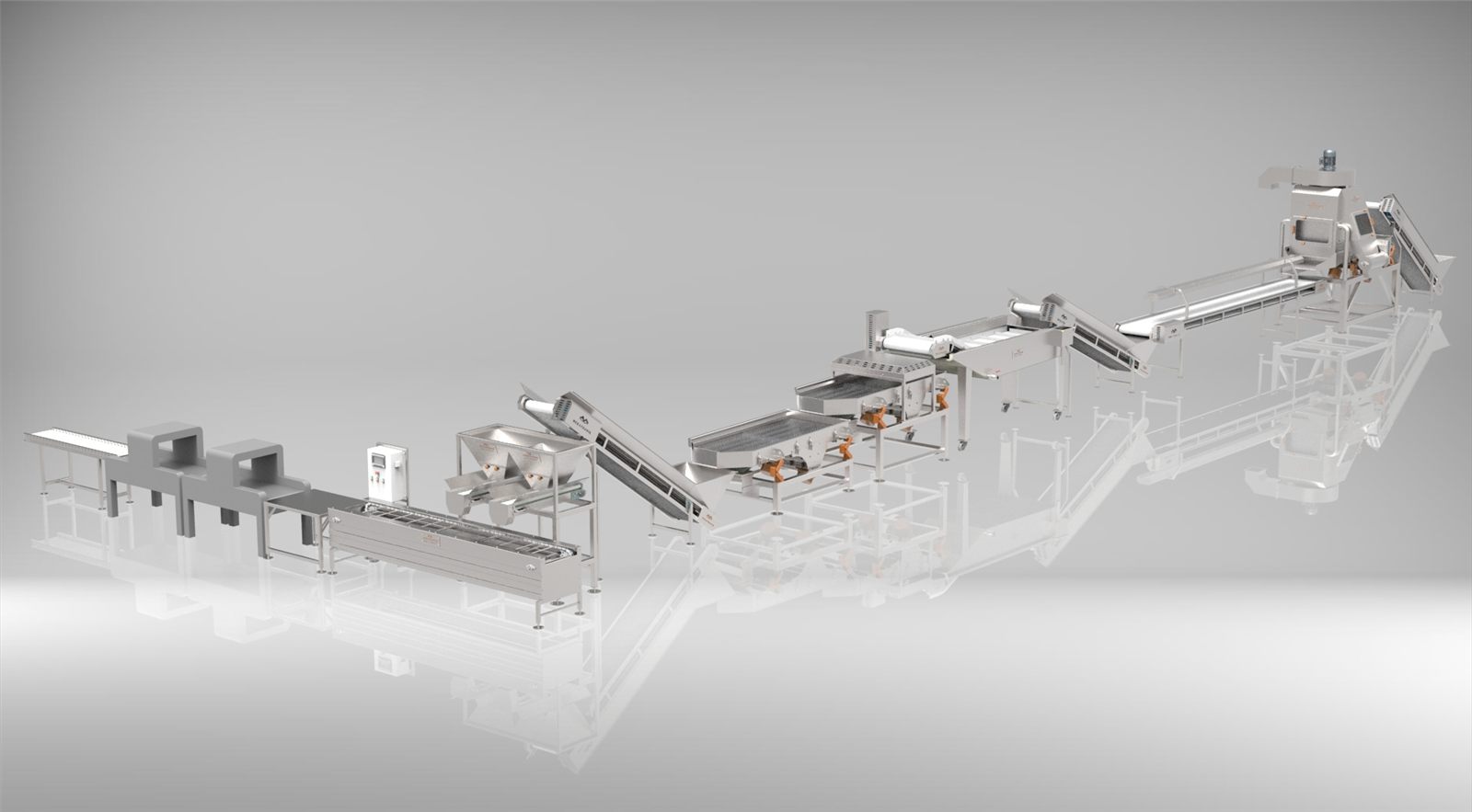
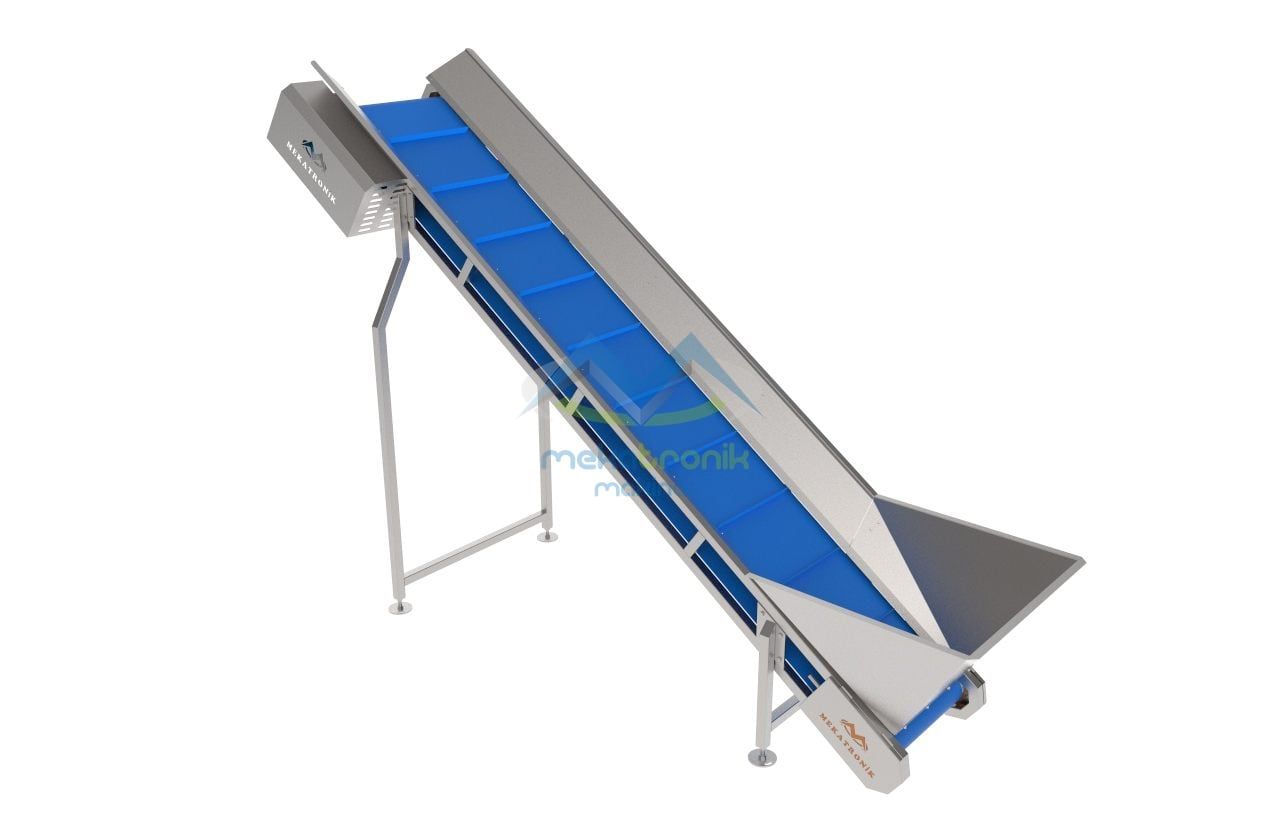
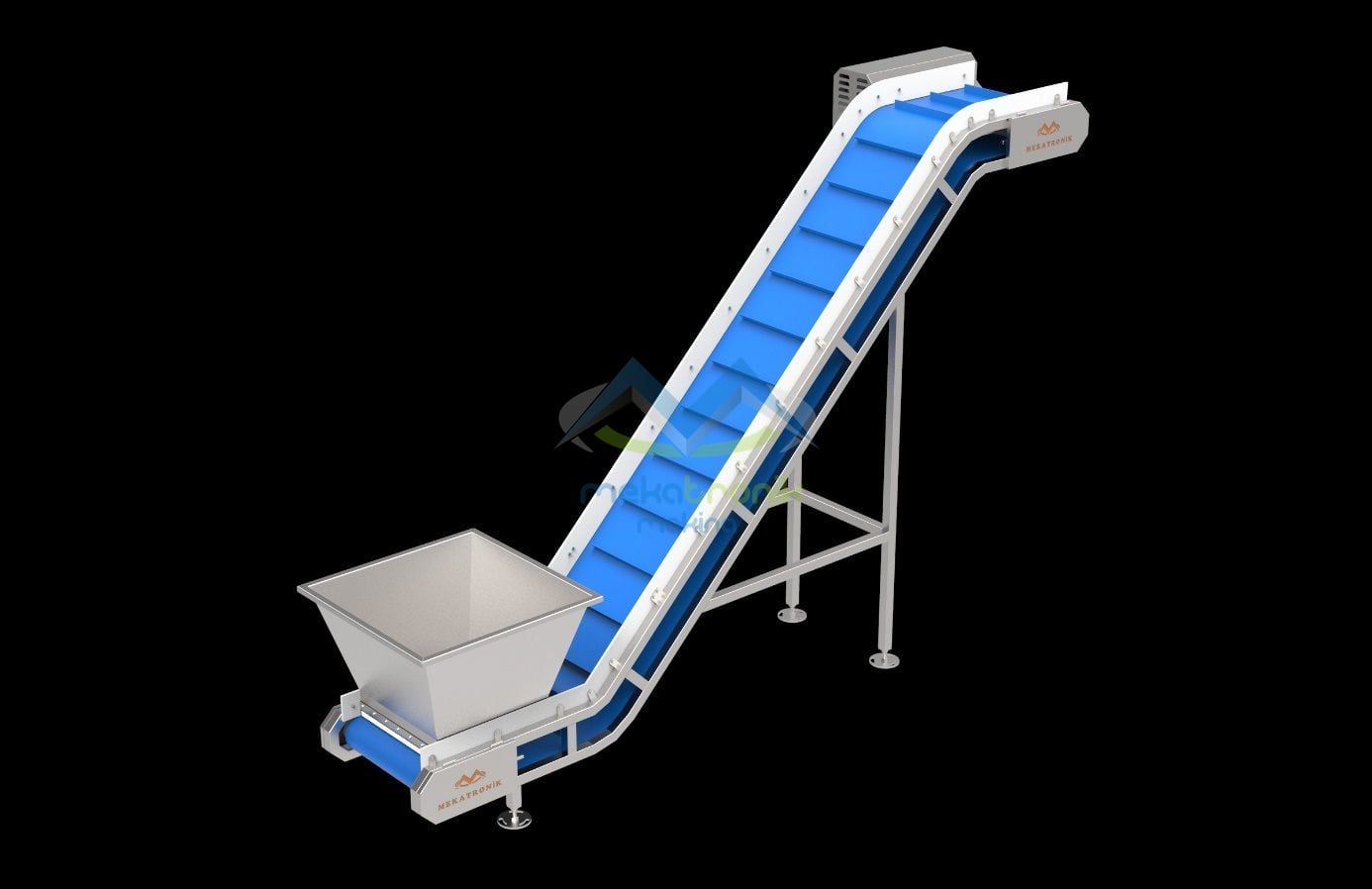
The capacity of a processing line is not set by its fastest machine but by its slowest station. Getting the number right means looking at the raw material, the target output form, and how each station is balanced against the next. This article walks through what actually determines capacity and how line design protects it over time.
01
What variables actually drive capacity?
Capacity emerges from the intersection of several variables: product type, how uniform its size and shape are, incoming moisture and dirt load, the target output form, and the planned shift pattern. Even the same fruit can behave differently from one harvest to the next, which is why capacity is treated as a range rather than a fixed number until a project is engineered.
- 01Product type and how uniform its size and shape are
- 02Incoming moisture and contamination level (soil, stems, leaves)
- 03Target output form (whole dried, sliced, size-graded, and so on)
- 04Number of shifts and daily operating hours
- 05Automation level and operator headcount at manual stations
02
Where does the bottleneck sit, and how is it found?
A line runs only as fast as its slowest station. A fast feeding stage means little if washing or drying downstream cannot keep pace, because the whole line settles to that station's speed. Finding the bottleneck means reviewing how much each station can realistically handle per hour and choosing equipment so the stations are balanced against each other. That balancing is project-specific engineering work, and the line's final throughput is only confirmed once it is done.
| Station | How it limits capacity |
|---|---|
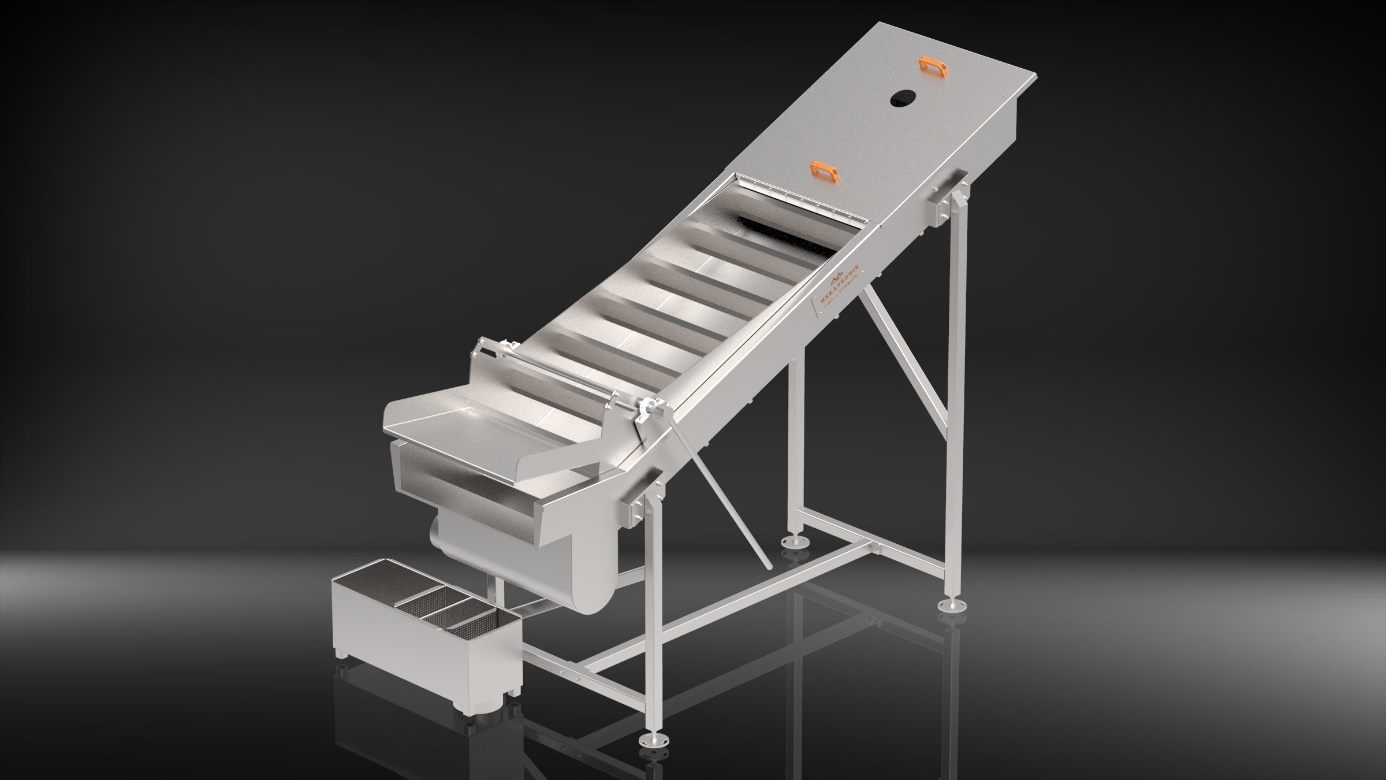
| Feeding | If infeed rate is not controlled, downstream stations back up |
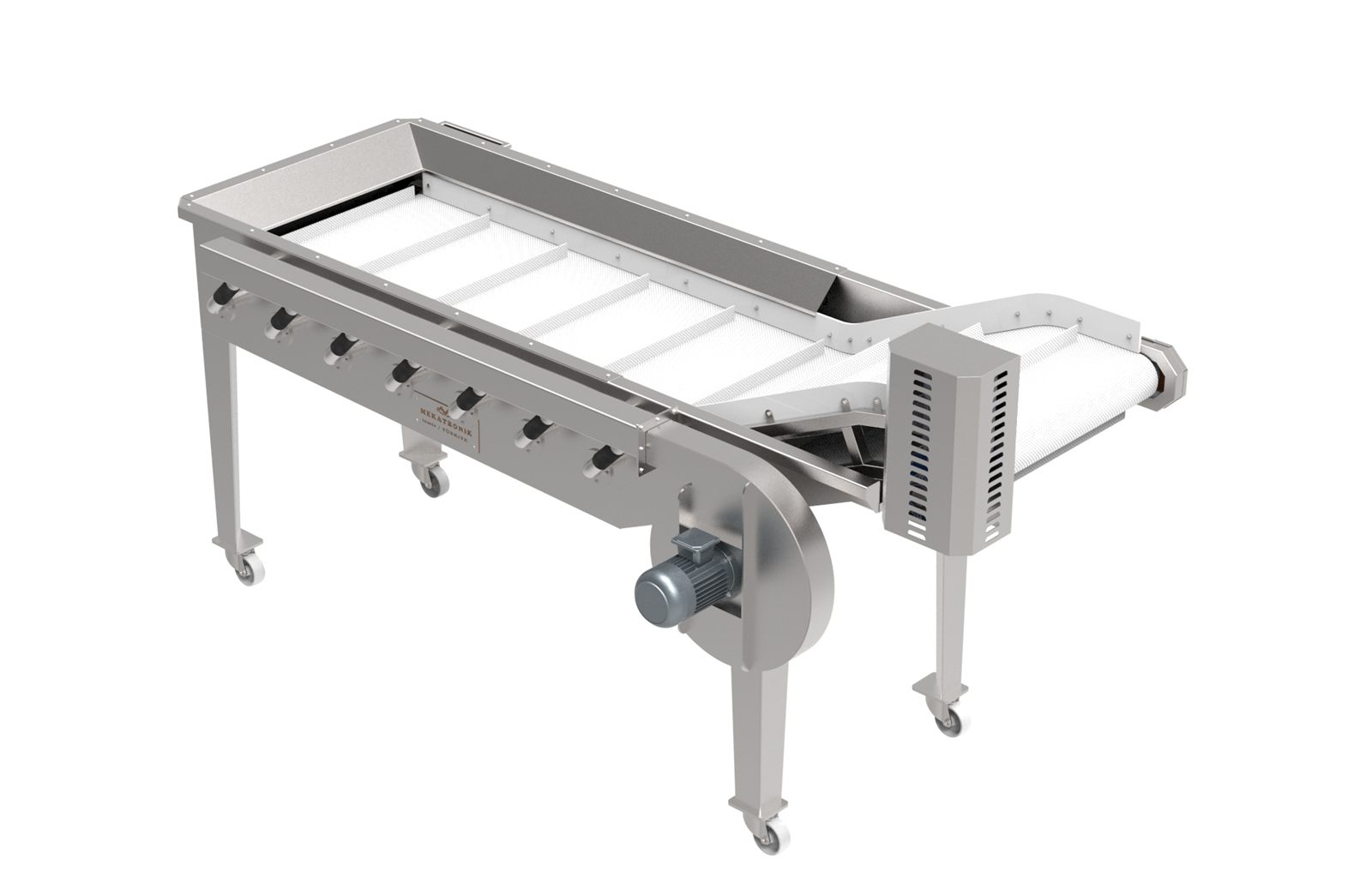
| Washing | Time needed varies with skin structure and dirt load |
| Surface drying | Higher incoming moisture means more time in this stage |
| Grading / sorting | In manual stations, operator headcount sets the speed |
| Weighing and packaging | Without a steady feed rate, weighing accuracy drops |
03
How does the raw material itself change the numbers?
Size, skin structure, and surface moisture directly affect how long a batch needs in washing and drying. A thin-skinned product can often clear washing faster than a thick-skinned one, while a batch with higher surface moisture entering the drying stage simply needs more time there. This is why capacity figures are validated against trials run on the customer's actual product rather than assumed from a generic table.
04
What role do line design and material choice play?
Building product-contact surfaces from AISI 304 stainless steel, and AISI 316 where the process calls for it, is one of the factors that keeps a line running at a consistent rate over time. Corrosion-resistant surfaces come back into service faster after cleaning, which adds up to more effective operating hours per day. Equipment designed to meet CE conformity requirements also supports uninterrupted operation from a safety standpoint.
05
What are the options for increasing capacity later?
Raising the output of an existing line does not always mean building a new one. Adding capacity at the bottleneck station, automating a manual step, or reworking the shift pattern can often solve the problem at a lower cost than a full rebuild.
- 01Adding a parallel second unit at the bottleneck station
- 02Automating a manual sorting or grading point
- 03Reworking the shift pattern or daily operating hours
- 04Expanding infeed buffering so upstream stops do not idle downstream stations
06
Next step
We have been building this kind of equipment since 1992, and more than 2,000 of our machines are running in 22 countries today; every line is engineered around the specific product and output form a customer needs. The raisin processing line page shows how one complete line is built station by station, and the date processing line page shows how the same logic applies to a different product. The washing and drying machines category is a good place to see what equipment options exist for your own raw material, and you can reach us directly through the quote form for a project-specific answer; exact throughput and timing figures are always confirmed at that stage.