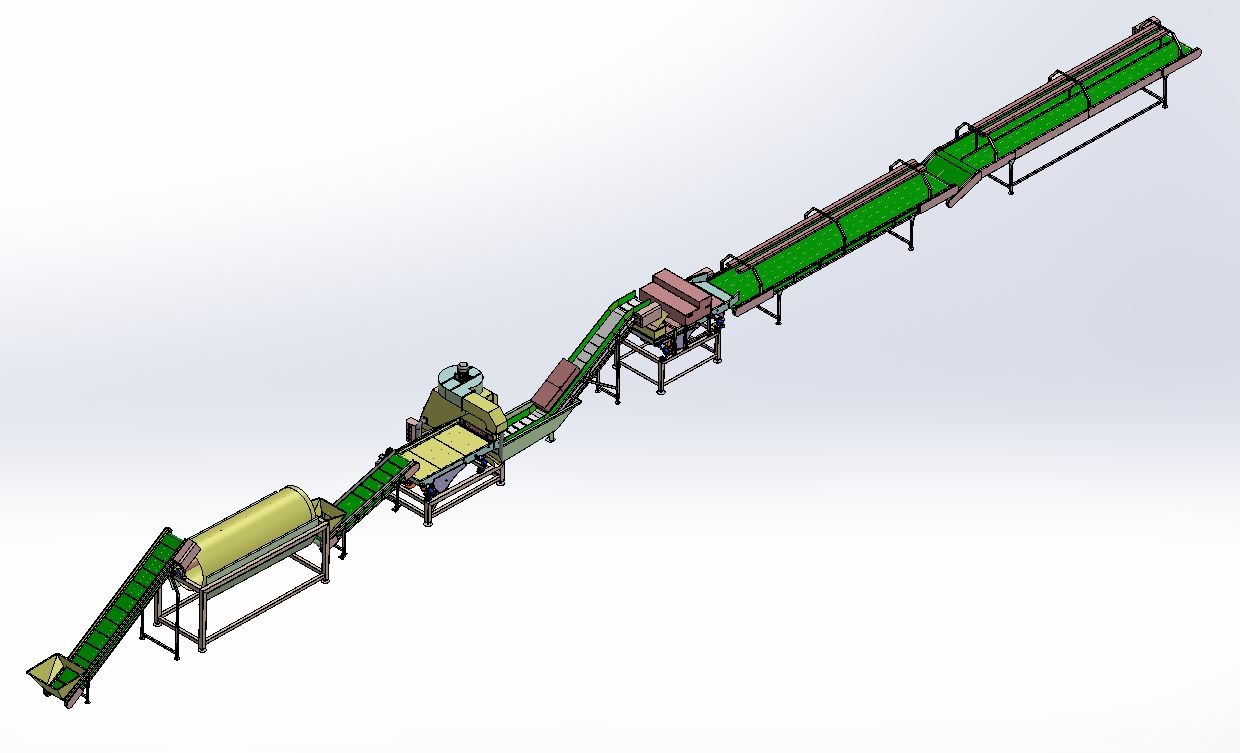
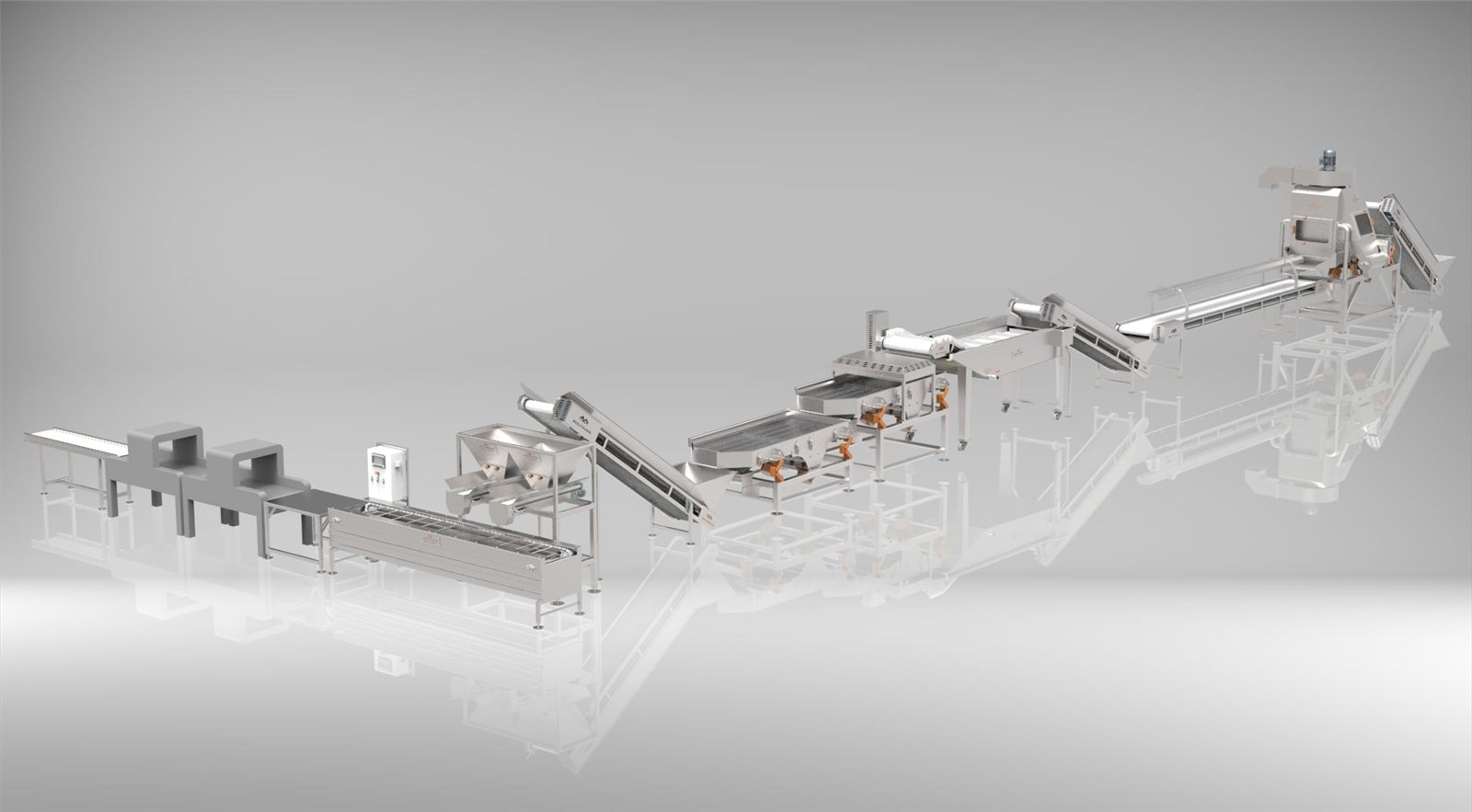
A line's capacity is set by its weakest link, not by its strongest machine. In a dried apricot processing line, washing, sizing and filling stations work one after another, so when one is slow the others wait. This article explains how the stations are matched to each other.
01
Why is capacity balance the first question in line design?
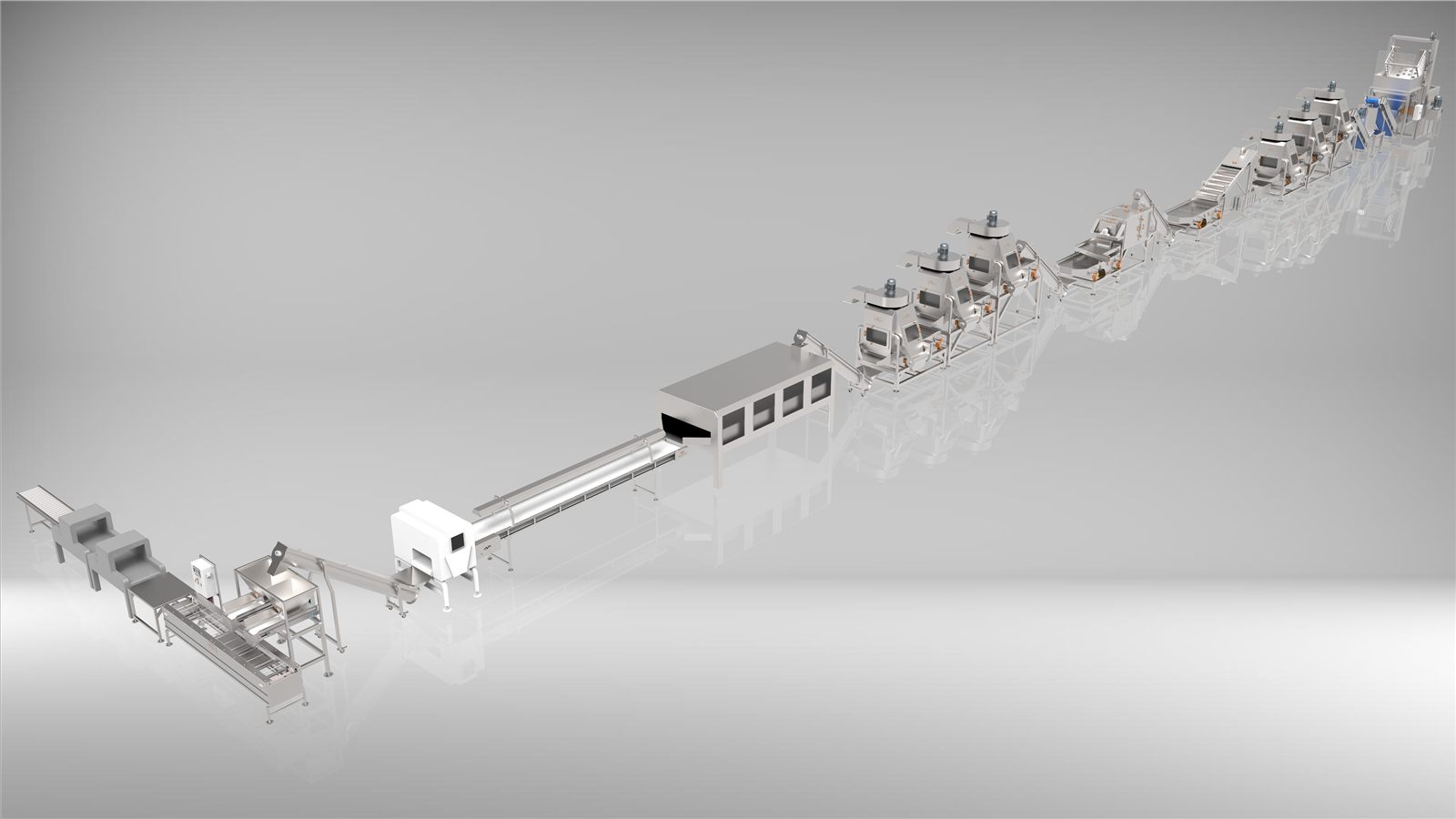
The apricot line is made up of washing, sizing, cutting and filling sub-lines, and the product passes through them in turn. Whatever the washing section prepares, the sizing section must be able to take, and the filling section must be able to receive what sizing delivers without piling it up. Otherwise product accumulates, washed fruit waits, or a machine runs idle.
For this reason the line is designed backward from the target capacity rather than by choosing machines one at a time. The shape and size of the finished product and the target capacity are set in the project; exact values are confirmed in the quote.
02
What limits capacity in the washing section?
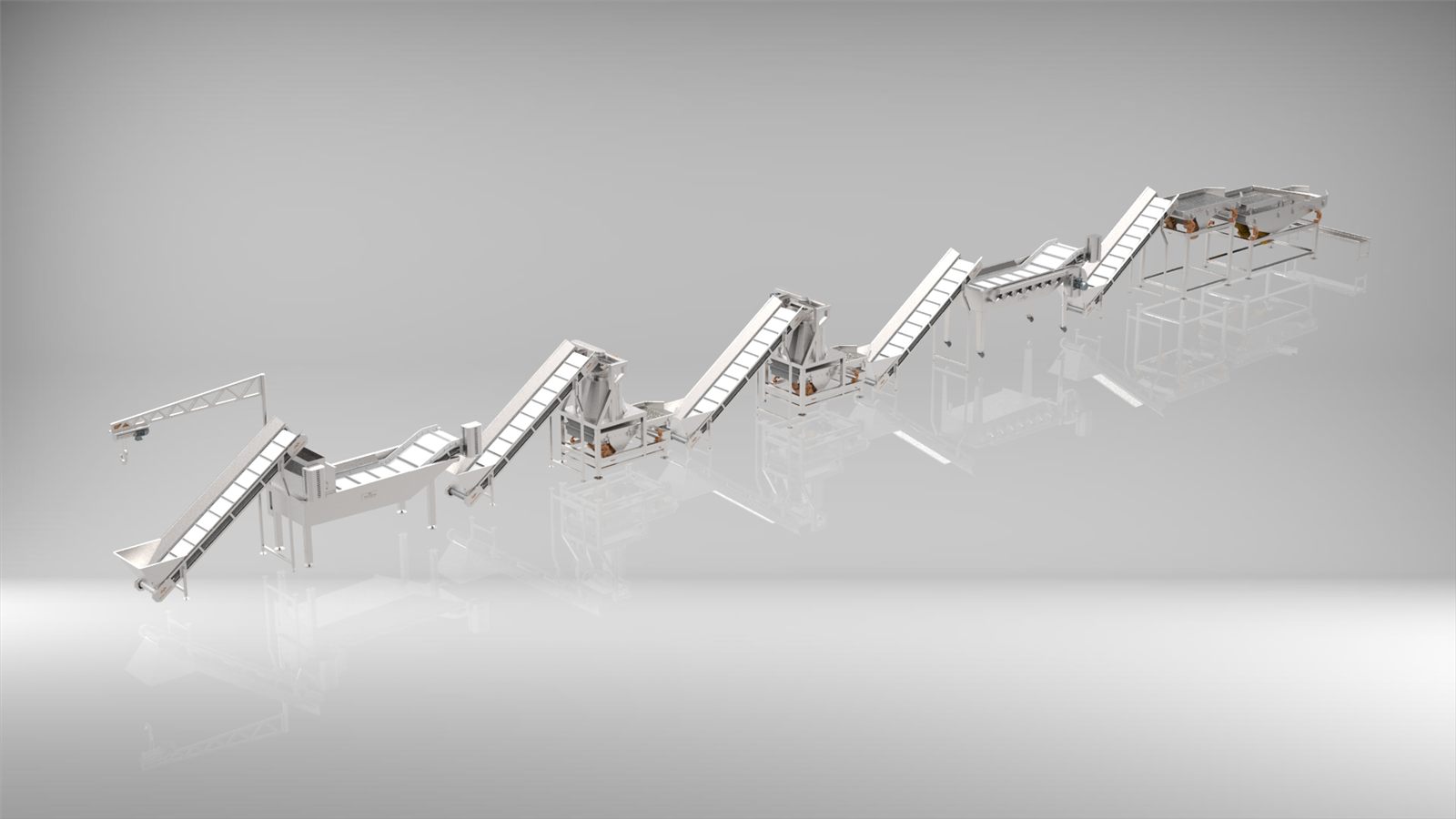
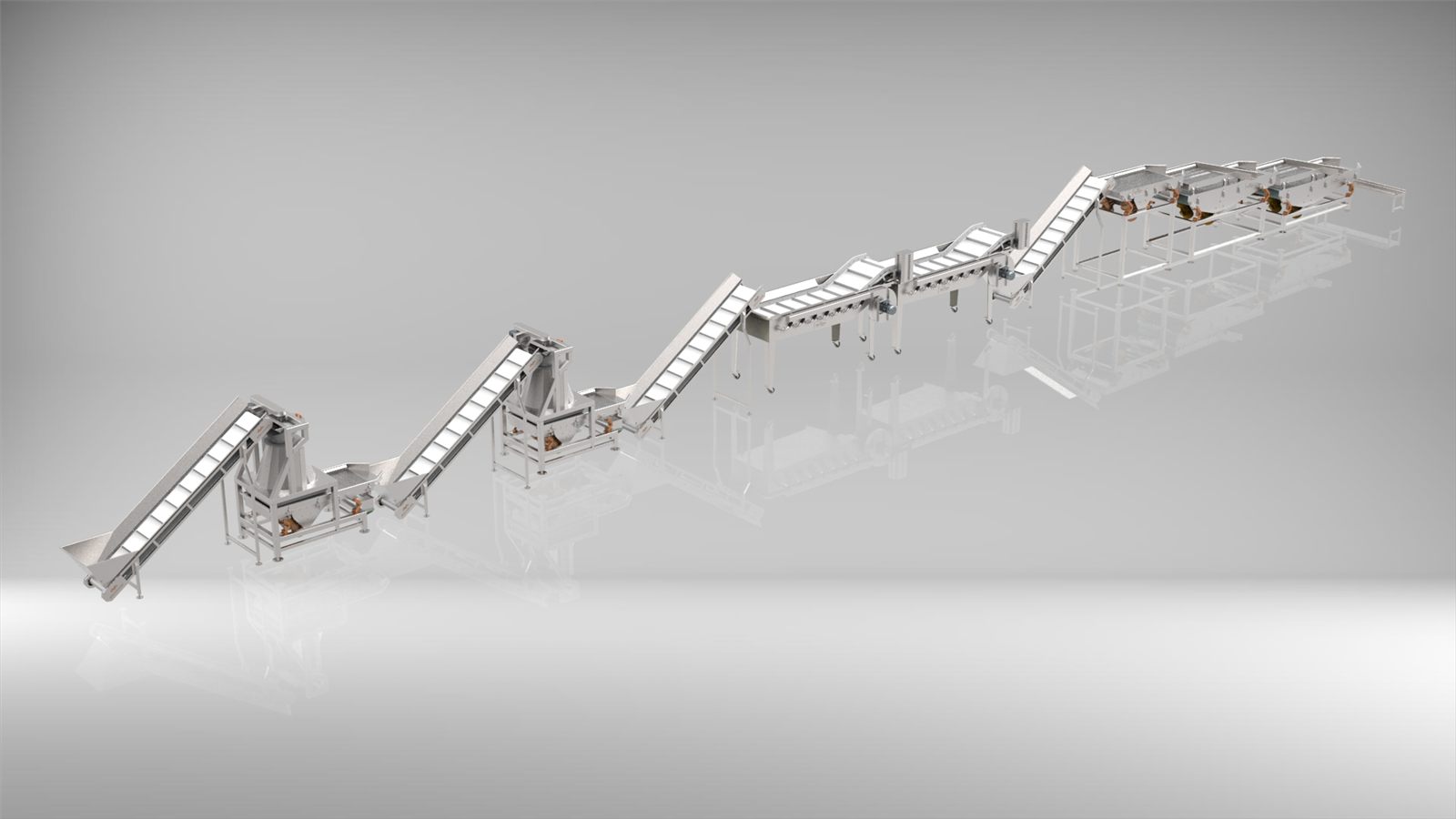
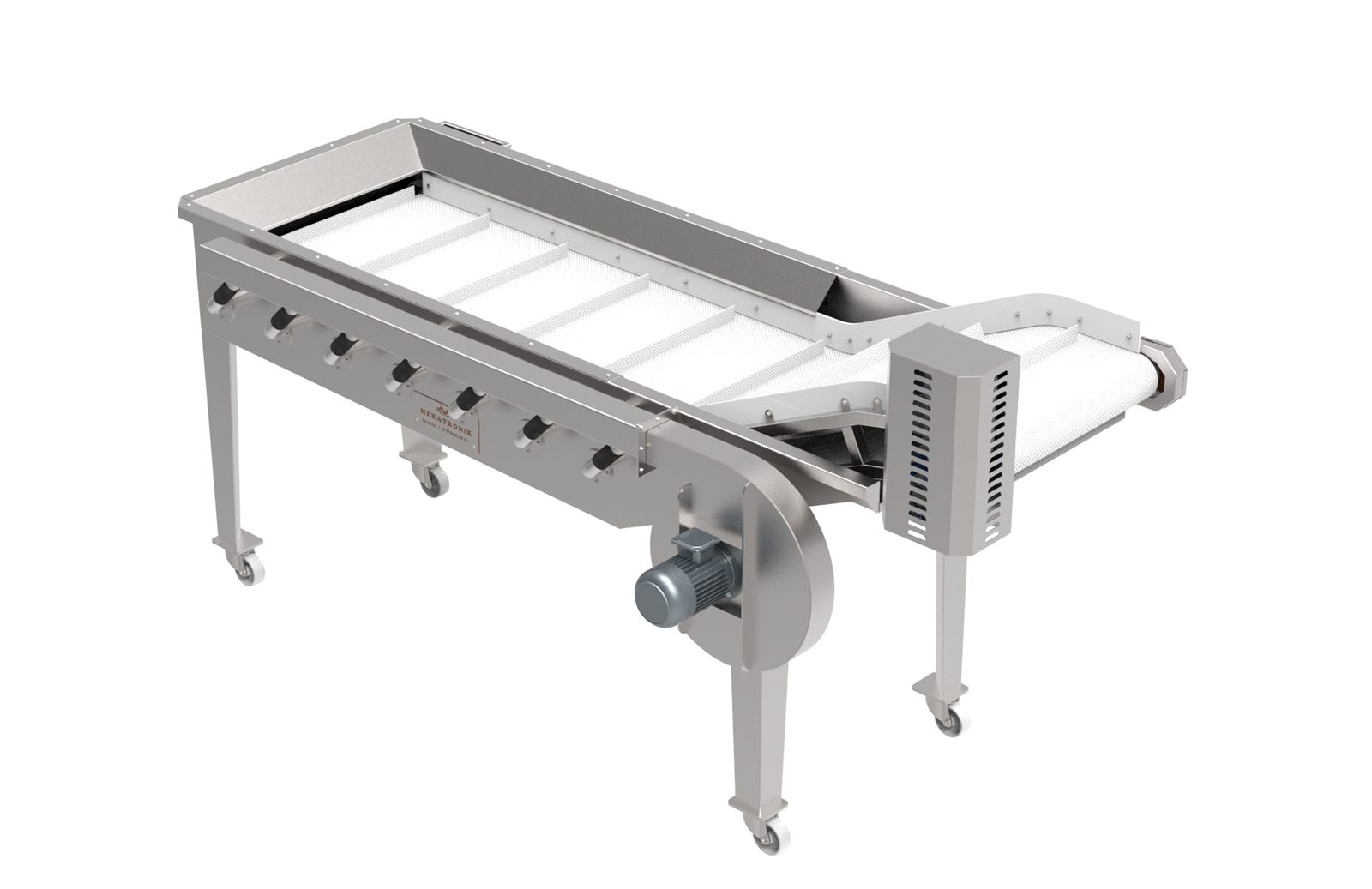
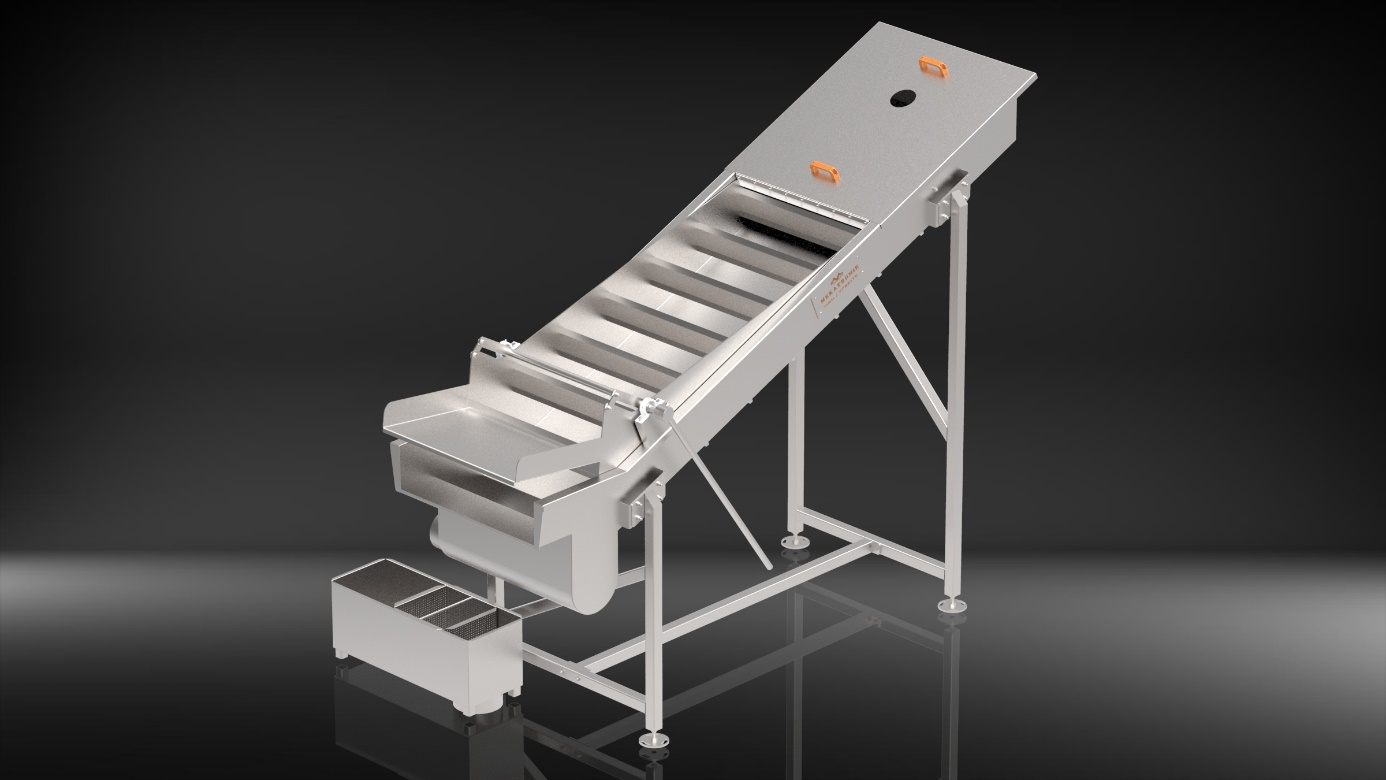
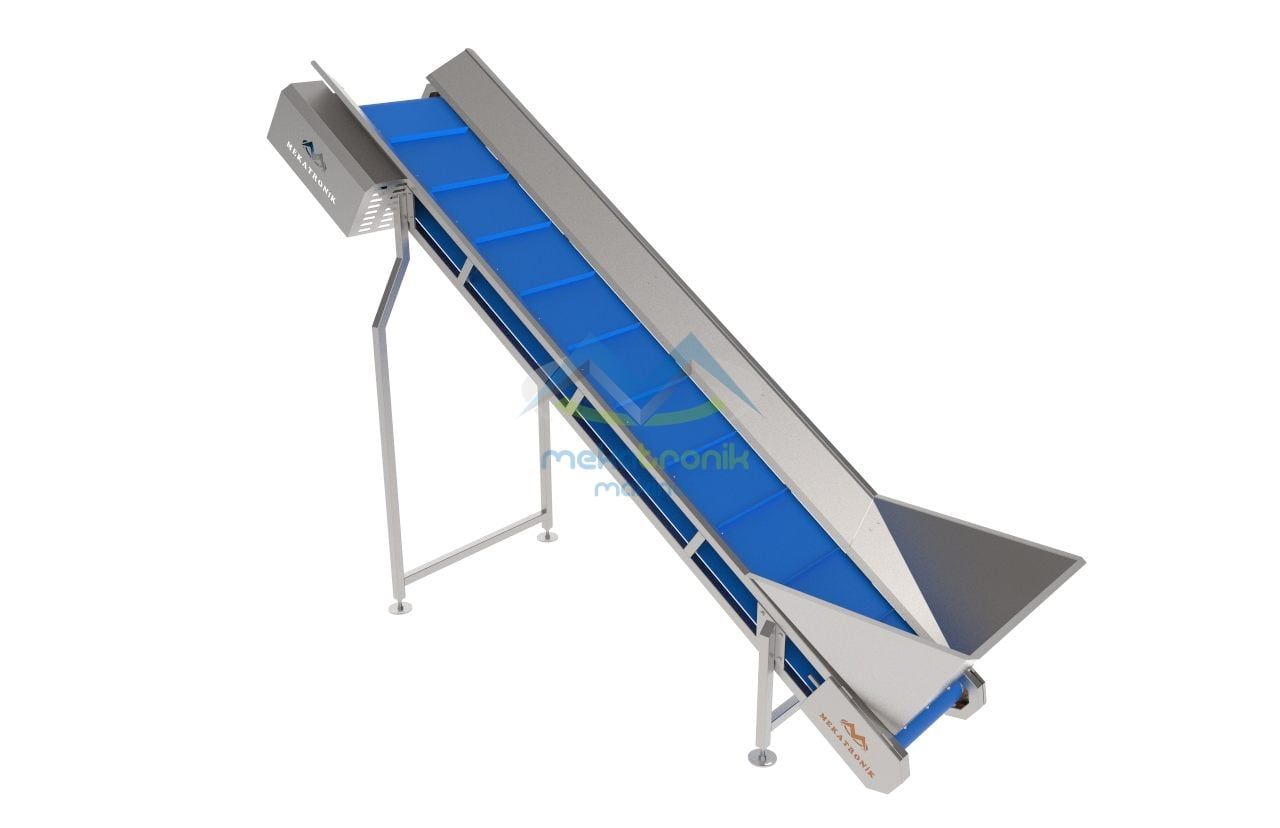
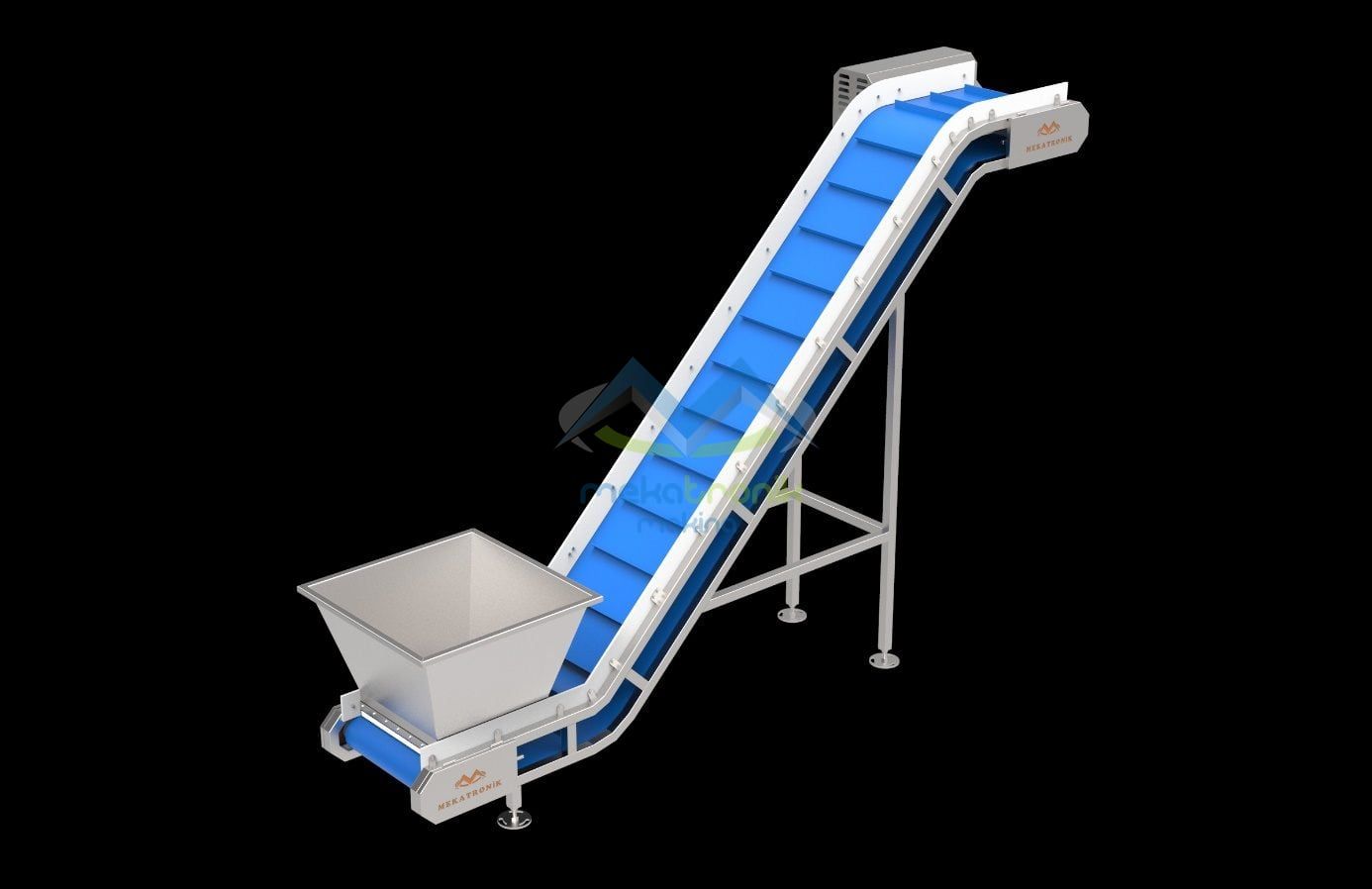
The washing line starts with the sack lifting hoist and runs through the balanced feed doser and the wet-process block opening conveyor, followed by brush washing, the jacuzzi and the dewatering shaker screen. In this chain the limiting factor is usually the time the fruit needs in water: the block opening and jacuzzi stages must give the product enough contact time.
An even feed is decisive here. If product leaves the sacks unevenly, the conveyor fills at one moment and empties the next, and later stations see a pulsing flow. The balanced product feed doser sits at the head of the line and before sizing to smooth this out.
03
How does the sizing section keep up with washing?
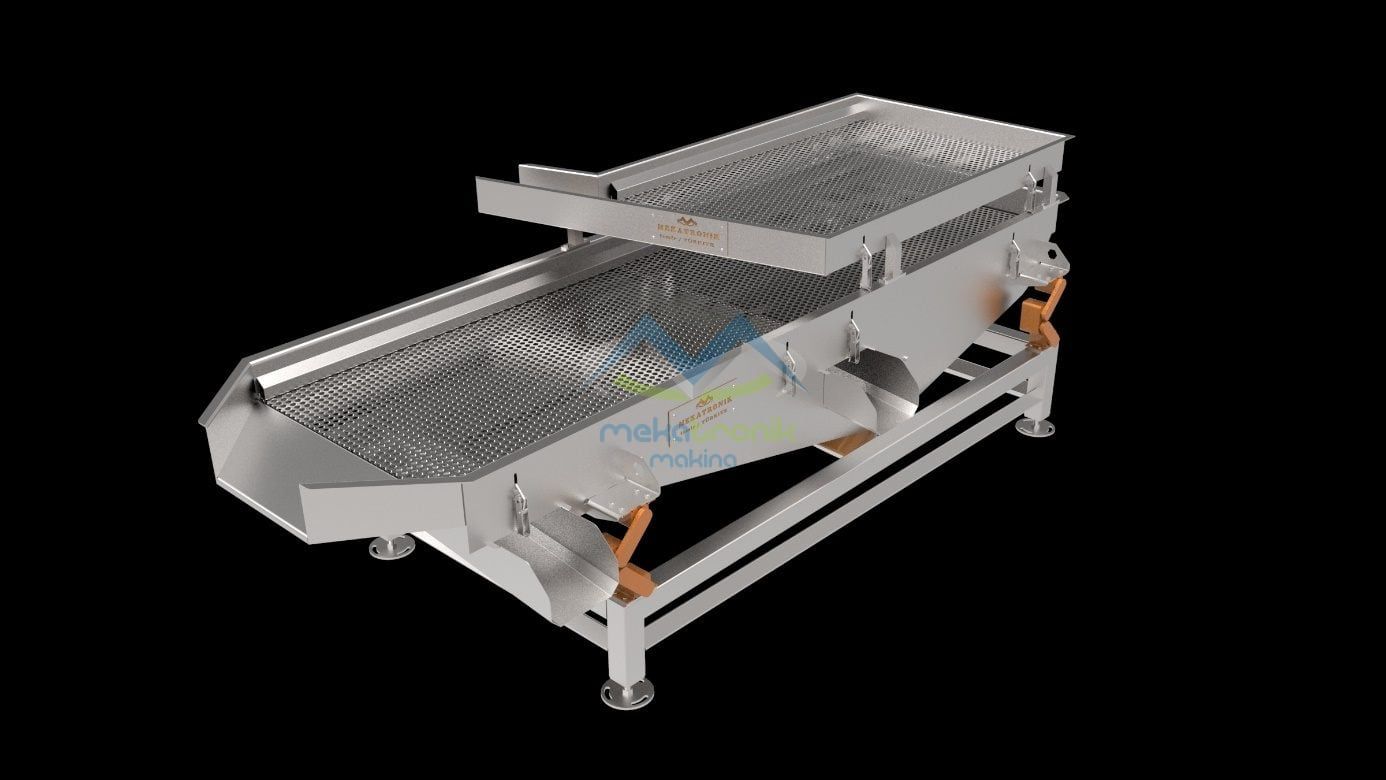
The dried fruit vibrating screen (sizing) classifies fruit by passing it over screen apertures. Screen area and the thickness of the product layer affect capacity directly: if the layer is too thick, fruit underneath never reaches the apertures and the grading suffers. The machine size and number for a target capacity are set in the project, and custom dimensions can be built for the place and purpose of use.
Removing surface water before sizing also matters for capacity. If wet fruit clogs the apertures, the machine effectively slows down. This is why the dewatering shaker screen works as a buffer between washing and sizing.
04
Why can the filling section become the bottleneck at the end?
After sizing, apricots are filled into crates. The crate filling stand transfers product into the crate with a shortened drop height, so the filling rate also depends on how quickly crates are swapped. The line has to be designed so that product does not back up while a full crate is removed and an empty one put in place.
| Sub-line | What sets the capacity | What is checked for balance |
|---|---|---|
| Washing | Contact time in water, feed pattern | Balanced feed doser, block opening conveyor size |
| Sizing | Screen area, product layer thickness | Single-layer feed, machine size |
| Cutting | Pitting and dicing speed | Feed doser, balanced flow to the cutting station |
| Filling | Crate changeover speed | Crate filling stand, buffer space |
05
How do pitting and cutting affect the pace of the line?
In apricots, the pitting machine completes the line by processing fruit that still carries its pit; the cutting machine then cuts the fruit into cubes or slices at the required size, with the cut size adjusted by changing the blade set. The pitting result is measured with the product during commissioning. The pace of these two stations is set according to the amount of product coming from the sizing outlets.
06
Can the sub-lines be built separately?
Yes. The washing, sizing, cutting and filling sub-lines can be engineered separately or as an integrated whole. That also makes it possible, in an existing plant, to discuss addressing only the section that limits the flow.
07
How is capacity verified at commissioning?
A balance worked out on paper is tested on site with product. During commissioning the product is run through the line, the team checks at which station fruit piles up or waits, and the feed settings are corrected accordingly. As with pitting, results are measured with the plant's own product.
Moisture, size and stickiness of the fruit can change from one season to the next, so these settings are not made once and forgotten. Adjustable stations such as the balanced product feed doser are in the line for this reason: a change in the product is absorbed on the feed side without rebuilding the whole line.
08
Next step
If you share your target capacity and product range, the size of each section is settled in the project. You can look at the sizing line page or request information through the quote page.