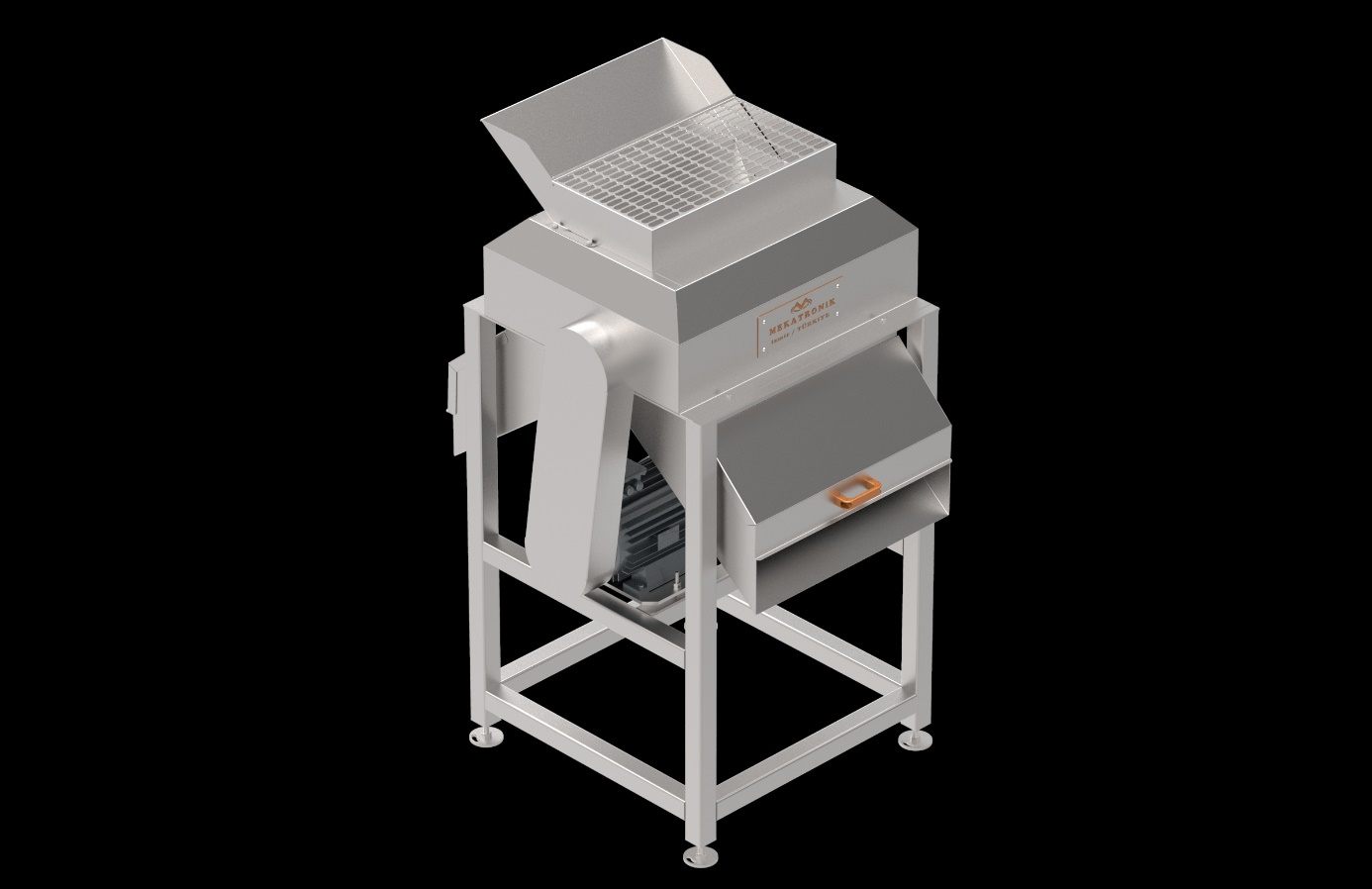
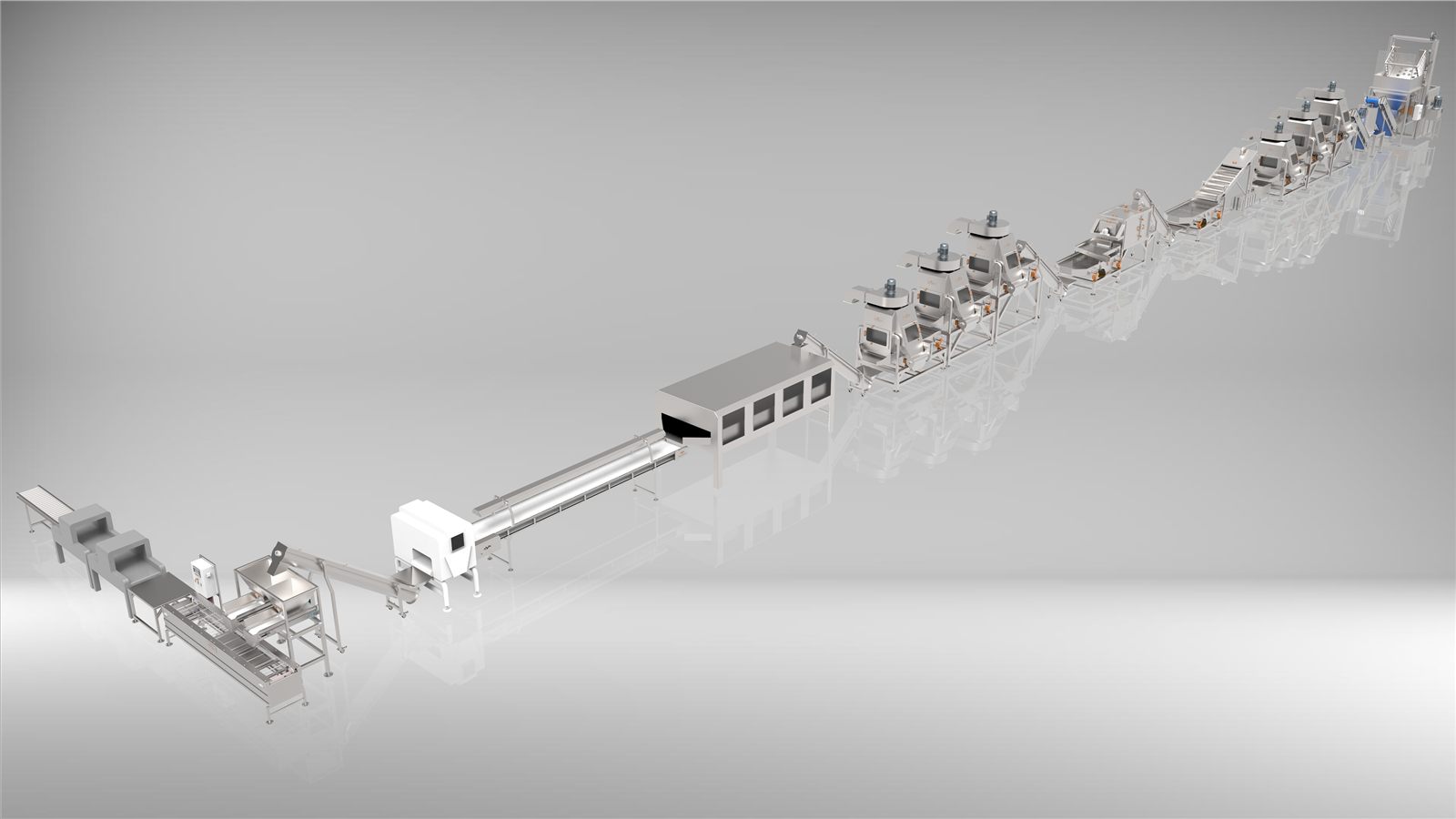
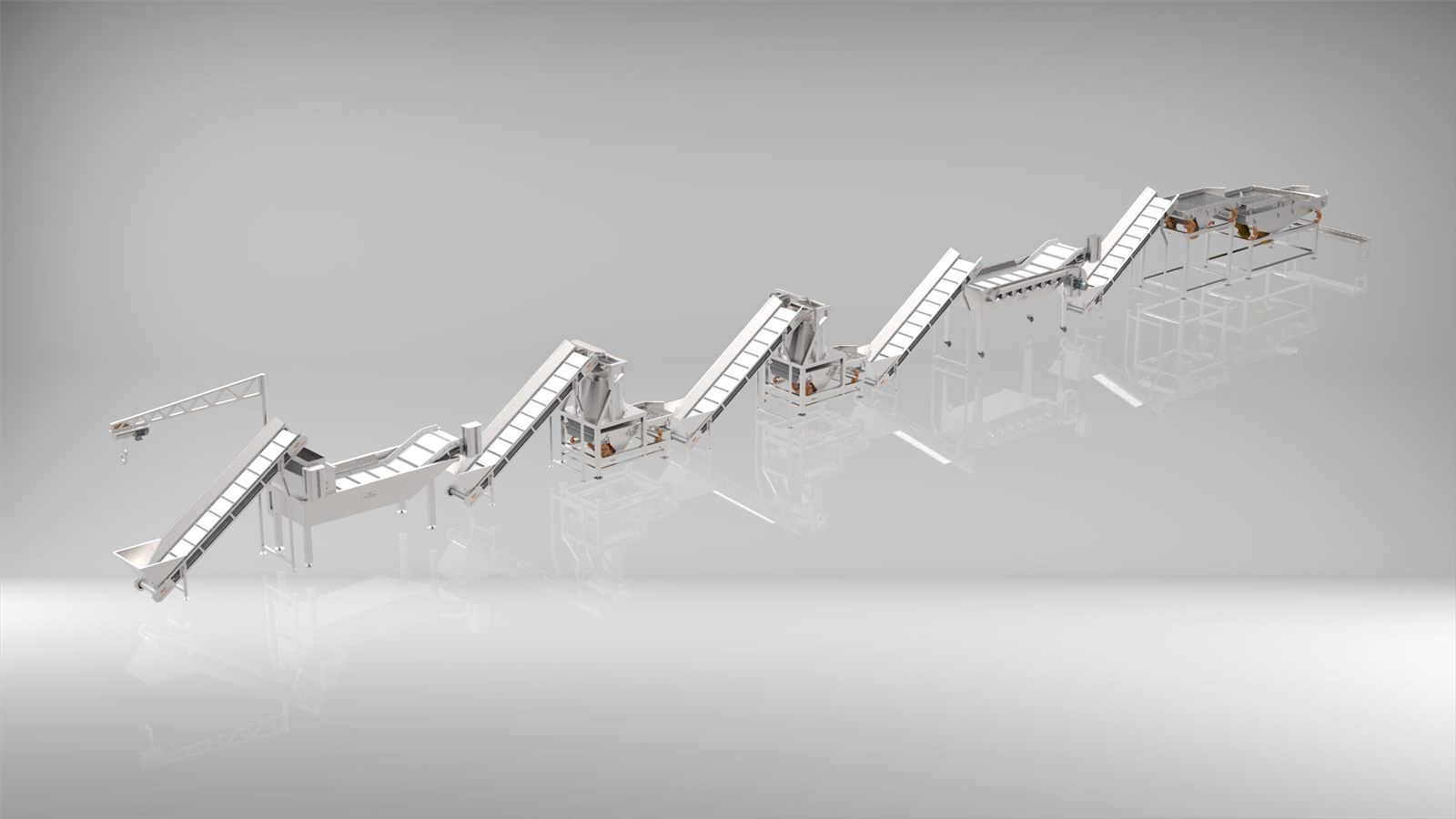
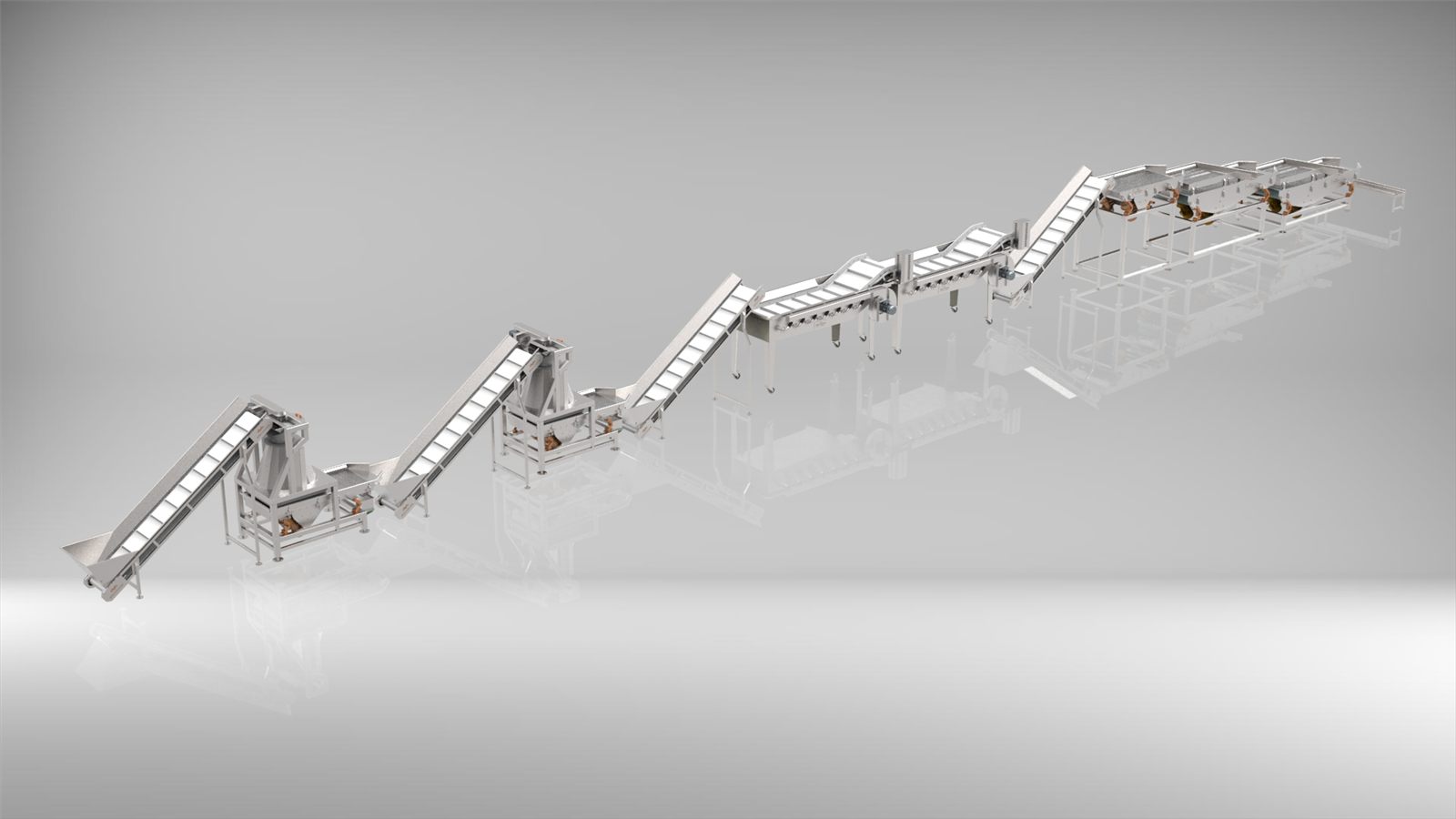
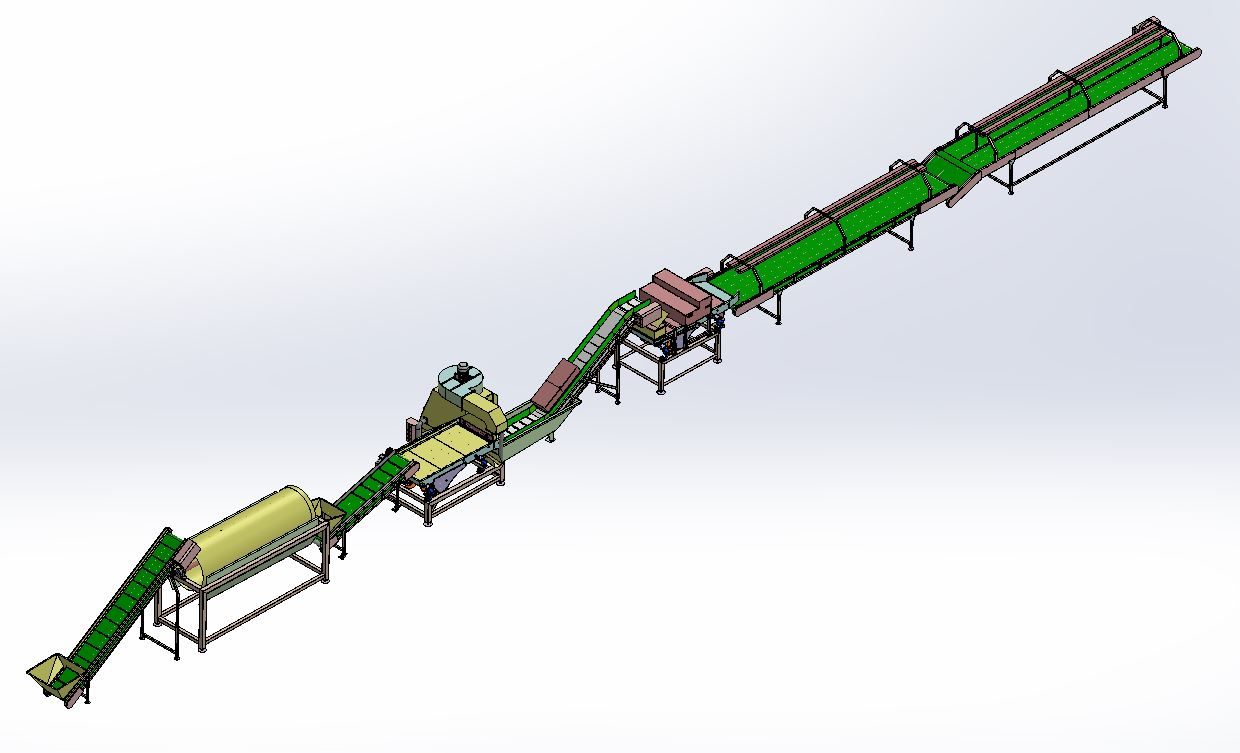
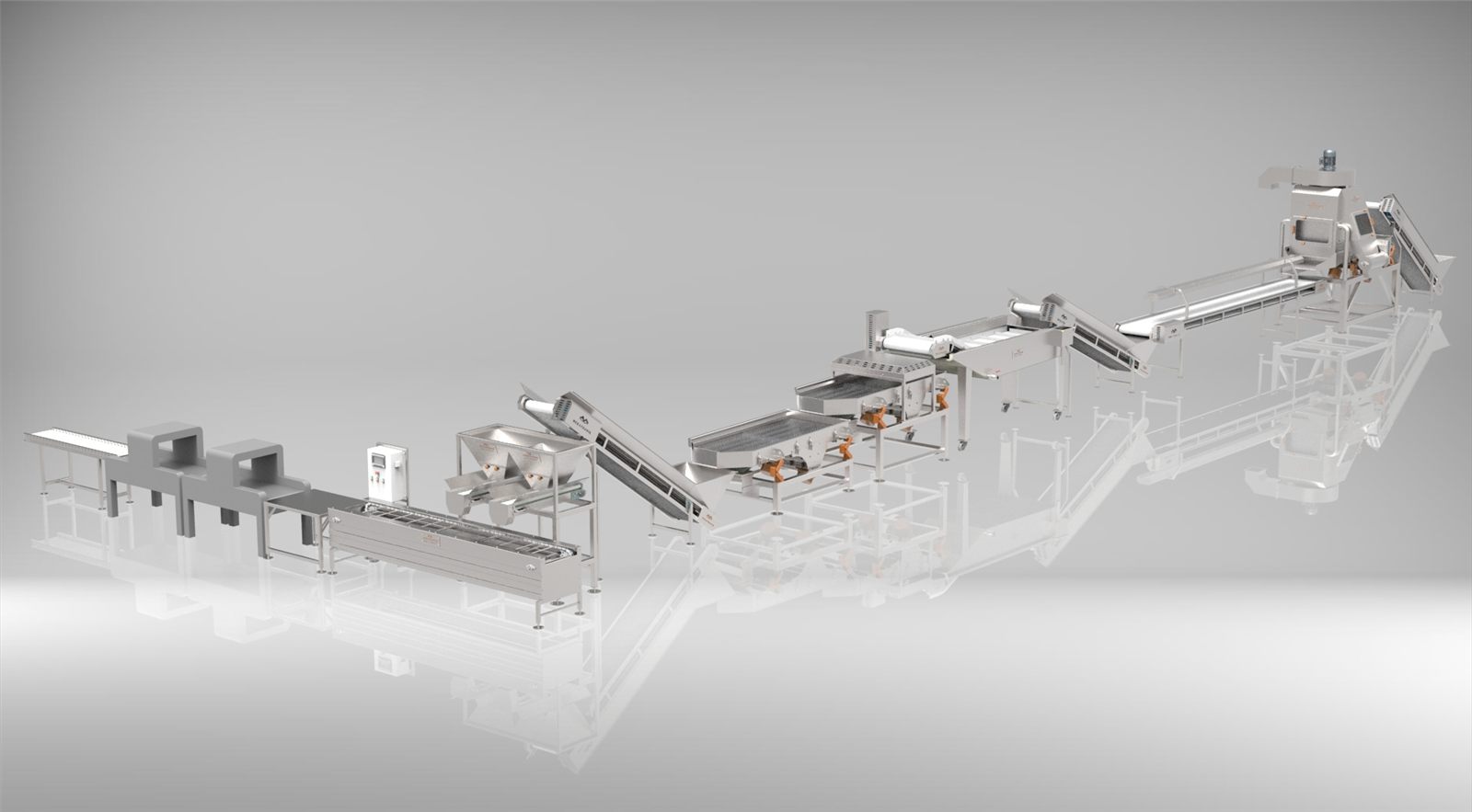
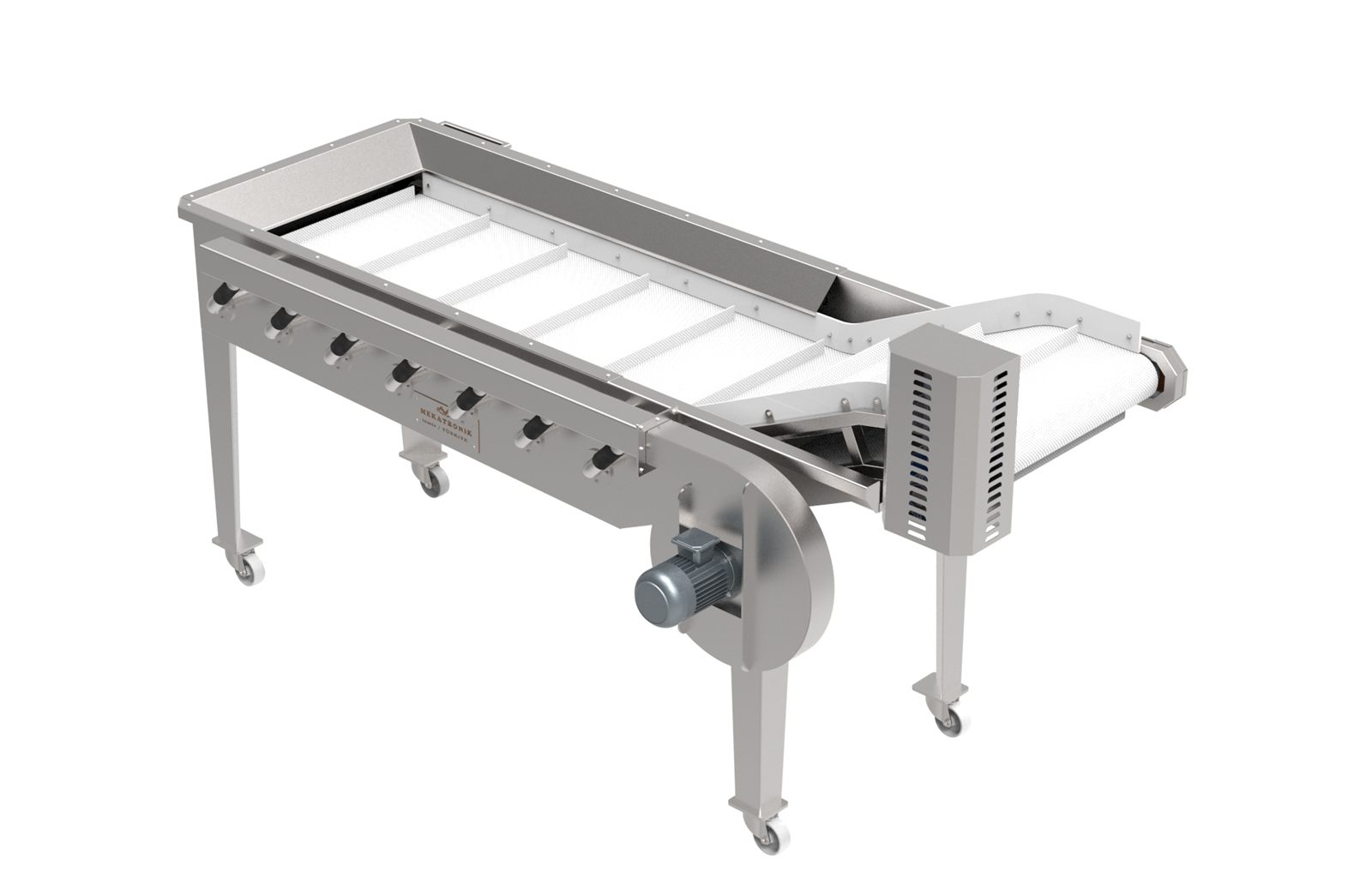
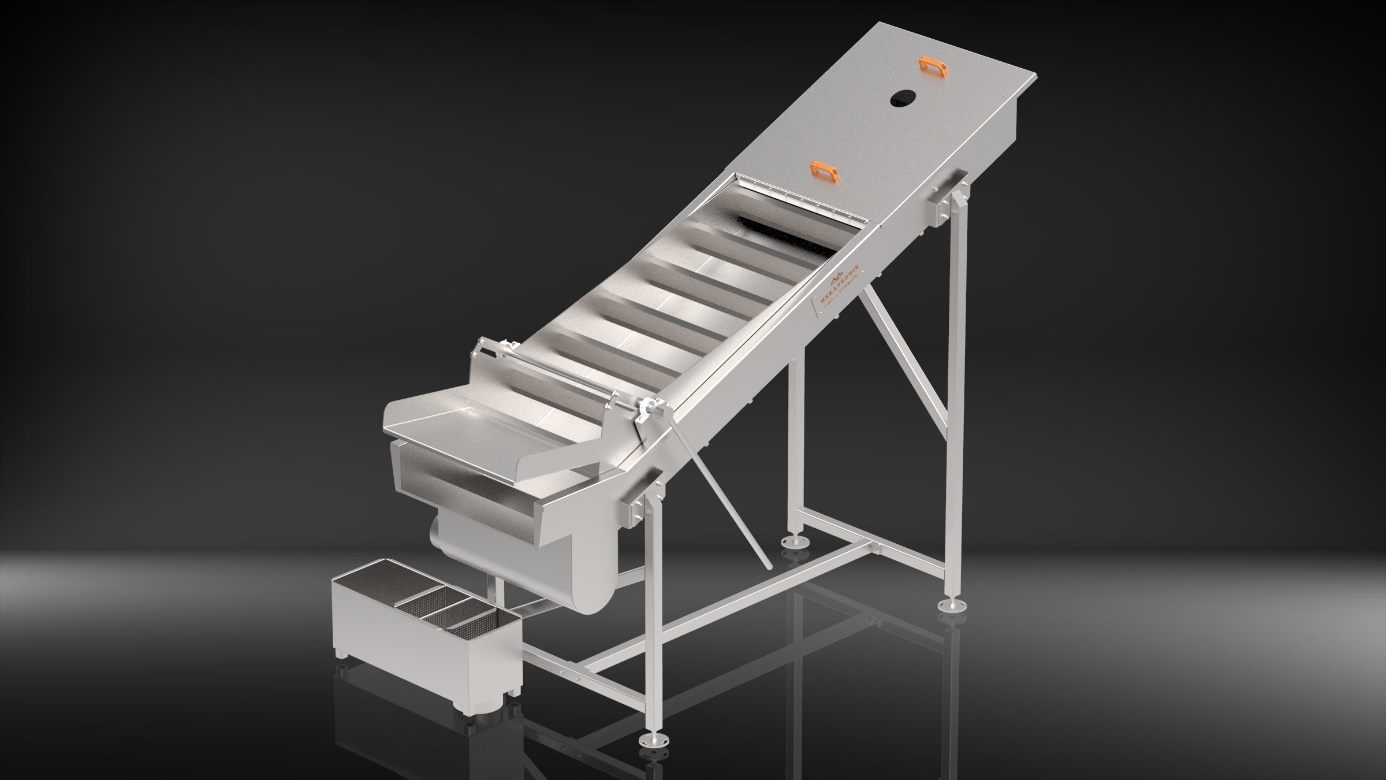
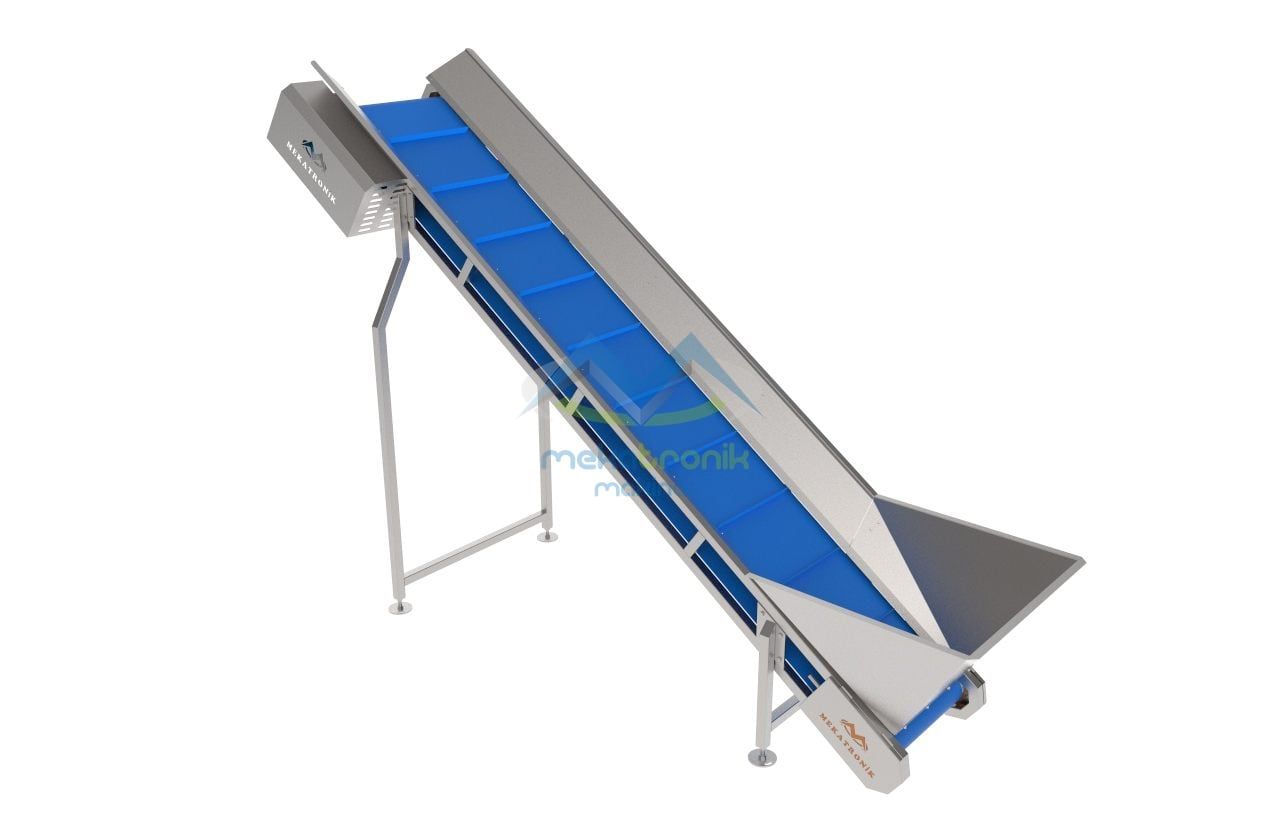
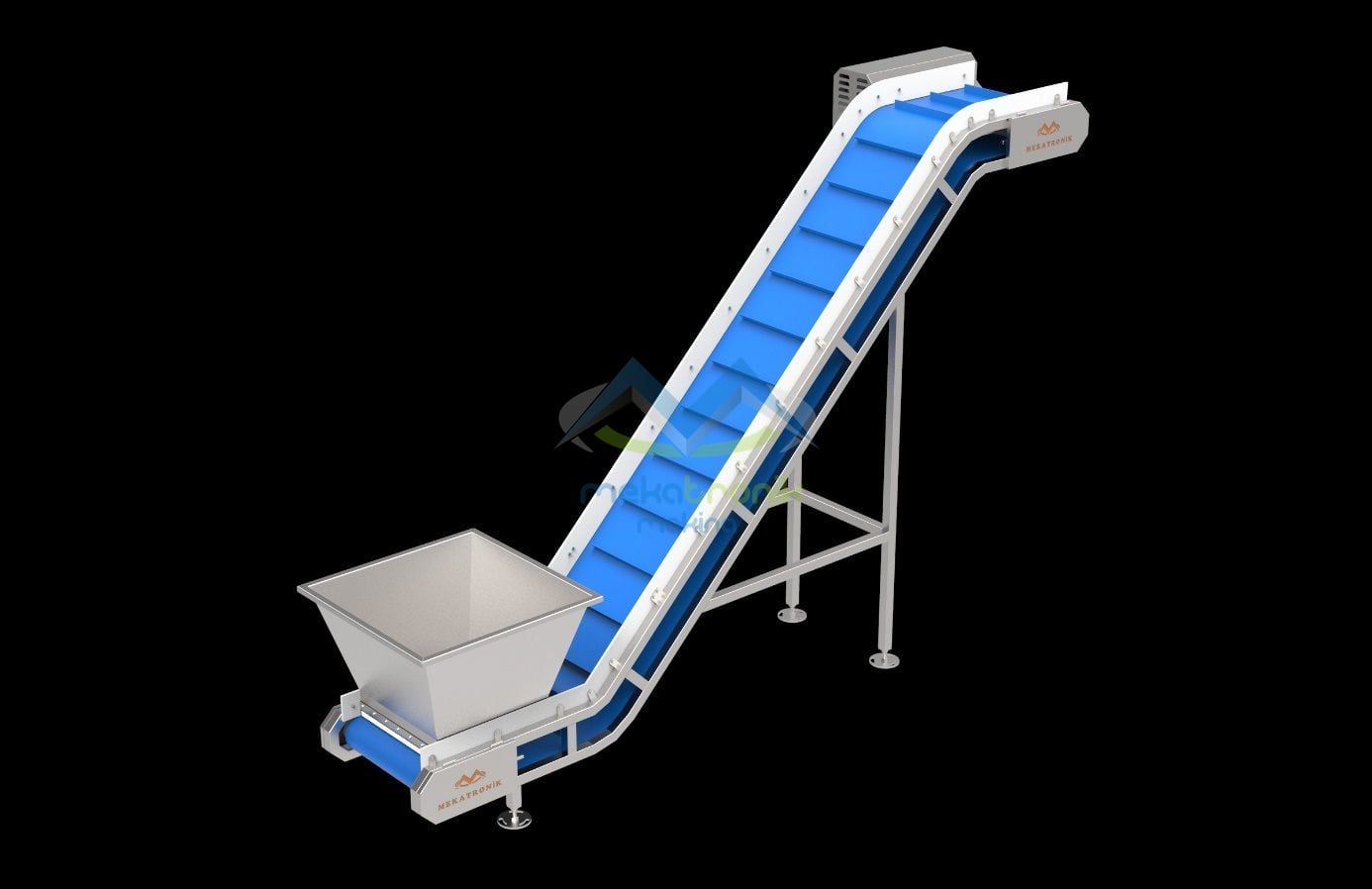
In a raisin processing line, destemming removes stem and cluster fragments left on the berry after it separates from the bunch. A batch that has already passed through cleaning and sizing can still carry stem residue, and that residue needs a dedicated step before packing. Why does this step run on a separate machine instead of the general sizing screen?
01
Why sizing alone does not remove stems
Stem fragments sit in roughly the same density range as the berry itself, and are often lodged against the skin. A debris removal shaker separates by size and weight, but that method cannot reliably detach a stem fragment wedged into the berry. A destemming machine uses a different mechanical action, rubbing and separating, built specifically to release the stem without breaking the berry. Harvest method also plays a role: hand-picked clusters generally carry less stem residue, while mechanically harvested batches carry more, so the destemmer's feed setting is adjusted to the batch coming in.
02
Where it sits in the line
The exact position depends on the batch, but in a typical flow destemming runs after washing and initial cleaning, and before final sizing and packing. Inside the raisin washing and packing line, this step is defined separately from debris removal - the two do not duplicate each other, they run in sequence to clear both foreign matter and stem residue from the same batch. Some plants place destemming right after drying as the first cleaning pass, others use it as a final checkpoint just before packing; the choice depends on harvest method and what other stations already exist on the line.
03
Adding it to an existing line
Because the destemming machine is built as a standalone unit, it can usually be added to a line that is already running, rather than requiring a full line rebuild. A single station can be installed after the existing debris removal or sizing equipment to bring destemming into a process that previously relied on manual sorting or labor to catch stem fragments. For a plant preparing to meet tighter buyer specifications, this is a lower-risk way to raise both capacity and consistency at one point in the line without touching the rest of the equipment.
04
Why residual stems matter for export batches
- 01A visible stem fragment in a retail pack triggers consumer complaints and return requests, which lands on the brand, not just the processor
- 02Buyer tolerance on export lots is often tighter than what a single domestic sizing pass can guarantee, and can lead to lot rejection
- 03Stem fragments disrupt fill weight accuracy and feed flow at the packing stage, slowing the fill rate
- 04A stem rubbing against the berry surface can mark or dull its appearance
05
Why this stays a separate machine
A vertical clump breaker is built to break up clumped mass formed during drying; a destemming machine is built for berry-to-stem separation. Combining both functions into one housing lowers the efficiency of each, because the motion principle and the wear parts differ. Keeping them as separate units also simplifies maintenance - if one station needs servicing, the rest of the line keeps running. Each machine also runs its own feed rate and adjustment, so fine-tuning one station does not change the behavior of the next, which makes troubleshooting more straightforward for the operator.
| Stage | Function | Position in Line |
|---|---|---|
| Debris Removal Shaker | Foreign matter and dust separation | Pre-cleaning |
| Destemming Machine | Stem and cluster separation | After drying, before packing |
| Vertical Clump Breaker | Breaking clumped mass | After drying |
06
Materials and compliance note
Product-contact surfaces on the destemming machine are AISI 304, upgraded to AISI 316 where the process calls for it. The machine is designed to meet CE conformity requirements. Surfaces that touch the product are also built to be cleaned down quickly between shifts, which matters when a buyer's food safety audit asks about sanitation routines on the line, not just the finished pack. Capacity and throughput depend on batch moisture, stem structure and feed rate - exact figures are confirmed at the quotation stage, not before.
For exporters sourcing a raisin line for international buyers, the destemming machine page has the full technical detail, and the export page covers how the line ships and supports projects outside Turkey. A quotation request is the fastest way to confirm capacity for a specific batch profile.