
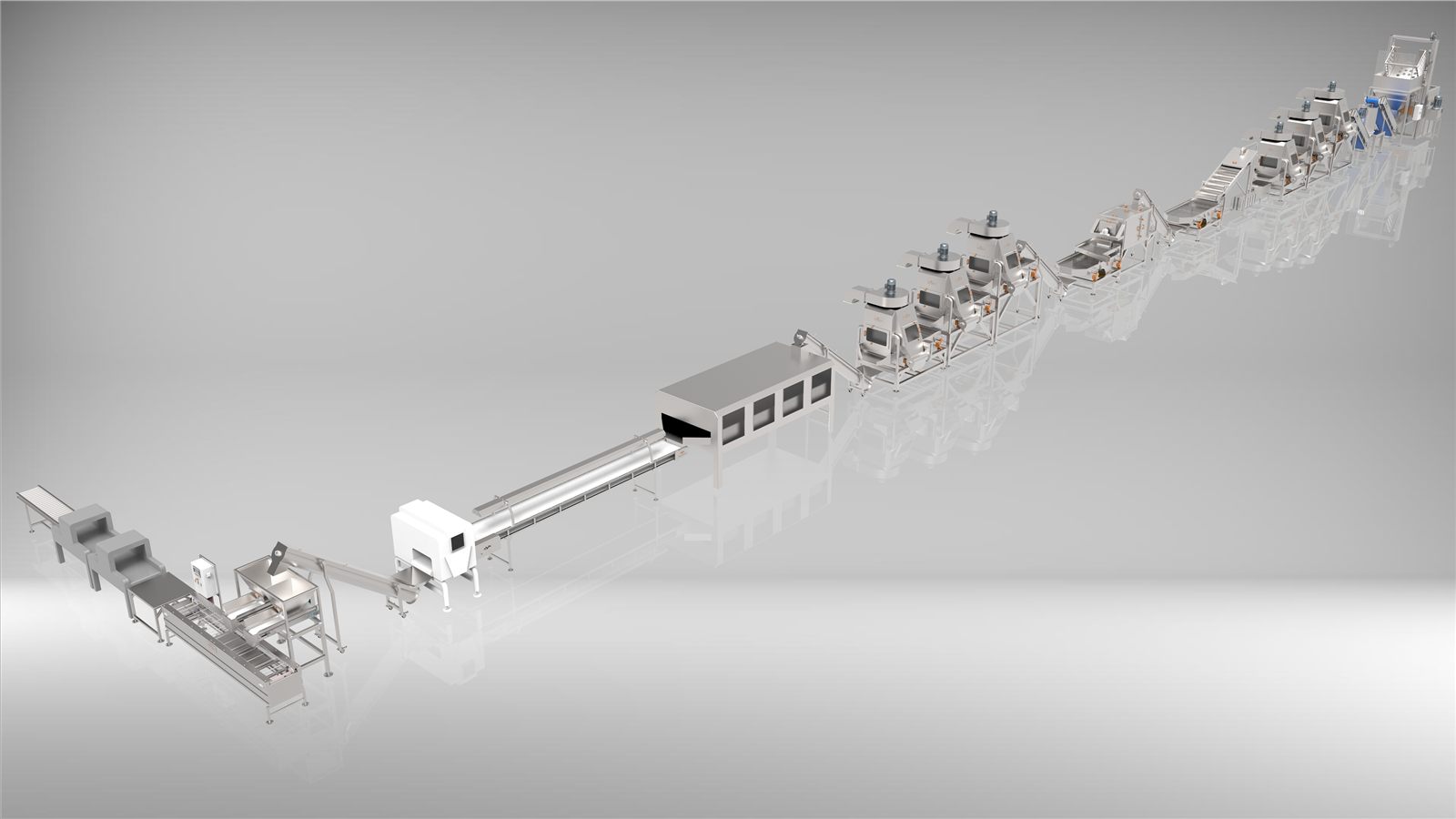
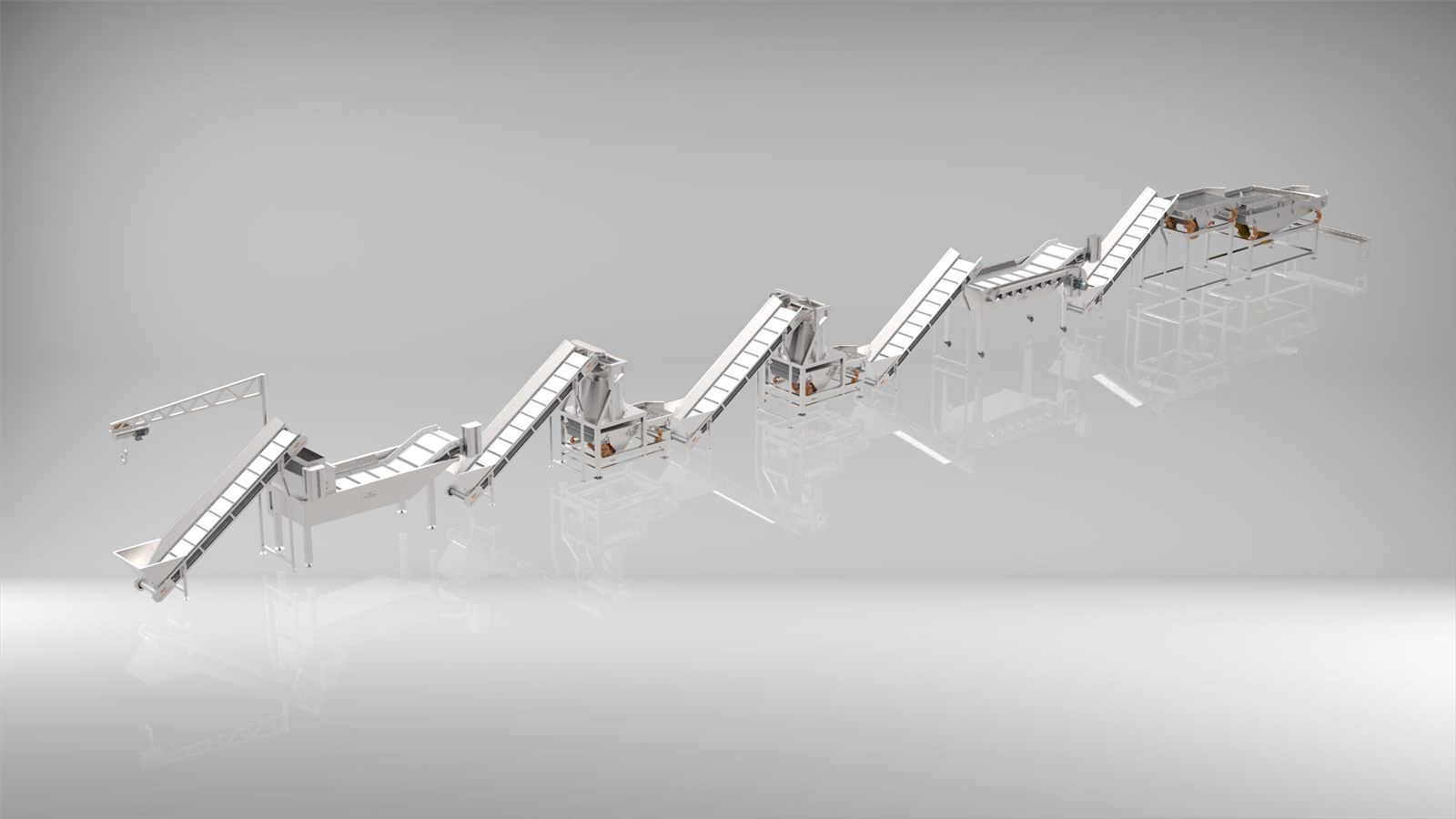
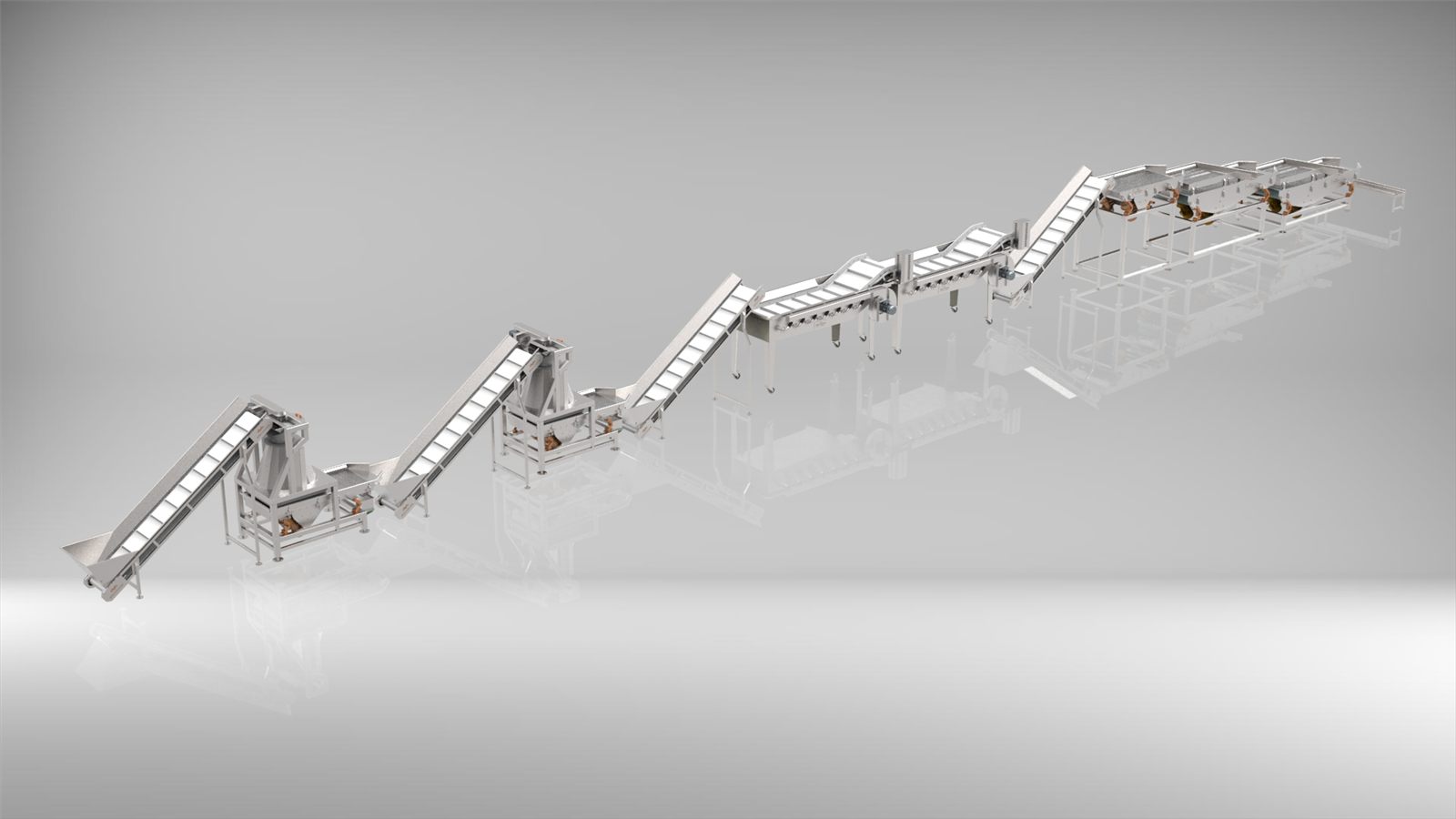
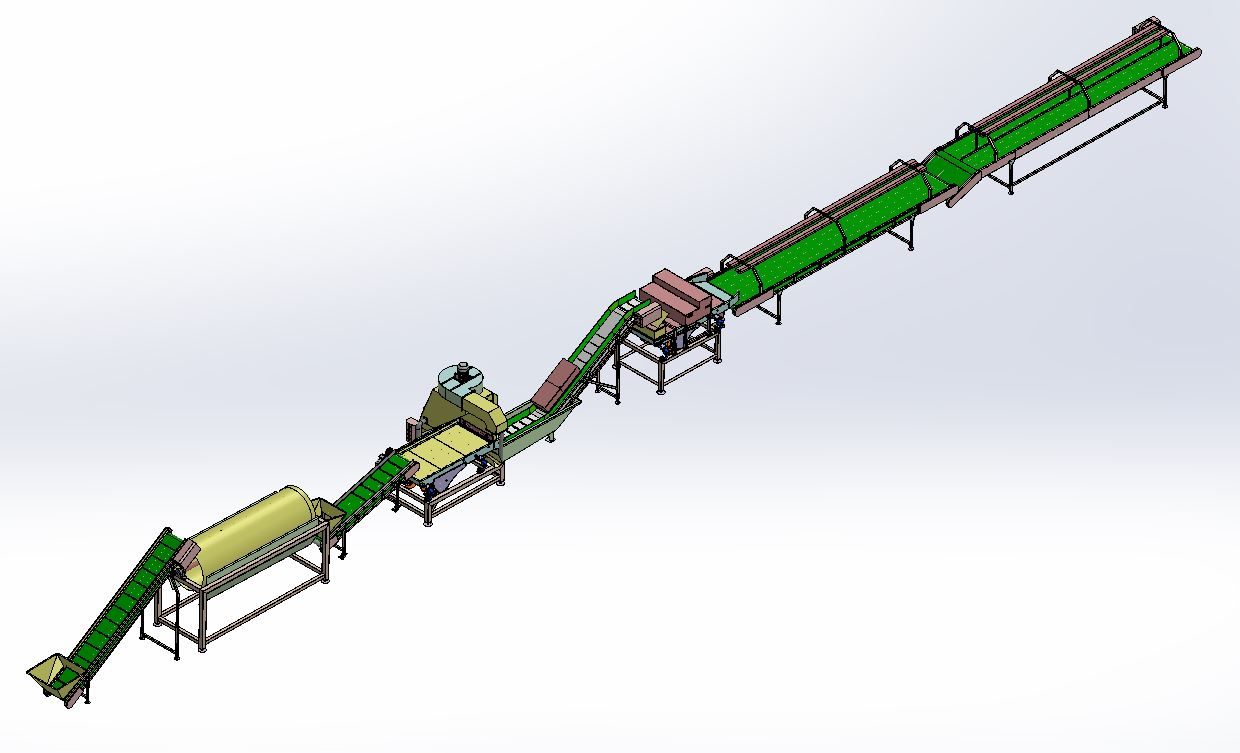
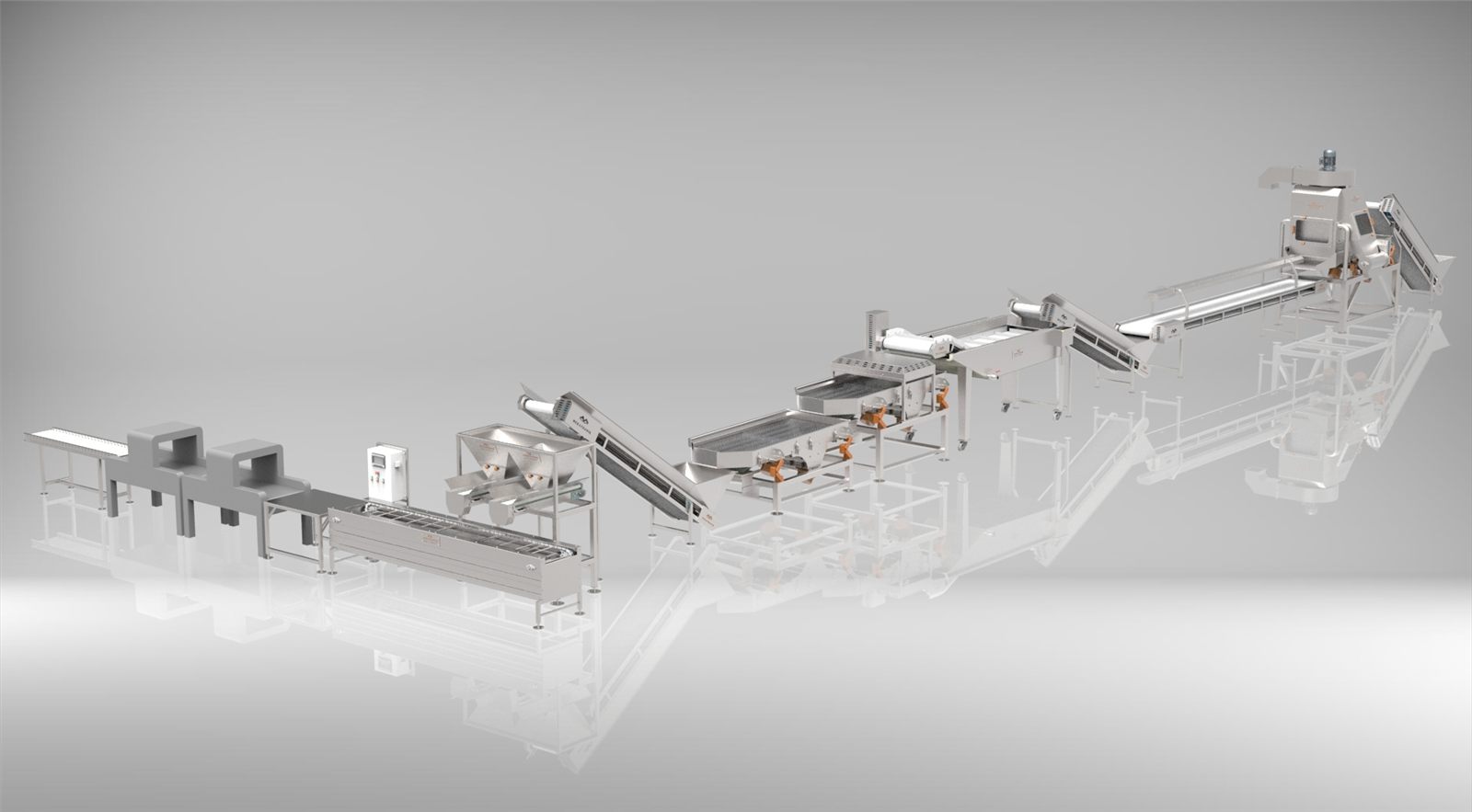
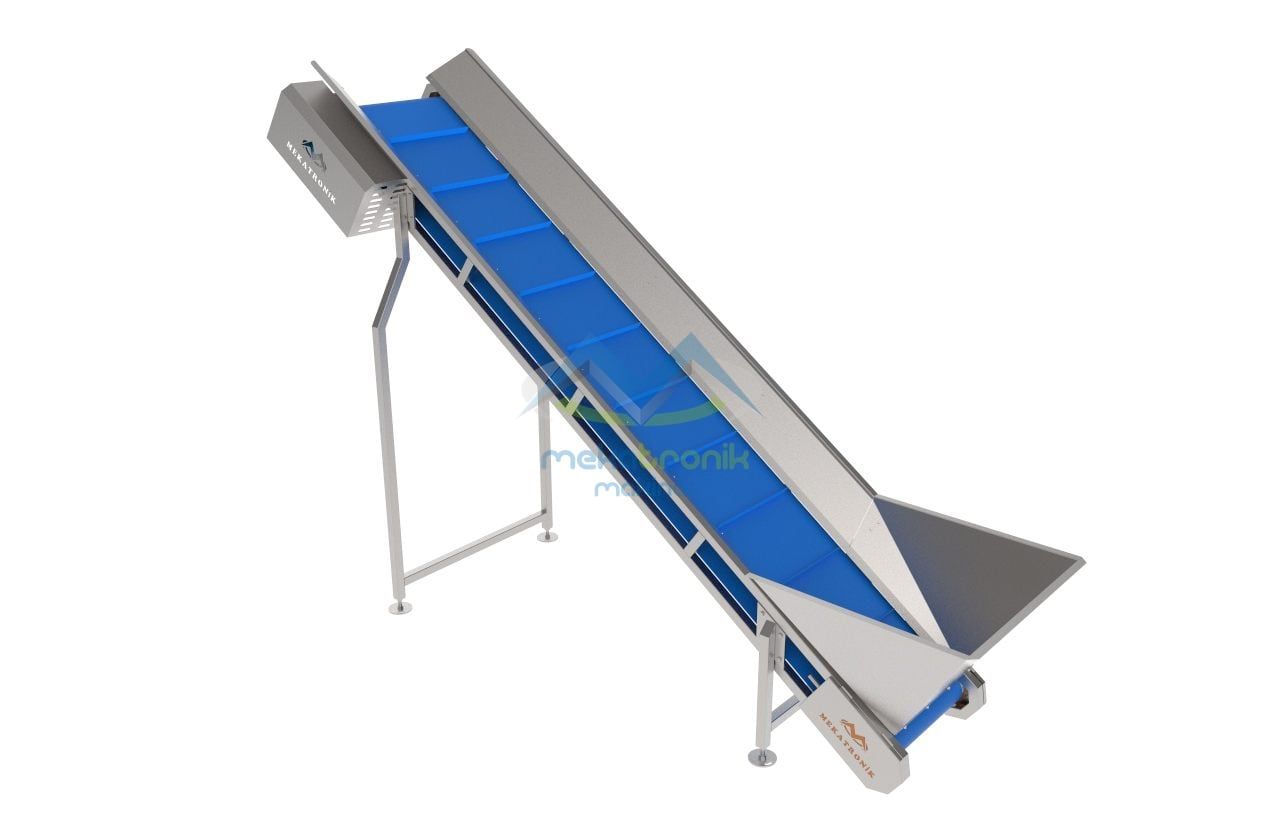
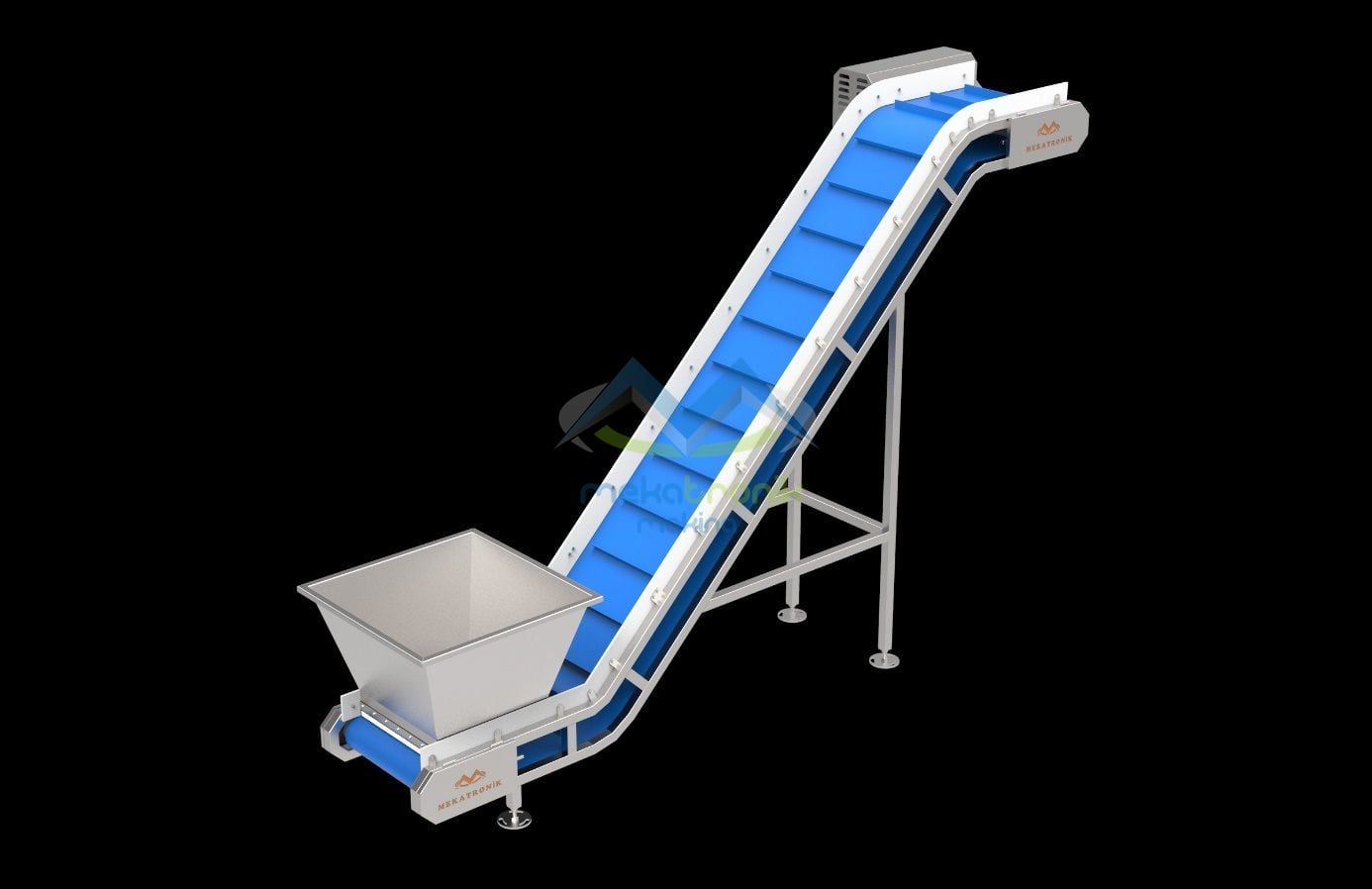
A raisin washing machine is rarely one unit; it is a short sequence that has to run in a fixed order or the batch coming out the other end shows it. Each stage manages water differently: how long the fruit sits in it, how much mechanical force is applied, and how much of it is shed before drying. This article walks through that sequence and the water decisions inside it.
01
Why does raisin washing need more than one stage?
By the time raisins reach the washing section they are already de-stemmed and free of coarse debris, but the fruit surface still carries fine dust and, in dried fruit, some adhered residue that dry cleaning cannot touch. A single wash step cannot handle a light dust load and stuck-on residue at the same time without either under-cleaning the batch or over-handling the fruit. That is why washing on a raisin processing line runs as two distinct stages, soaking and brushing, followed by a separate water removal step, rather than one combined pass.
02
What happens in the pre-soak stage?
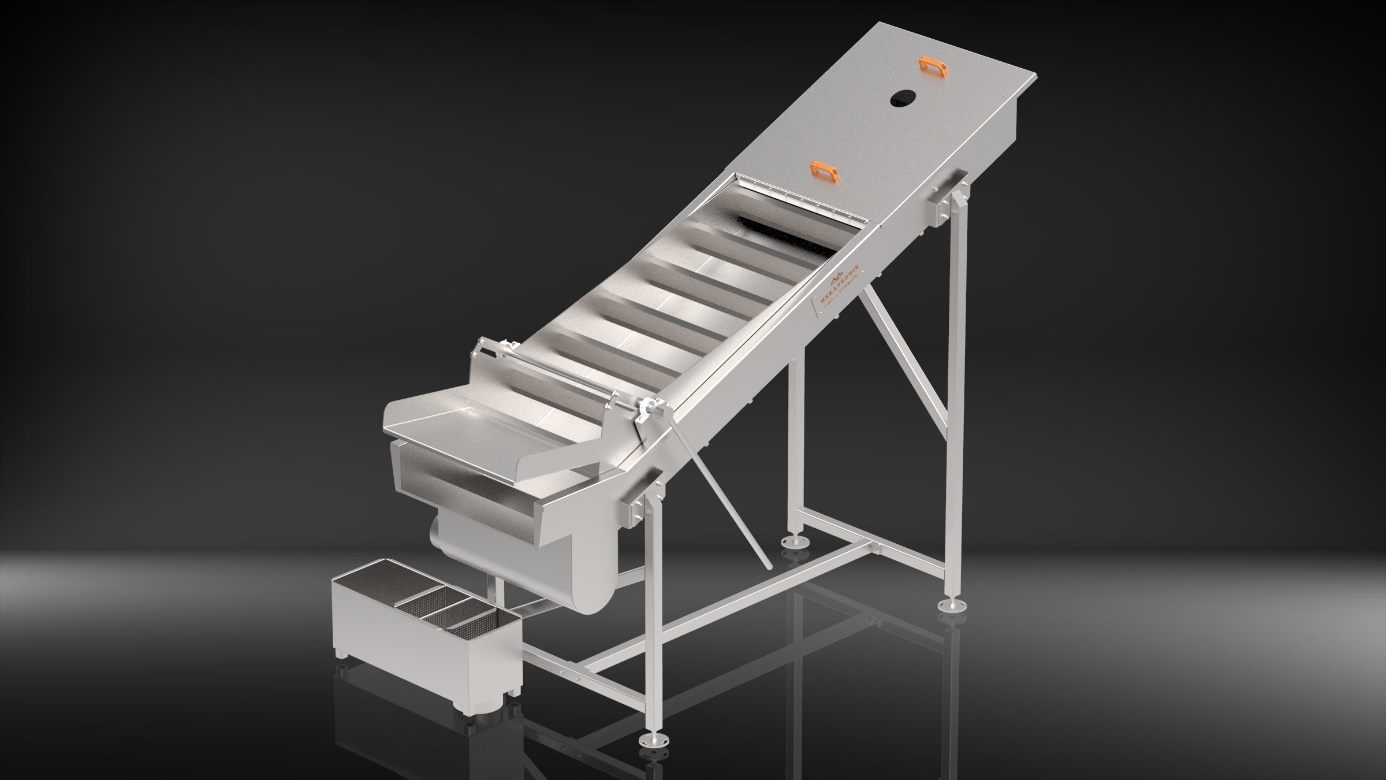
The first stage is a soak tank where raisins are submerged and moved by rising air bubbles rather than mechanical paddles. In a jacuzzi-type washer, the bubble action loosens surface dust and starts softening adhered residue while the fruit stays suspended in water, so the skin is not scraped or bruised at this point. Soaking time is set to give the water enough contact to loosen residue without over-hydrating the fruit, because raisins left in water too long simply reabsorb moisture that then has to be driven back out during drying.
03
When is brush washing needed, and how is pressure set?
Residue that does not release in the soak needs direct mechanical contact, which is what a vertical brush washing machine provides downstream of the soak tank. Rotating brushes work the fruit surface as it passes through, and because raisin skin is thin and marks easily, brush pressure is set lower than it would be for a firmer fruit. The aim is to lift residue, not to polish or abrade the skin.
- 01Brush pressure is checked against the condition of the incoming batch, not fixed at one value for every raisin type.
- 02Wash water in the brush section is renewed continuously so loosened residue does not redeposit on the fruit.
- 03Contact surfaces in both the soak tank and the brush washer are stainless steel, AISI 304 as a baseline and AISI 316 where the process calls for it.
04
Why does water removal decide what happens next?
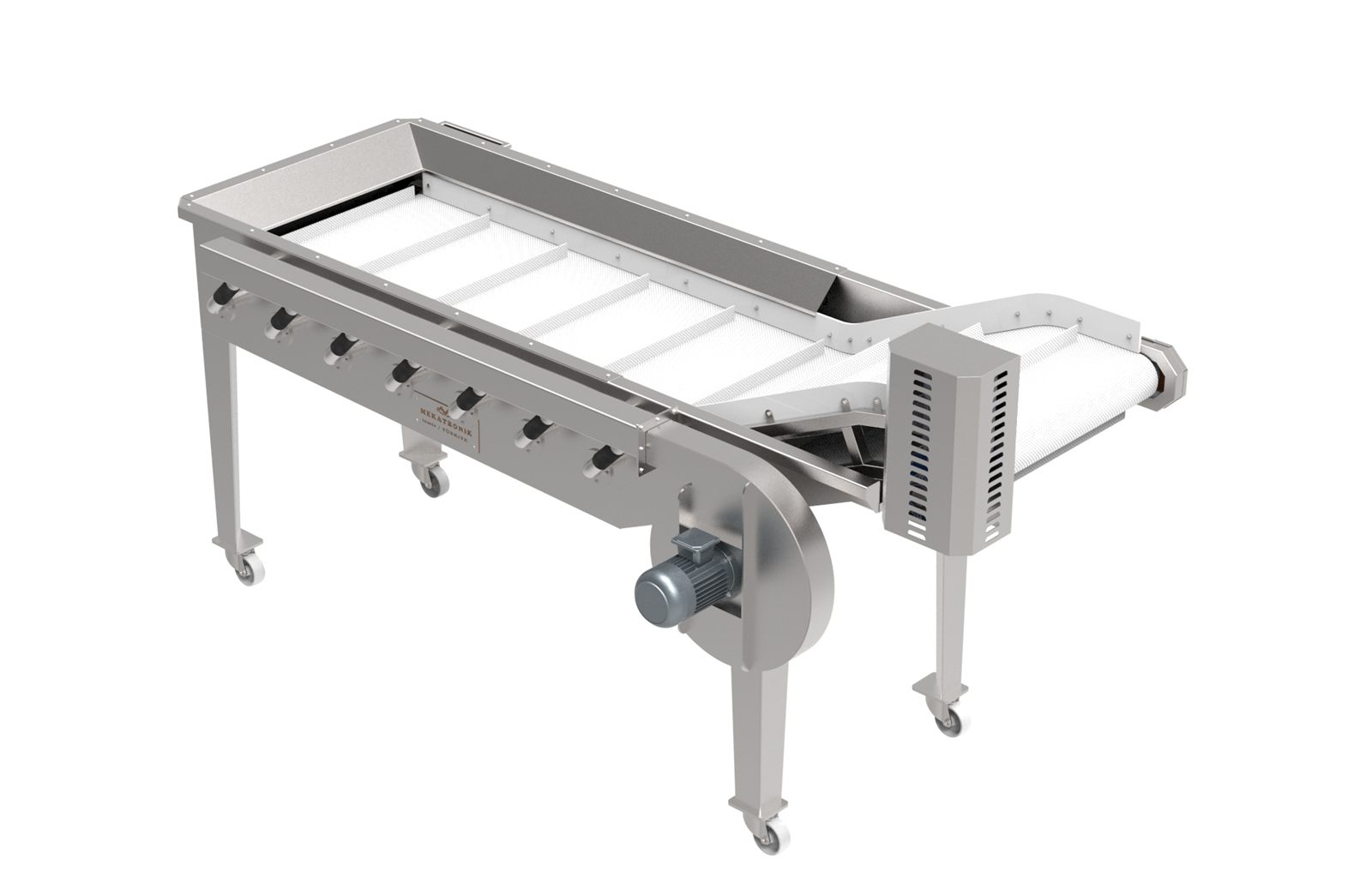
Raisins leaving the brush washer carry a layer of surface water that has to come off before the batch moves on. Wet fruit cannot be sized accurately, and it cannot be dried efficiently either, because the dryer would spend its energy evaporating surface water instead of working on the fruit itself. A water removal shaker uses vibration to shed the bulk of that surface water; where the process needs moisture pushed lower before drying, a fan-assisted version adds an air stream on top of the vibration.
05
How do these settings work together?
None of the three settings is decided in isolation. A longer soak reduces how much brushing the fruit needs, but it also adds moisture that the shedding stage then has to remove. Higher brush pressure clears residue faster but raises the risk of skin marking, which shows up later as a lower grade at sorting. The three are tuned together during commissioning, against the raisin batch and the target moisture the line is expected to produce.
| Setting | If set too low | If set too high |
|---|---|---|
| Soak time | Residue stays loosely attached, brush has to work harder | Fruit reabsorbs water, drying stage takes longer |
| Brush pressure | Sticky residue remains on the skin | Skin marking, lower grade at sorting |
| Water shedding capacity | Surface water carried into drying, uneven results | No quality risk, only added energy use |
06
Next step
This sequence is one part of a longer raisin processing line, and Mekatronik has been building washing and processing equipment since 1992, with more than 2,000 machines running in 22 countries. If you want to work out soak time, brush pressure and shedding capacity for your own raisin batch and target moisture, reach out through the quote form and we can size the sequence with you.
TOPICS