Washing and drying are the two stages where a sun-dried tomato processing line either protects quality or loses it. Get the sequence wrong and the fruit either carries soil and skin residue into the dryer or loses too much surface moisture too fast, both of which show up later as color and texture defects. This guide walks through how the two stages are ordered and configured on a production line.
01
Why the order of operations matters
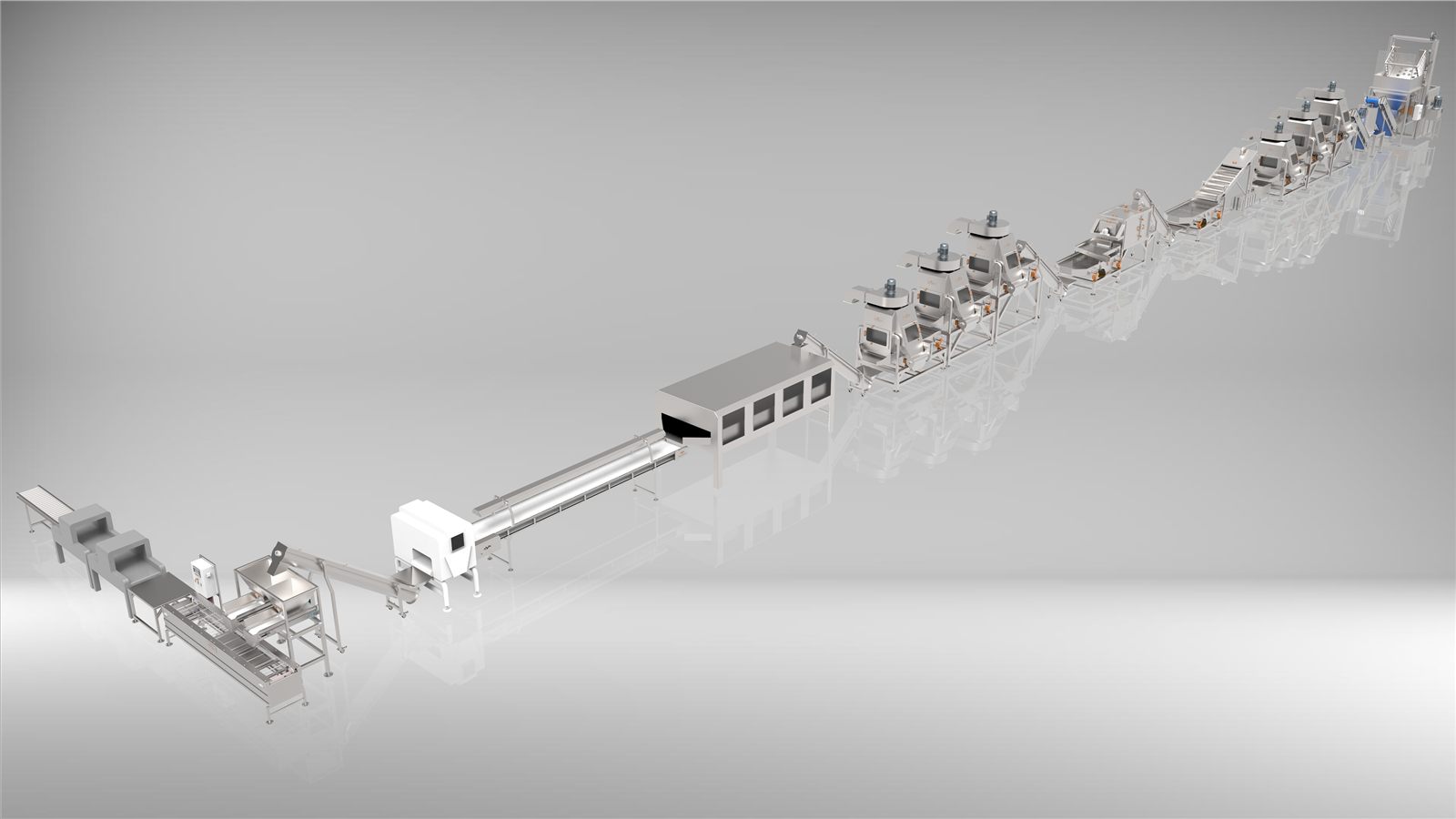
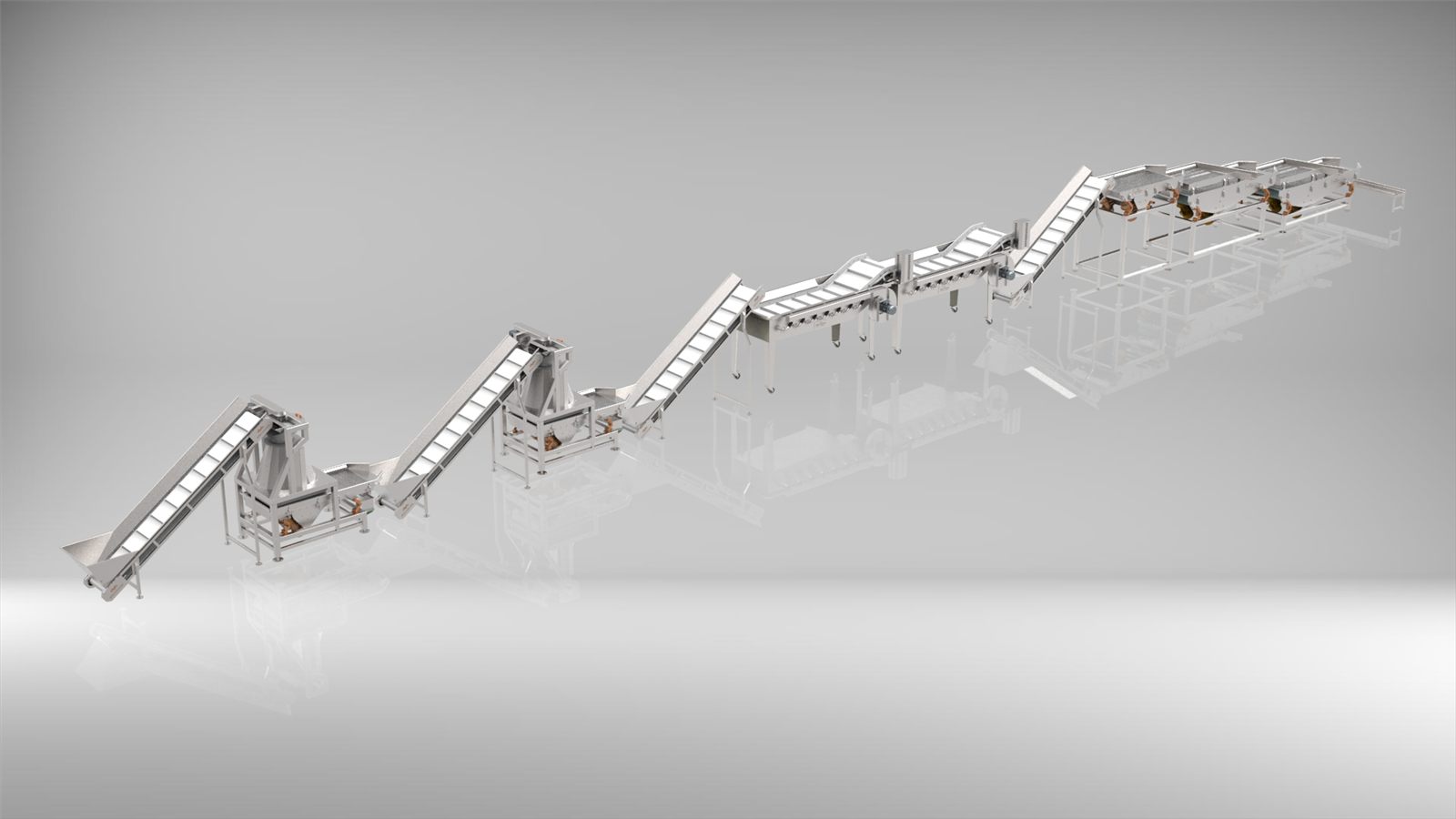
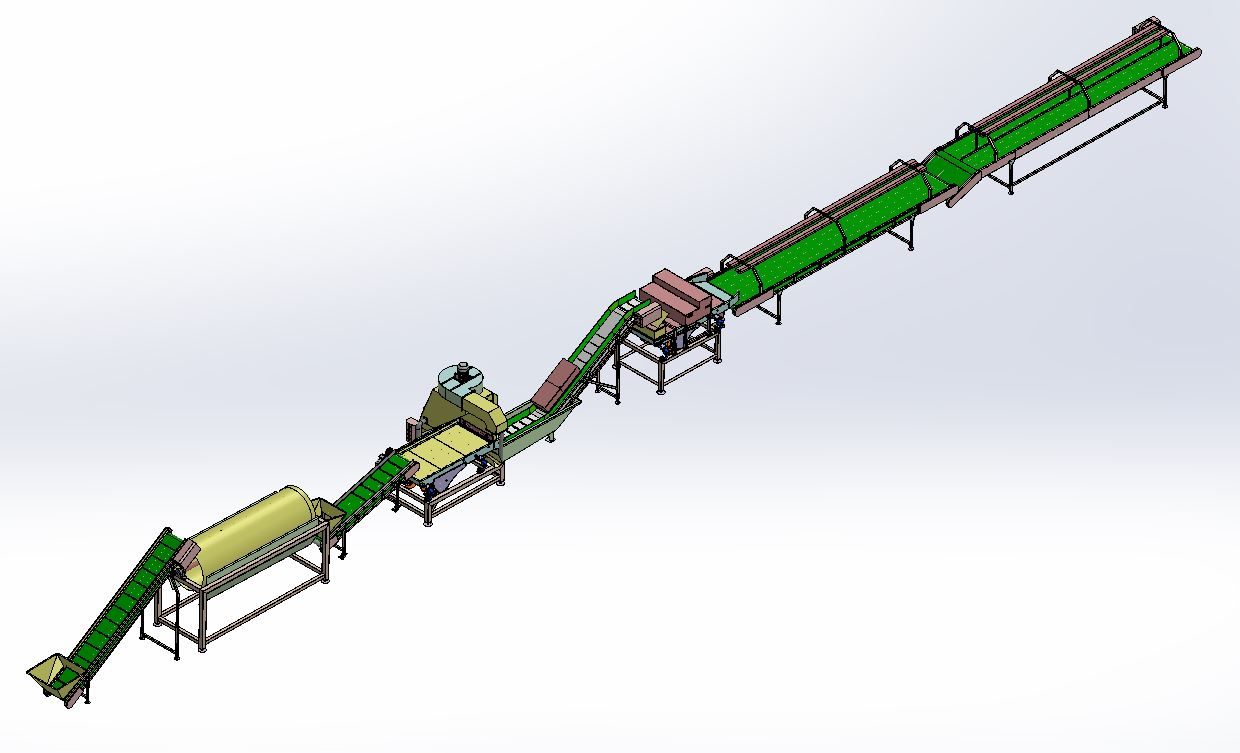
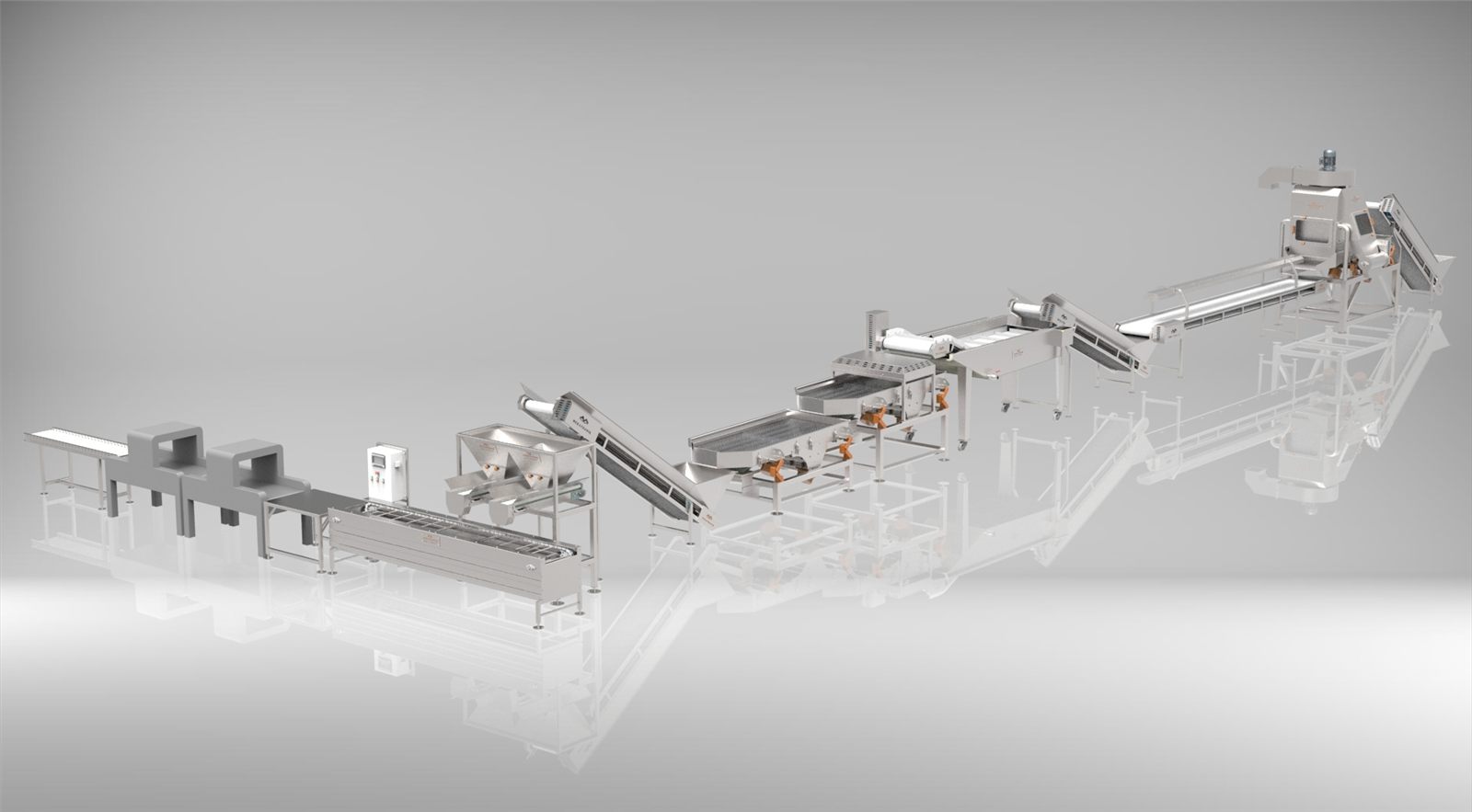
Tomatoes destined for sun-drying arrive from the field with variable amounts of soil, plant debris and surface microbial load, and they are usually cut in half before drying so moisture can leave the flesh at a workable rate. If cutting happens before washing, exposed flesh sits in wash water and can absorb it unevenly, which slows drying and encourages spoilage later on. If washing happens without adequate pre-sorting, damaged or overripe fruit contaminates the wash water faster than it can be refreshed. The practical sequence used on a sun-dried tomato processing line is pre-sorting and debris removal, then washing, then cutting, then drying, each stage sized to the one before it so fruit does not queue up and lose freshness between steps.
02
Pre-sorting and washing stage
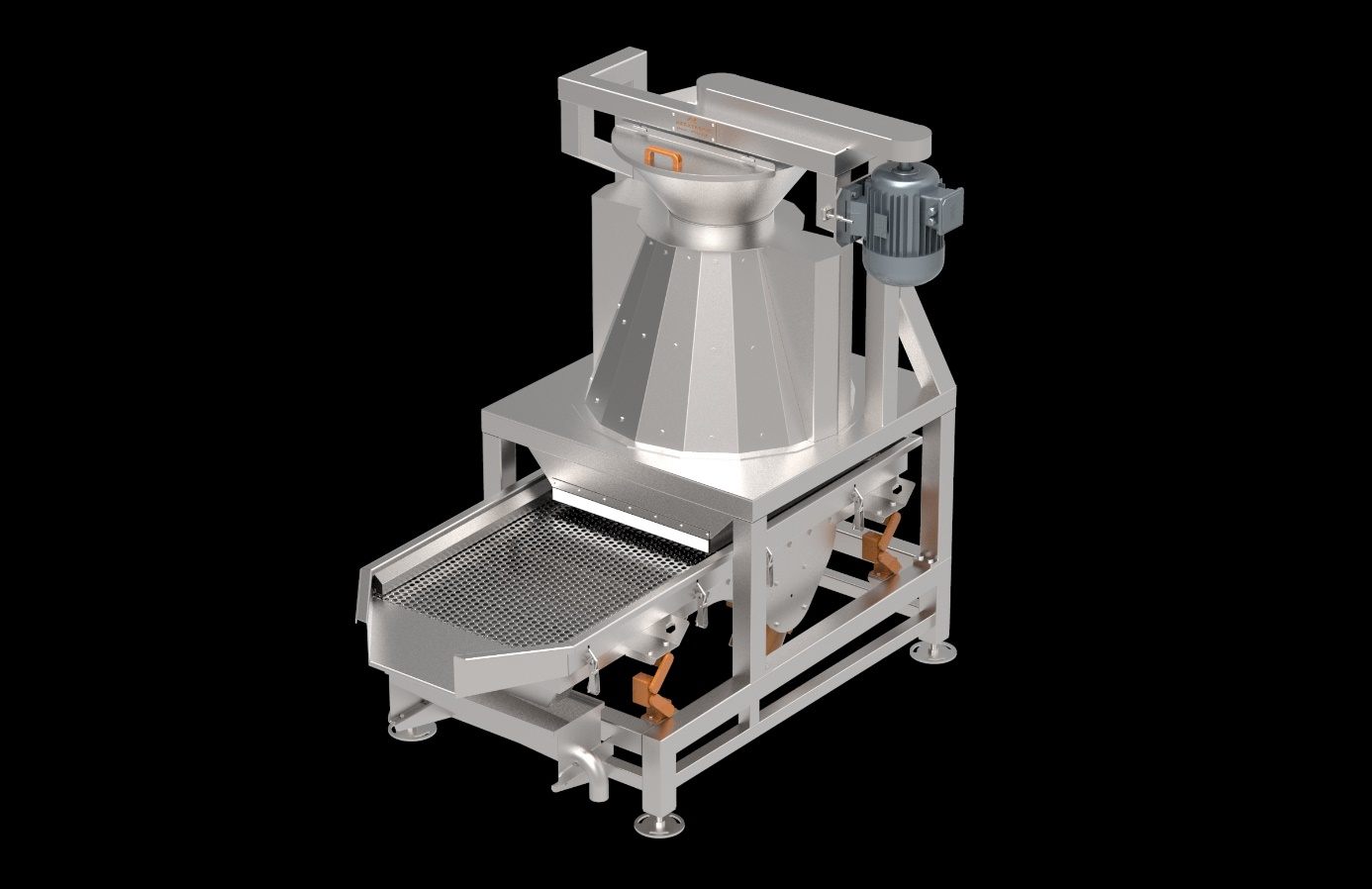
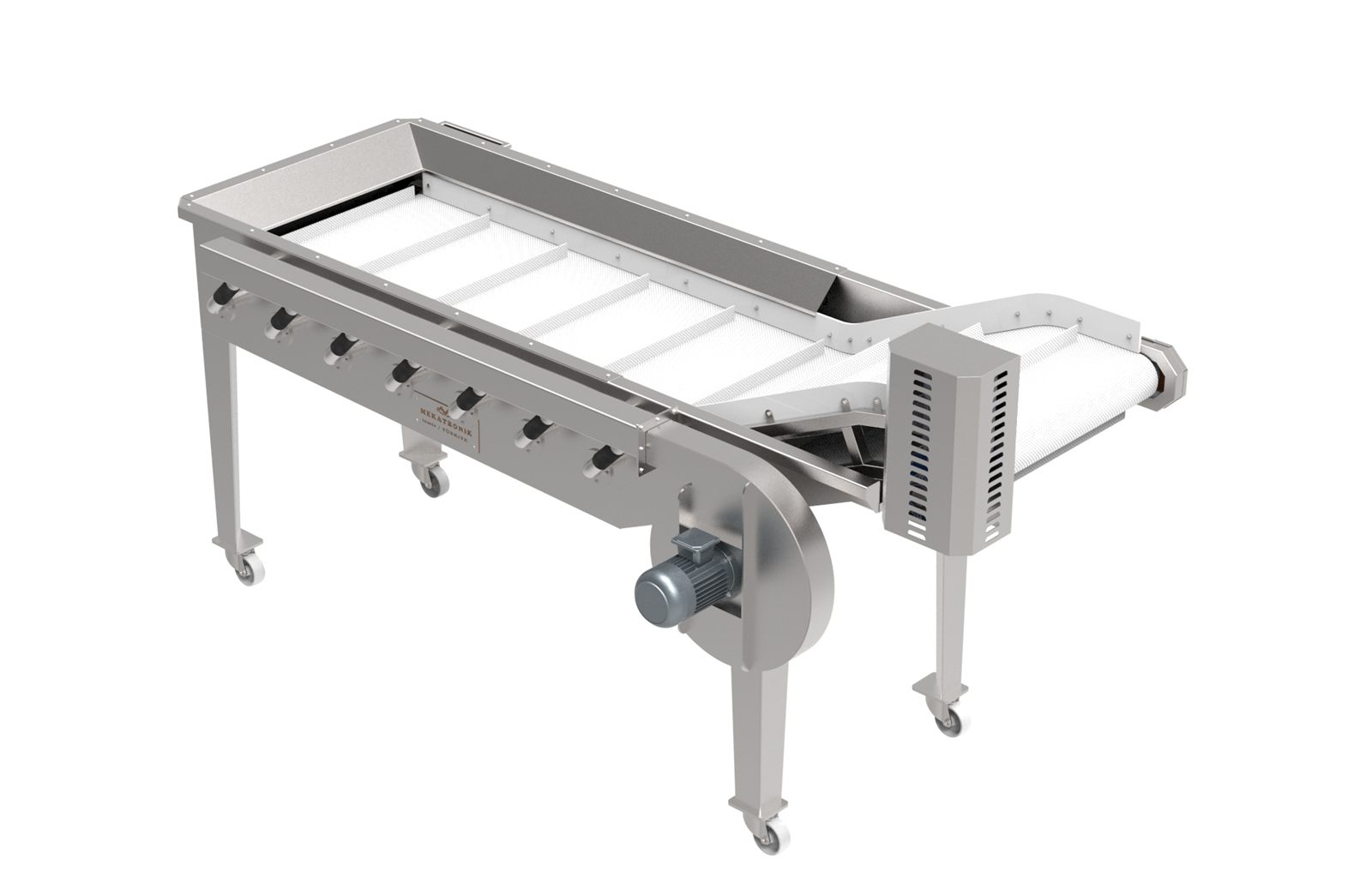
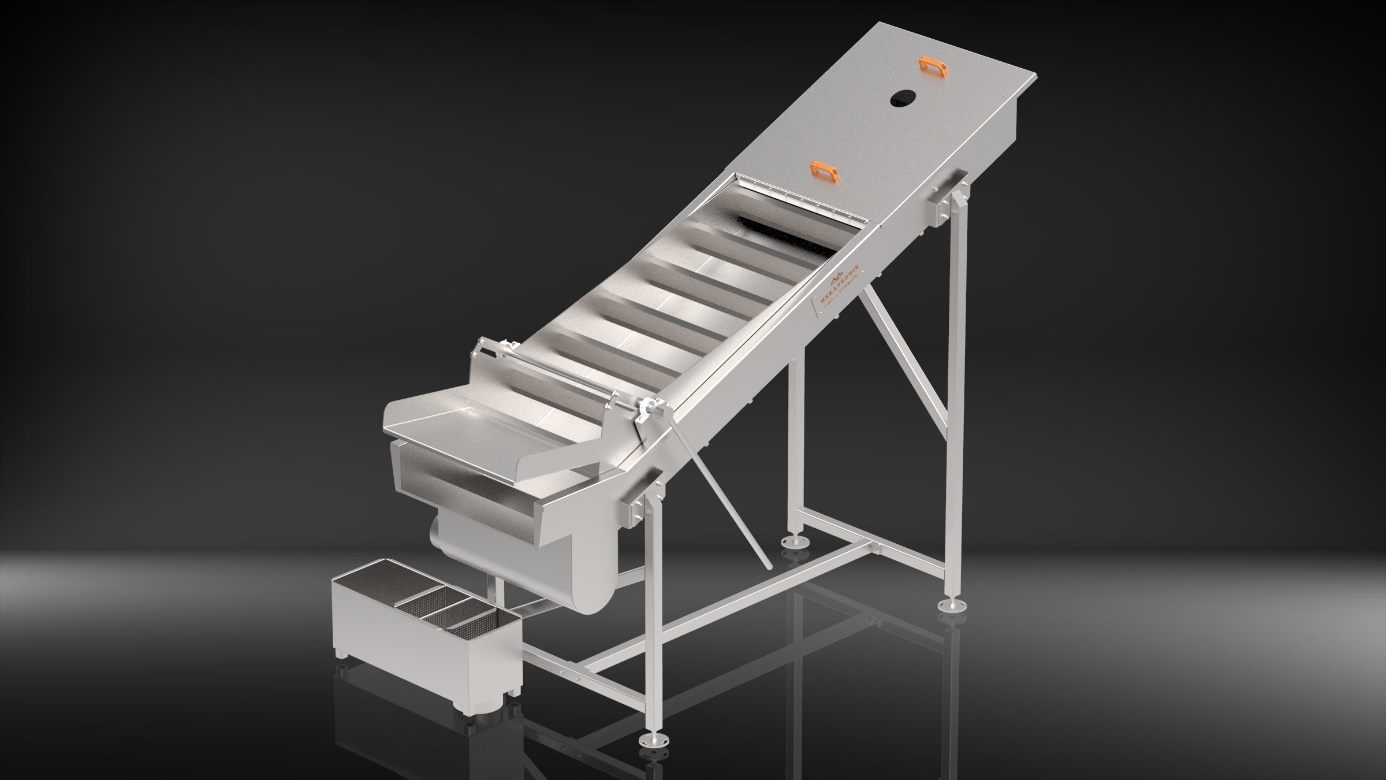
Before the wash tank, an incoming lot passes through a pre-sorting stage to remove stems, leaves, stones and fruit that is clearly unfit for processing. This step protects the washing equipment as much as the product: soil and plant matter that reach the wash tank raise water turbidity and shorten the interval between water changes. The washing stage itself typically combines immersion soaking to loosen adhered soil with spray or agitated rinsing to remove it, followed by a draining section so fruit does not carry excess surface water into cutting.
03
Moisture handoff between washing and drying
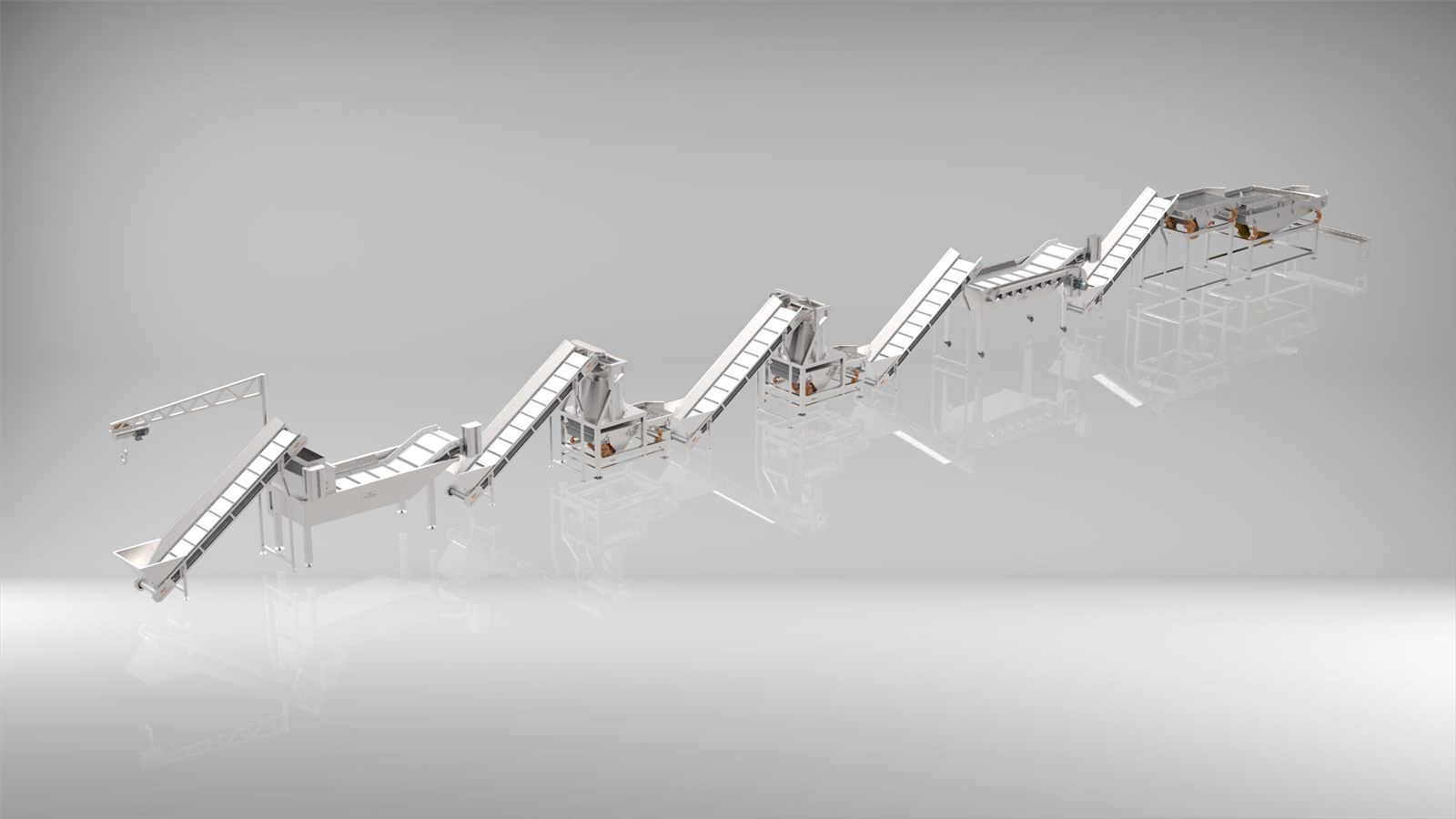
The transition from washing to drying is where surface moisture management starts. Fruit leaving the wash and drain section should reach the cutting and drying stages with as little free surface water clinging to it as possible, since that water has to evaporate before the drying process can act on the flesh itself. On most lines this is handled with a dedicated draining section between washing and cutting rather than relying on the dryer to remove both surface and internal moisture in one pass. Getting this handoff right shortens drying time and gives more even color across a batch, because fruit does not sit with wet skin absorbing heat before internal moisture actually starts leaving the flesh.
04
Drying stage: from washed halves to sun-dried tomato
Once cut, tomato halves move into the drying stage, where hot air circulation, whether an oven or a tunnel-type dryer depending on the line configuration, removes internal moisture down to the target level for a shelf-stable, sun-dried product. Airflow uniformity across trays or belts matters more than raw temperature here: uneven air distribution leaves some pieces under-dried while others over-dry and darken. Because drying time depends on tomato variety, cut thickness, initial moisture content and ambient conditions, exact drying duration and capacity figures vary by project and are set during line design rather than fixed in advance.
- 01Airflow distribution across the drying chamber or tunnel
- 02Cut thickness and uniformity coming out of the cutting stage
- 03Initial surface moisture carried over from washing and draining
- 04Batch loading density on trays or belts
05
Material selection across washing and drying equipment
Surfaces that come into direct contact with the tomatoes, wash tanks, spray sections, cutting tables, drying trays, are specified in AISI 304 stainless steel as standard, moving to AISI 316 where the process calls for it, such as sections exposed to salt or more aggressive cleaning cycles. Structural framing and non-contact parts do not require the same grade, so a line is not built in a single material end to end; the specification follows what each surface actually touches. Washing and drying equipment on the line is built to meet CE conformity requirements for food processing machinery.
| Equipment area | Typical material approach |
|---|---|
| Wash tank and spray sections (product contact) | AISI 304, AISI 316 where cleaning or salt exposure requires it |
| Cutting tables and product contact surfaces | AISI 304 or AISI 316 depending on process |
| Drying trays and belts (product contact) | AISI 304 as standard |
| Structural frames and housings | Carbon steel or coated steel, non-contact |
06
Planning the sequence for your product
The right balance between pre-sorting, washing, draining and drying depends on the tomato variety being processed, incoming fruit condition and the target shelf life of the finished sun-dried product, which is why exact throughput and drying time are confirmed during line design rather than quoted generically. If you are specifying or expanding a sun-dried tomato processing line, the next step is to share your product volume and current bottleneck with our team through the quote page so the washing-to-drying sequence can be sized correctly from the start.