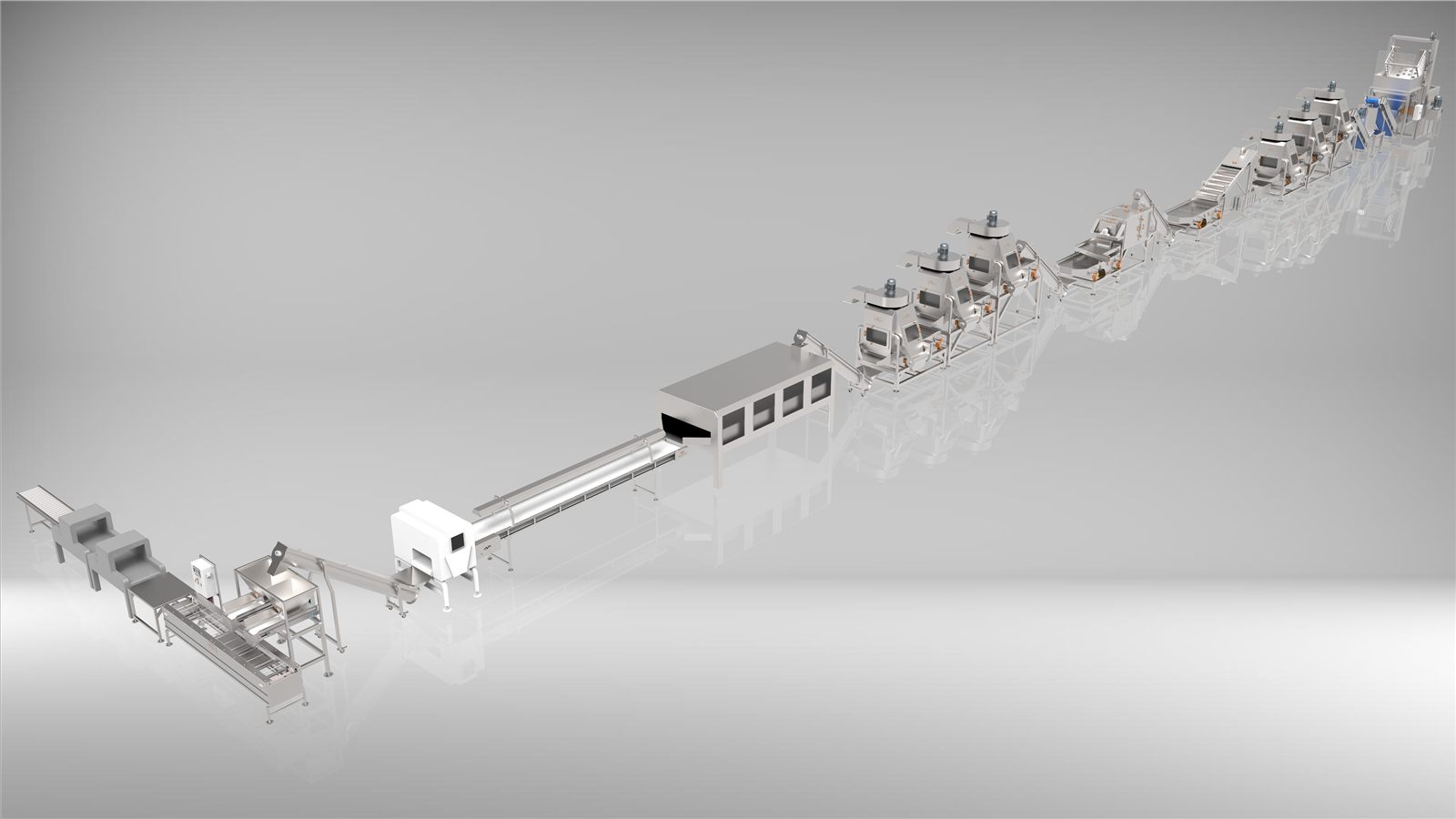
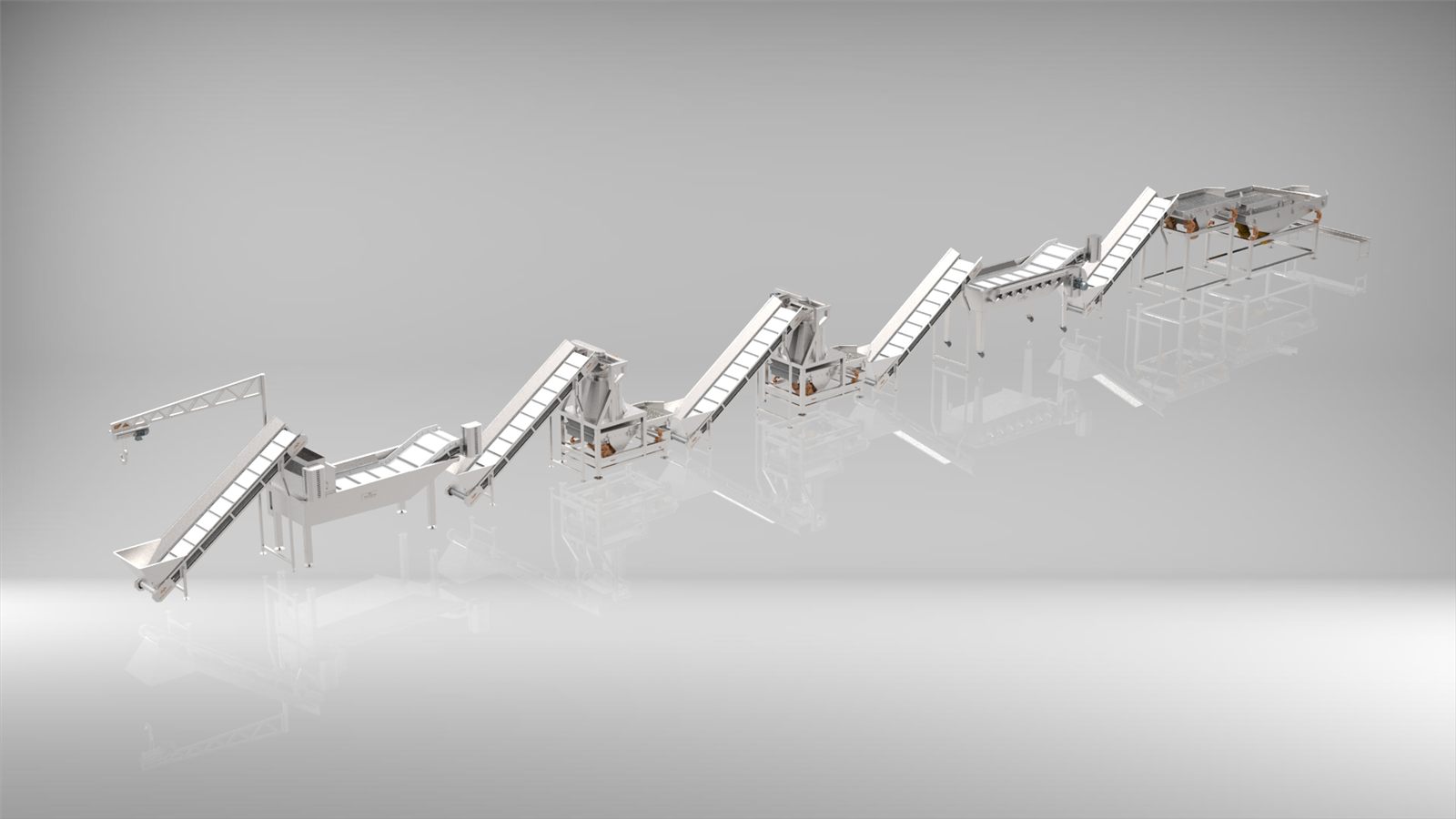
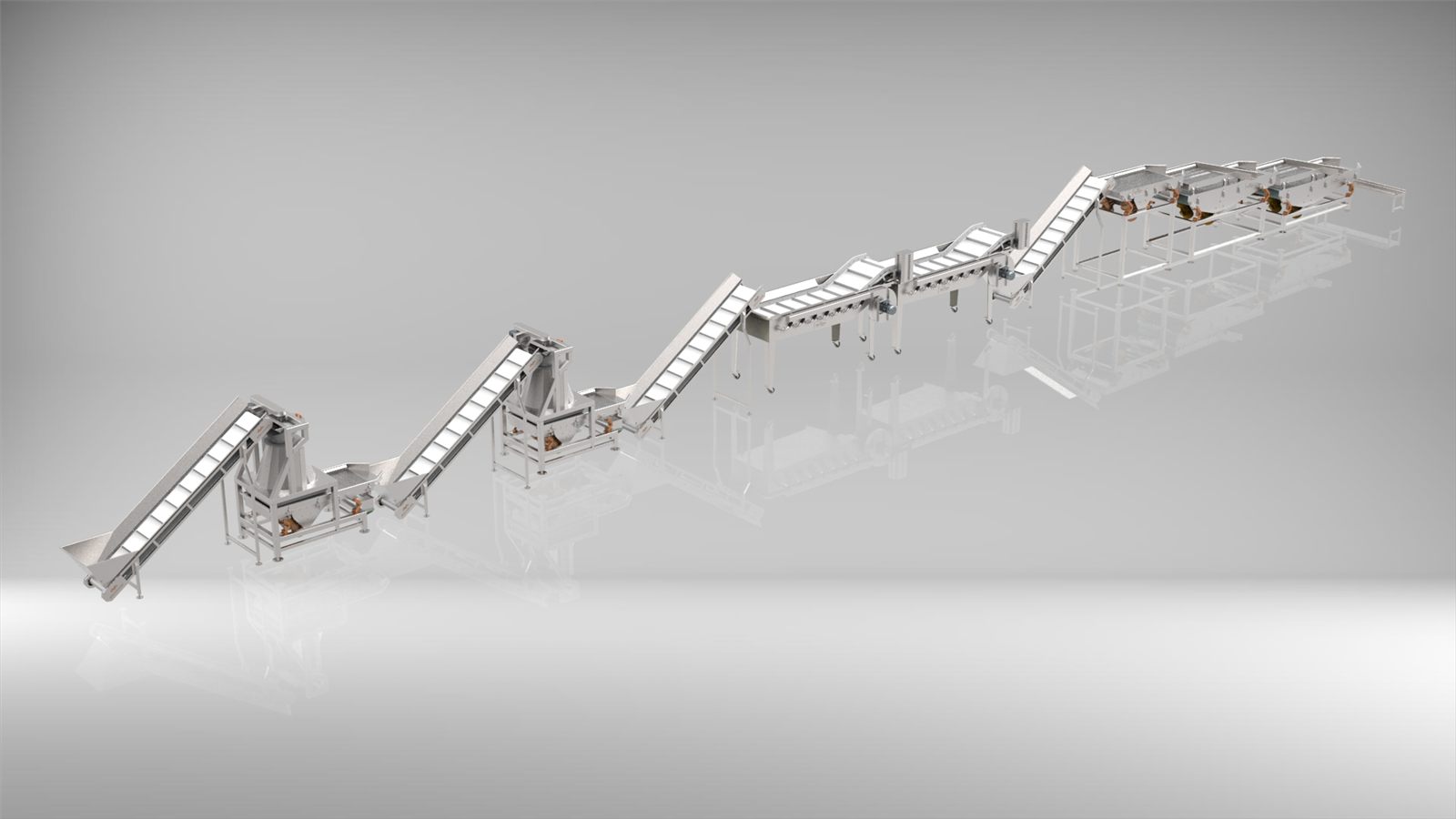
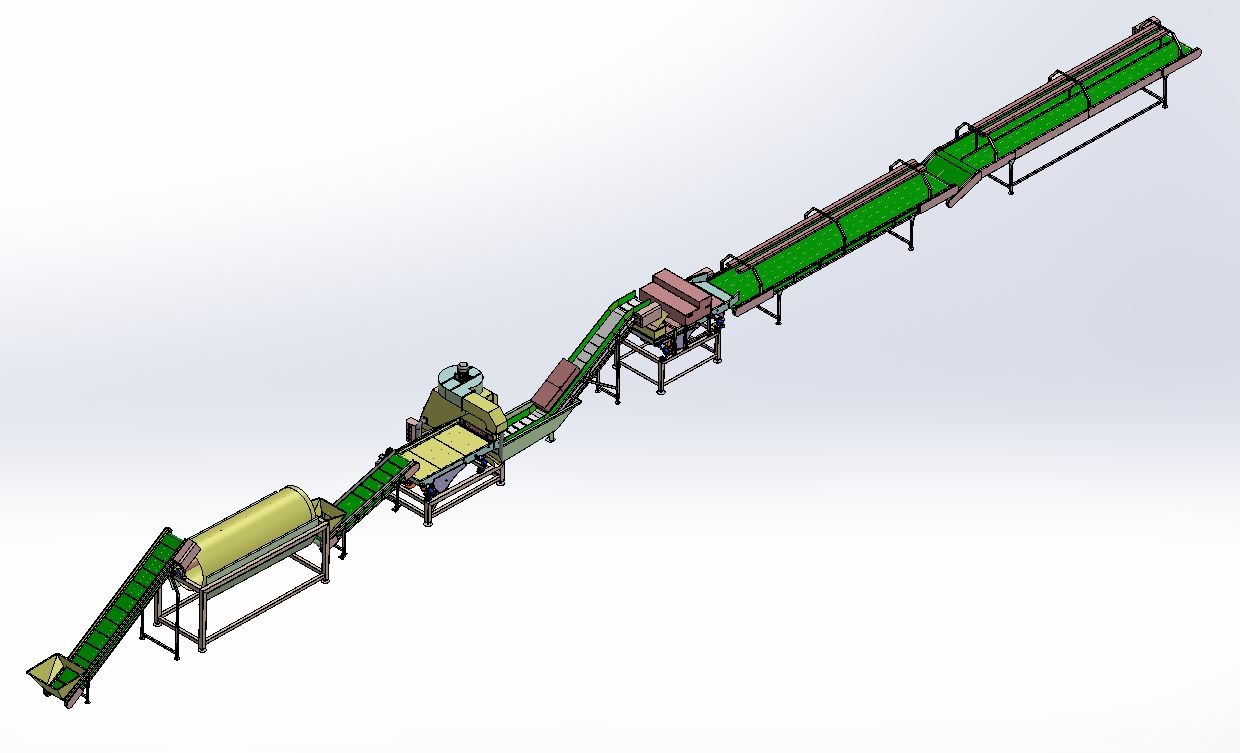
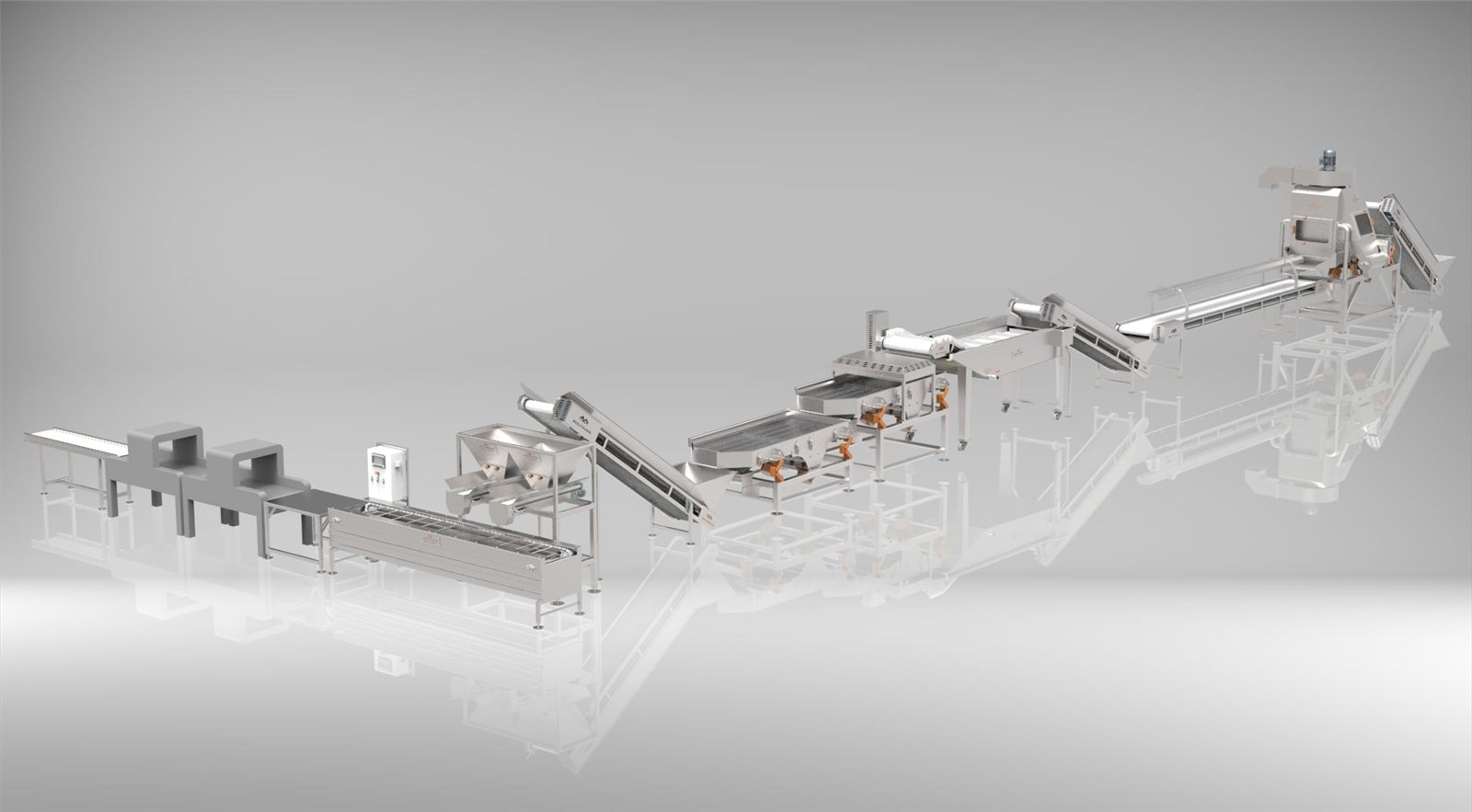
Drying is the first step that decides dried fruit quality, and temperature, time and residual moisture cannot be treated separately. We do not give fixed temperature or time values, because they depend on the product, the drying method and the starting moisture of each batch. Mekatronik Makina does not build drying plants; our lines start where dried product is received at the plant, but whatever drying leaves behind shows up on the line within the first hours.
01
How do temperature, time and moisture affect each other?
Higher temperature dries product faster, but if the surface dries before the core, a hard outer layer forms and moisture stays trapped inside. Lower temperature over a longer time spreads moisture more evenly, but the extra time can cost colour and aroma, and in weather-dependent methods it adds spoilage risk. Setting the process is therefore not about raising or lowering one value; it is about finding the point where all three work for that product.
Product type changes this balance completely. Raisins, apricots, figs and dates do not behave the same way at the same temperature: sugar content, skin structure and fruit size all change the drying rate. A setting that works for one product cannot simply be carried over to another.
02
What does a drying fault look like in the product?
- 01Over-dried product: hard, brittle texture, broken fruit and more dust and fines.
- 02Under-dried product: soft, damp and sticky fruit, with a risk of mould and quality loss in storage.
- 03Uneven drying: dry and damp fruit side by side in one batch, causing weight and appearance differences at packing.
- 04Excess heat: darkened colour, a burnt or sugared look and a change in taste.
- 05Surface hardening: fruit that looks dry outside but is damp inside, then passes moisture on and makes neighbouring fruit stick.
Most of these are not unavoidable. The cause is usually a parameter that was never recorded. Measuring moisture batch by batch and noting drying time and temperature makes it far easier to trace a later problem back to its source.
03
Where does the drying difference show up on the line?
A batch with too much moisture arrives as caked blocks. These strain the first machines on the line as soon as the crates are tipped, and later stages such as washing and sorting take longer as a result.
| Product condition | Effect on the line | Equipment involved |
|---|---|---|
| Damp, sticky, caked product | Fruit does not separate and feeding becomes uneven | [Clumped product separating machine](/makinalar/dik-topan-kirma-makinasi) |
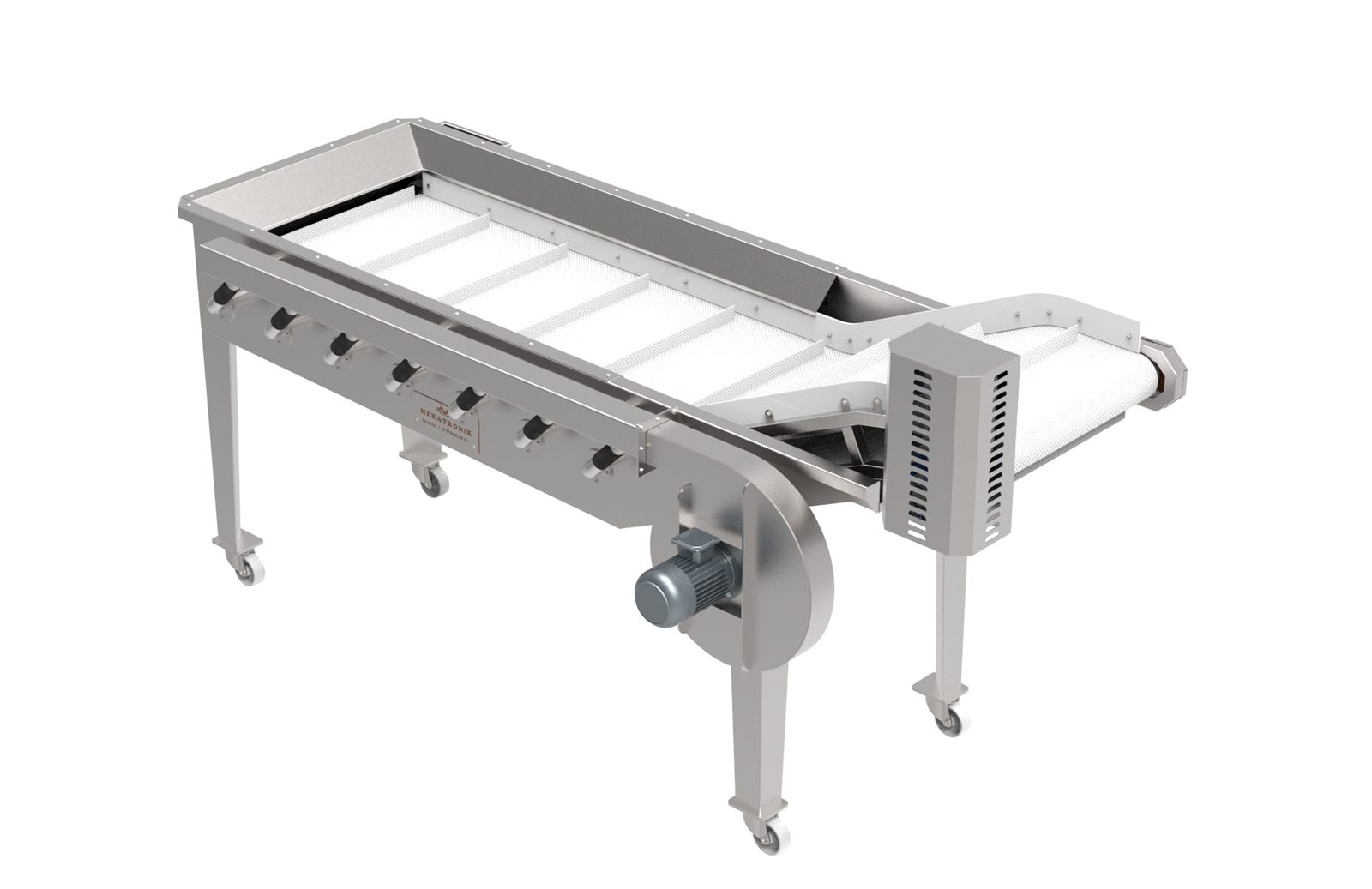
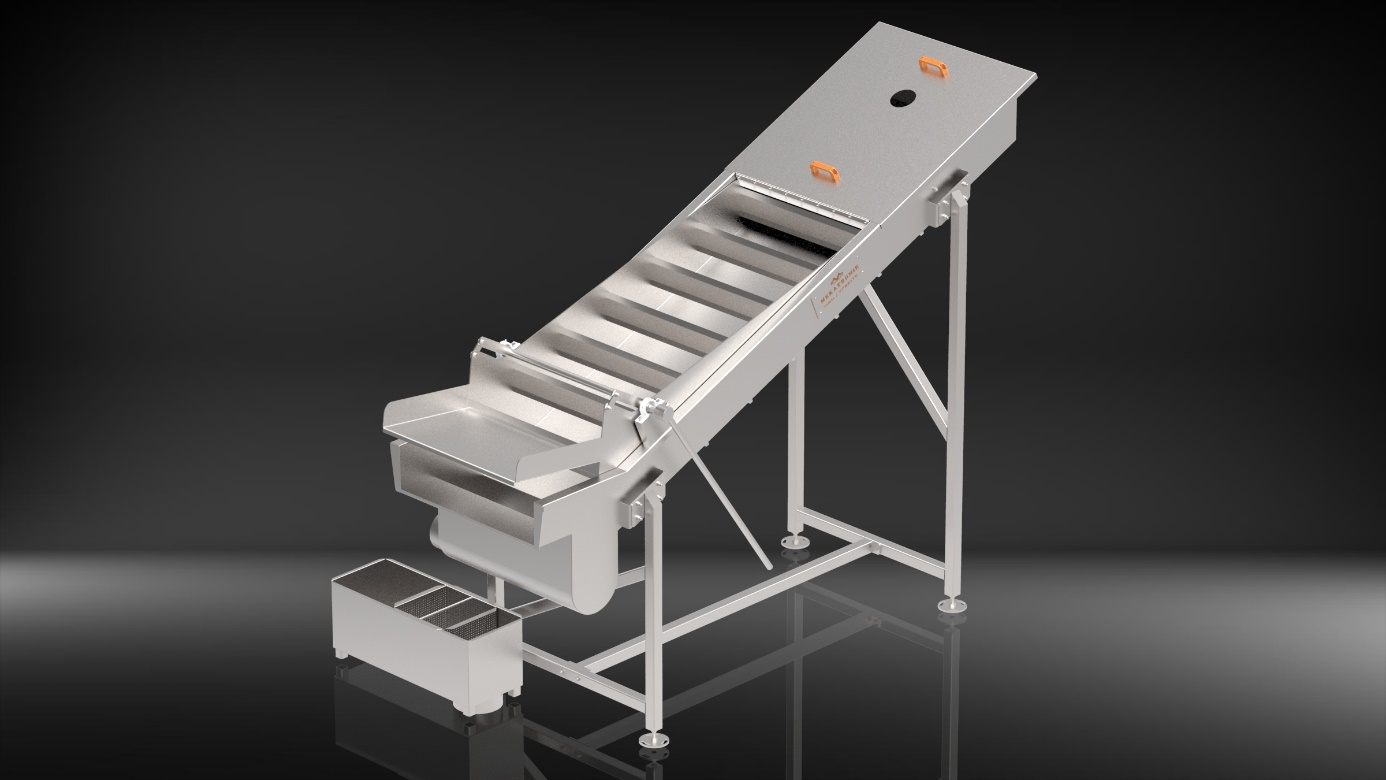
| Water left on the surface after washing | Downstream machines handle wet product and packing moisture rises | [Fan-assisted dewatering shaker machine](/makinalar/fanli-su-atma-sarsagi) |
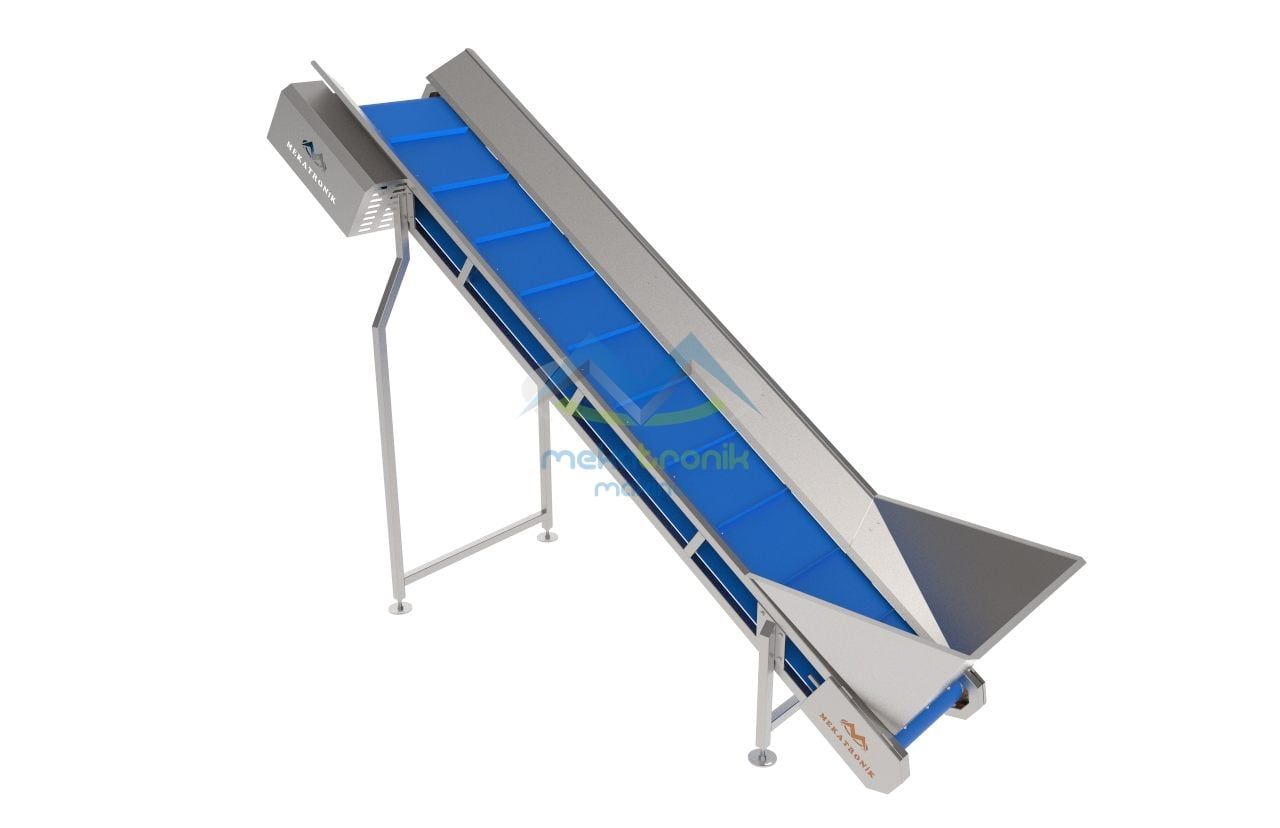
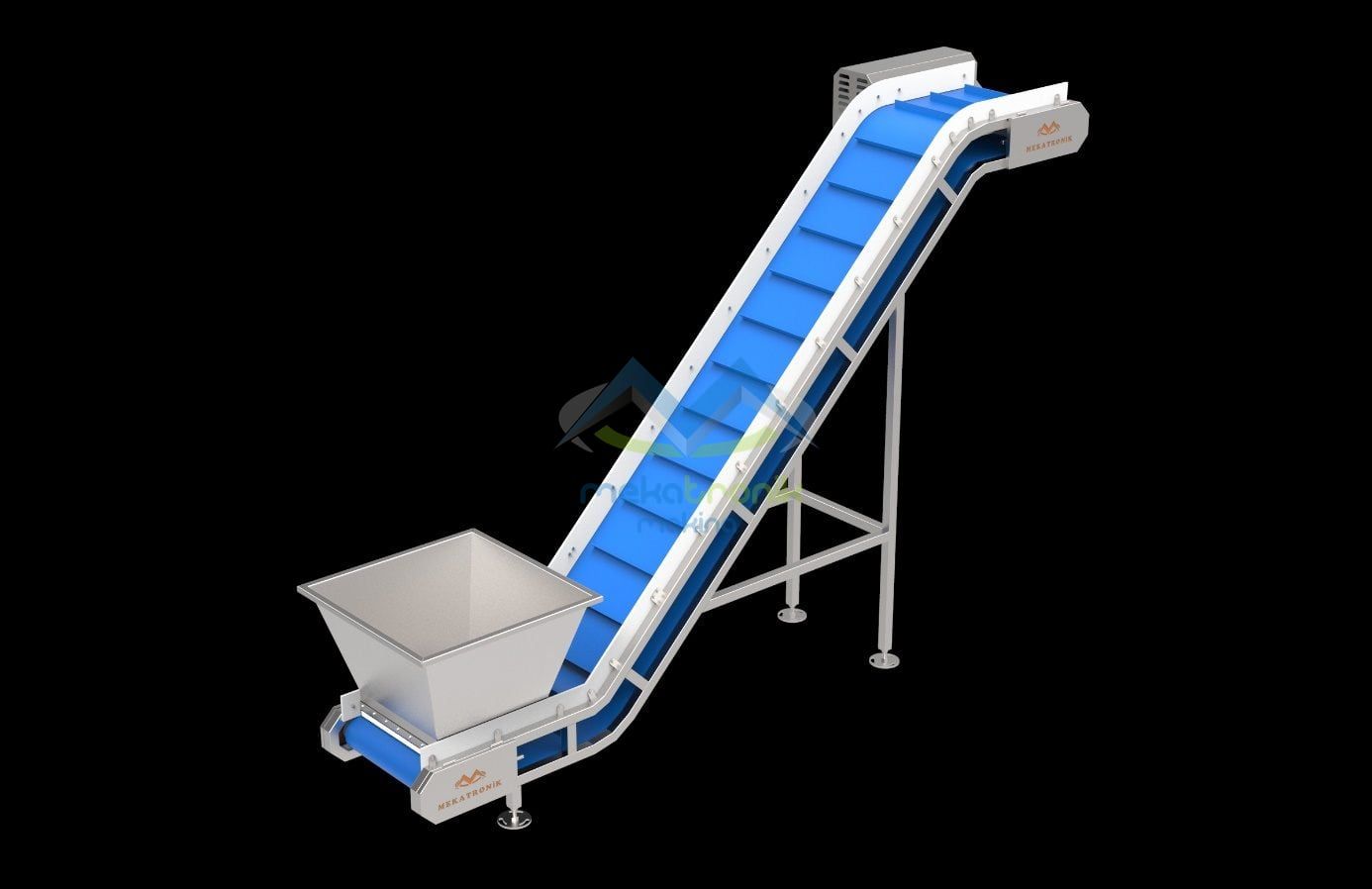
| Hard, over-dried product | More breakage and fines in transport | Belt speed and drop height set per project |
04
Does dewatering after washing replace drying?
No, and the two are often confused. The fan-assisted dewatering shaker separates the water and product mixture coming from the washer and removes water from the product surface. It does not change the moisture inside the fruit and it does not dry it. How much faster the fan blows off surface water than a model without a fan is measured together during commissioning, so the exact time is settled in that test.
This means excess internal moisture that was not caught at drying cannot be corrected later on the line. The line processes what drying delivers; it does not dry the product again.
05
How is moisture data used at the plant?
- 01Moisture is measured and logged at intake for every batch; the limit value is agreed with the buyer in the contract.
- 02For a batch that arrives sticky, the line is run so that block opening and separating machines come into play first.
- 03Drying records and line output are kept under the same batch number, so the source of a problem is easier to find.
- 04When the product changes, settings are rebuilt for the new product rather than carried over from the old one.
Export buyers ask for batch traceability, and drying and moisture records are where that chain begins. Mekatronik Makina has built food processing machines since 1992, with more than 2,000 machines in the field across 22 countries, and we see on site how the condition of dried product at intake shapes line design.
06
What is the next step?
Tell us what moisture condition your product reaches the line in and at which stage you run into trouble. You can review the raisin processing line or send your product and capacity details through the quote page; capacity and times vary by project, and exact values are settled in the quote.