Raisins are among the most widely eaten dried fruits in the world. Besides being a snack in their own right, they go into bakery products, breakfast cereals, chocolate, confectionery, muesli, ready meals and industrial food production. Not all raisins are the same, though: grape variety, growing region, drying method, berry size, colour, sugar content and processing all shape the quality of the final product.
In the world raisin trade, Sultana, Thompson Seedless, Golden Raisin, Muscat and Zante Currant stand out. A modern raisin plant does far more than wash the fruit: it can pass through feeding, stem and foreign material removal, stone and sand cleaning, washing, surface water removal, grading, sorting, quality control and packing.
01
What is a raisin?
A raisin is a grape whose water content has been reduced by natural or controlled drying. Depending on the variety and the production method, its colour, berry size, seeds, sugar content, softness, aroma and end use all vary. Seedless varieties are especially important in international trade.
02
Raisin varieties
Sultana (Sultaniye)
Sultana, known in Türkiye as Sultaniye and also as Sultani Çekirdeksiz or Sultanina, is the most important variety in the Turkish raisin industry. Production is centred on the Aegean Region, above all around Manisa; the Manisa Provincial Directorate of Agriculture and Forestry notes that Manisa's seedless sultana is known worldwide as "Sultanas". According to USDA data most of Türkiye's seedless raisin production is in the Aegean, with İzmir and Aydın also important alongside Manisa.
Sultanas are widely used for raisin production because they are seedless, high in sugar, dry well, range in colour from light to dark brown and have a berry structure suited to export.
Thompson Seedless
Thompson Seedless is one of the key varieties of the US raisin industry. Most commercial US raisins are produced in California, and USDA sources describe Thompson Seedless as the dominant variety in US raisin supply. It is usually marketed as a natural sun-dried, seedless, brown and soft raisin.
There is an interesting link to Türkiye: according to the Manisa Provincial Directorate of Agriculture and Forestry, the Sultaniye grape was taken to America and spread in California under the name Thompson Seedless. The two names are used differently in trade, but historically the varieties are very close.
Sultana vs Thompson Seedless
The two names are sometimes treated as separate varieties, yet the products are very similar. Sultana is used mostly in Turkish, European and Mediterranean trade, while Thompson Seedless is the common name in the US and California. Even US import standards state that the seedless raisin category covers grapes known internationally as Sultanas with Thompson Seedless characteristics.
Golden Raisin, Muscat and Zante Currant
Golden Raisin is a seedless raisin that keeps a light yellow to golden colour. Different drying and processing methods are used to protect that colour, and California industry sources note that Golden Seedless raisins are processed differently from dark, sun-dried raisins. They are popular in premium nut mixes, bakery, muesli and granola, pastry and direct consumption.
Muscat is a variety with a distinct aroma. It can be made into seeded or seedless raisins and, thanks to its flavour, is used in specialty products and the premium dried fruit market. It is a separate product category in US raisin standards.
Zante Currant, sometimes called Korint grape in Türkiye, has much smaller berries than Sultana or Thompson Seedless. It is used in cakes, buns, pastry, bakery and muesli. Because the berries are small, screen openings, belt gaps and grading systems have to be chosen differently from those for large raisins.
Other raisin varieties
California sources also list Selma Pete, Fiesta, DOVine, Monnuka, Muscat and Zante Currant among the varieties used for raisins. One aim in developing new varieties is to make mechanical harvesting and drying on the vine easier.
03
Where are raisins grown?
Raisin production is concentrated in regions with hot, dry summers and a low risk of rain at harvest. Major producing countries include Türkiye, the United States, China, Iran, Uzbekistan, Afghanistan, South Africa, Australia, Chile and Greece. Volumes change from year to year with weather, crop size and market conditions.
Raisins in Türkiye
The Aegean Region is the heart of Turkish raisin production. Manisa is the most important Sultana growing centre, İzmir is a key hub for processing, export and logistics as well as growing, and Aydın is another important grape area in the region. USDA figures on the Turkish grape sector also show the Aegean as the main area for seedless raisins.
California raisins
Commercial raisin production in the US is concentrated in California, especially the San Joaquin Valley. Long, hot summers and little rain at harvest suit natural drying. Thompson Seedless, Selma Pete, Fiesta and DOVine are the important varieties there.
04
How are raisins processed, and which machines are used?
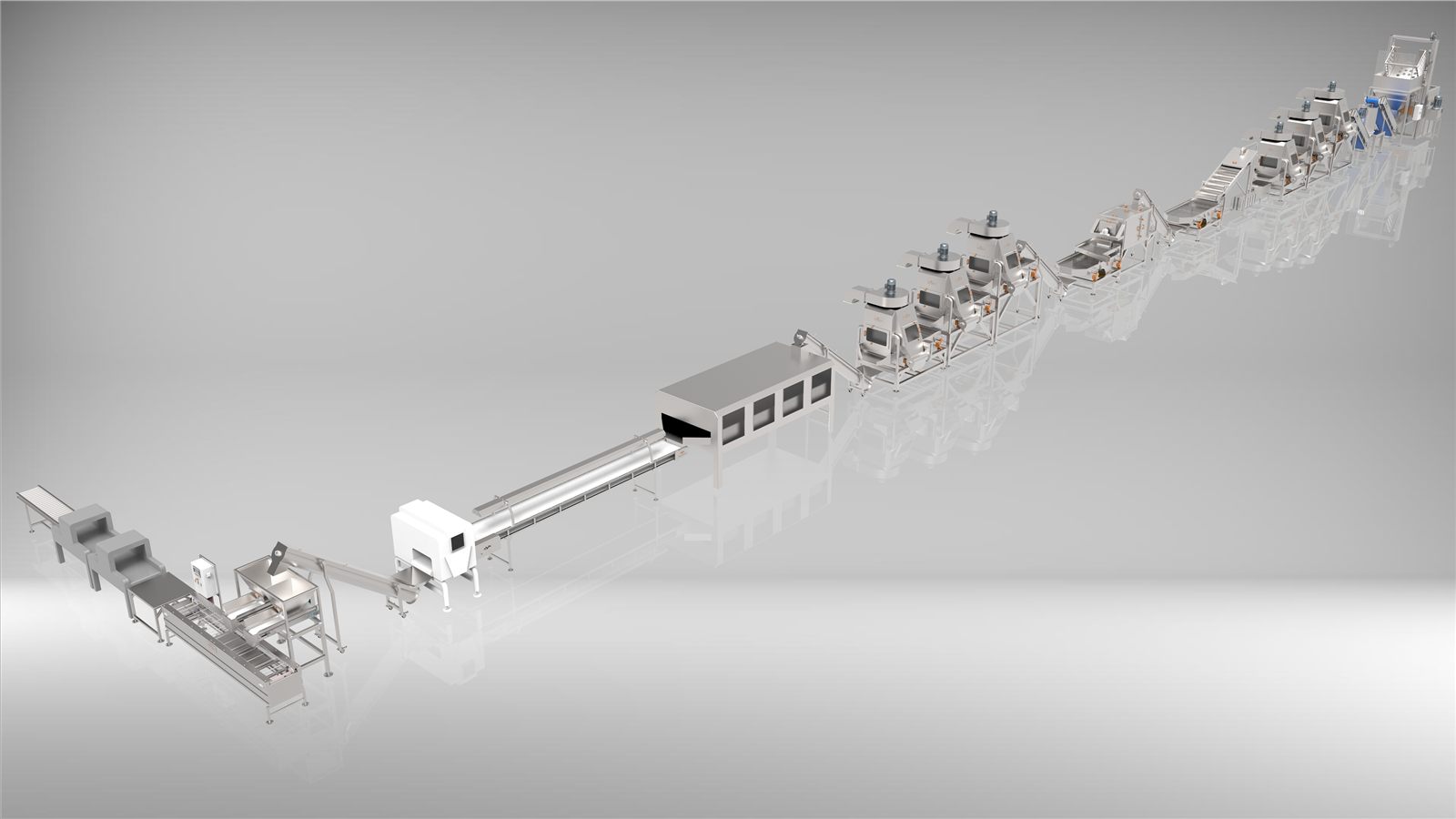
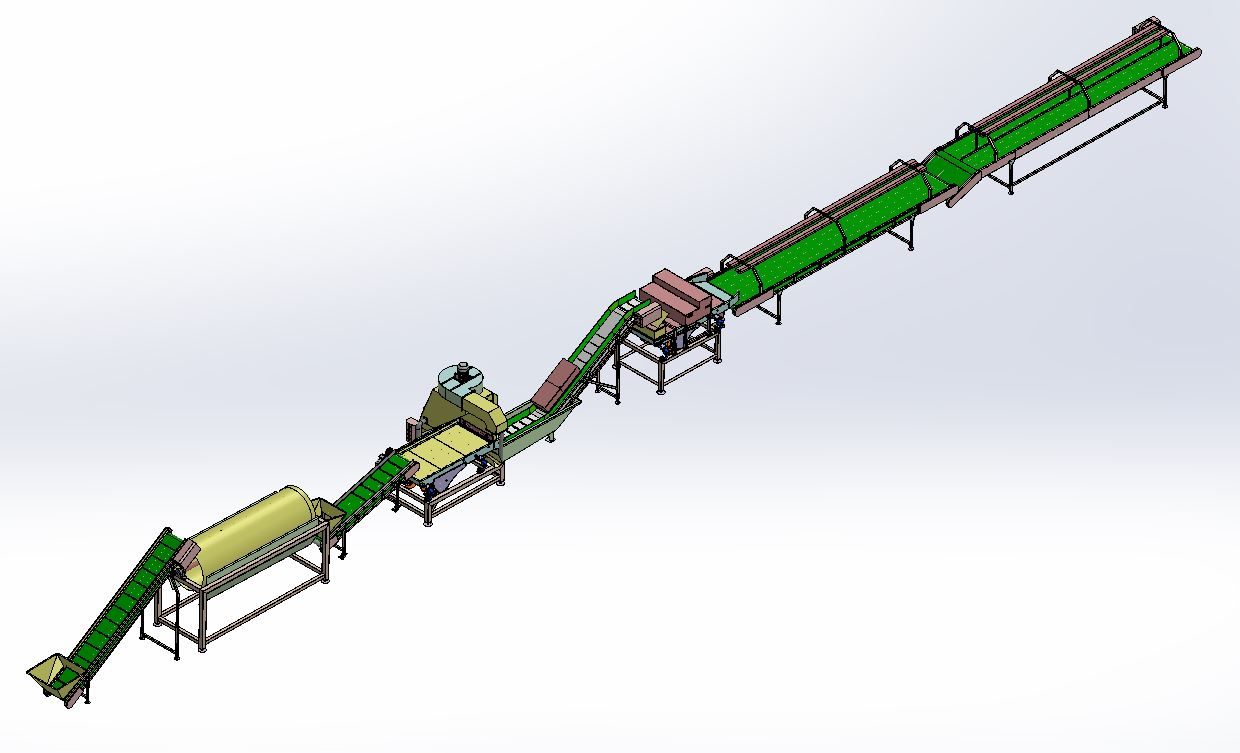
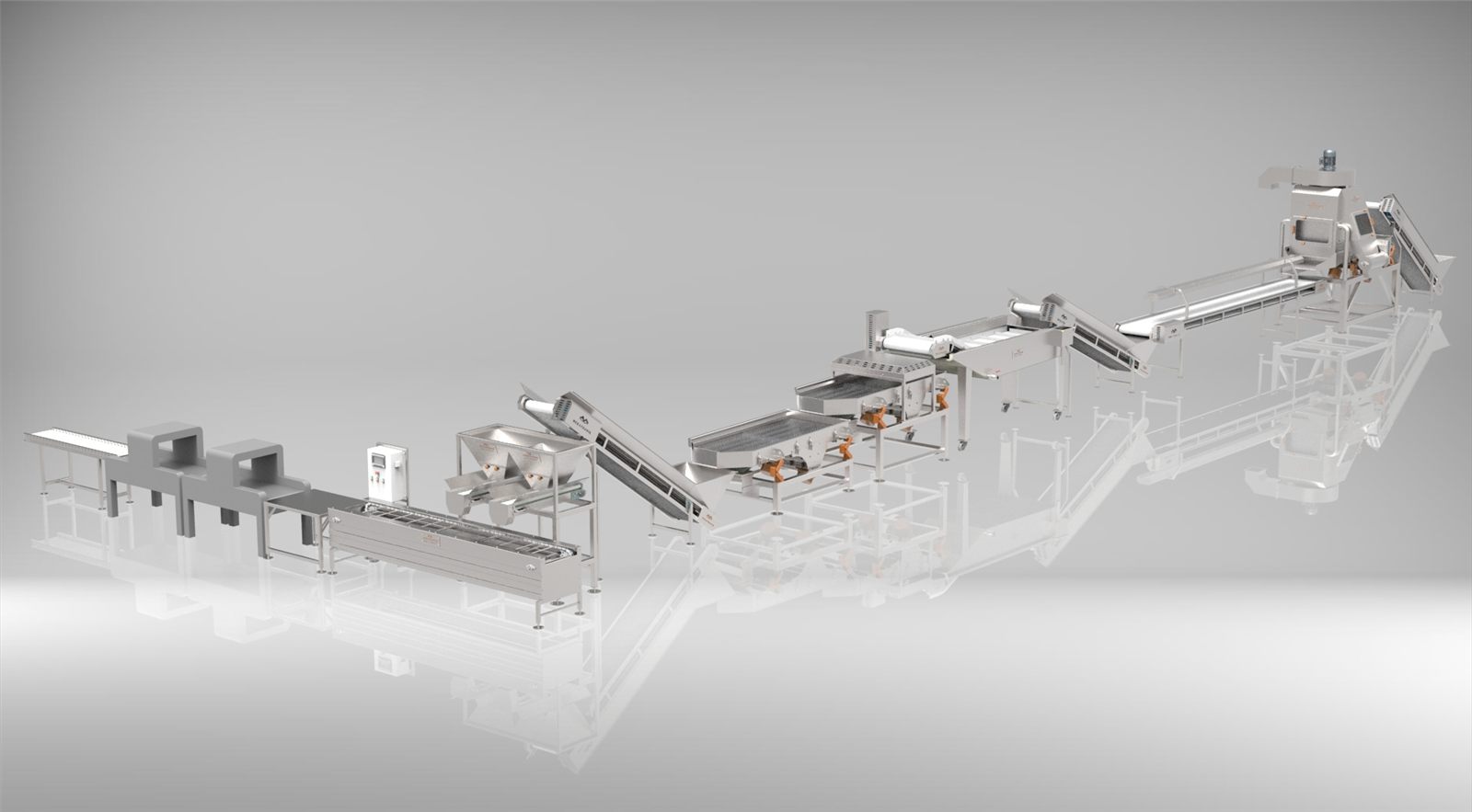
Raisins coming from the vineyard are rarely ready to pack. They can contain stems, debris, stones, sand, foreign material and small or damaged berries, which is why industrial plants use a raisin processing line. A typical sequence is feeding, pre-cleaning, stem removal, stone and sand separation, washing, dewatering, grading, sorting, manual inspection, weighing and packing; the layout depends on origin, contamination level, capacity and pack type.
Feeding: crate tipping, hopper and dosing conveyor
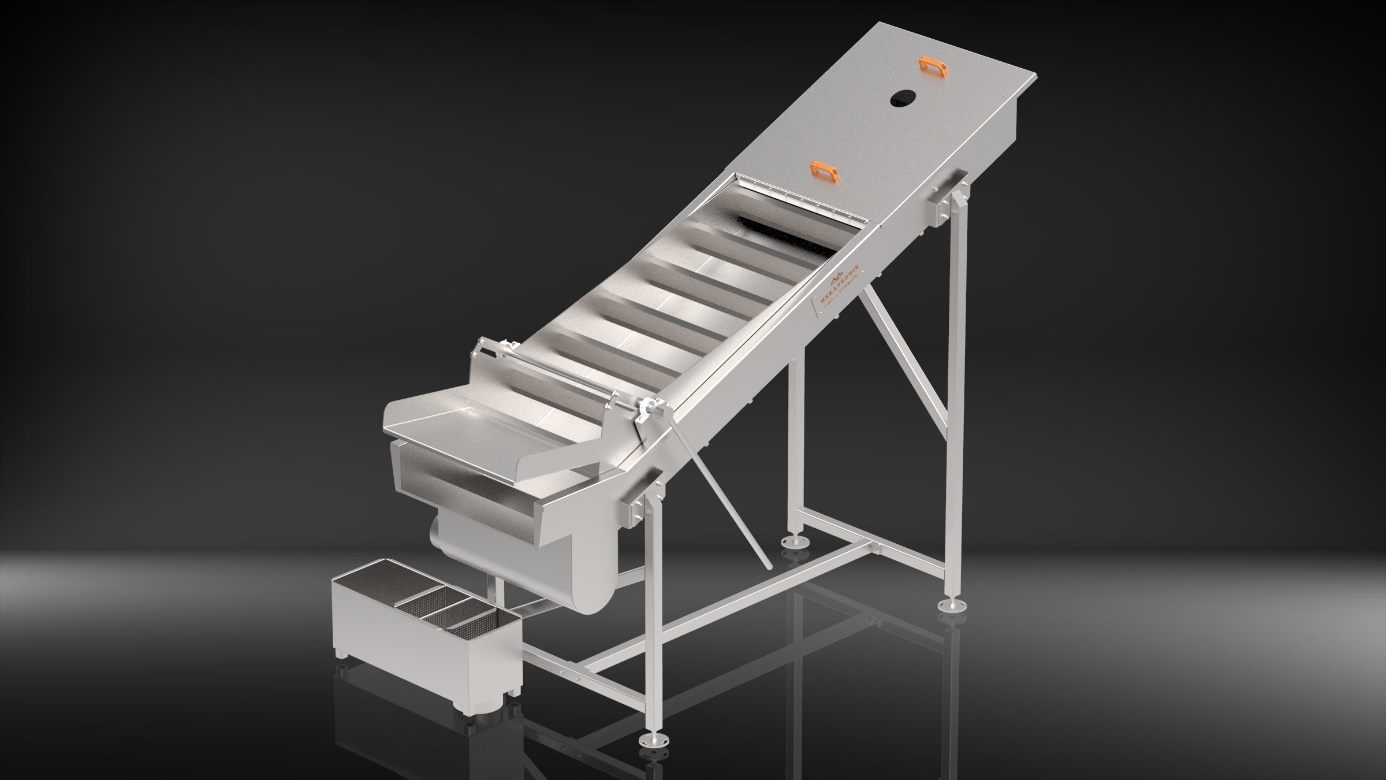
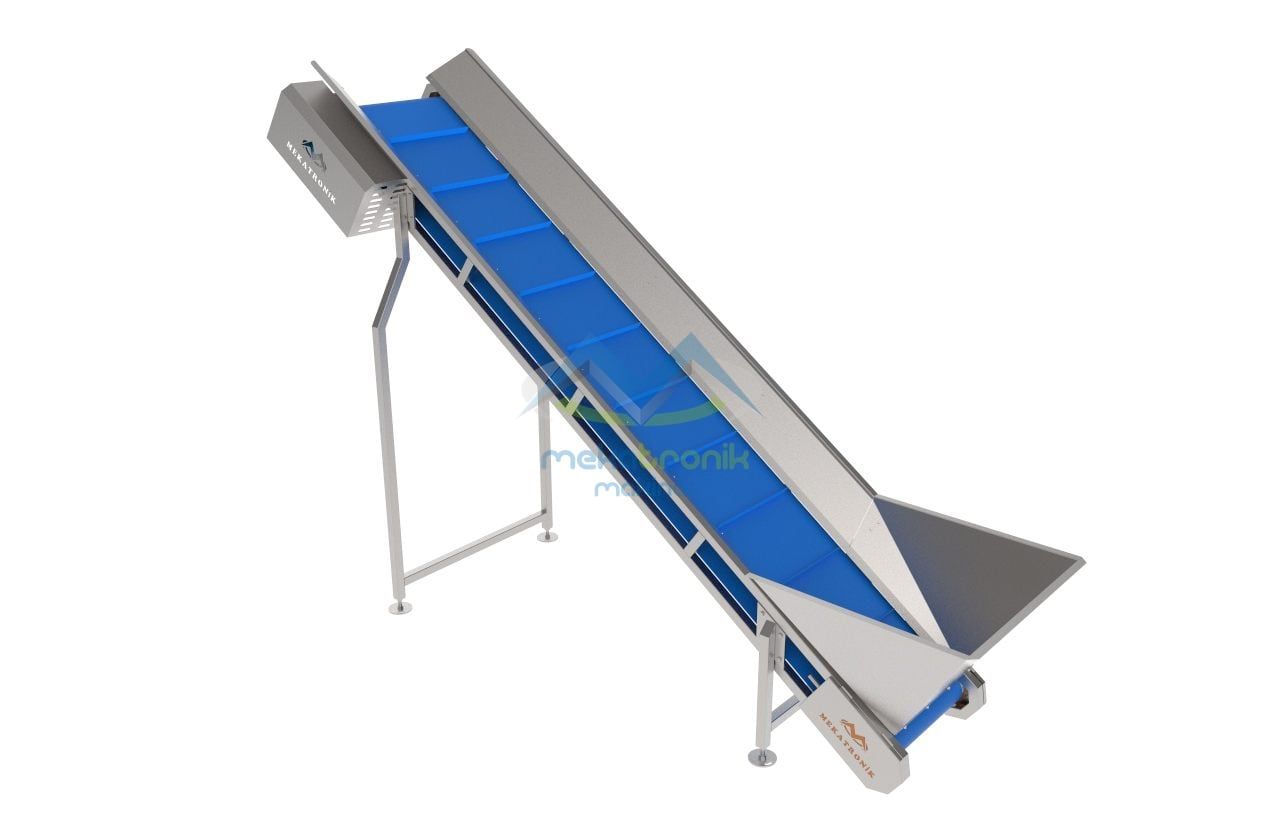
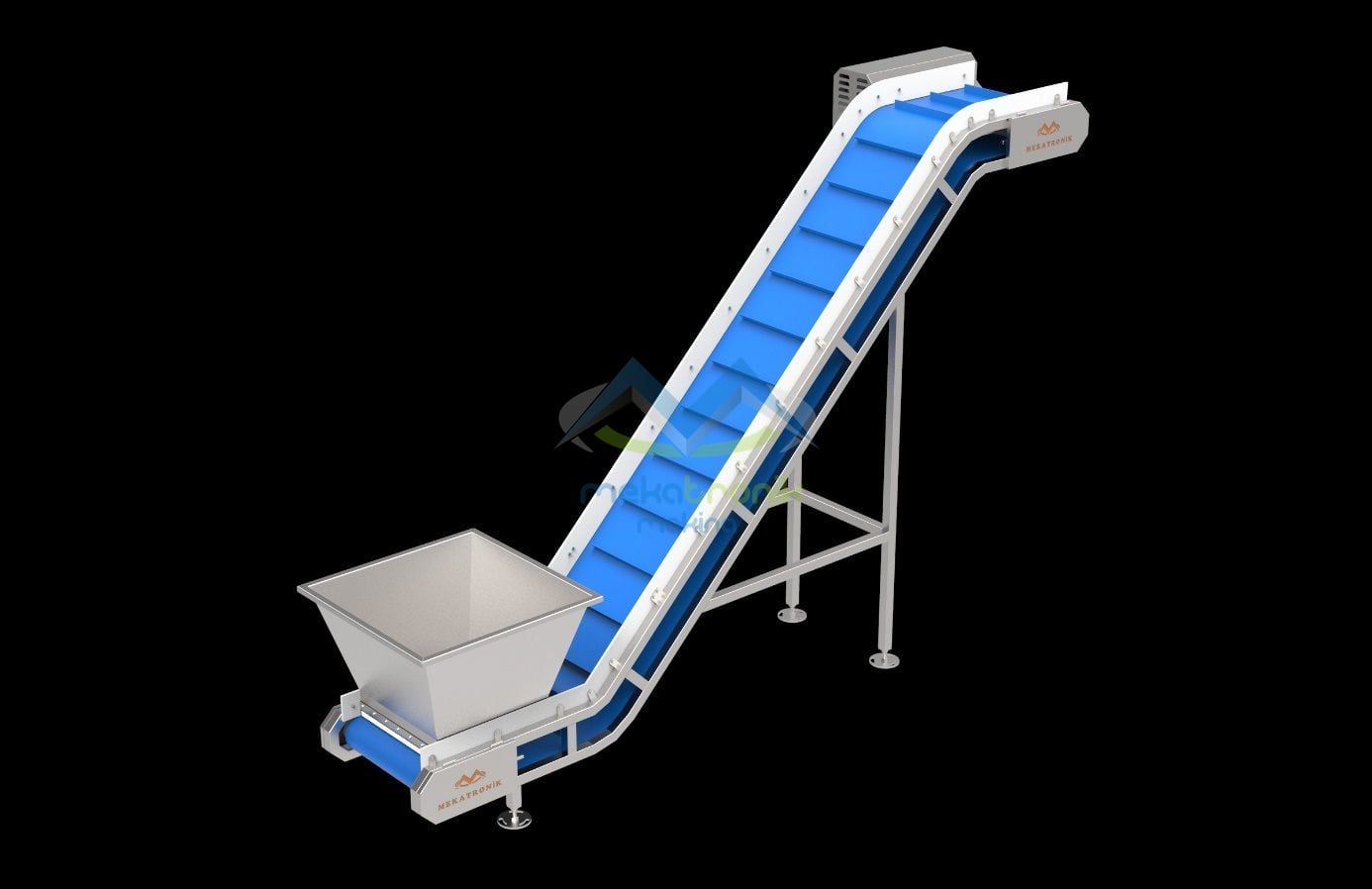
A crate tipping machine transfers raisins delivered in crates onto the line in a controlled way and reduces operator workload on high-capacity plants. Uneven feeding causes build-up further down the line, so a feed hopper and dosing conveyor deliver the raisins at a controlled rate.
Pre-cleaning: stems, debris, stones and sand
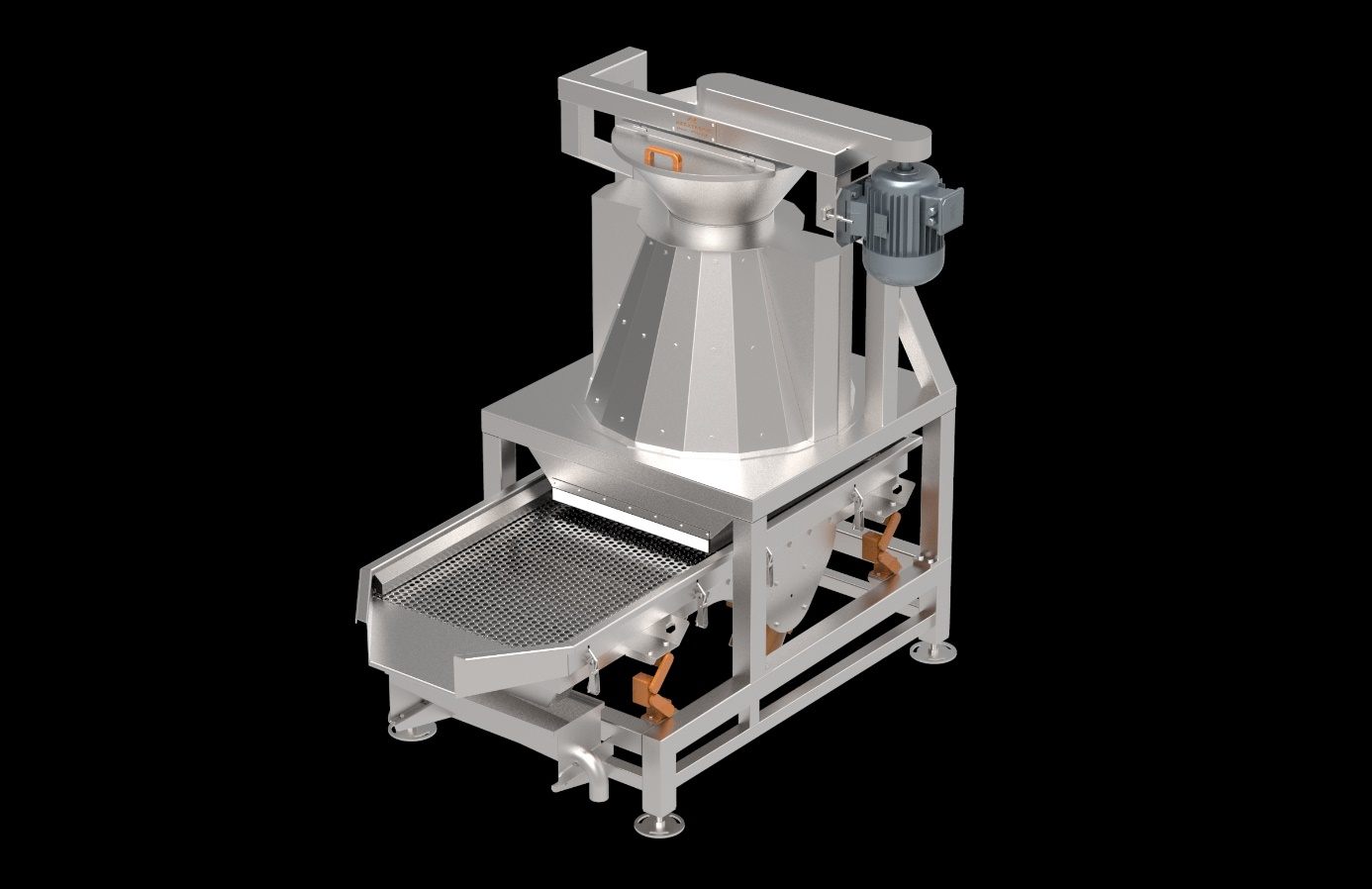
Stems, dry leaves and light foreign material from the vineyard are removed with aspiration systems, vibrating screens and mechanical cleaning. Dense contaminants such as stones and sand are removed by a stone and sand separation cascade working on density difference. Cleaning mechanically before washing lightens the load on every later step.
Washing, dewatering and drying
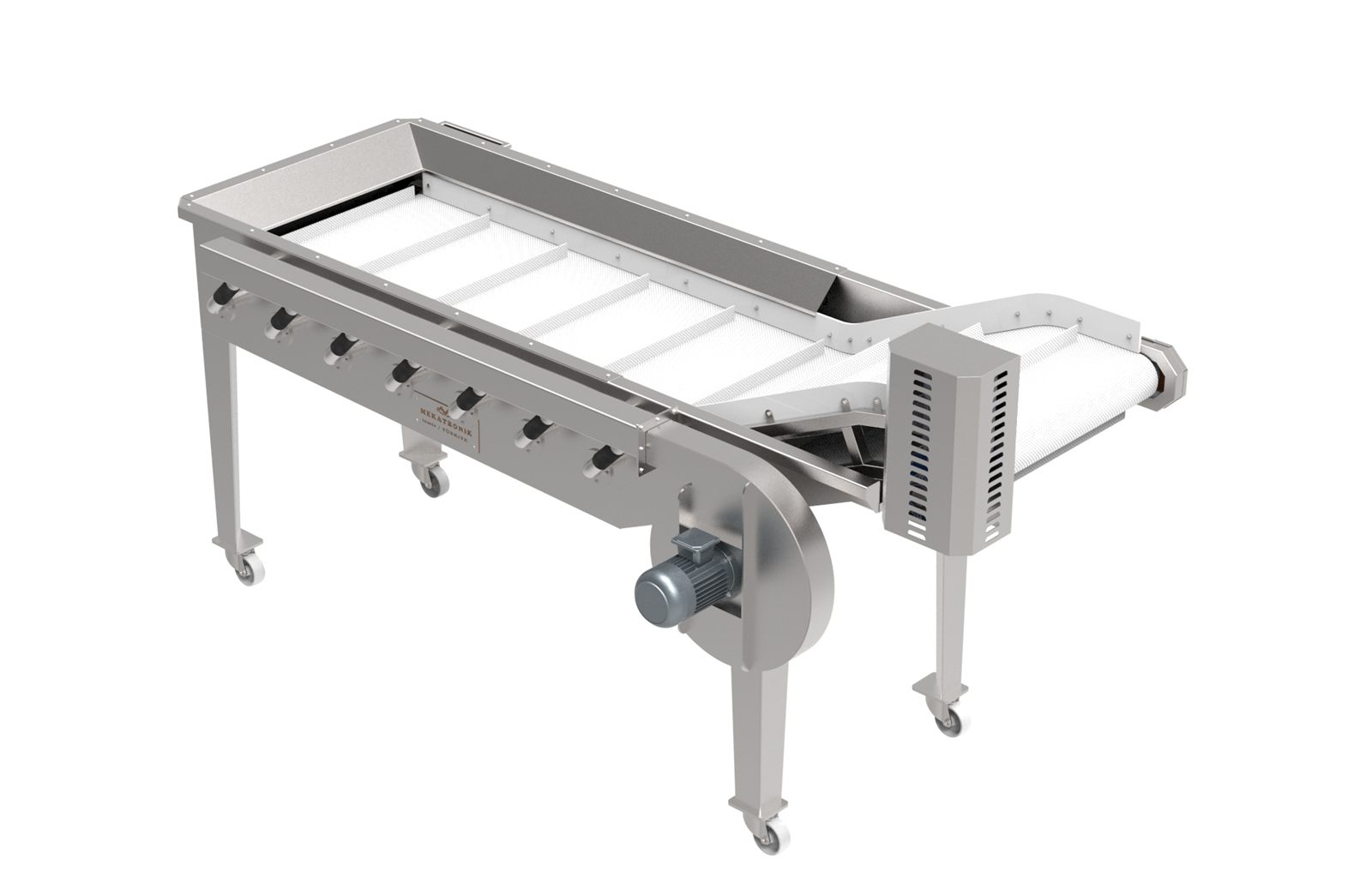
A raisin washing machine removes dust, dirt, sand residue and adhering foreign matter from the surface. Jacuzzi-type washing, brush washing or spray systems can be used depending on the product; with a delicate fruit like raisins the washing action must not damage the berries. Free surface water is then reduced on a vibrating dewatering shaker, where a fan-assisted model speeds this up with an air stream. If needed, fan or controlled hot-air systems bring the moisture to target, with parameters set for the product type and final moisture.
Grading, sorting, X-ray and metal detection
A raisin grading machine separates the fruit by berry size, which improves standardisation, pack appearance, filling accuracy and quality grading. Modern plants use optical, laser or camera sorters to remove off-colour berries, defective fruit, some foreign material, stems and plant matter. On lines with high food safety requirements, X-ray uses density differences to detect stone, metal, glass and ceramic, and a metal detector is one of the last checkpoints on the packing line.
Manual inspection, weighing and packing
After the automatic systems, an illuminated sorting conveyor allows a final visual check, with operators picking out defective or unwanted berries by hand. Finally the product is filled into cartons, sacks, bags or vacuum packs. The packing system depends on the sales channel: a 10-15 kg industrial carton and a 250 g retail pack do not use the same equipment.
05
Why the processing line matters
A well designed raisin plant does more than raise capacity. It cuts product loss, improves foreign material control, standardises quality, reduces manual labour, raises hygiene and packing quality and makes export-ready product easier to achieve. At high capacities, how well the machines work together matters more than the performance of any single machine, so the line should be treated as one process system rather than a set of separate machines.
Processing lines for Sultana and Thompson Seedless
Lines for seedless raisins follow broadly the same principles. Berry size, moisture, drying method, stem content, foreign material load, target quality and pack type still shape machine settings and line design. A delicate raisin needs less mechanical handling, while fruit with a lot of stems calls for stronger pre-cleaning.
06
Mekatronik Makina raisin processing lines
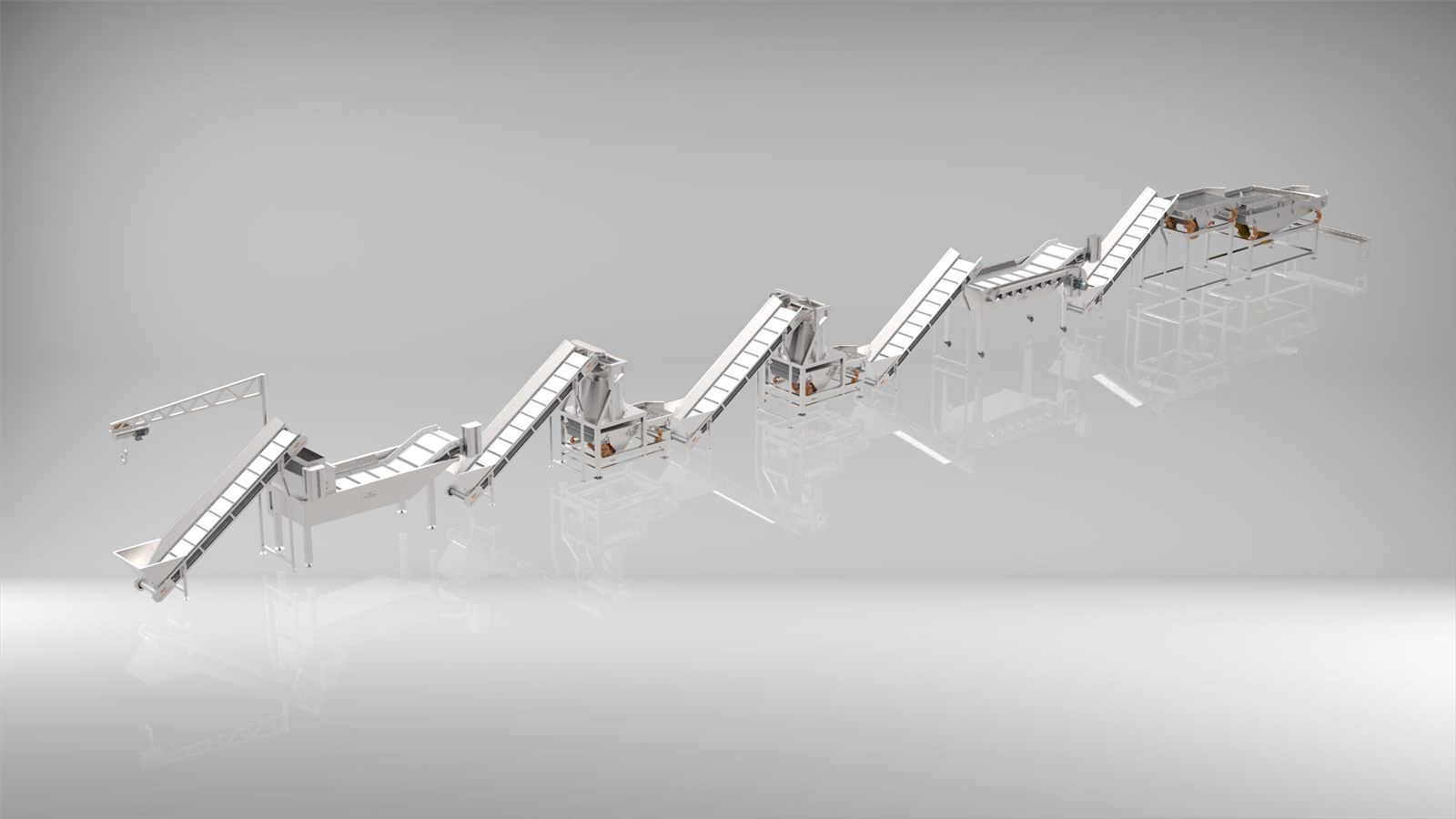
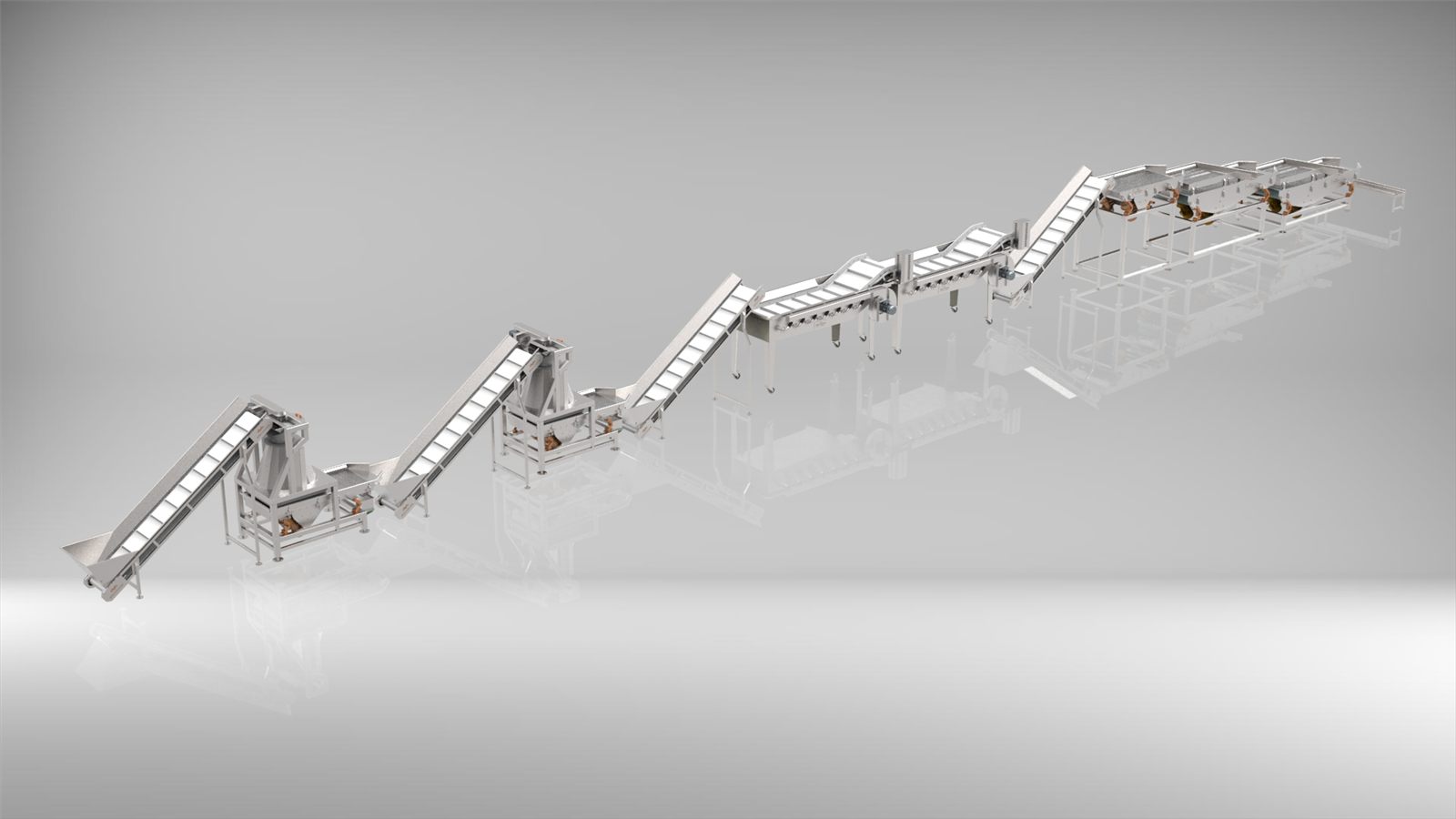
Mekatronik Makina builds complete raisin lines in which different machines work together from product intake to packing. Crate tipping, feed hoppers, dosing conveyors, aspiration, stone and sand separation, raisin washing machines, dewatering shakers, fan-assisted surface water removal, graders, illuminated sorting belts, sorter, X-ray and metal detector integration, weighing and packing can all be planned as one system.
Our existing raisin processing line uses a multi-station layout running from crate tipping through controlled feeding to box filling. The aims are low product damage, controlled product flow, high hygiene and consistent final quality. To discuss the right line for your product and capacity, contact us through our quotation page.