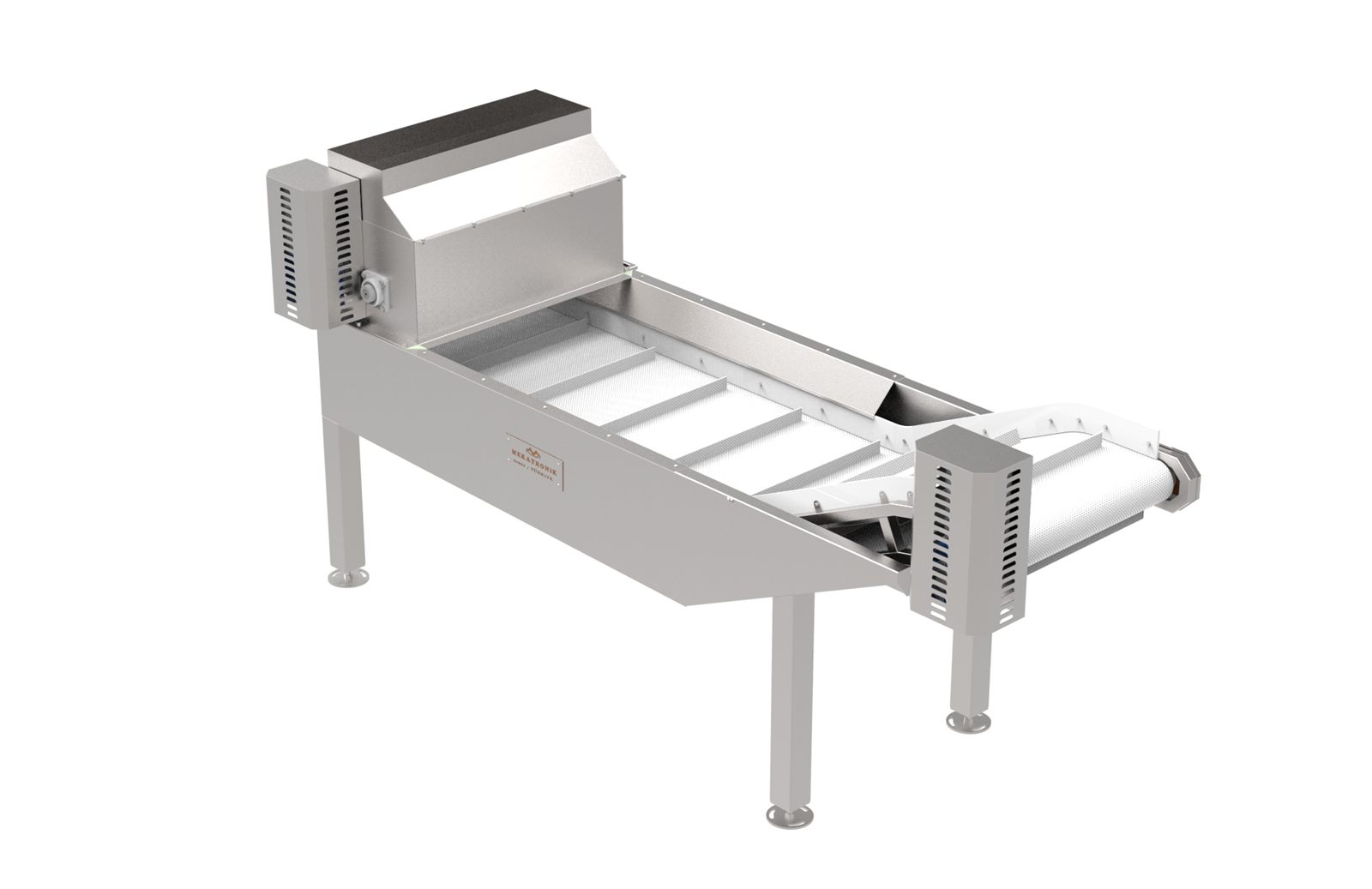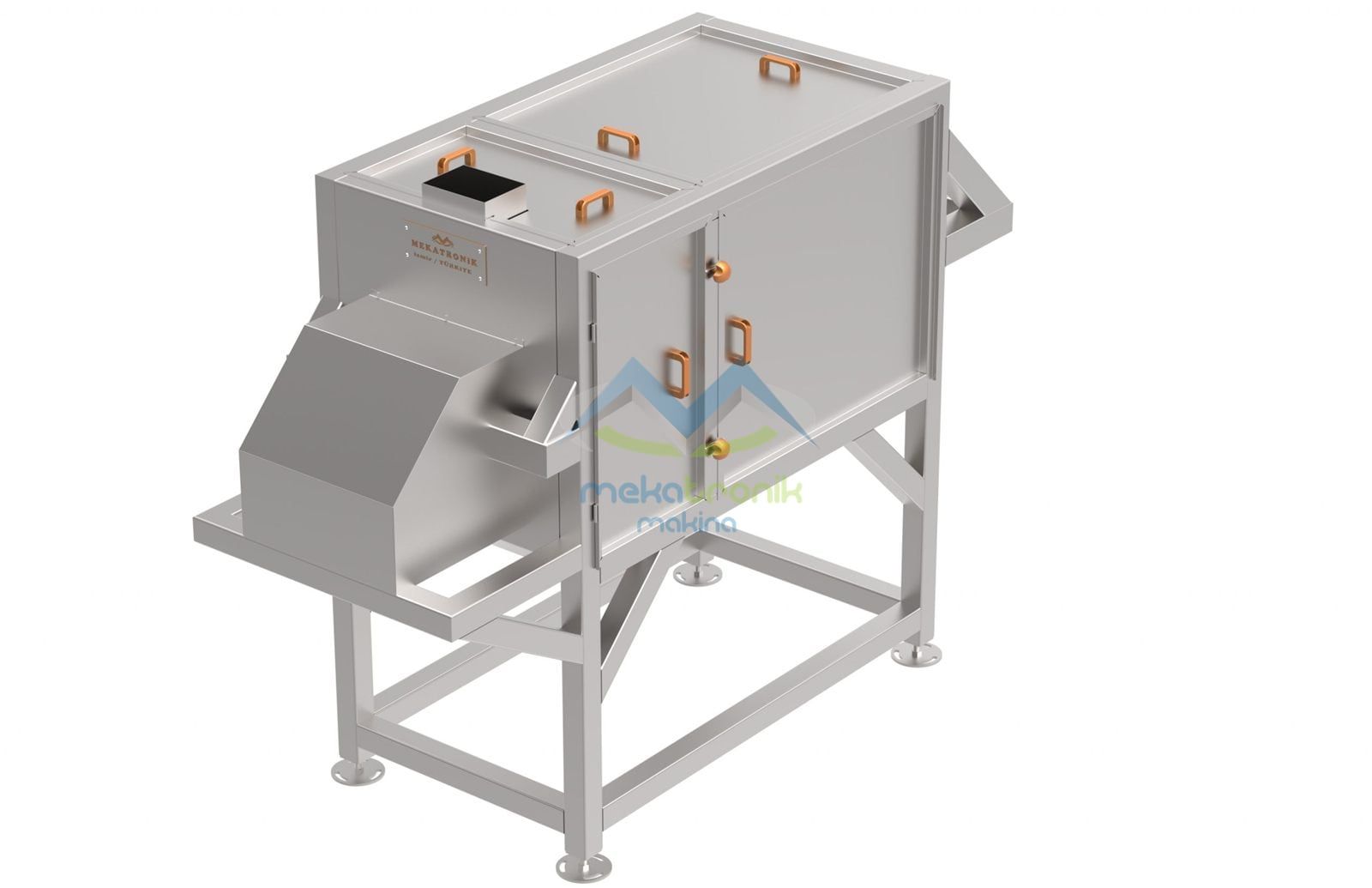
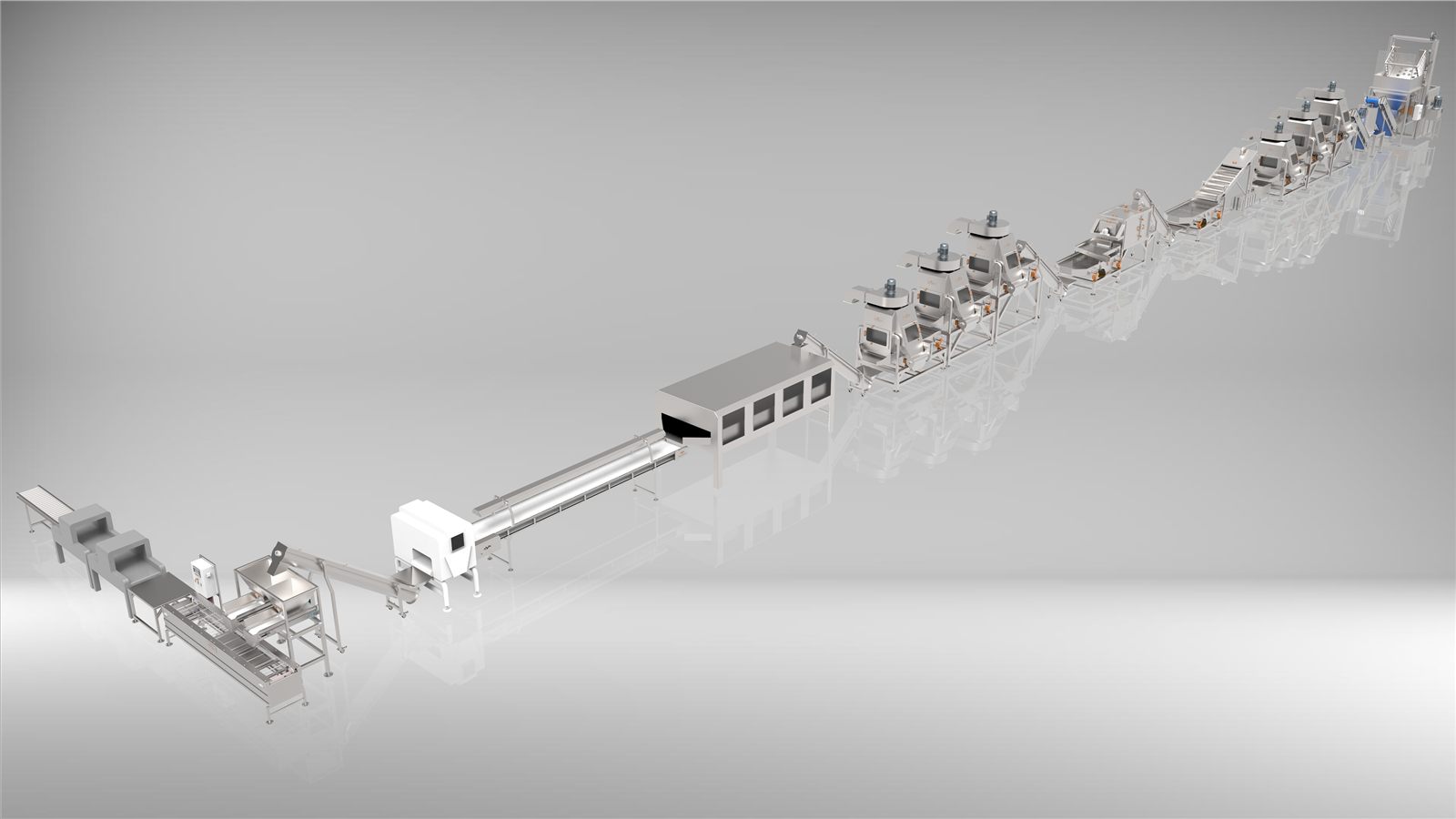
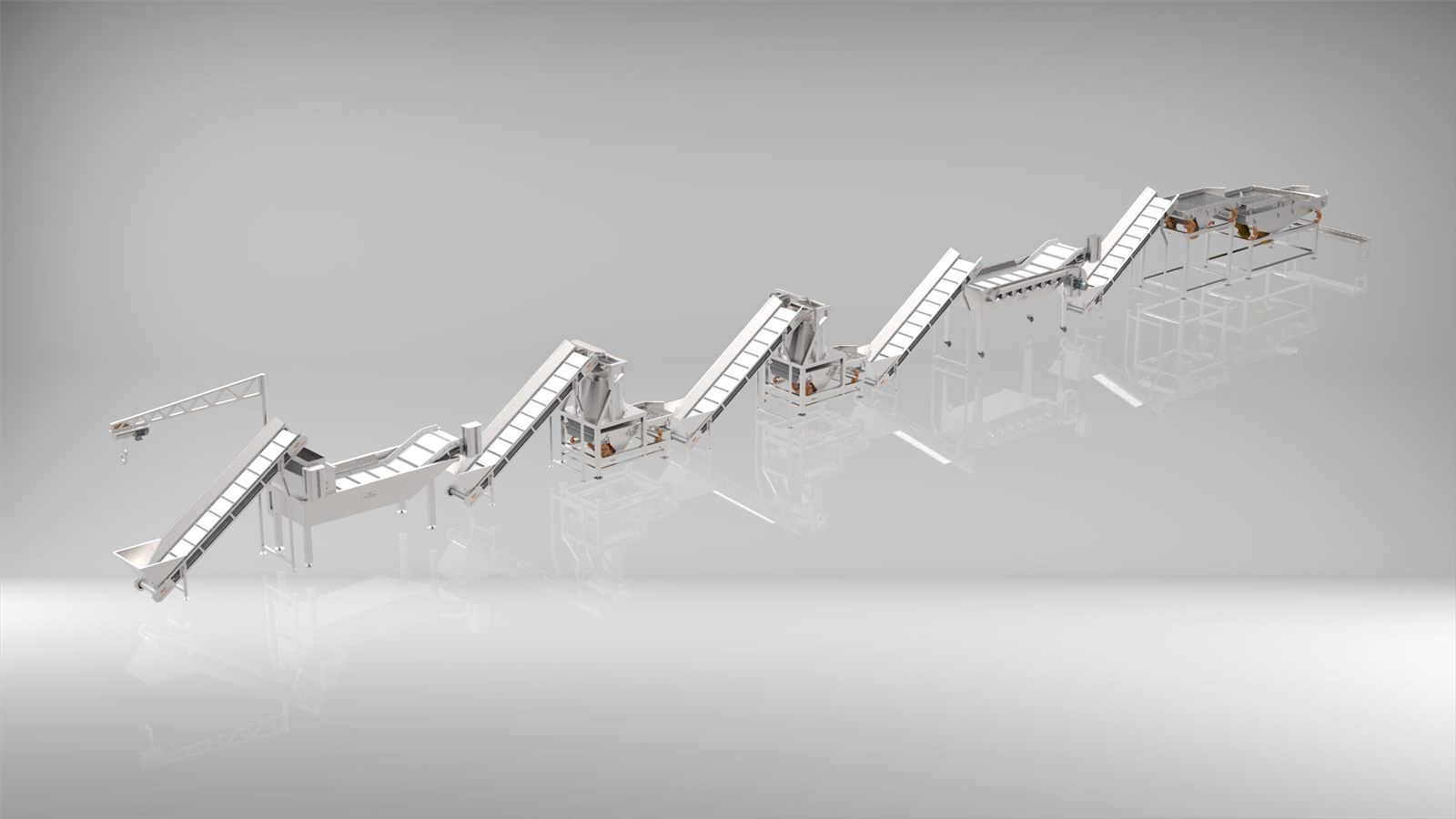
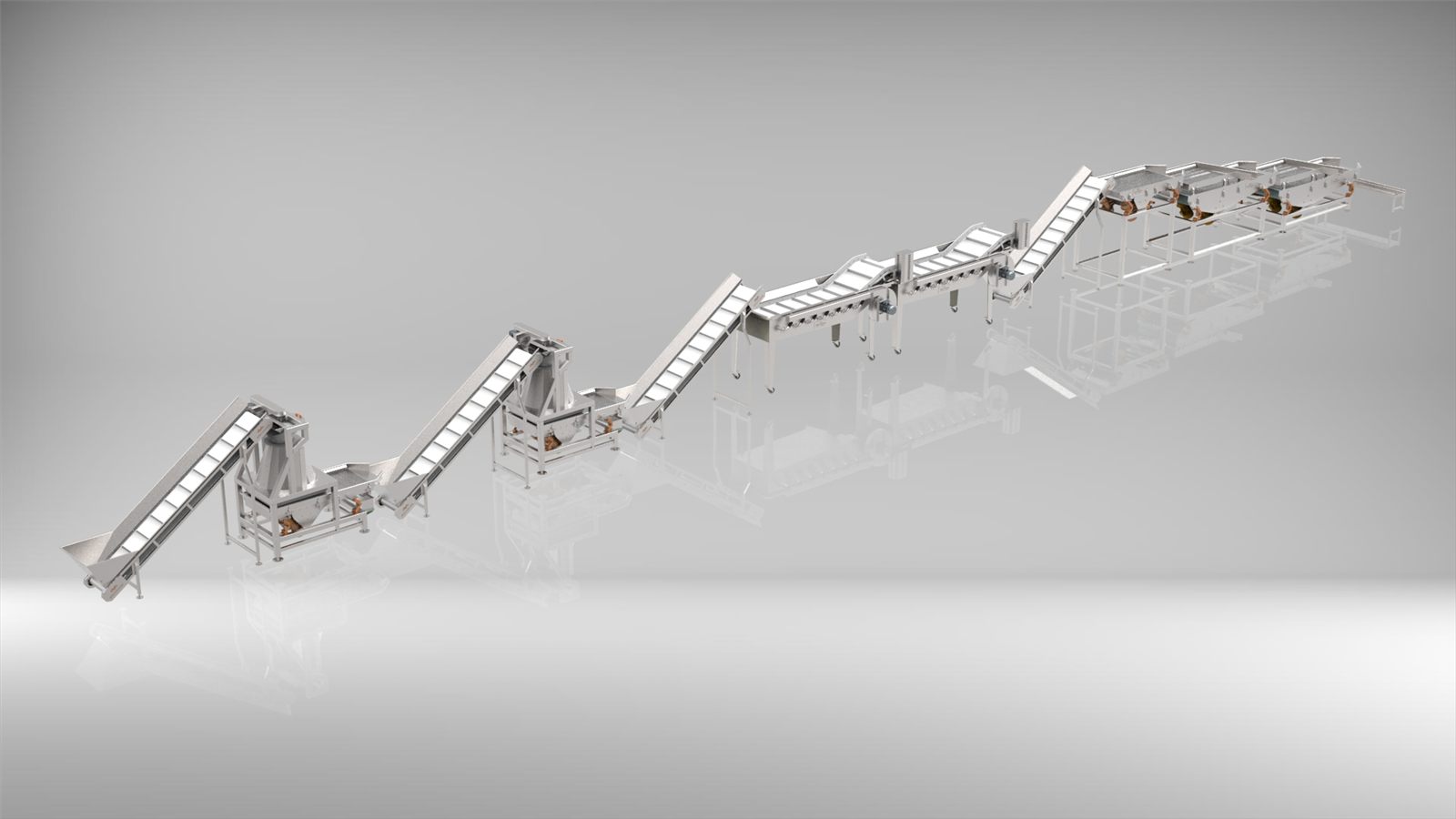
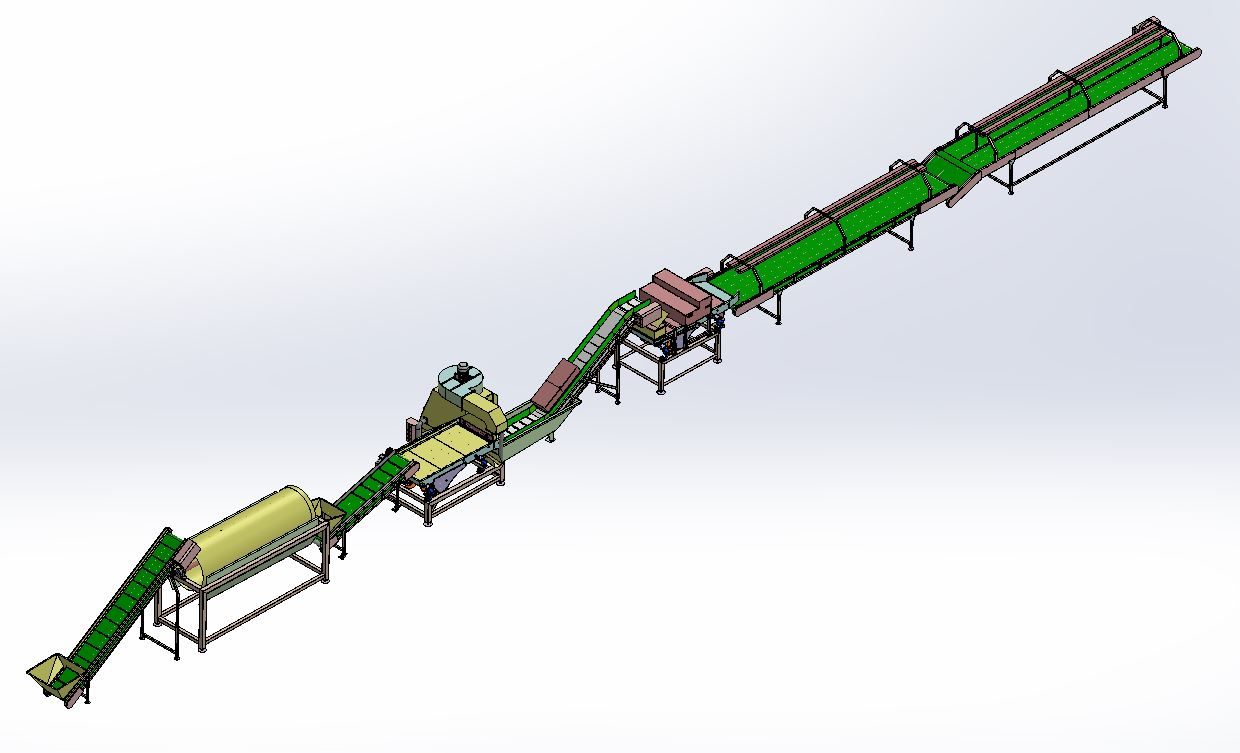
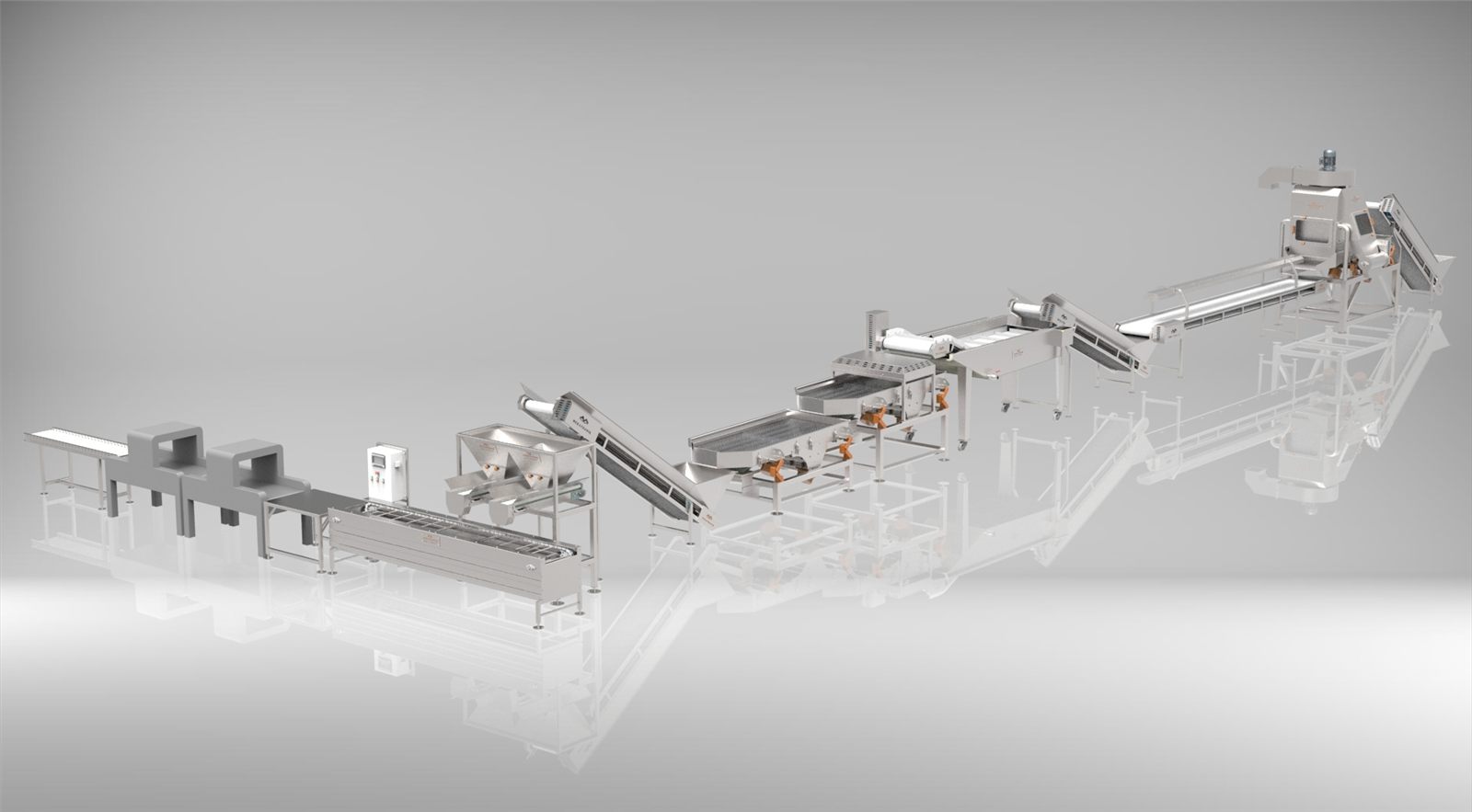
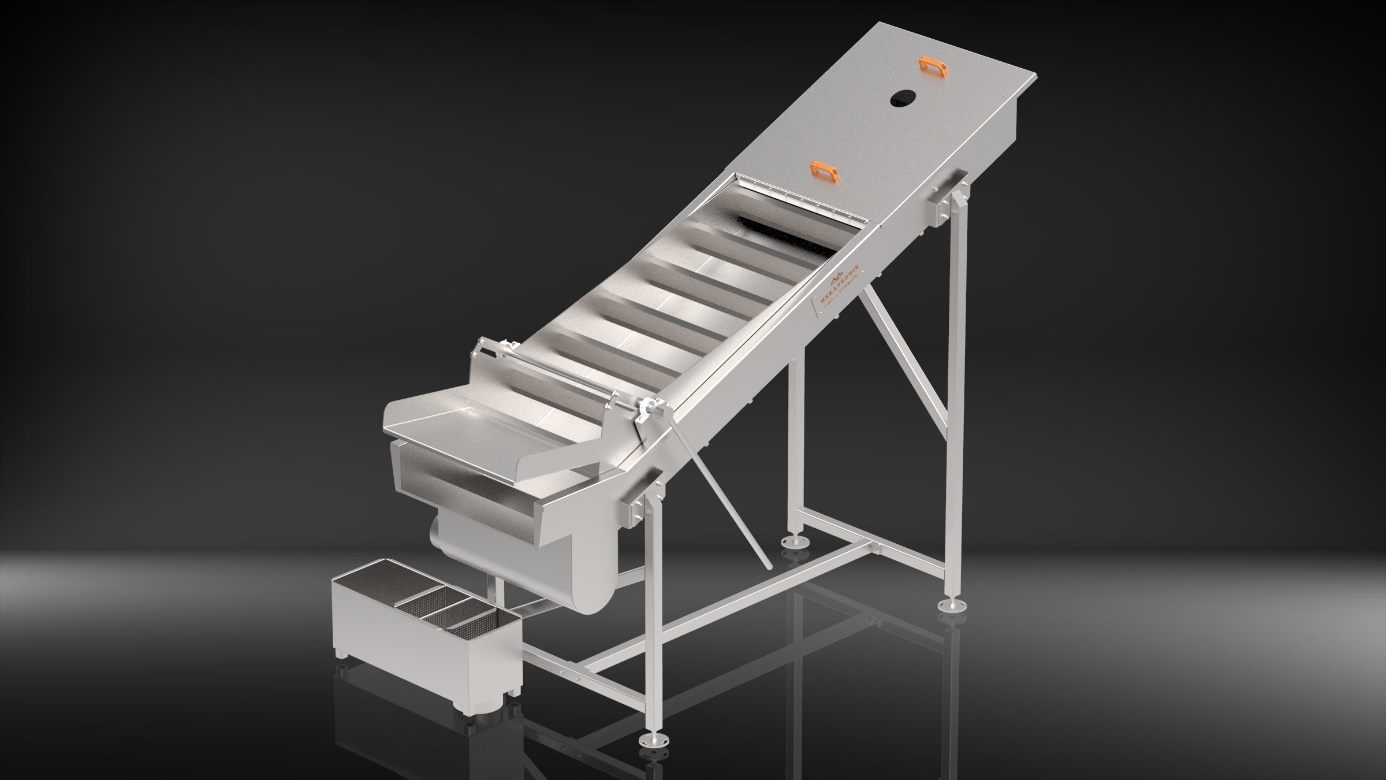
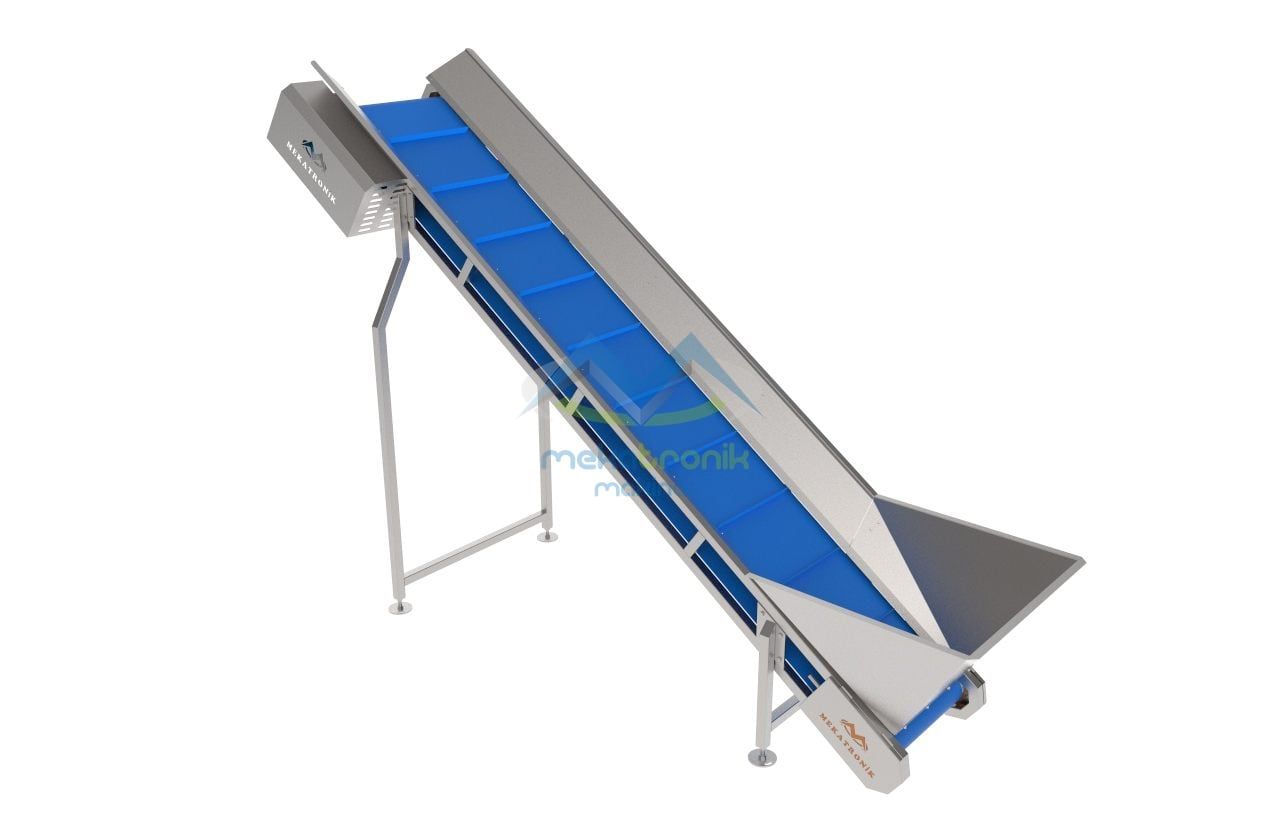
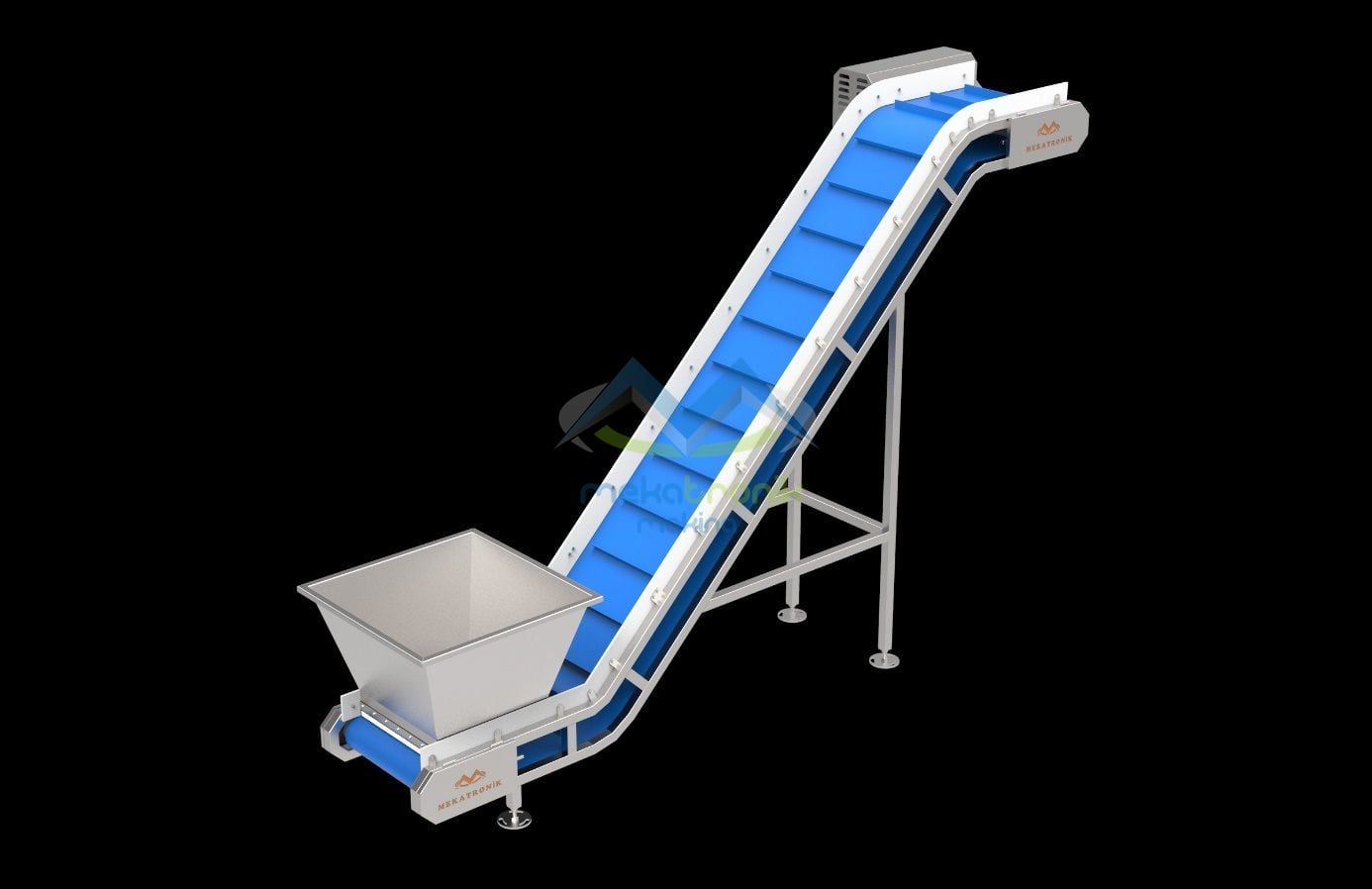
A raisin processing line is built as a sequence of machines that each remove one category of problem, clusters, stones, stems and finally visual defects, before the product is weighed and packed. The sequence is fixed on purpose: running sorting before stem removal, for example, only sends more debris down the belt for an operator to catch by hand. This article walks through that sequence stage by stage, using the layout applied on our raisin processing line page as the reference.
01
The sequence at a glance
Before going stage by stage, here is the order a typical raisin processing line follows from intake to the filled box:
- 01Box tipping into the feed bunker
- 02Dosing bunker and feed conveyor set the infeed rate
- 03Cluster breaking machine separates stuck-together berries
- 04Aspiration sieve pulls out stems and light debris
- 05Stone and sand separation cascade washes while removing heavy foreign material
- 06Stem remover takes out what the aspiration stage left behind
- 07Feed screw and vibrating distribution even out the flow
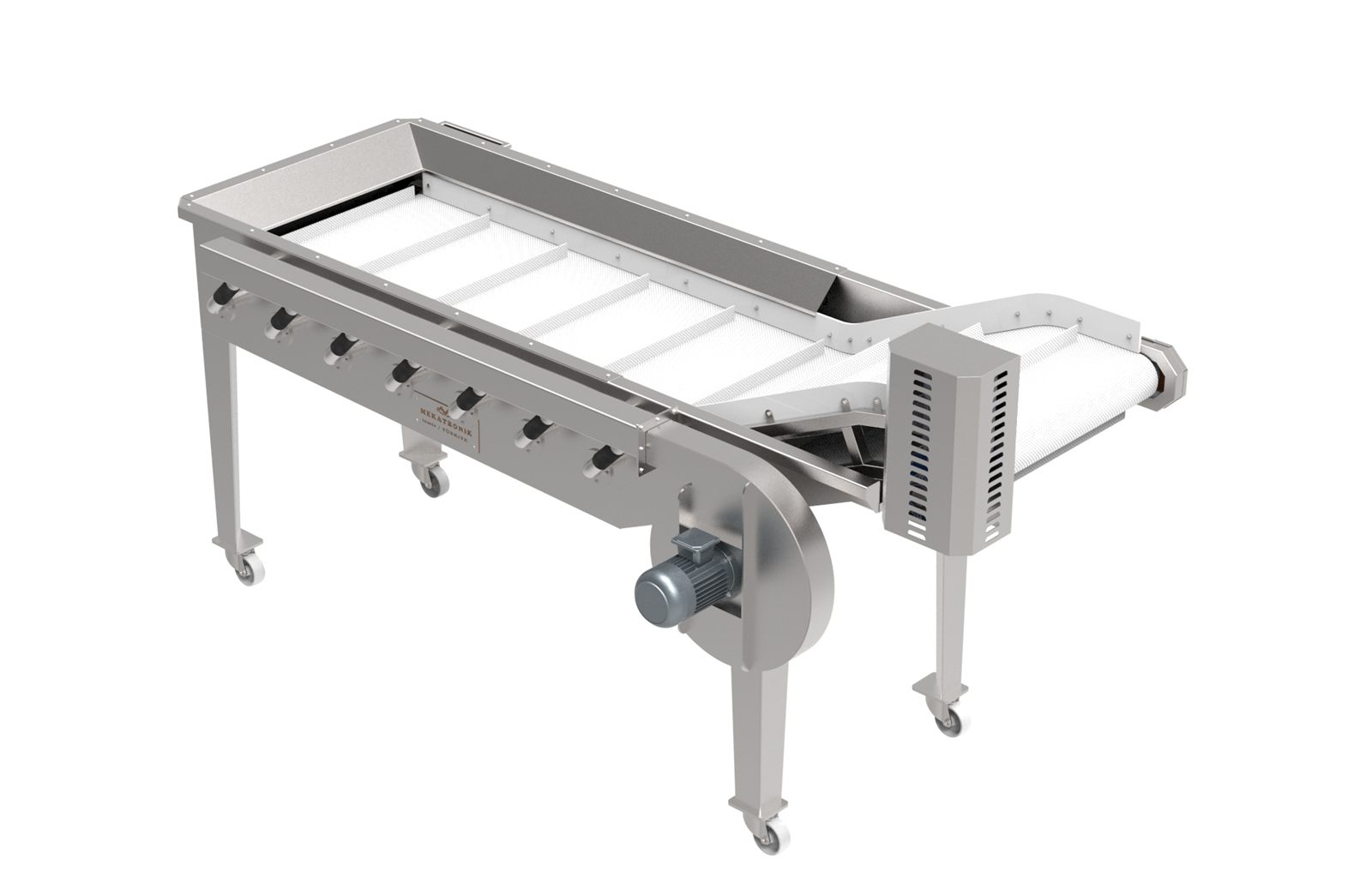
- 08Illuminated sorting conveyor for manual removal of remaining defects
- 09Box filling scale weighs and closes out the batch
02
Intake: controlling how much product hits the line
Boxes are emptied by a box tipping machine into a dosing bunker, which meters the flow onto a feed conveyor at an adjustable rate. Getting this rate right matters more than it looks: overloading the aspiration and washing stages downstream reduces how well they separate stems and stones, since both depend on the product moving through in a controlled, even layer rather than in surges.
03
Removing clusters, stones and light debris before washing
Raisins often leave the box in clusters, so a cluster breaking machine runs first to separate them into individual berries. From there the product passes through an aspiration sieve, which uses airflow to lift out stems and light plant debris, while a stone and sand separation cascade washes the product in stages and drops out heavier foreign material by weight. Surfaces in contact with the product through this washing stage are AISI 304, or AISI 316 depending on the process, in line with food-contact requirements.
04
Why the stem remover sits after washing, not before
A dedicated stem remover follows the washing stage rather than coming before it. Once the product has been through the cascade, remaining stems are easier to separate from wet, cleaned berries than from a dry, dusty batch straight out of the box, which is why moving this machine earlier in the line generally reduces how much it catches rather than improving it.
05
Sorting: where human eyes still do the work machines can't
After stem removal, a feed screw and a vibrating distribution stage spread the product evenly onto an illuminated sorting conveyor. LED lighting makes discoloration, stem fragments and any remaining foreign material visible to operators standing along the belt, who remove defects by hand as the product passes. This stage is where the earlier machines' performance shows up directly: a well-tuned aspiration and washing stage means fewer items for the sorting line to catch.
06
Weighing, packing and what moisture does to the settings
The line ends at a box filling scale, which weighs the sorted product into the target pack weight before it moves to storage or export. Moisture content coming into the line affects settings throughout the process: wetter batches change how the washing cascade drains and how far the sorting conveyor's belt speed needs to drop for operators to keep up, while drier, dustier batches put more load on the aspiration stage instead. None of these settings are fixed across every raisin line, exact figures are confirmed against the specific product and capacity in the project quote.
| Stage | What it removes or sets |
|---|---|
| Cluster breaking | Stuck-together berries |
| Aspiration sieve | Stems, light plant debris |
| Stone/sand cascade | Heavy foreign material, first wash |
| Stem remover | Remaining stem fragments |
| Illuminated sorting | Discoloration, visual defects |
| Box filling scale | Target pack weight |
Every raisin processing line we build is configured around the product, the moisture range and the target output for that specific facility, not sold as a fixed package. If you are scoping a new line or replacing part of an existing one, request a quote once you know which stages you actually need.