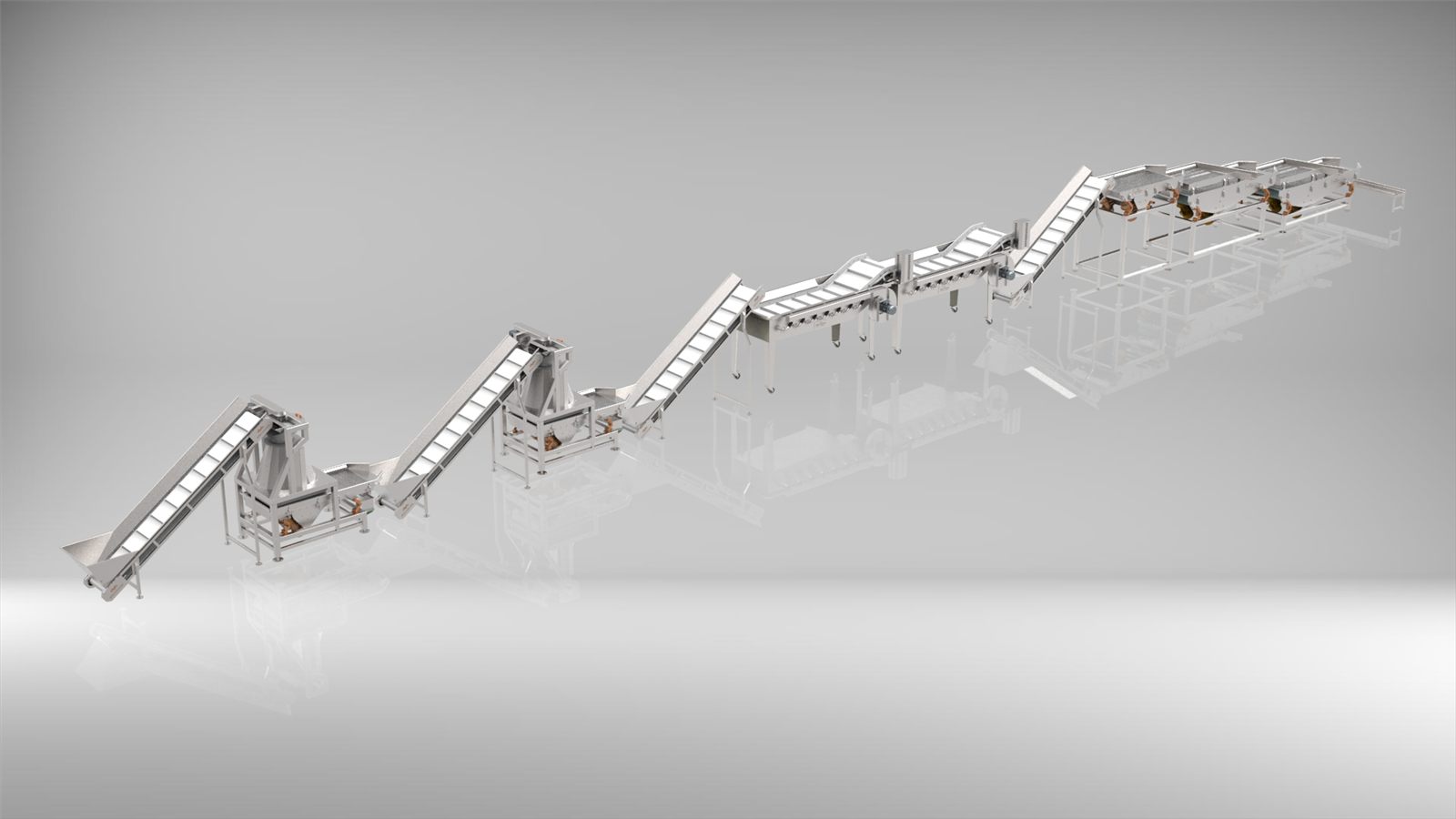
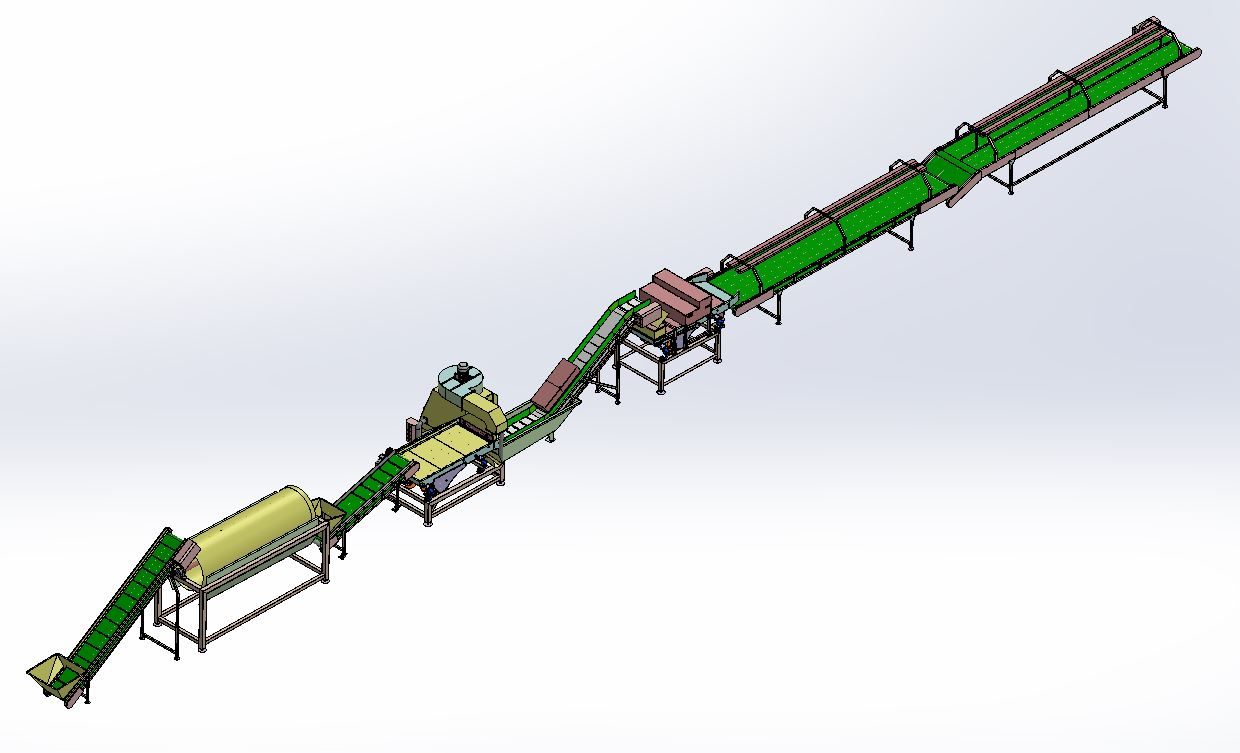
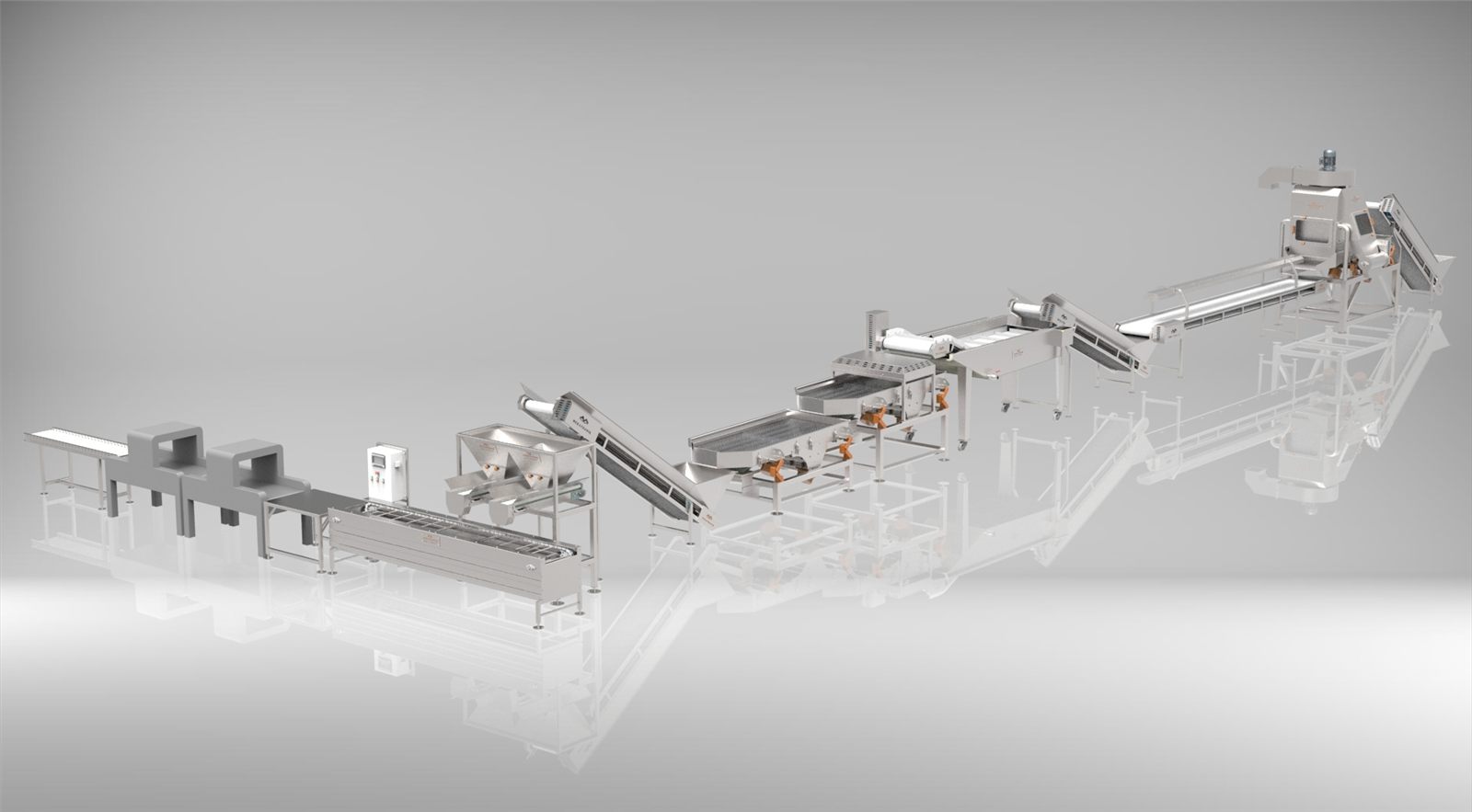
A turnkey dried fruit plant project moves through the same sequence regardless of which fruit the line is built for. The path runs from a capacity conversation to a layout, then equipment selection, installation, and finally commissioning tests where the line's real parameters are fixed. This article walks through each phase and what buyers should expect at each stage.
01
Needs assessment: what the capacity conversation covers
The first step is not choosing machines, it is defining the problem. Daily and seasonal capacity, the fruit varieties to be processed, existing infrastructure such as water and power supply, and the target market for the finished product all shape the project from this point on. A dried fig line and a date processing line share some equipment logic but differ in washing, sorting, and packaging requirements because of how each fruit behaves mechanically.
This conversation also covers whether the plant will run one product line or several, since shared equipment such as pre-cleaning or packaging can sometimes serve more than one line if capacities allow.
02
Layout planning: fitting the line to the building
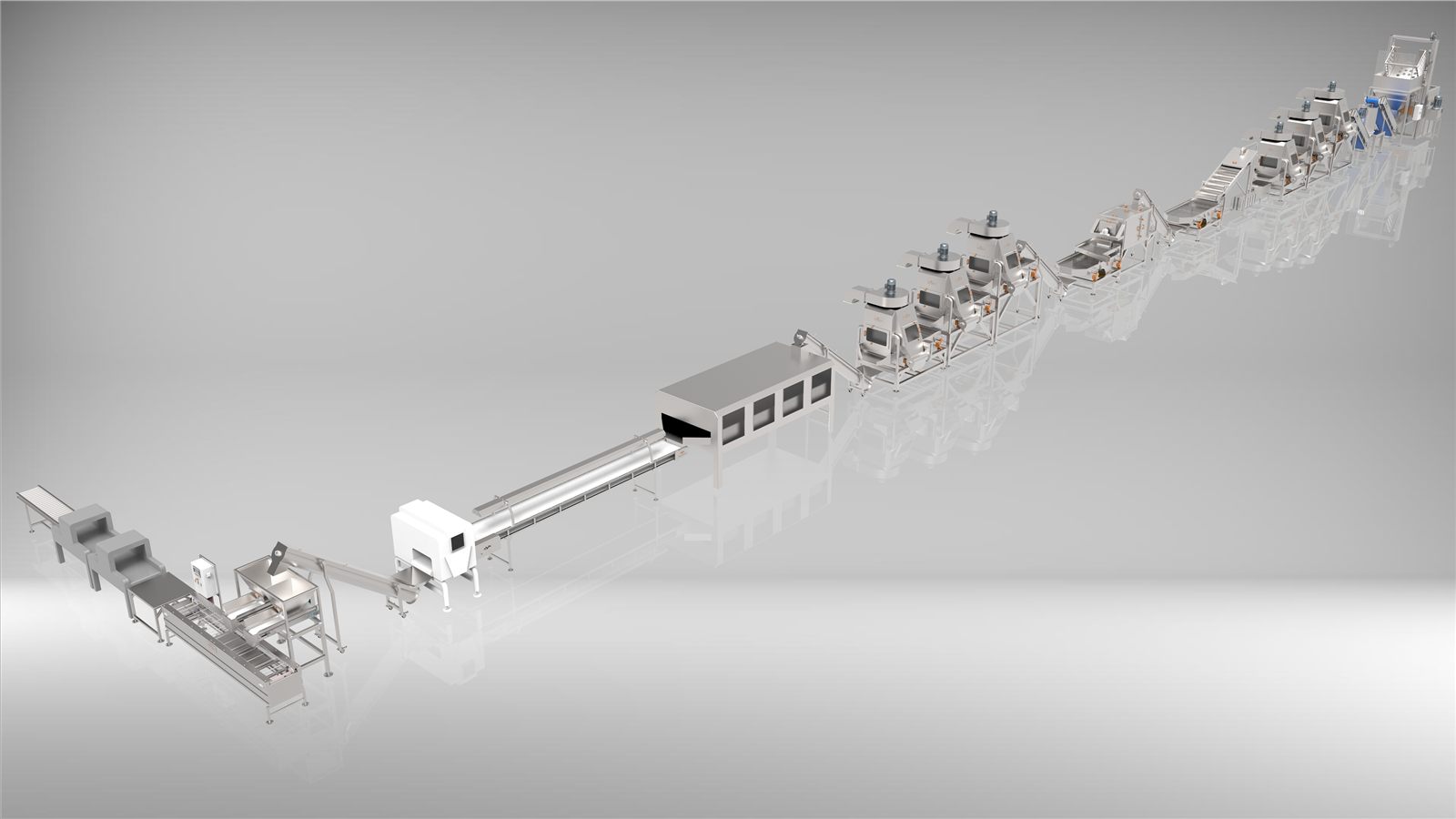
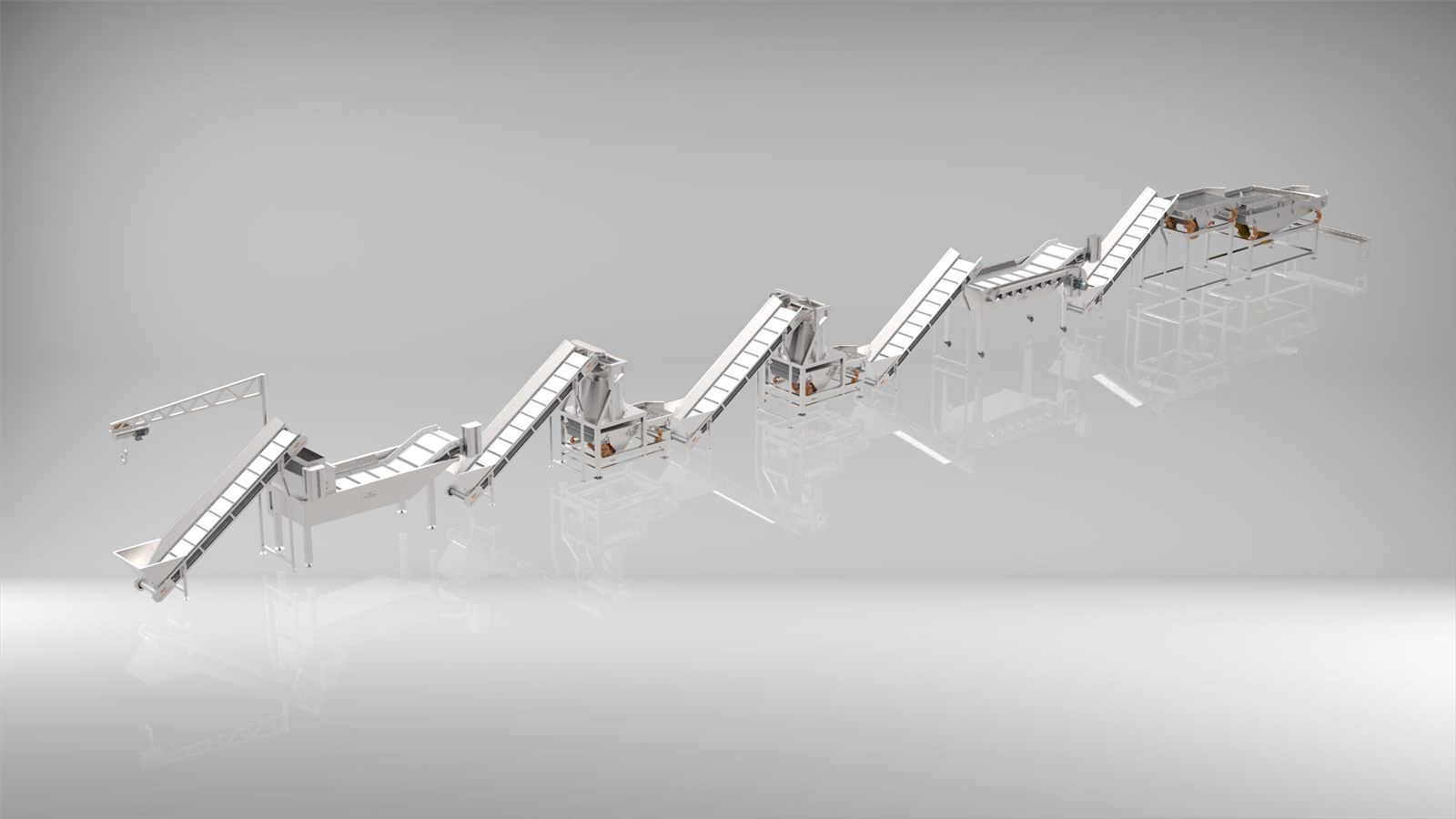
Once capacity and product scope are clear, the line is laid out against the actual building: ceiling height, floor loading, drainage for wet processes, and the direction of material flow from raw intake to packaged output. Layout planning also accounts for future expansion, so that a second shift or an added line does not require tearing out finished installation work.
Hygiene and maintenance access are part of layout, not an afterthought: aisle widths need to allow cleaning and servicing without dismantling neighboring equipment.
03
Equipment selection: matching machines to the product
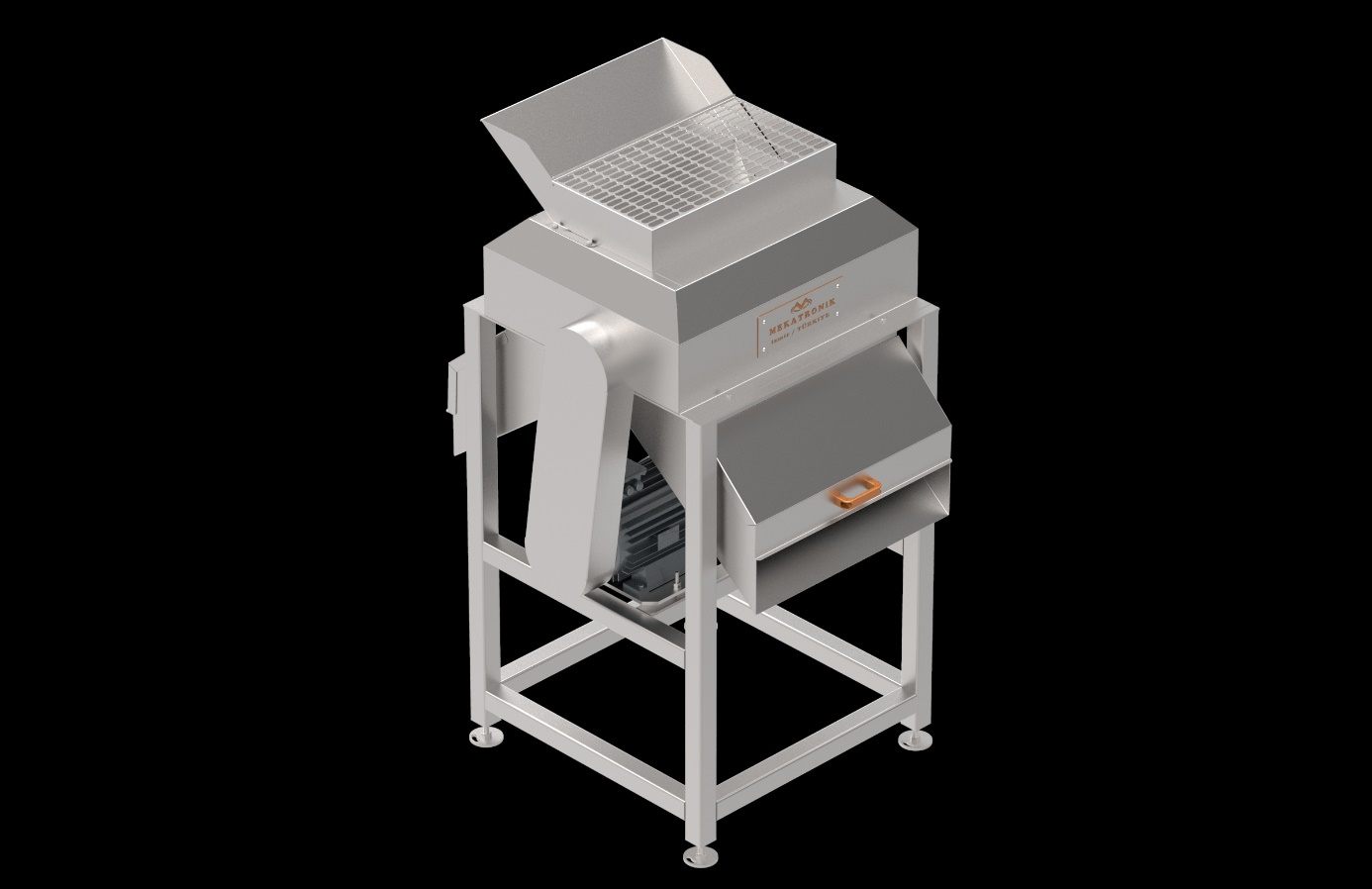
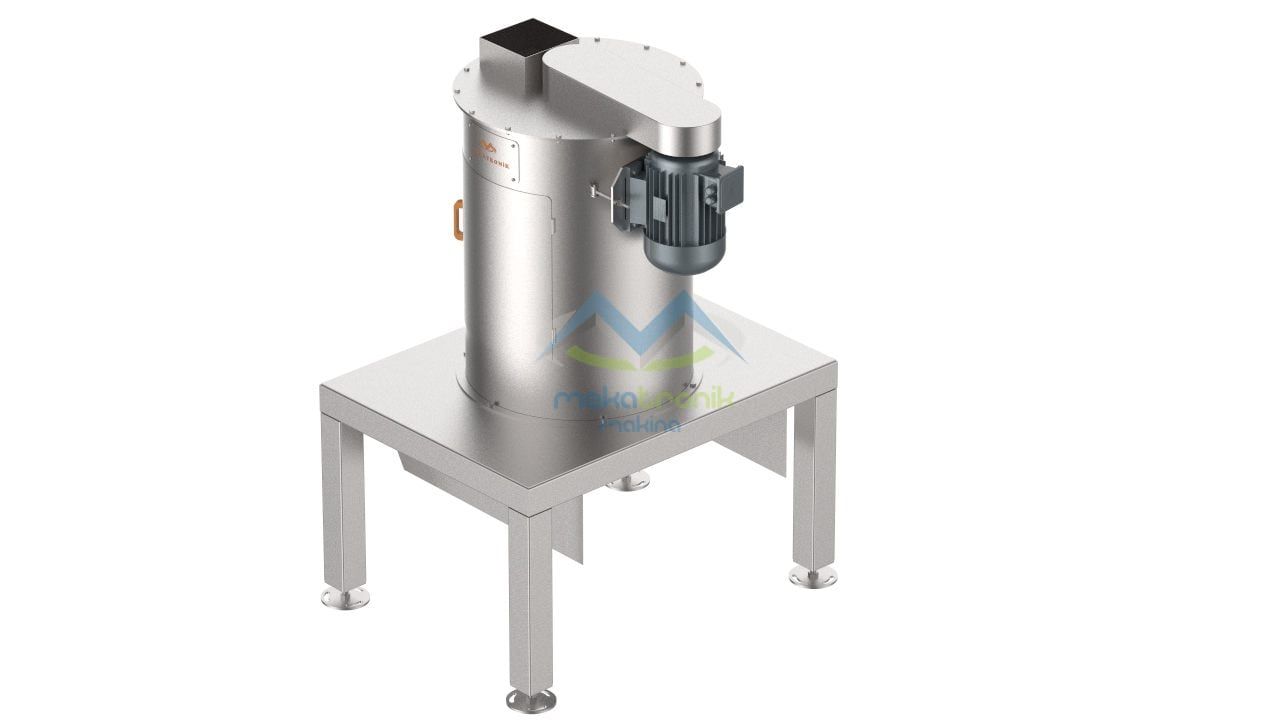
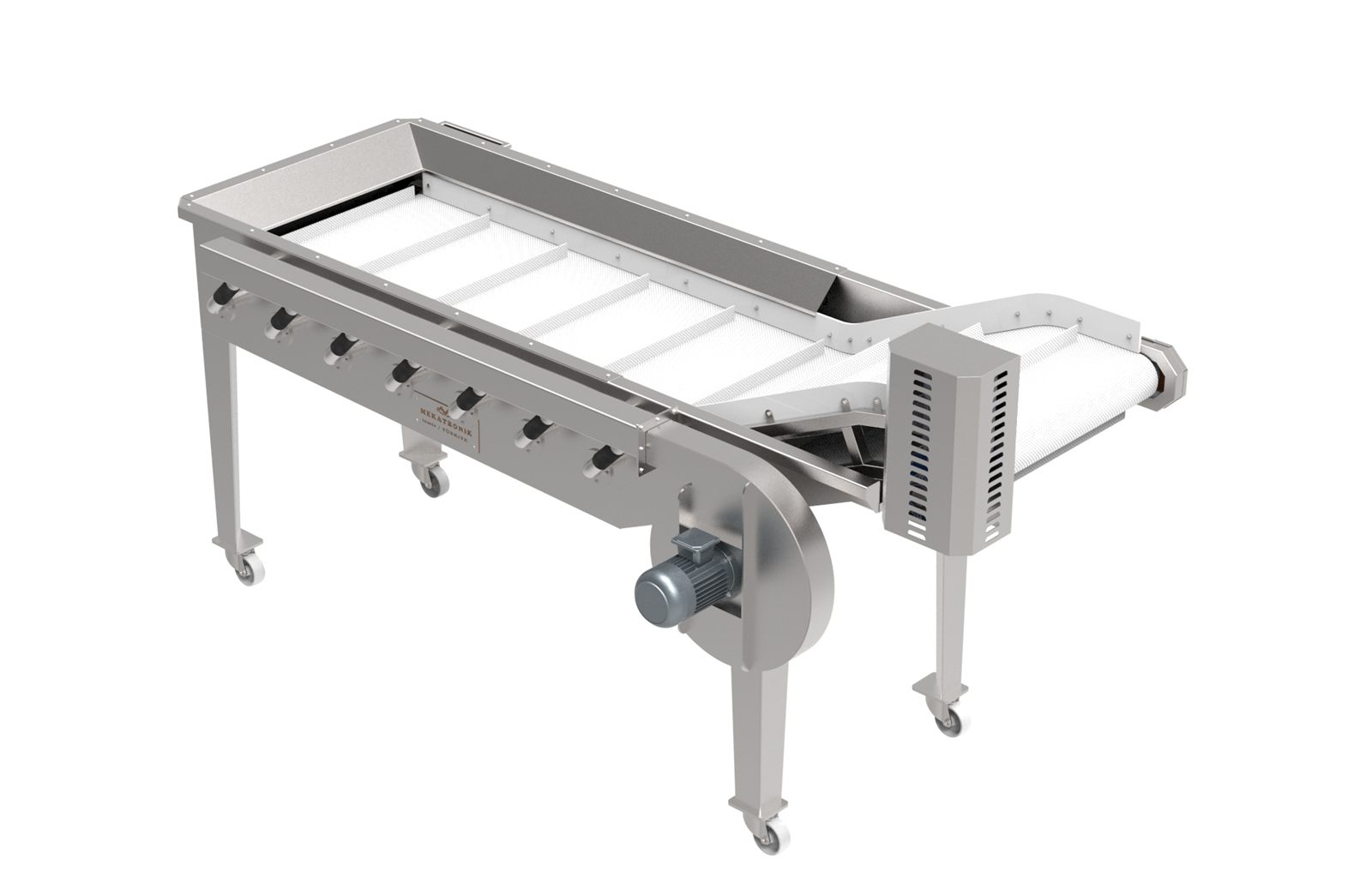
Equipment selection follows the layout and the product profile decided earlier. Washing, sorting, drying, grading, and packaging stations are chosen based on the fruit's size, moisture behavior, and fragility, not from a fixed catalog list.
- 01Product-contact surfaces are specified in AISI 304 or AISI 316 stainless steel depending on the process.
- 02Machines are selected to meet CE conformity requirements for the target export market.
- 03Where a line already has a proven configuration, such as the raisin processing line, it serves as a reference point rather than a fixed template.
- 04Capacity figures for each machine are confirmed against the numbers set in the needs assessment, not assumed from a brochure.
04
Installation: sequencing on site
Installation follows the mechanical sequence of the line: structural and utility work first, then heavy equipment positioning, then the connecting conveyors and controls. Electrical and water connections are tested independently before the line is run as a whole, so that a fault in one utility does not get mistaken for a mechanical problem later.
05
Commissioning: where line parameters get fixed
Commissioning is the phase where the line runs with the actual product for the first time, not with water or a placeholder load. Washing pressure, drying time and temperature, sorting belt speed, and dosing settings are all measured and recorded during these tests, because they depend on the specific fruit, its moisture content, and the target output rather than on a general formula.
Commissioning also confirms that the sequence built during layout planning holds up in practice, including whether the line chokes at any single station and whether the packaging end keeps pace with the rest of the line. The values recorded here become the reference settings for daily operation.
06
Project phases at a glance
| Phase | Main focus |
|---|---|
| Needs assessment | Capacity, product mix, existing infrastructure |
| Layout planning | Building fit, material flow, hygiene and access |
| Equipment selection | Machines matched to product and capacity |
| Installation | Utilities first, then equipment, then controls |
| Commissioning | Real-product testing, parameters fixed and recorded |
07
Next step
The sequence above holds regardless of which fruit the plant processes; the details of washing, drying, and sorting change with the product. For a plant sized to your own capacity, building, and product mix, request a quote and share the current numbers; layout and equipment choices are worked out from there.