Fumigation is one of the treatments applied to export cargo, containers, wooden packaging and agricultural products to control harmful organisms. A completed treatment, however, does not mean the container or the fumigated area can be opened straight away and entered by personnel. The critical stage after fumigation is correct ventilation and confirming by measurement that the gas concentration has dropped to a safe level.
01
Is there a single waiting time?
No. The ventilation time needed after fumigation depends on several variables:
- 01The type of fumigant used
- 02The gas concentration applied
- 03The volume of the container or the area
- 04How tightly the cargo is stowed
- 05The amount of gas absorbing material such as wood and cardboard
- 06Whether natural or mechanical ventilation is used
- 07Ambient temperature and air movement
- 08How much gas the packaging retains
For this reason the basic safety criterion is not waiting for a fixed number of hours but checking the area with a suitable gas measuring instrument.
02
Ventilation after phosphine fumigation
Phosphine (PH3) is one of the gases used in the fumigation of agricultural and stored products. FAO sources state that the minimum ventilation period after phosphine fumigation is around 3 hours, and that where ventilation conditions are poor this should be extended to at least 6 hours. Where no gas detector is available, a ventilation period of 6-12 hours is given as a way of reducing the risk.
What matters more than the clock here is the gas concentration. For phosphine, one of the reference values used when releasing a work area is a concentration of 0.3 ppm or below. The sequence to follow is therefore: end of fumigation, ventilation, gas measurement, confirmation of a safe concentration, and only then entry of personnel.
03
What should be done with methyl bromide?
With methyl bromide (MeBr) fumigation it is equally wrong to rely on a fixed waiting time alone. In closed and densely loaded containers the gas can remain in wooden packaging, in cardboard, between plastic wrappings and in parts of the load where air circulation is limited. Even after the doors have been opened and the container ventilated for a while, a high gas concentration can build up inside again.
For methyl bromide, various occupational safety guides use a value below 5 ppm as one of the thresholds for checking an area. It is particularly important to stop the fan after mechanical ventilation, wait around 30 minutes and measure the gas again, because gas absorbed by wood and packaging materials can be released back into the space after ventilation.
04
Natural or mechanical ventilation?
For containers and densely packed loads, mechanical ventilation should be preferred wherever it is possible. Opening the doors provides natural air circulation but does not guarantee that gas trapped at the rear of the container or between packages is removed quickly. A mechanical fan or extraction system can speed up the air exchange. Some occupational safety guides recommend ventilating the container mechanically for around 30 minutes before anyone enters; the real duration depends on the nature of the load and on the measurement taken.
Where mechanical ventilation is not possible, natural ventilation can take far longer. In tightly packed 40 ft containers, removing methyl bromide by natural ventilation can under some conditions take more than 60 hours. Opening the doors and waiting a few hours is therefore not a safety method on its own.
05
The opening sequence for machinery containers
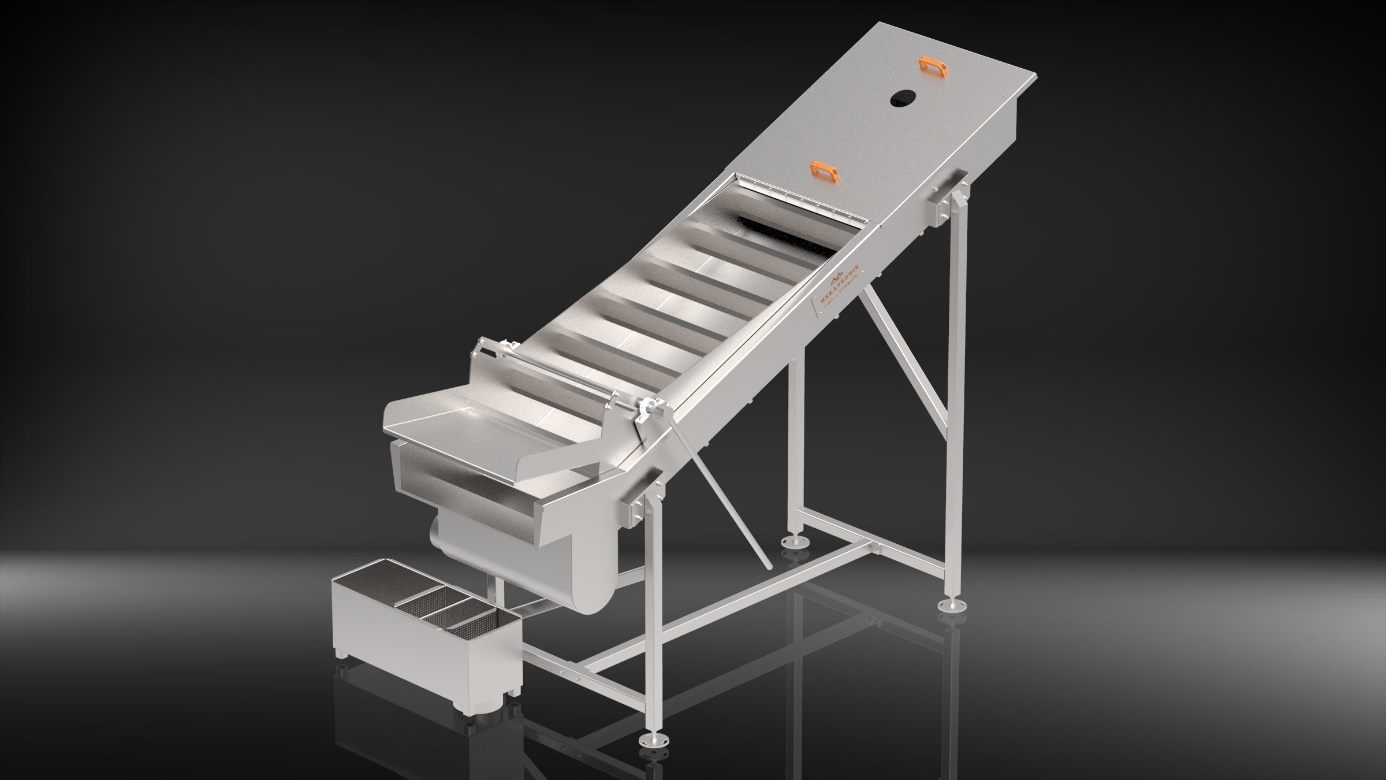
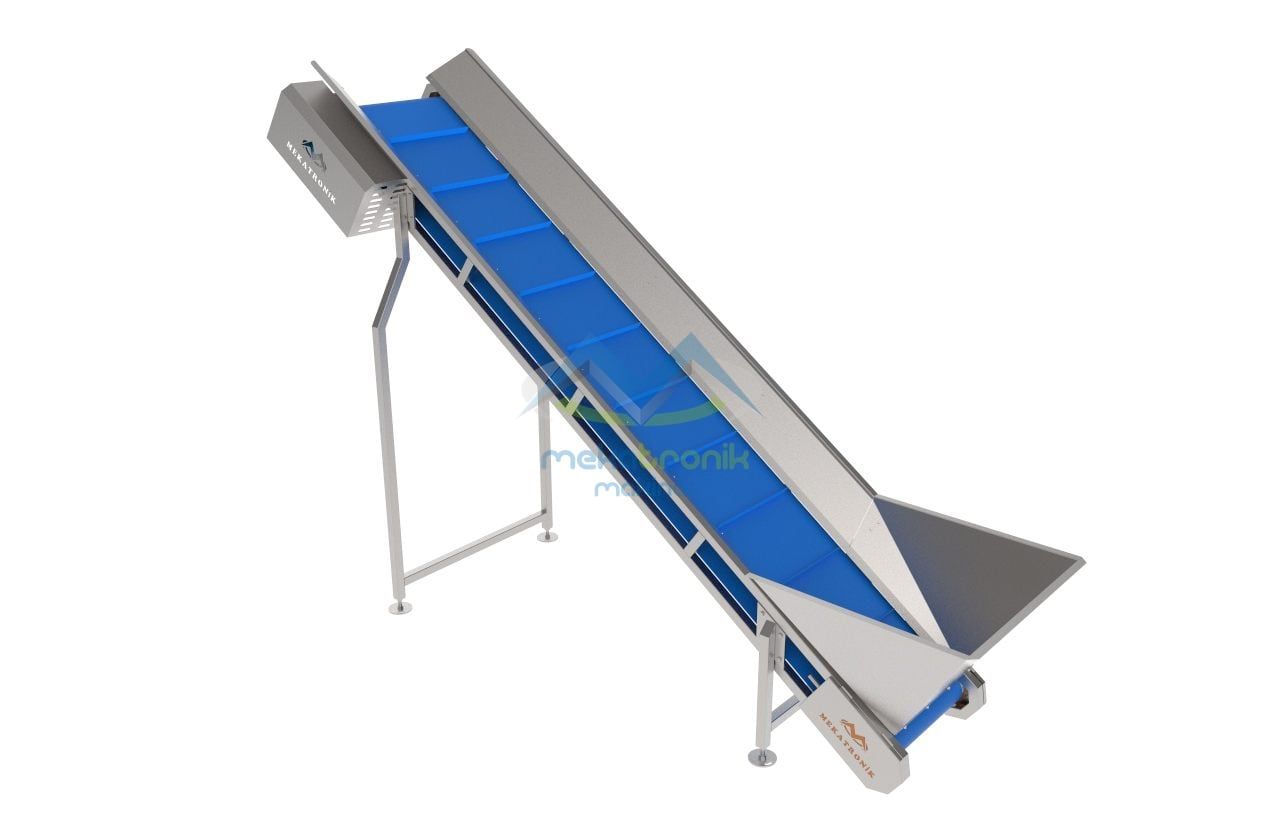
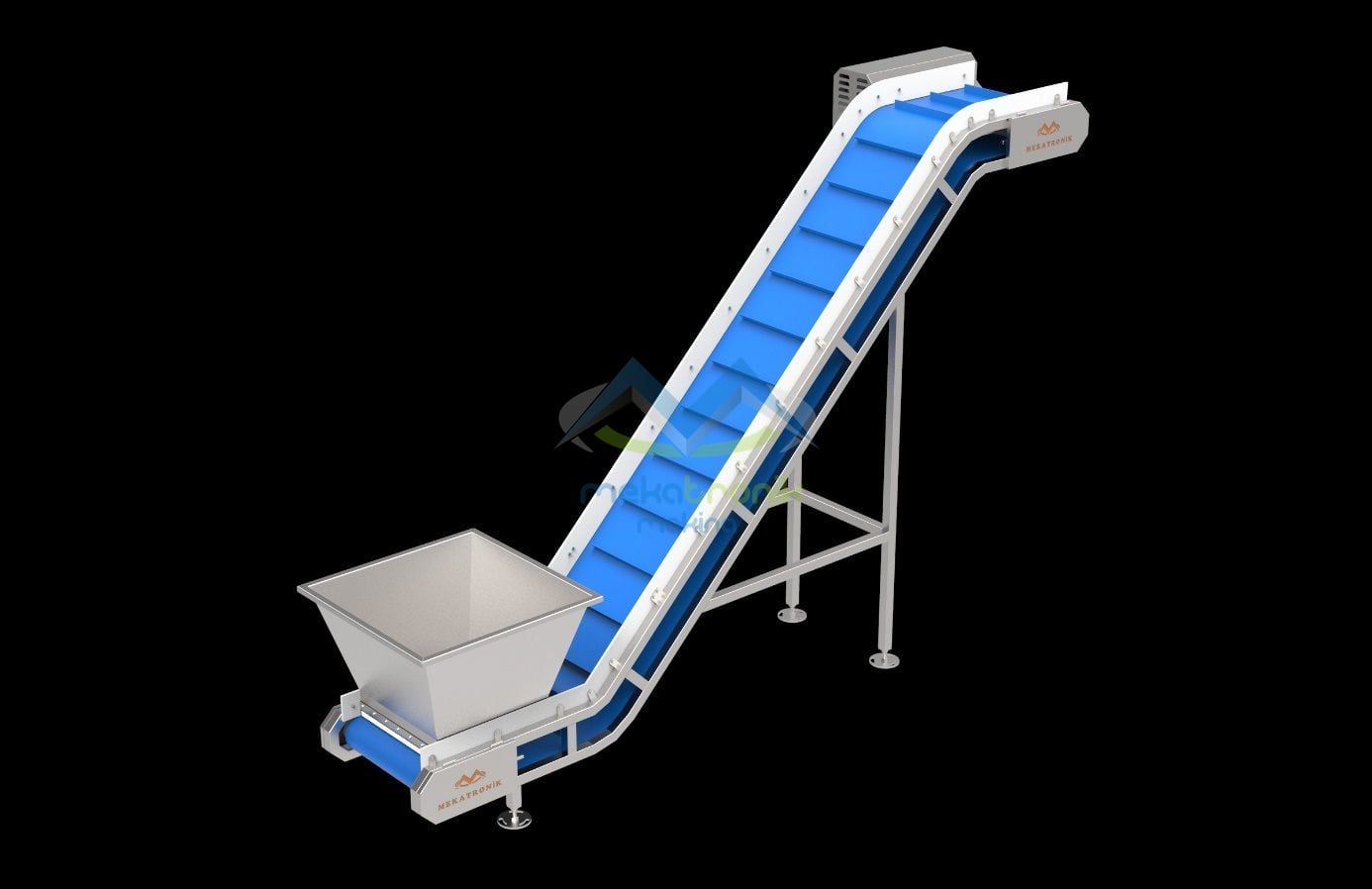
The dried fruit processing machines and complete production lines built by Mekatronik Makina are shipped to different countries by sea and road within international projects. In these shipments the machines are loaded together with wooden crates, pallets, protective packaging, plastic wrapping and securing materials, and these materials can hold the fumigant gas in some areas for longer. In our export shipments the following sequence is the safer way to open a fumigated machinery container:
- 01Check the fumigation certificate and establish which fumigant was used.
- 02Move the container to an open, well ventilated area; open the doors under control and keep unauthorised people away.
- 03Start natural or mechanical ventilation; for densely loaded containers, prefer mechanical ventilation.
- 04Do not enter the container immediately; opened doors do not prove that the gas has gone.
- 05Measure the gas concentration at different points of the container with an instrument suited to the fumigant used.
- 06Repeat the measurement as packages are opened; fumigant trapped inside or between crates can be released again.
- 07Start assembly, electrical connections, mechanical checks and commissioning only after a safe value has been confirmed.
06
Does the absence of odour mean the area is safe?
No. With some fumigants, the fact that nothing can be smelled does not prove that there is no dangerous concentration of gas. FAO documents on phosphine state clearly that the absence of odour does not mean phosphine is absent. Suitable gas measuring equipment should be used instead of human senses.
The most common mistake in post fumigation safety is to focus on time alone. Six hours have passed, it was ventilated for twelve hours, it waited a day: on their own, none of these statements show that the area is safe. The correct approach combines duration, ventilation, gas measurement and confirmation of a safe level. In international machinery shipments, wooden and plastic packaging materials can retain gas, so care is still needed after the container has first been opened.
In short, the ventilation and waiting time required after fumigation varies with the fumigant and the loading conditions, and the basic safety criterion is not elapsed time but a gas measurement taken with a suitable instrument. Before opening the container, removing packaging, checking the machines, assembling and commissioning, the fumigation status has to be verified. If you are planning a fumigation process in your own plant you can review our vacuum fumigation chamber and get in touch with us about the shipment and installation process.