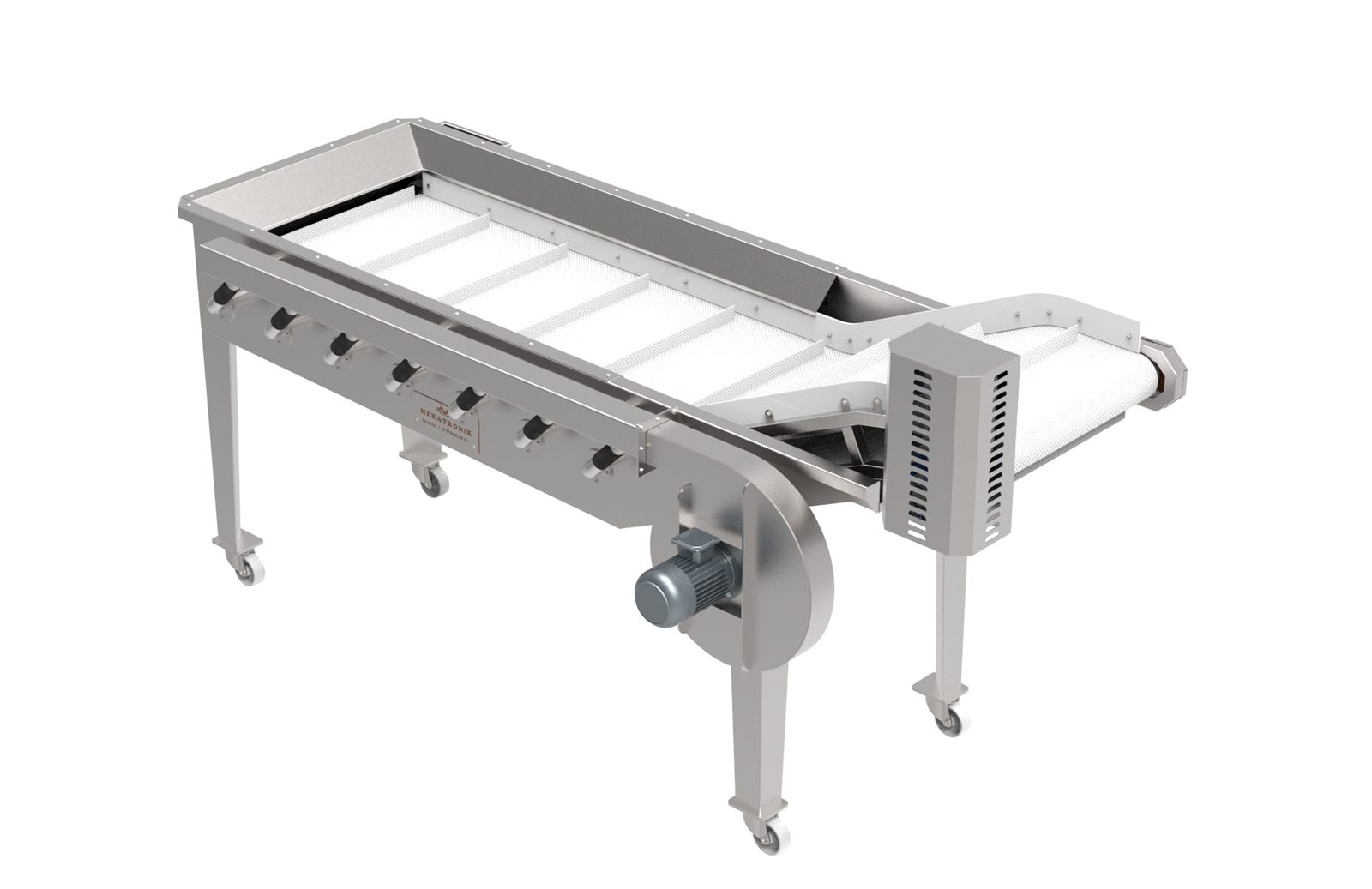
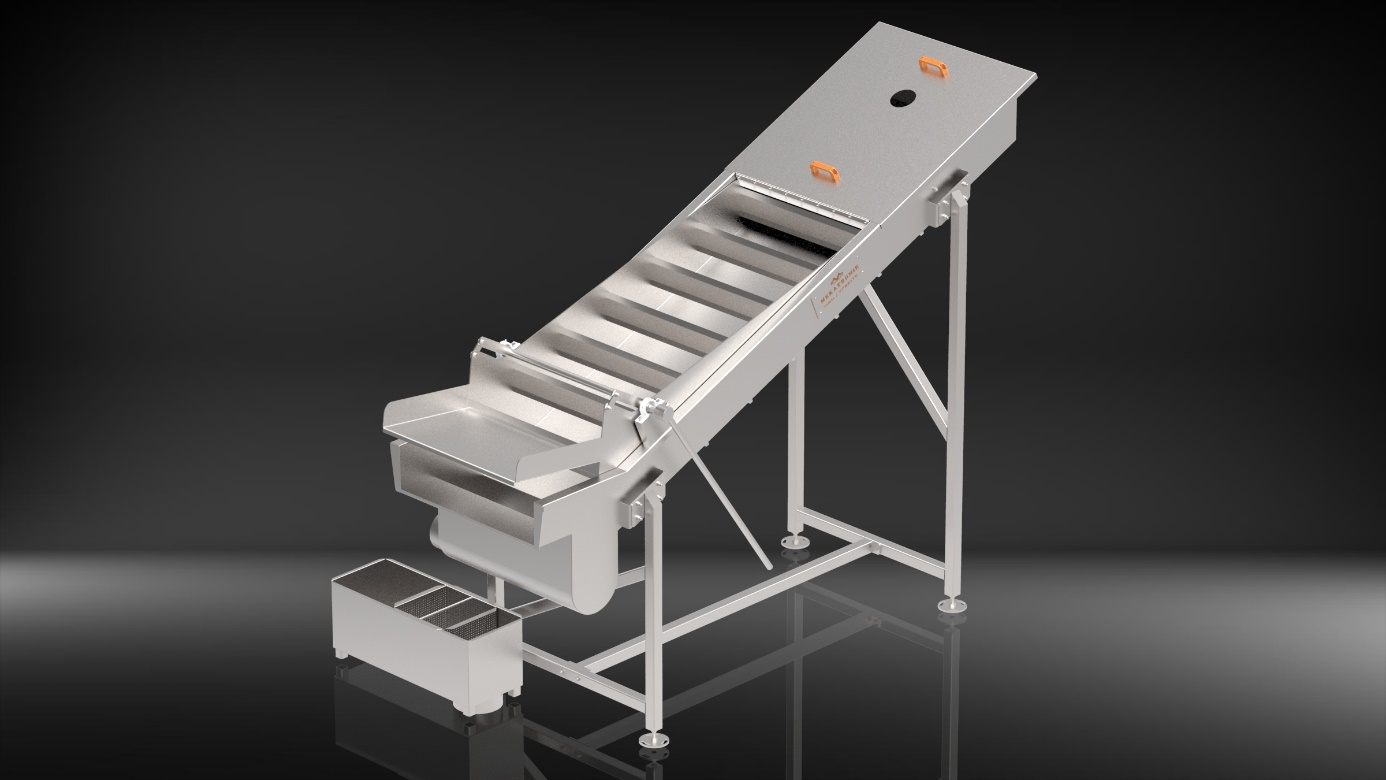
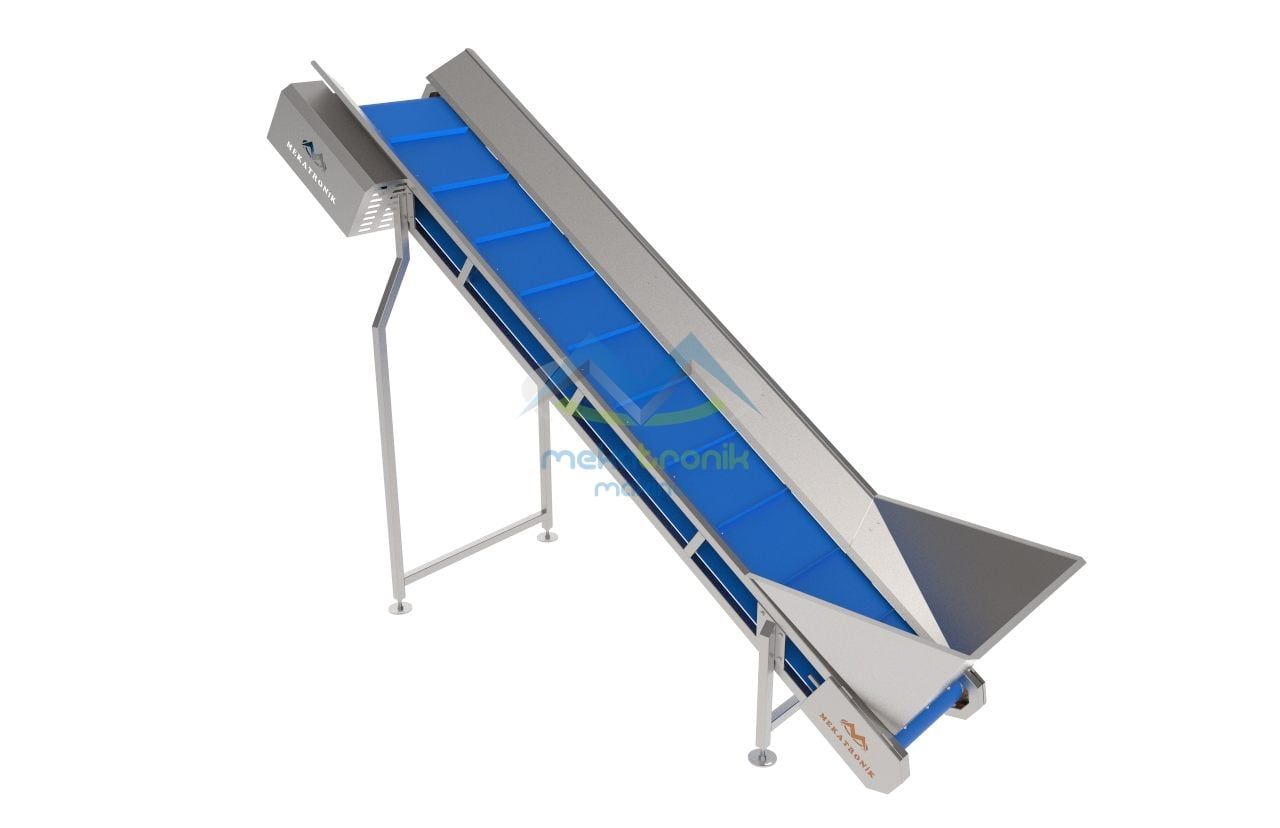
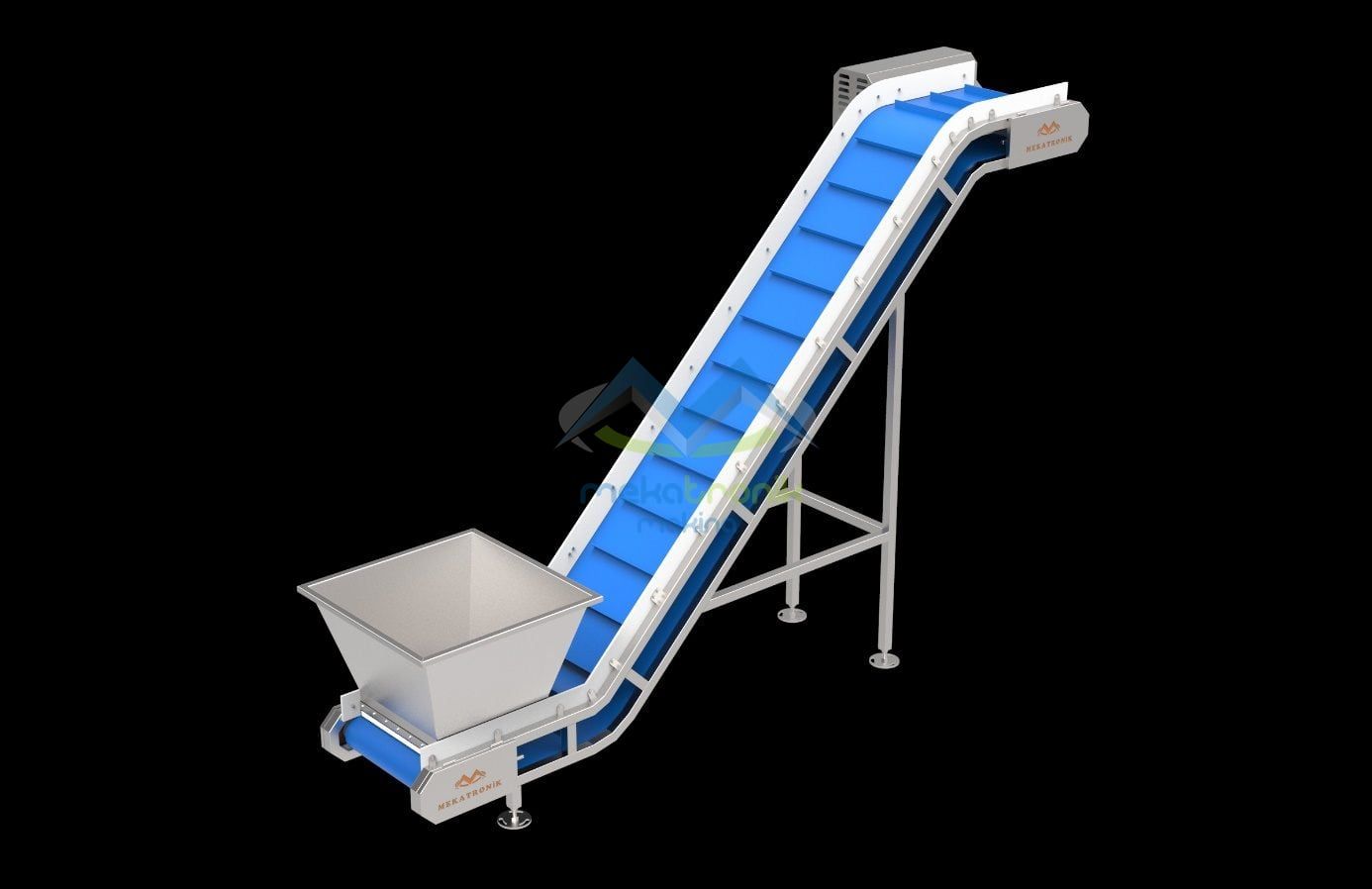
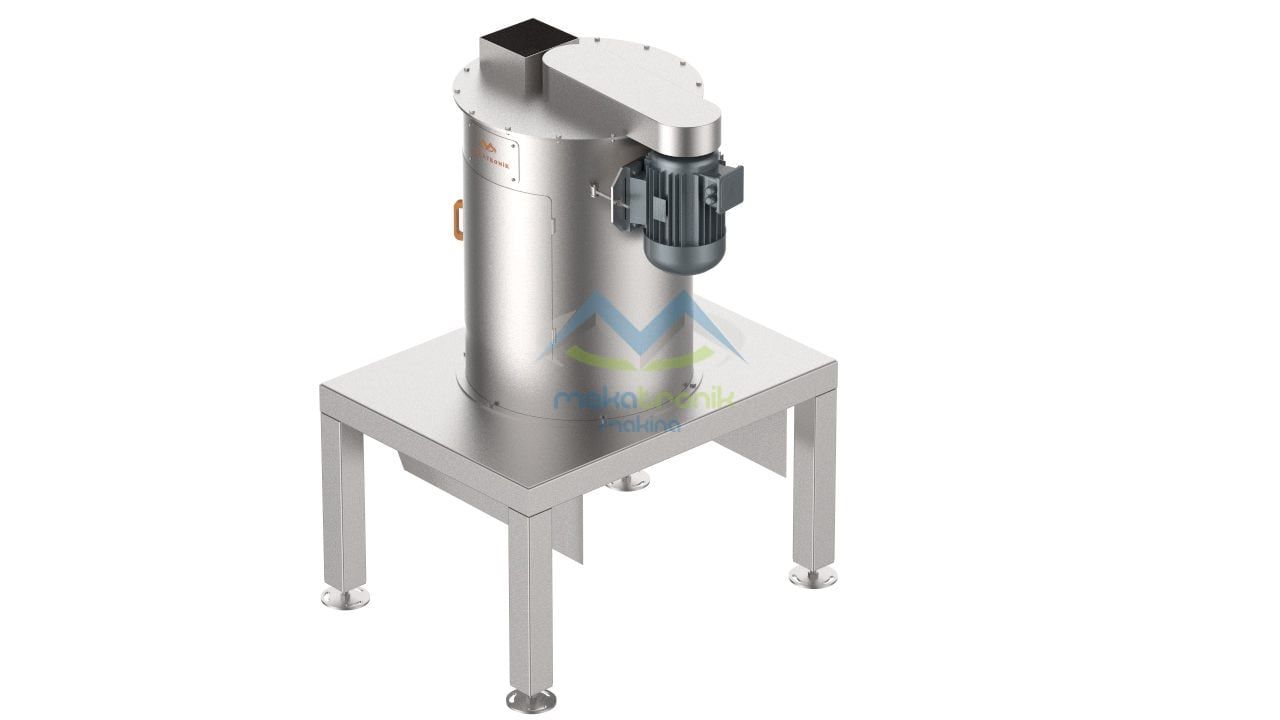
Caked product does not need force, it needs the right kind of break. A block of raisins or dates that formed in storage has to come apart into single fruit, and the stage that does it must be matched to how the product is held together. This article explains how to read the product, where the Clumped Product Separating Machine sits in the line, and what is settled at the quote stage.
01
What does the machine actually do?
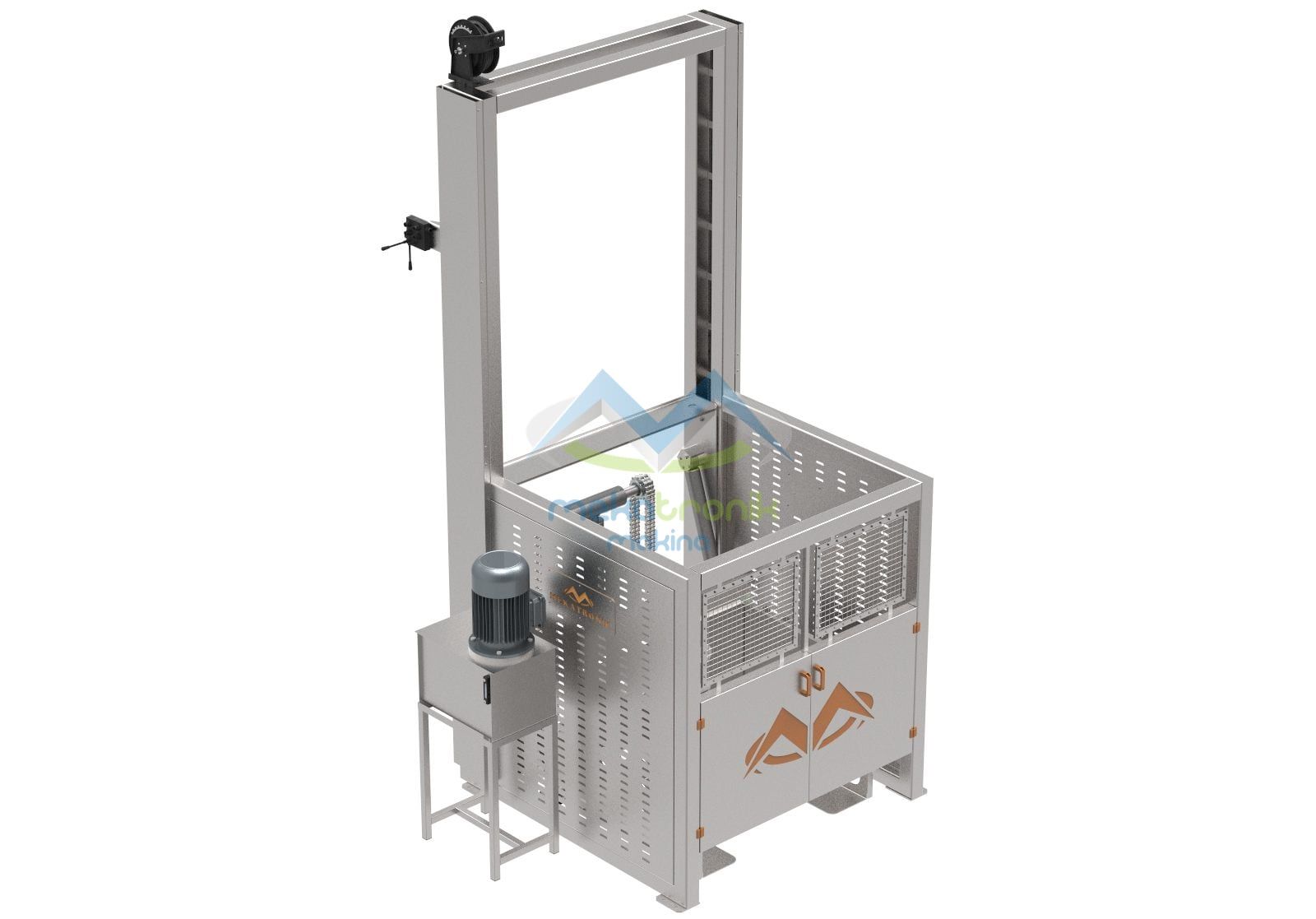
The machine is built to separate product that has been compacted into blocks back into single fruit. It works as a vertical rotary breaker: the block is fed in from the top and a specially designed rotating breaker mechanism inside the upright body opens it up, driven by a geared motor. Because the job is to restore single fruit and not to reduce it, the goal is to release the bonds between pieces while leaving each fruit whole.
The body and the product-contact surfaces are AISI 304 stainless steel, with AISI 316 available as an option depending on the process. That claim covers the body and the surfaces the product touches, not the motor or the electrical equipment.
02
How do you read the product before choosing the break?
Two blocks that look the same from outside can behave very differently inside. What matters is how the pieces are held together and how much of the block is simply pressed, not glued. Before deciding on a setup, look at the following.
- 01Stickiness: sugar-rich surfaces such as raisins and dates bond harder than a dry surface, so the block needs a firmer break.
- 02Moisture: product that picked up moisture in storage clumps differently from product that stayed dry.
- 03Block form: a loose cluster that falls apart in the hand and a hard slab pressed under its own weight are two different problems.
- 04Fruit condition: soft or thin-skinned fruit tolerates less force before the skin tears.
- 05What comes next: whatever follows the breaker must receive single fruit, not lumps.
None of these gives a universal number. How firm the break should be is a decision for the product and the project, and it is confirmed with the real product at commissioning.
03
Why is the break rate measured with the product?
On the raisin and date lines this machine sits in, the line description states that the rate of fruit breakage is measured together with the machine at the commissioning test. That is the honest way to frame the question. A breaker that separates every block but also splits fruit has moved the loss to a different place, and only a test with the customer's own product shows where the balance falls.
| What is observed | Likely cause | Where to look |
|---|---|---|
| Blocks still reach the next station | Break too gentle for this product | Product moisture and block form |
| Split or torn fruit after the machine | Break too firm for this product | Fruit condition and feeding pattern |
| Machine shakes during work | Feet not set on the floor | Adjustable feet |
| Residue between batches | Cleaning routine missing | Product-contact surfaces |
04
Where does it sit in the line?
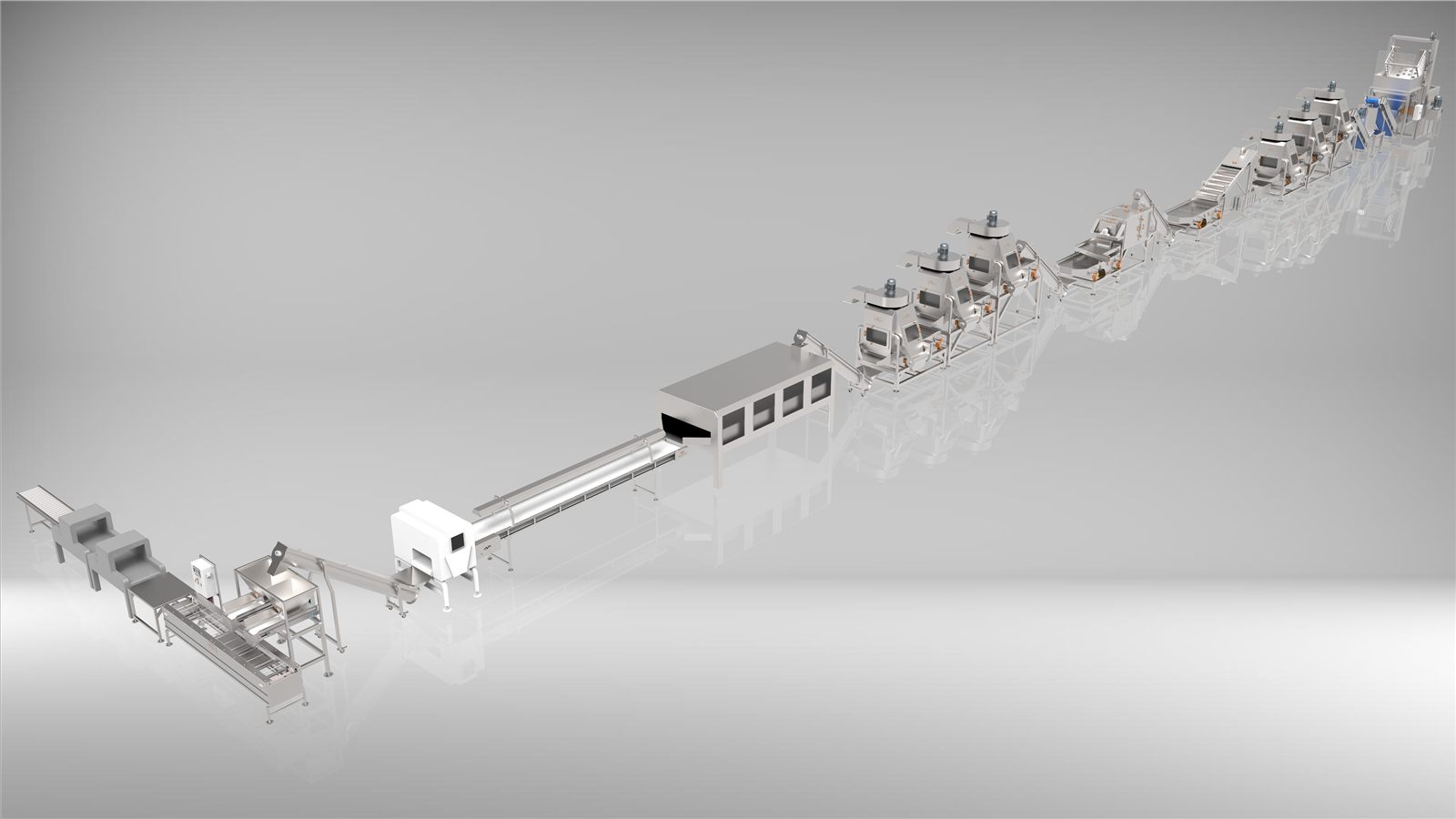
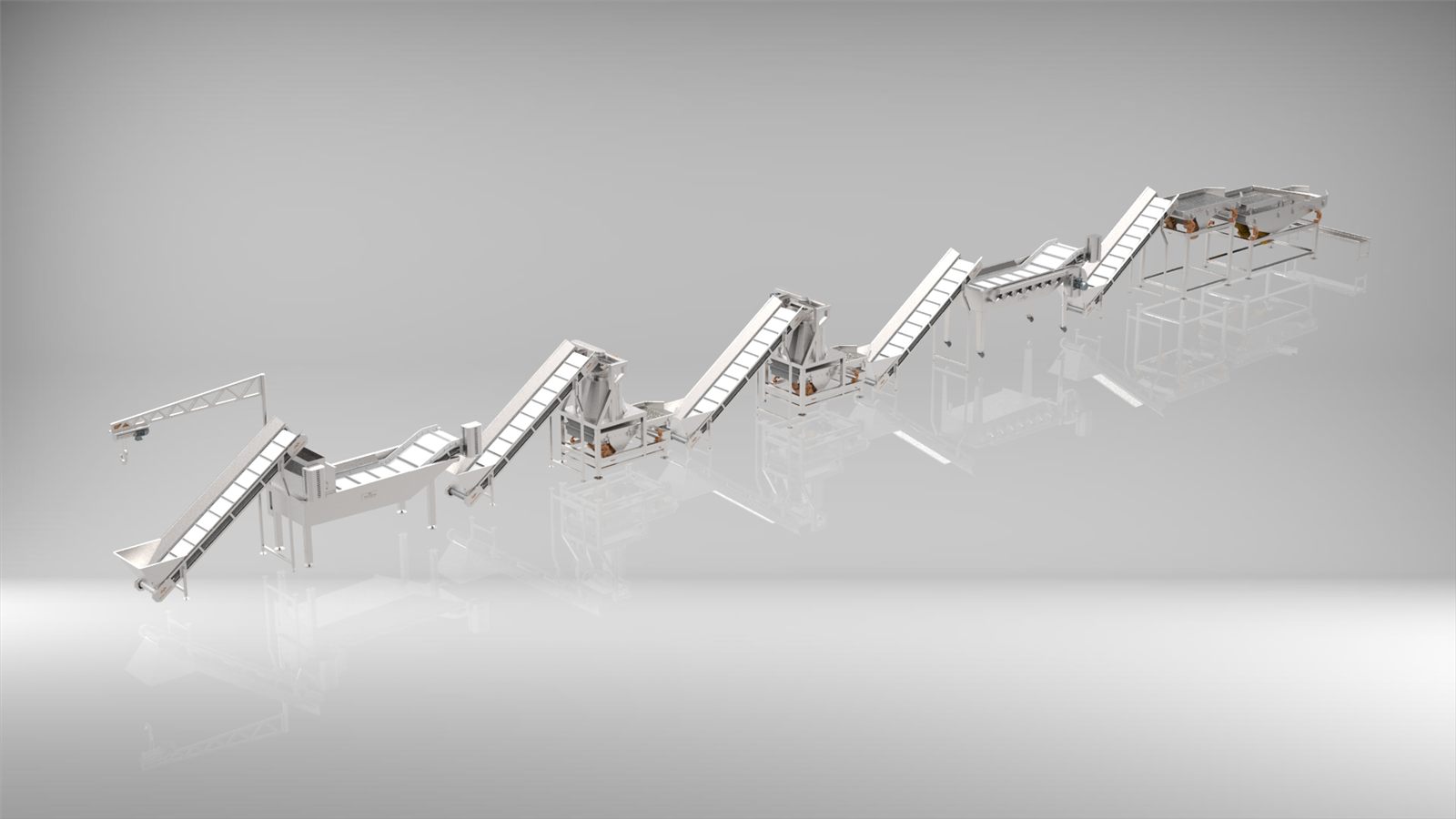
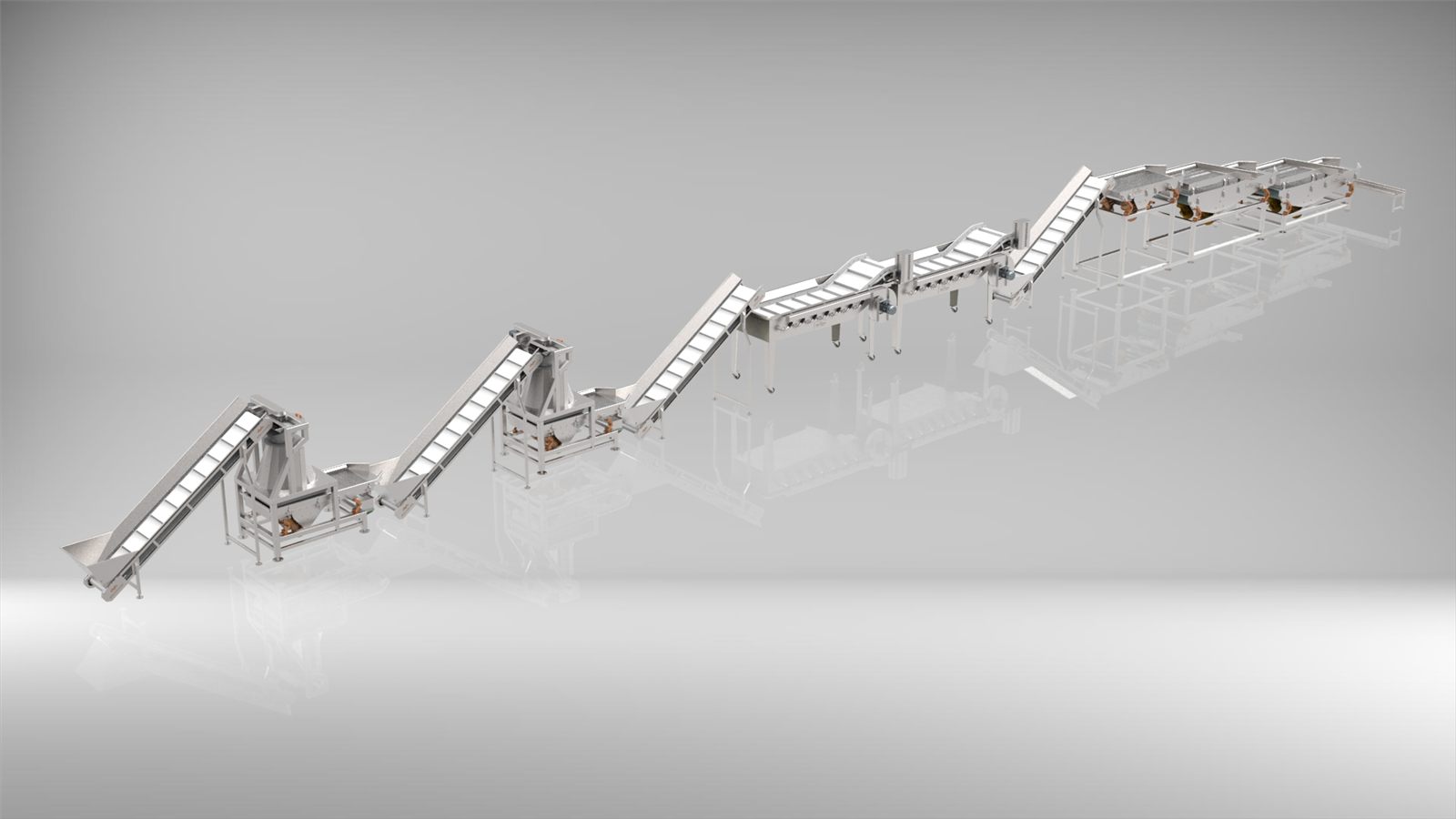
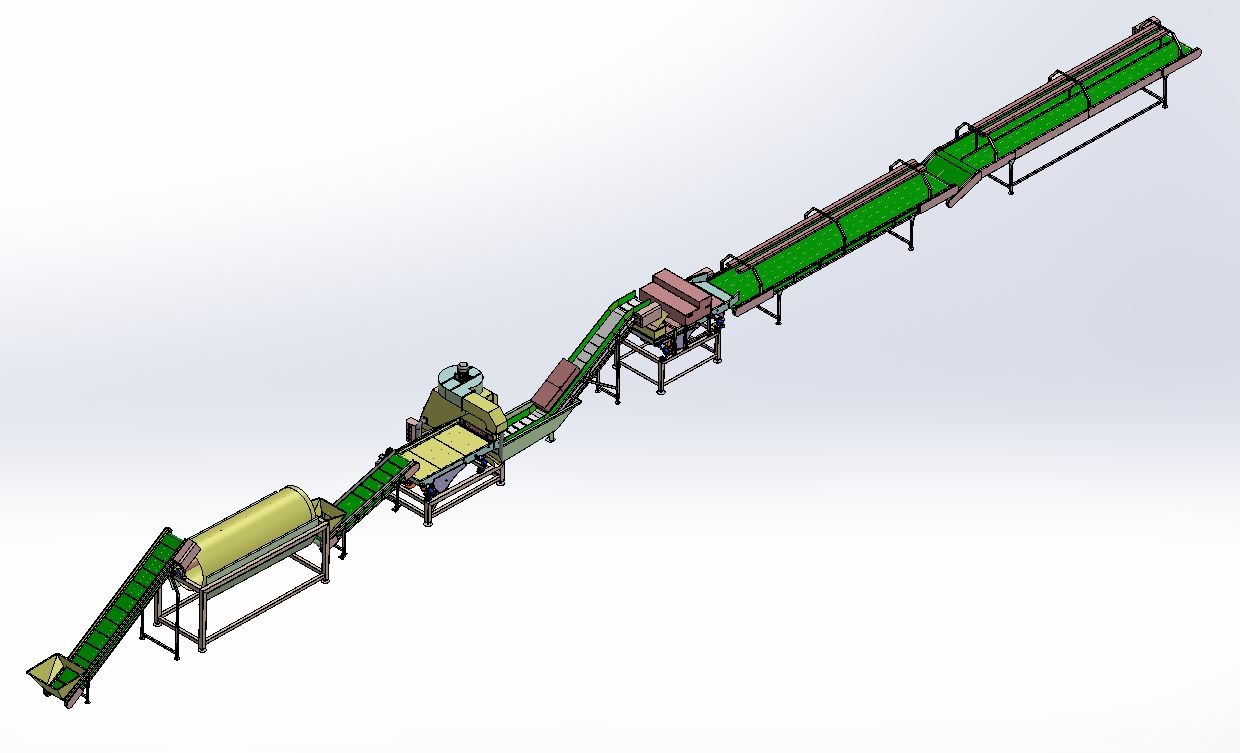
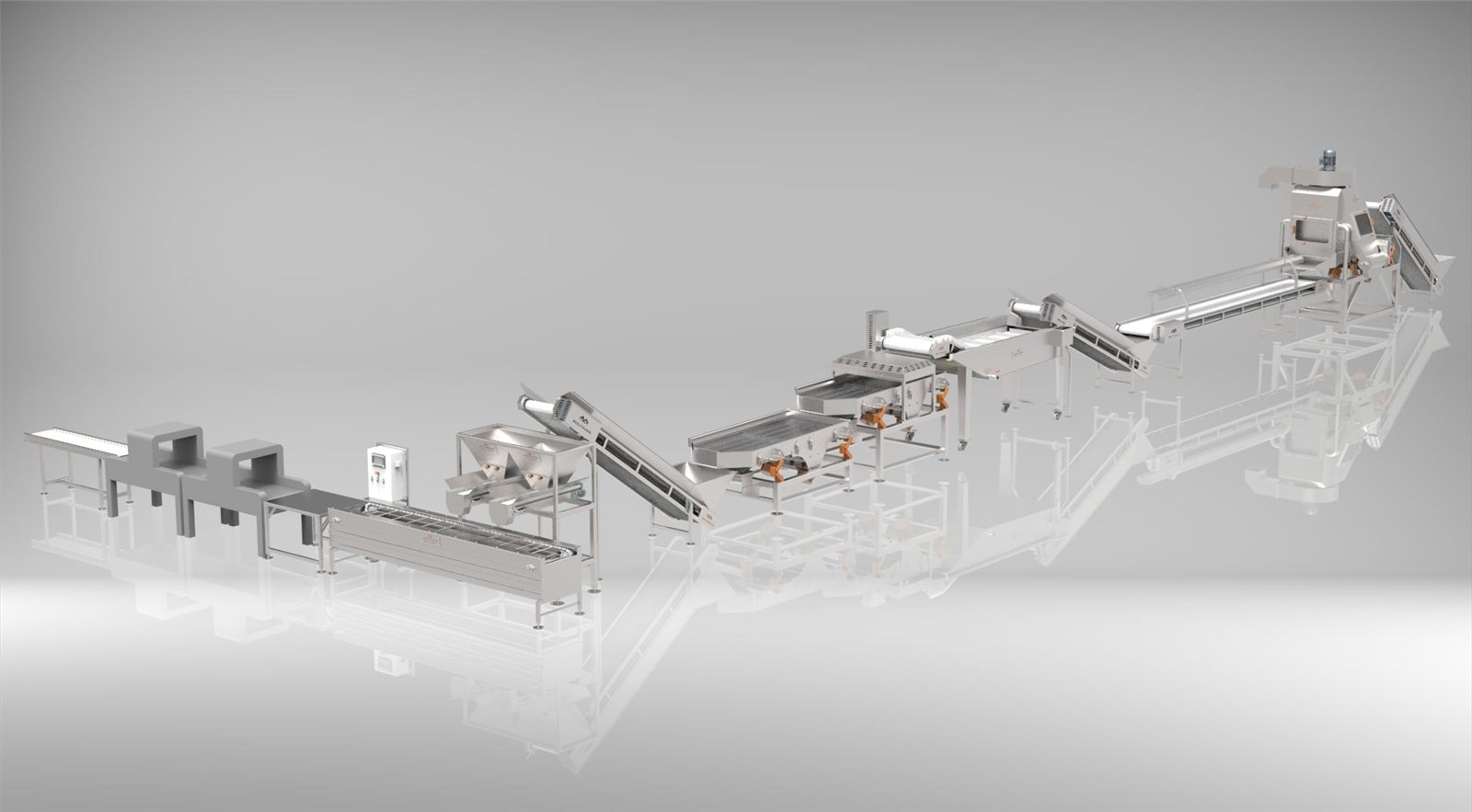
It is placed early, right after storage and before the stations that expect single fruit. On the Raisin Processing Line it is the stage that separates raisins caked together during storage, ahead of the aspirated shaker. On the Date Processing Line it separates dates that stuck together, again before the aspirated shaker and the pitting stage.
If the line calls for it, the machine can be mounted on top of the aspirated shaker. That choice saves floor space and makes the transfer short, but it should be judged on the project drawing together with the height of the feeding point. When the product is stuck together in a wet process instead, a different machine suits better: the Wet-Process Block Opening Conveyor separates it in water.
05
What about vibration, power and control?
The adjustable feet fix the machine to the floor and reduce shaking while it works. Reduced is the right word: a rotary breaker is not a vibration-free machine, and the feet are there to keep it steady, not to remove movement entirely.
Motor options at different power ratings are available, and the right one depends on the product and the quantity the line has to open. Capacity is defined per project. Control can be a PLC or independent operation: with a PLC the machine follows the rest of the line, while at a stand-alone point the operator runs it.
06
How is it cleaned?
The machine is easy to wash and clean, and that matters because sugary product leaves residue exactly where the breaker turns. Clean at the end of a shift and at a product changeover, protect the motor and electrical equipment from the water, and check that no fruit from the previous batch remains in the body before the next one is fed.
07
Next step
To decide the break for your own product, send us the product type, its moisture and how the blocks form. We will go through it with you on the quote page, and the exact motor, capacity and control are settled there together with the project drawing.