When a line needs to move faster, the first instinct is to speed up the pump. With a pump that carries product in water, that does not only raise throughput. It also raises the load the fruit has to take. This article looks at what sets the balance between flow rate and product damage.
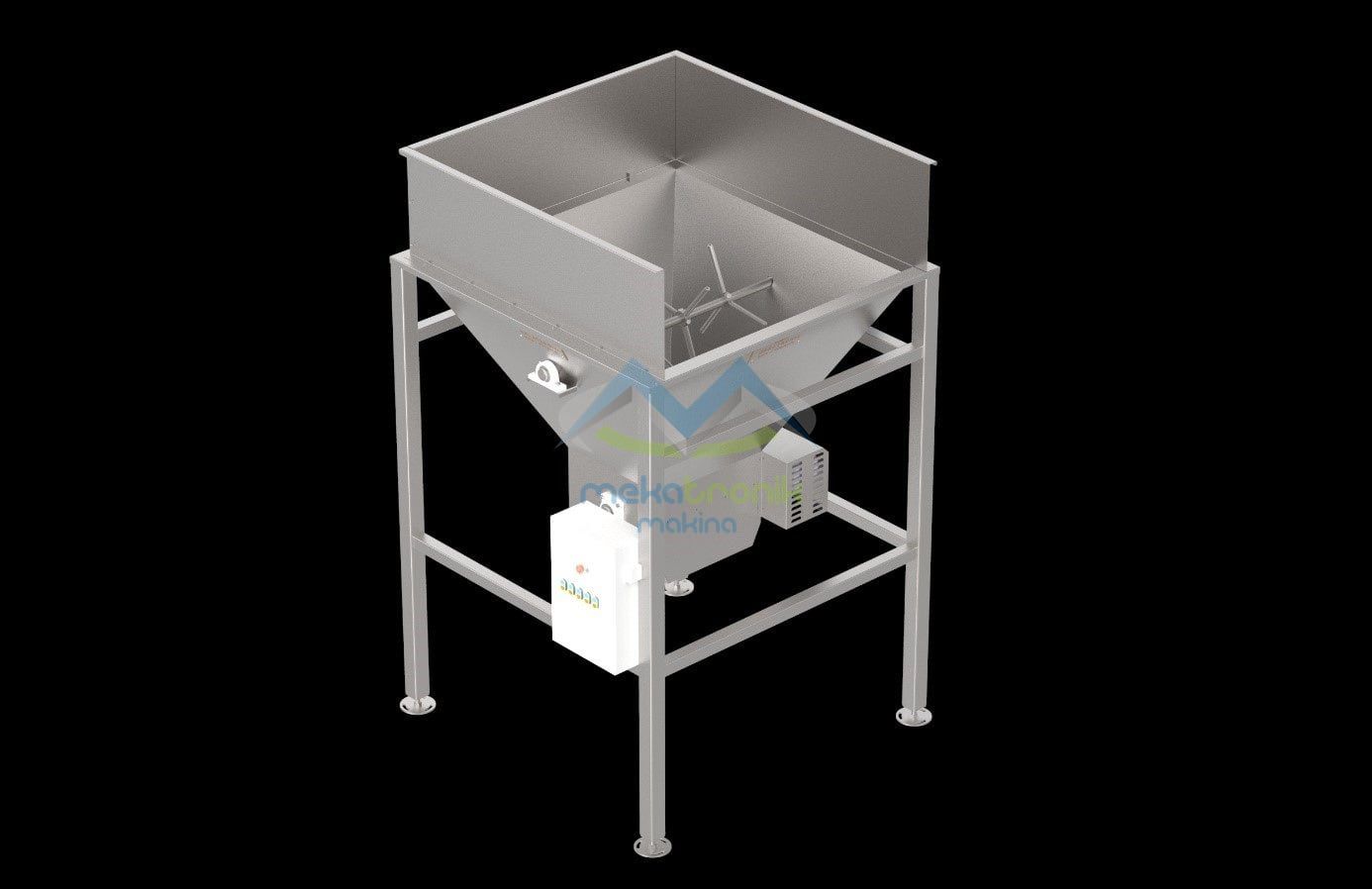
The Wet Product Transfer Pump washes the product that falls into its chamber with pressurised water, then delivers it through pipes to the cascade by volute pump. One machine therefore does two jobs: it removes dust and dirt stuck to the product, and it moves the product to the next station.
01
Why move product with water and pipes?
There is a practical reason. A pipe can reach points that a belt cannot, and it gives more freedom when the layout of a line is drawn. The price is that the product now travels through a pump instead of resting on a smooth surface, and that is where the question of damage begins.
02
Where does the load on the product come from?
For a delicate product such as raisins, the load comes from three sources that have to be considered together:
- 01The speed difference inside the pump housing and around the impeller that the product passes through
- 02The pipe route: every bend and every extra stretch of pipe adds effort for the product
- 03The ratio of product to water: when there is too little water and too much fruit, the pieces rub against each other and against the pipe wall
Raising the flow rate increases the quantity passing through per hour on paper. If the product is damaged on the way, that extra quantity comes back as damaged fruit that has to be sorted out further down the line.
03
What is decided when the project is specified?
The balance between flow and damage is not a single setting. It is built in the project by fixing several elements together. The values used depend on the product and the target capacity, and exact figures are finalised in the quote.
| Element | What changes when flow goes up | How it is handled in the project |
|---|---|---|
| Water volume | Less water per unit of product if the feed is not adjusted | Water volume is matched to the target capacity so the fruit stays suspended |
| Pipe route | Bends and long runs add effort | The route is kept as short and as direct as the layout allows |
| Feed evenness | Bursts of product overload the chamber | The feed into the chamber is made as even as possible |
| Pump choice | A pump forced beyond its range hurts the product | The volute pump is sized for the product and the capacity |
04
Why does an uneven feed matter so much?
A pump that receives product in bursts alternates between running almost empty and running overloaded. In the first case the fruit hits hard surfaces with little water around it. In the second the water cannot carry the batch, and pieces pile up. Feeding the chamber at an even rate is often a cheaper fix than changing the pump.
05
How does washing fit into the transfer?
The pressurised water that washes the product in the chamber is part of the same stage. That is useful because dust and dirt are removed before the product reaches the cascade. It also means the water in this stage needs to be kept clean and renewed on a schedule set by the plant, since it works on every batch that passes through.
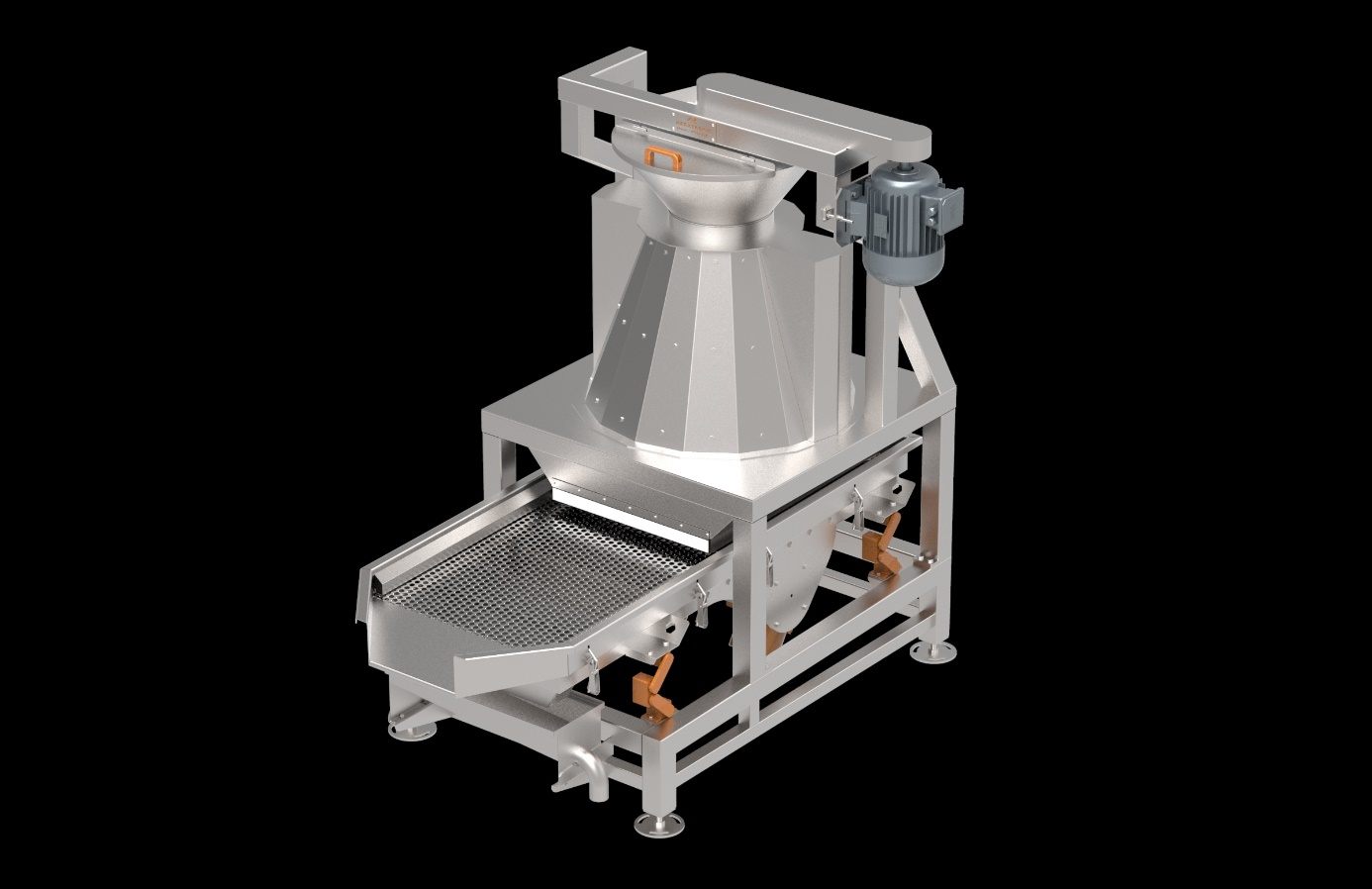
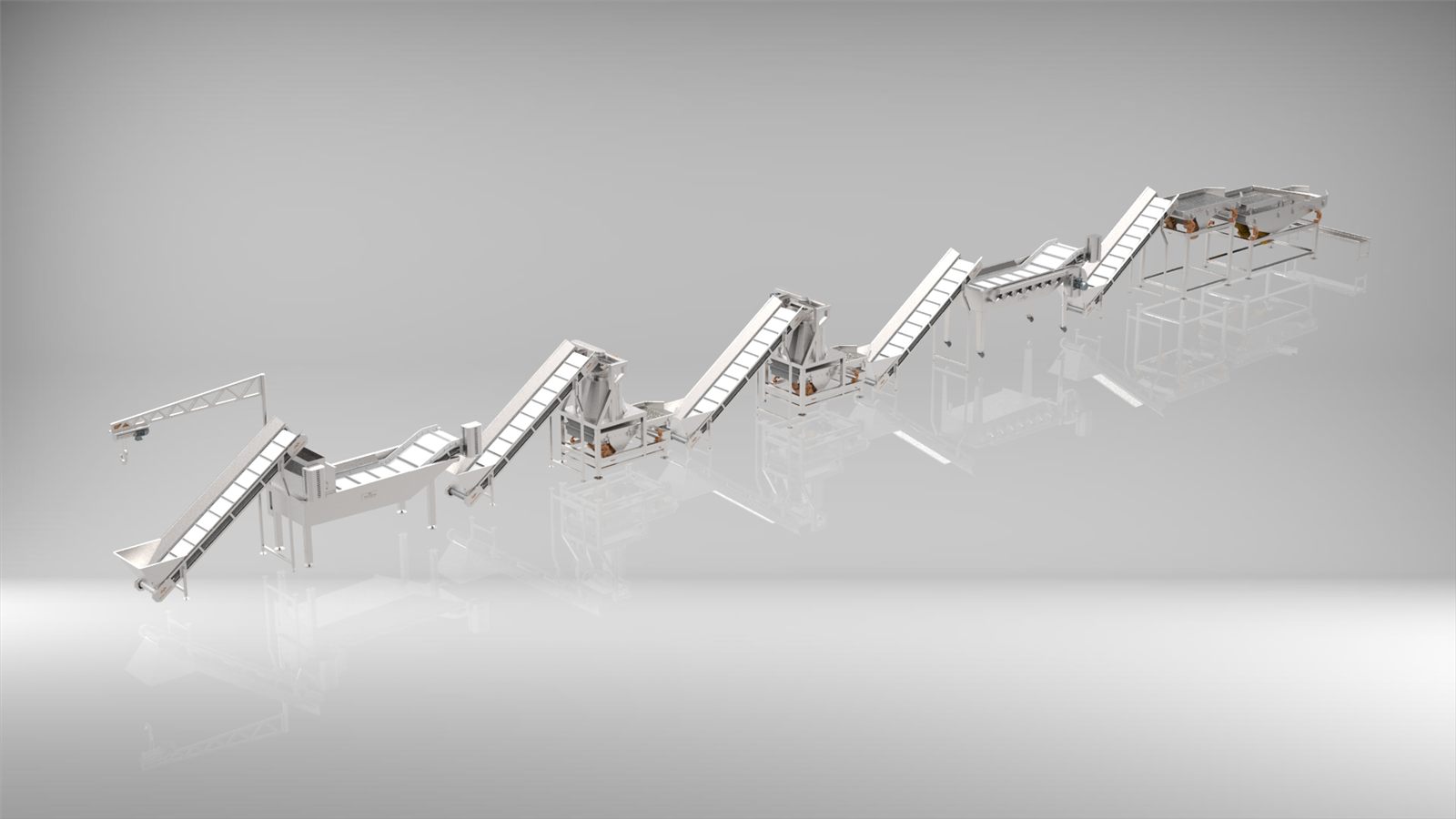
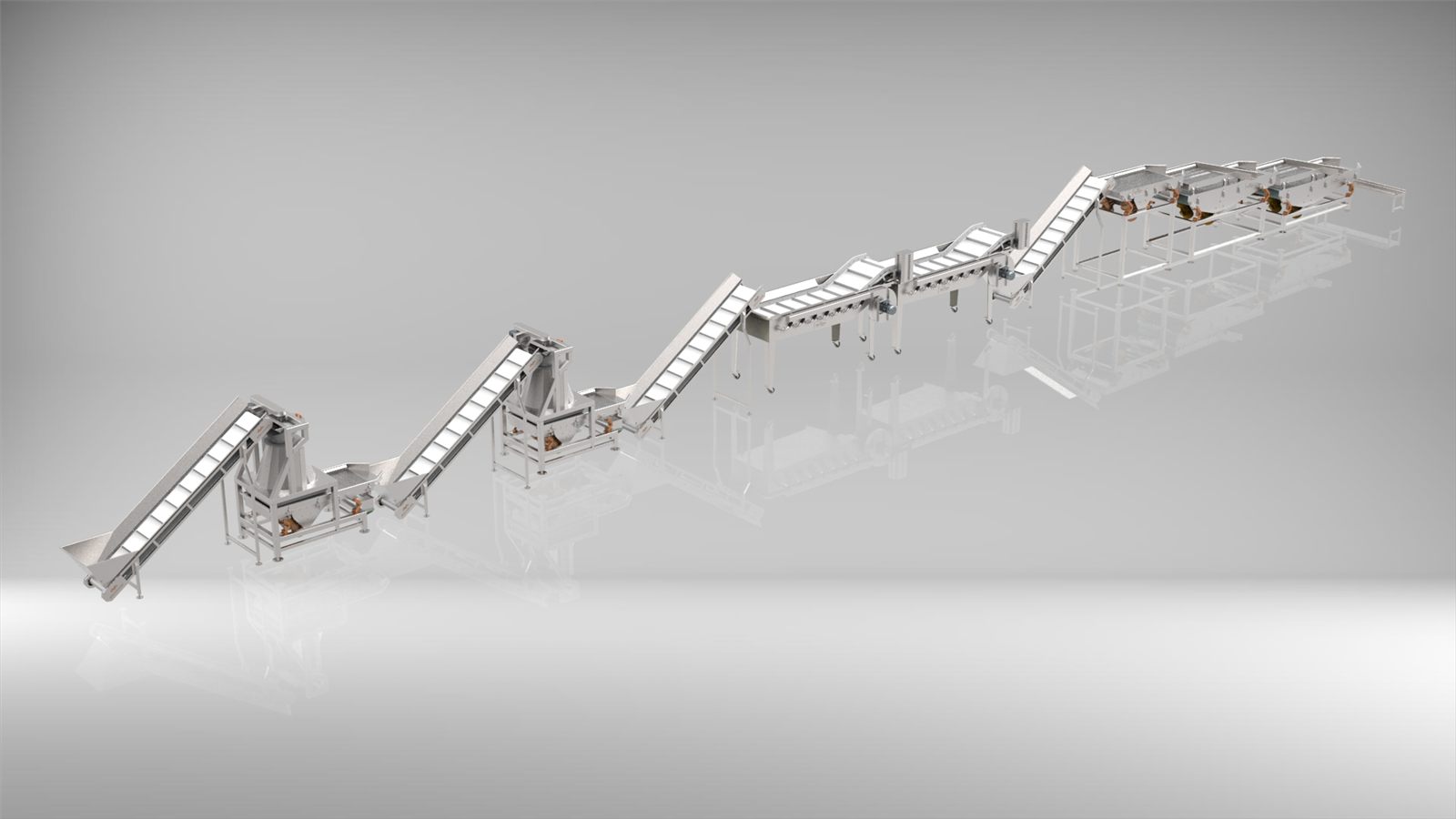
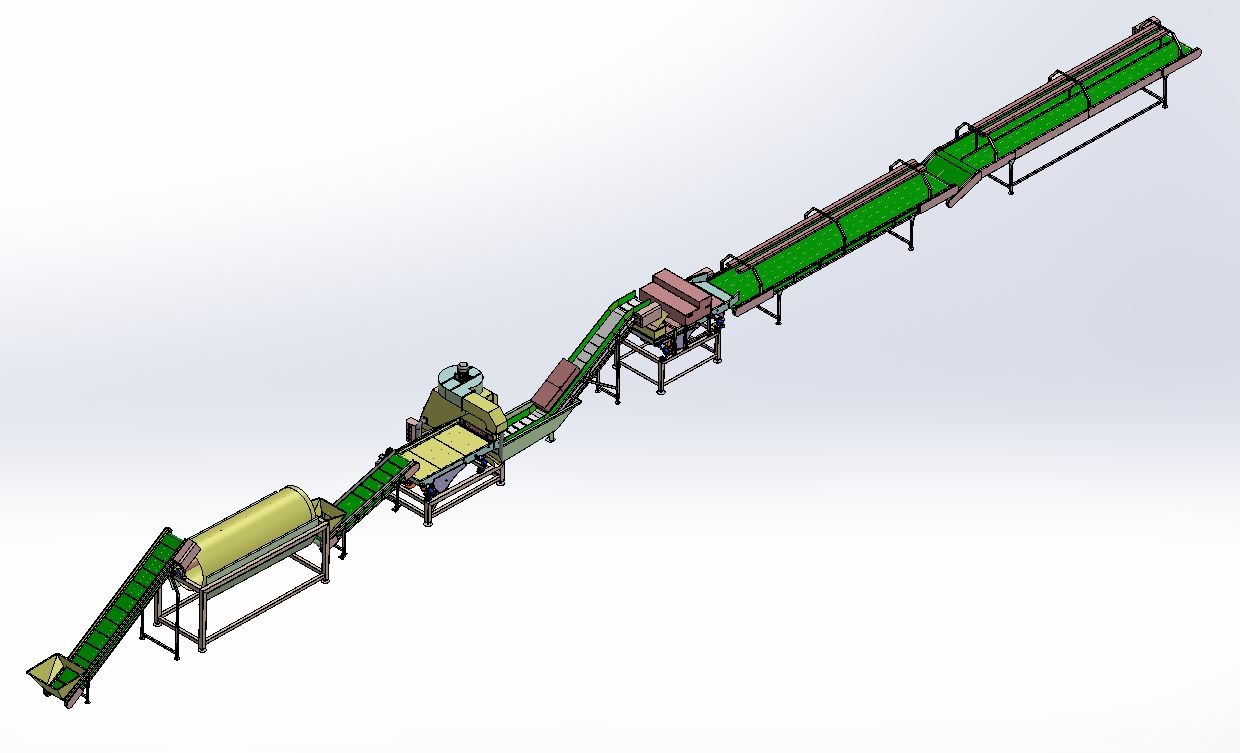
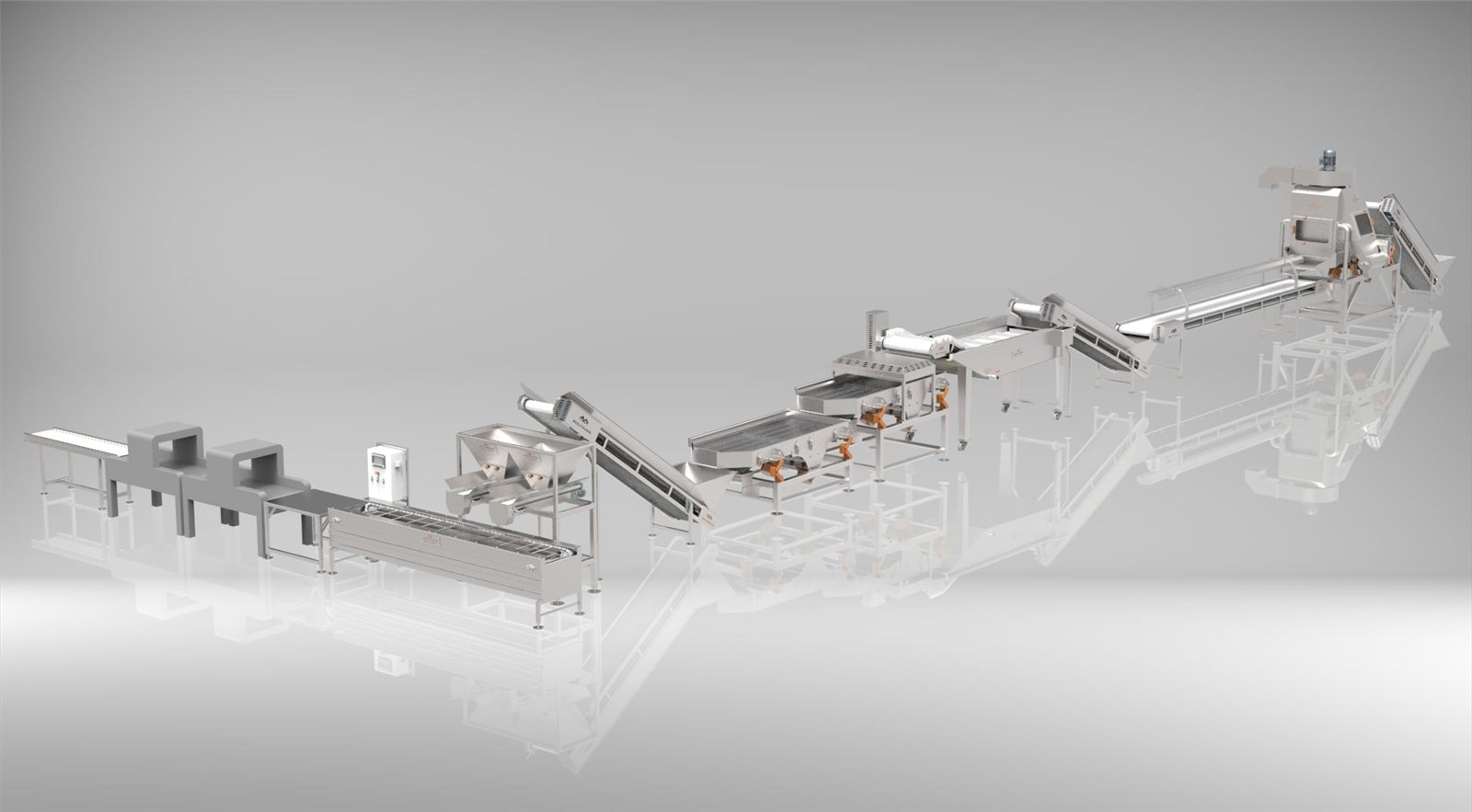
The delivery point matters too. The pipe ends on the Stone and Sand Separation Cascade, so the pump and the cascade should be specified together: what leaves the pipe is exactly what the cascade must handle.
06
What should you check on the line?
- 01Look at the product after the pump and compare it with the product before it: broken, split or bruised pieces tell you more than a flow figure does
- 02Watch whether the feed into the chamber is steady or arrives in lumps
- 03Check that the water in the chamber stays clear enough to do its washing job
- 04Review the pipe route for bends that could be removed in a later revision
- 05Record the settings that gave the best result for each product, so the next changeover starts from a known point
07
Is there a single correct flow rate?
No. The right figure depends on the product, its condition, and the capacity the plant wants to reach. That is why this machine is quoted per project. The product-contact surfaces are AISI 304 stainless steel, with AISI 316 optional depending on the process, and the machine can run under PLC control or independently.
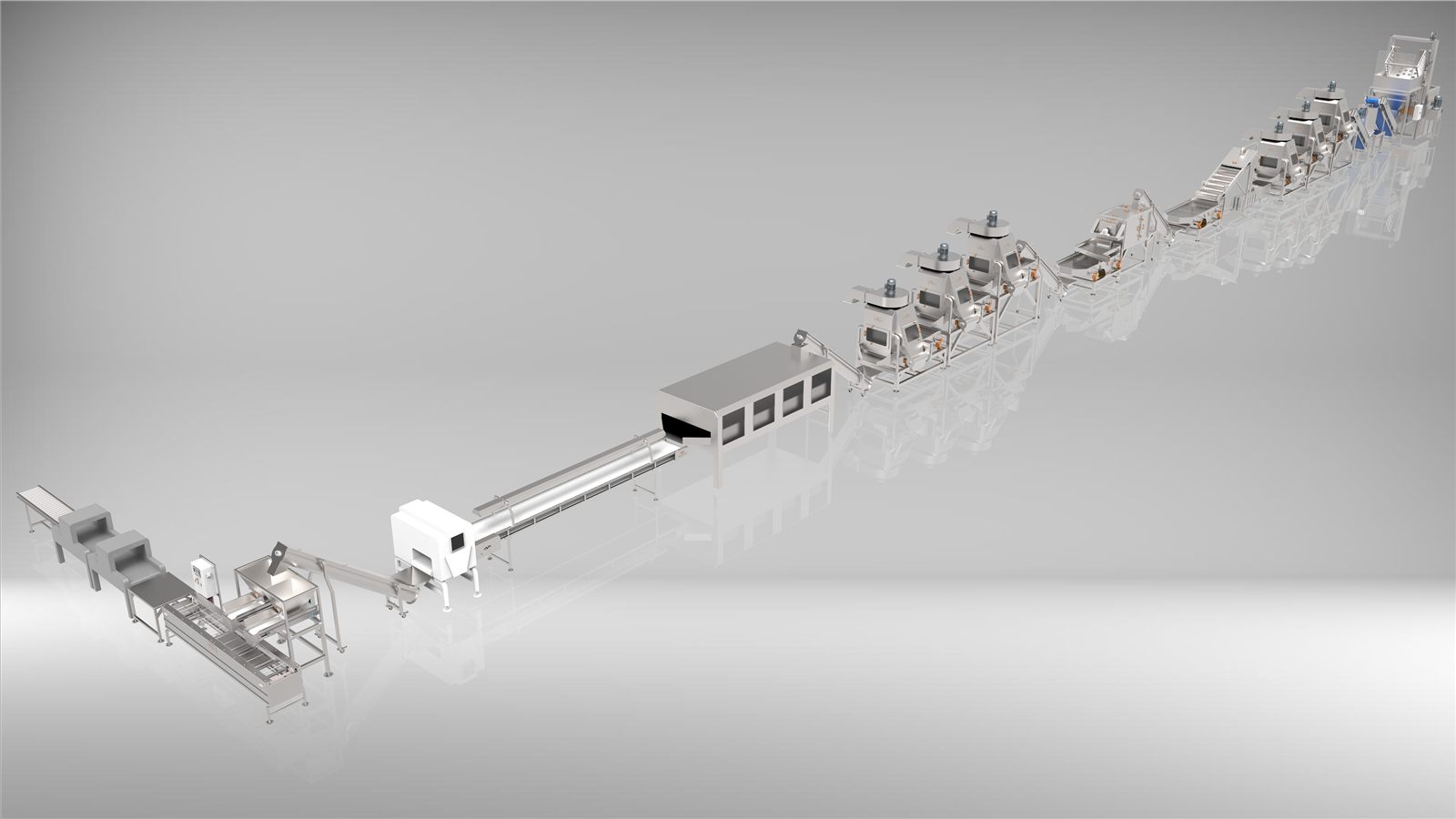
Next step: send us your product, target capacity and facility dimensions through the quote page. If your plant processes raisins, the Raisin Processing Line page shows where the pump sits in the whole flow.