
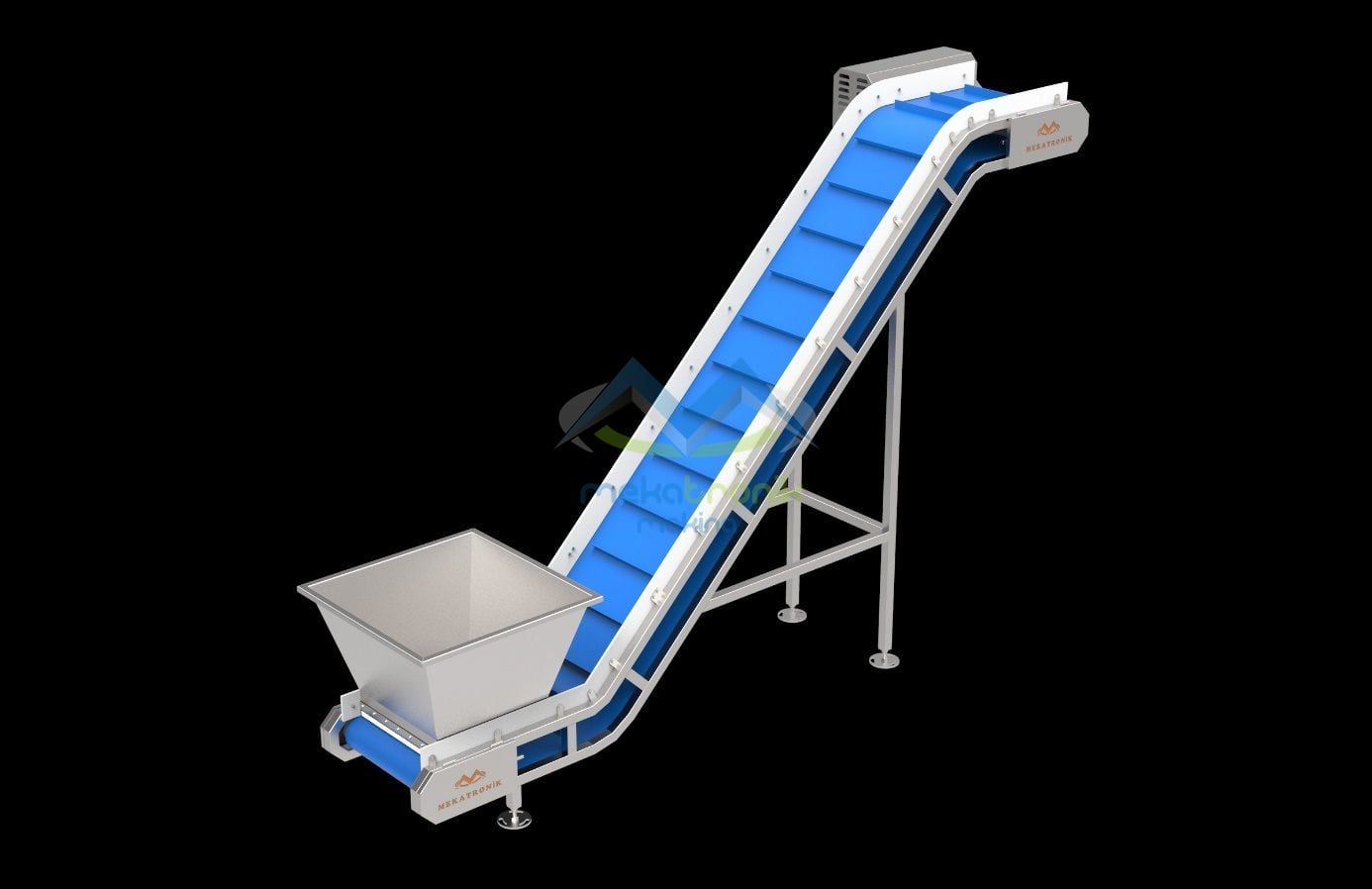
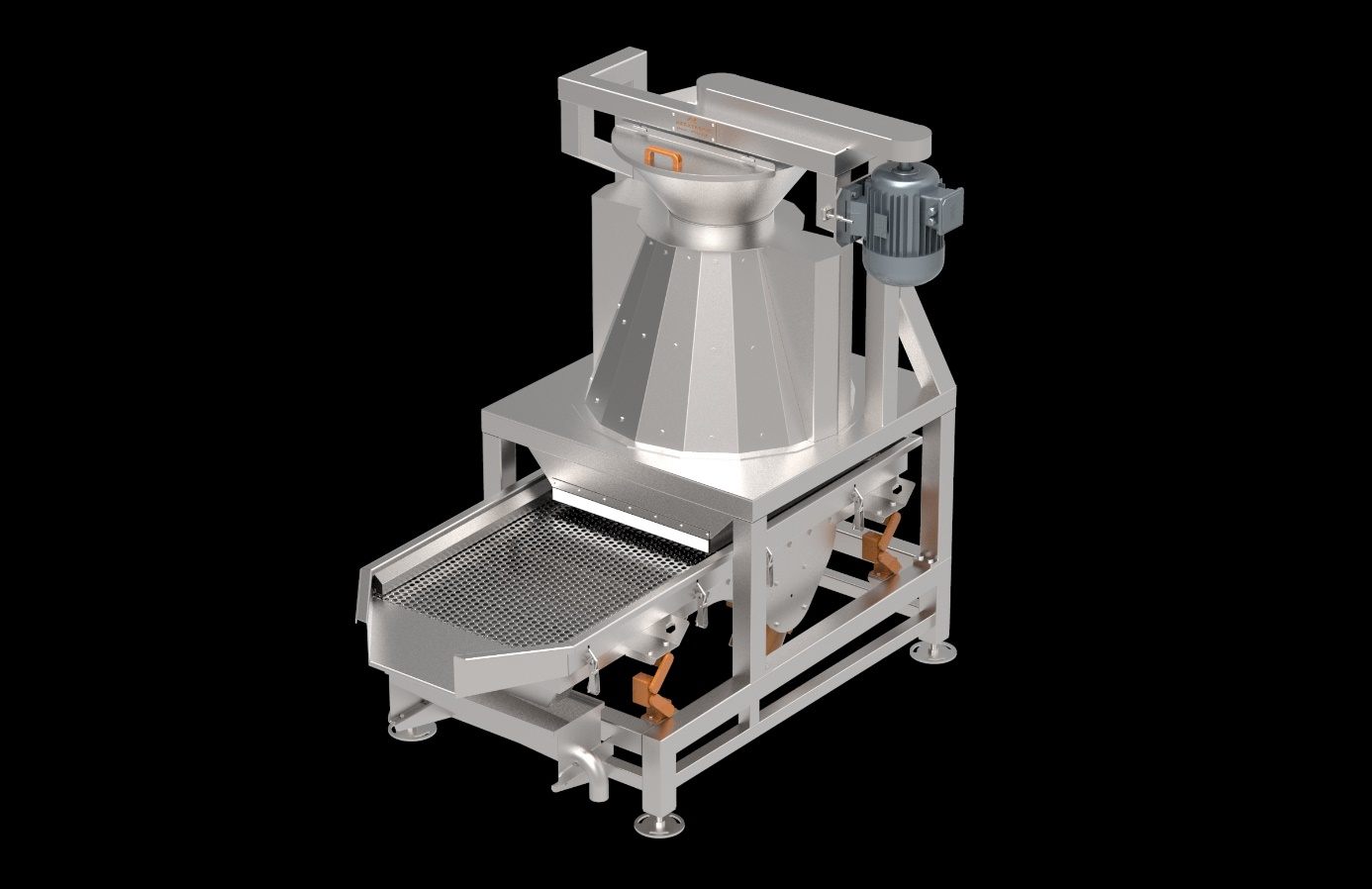
In dried fruit production, one of the stages that decides product quality is a correct and controlled washing process. Dried apricots, figs, dates, tomatoes and prunes have different surface characteristics, so the washing system has to be designed for the product. The food-grade, stainless, brush and wet washing machines built by Mekatronik Makina are integrated into production lines according to the product structure and the required capacity.
01
What is a food-grade brush washing machine?
A food-grade brush washing machine is an industrial washing system that cleans the product with water and the mechanical action of brushes. In dried fruit plants it is used to remove dust, sand and similar unwanted residues from the product surface.
In a wet brush washing system, rotating brushes act on the product while it moves through the machine, and water is applied at the same time. Brush structure, rotation speed, water quantity and the time the product spends inside the machine are set according to the product. This is why the same basic stainless brush washing machine can be configured for different process requirements.
02
Why does stainless construction matter?
Hygiene and cleanability are critical in food processing equipment. For this reason, the product contact areas of a dried fruit washing machine are made from materials suited to food processing: contact surfaces are AISI 304 stainless steel, with AISI 316 available depending on the process.
In wet washing machines that run on water continuously, stainless construction brings corrosion resistance, durability and cleanability. Mekatronik Makina's food-grade stainless washing machines are engineered so that they can be integrated into different stages of a dried fruit production line.
03
How does the brush and wet washing system work?
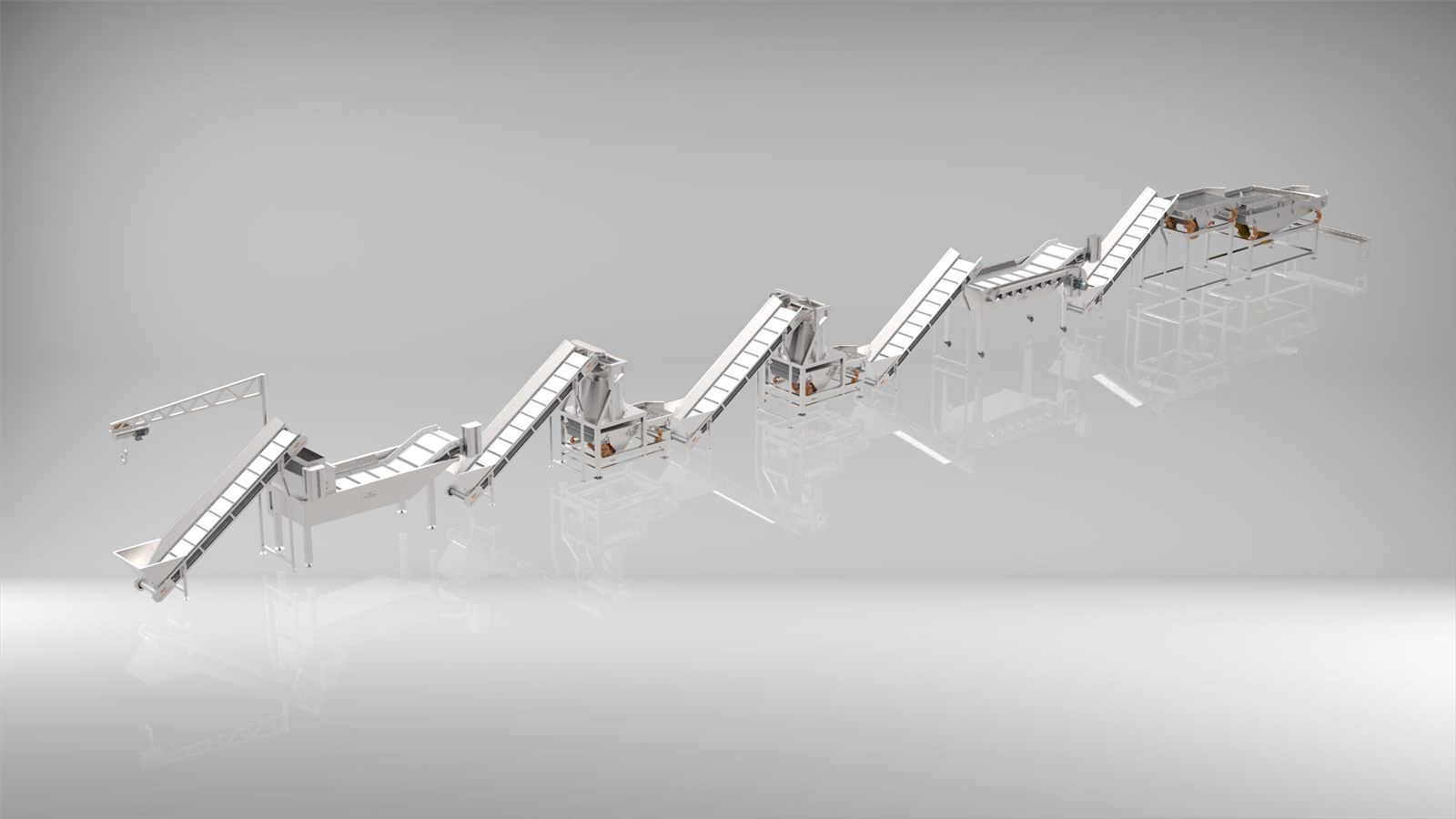
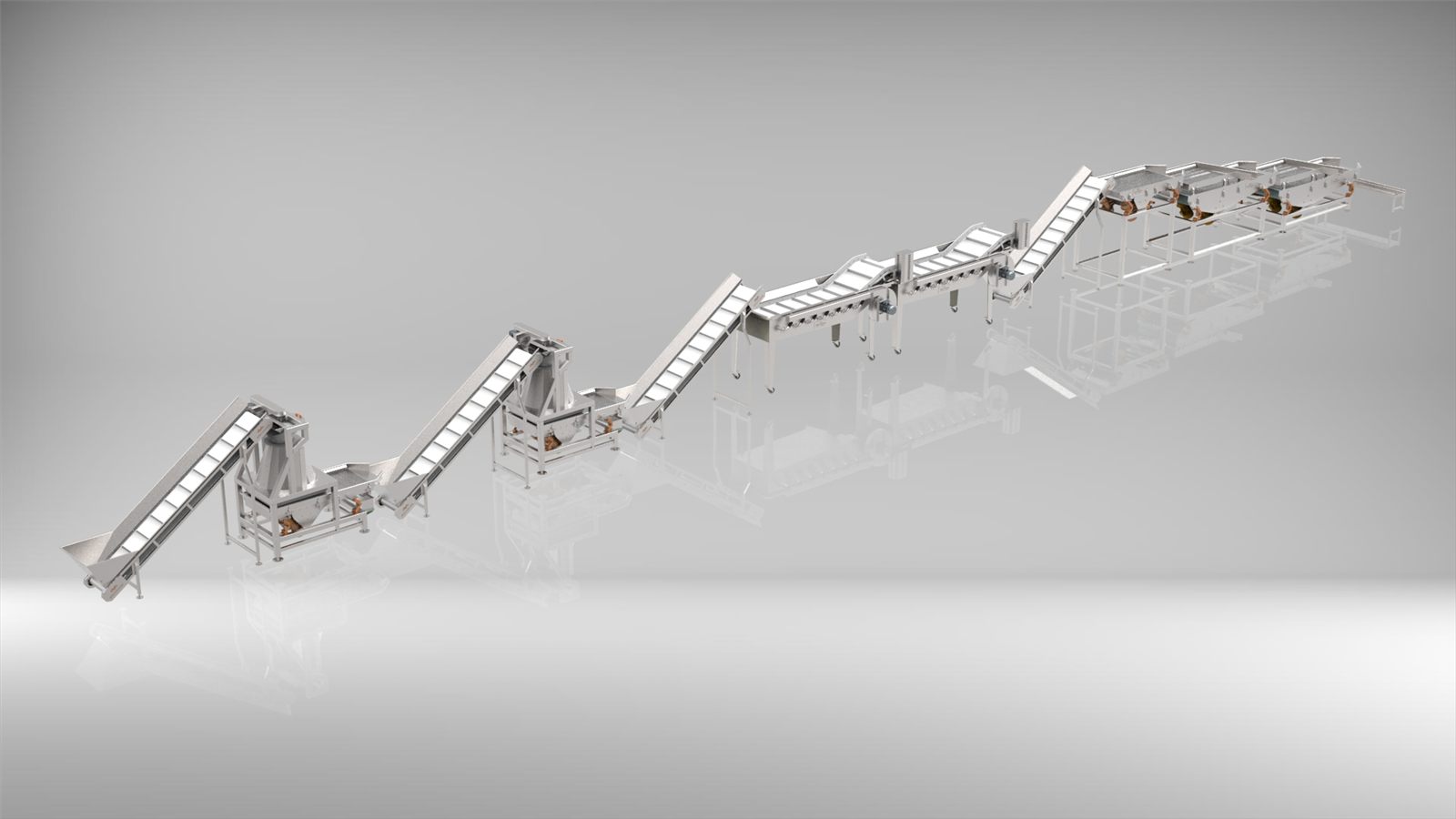
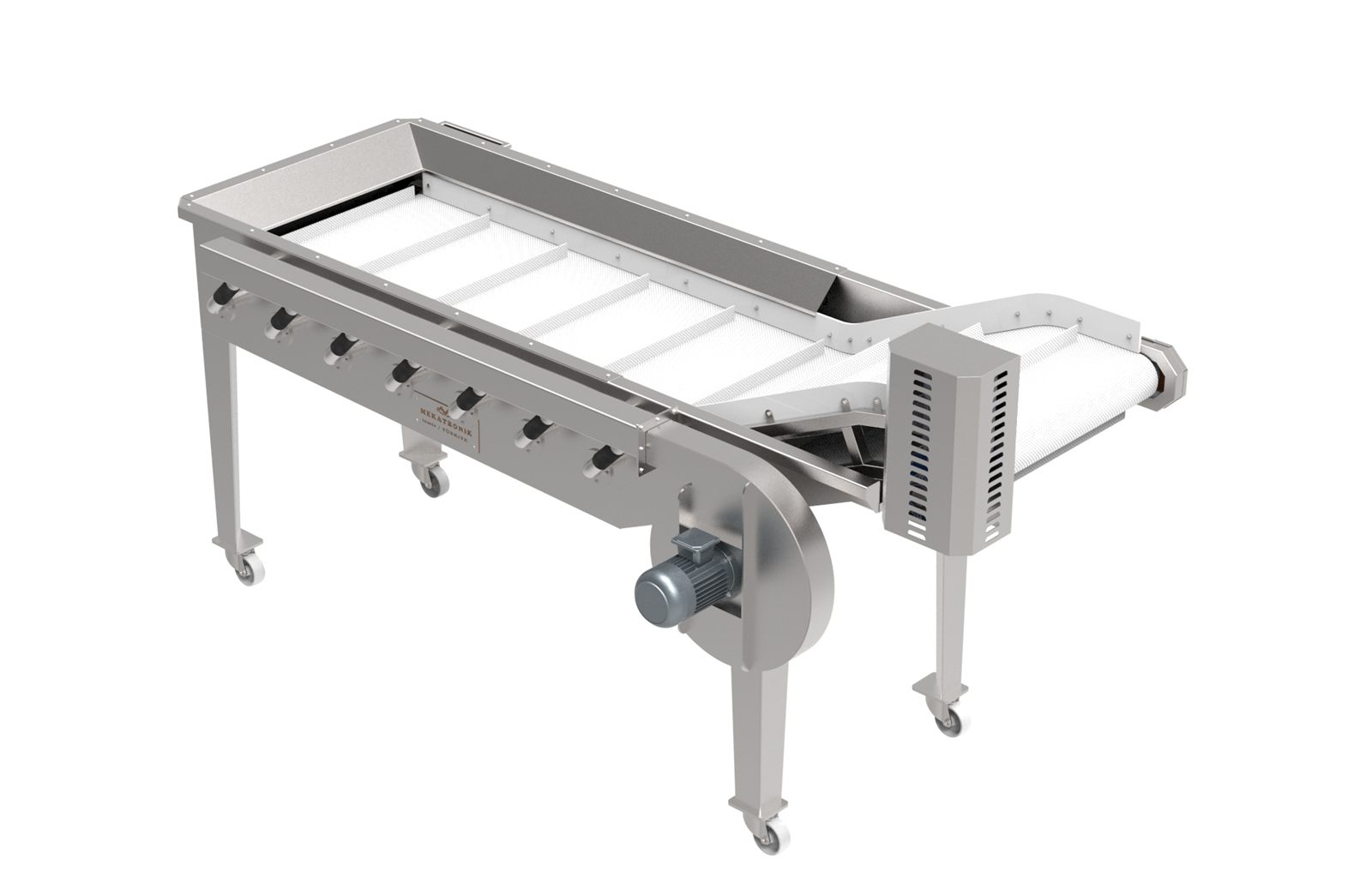
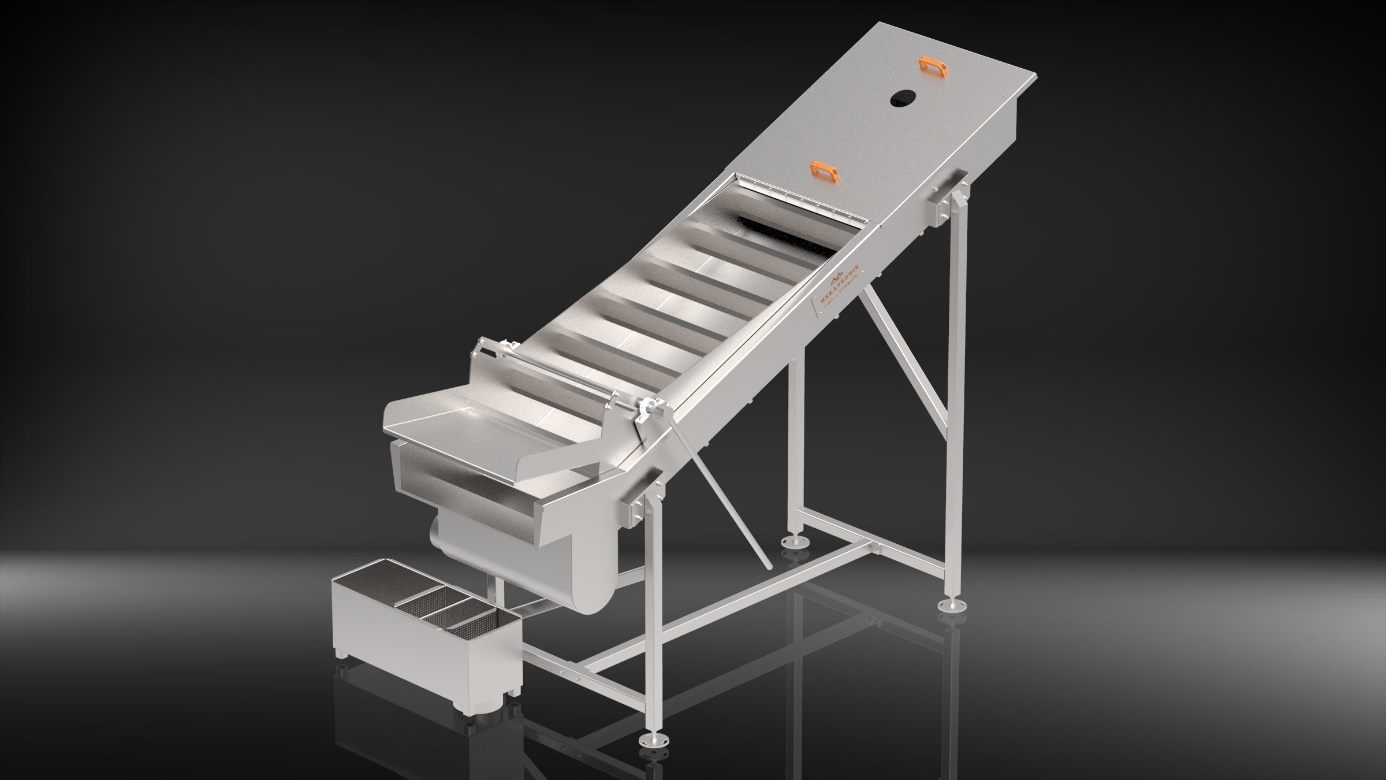
A wet brush washing machine combines two cleaning effects in one process. Water helps remove dirt from the surface, while the brush system creates a controlled mechanical movement on the product. As the product advances, its different surfaces come into contact with the brushes and the water. In a line, brush washing usually works together with the universal washing machine (jacuzzi): the jacuzzi washes with air bubbles and adds moisture to the product, and the brush unit completes the surface cleaning.
Not every dried fruit can be washed the same way, however. The brush structure and running speed that suit apricots may not suit a delicate fig or a date with a different surface. Product characteristics therefore come first when choosing an industrial dried fruit washing machine.
04
How is the machine configured for each dried fruit?
Brush hardness, brush geometry, rotation speed, water application, product travel speed and machine capacity are all set according to the dried fruit being processed. The main points per product can be summarised as follows:
| Product | What decides the washing setup | Stage after washing |
|---|---|---|
| Dried apricot | Controlled surface cleaning; it sets the quality of the following stages | Dewatering, sizing, cutting or filling |
| Dried fig | Delicate surface; protecting the fruit structure rather than washing harder | Sorting, grading, packing |
| Date | Hardness, moisture and size vary with the variety | Surface water removal, sizing, pitting or packing |
| Sun-dried tomato | Water and mechanical action optimised for the surface structure | Controlled removal of surface water |
| Prune | Reducing foreign matter and surface residues | Dewatering, sizing, inspection, packing |
For dried apricots, washing matters for the quality of the stages that follow; in the dried apricot washing line the brush unit runs with brushing and water settings matched to the product. Dried figs need controlled handling because of their surface structure; in the dried fig washing line brush washing prepares the fruit for sorting, grading and packing.
Dates show different surface characteristics depending on the variety and moisture content, so the date washing line is designed around the hardness, moisture, size and end use of the fruit. For sun-dried tomatoes, the controlled removal of the surface water left after washing is an important part of the process. For prunes, the brush, wet and stainless washing system can be built as a complete line in which washing, surface water removal, sizing, inspection and packing machines work together.
05
What should you check when choosing a food-grade washing machine?
Looking only at hourly capacity is not enough when choosing a dried fruit washing machine. The following points are assessed together:
- 01Product type, initial moisture, sensitivity and surface structure
- 02The required level of cleaning and the process applied after washing
- 03Cleanable design and the material of the product contact surfaces
- 04Water drainage and the cleanability of the brushes
- 05Maintenance access and how the product moves inside the machine
A good washing system does not just clean the product; it builds a controlled process that avoids unnecessary product damage. Capacity and operating values depend on the project, and the exact figures are settled in the quotation.
06
Complete dried fruit washing and processing lines
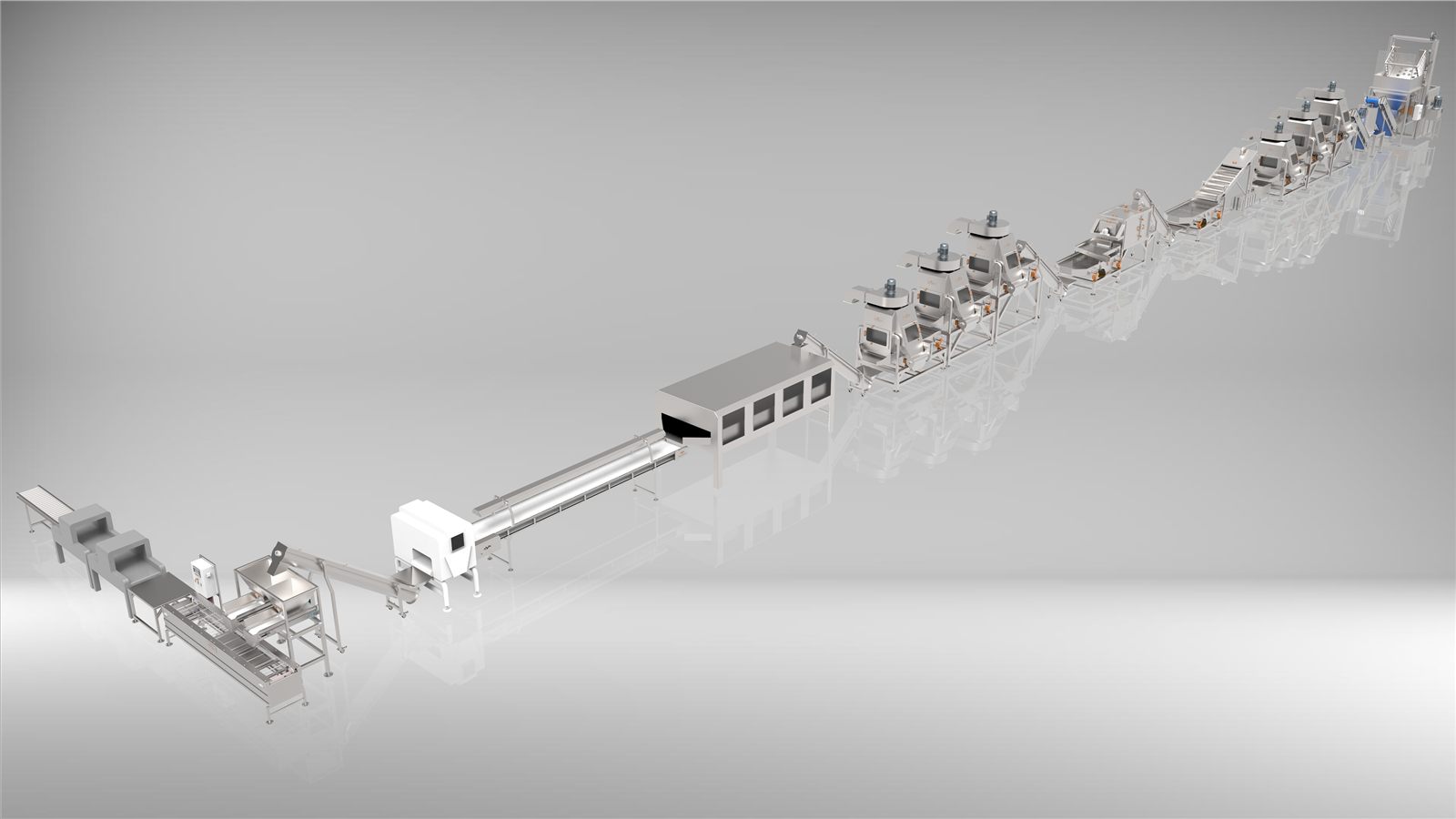
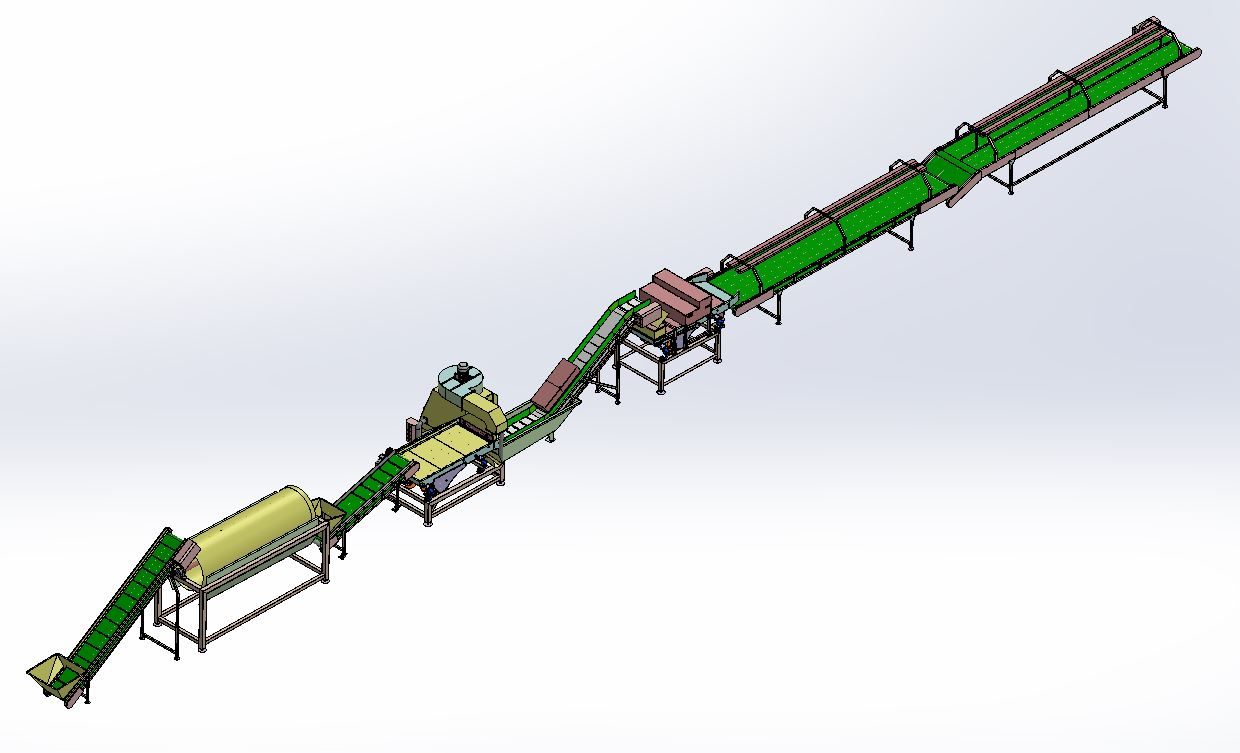
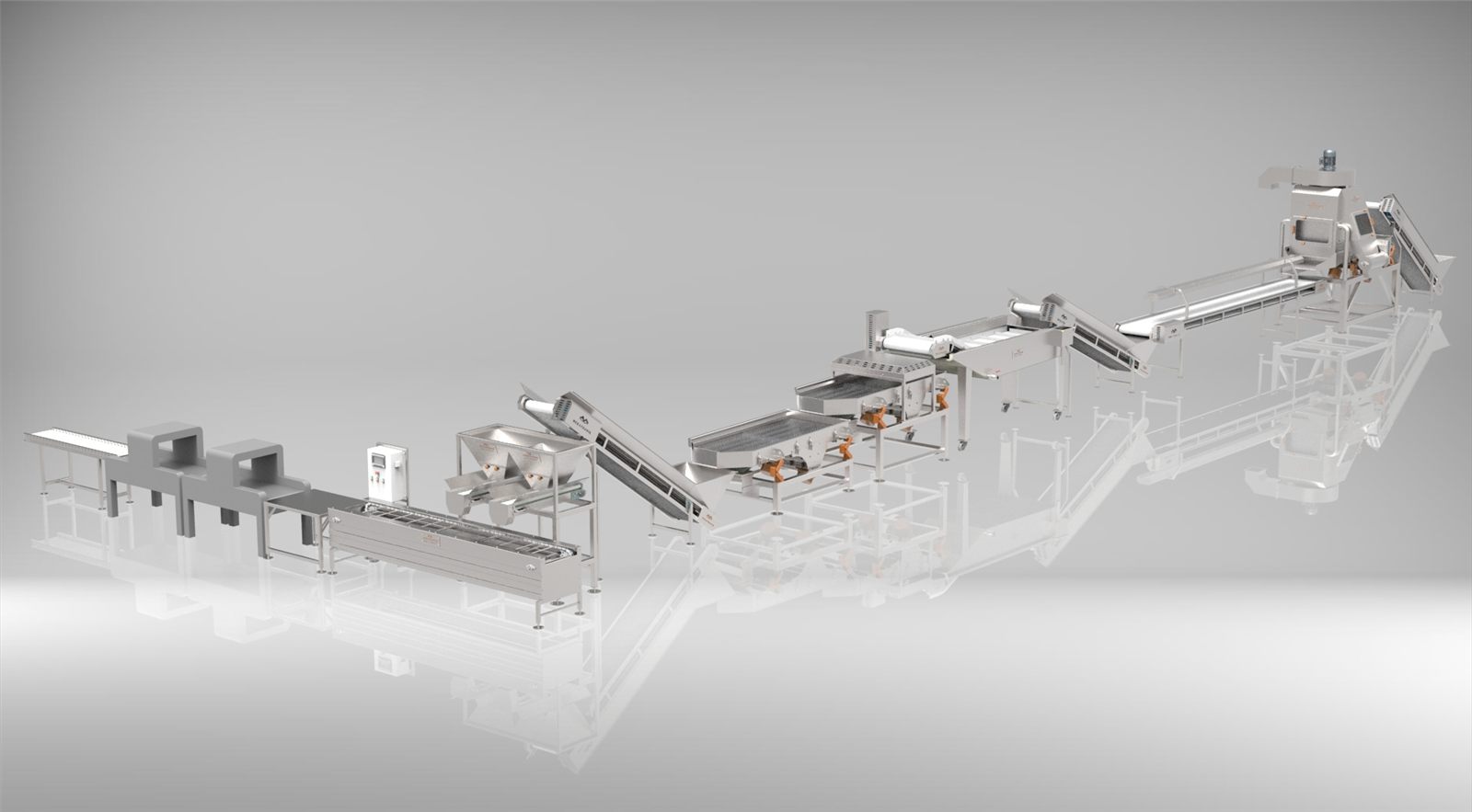
In plants working at industrial scale, the brush washing machine is rarely used on its own; it works as part of a complete dried fruit processing line. Depending on the product and the plant, the process can be built from feeding, aspiration, stone and sand separation, wet washing, brush washing, surface water removal, sizing, sorting and packing stages. This is how product-specific lines are set up for apricots, figs, dates, tomatoes, prunes and other dried fruits.
Since 1992 Mekatronik Makina has been developing food-grade, stainless, brush and wet washing machines and complete processing lines for the dried fruit sector, with more than 2,000 machines in the field in 22 countries. Whether the product is apricot, fig, date, tomato, prune or another dried fruit, the machine and the line are engineered around the product characteristics, the target capacity and the plant process. To discuss the right configuration for your product and capacity, you can reach us through the quotation page.