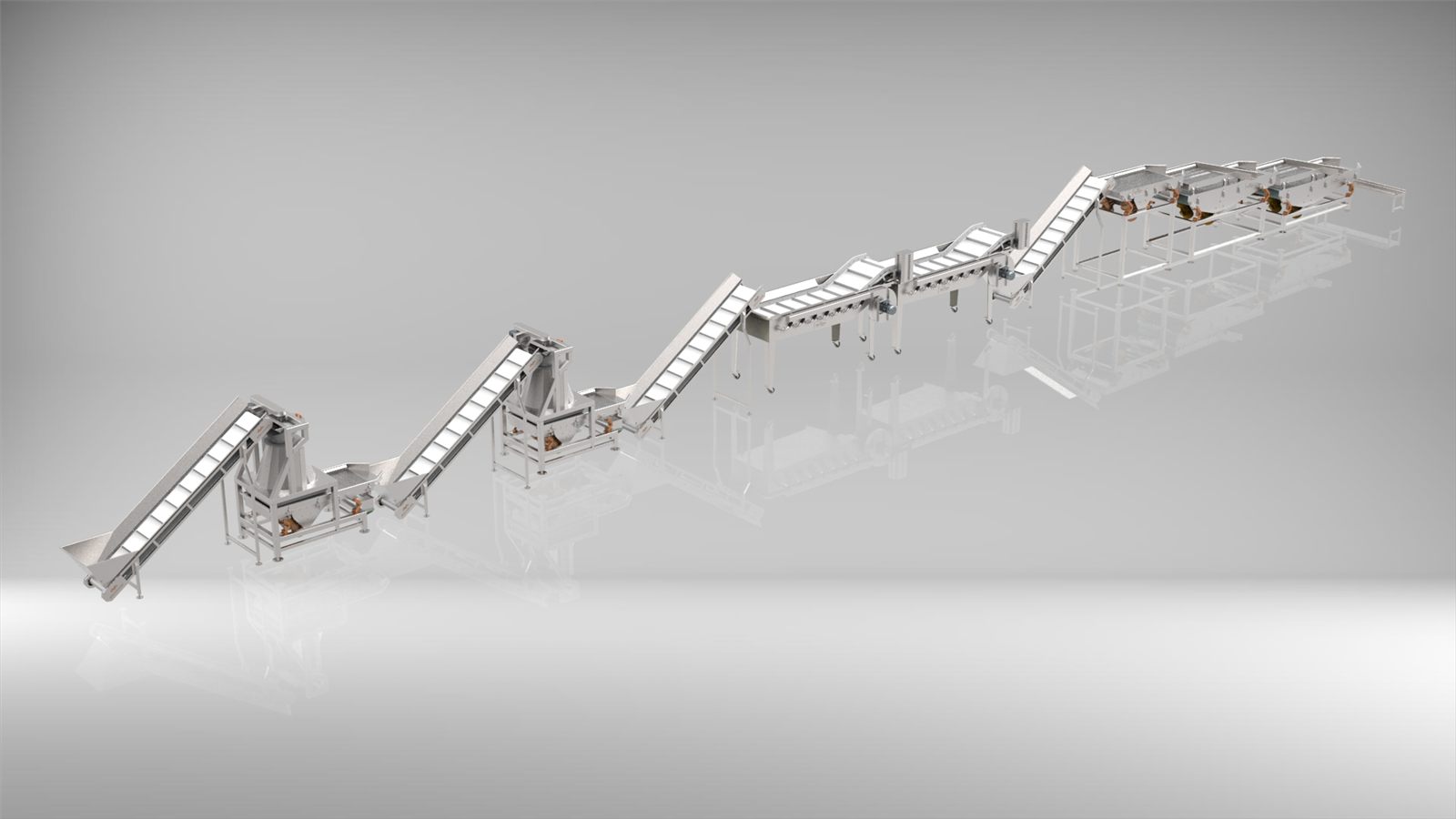
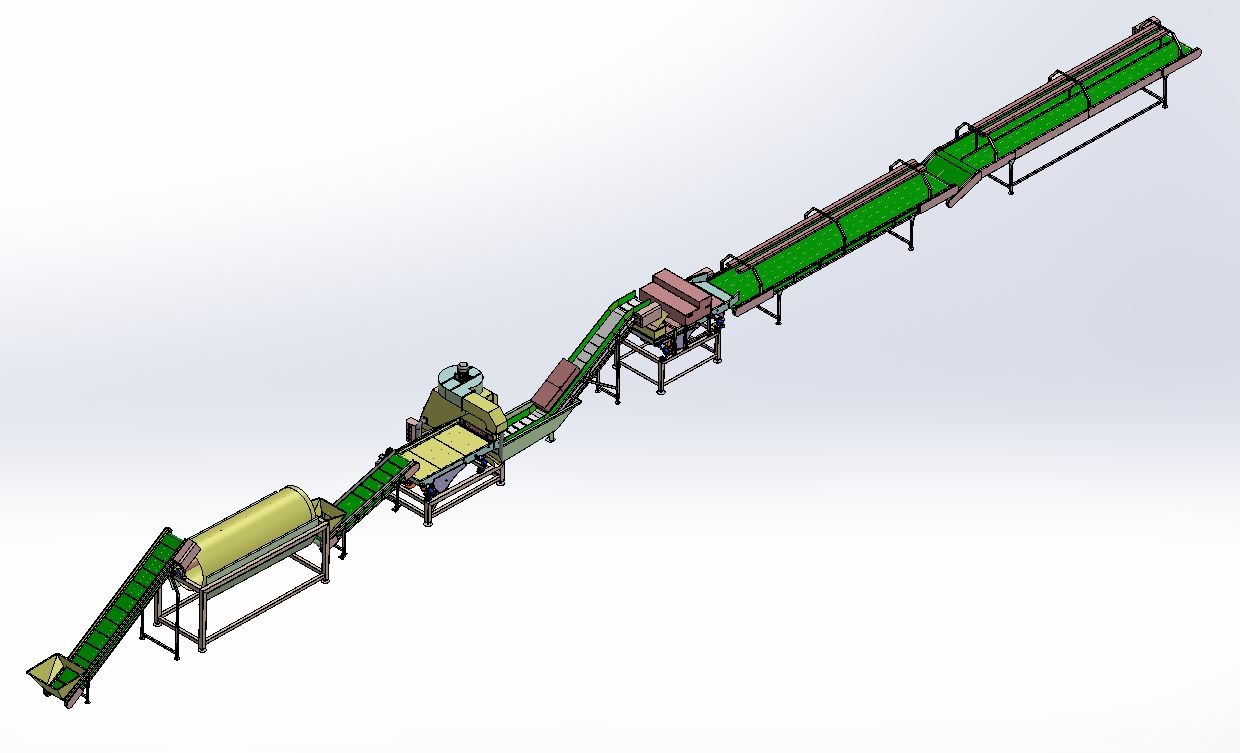
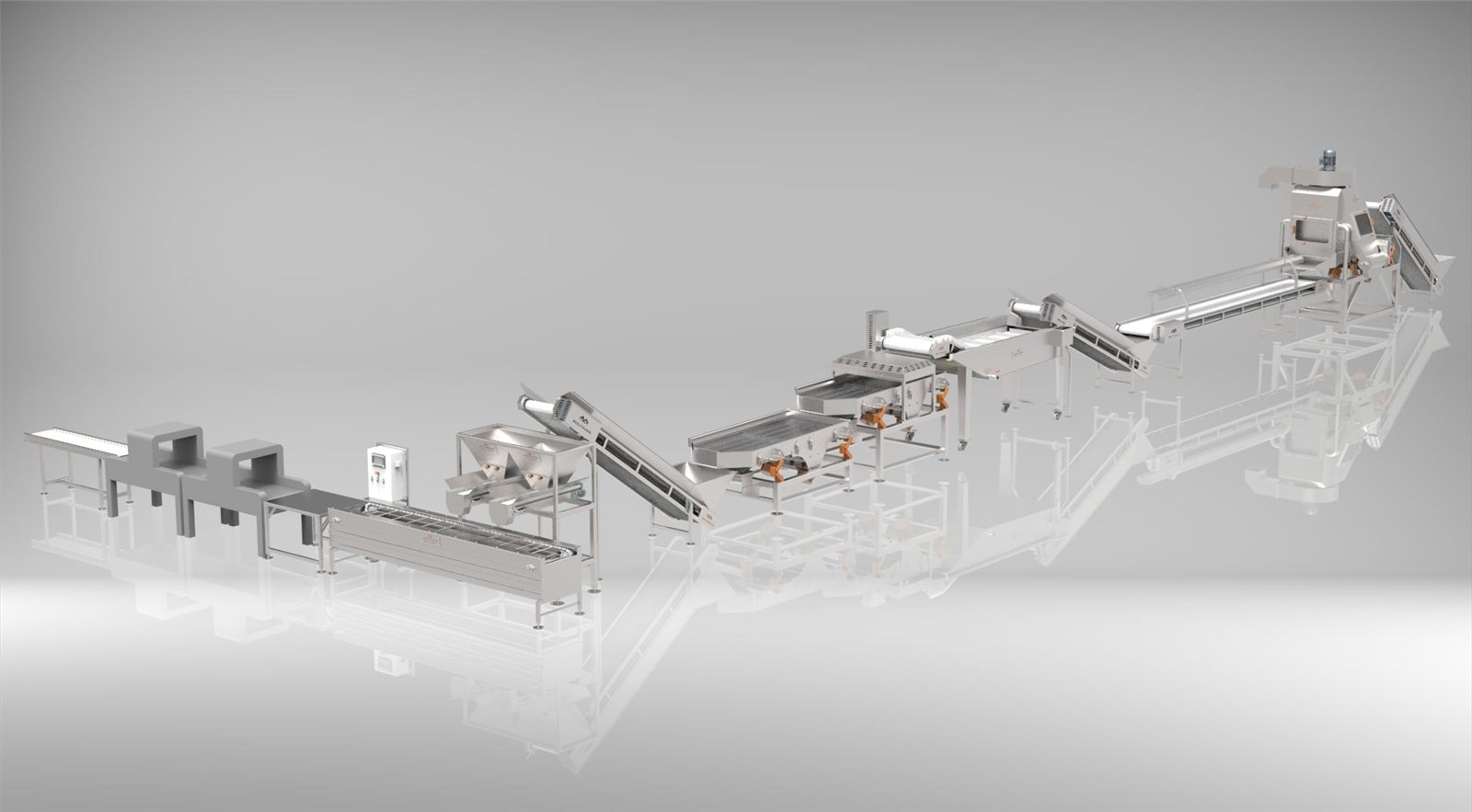
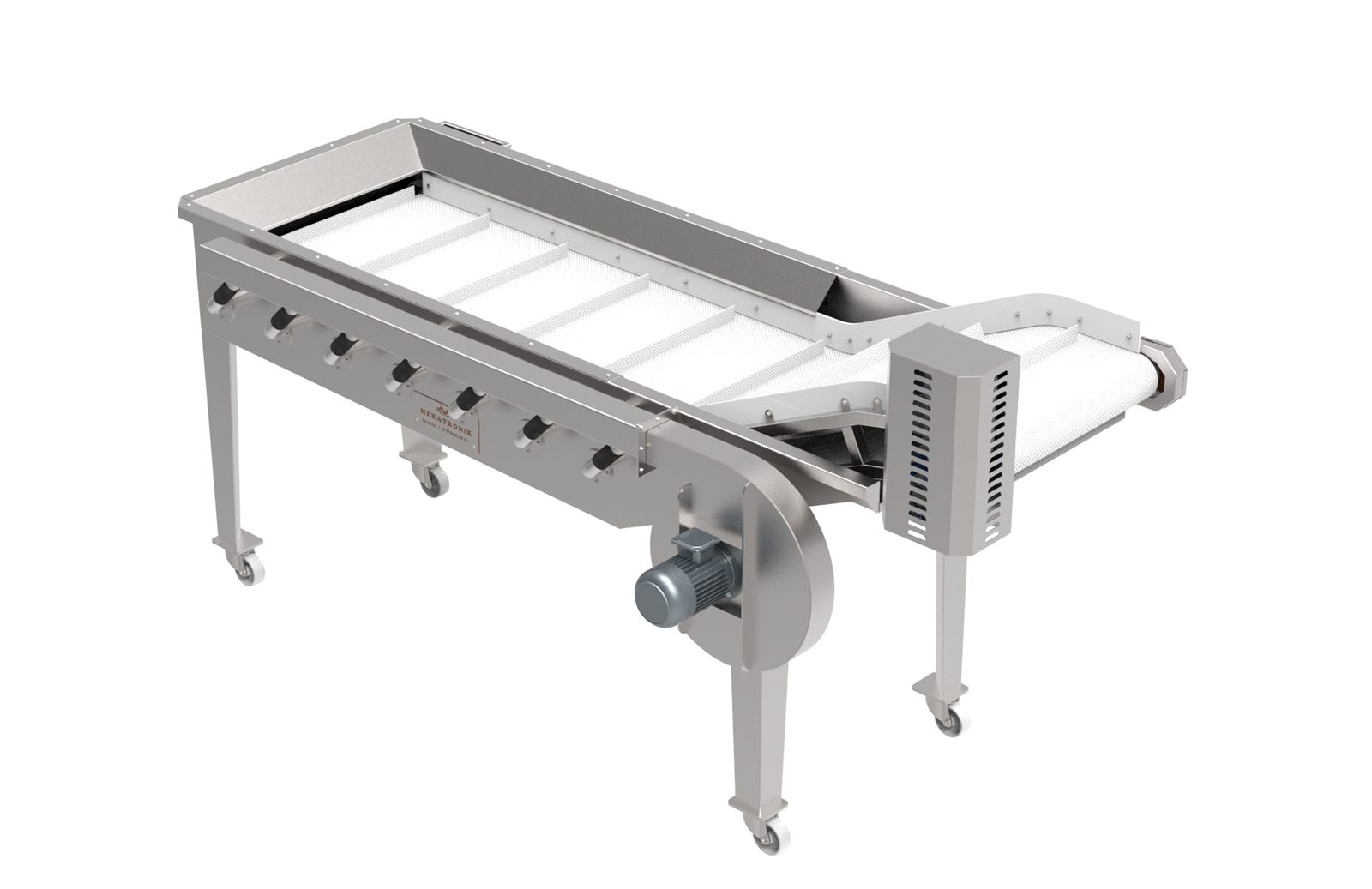
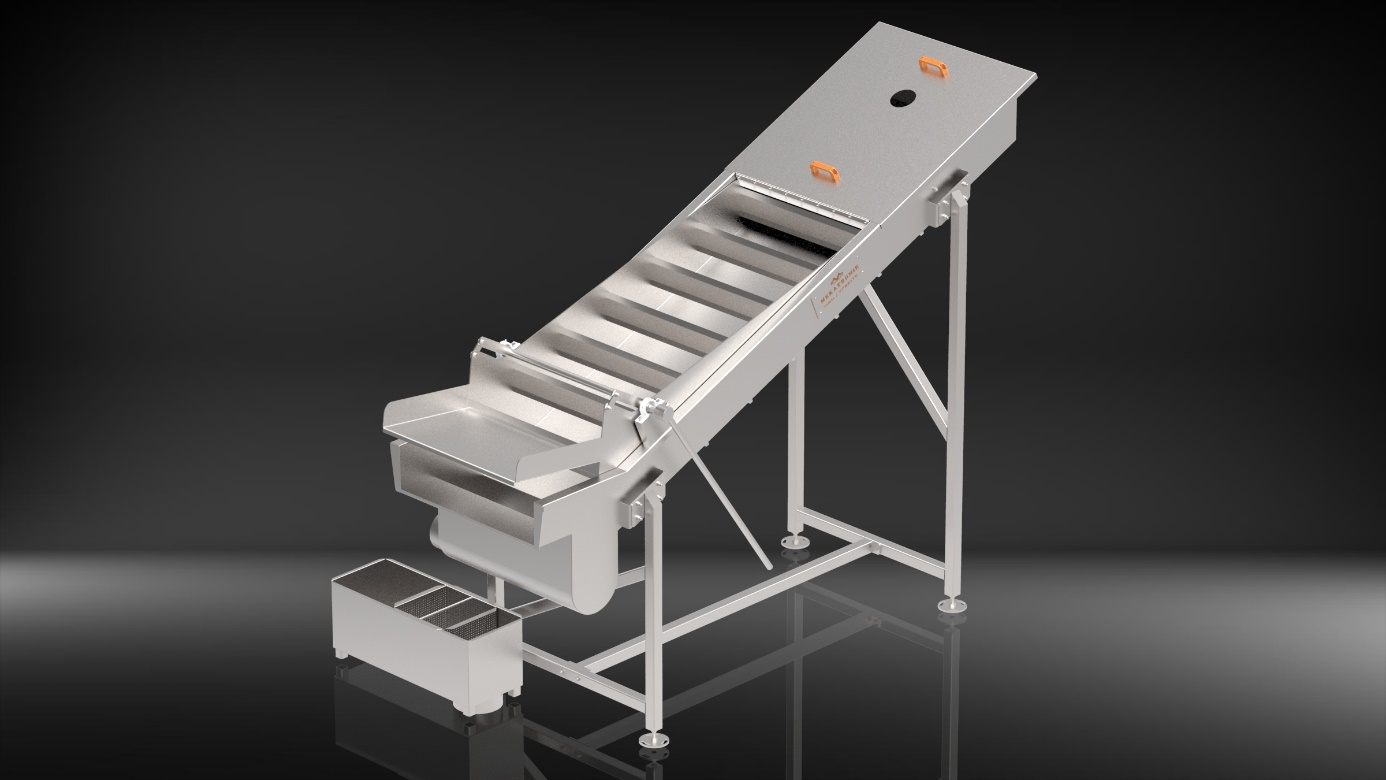
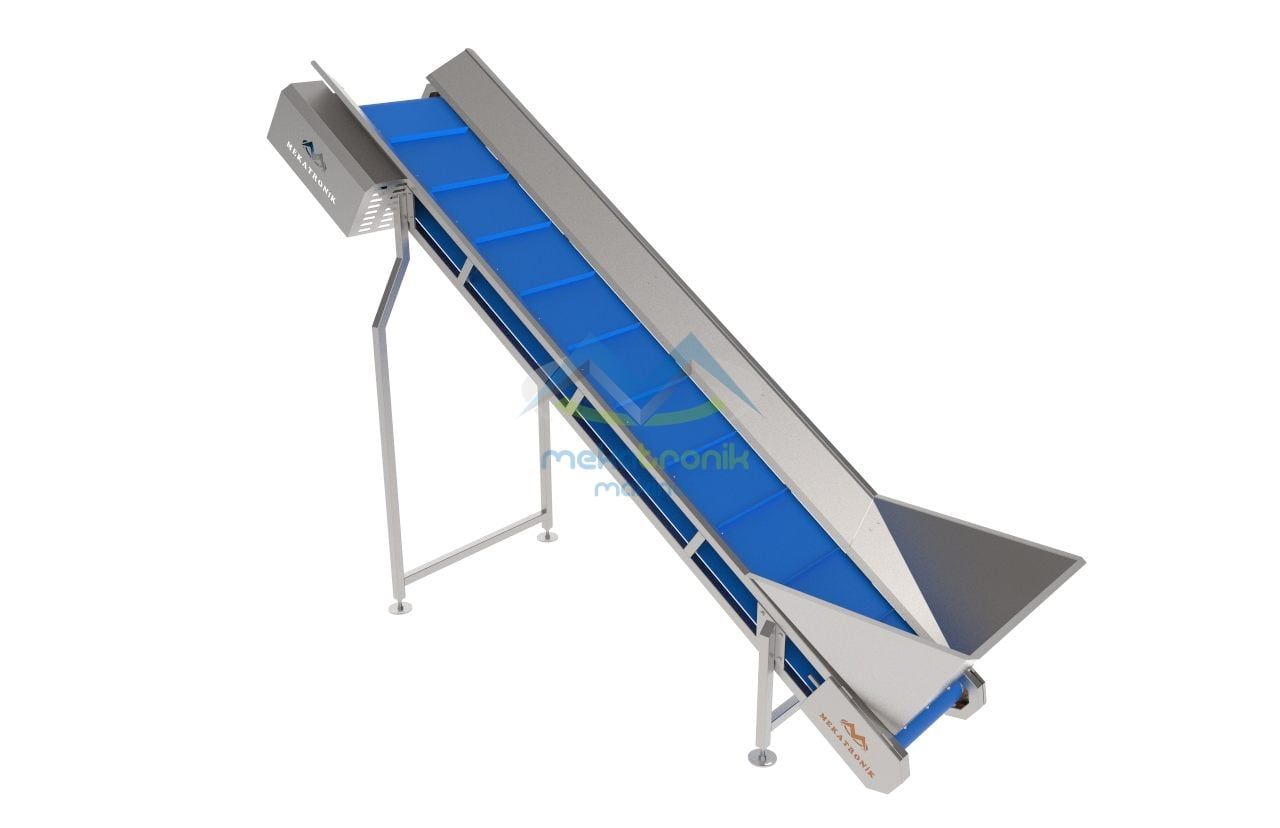
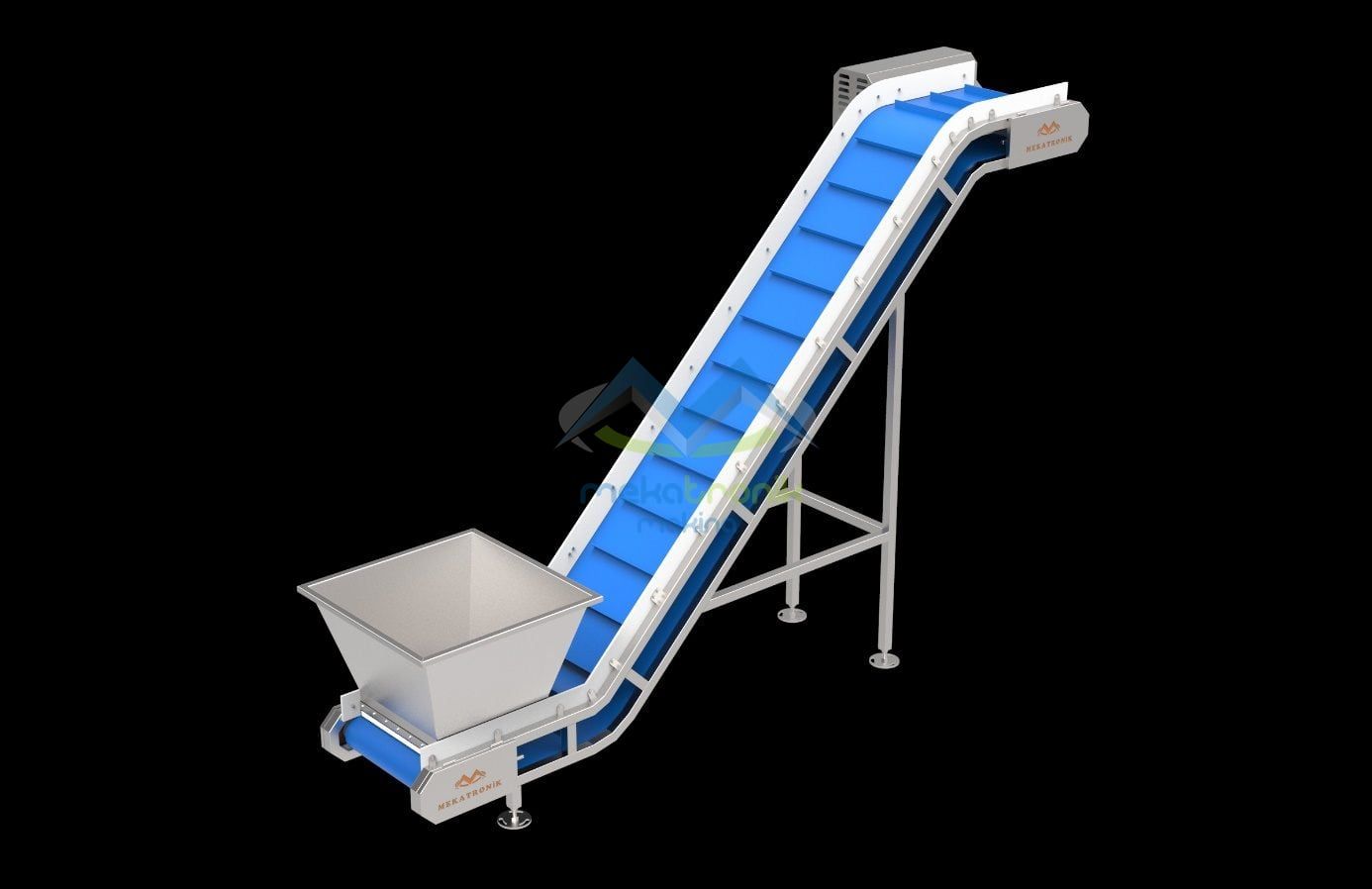
Cleaning a modular belt conveyor comes down to three things: the perforated, segmented belt, the number of corners and gaps in the frame, and whether you can reach the underside and the sides. The Z-Type Modular Conveyor can be judged on all three. Below we go through what to check for hygiene, based on the machine's recorded specifications; numeric values change with the project and the product, so none are quoted here.
01
What does a modular belt change for cleaning compared with a flat belt?
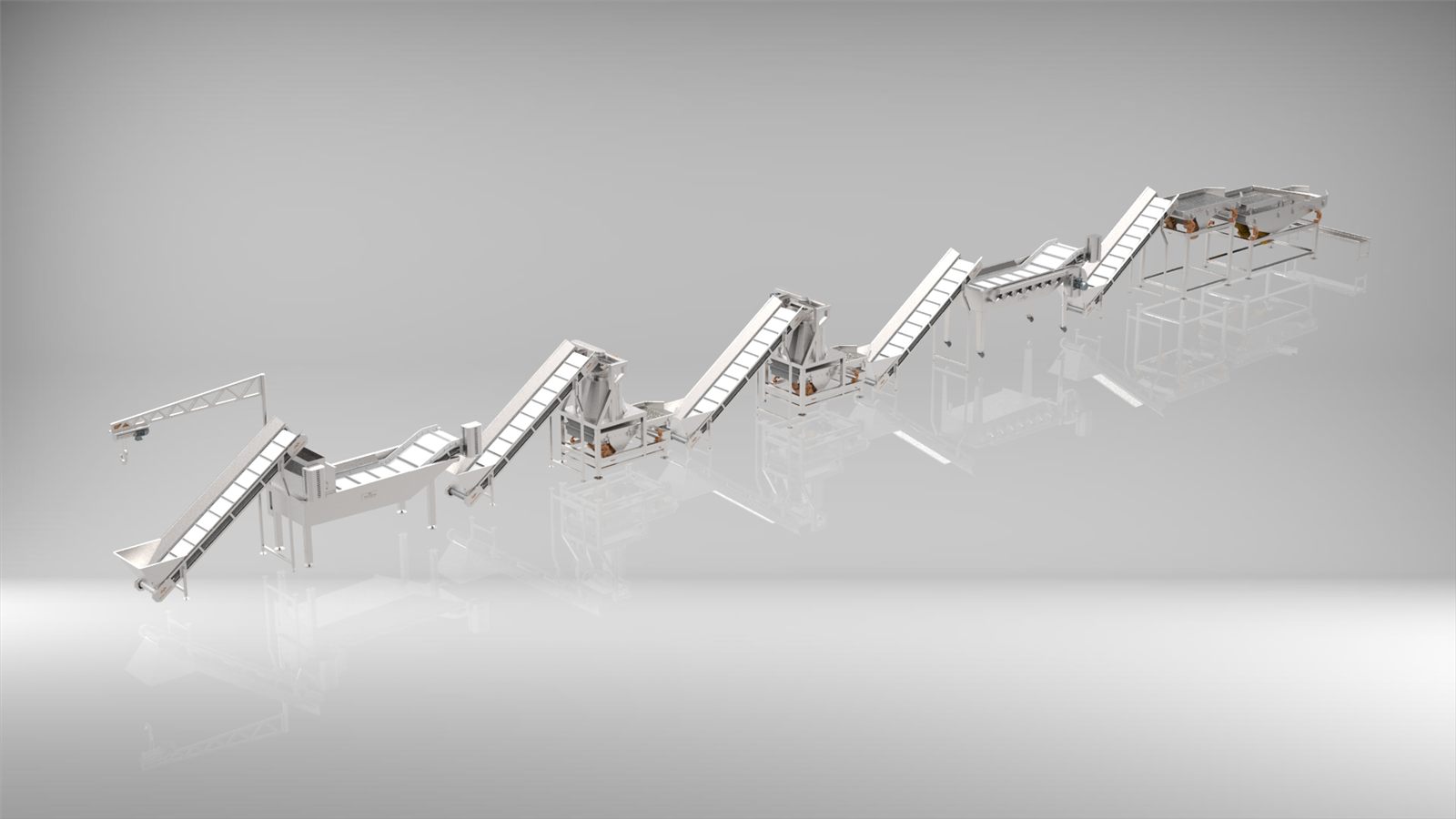
A modular belt is made of plastic modules hinged together, not a continuous fabric or rubber surface. That changes two things. First, residue left on the surface can be pushed off over the modules with water, so the belt can be washed without being taken apart. Second, when a section wears or is damaged, in general only the affected modules are involved, not the whole belt.
Continuous-surface belts, by contrast, can collect residue along edges and joints. In practice the hygiene problem is rarely on the top face of the belt. It is in the gaps below and beside it. That is why belt choice alone is not enough: the frame the belt runs on needs the same attention.
02
How does a perforated surface affect water and product residue?
According to the machine's records, the belts are perforated and do not hold water. During washing, water and residue drain through the holes instead of pooling on the surface, so the belt stays less wet after cleaning. The belt construction also withstands high temperatures, which leaves hot-water cleaning open as an option. How hot the water may go depends on the belt type and on the plant's own cleaning procedure, so no figure is given here.
A perforated surface has a limit too: small product pieces and sugary residue can lodge in the holes. With sticky products such as figs, dates and apricots, the edges of the holes should be checked by eye during cleaning. An easy-to-clean belt does not make that check unnecessary; it only makes it quicker.
03
Where does the Z form need attention during cleaning?
The Z form is designed to carry product to steep points that PVC belts cannot reach. As with any conveyor that lifts product, the places where product leaves the belt and where the belt changes direction collect the most residue. The cleaning plan should name these points explicitly:
- 01Lower infeed point: where product first lands on the belt and most spillage occurs
- 02Upper discharge point: where product passes to the next station and the belt changes direction
- 03Drive and return areas: where the belt meets sprockets and rollers
- 04Inner corners and side edges of the frame
- 05Underside of the belt: whether it can actually be reached by hand or hose during cleaning
The real question before buying is this: can these points be reached when cleaning is under way? A corner that cannot be reached will collect residue no matter how easy the belt itself is to clean.
04
Why do frame material and surface finish matter?
The machine body is AISI 304 stainless steel. The stainless claim is not stretched over the whole belt: the belt consists of plastic modules running on a stainless frame. Product-contact surfaces are AISI 304, and 316 where the process requires it; which one fits a salty or acidic environment is settled in the project.
What to check on the frame by eye is simple: weld seams that are smooth and finished so they hold no residue, rounded inner corners, and few horizontal surfaces where water can sit. On the drive side, the position of the geared motor also matters: the layout should keep wash water from being aimed directly at the motor area.
05
How should a cleaning routine be planned?
The sequence below is a general frame. Durations and water temperatures are set by the plant's procedure and the product.
- 01Stop the line, isolate the power and remove any risk of contact with moving parts
- 02Remove coarse residue from the belt and inside the frame dry
- 03Wash the belt and frame with water and watch the water drain through the perforated surface
- 04Rinse, then check the lower infeed and upper discharge points by eye
- 05If a sticky product was run, check the hole edges and the belt underside a second time
| Check point | What to look for | When |
|---|---|---|
| Belt surface | Residue stuck at hole edges | Every cleaning |
| Module joints | Wear, broken or loose modules | During periodic maintenance |
| Lower infeed point | Spillage and product build-up | Every cleaning |
| Frame inner corners | Residue and standing water | Every cleaning |
| Drive area | Water ingress and residue | During periodic maintenance |
06
Which questions should be asked before buying?
Raising these points openly at the quotation stage reduces surprises later: the process and temperature the belt will see, whether cleaning will be dry or wet, whether the product is sticky, where the openings for reaching the belt underside will sit, and whether a custom size is needed. The machine can be built to custom dimensions for the place and purpose of use; dimensions and capacity are set per project.
The place of the Z form in the line is drawn according to where the product has to travel. If foreign matter is to be removed on the same line, it can be considered together with the Illuminated Sorting Conveyor; the two are cleaned differently and should have separate lines in the cleaning plan.
Next step: send us where the conveyor will sit in the line and the characteristics of your product through the quotation page, and we can settle the belt and frame choice together around your cleaning requirements. You can also look through the wider conveyor group for other transport solutions.