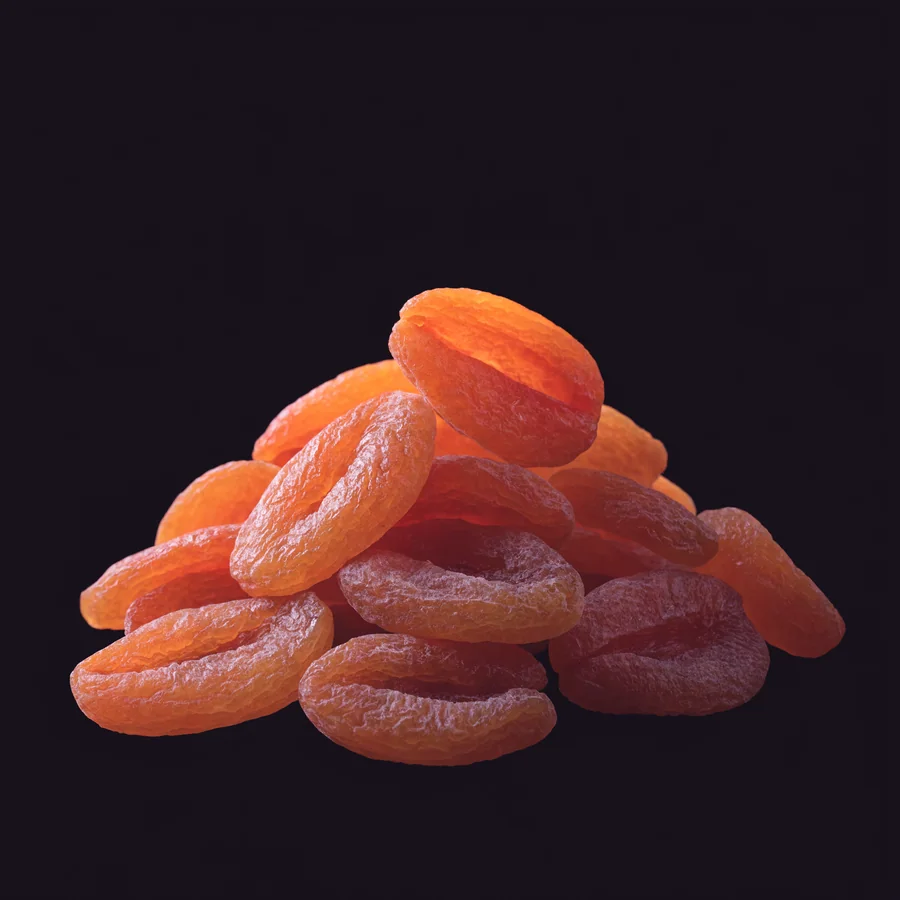
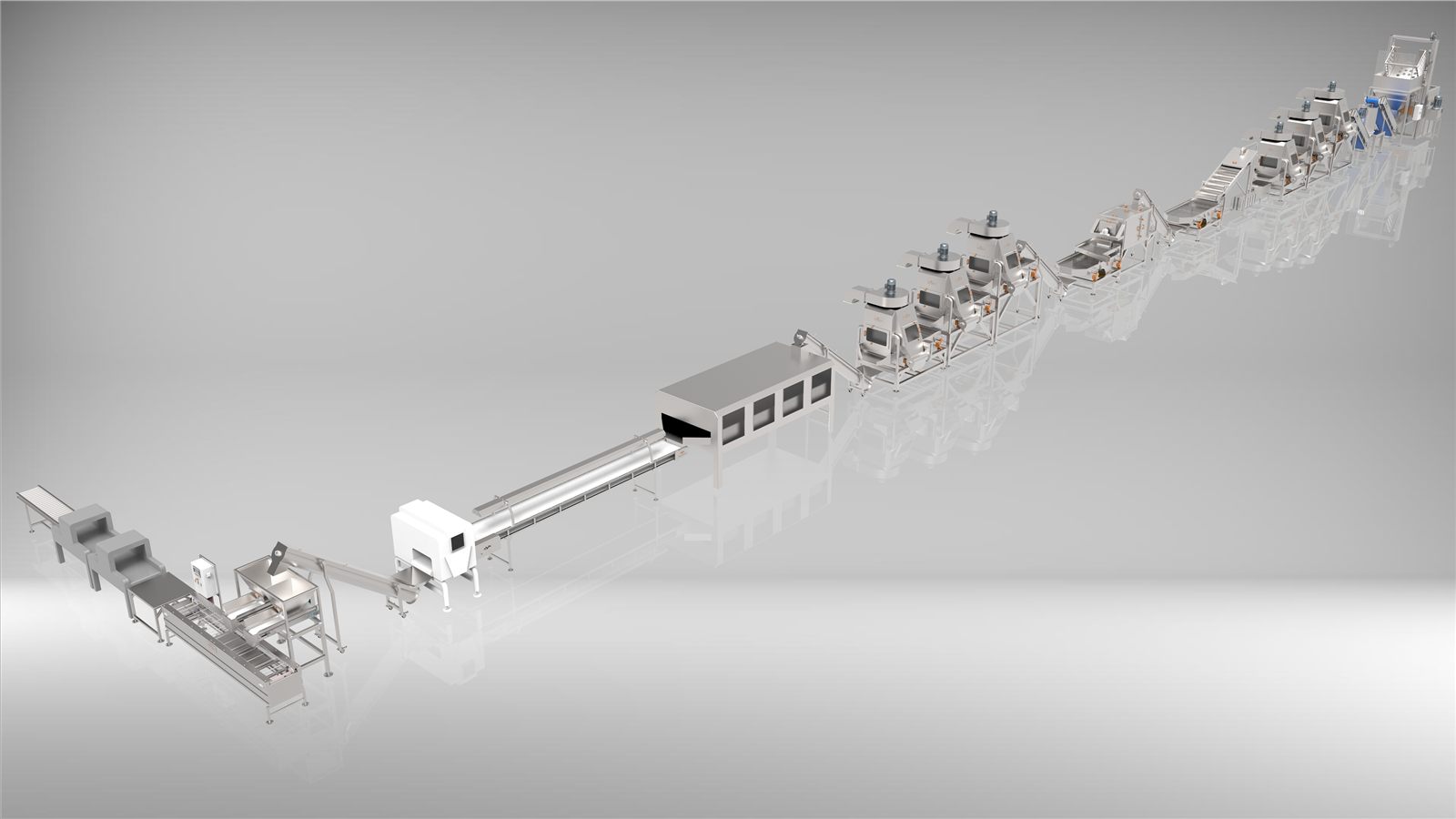
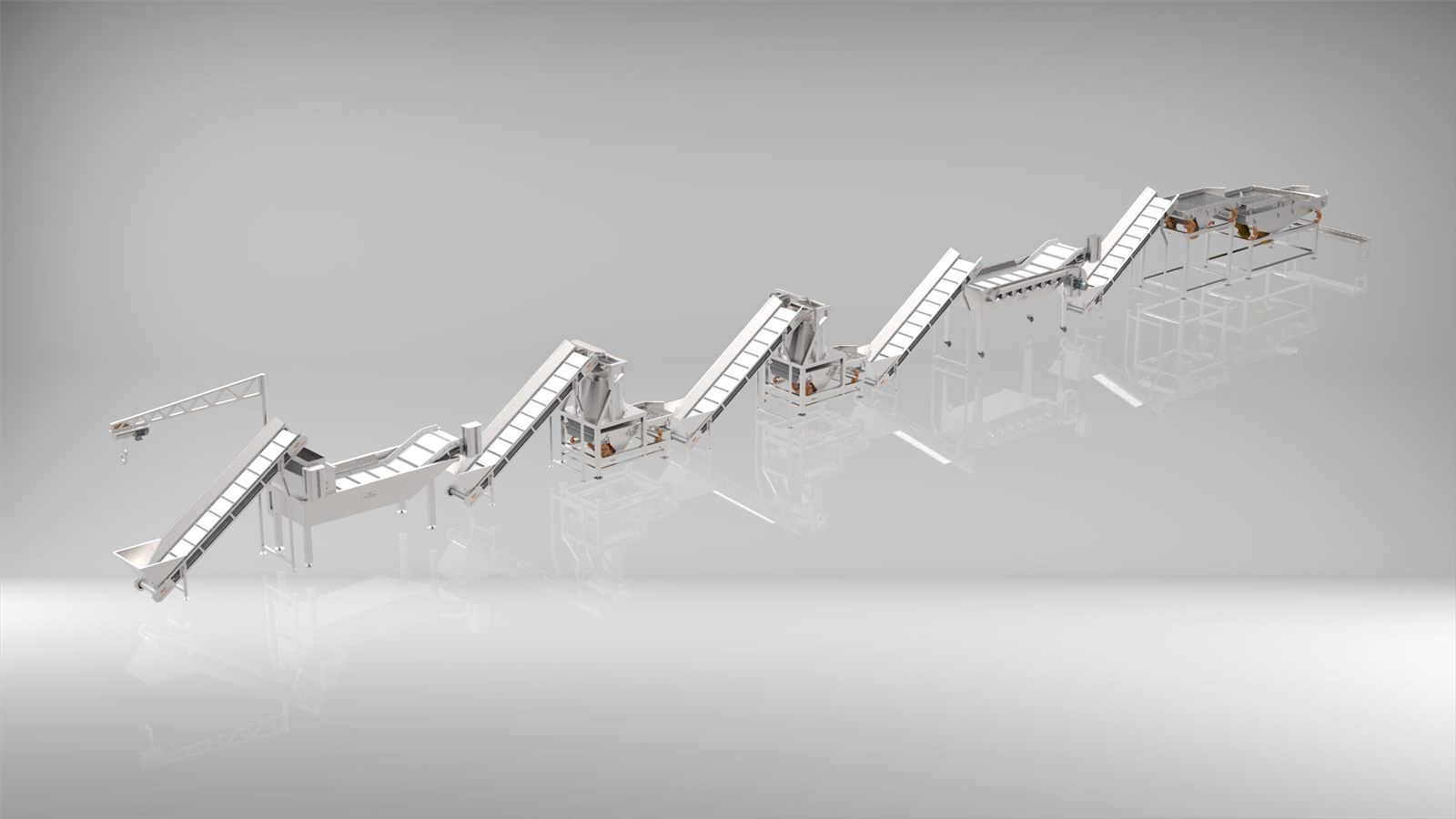
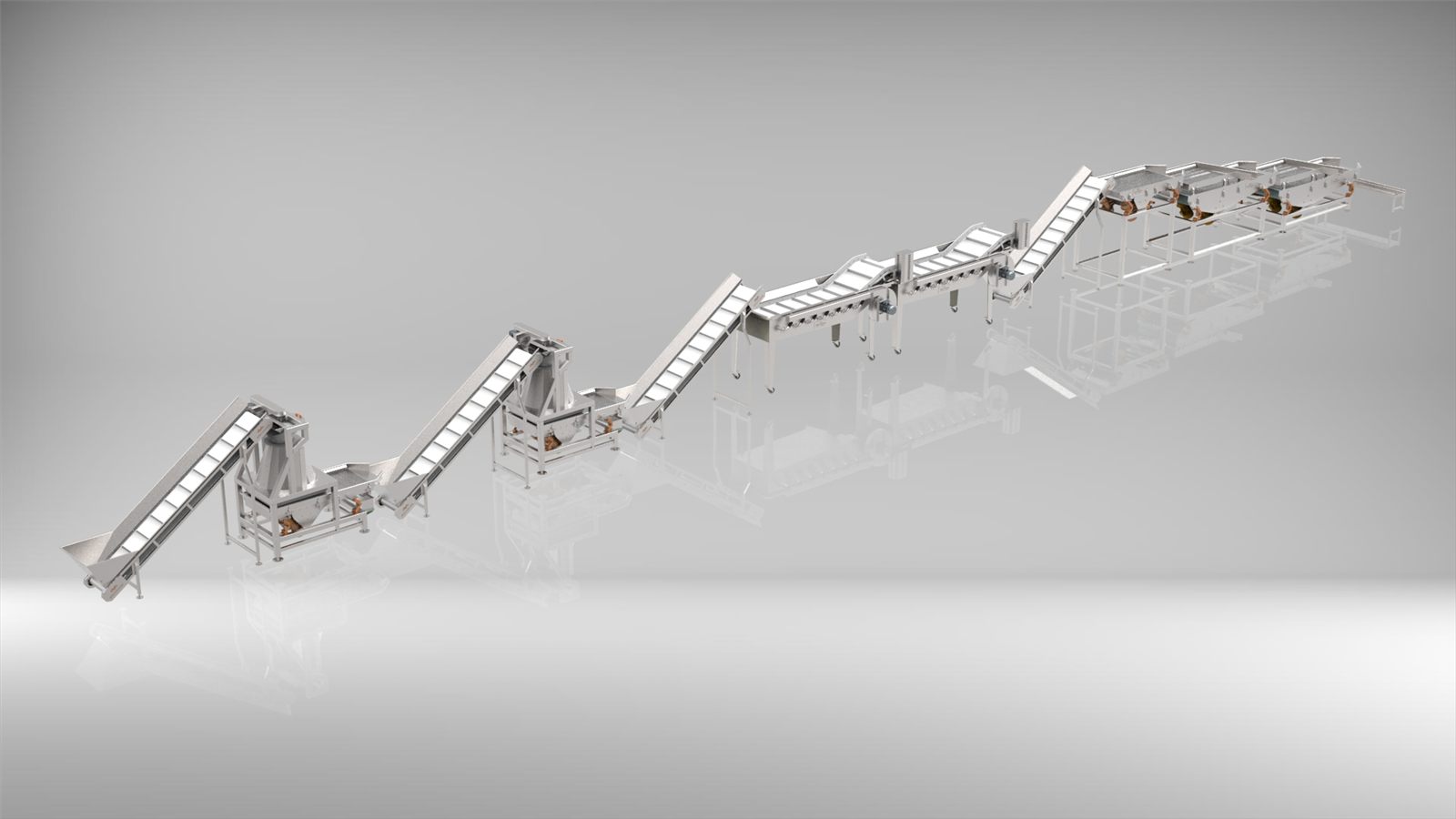
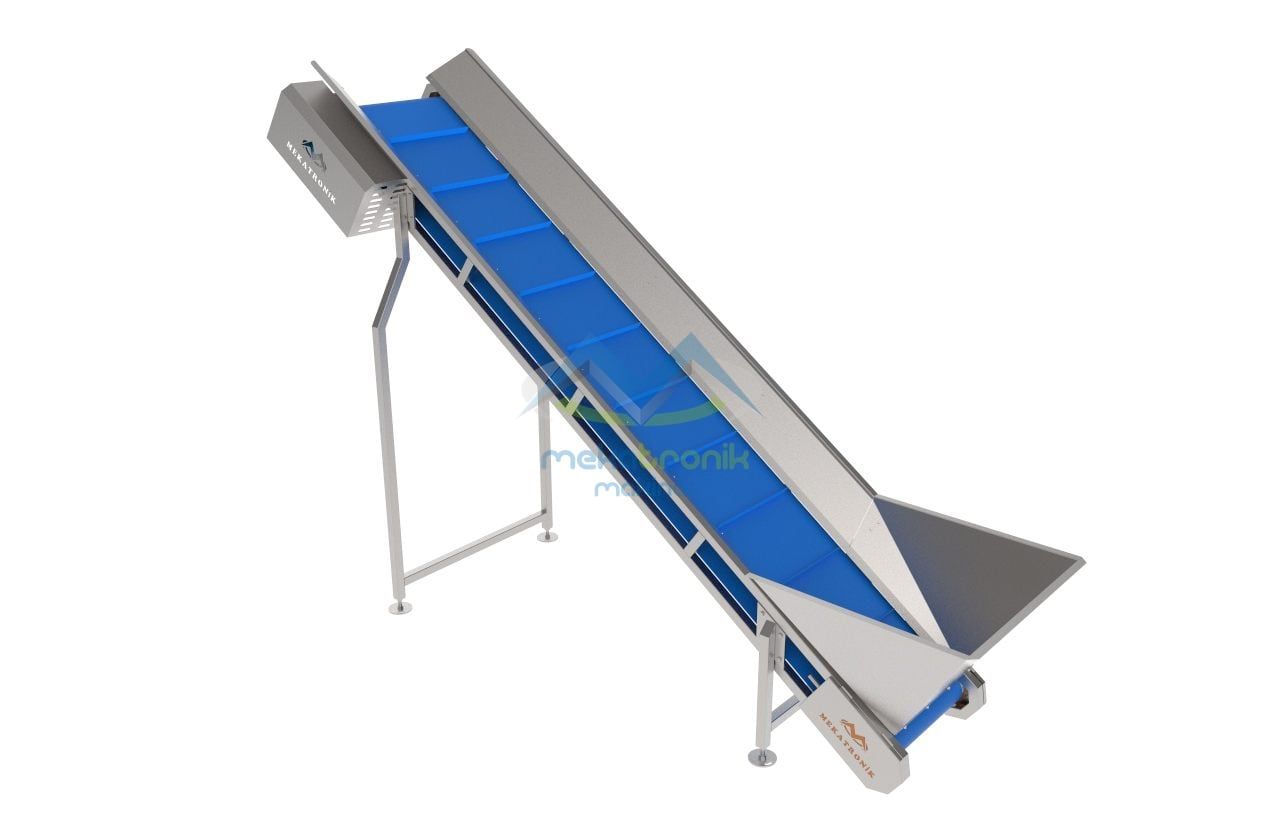
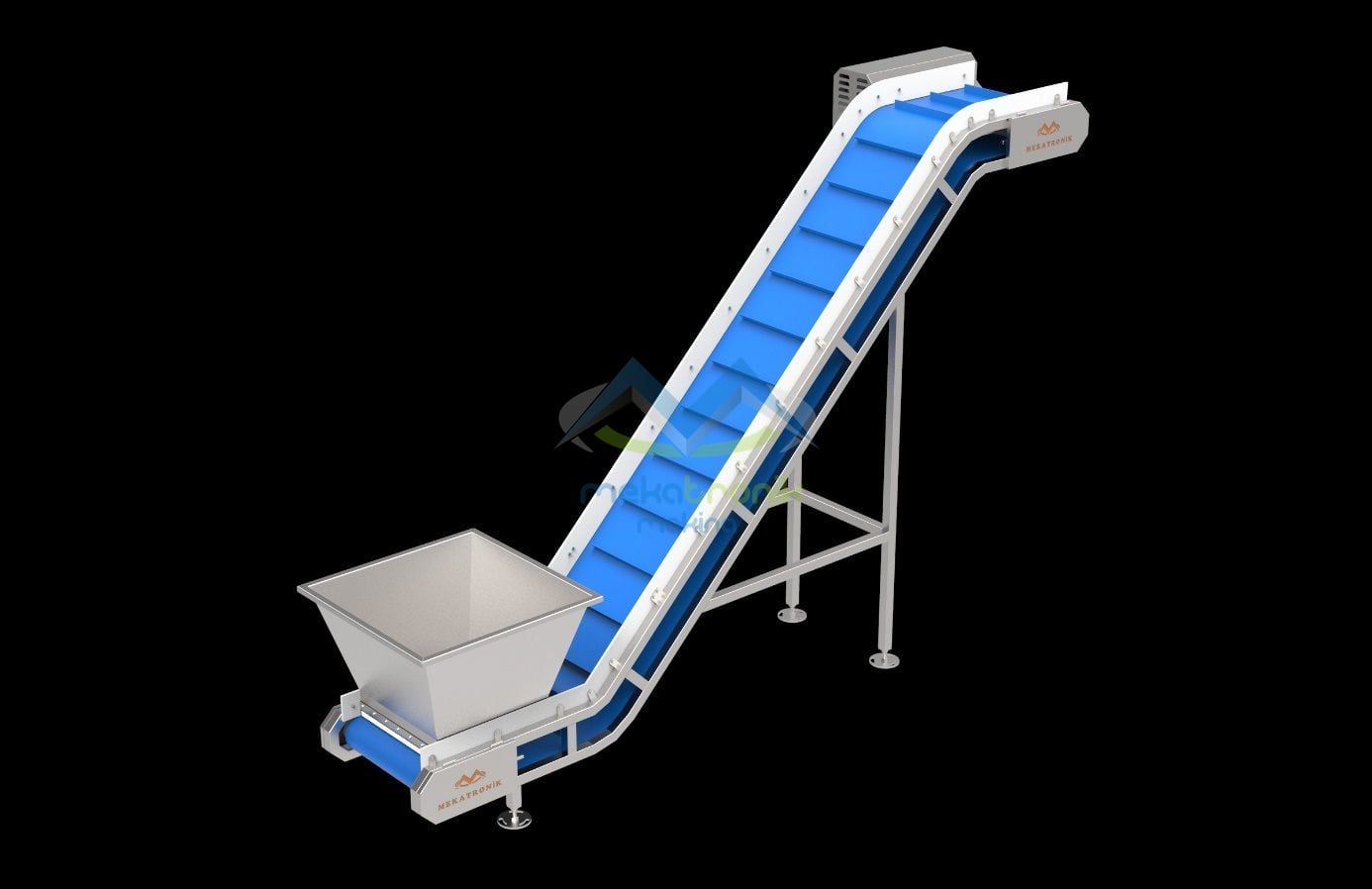
Dried apricots that come out of the tunnel too dry crack during handling and lose weight before they ever reach a buyer. Moisture gain, a controlled rehydration step after drying, brings the fruit back into a workable range without turning it into a food safety risk. It is a mechanical process, not a cosmetic one, and it changes how the rest of the line performs.
01
Why apricots often leave drying too dry
Sun drying and tunnel drying rarely produce a perfectly even result across a batch. Airflow is not identical at every point in a tray, sulfur treatment and fruit size vary from lot to lot, and operators tend to err on the side of removing more water rather than less, because under-dried fruit spoils faster than over-dried fruit. The result is a batch that is safe to store but too brittle and too light to sort, pack, or sell in its current state. Rehydration exists to correct that gap after the fact, not to replace correct drying.
02
What moisture gain changes in the finished fruit
Bringing moisture back up changes texture first: the fruit becomes pliable enough to handle without shattering on a sorting line. It also affects weight, which matters for anyone selling by the kilogram, and appearance, since properly rehydrated apricots keep their shape instead of looking shriveled on a shelf. None of this reverses the drying process chemically; it simply restores enough surface and internal moisture for the fruit to behave the way a buyer expects.
03
How a rehydration unit brings moisture back
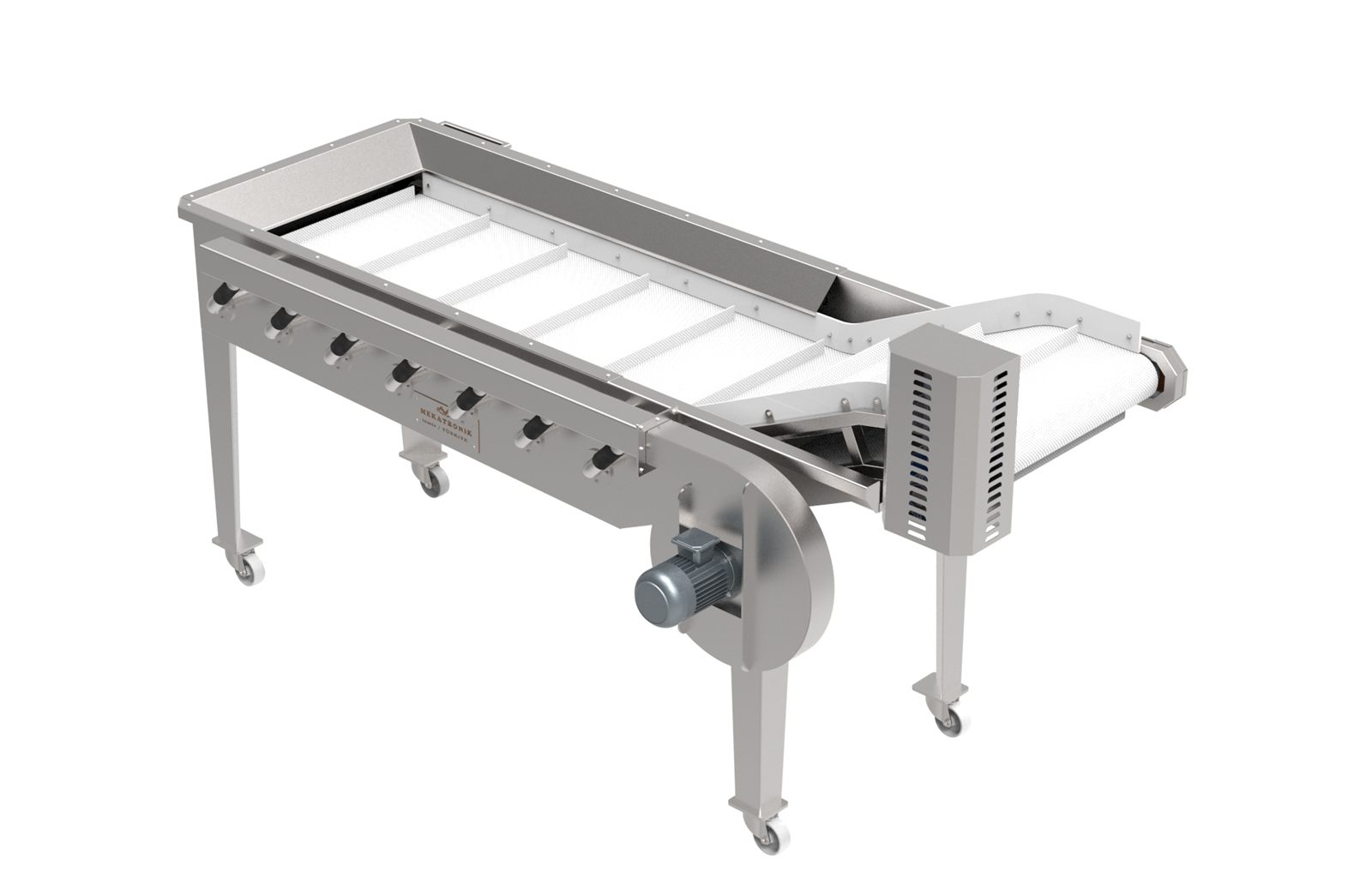
A jacuzzi-style rehydration unit exposes dried fruit to water in a controlled way, typically through immersion or spraying, so the fruit reabsorbs moisture evenly instead of just getting wet on the surface. The unit manages contact time and drainage so fruit does not sit in standing water long enough to start fermenting or picking up unwanted microbial load. Getting this step wrong in either direction, too little contact or too much, creates a new problem instead of solving the original one.
04
What determines the right amount of rehydration
- 01Fruit variety and how it was dried (sun-dried vs. mechanically dried lots behave differently)
- 02Initial moisture level going into the rehydration step
- 03Water temperature and how evenly the unit distributes contact across the batch
- 04Ambient humidity and temperature in the facility after treatment
- 05What happens downstream: packed immediately or held in storage
Because these variables interact, there is no single setting that works across every apricot line. The right configuration for immersion time, water handling, and downstream drainage is confirmed during project engineering for the specific fruit, volume, and climate involved, not fixed in advance.
05
Where rehydration sits in a dried apricot line
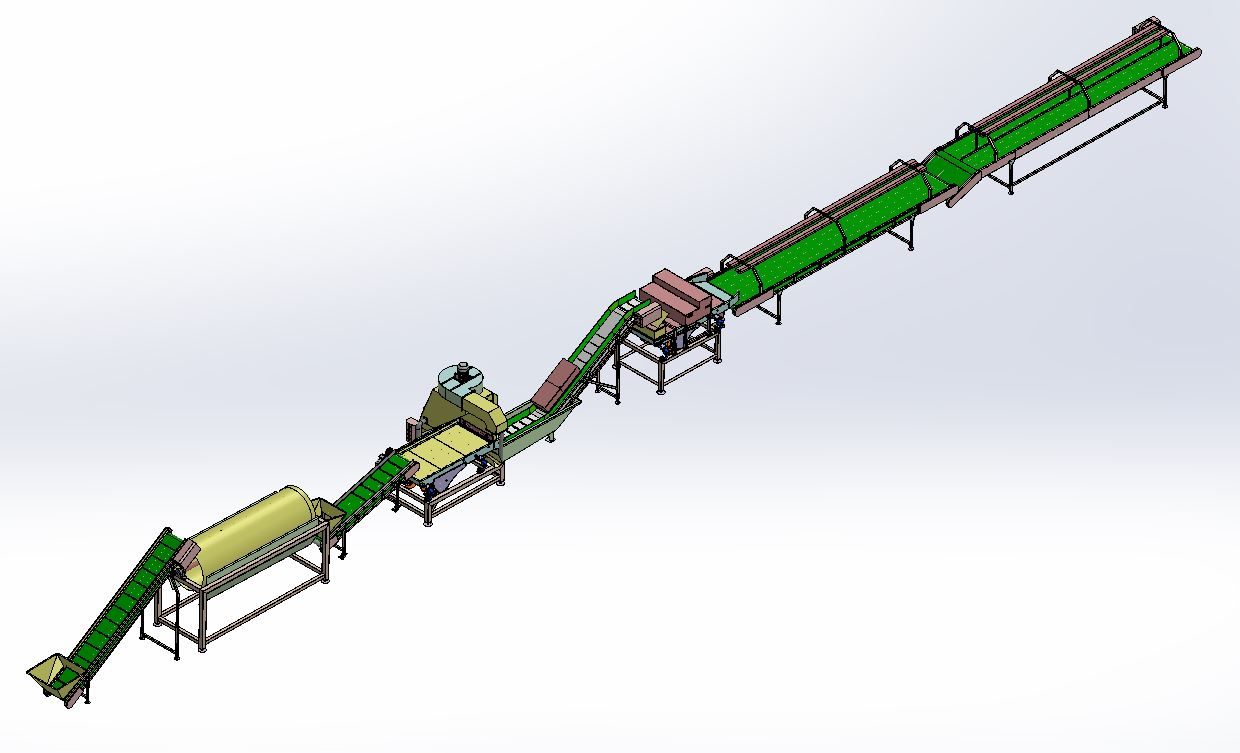
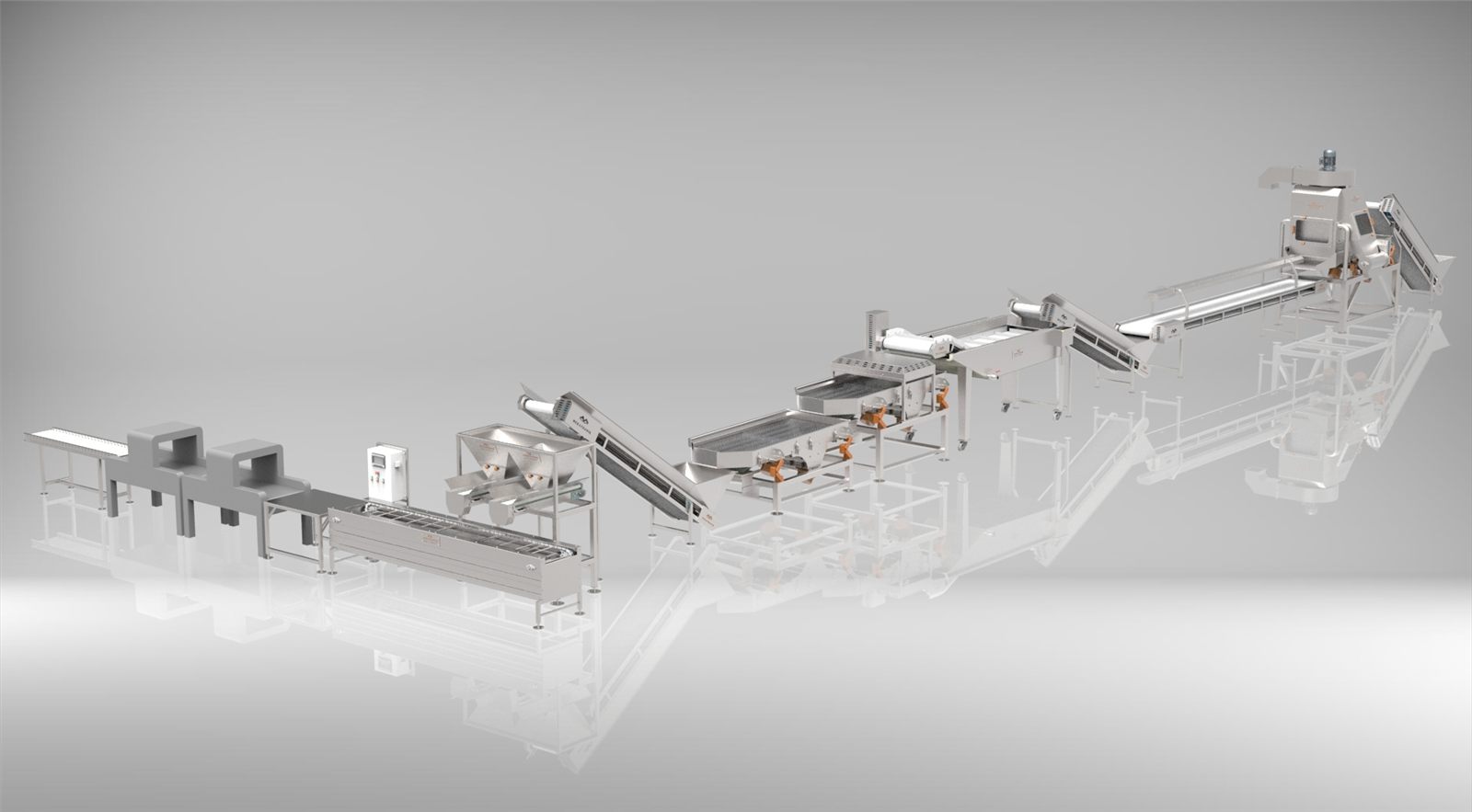
On a dried apricot processing line, rehydration is typically positioned after drying and before final sorting, grading, and packing. Placing it earlier would waste the effect once fruit moves through further handling; placing it too late risks packing fruit that is still too brittle for automated sorting.
| Stage | What happens |
|---|---|
| Drying | Moisture is removed to a safe storage level, sometimes unevenly across the batch |
| Rehydration | Moisture is reintroduced in a controlled way to restore texture and weight |
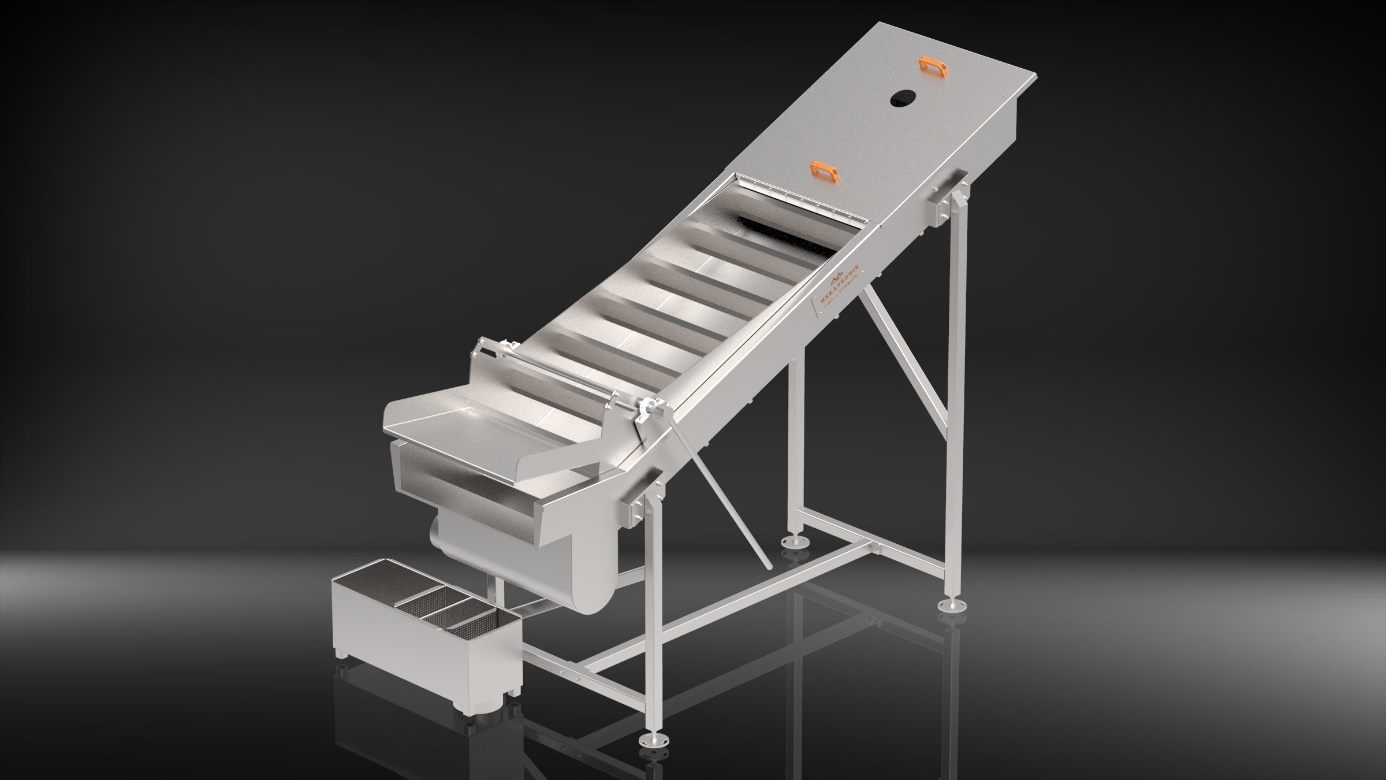
| Draining | Excess surface water is removed before the fruit continues down the line |
| Sorting and grading | Fruit is separated by size and quality once it can be handled without breaking |
| Packing | Fruit is packed at a stable, workable moisture level |
06
Material and compliance considerations
Surfaces that come into contact with the fruit during rehydration are built in AISI 304 stainless steel, with AISI 316 used where the process calls for it, and equipment is built to meet CE compliance requirements. These are baseline construction and safety standards, not a claim about outcomes, since the right rehydration settings still depend on the fruit and the line around it.
Mekatronik Makina has built dried fruit processing equipment since 1992, with more than 2,000 machines running across 22 countries. For an apricot line where moisture gain needs to be engineered around your fruit, your drying method, and your facility, the fastest way to get real numbers is a tailored quote.