
In the dried fruit sector, product quality is not decided by the quality of the raw material alone. The cleaning, washing, surface water removal, sizing and sorting steps applied between intake and packing have a direct effect on the final product. For apricots, figs, dates, tomatoes and prunes in particular, using the right washing technology is one of the important stages of industrial production. This is where food-grade, stainless, brush and wet washing machines offer an effective way to clean dried fruit in a controlled and continuous process.
01
How does a brush and wet dried fruit washing system work?
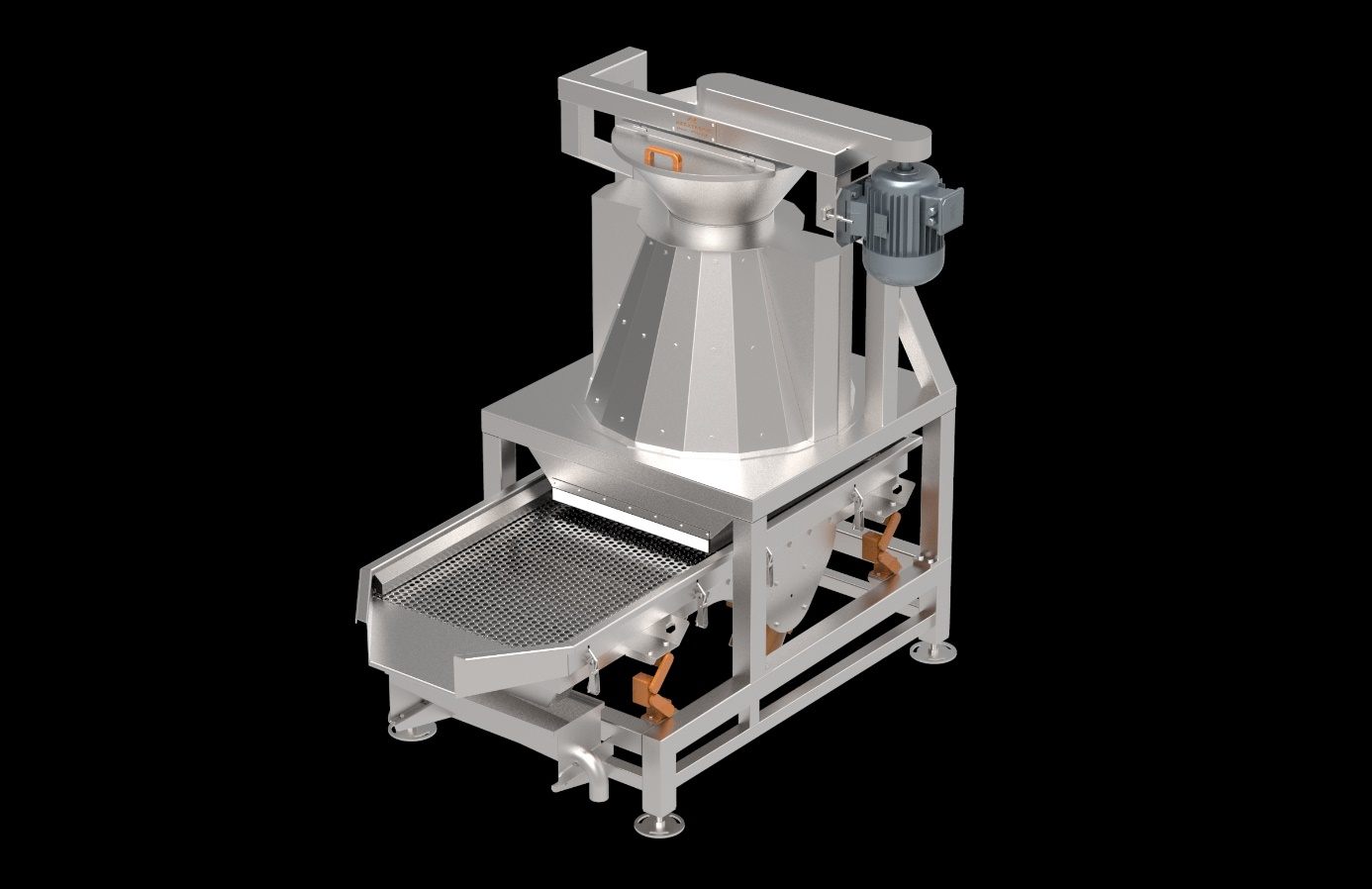
A brush washing machine cleans the product surface with water and controlled mechanical action. As the product moves through the machine, rotating brushes touch its surface, while the water applied at the same time helps remove dust, sand and other unwanted residues.
What matters in dried fruit washing, however, is not simply more water or harder brushing. The real aim is to reach sufficient cleaning while preserving the physical structure of the fruit as far as possible. For this reason, brush structure, brush rotation speed, the time the product travels inside the machine, water application and capacity are set for the specific dried fruit being processed.
Dried apricots and figs do not have the same surface. Dates differ in moisture content and skin. Sun-dried tomatoes have an entirely different product geometry. A professional dried fruit washing machine is therefore selected and configured with the product characteristics in mind.
02
Why does food-grade stainless design matter?
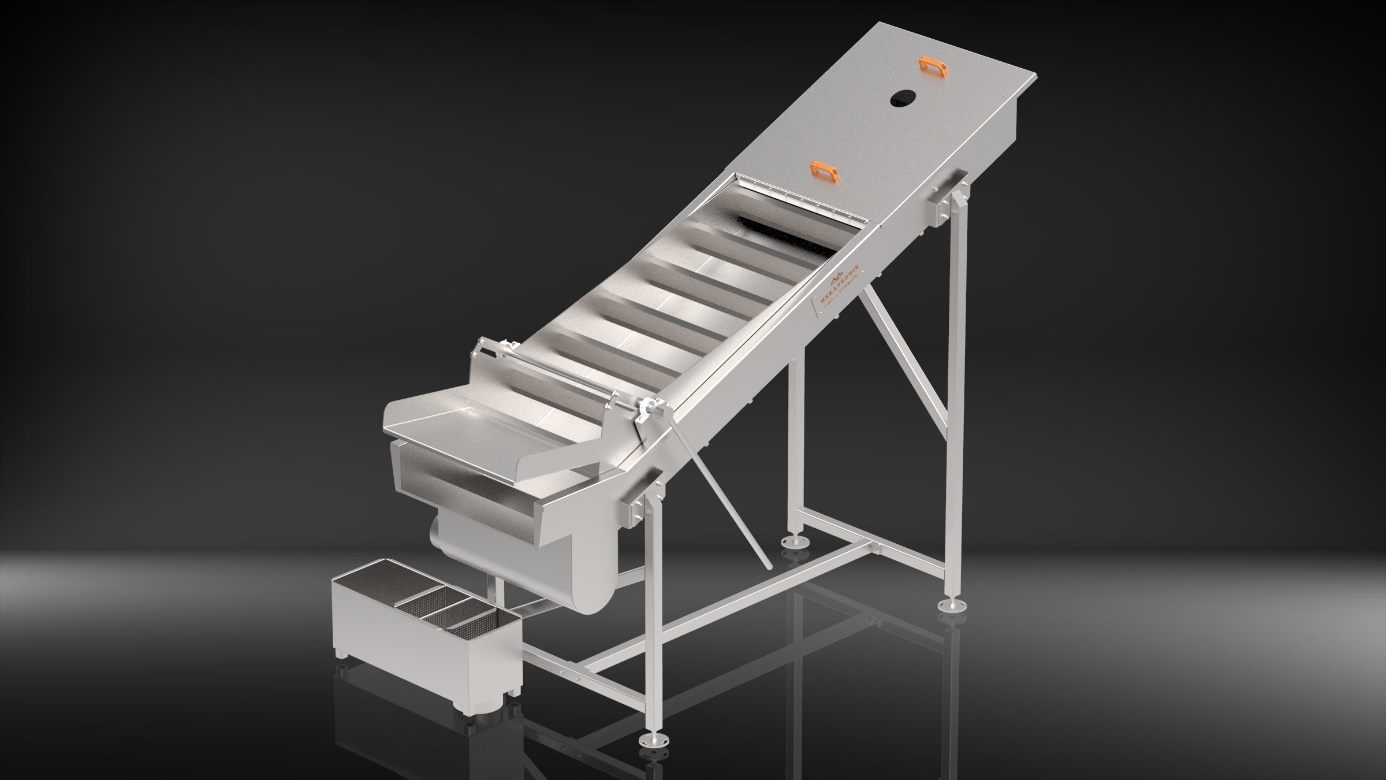
Dried fruit is a food product, so hygiene is a key criterion in the design of the equipment used on the line. In systems that use water, stainless construction brings corrosion resistance, durability and cleanability. In Mekatronik Makina machines, product contact surfaces are made from AISI 304 stainless steel, with AISI 316 available depending on the process.
Food-grade machine design is not only about the stainless material used. The following points are also taken into account:
- 01Product contact surfaces and the finishing of weld areas
- 02Water drainage and the route the washing water takes out of the machine
- 03Access for cleaning and the cleanability of the brushes
- 04Corners and gaps where product could accumulate
This is why food-grade stainless brush washing machines are designed for long-term, hygienic use in industrial food plants.
03
Brush washing for apricots, figs, dates, tomatoes and prunes
Because the physical properties of dried fruits differ, the washing process is assessed per product. A dried apricot washing machine cleans the apricot surface in a controlled way and prepares it for the next steps; in the dried apricot washing line the fruit moves on to surface water removal, sizing, sorting and packing after washing.
In a dried fig washing machine, the delicate structure of the fig comes first; brushing and wet washing have to be carried out without unnecessary mechanical stress on the fruit. When choosing a date washing machine, the variety, size, moisture content and surface of the dates are taken into account. A stainless brush system matched to the product prepares the dates for the sizing, sorting, pitting or packing steps of the date processing line.
In the same way, a sun-dried tomato washing machine and a prune washing machine need different operating parameters depending on the product. With delicate products such as sun-dried tomatoes, keeping the washing and brushing effect under control is especially important. So although the basic working principle is similar across these fruits, the machine configuration and process parameters change with the product.
04
Is washing enough on its own?
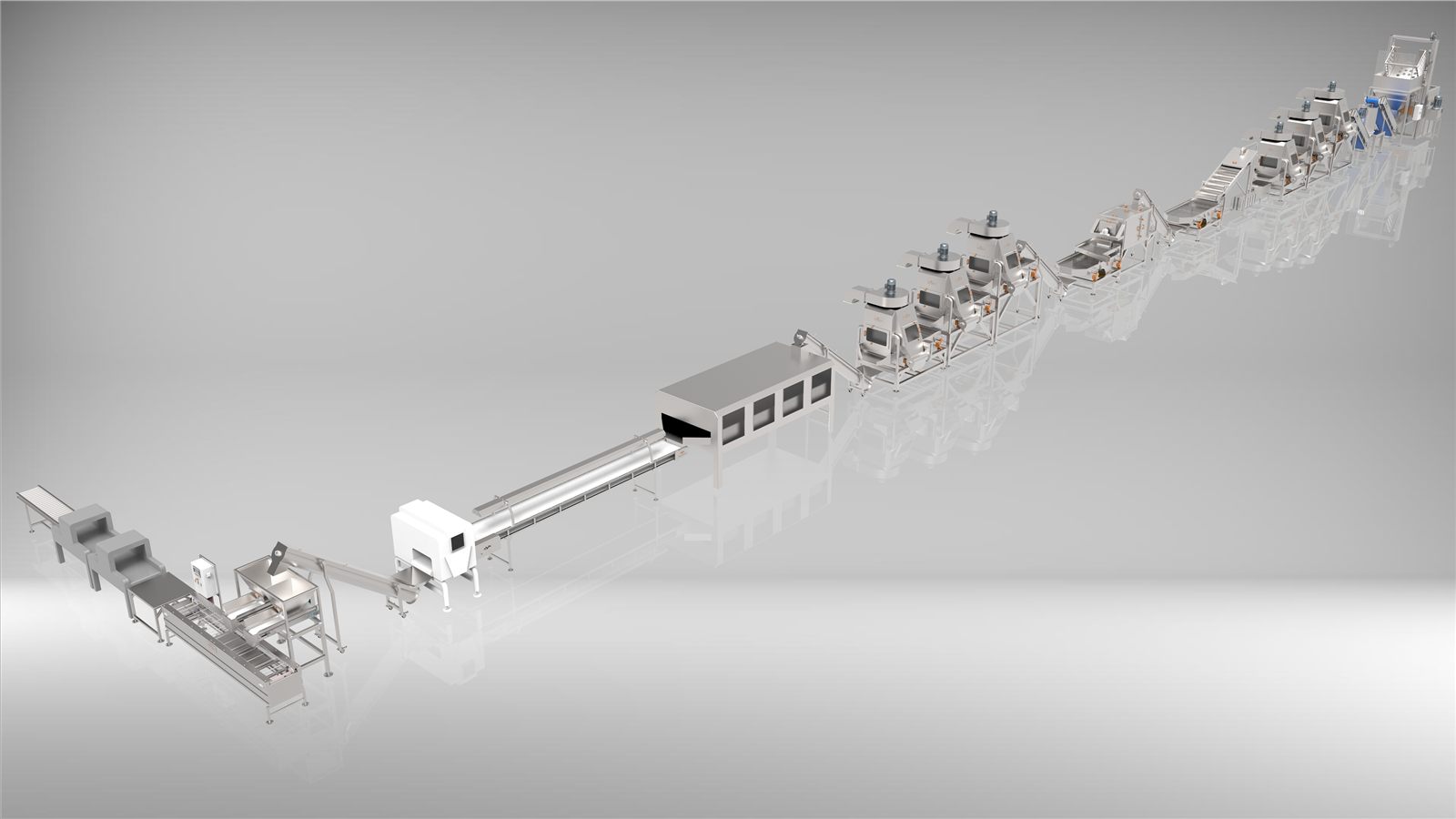
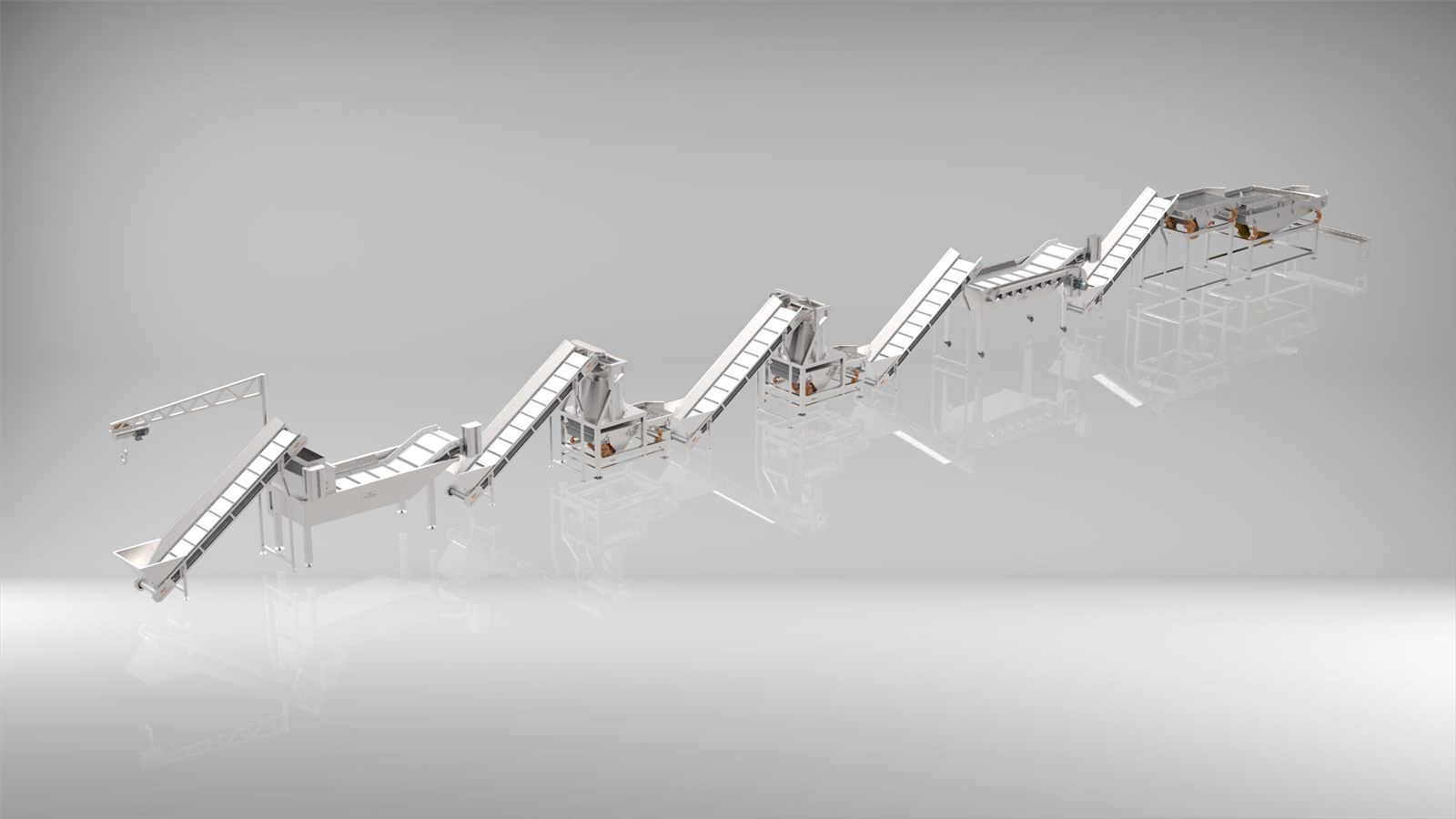
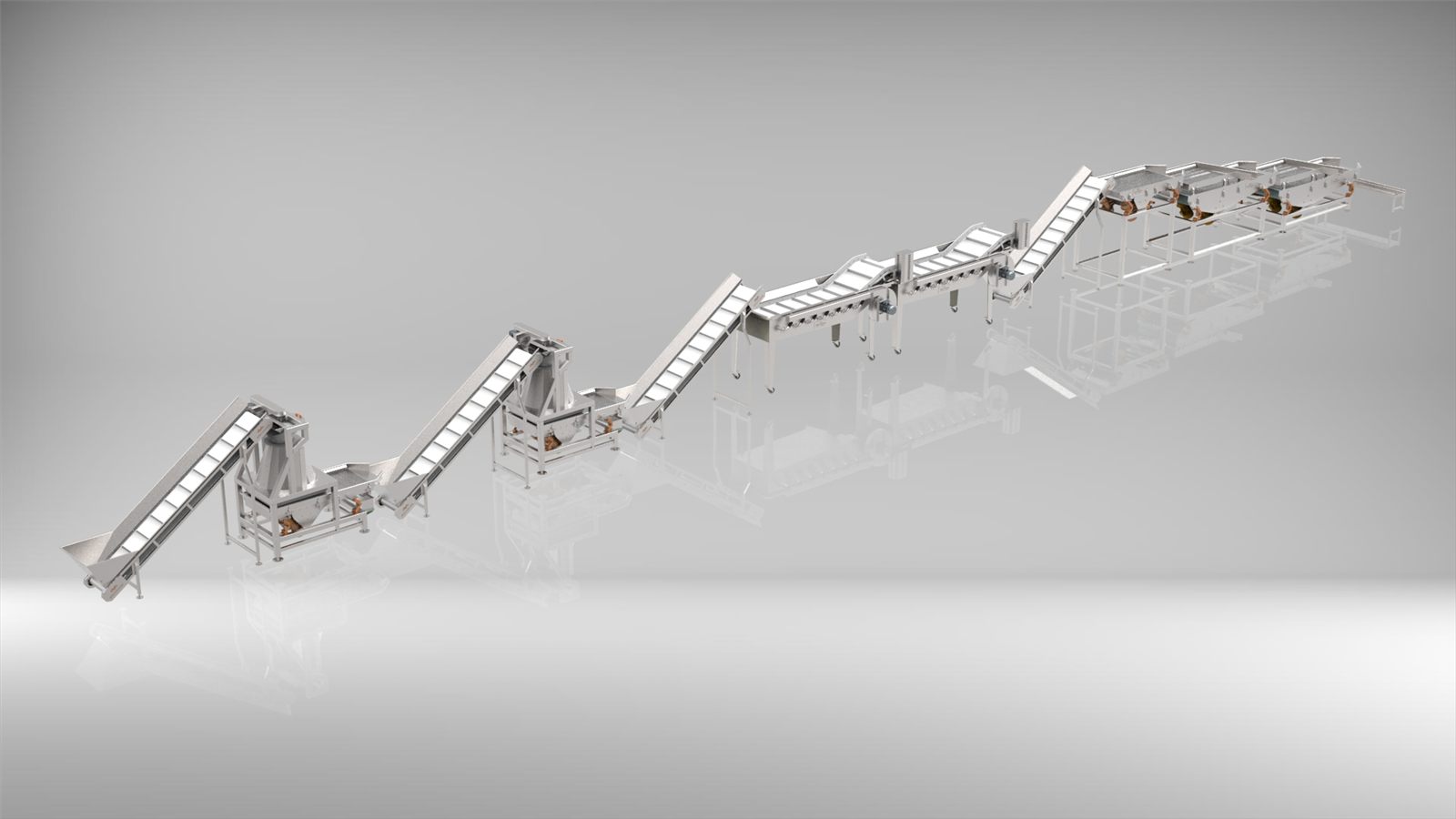
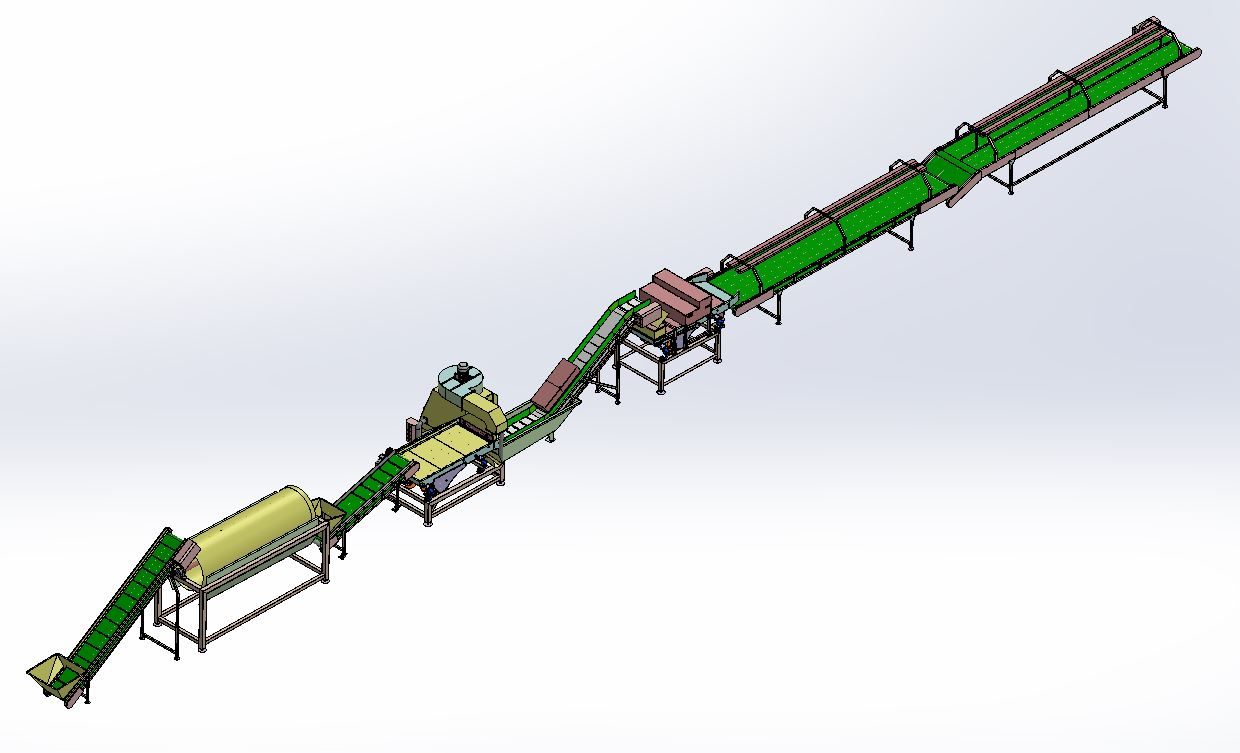
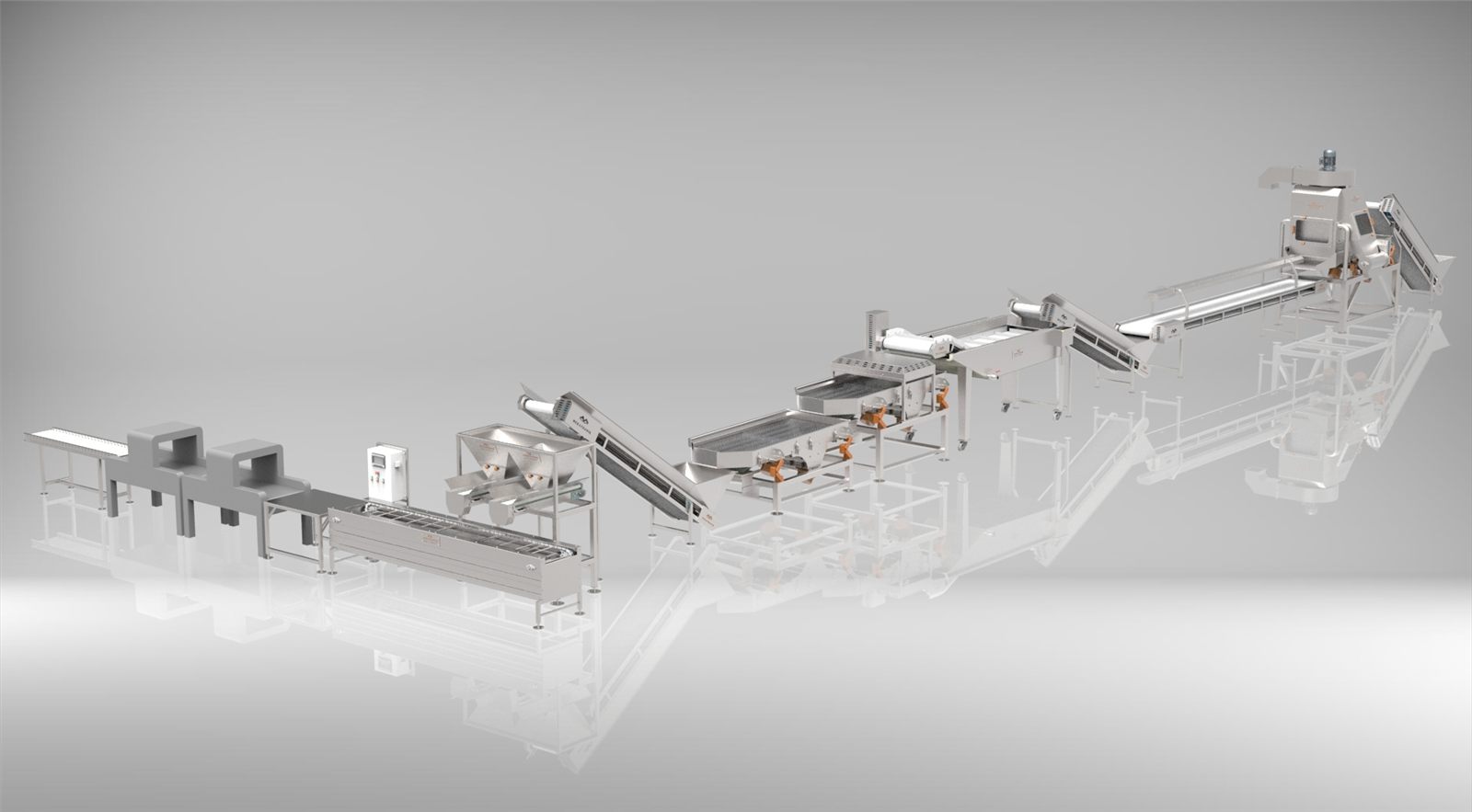
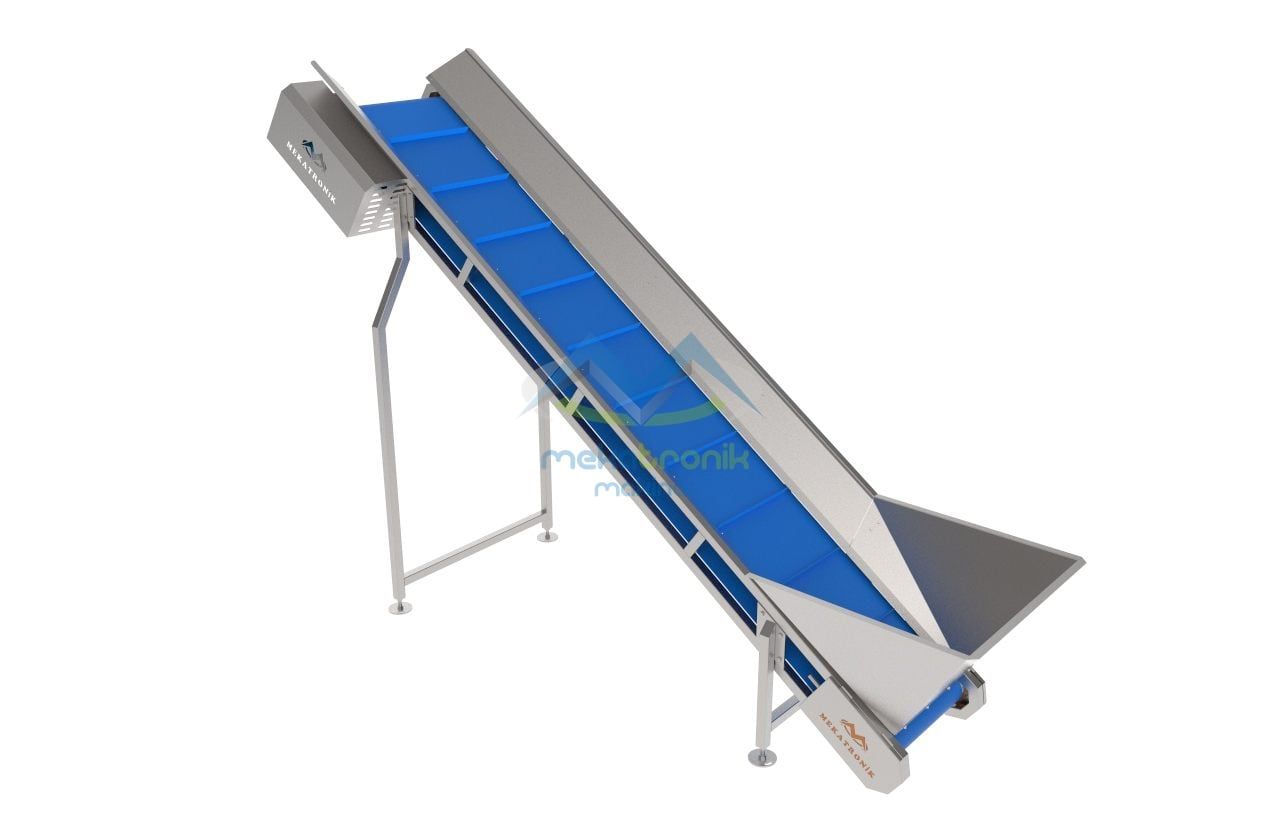
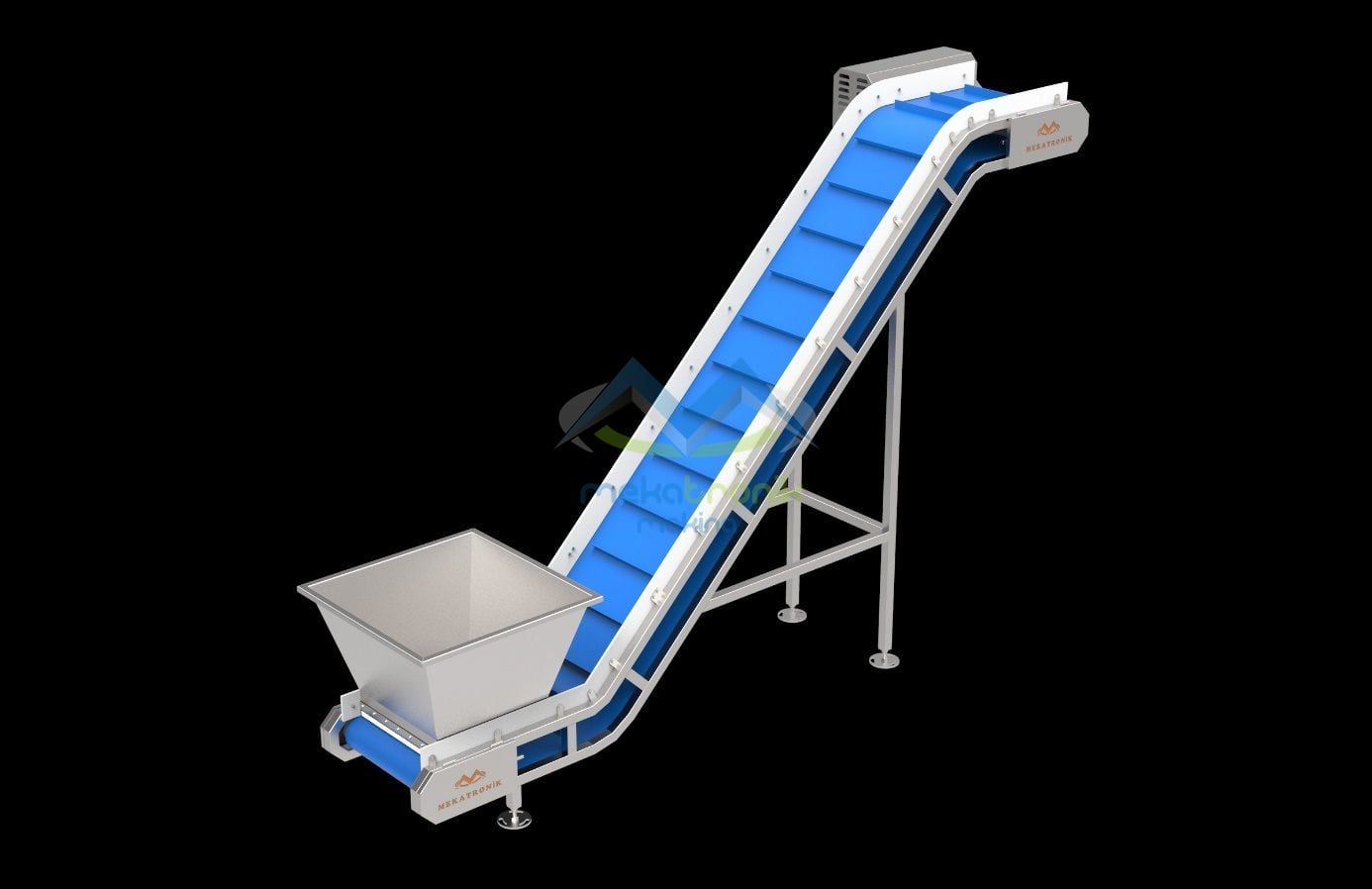
In industrial dried fruit production, washing is usually only one stage of the process. In a well-designed line, the product passes through a series of complementary machines from plant intake to packing. Depending on the product and the plant, the process can consist of feeding, pre-cleaning, aspiration, stone and sand separation, wet washing, brush washing, surface water removal, sizing, sorting and packing.
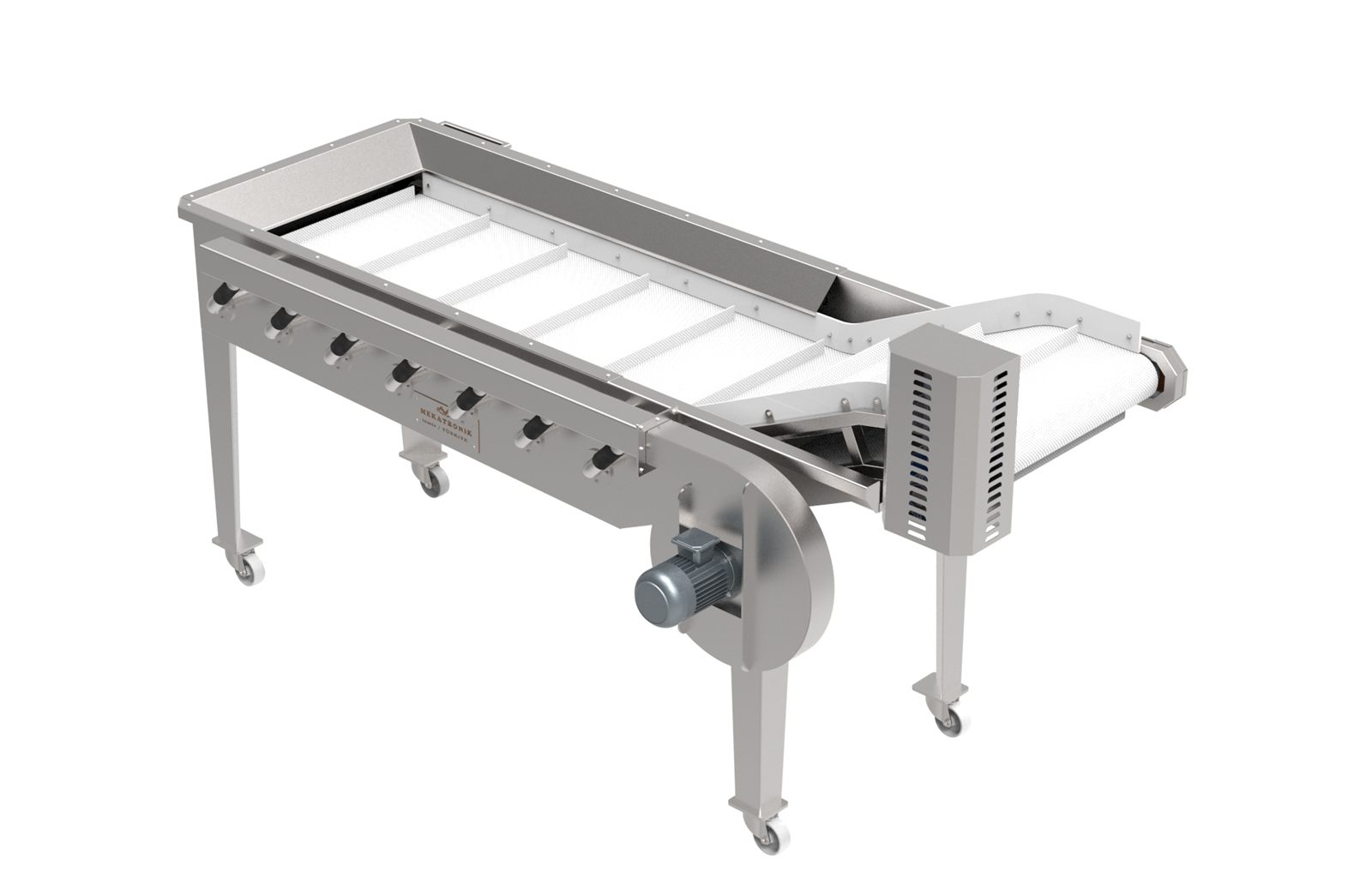
In wet washing, the brush unit usually works alongside the air-bubble universal washing machine (jacuzzi). After wet washing, the controlled removal of the water left on the product surface is important. The brush dried fruit washing machine is therefore integrated into a complete production line together with surface water removal systems and the other dried fruit processing machines. Instead of a single machine, this gives a more controlled dried fruit processing line that runs from raw material intake to the packed end product.
05
How is the right dried fruit washing machine chosen?
When choosing a food-grade brush washing machine, the first step is to define which product will be processed. Then the physical properties of the product, the hourly production capacity, the initial level of contamination, the washing method to be applied and the processes that follow washing are assessed.
A machine chosen for high capacity alone can cause unwanted damage to a delicate dried fruit. On the other hand, insufficient brushing or washing can prevent the target cleaning performance from being reached. The right system is therefore defined by assessing capacity, brush structure, water application, product travel speed, hygiene, cleanability and product sensitivity together. Capacity and operating values depend on the project, and the exact figures are settled in the quotation.
06
Mekatronik Makina dried fruit washing solutions
Mekatronik Makina develops food-grade, stainless, brush and wet washing machines and other process equipment for the dried fruit sector, with machines in the field since 1992. For dried apricots, dried figs, dates, sun-dried tomatoes, prunes and other dried fruits, the machine is selected according to the product characteristics, the target hourly capacity and the production process. The brush washing machine can be used on its own, or engineered as part of a complete dried fruit processing line made up of cleaning, washing, surface water removal, sizing, sorting and packing equipment.
A well-designed food-grade stainless brush washing system helps clean dried fruit in a controlled way and gives the line a continuous, standard process. From apricots to figs, and from dates to sun-dried tomatoes and prunes, you can reach us through the quotation page to discuss the machine and process that fit your product.