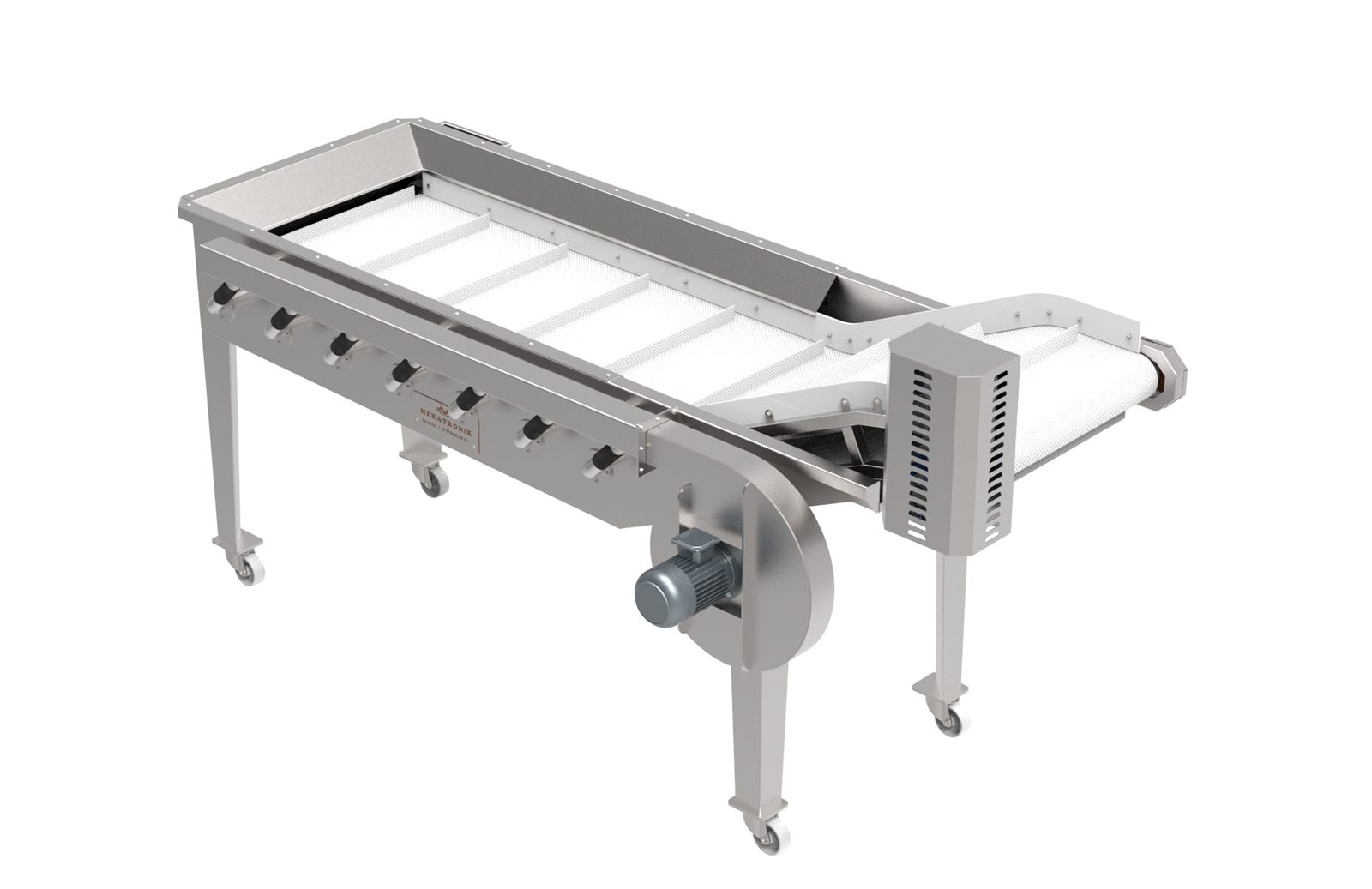
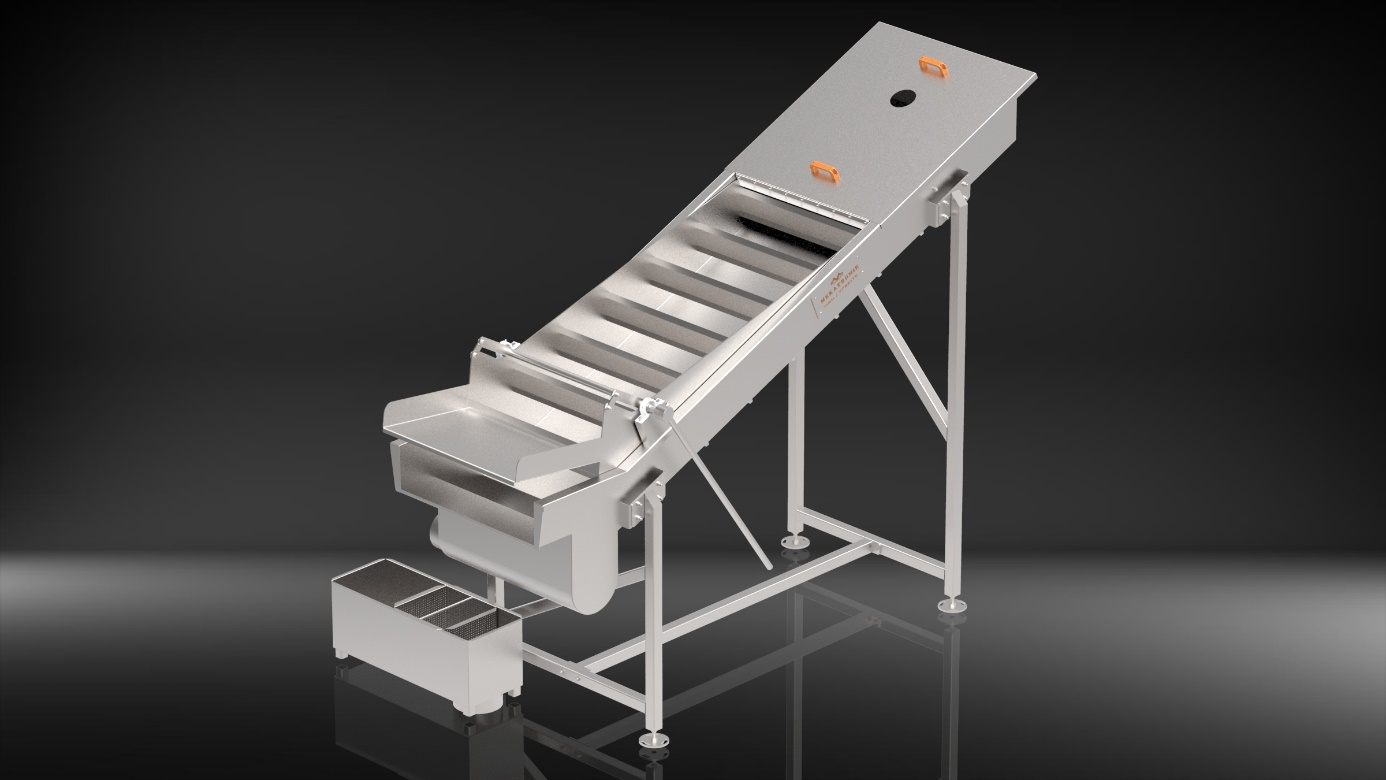
Giveaway is the product that goes into a box above the declared weight, and on a dried fruit line it adds up quietly: no box is rejected, yet every box carries a little more than it should. The usual reflex is to lower the target weight. That works for a day and then the first underweight boxes appear, because the real problem is rarely the target. It is how much the box weights vary around it. This article covers how to cut that variation on a Semi-Automatic Box Filling Scale and only then move the target.
01
Why does lowering the target not solve giveaway?
Every filled box lands a little above or below the setpoint. To make sure the lightest boxes still meet the declared weight, the target is parked above it, and the wider the spread of results, the higher the target has to sit. The extra product is the cushion that protects you from the spread. Lowering the target without narrowing the spread removes the cushion and brings underweight boxes back. The order is therefore fixed: reduce variation first, move the target afterwards.
02
How does a two-stage fill create or remove giveaway?
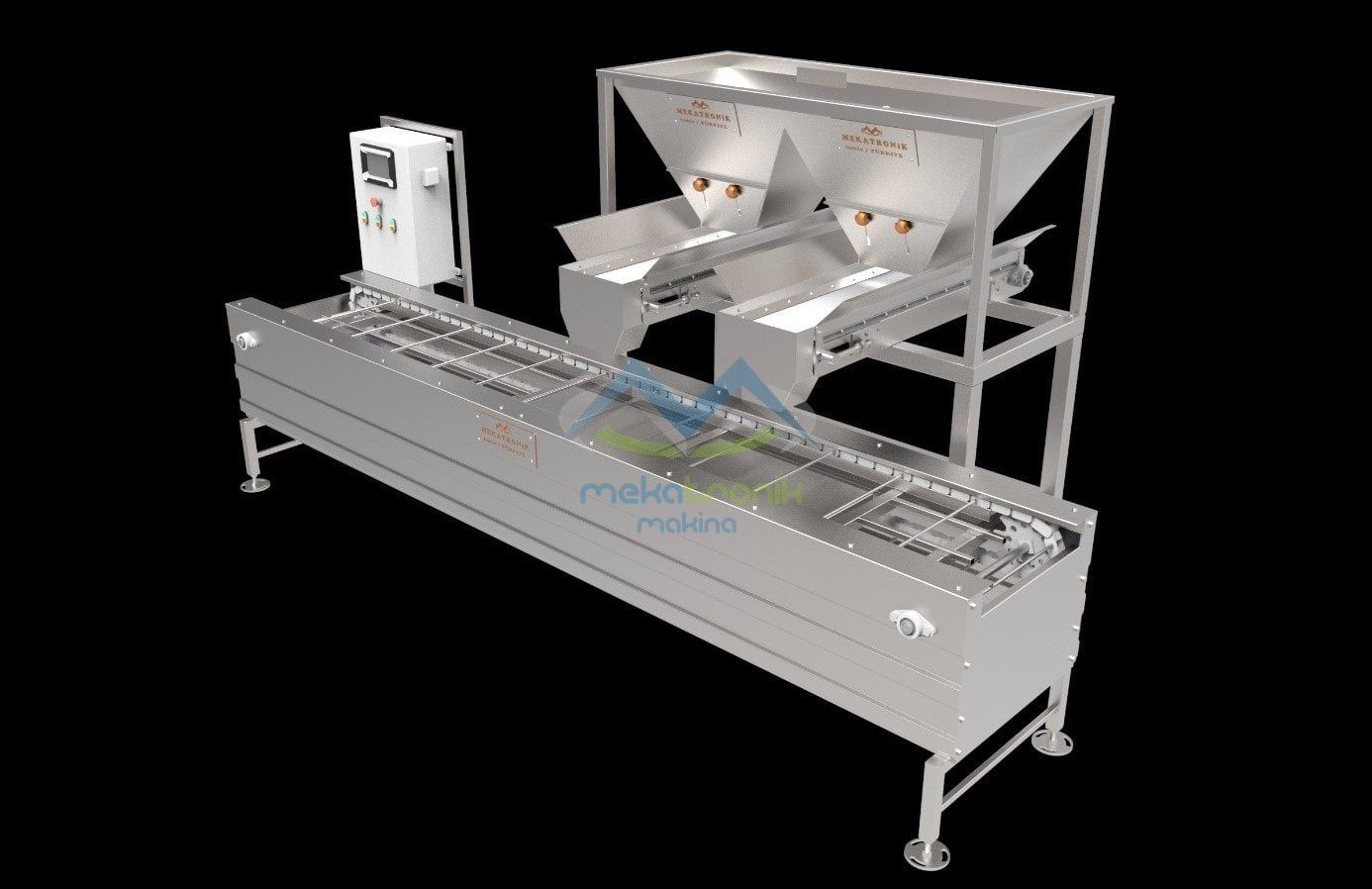
According to the catalogue entry, the machine has a load-cell based weighing system and fills in two stages, coarse and fine. The coarse stage moves most of the product quickly; the fine stage slows the flow and approaches the target in a controlled way. Giveaway sits mostly in the hand-over between the two:
- 01If the coarse stage is released too late, the fine stage has little room to correct and the last pieces overshoot the target.
- 02If it is released earlier, the fine stage runs longer and the result is steadier, but the time per box grows.
- 03The target tolerance is set together with both stages at commissioning, so it is one tuning set and not a single value. The right values depend on the project and are fixed in the quote.
03
Which sources of variation should be checked first?
The same settings give different results on different products. With dried apricots, figs or raisins, piece size, moisture and surface stickiness change how the last piece drops into the box. Check these in turn:
- 01Product: a change in piece size or moisture between lots shifts the point where the fine stage should start.
- 02Tare: if the empty box weight differs between lots, the zero point moves and the whole batch drifts high or low.
- 03Build-up: residue on the weighing surface or on the drag arms is counted as product weight.
- 04Vibration: movement from a neighbouring machine or the floor can disturb the load-cell reading.
- 05Feed: if the supply from the hopper is uneven, the amount left after the coarse stage changes. A manual box filling hopper in the same group can steady the feed to the scale.
04
How is the result tracked during a shift?
Tuning is not finished until the result is visible. A simple routine is enough: weigh a few boxes at fixed intervals on a separate reference scale, write the results down, and watch the direction as well as the single values. A slow drift in one direction points to tare or build-up; random scatter points to feed or product. Record the product, lot, box type and settings next to the numbers so a good setup can be repeated.
| Observation | Likely cause | First check |
|---|---|---|
| All boxes high or low by about the same amount | Tare or zero drift | Empty box weight, zero point |
| Slow drift during the shift | Residue build-up | Weighing surface and drag arms |
| Random scatter | Uneven feed or product change | Hopper supply, piece size, moisture |
| Only a few boxes far above target | Late coarse release | Coarse and fine stage hand-over |
05
When can the target be lowered?
Once the sampled results stay within a narrow band over several shifts and several lots, the target can be moved down in small steps, with a check after each step. The declared weight and the permitted tolerance come from your buyer and from the packaging rules of your market, so confirm those before changing anything. Where the line packs for export, the export page explains how installed lines are supplied.
06
Next step
To size a filling station for your product, send us the product, the box type and the target weight through the quote page. Capacity and tolerance values are project-specific and are finalised in the quote.