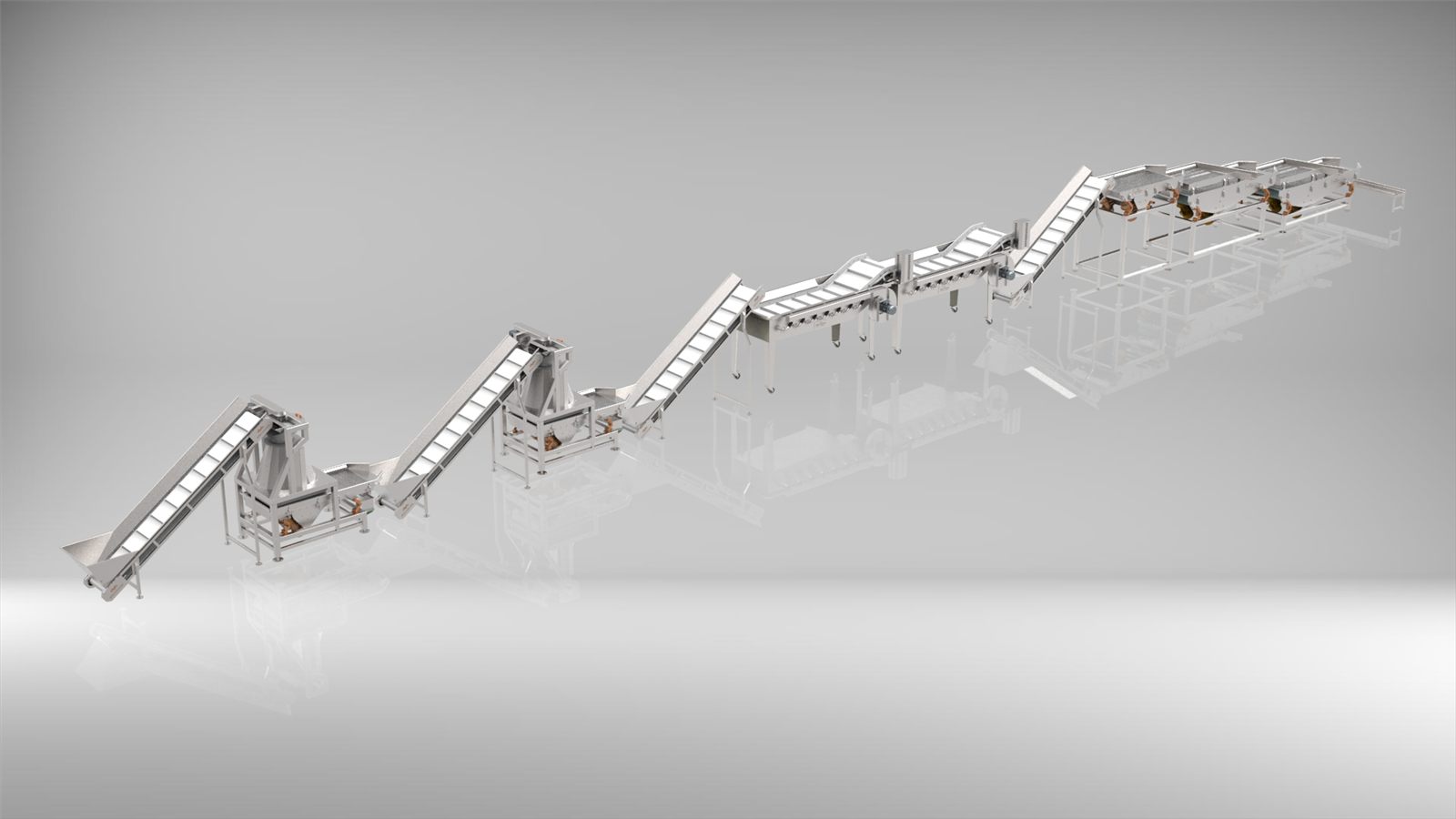
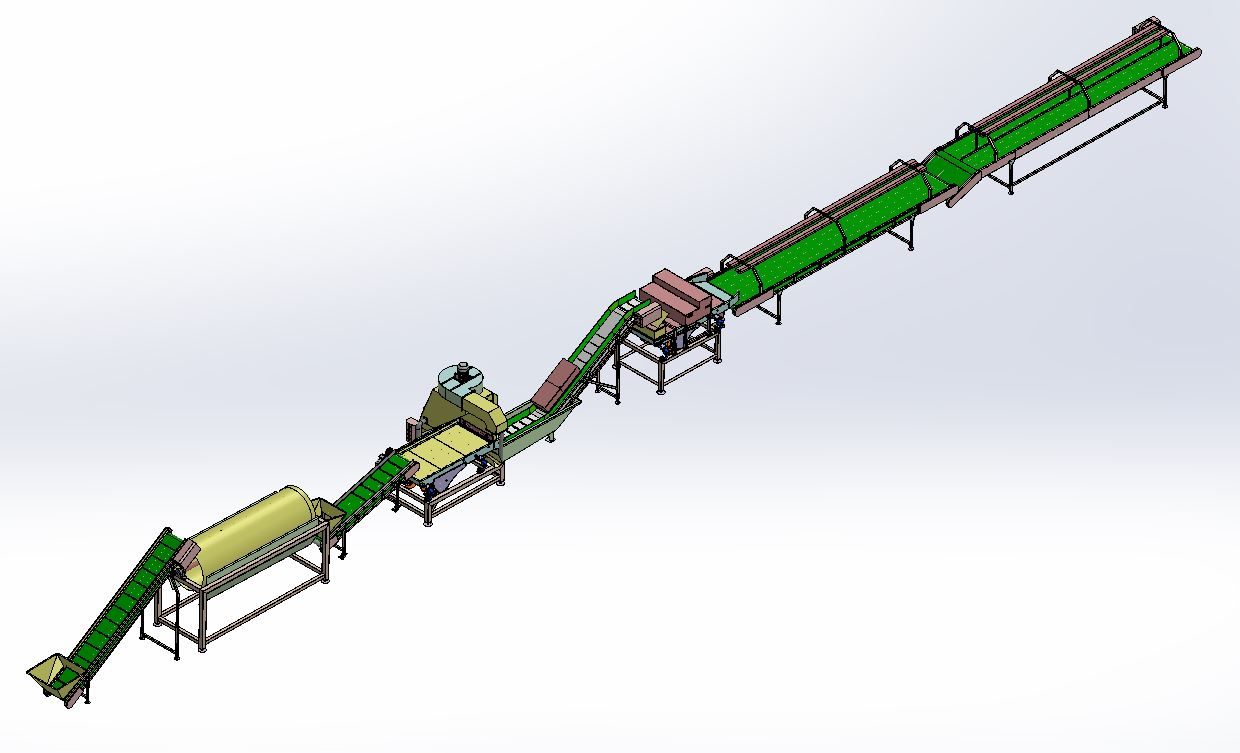
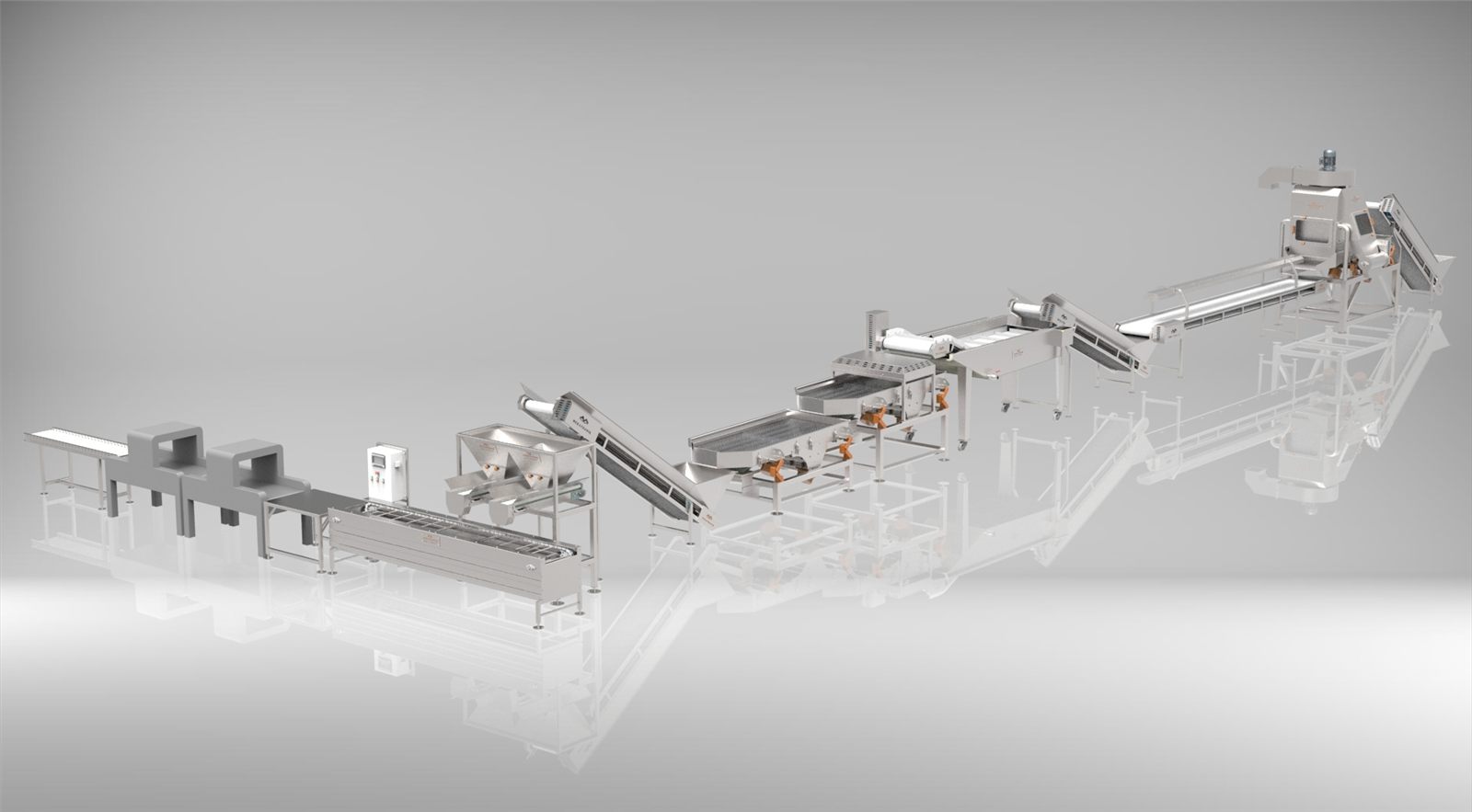
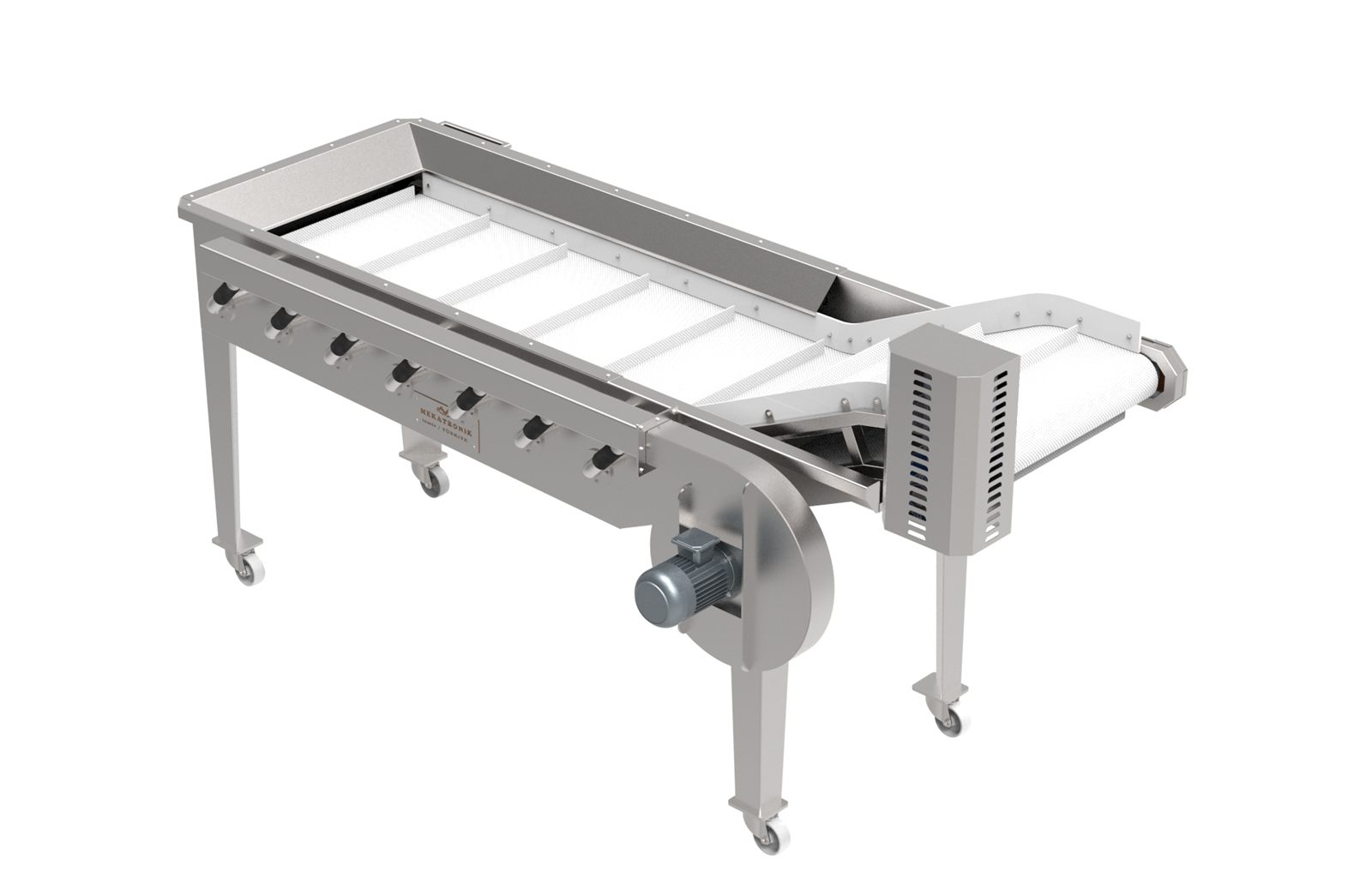
Once dried apricots or figs reach sizing and washing, many buyers need the fruit cut into uniform pieces before weighing and filling. Manual cutting is slow and produces inconsistent piece sizes, which then throws off checkweighers and packing lines. This article explains how a dicing machine handles that step, which products it fits, and where it belongs on the line.
01
What the dicing machine does
The machine takes fruit that has already been sized and washed and cuts it into cubes of a set dimension. The goal is not just reducing piece size, it is producing a uniform output so the weighing and filling stations downstream work with predictable batches. Mixed piece sizes cause both weight variance on the scale and an inconsistent look inside the pack. On automated weighing lines, that variance forces the checkweigher to keep adding or trimming product to hit the target weight, which slows the whole line down and increases giveaway over a shift.
With manual cutting, every operator holds the blade at a slightly different angle, which creates a piece size drift over a shift that is invisible to the eye but shows up on the scale. A machine removes that drift because blade spacing, once set, stays fixed for the whole shift regardless of operator fatigue.
02
How the blade system works
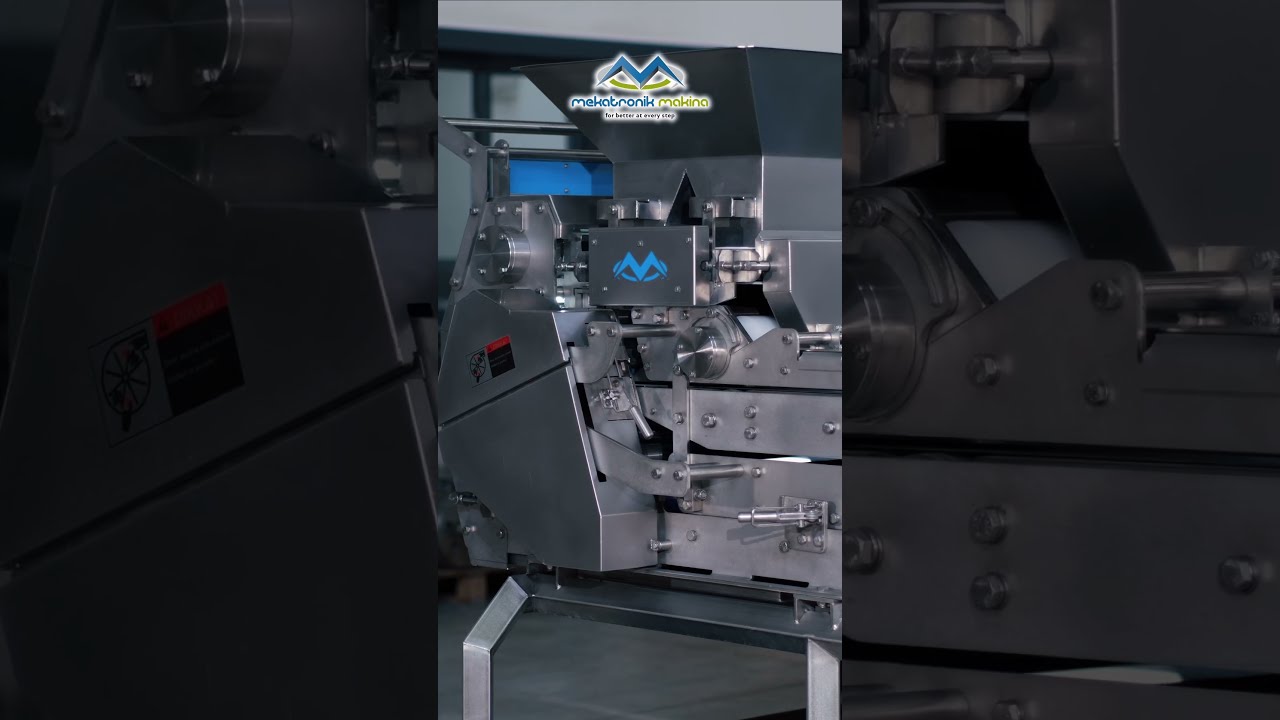
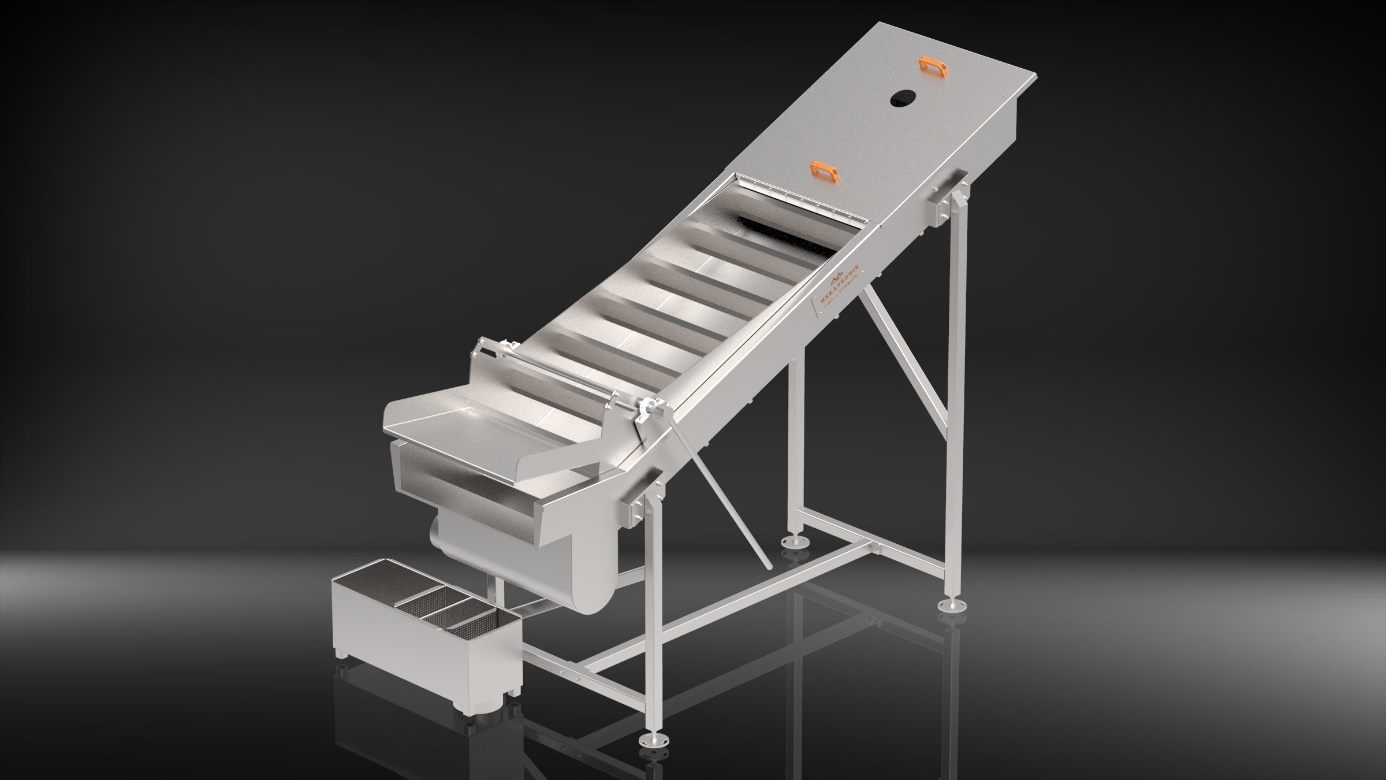
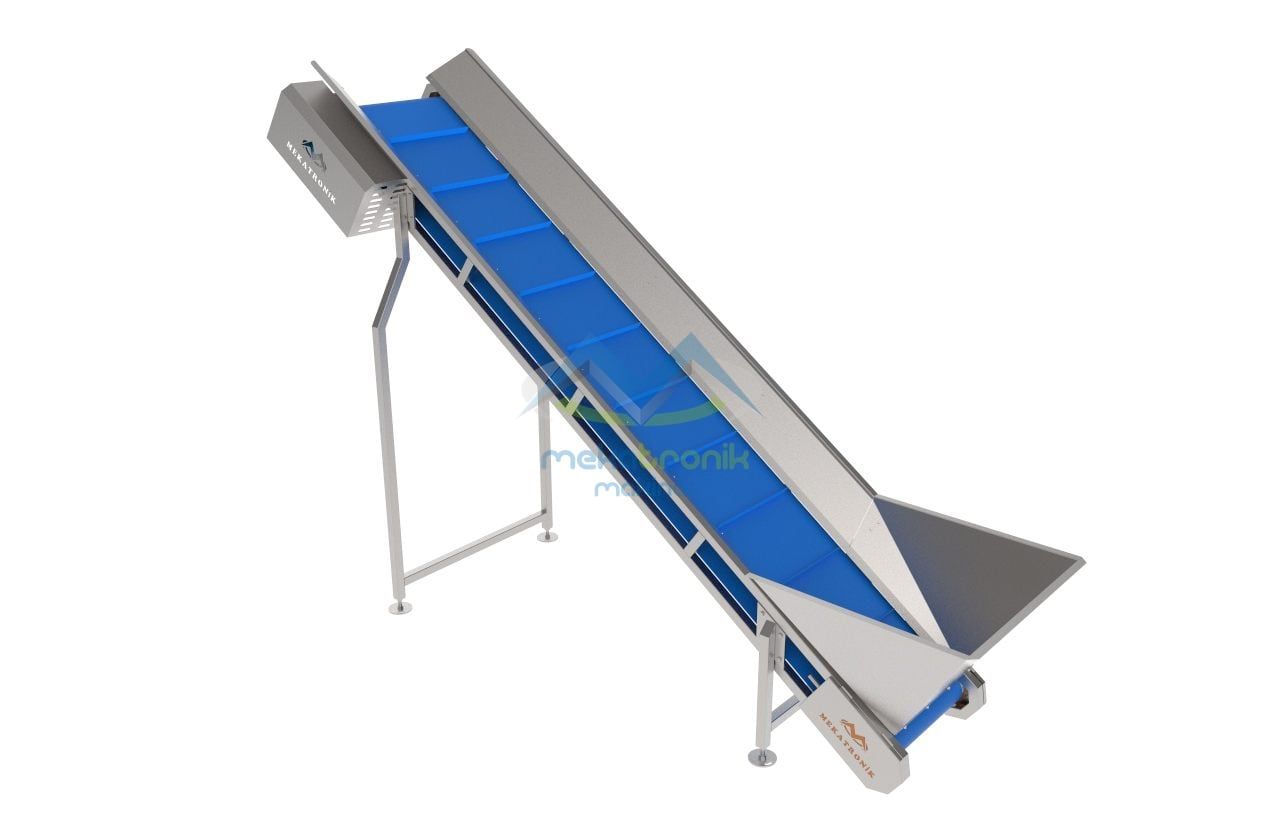
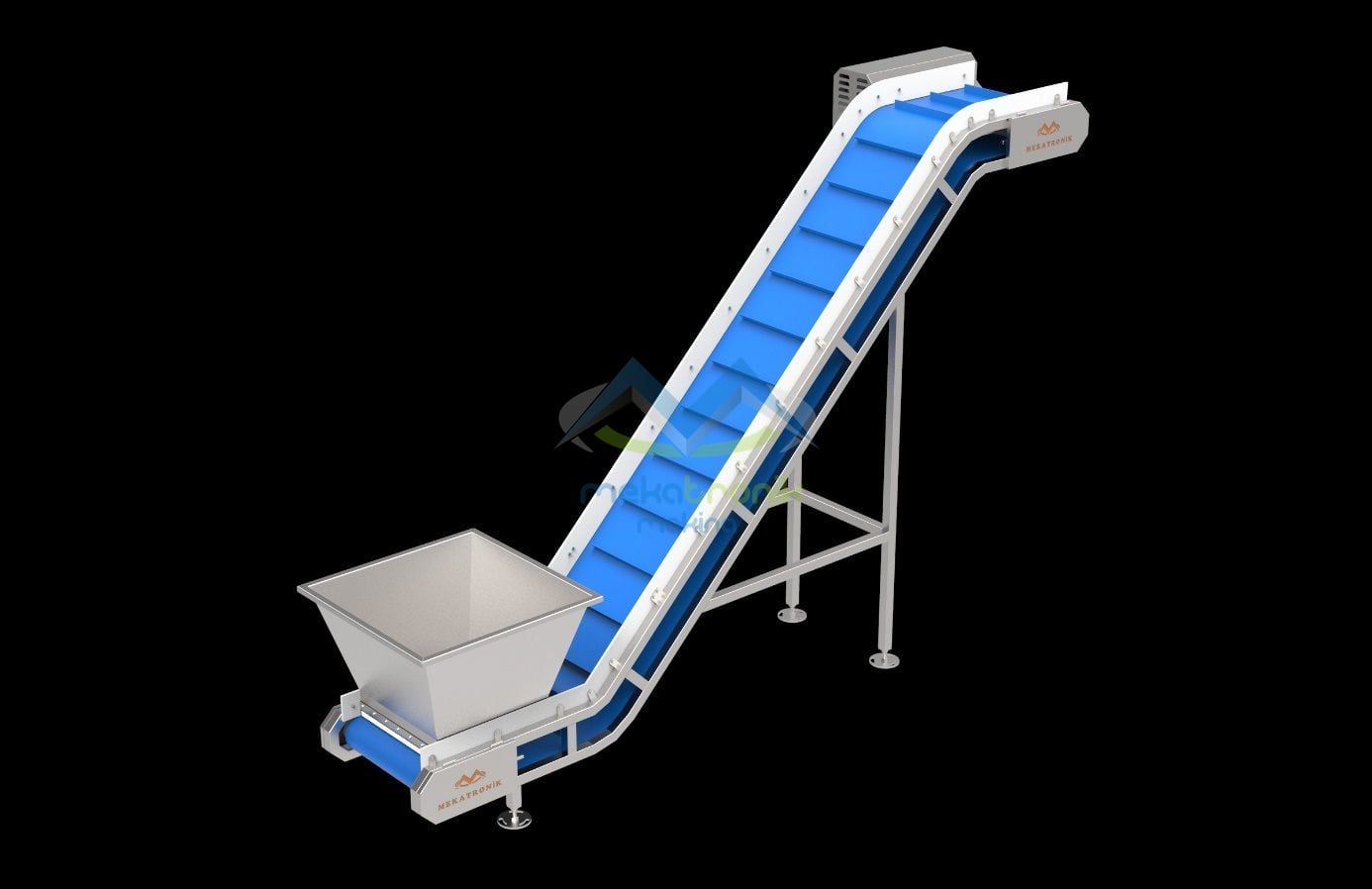
Fruit enters through a feed conveyor and passes between two perpendicular blade sets. The first set cuts the fruit into strips, and the second set crosses those strips into cubes. Blade spacing is adjustable per product; soft fruit like apricot needs a different cutting speed and blade pressure than fibrous fruit like fig. Blade sharpness matters as much as spacing: a dull blade crushes fruit instead of cutting it, which damages the surface and pushes moisture out of the piece. Exact cutting speed and throughput depend on the product and are confirmed during the quotation stage rather than fixed in advance.
Keeping a spare blade set on hand shortens any unplanned stop. Because the cutting station usually sits in the middle of the line, a stoppage there holds up both the stations feeding it and the ones waiting for its output, so how quickly blades can be swapped is worth checking before buying.
03
Which products it handles
Dicing machines are used across several dried fruit and vegetable lines. Common applications include:
- 01Dried apricot: sliced or diced for bakery and confectionery use
- 02Dried fig: diced for bakery and industrial fillings
- 03Dried tomato: sliced for culinary and canning use
- 04Mixed dried fruit packs that need uniform piece sizes
- 05Export orders that specify a particular cut size for the buyer
04
Where it sits on the line
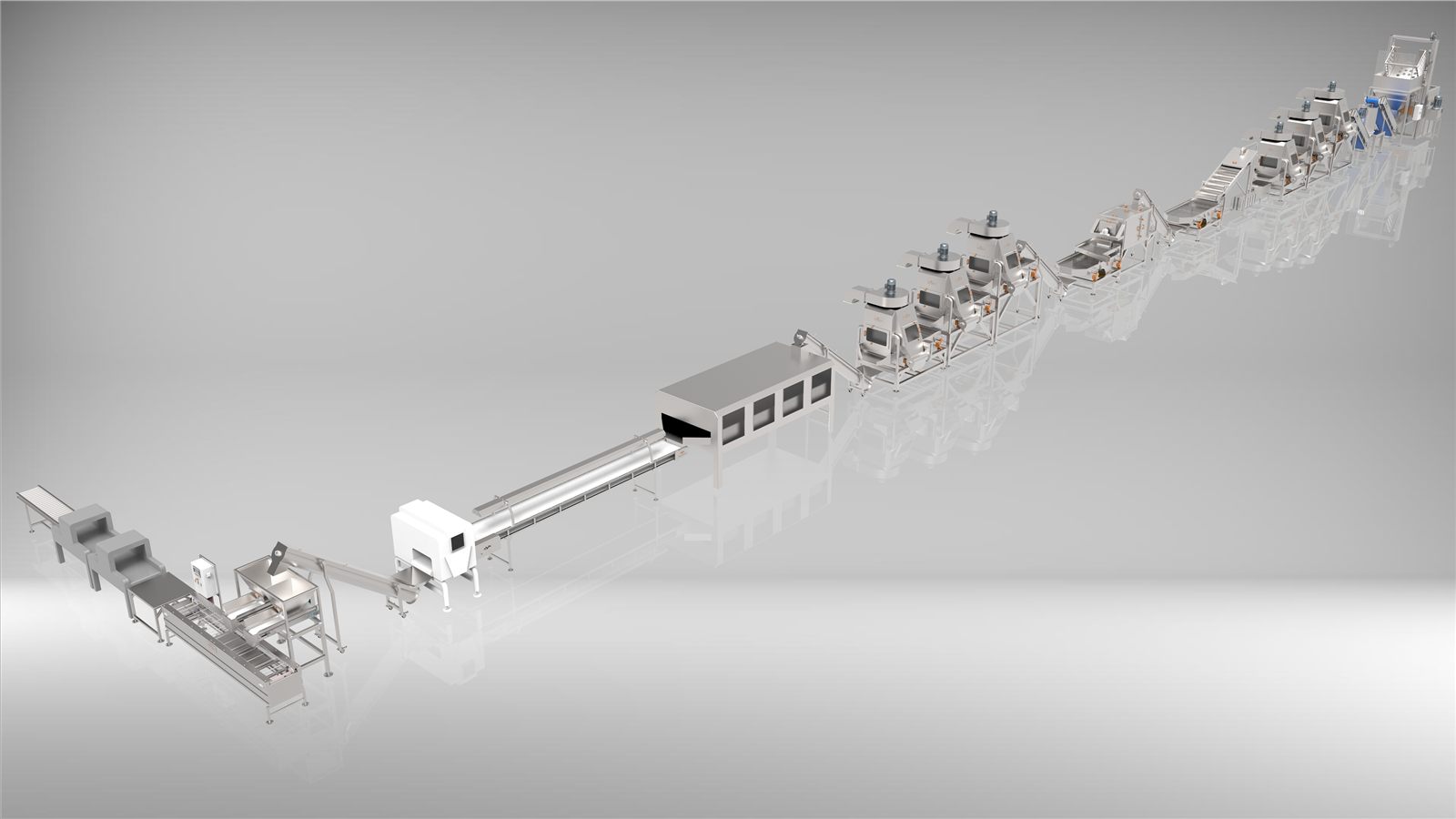
Cutting comes after sizing and washing and before weighing and filling. This sequence is laid out on the apricot line cutting stage page. Fruit moisture and firmness need to be consistent going into the cutter, since uneven texture causes ragged cuts and blade wear. That is why a moisture conditioning or final sizing step usually sits right before the cutting station rather than feeding fruit straight from the dryer, and why cutting speed is matched to the capacity of the weighing station right after it.
05
Stainless construction and hygiene
Product contact surfaces are AISI 304 stainless steel, which holds up against the acidity and moisture released during cutting. Blade assemblies need to come apart for cleaning, since the cutting station is one of the most frequently cleaned points on the line, and sugar residue from the fruit tends to stick to the blade surface faster than at other stations.
We have been building these lines since 1992, with more than 2,000 machines running in 22 countries, and blade configuration is set per product rather than sold as one fixed unit. You can review the dicing machine page, check export terms for your market, or request a quote for the full line.
TOPICS